
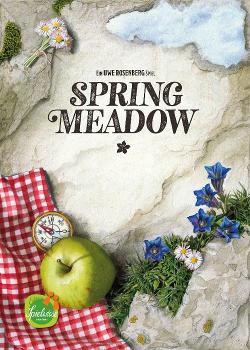
2018 · Quebra-cabeça
Spring Meadow
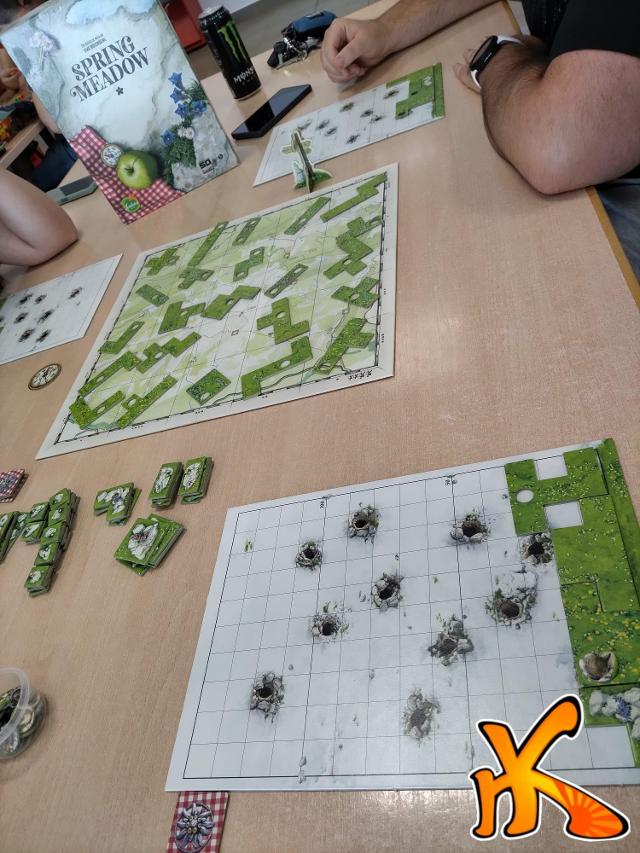
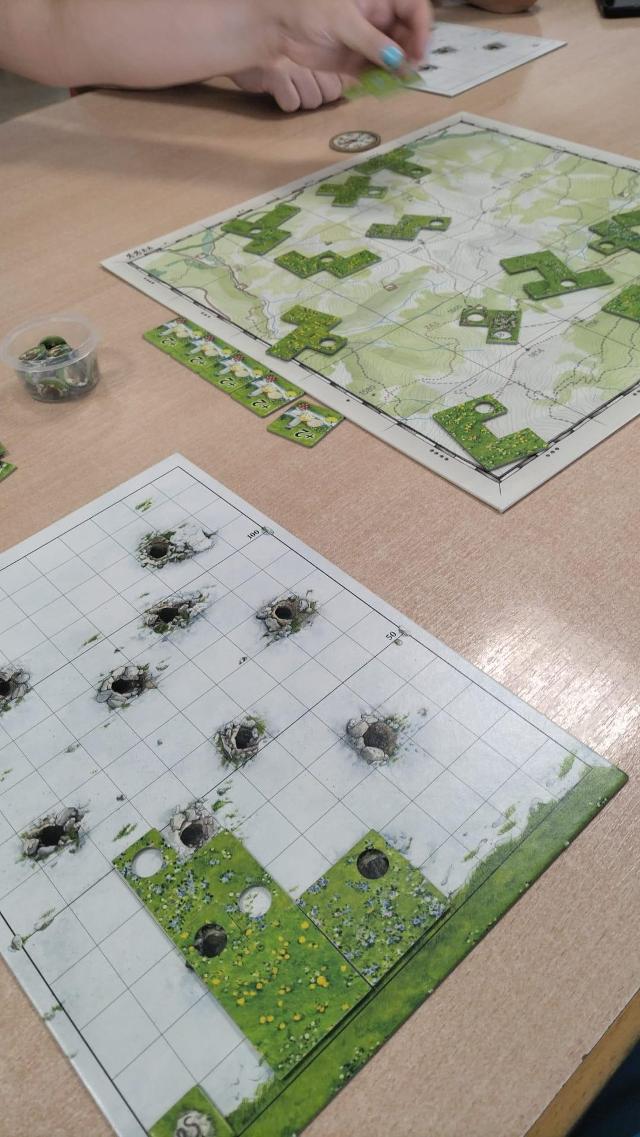
A primavera chega às montanhas, e os jogadores montam um prado florido ao colocar peças irregulares com 0 a 2 buracos nos seus tabuleiros pessoais de montanha. As peças são escolhidas de um tabuleiro central; colocá-las para criar ou expandir grupos de buracos concede peças extras, enquanto as tocas de marmota nas peças restringem onde as peças podem ser colocadas. Os jogadores gerem os seus snacks limitados (a ordem de turno e as escolhas de peças) e as restrições espaciais para fazer crescer o seu prado. A pontuação ocorre em intervalos, com base nas peças de prado escolhidas do centro, e o maior prado ganha um pin de caminhada. O primeiro jogador a colecionar dois pins de caminhada durante as pontuações vence.
- Jogadores
- 1–4 melhor com 1
- Tempo de jogo
- 15–60 min
- Idade
- 10+
- Complexidade
- 1,8 / 5
Sobre o jogo
- Design
- Arte
- Editora


Expansões
Ver na Ludoya
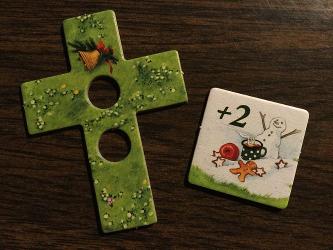
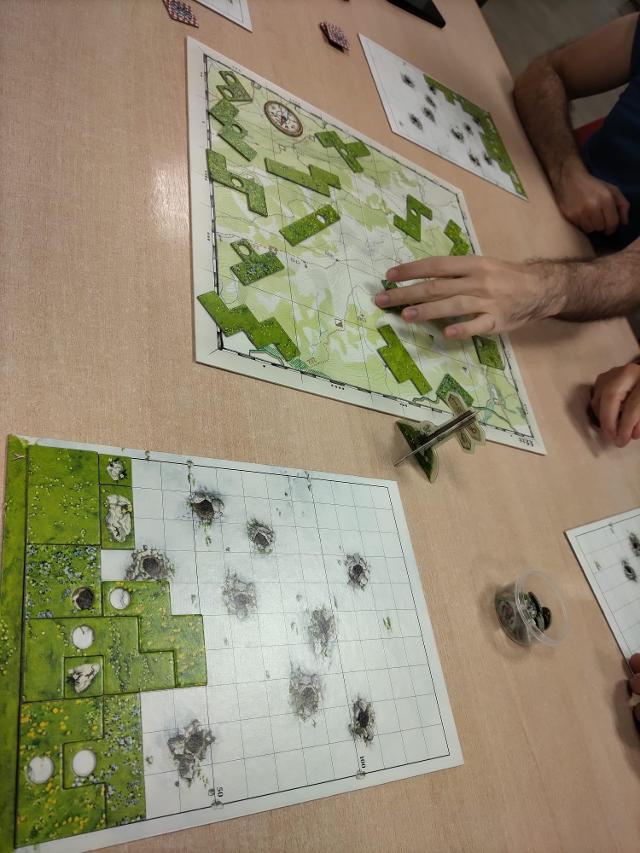
Fotos das mesas da Ludoya
Todas as fotos na Ludoya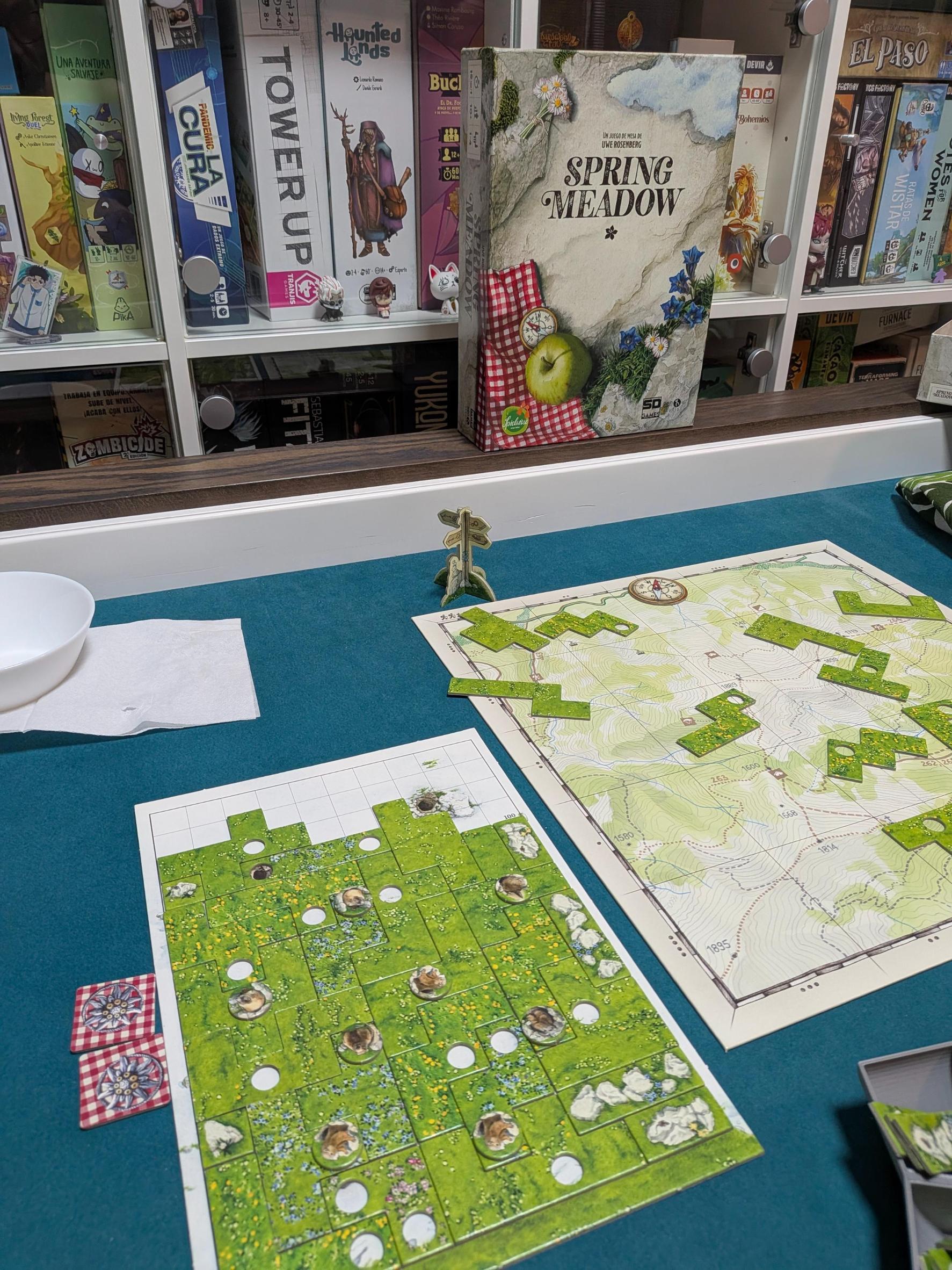
Onde comprar
Preços das lojas e cópias usadas, verificados todos os dias.
Nas mesas da Ludoya
Todas as estatísticas na Ludoya- 246
- Partidas registradas
- 149
- Jogadores
- 31m 34s
- Partida média
- 39
- Em ludotecas
- 4
- Em listas de desejos
7,4/10
de 14 avaliações na Ludoya
Won in Rifa. Sold in LaBSK.
Jogou 7 vezes
Evan7,0 In this game, players are drafting tiles from a grid as in Cottage Garden. This is a wonderful tile selection method as you can clearly see what tiles are coming up and you can plan your future moves reducing downtime substantially. You lay your tiles as evenly as possible into your player board aiming to complete rows. When a selection row on the grid would be selected from yet is mostly depleted, the game pauses for a scoring. Players get 10 vp for each completed row plus 1 vp for each completed square in their lowest incomplete row, and a few mini points for various features. Winner gets a VP chip, and then you refill the grid, and play continues until someone manages to get 2 chips. The interesting part of the game is that the tetris tiles have holes in them like in Indian Summer, and if you line up the holes with the printed spaces on your map, you get bonus points in the next scoring, and if you line the holes up with each other, you get to lay down bonus tiles to cover new areas. There's a nice tension between wanting to get the tile that perfectly fits your situation, vs wanting to extend your chain of contiguous holes. Of the three games in the series, I think Indian Summer is still my favorite, because this game is very low on player interaction, and the art on the tiles is by far the blandest of the three. That being said I'm looking forward for more of this game, and I hope it grows on me over time. ★ Art, Iconography and components functional ★ Clever or interesting mechanisms ★ Reasonably low downtime between turns with mildly AP players ★ Multiple plays stay interesting ★ Low or mitigatable luck elements ★★★☆☆ Raw enjoyment
Jogou 6 vezes






















Grátis, na web, Android e iOS
Jogue Spring Meadow com a Ludoya
- Tenha na sua ludotecaAcompanhe sua cópia e suas expansões, empreste para os amigos ou coloque na lista de desejos e seja avisado quando o preço cair.Adicionar à sua ludoteca
- Registre cada partidaPontuações, vencedores, cronômetros e fotos, e depois suas estatísticas: taxa de vitórias, número de jogadores favorito, melhor pontuação.Registrar uma partida
- Marque os pontos sem papelUse as folhas de pontuação e os ajudantes de jogo da comunidade e deixe a Ludoya somar os pontos.Encontrar folhas de pontuação
- Encontre gente para jogarClubes, noites de jogos e eventos perto de você que levam este jogo para a mesa.Ver eventos
Dados do jogo (jogadores, tempo de jogo, idade, créditos) do BoardGameGeek.