
2001 · Animals
Hive
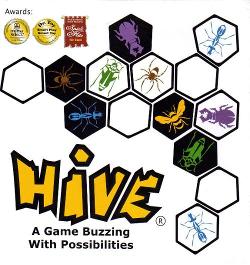
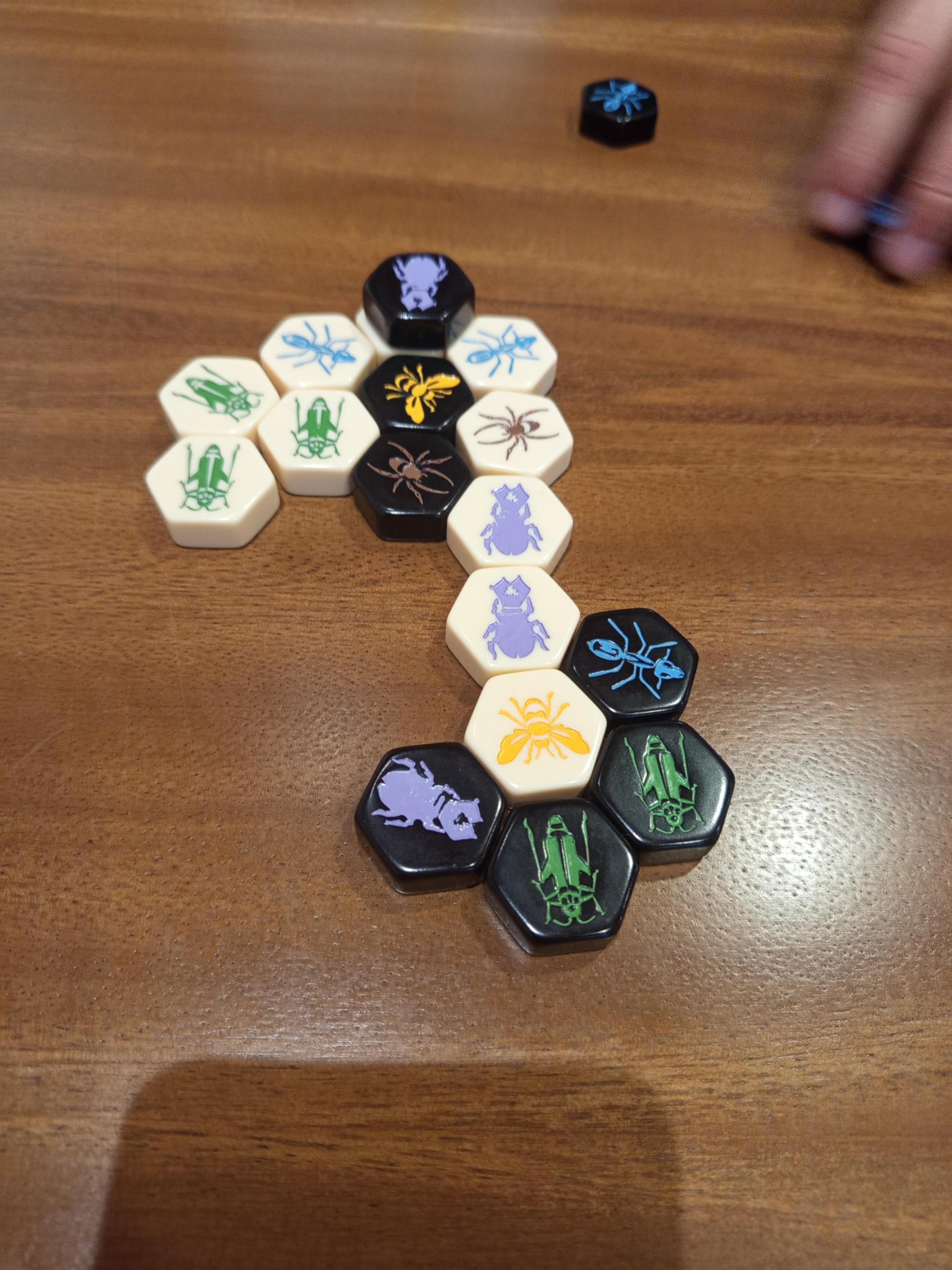
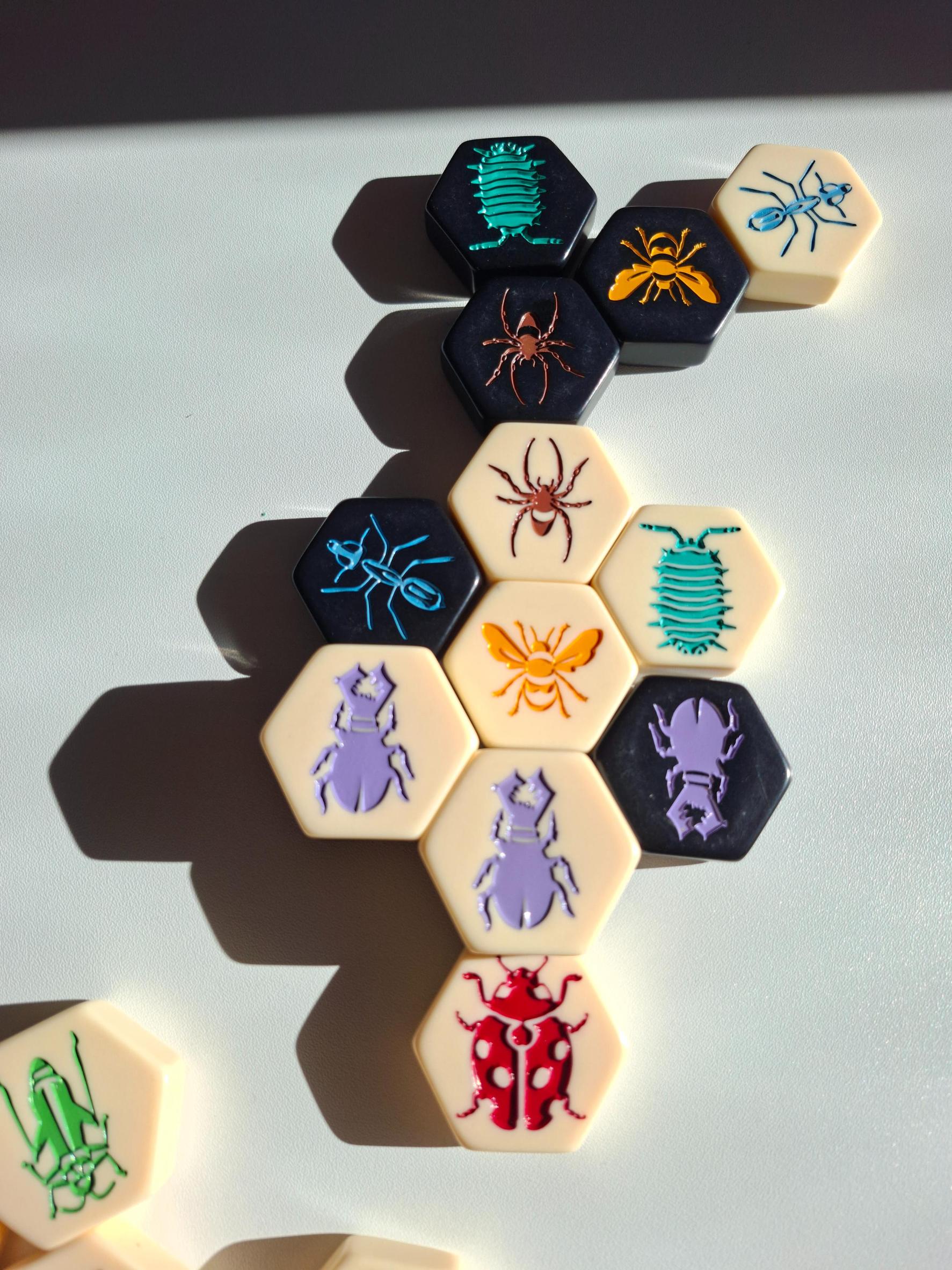
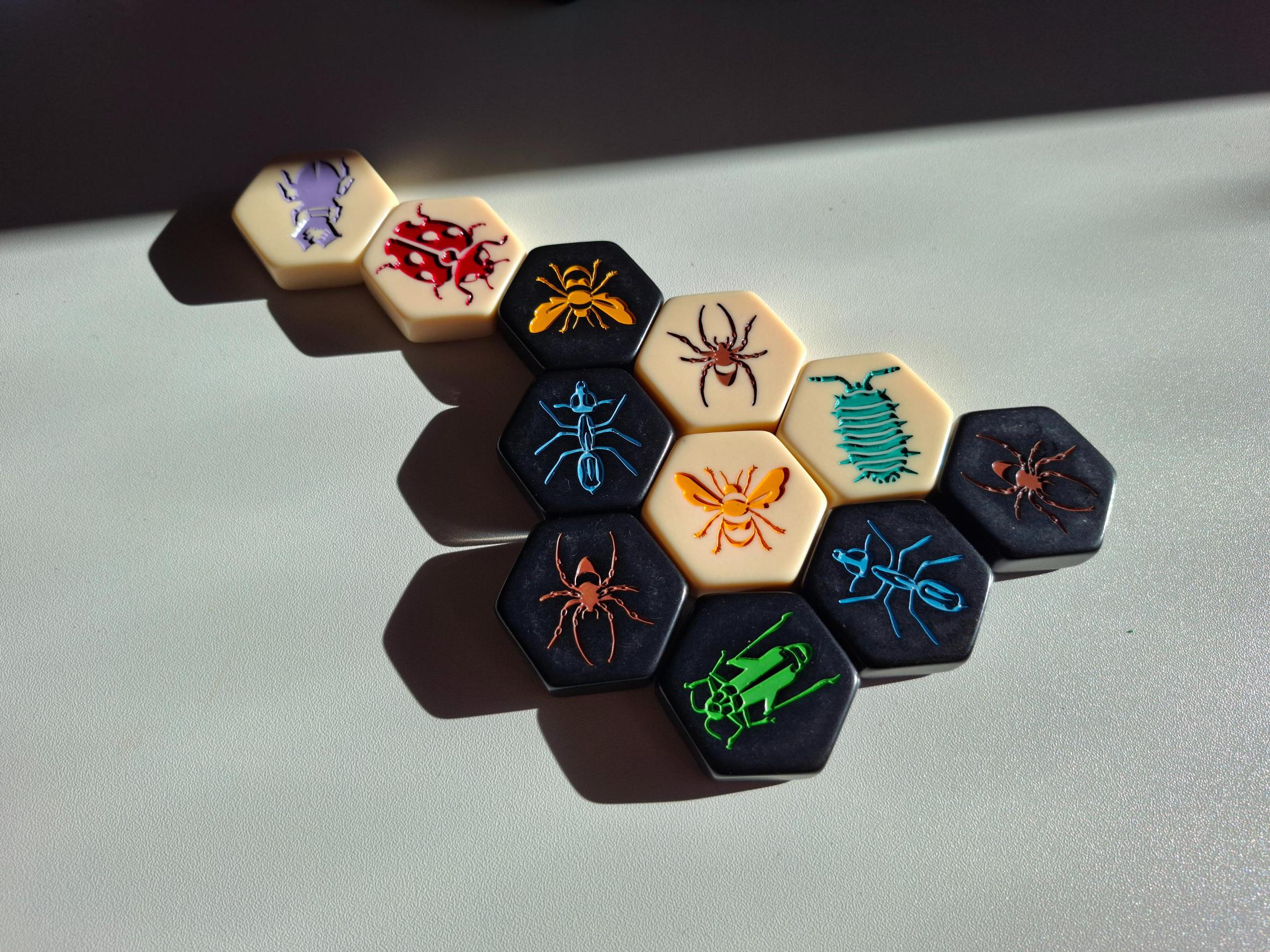
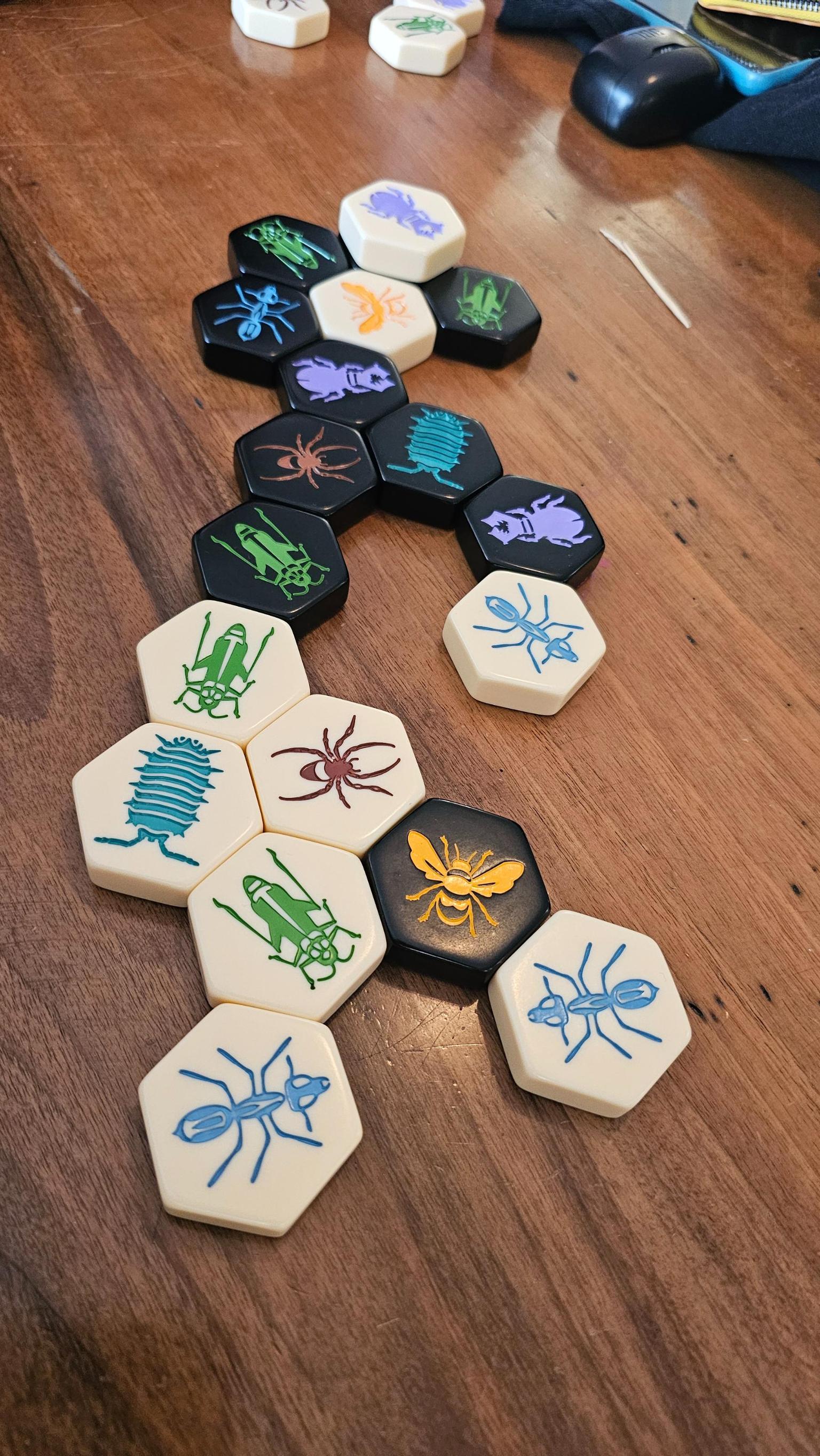
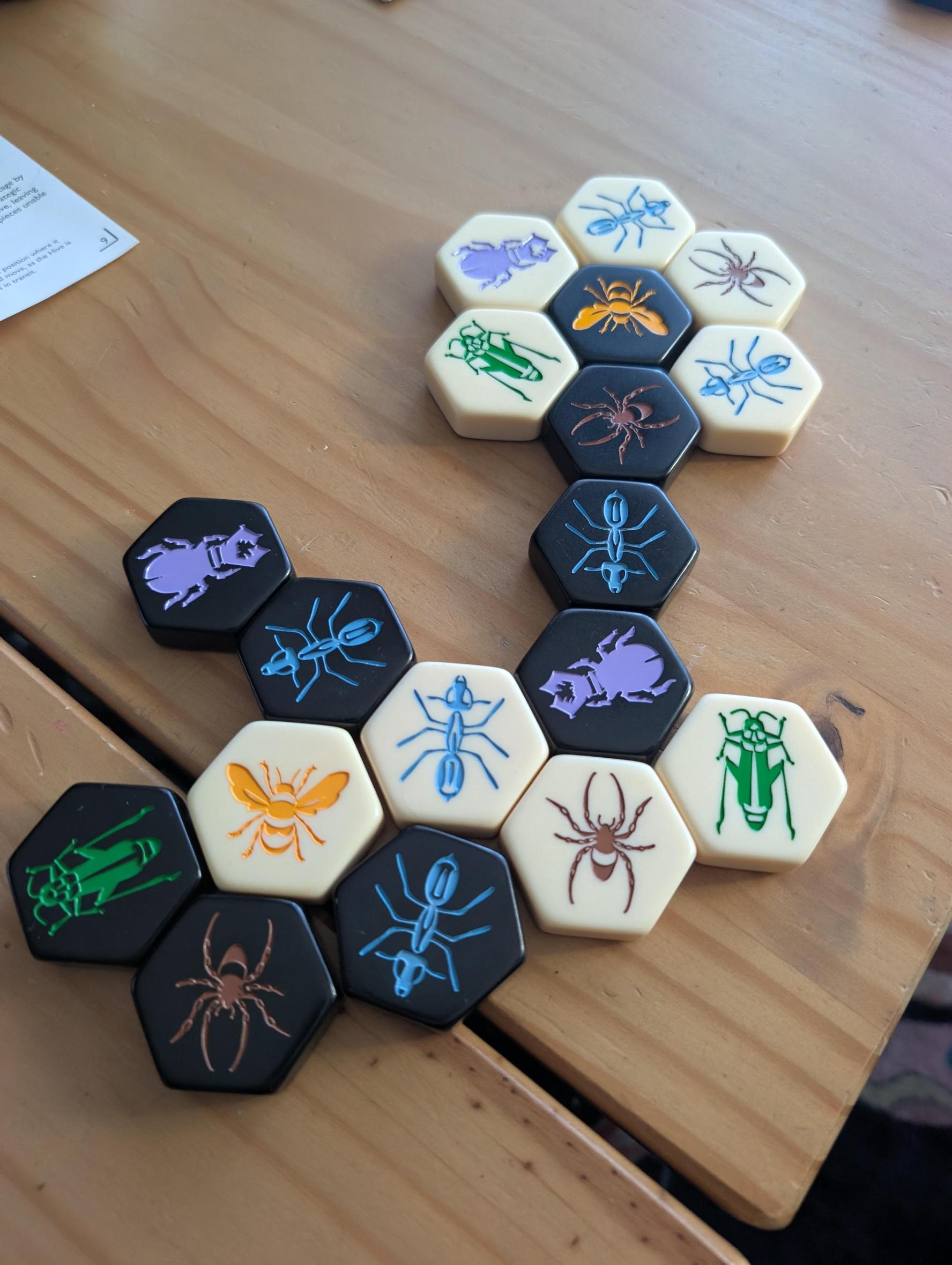
Players build a shared playing surface from hexagonal insect tiles instead of using a board. Each player has a set of different creatures, and each type moves according to its own rule when placed or slid around the growing hive. Pieces are never removed; new tiles are added to expand the formation and create pathways or blockages. The goal is to completely surround the opponent’s queen tile while preventing the same fate for one's own queen. Turn play alternates between placing a new piece or moving an existing one, with strategic placement and movement determining control of space.
- Players
- 2
- Playing time
- 20 min
- Age
- 9+
- Complexity
- 2.3 / 5
About the game
- Design
- Art
- Publishers



Expansions
See them in Ludoya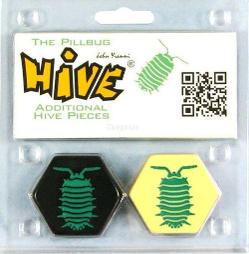 Hive: The Pillbug2013
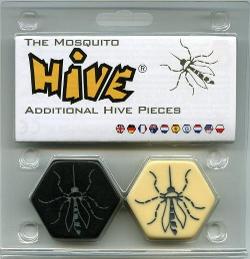 Hive: The Mosquito2007
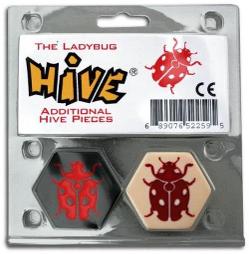 Hive: The Ladybug2010
 Hive Colony (fan expansion for Hive)2015
 Dragonfly (fan expansion for Hive)2015
 The Earthworm (fan expansion for Hive)2013
 The Firefly (fan expansion for Hive)2018
 Cockroach (fan expansion for Hive)2013
 Centipede (fan expansion for Hive)2015
 Firefly (fan expansion for Hive)2015
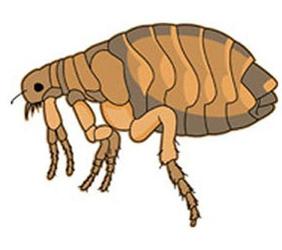 Flea (fan expansion for Hive)2011
 Fly (fan expansion for Hive)2015
 Butterfly (fan expansion for Hive)2015
 Moth (fan expansion for Hive)2015
 Praying Mantis (fan expansion for Hive)2015
 Assassin Bug (fan expansion for Hive)2015
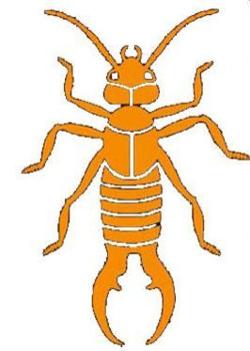 Earwig (fan expansion for Hive)2013
 Queen Wasp (fan expansion for Hive)2015
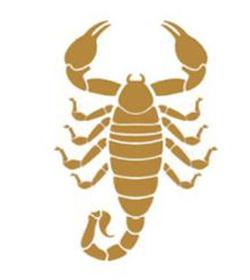 Scorpion (fan expansion for Hive)2015
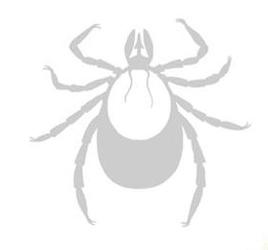 Tick (fan expansion for Hive)2015
 Shieldbug (fan expansion for Hive)2015
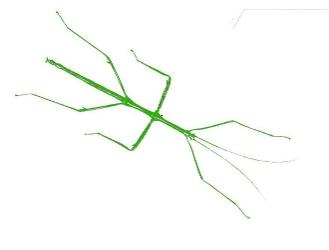 Stick-bug (fan expansion for Hive)2011
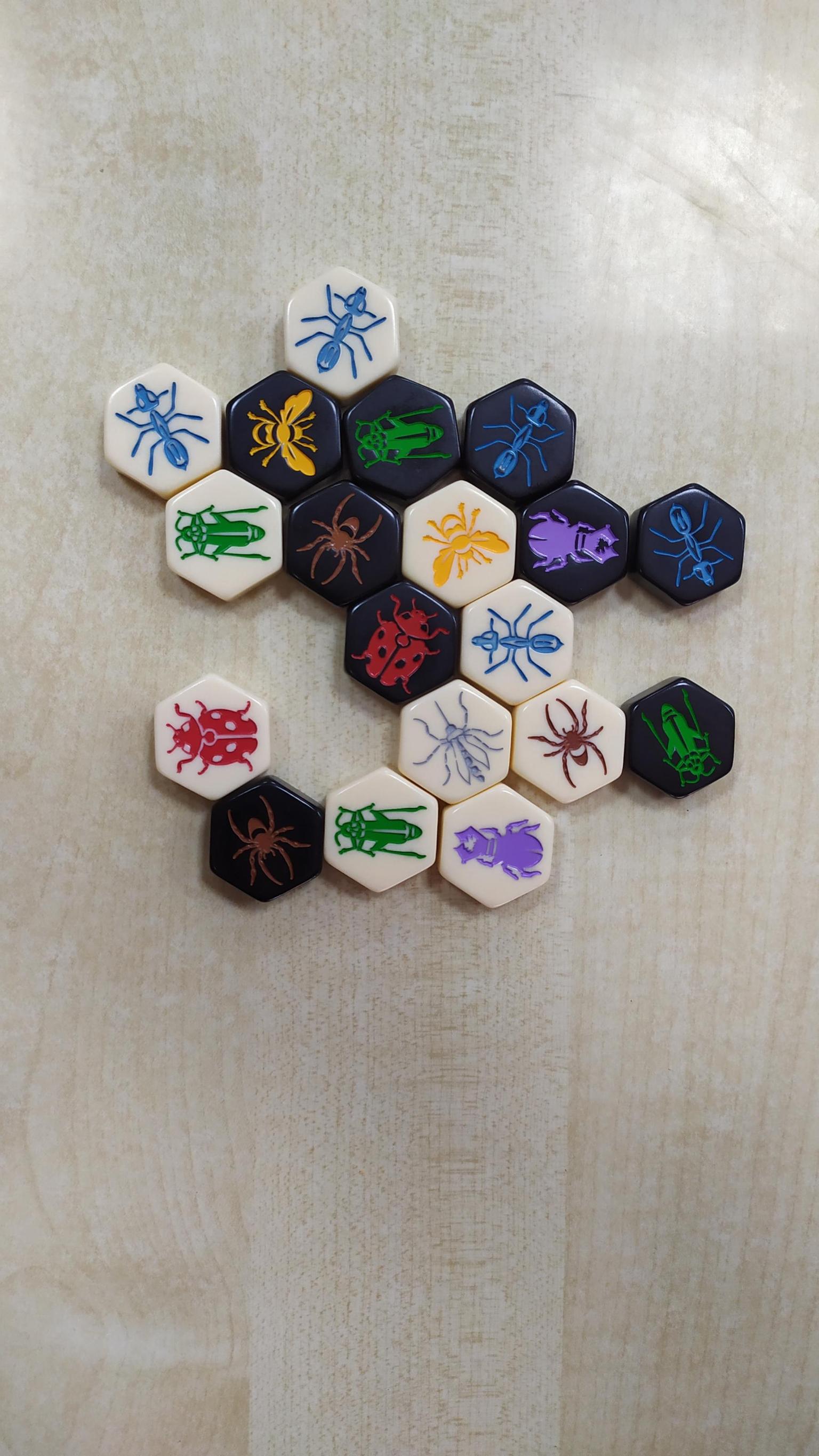
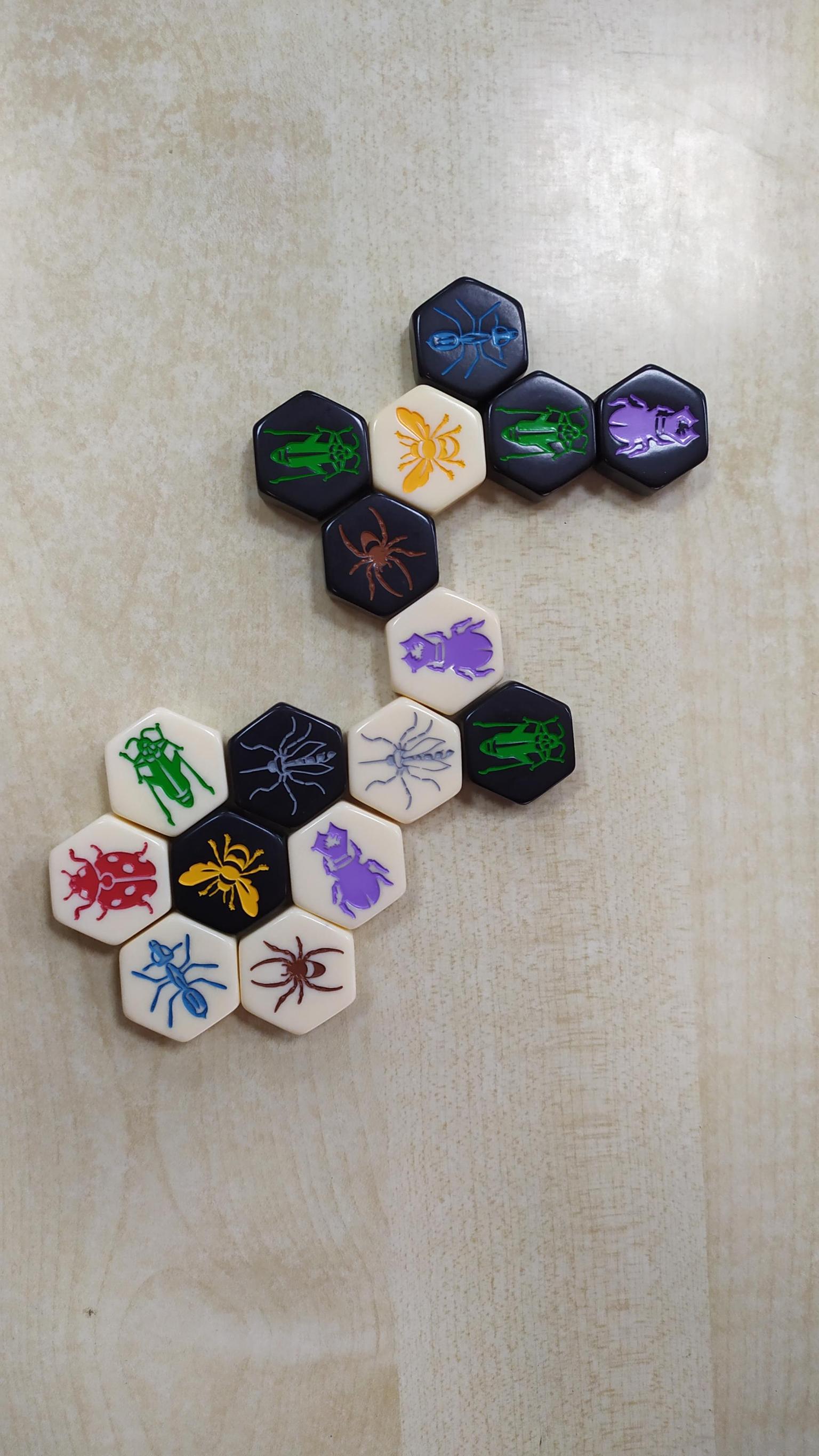
Photos from Ludoya tables
All photos in Ludoya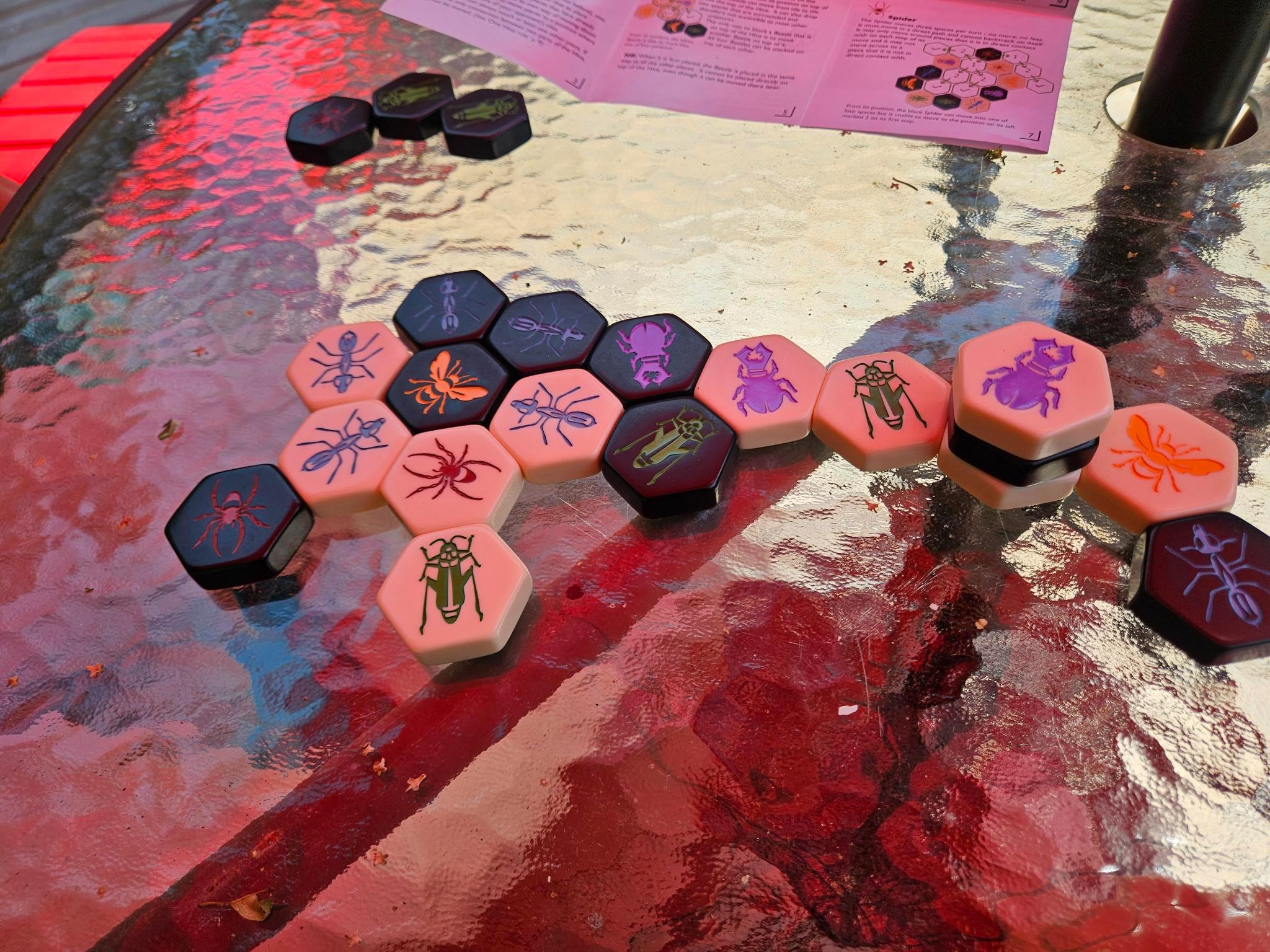
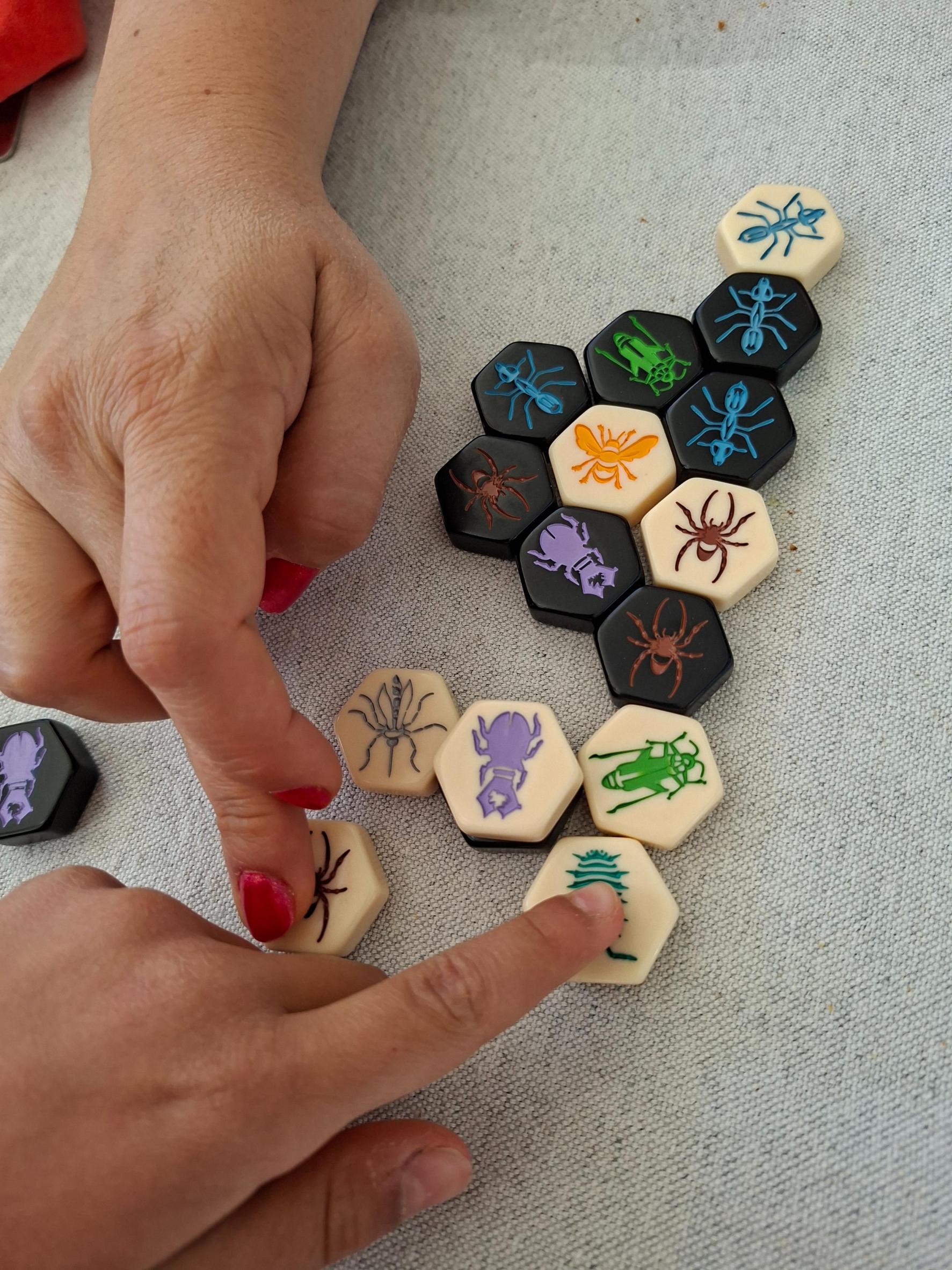
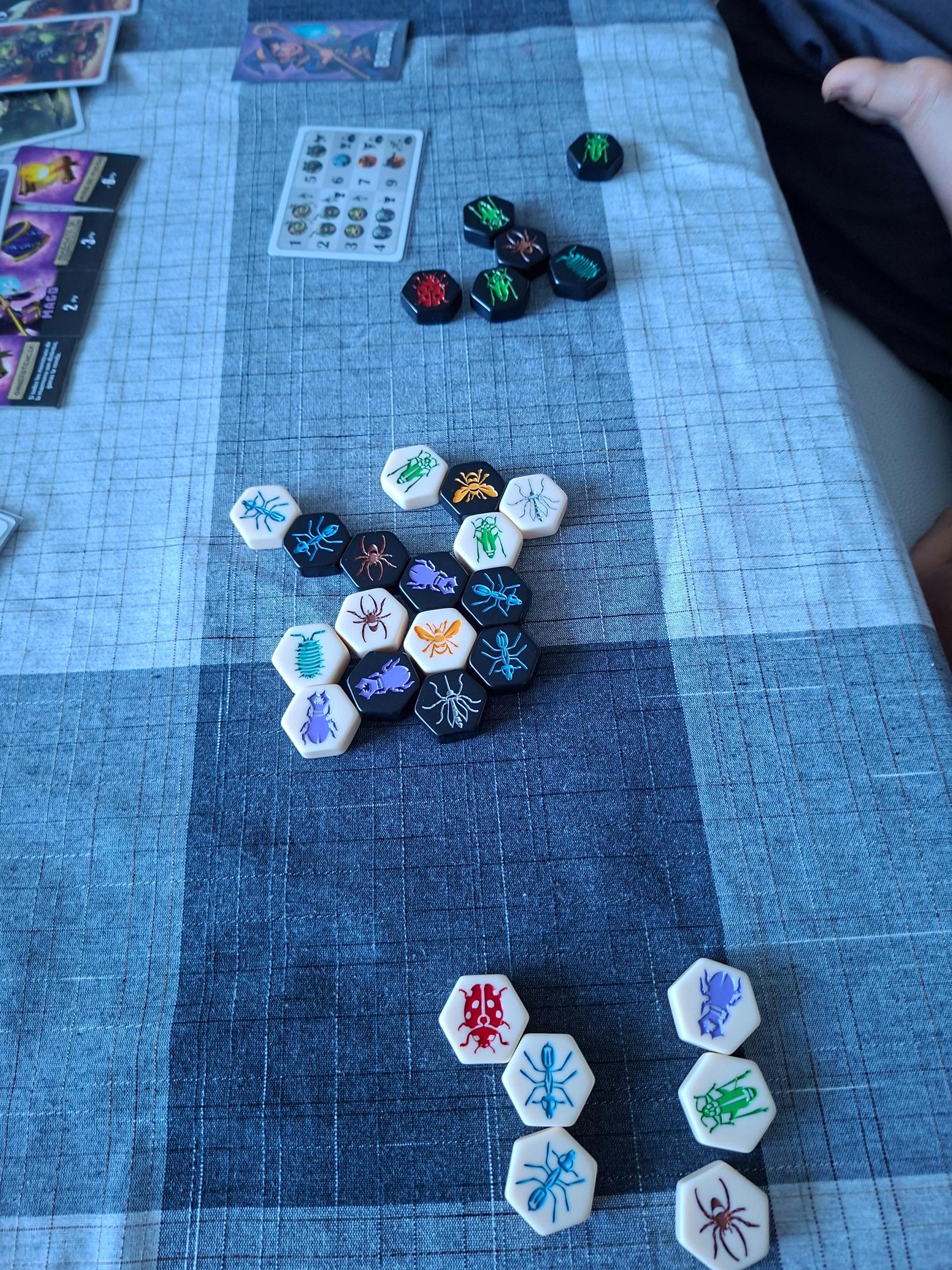
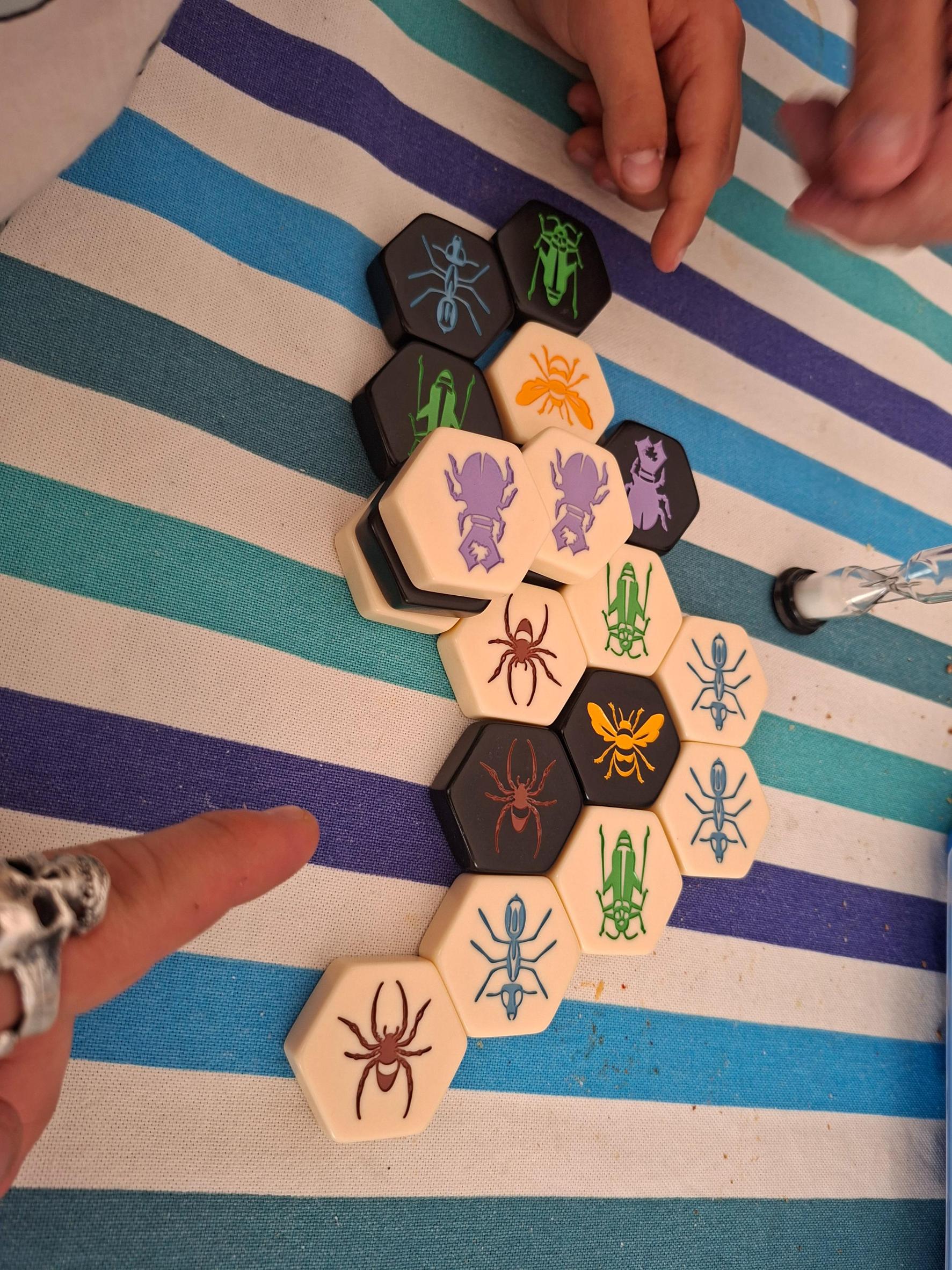
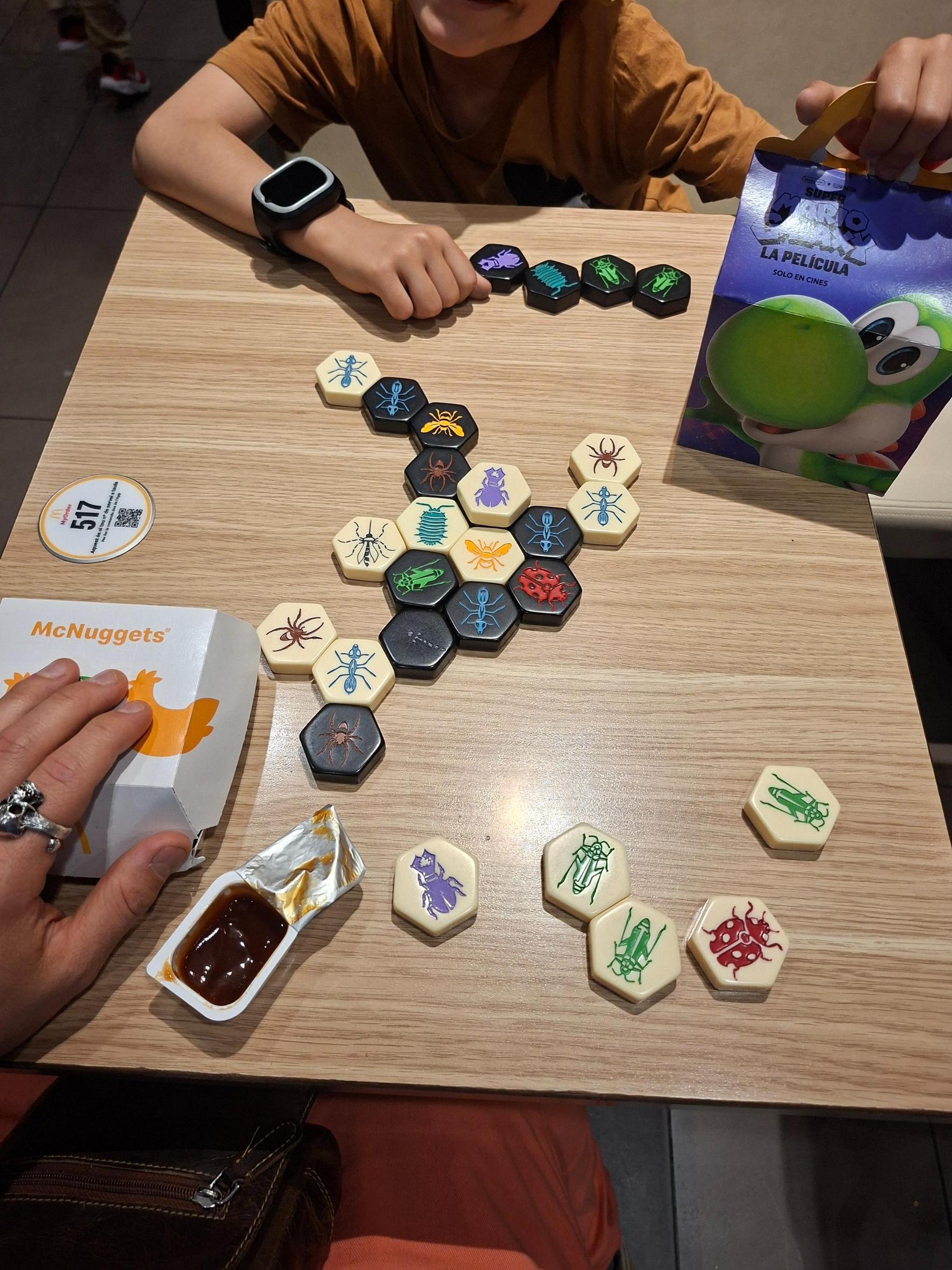
Where to buy it
Shop prices and second-hand copies, checked every day.
On Ludoya's tables
Full stats in Ludoya- 2,013
- Plays logged
- 488
- Players
- 12m 55s
- Average play
- 261
- In collections
- 21
- On wishlists
- 1
- Pre-ordered
7.4/10
from 140 Ludoya reviews
Vic Granell8.0 Very hard to beat the app but I made it! And finally got the pocket version to play in the park =) Not many "adult" games allow you to play with weather-resistant elements like these tiles!
Daniel6.0 El te el Zoste
- Base -



Rules questions
Answered from the rulebook by Ludoya's rules assistant.
Do I have to place my Queen Bee by a certain turn, and can I move pieces before I place it?
You may not move any pieces until you have placed your Queen Bee; the Queen can be placed any time from your 2nd to your 4th turn and must be placed on your 4th if not placed earlier (p.1).
When I place a new piece, can it touch my opponent’s pieces?
Except for the first piece each player places, a newly introduced piece may not be placed touching any of your opponent’s pieces (p.1).
Can I move a piece if that move would split the Hive into two parts?
No — the One Hive Rule requires all pieces in play to remain linked at all times, so you may not move a piece that would separate the Hive (p.2).
What does ‘Freedom to Move’ mean — can pieces be blocked from sliding?
Most pieces move by sliding and cannot move through a narrow gate or into a space they cannot physically slide into; if a piece is blocked so it cannot physically slide out, it may not be moved (exceptions and details on Grasshopper, Ladybug, Beetle noted) (p.2).
How does the Beetle’s stacking work — can I place a Beetle on top of the Hive and does the stack count as a color?
A Beetle cannot be placed directly on top of the Hive when introduced, but it can move on top later; while a Beetle is on top the stack takes on the Beetle’s colour for the purposes of the placing rule (p.1).
How does the Mosquito copy other pieces, and are there limits if it’s touching only Mosquitoes or is stacked?
Once in play the Mosquito takes on the movement characteristics of any creature it touches at the time (including opponents'), but if it is touching only other Mosquitoes (including stacked Mosquitoes) it may not move; if moved as a Beetle on top of the Hive it continues to move as a Beetle until it climbs down (p.2).





Free, on web, Android and iOS
Play Hive with Ludoya
- Keep it in your collectionTrack your copy and its expansions, lend it to friends, or put it on your wishlist and get told when the price drops.Add it to your collection
- Log every playScores, winners, timers and photos, then your stats: win rate, favourite player count, best score.Log a play
- Settle rules questionsAsk anything about the rules and get an answer from the rulebook, with the page to check it on.Ask the rules assistant
- Find people to play it withClubs, game nights and events near you that bring this game to the table.See events
Game facts (players, playing time, age, credits) from BoardGameGeek.