
2020 · 経済
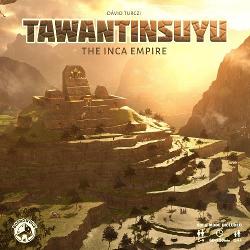
Tawantinsuyu: The Inca Empire
Players assume the roles of rival heirs in the Inca capital, recruiting villagers with five distinct worker types and placing them on terraced locations below the Sun Temple to perform actions. Workers remain on the board and trigger linked actions; matching adjacent workers grant extra actions while some types grant placement bonuses or removal abilities. Manage resources (potatoes, corn, stone, gold), discard god cards or pay gold to place workers, build production buildings and stairs up the temple hill, sculpt statues, and muster armies to conquer villages across four regions. Move a High Priest around the Coricancha to access powerful temple actions, reduce placement costs, and score points from stairs, statues, temple advancements, military control, and finished tapestries.
- プレイ人数
- 1–4 ベスト3人
- プレイ時間
- 60–120分
- 対象年齢
- 14+
- 複雑さ
- 4.1 / 5


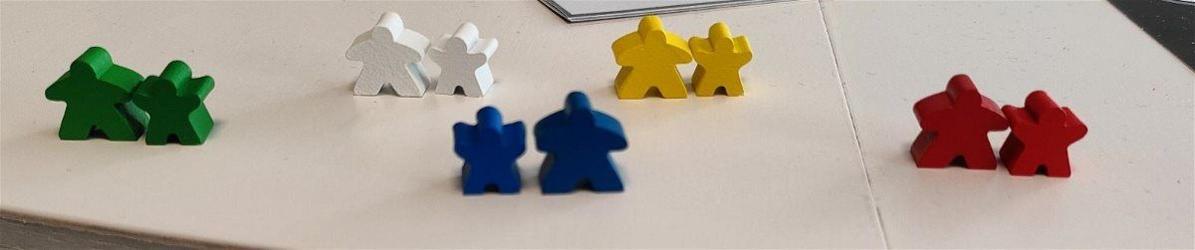

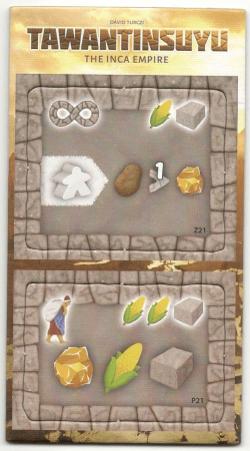
Ludoyaのテーブルでは
Ludoyaで詳しい統計を見る- 70
- 記録されたプレイ
- 102
- プレイヤー
- 2h 26m
- 平均プレイ時間
- 71
- コレクション登録
- 5
- ウィッシュリスト登録
- 2
- 予約済み
6.5/10
Ludoyaのレビュー15件より
ルールに関する質問
Ludoyaのルールアシスタントがルールブックに基づいて回答しています。
Do roaming and descending movement cost food, and how do Steps reduce those costs?
Yes — Roaming and Descending require you to pay the food cost shown, and each built Step reduces those food costs as specified; Steps also grant VP when built (p.9).
Can I place multiple workers on the same space/task, and how does adjacency affect task results?
You can place more than one worker and adjacent workers increase the number of tasks/resources gained (adjacency bonuses apply); follow the space’s icons for any stacking limits or special distribution rules (pp.9–10).
What's the difference between Passive and Production buildings — when do Production buildings trigger and flip?
Passive buildings provide their listed effects when you use their placement/action and remain as passive effects, while a Production building’s “Produce One” action gives its benefit and the production building is then resolved/flipped as described (pp.12,16,19).
How does Conquest work in 2-player games — do I flip and discard Soldiers and what rewards do I get?
In 2‑player Conquest you play Army cards and follow the flip/discard soldier steps, place the conquest marker, and immediately receive the VP and region rewards listed for that conquest (p.15).
What happens at the Festival — how are potatoes penalized and how is VP scored?
Festival scoring awards VP in the listed tiers (1/2/4), resolves merchant/Temple/Conquest scoring and other festival effects, and applies potato penalties (negative VP for leftover potatoes) as specified during the Festival resolution (p.17).
If I buy a worker during my turn, can I use it immediately or exceed the 2-worker placement limit?
You cannot exceed the 2‑worker placement limit and worker purchases occur at end of turn (subject to the recruit cap), so newly bought workers are not available for actions until after purchase resolution (pp.16,8).




無料・Web、Android、iOS対応
LudoyaでTawantinsuyu: The Inca Empireを遊ぼう
ゲーム情報(人数、プレイ時間、対象年齢、クレジット)の出典:BoardGameGeek。