
2025 · Kamp
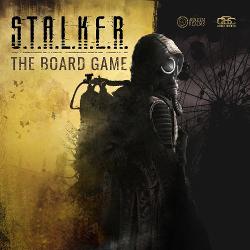
S.T.A.L.K.E.R. The Board Game
Players explore a hazardous, post-accident exclusion zone filled with anomalies, relics, mutants and environmental hazards. The game is a fully cooperative, story-driven zone crawler built around mission boxes that deliver self-contained scenarios and campfire-style narratives. Gameplay combines tactical combat and stealth options, letting teams choose between sneaking through threats or engaging enemies directly. Encounters, toxic weather events, radiation emissions and random anomalies force players to adapt, manage resources and coordinate actions. Components include detailed miniatures and scenario-driven setups that emphasize tension, survival and emergent challenges.
- Spelare
- 1–4 bäst 2
- Speltid
- 120–180 min
- Ålder
- 14+
- Komplexitet
- 3,8 / 5
Om spelet
- Design
- Utgivare






Expansioner
Se dem i Ludoya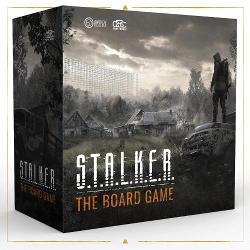 S.T.A.L.K.E.R. The Board Game: Stretch Goals Box2025
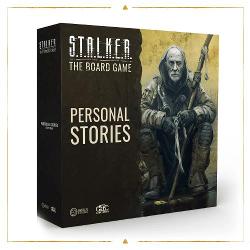 S.T.A.L.K.E.R. The Board Game: Personal Stories2024
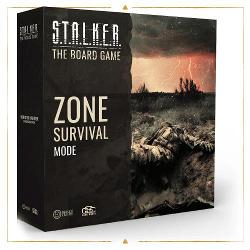 S.T.A.L.K.E.R. The Board Game: Zone Survival Mode2025
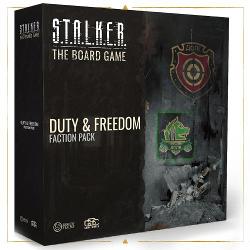 S.T.A.L.K.E.R. The Board Game: Duty & Freedom Faction Pack2025
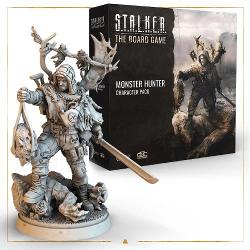 S.T.A.L.K.E.R. The Board Game: Monster Hunter2025
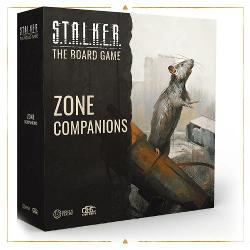 S.T.A.L.K.E.R. The Board Game: Zone Companions2025
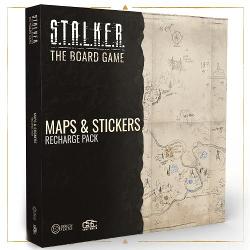 S.T.A.L.K.E.R. The Board Game: Maps & Stickers Recharge Pack2025
 S.T.A.L.K.E.R. The Board Game: Zone Hidden Riches2025
Foton från Ludoyas bord
Alla foton i Ludoya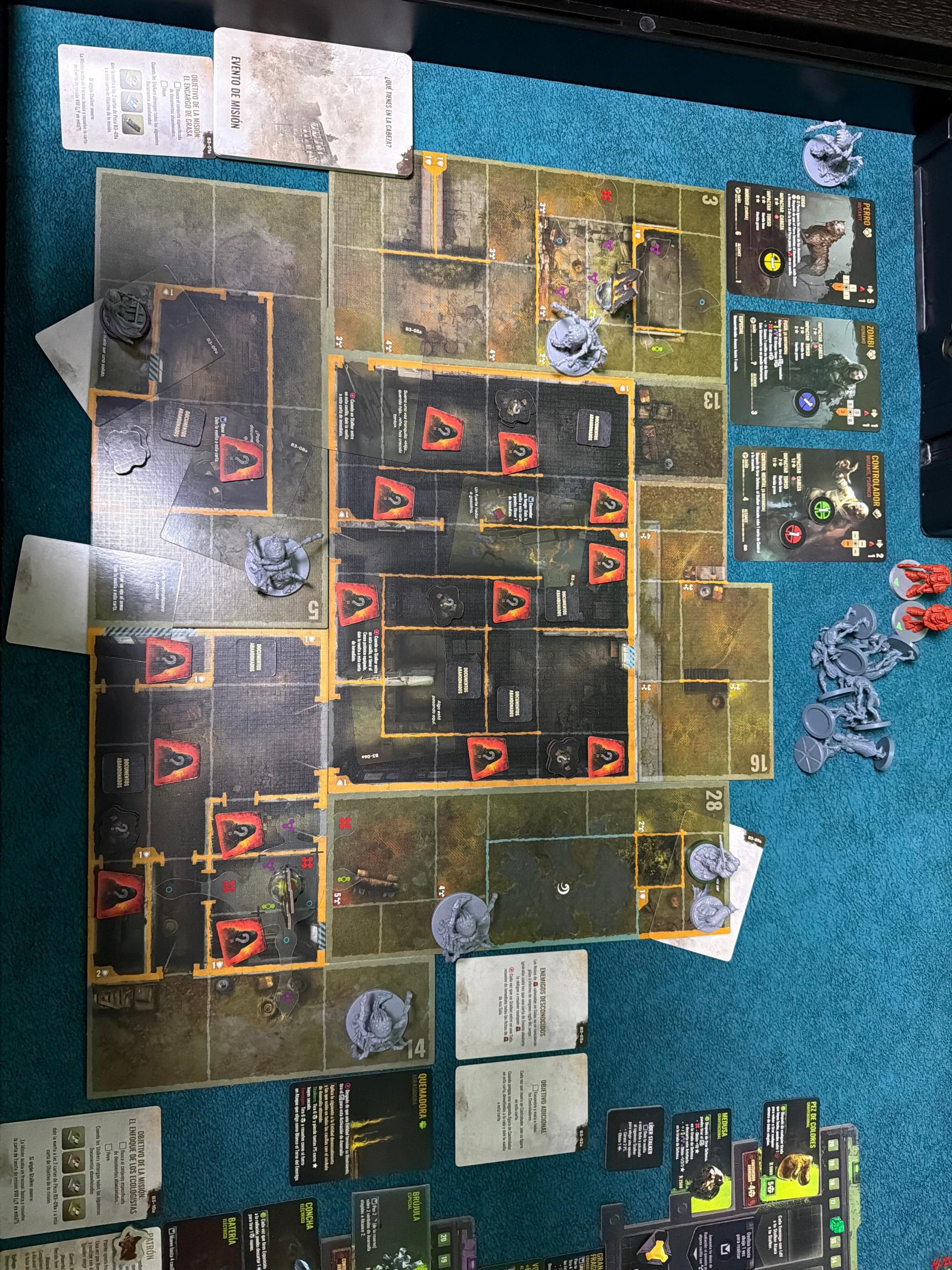
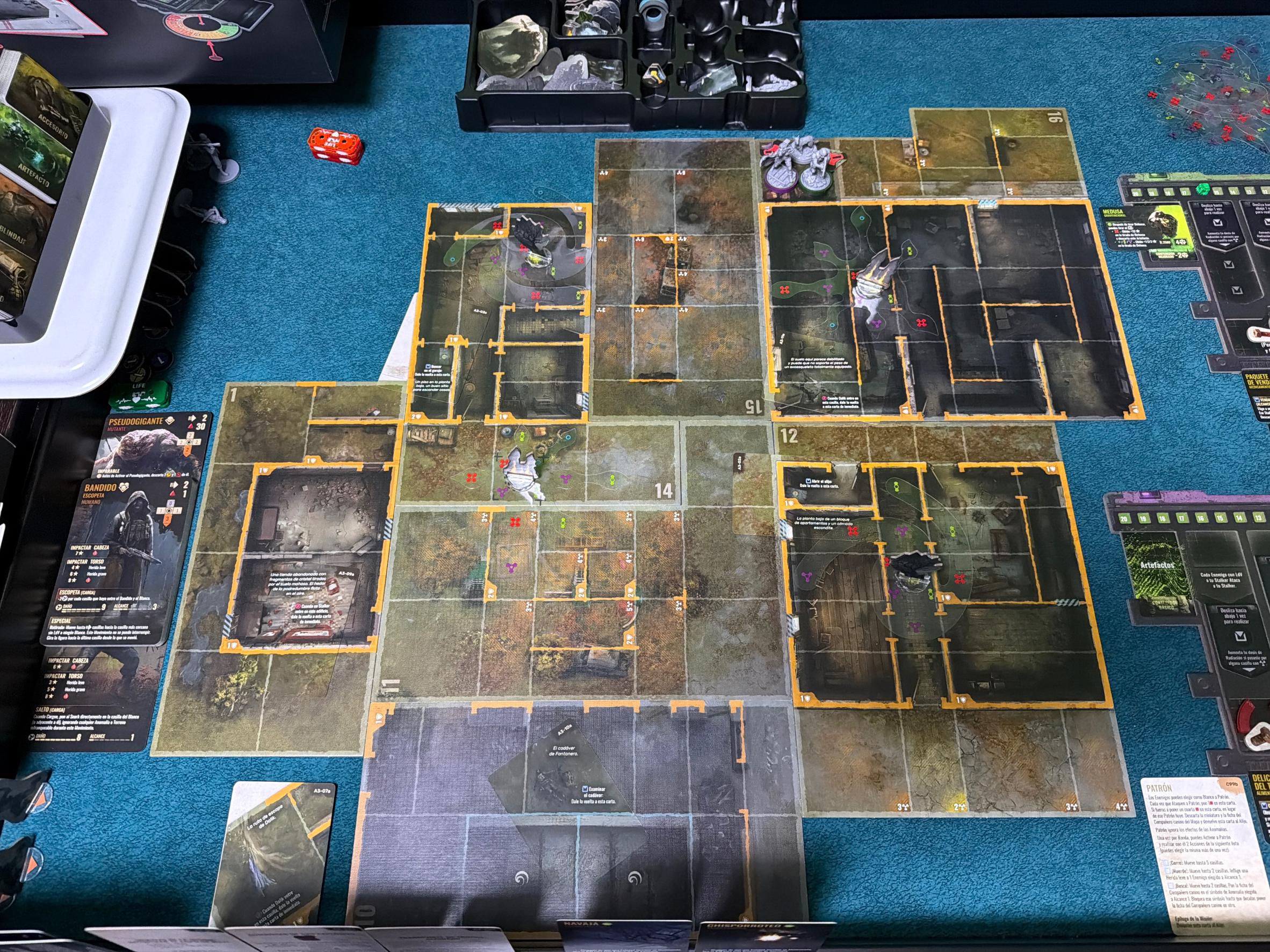
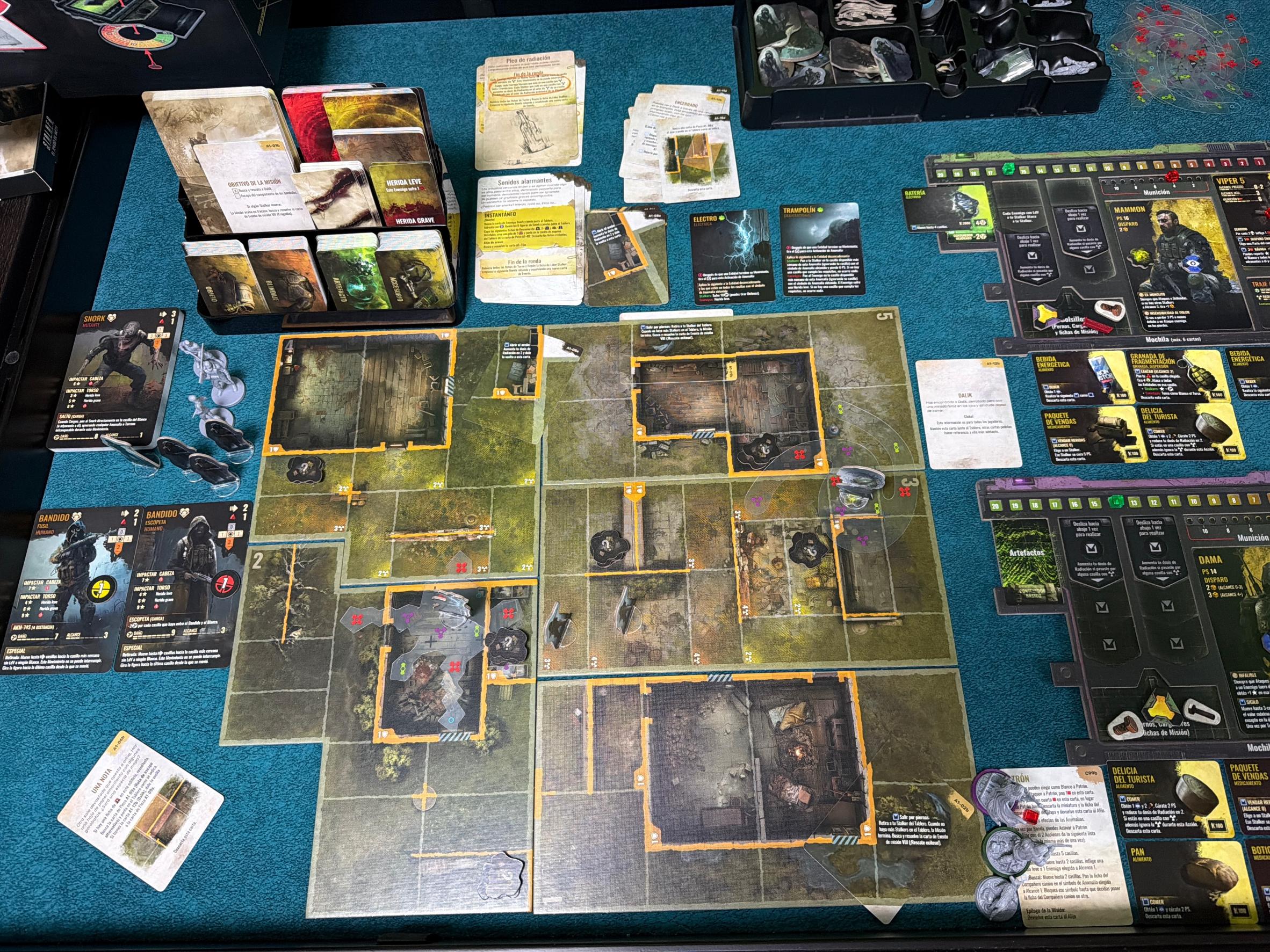
Var du kan köpa det
Butikspriser och begagnade exemplar, kontrollerade varje dag.
På Ludoyas bord
All statistik i Ludoya- 66
- Registrerade spelomgångar
- 25
- Spelare
- 2h 3m
- Genomsnittlig speltid
- 36
- I samlingar
- 10
- På önskelistor
- 1
- Förbeställda
8,0/10
från 7 recensioner på Ludoya
Regelfrågor
Besvarat ur regelboken av Ludoyas regelassistent.
Can I move through other Stalkers or enemies' spaces, or does a space ever become blocked?
Spaces have size and capacity and can reach full-occupancy; you cannot enter a space that is already at its capacity, and movement rules (including Careful Movement and interruptions) follow the space occupancy limits (see p.12 for space sizes/capacities and p.20 for Movement rules).
How exactly do I measure range between two figures — what's Range 0, Range X and Range X+?
Range is measured as the number of edges on the shortest route between spaces (Range 0 = same space, Range X = exactly X edges, Range X+ = X or more edges); always use the shortest unobstructed route when counting (p.14).
When does line of sight (LoS) exist — do corners, windows or walls block attacks and sight?
LoS is checked along cardinal directions and is blocked by walls and 'No Visibility' map effects; windows and doorways may allow or block sight depending on the map tile notes, so follow the LoS rules and blockers on the map (p.15 and p.12).
What causes Attention and when do enemies react to it?
Certain actions generate Attention markers (and the Attention state icons) listed on actions and cards; enemies use Attention during Enemy Activation to target and react to Stalkers with Attention, and Attention reduction/removal follows the listed rules (see p.20 for Attention basics and p.30 for Enemy/Zone Phase reactions).
How does radiation exposure work — when do Stalkers take radiation damage and how does the Geiger counter factor in?
Map ☢ spaces apply radiation dosage as you enter or end your turn there and you track cumulative dose with the Geiger thresholds; exceeding critical thresholds forces the critical dose roll and possible radiation damage per the dosage rules (see p.13 for map radiation, p.22 for Geiger/critical dose, and p.35 for thresholds/discard effects).
Do detectors guarantee finding artifacts in anomalies, and how do anomalies generate artifacts?
Anomalies use an anomaly die and activation/placement rules to generate Artifact tokens — a Detector lets you reveal Artifact tokens (and shows where to place them), but you still must use the Pick Up action to retrieve an Artifact and may trigger anomaly effects when interacting (see p.36 for anomalies and p.37 for retrieving artifacts and Detector use).
Liknande spel
 Arydia: The Paths We Dare Tread2025
 Lands of Evershade2026
 ISS Vanguard2022
 Grimcoven2025
 Nemesis: Retaliation2025
 Metal Gear Solid: The Board Game2024
 Tainted Grail: Kings of Ruin2024
 Kingdoms Forlorn: Dragons, Devils and Kings2025
 Folklore: The Affliction2017
 Bloodborne: The Board Game2021
 Assassin's Creed: Brotherhood of Venice2021
 Frosthaven2022
De som äger det äger också
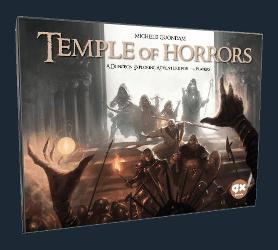 Temple of Horrors2024
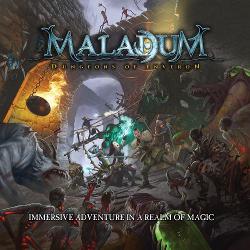 Maladum: Dungeons of Enveron2024
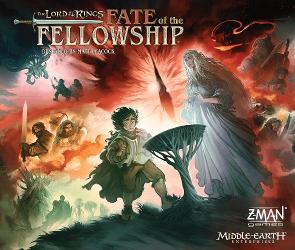 The Lord of the Rings: Fate of the Fellowship2025
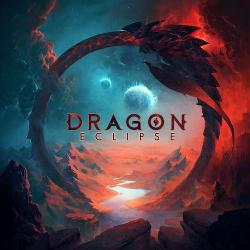 Dragon Eclipse2025
 Cthulhu: Dark Providence2025Bloodborne: The Board Game2021
 Agricola: Special Edition2026
 The Elder Scrolls: Betrayal of the Second Era2025
 Earthborne Rangers2023
 Dutch Resistance: Orange Shall Overcome!2023
 Deckers2025
 Kinfire Chronicles: Night's Fall2023
Gratis, på webben, Android och iOS
Spela S.T.A.L.K.E.R. The Board Game med Ludoya
- Ha det i din samlingHåll koll på ditt exemplar och dess expansioner, låna ut det till vänner, eller lägg det på din önskelista och få veta när priset sjunker.Lägg till i din samling
- Registrera varje spelomgångPoäng, vinnare, timers och foton, sedan din statistik: vinstprocent, favoritantal spelare, bästa poäng.Registrera en spelomgång
- Lös regelfrågorFråga vad som helst om reglerna och få ett svar ur regelboken, med sidan där du kan kontrollera det.Fråga regelassistenten
- Hitta folk att spela det medKlubbar, spelkvällar och evenemang nära dig där det här spelet kommer på bordet.Se evenemang
Speldata (spelare, speltid, ålder, medverkande) från BoardGameGeek.