
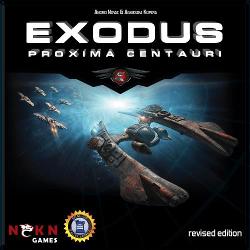
2012 · Science-Fiction
Exodus: Proxima Centauri
Sechs menschliche Fraktionen bauen sich nach einem Zusammenbruch neu auf, besiedeln Planeten, die eine außerirdische Zivilisation hinterlassen hat, und konkurrieren um die Kontrolle, während ihre Beschützer verschwinden. Spieler bauen anpassbare Raumflotten, erkunden und erobern Systeme, verwalten Ressourcen und Logistik und erforschen einen außerirdischen Technologiebaum, um ihre Imperien auszubauen. Verdeckte Bewegung und Kämpfe gegen sowohl KI-Widerstand als auch rivalisierende Spieler prägen die Gebietseroberung, während Waffen, Schiff-Upgrades und Planetenübernahmen den Engine-Building-Aspekt vorantreiben. Eine politische Ebene nutzt Blindgebote und Abstimmungen, um Gesetze und Resolutionen zu verabschieden, die alle Spieler beeinflussen. Das Spiel belohnt militärisches Vorgehen ebenso wie wirtschaftliche und technologische Entwicklung.
- Spieler
- 2–6 am besten mit 6
- Spielzeit
- 180 Min.
- Alter
- 14+
- Komplexität
- 3,6 / 5
Über das Spiel
- Autoren
- Illustration
- Publisher


Erweiterungen
In Ludoya ansehen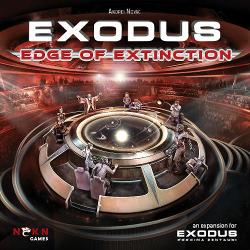 Exodus: Edge of Extinction2015
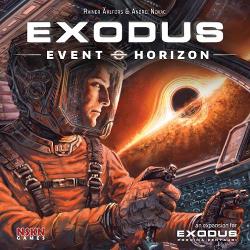 Exodus: Event Horizon2017
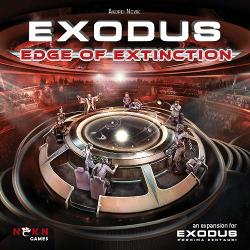 Exodus: Edge of Extinction – Kickstarter Edition2015
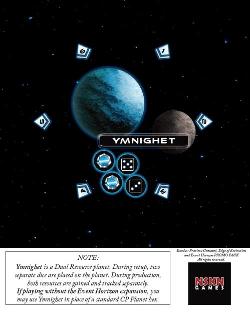 Exodus: Proxima Centauri – Ymnighet Mini-Expansion2017
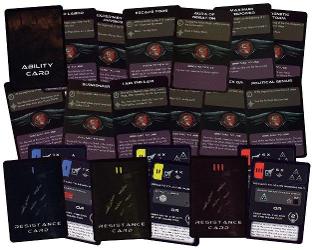 Exodus: Generals2012
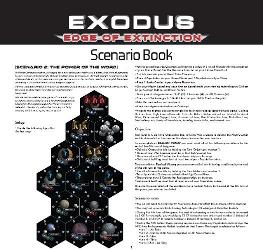 Exodus: Edge of Extinction – Kickstarter Limited Components2015
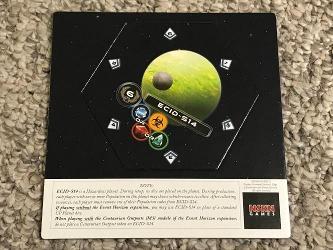 Exodus: Proxima Centauri – ECID-S14 Mini-Expansion2018
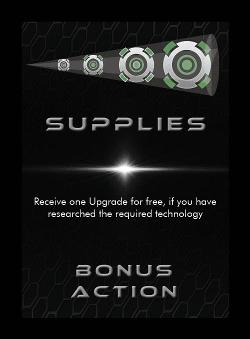 Exodus: Supplies bonus card2012
 Exodus: Edge of Extinction – Kickstarter Limited Action Cards2015Exodus: Edge of Extinction – Kickstarter Limited Political Cards2015Exodus: Edge of Extinction – Kickstarter Limited Combat Cards2015
An Ludoyas Tischen
Alle Statistiken in Ludoya- 14
- Erfasste Partien
- 14
- Spieler
- 6
- In Sammlungen
- 7
- Auf Wunschlisten
6,0/10
aus 4 Ludoya-Rezensionen
Balleflass7,0 Has it all and wont overstay its welcome as long as you have a semi-aggressive group
Evan5,9 (Revised edition) The game is often described as a cross between Eclipse and Twi Imp. From Eclipse, it gets the upgradable space ships mechanic. From Twi Imp it gets a system of playing action cards where you use the primary, and then any player can pay cubes to use any of the secondaries available. The tech tree is imported in style from Clash of Cultures, although it again looks to Eclipse by making lower level technologies provide not a requirement but a discount for the higher level ones. The unique things about the game are that planets can be shared by multiple players, and endgame points for holding the planet go to most cubes on that planet, or shared in a tie. The movement rules are interesting, every hex has a number 1 to 6 on the edge. You take number tokens and log in the moves of each of your ships and simultaneously execute. I thought this was a really fun way to do movement, and bluff your opponents at the same time. I loved how your borders were somewhat fluid, and sometimes fleets would accidentally meet in space and have conflict. This mechanism was met with utter hate from my playgroup unfortunately, and was a major barrier to getting this game played. Unfortunately, the process of gathering and assigning the movement tokens is a bit complicated and fiddly. A better implementation of this system might have kept this game in my collection. I had heard this system got removed and replaced in one of the expansions, but by that point my group was categorically against trying this again. Combat is rolling dice, and if you get destroyed the ships are easily reconstructed, allowing for a decent comeback if you get blown to pieces. A flaw of the game might be that the game deeply rewards players for winning in combat. The most punchy player can become a runaway leader by virtue of lucky die rolls, or by picking on weaker fleets. All non-combat points are limited by what's printed on the board and remaining alien tokens. This is perhaps just the nature of the game. Cubes also have a strange component limitation. Players have a limited number of cubes despite that cubes are used for both charts and as people on planets. :star: Art, Iconography and components functional :star: Clever or interesting mechanisms :nostar: Reasonably low downtime between turns with mildly AP players :star: Multiple plays stay interesting :nostar: Low or mitigatable luck elements :star::star::star::star::nostar: Raw enjoyment
Ähnliche Spiele
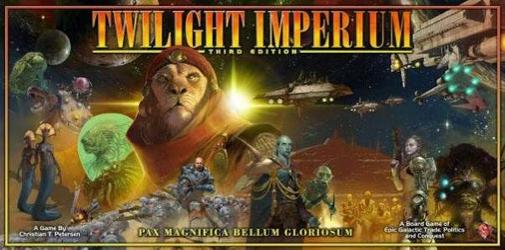 Twilight Imperium: Third Edition2005
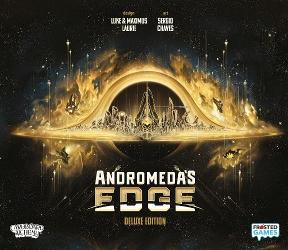 Andromeda's Edge: Deluxe Edition2025
 Empires of the Void II2018
 Eclipse: Das zweite galaktische Zeitalter2020
 Twilight Imperium: Vierte Edition2018
 Andromeda's Edge2024
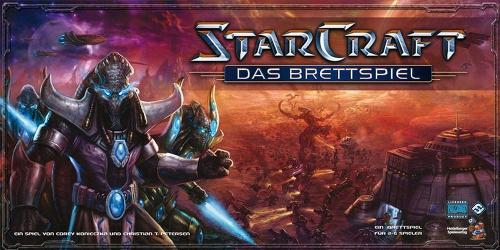 Starcraft: Das Brettspiel2009
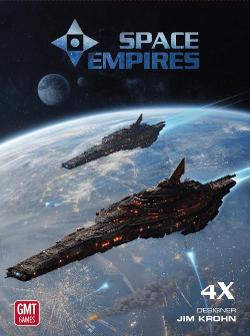 Space Empires 4X2011
 EVE: War for New Eden2025
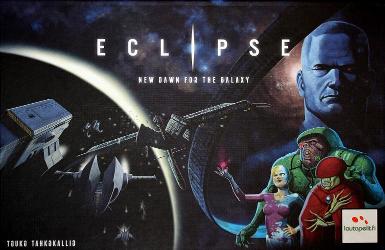 Eclipse: New Dawn for the Galaxy2012
 Star Trek: Ascendancy2016
 Imperium: The Contention2021
Kostenlos, im Web, für Android und iOS
Spiel Exodus: Proxima Centauri mit Ludoya
- Hab es in deiner SammlungVerwalte dein Exemplar und seine Erweiterungen, leih es Freunden oder setz es auf deine Wunschliste und erfahre, wenn der Preis fällt.Zur Sammlung hinzufügen
- Erfasse jede PartiePunkte, Sieger, Timer und Fotos, dann deine Statistiken: Siegquote, liebste Spielerzahl, beste Punktzahl.Partie erfassen
- Werte ohne PapierNutze die Wertungsbögen und Spielhelfer der Community und lass Ludoya die Punkte zusammenzählen.Wertungsbögen finden
- Finde Leute, mit denen du es spielstClubs, Spieleabende und Veranstaltungen in deiner Nähe, bei denen dieses Spiel auf den Tisch kommt.Veranstaltungen ansehen
Spieldaten (Spieler, Spielzeit, Alter, Mitwirkende) von BoardGameGeek.