
2019 · Industria / Fabricación
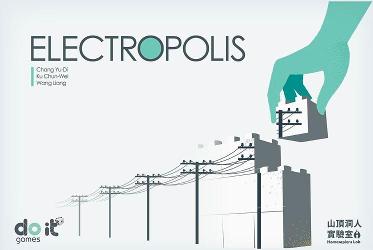
Electropolis
Los jugadores asumen el papel de alcaldes rivales que planifican la infraestructura energética de una ciudad en expansión. En cada turno, eligen acciones mediante un sistema dinámico de orden de turno para obtener permisos de construcción, reclamar losetas y colocar edificios en distintas zonas urbanizadas. Las decisiones requieren equilibrar centrales de carbón, fuentes renovables y opciones nucleares, cada una con diferentes costes, producción y efectos a largo plazo. El momento y la interacción son importantes: puedes jugar pronto para asegurarte losetas potentes o esperar para reunir recursos y ampliar tus opciones de construcción. La puntuación tiene en cuenta la producción de electricidad, el desarrollo de la ciudad y la colocación estratégica. El juego hace hincapié en la planificación, la gestión de recursos y la interacción táctica entre los jugadores.
- Jugadores
- 2–4 mejor con 3
- Duración
- 50–70 min
- Edad
- 12+
- Complejidad
- 2,4 / 5
Sobre el juego
- Editorial




Dónde comprarlo
Precios de tiendas y copias de segunda mano, revisados cada día.
- GigameshEn stock24.95 €
- Magia de TintaEn stock29.75 €
- Dungeon MarvelsPreventa31.5 €
- MathomEn stock31.5 €
- Va de jocsSin stock31.5 €
- Juegos de la Mesa RedondaSin stock34.95 €
En las mesas de Ludoya
Todas las estadísticas en Ludoya- 39
- Partidas registradas
- 56
- Jugadores
- 1h 10m
- Partida media
- 11
- En colecciones
- 6
- En listas de deseos
5,4/10
de 7 reseñas en Ludoya
Evan4,0 This is a little city grid building game with a few mean twists. Each round in player order, players pick a tile selection space. The later you go in turn order, the more tiles you pick up from the ring. Tiles come in three varieties. Power plants, buildings that give you popularity, and energy resources that you need to activate the power plants. In addition to picking the tiles up, you also draft a placement card. The placement card determines where in your grid you are allowed to place tiles. Early in the game, the cards come with endgame scoring bonus criteria, later in the game they come with some small immediate bonus. When you take tiles, you must take a grouping of all adjacent tiles. This means going later in turn order might mean you miss out on the key tiles you needed, and also have to take a mess of tiles you can't place, which get discarded for a VP penalty. Additionally, when you score your board at the end of the game, you lose massive points if your popularity rating isn't greater than the pollution sum of your powered plants. Largely the popularity buildings give you a penalty if placed next to power plants, so this gets tough fast. Power plants also produce more VP when the same kind of plant is placed in an adjacent chain of tiles. Essentially the game sets you up for needing a lot of things to work out in your favor. You need the card you take to allow you to place where you need to place, you need the tiles you need to come up in the circle at the right time, you need other players not to snatch what you need from you, and you need the energy resources to make your work count for anything, while also keeping mental track of how much pollution you will have at the end of the game, since you don't track it as you go, and making sure to get the popularity buildings. I had hoped this would be a wild ride, but ultimately I found it very frustrating. ★ Art, Iconography and components functional ★ Clever or interesting mechanisms ★ Reasonably low downtime between turns with mildly AP players ☆ Multiple plays stay interesting ☆ Low or mitigatable luck elements ★☆☆☆☆ Raw enjoyment
Primeras impresiones · 1 partida














Gratis, en web, Android e iOS
Juega a Electropolis con Ludoya
- Tenlo en tu colecciónControla tu copia y sus expansiones, préstala a tus amigos o ponla en tu lista de deseos y te avisamos cuando baje de precio.Añadirlo a tu colección
- Registra cada partidaPuntuaciones, ganadores, temporizadores y fotos, y luego tus estadísticas: porcentaje de victorias, número de jugadores favorito, mejor puntuación.Registrar una partida
- Puntúa sin papelUsa las hojas de puntuación y ayudas de juego de la comunidad, y deja que Ludoya sume los puntos.Buscar hojas de puntuación
- Encuentra gente con quien jugarloClubes, quedadas de juegos y eventos cerca de ti que sacan este juego a la mesa.Ver eventos
Datos del juego (jugadores, duración, edad, créditos) de BoardGameGeek.