
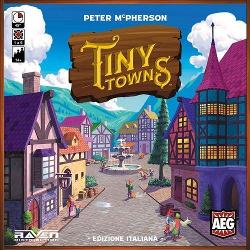
2019 · Costruzione di città
Tiny Towns
Players act as mayors of a small woodland settlement, placing resource cubes on a personal 4x4 grid to construct buildings. Each round, a common card indicates a resource pattern; players place that resource on their grid and try to complete specific layouts that correspond to buildings. Each building type scores differently, so players plan placements to maximize points while avoiding unused empty squares, which cost -1 VP at game end. The game ends when no more placements or constructions are possible; the highest total VP wins.
- Giocatori
- 1–6 ideale in 3
- Tempo di gioco
- 45–60 min
- Età
- 14+
- Complessità
- 2,1 / 5
Il gioco
- Autori
- Illustrazioni



Espansioni
Vedile in Ludoya Tiny Towns: Fortune2020
 Tiny Towns: Villagers2020
 Tiny Towns: Tiny Trees2020
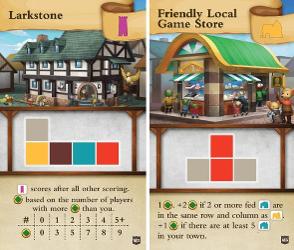 Tiny Towns: FLGS and Larkstone Promo Cards2020
 Tiny Towns: Architects2024
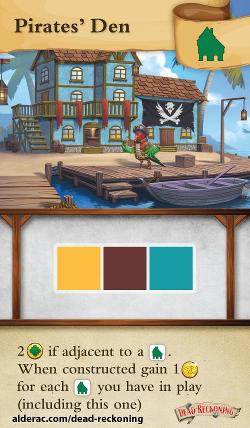 Tiny Towns: Fortune – Pirate's Den2020
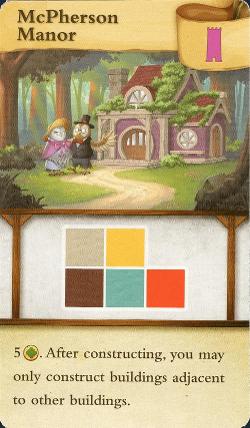 Tiny Towns: McPherson Manor Promo Card2022
 Tiny Towns: Underground2026
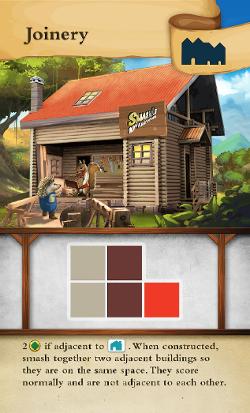 Tiny Towns: Joinery2023
 Dead Reckoning: Other Games Promo Pack2026Tiny Towns: Lodge2026
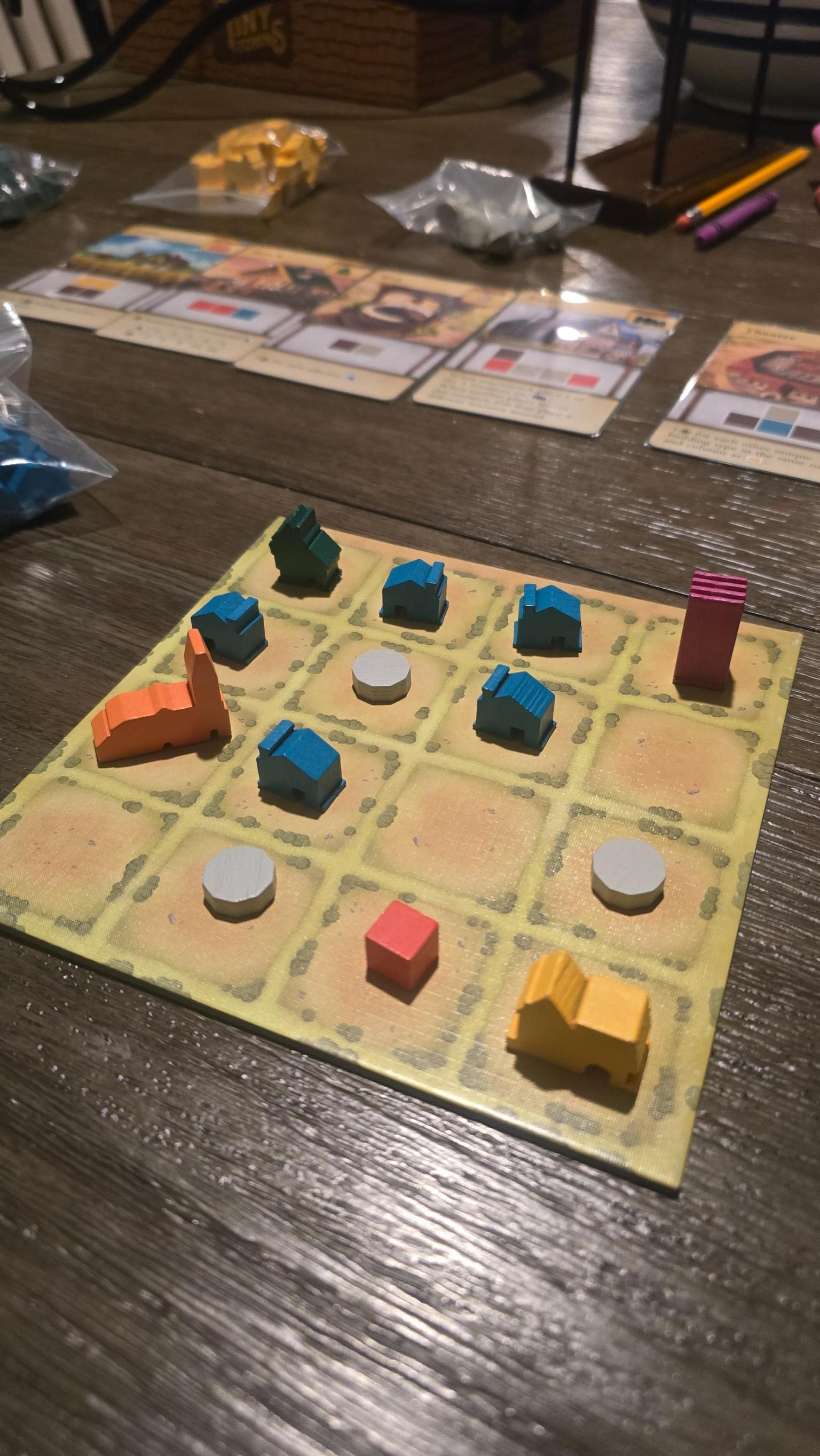
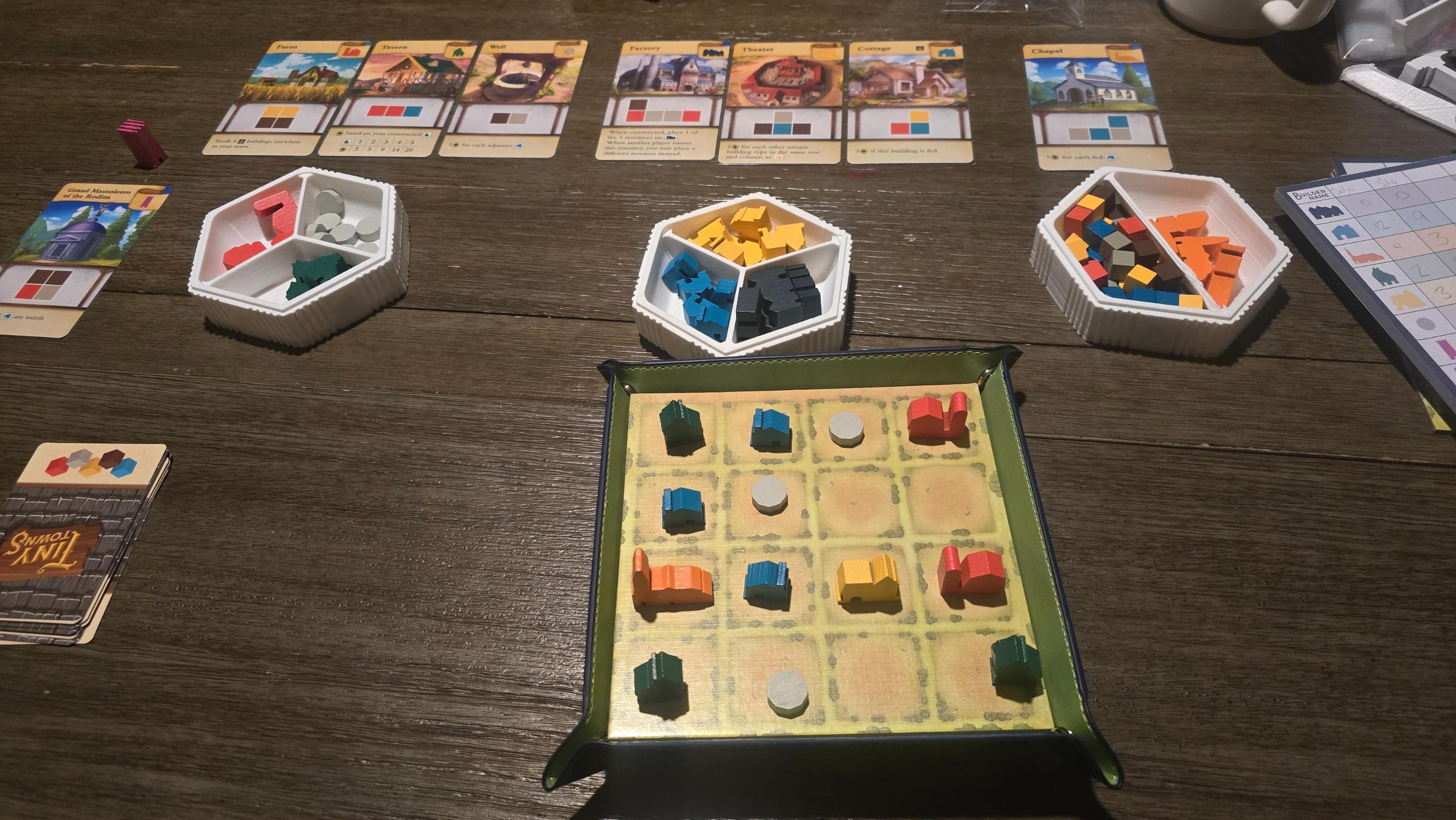
Foto dai tavoli di Ludoya
Tutte le foto in Ludoya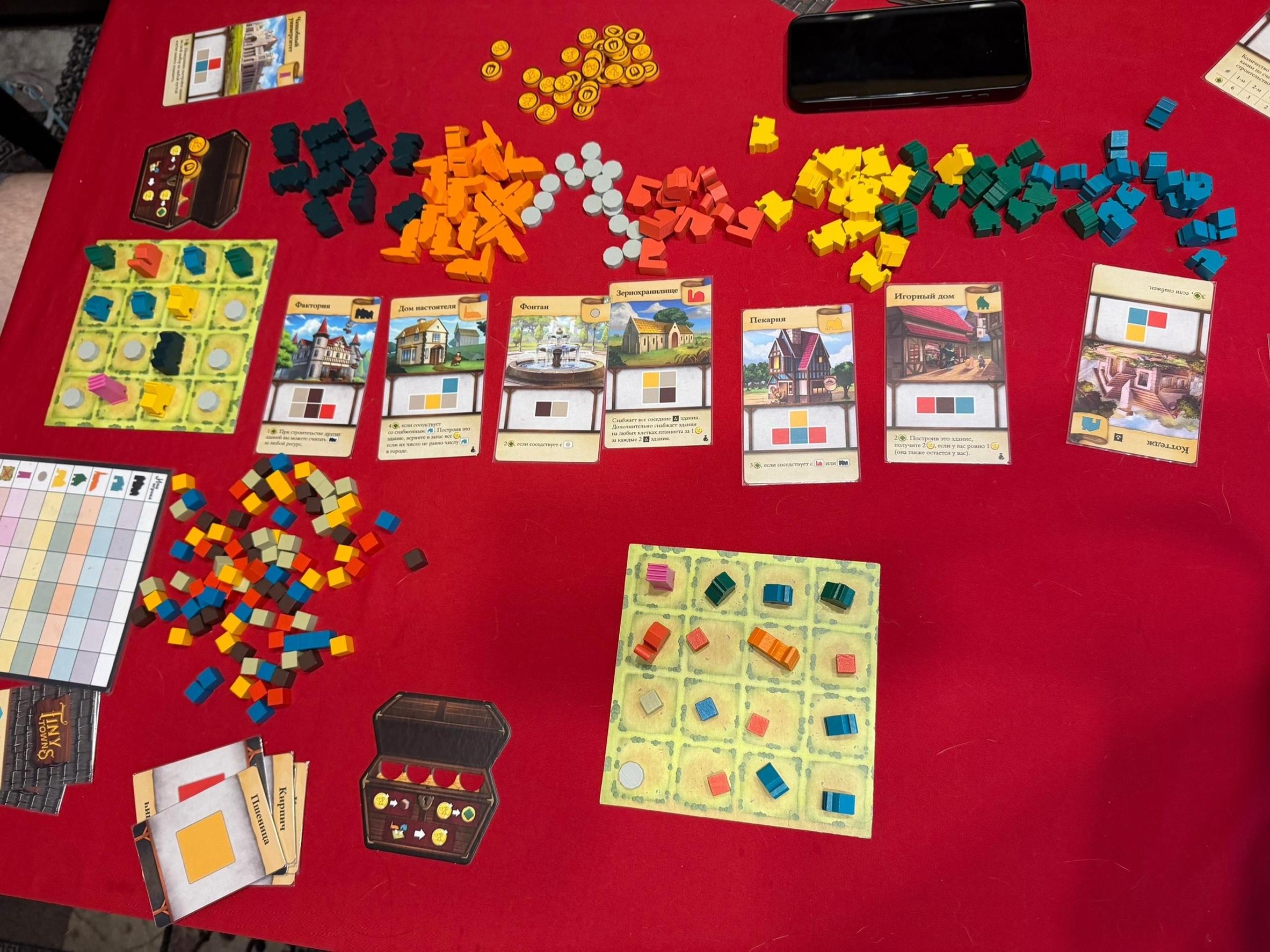
Dove comprarlo
Prezzi dei negozi e copie usate, controllati ogni giorno.
Sui tavoli di Ludoya
Tutte le statistiche in Ludoya- 654
- Partite registrate
- 646
- Giocatori
- 34m 13s
- Partita media
- 154
- Nelle ludoteche
- 21
- Nelle liste dei desideri
6,7/10
da 62 recensioni Ludoya
Poteet7,3 Classic easy to learn difficult to master game. This game frustrates you (in a good way) by never letting you get comfortable with a specific game plan.
Evan4,6 City building filler game. One pattern card for each type of building is revealed at the start of the game. Each player gets a grid. In turn order each player calls out a color of cube, and then all players have to take one and place it into their grid on an empty space. Then if they have a grid state that matches a pattern on one of the cards they can clear the cubes and place a building token in one of the spaces those cubes occupied. To keep things from being symmetrical, each player gets one special building card to their hand which grants them a different ability or scoring opportunity once built. The game continues until everyone's grid is full of buildings or useless cubes. Then you score and are punished for spaces without buildings. The game plays quickly, and it's quite satisfying to try and tetris these cube patterns while avoiding getting cubes stuck in an arrangement that won't be able to complete a pattern. Clever players can watch for colors you need and try and call out colors they can use but you can't to trip you up and also manipulate you into calling a color they need. We had one oddity, there is one of the asymmetric cards which once built had the ability to let the owning player place a completed building anywhere in their grid rather than forcing them to place into one of the spaces those cubes occupied. This seemed a little overpowered, but perhaps with additional plays we would see it differently. :star: Art, Iconography and components functional :star: Clever or interesting mechanisms :star: Reasonably low downtime between turns with mildly AP players :star: Multiple plays stay interesting :star: Low or mitigatable luck elements :star::star::nostar::nostar::nostar: Raw enjoyment
Domande sulle regole
Risposte tratte dal regolamento dall'assistente per le regole di Ludoya.
Devo piazzare la risorsa indicata in uno spazio specifico, oppure posso metterla in qualsiasi spazio vuoto del mio tabellone?
Devi prendere il cubetto indicato e posizionarlo in qualsiasi casella vuota della griglia della tua città (la collocazione è simultanea) e, una volta piazzato, una risorsa non può mai essere spostata, tranne quando viene rimossa per costruire un edificio (p.4).
Se il pattern di un edificio appare sul mio tabellone, devo costruirlo subito o posso aspettare?
Puoi aspettare quanti round vuoi prima di costruire un edificio dopo che le sue risorse sono al loro posto; la costruzione avviene durante la fase di costruzione dopo il piazzamento e i giocatori possono costruire più edifici contemporaneamente (p.4).
Posso costruire un edificio prima di piazzare fisicamente l’ultimo cubetto che completa il suo schema?
No — non puoi costruire un edificio immediatamente dopo che una risorsa è stata nominata senza prima posizionare fisicamente quel cubetto risorsa nella tua città (p.4).
Dove metto la tessera dell’edificio in legno quando costruisco un edificio? Ci sono eccezioni?
Rimuovi le risorse corrette e piazza l’edificio in legno in una delle caselle occupate da quelle risorse; il Capanno è un’eccezione e può essere piazzato in qualsiasi casella vuota del tabellone (p.4, p.7).
Come funziona un Magazzino: posso scaricarci sopra le risorse che non mi servono e poi riprenderle più tardi?
Puoi collocare fino a 3 risorse in un Magazzino mettendo cubi sull’edificio quando non ti servono; puoi rimuovere una risorsa da un Magazzino per metterla sulla tua plancia solo quando ne piazzi una nuova sul Magazzino, quindi il numero di risorse in un Magazzino non diminuisce mai (p.7).
Alla fine della partita, i cubi sul tabellone contano come caselle riempite? E i cubi sui Magazzini e le penalità per le caselle vuote?
Alla fine della partita rimuovi tutti i cubetti risorsa rimanenti, tranne quelli sui Magazzini; poi ogni casella vuota vale −1 PV. I cubetti sui Magazzini restano, quindi quelle caselle non vengono conteggiate come vuote (p.5, p.7).








Gratis, sul web, Android e iOS
Gioca a Tiny Towns con Ludoya
- Tienilo nella tua ludotecaTieni traccia della tua copia e delle sue espansioni, prestala agli amici o mettila nella lista dei desideri e ricevi un avviso quando il prezzo scende.Aggiungilo alla tua ludoteca
- Registra ogni partitaPunteggi, vincitori, timer e foto, poi le tue statistiche: percentuale di vittorie, numero di giocatori preferito, miglior punteggio.Registra una partita
- Risolvi i dubbi sulle regoleChiedi qualsiasi cosa sulle regole e ottieni una risposta dal regolamento, con la pagina per verificarla.Chiedi all'assistente per le regole
- Trova persone con cui giocarloClub, serate di gioco ed eventi vicino a te che portano questo gioco in tavola.Vedi gli eventi
Dati del gioco (giocatori, durata, età, crediti) da BoardGameGeek.