
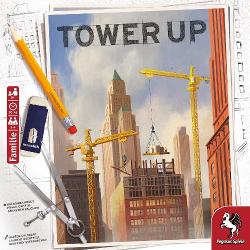
2024 · Städtebau
Tower Up
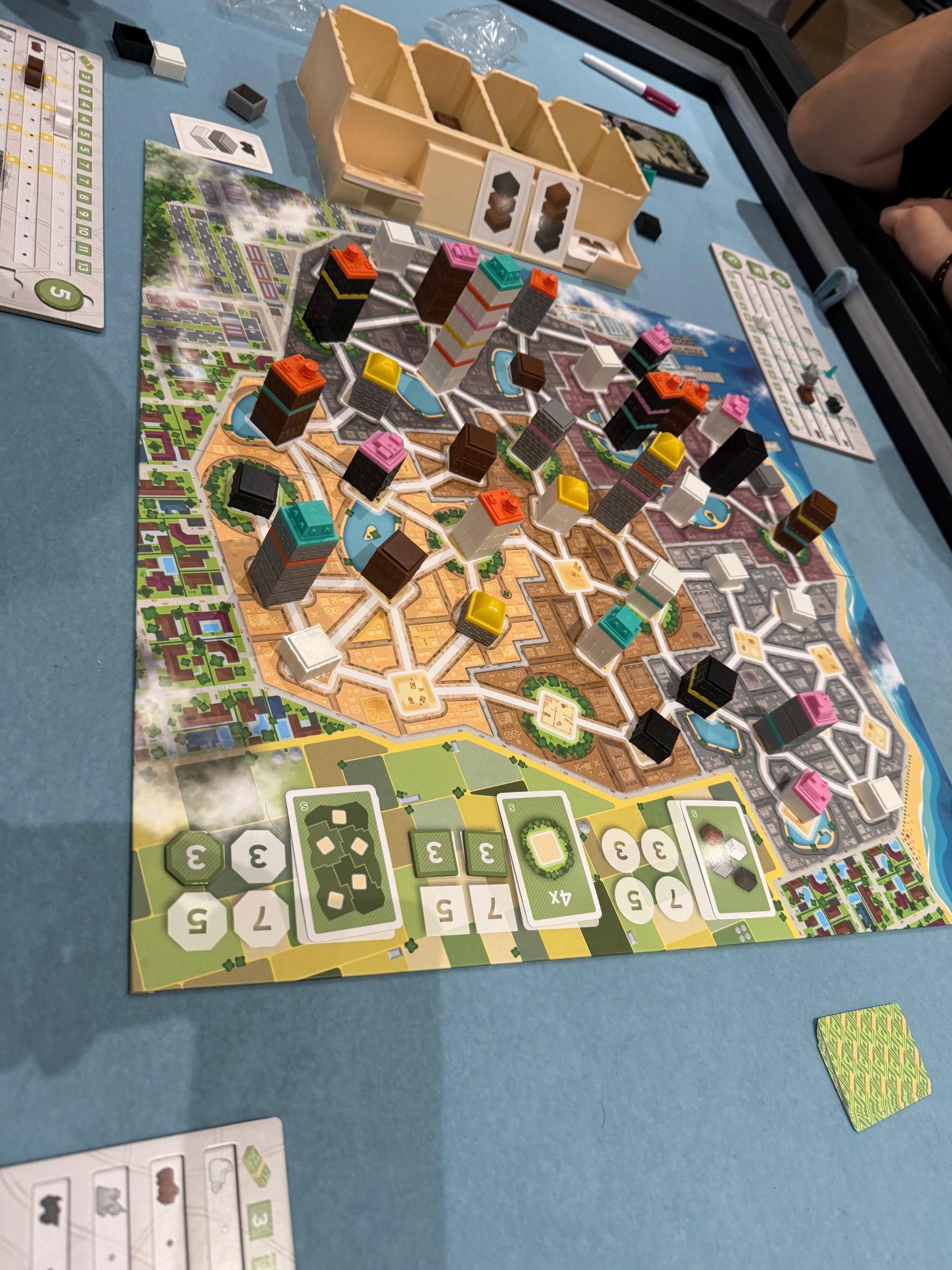
Die Spieler agieren als rivalisierende Architekturbüros, die ein Stadtzentrum renovieren und darum konkurrieren, durch den Bau von Gebäuden die meisten Punkte zu erzielen. In jedem Zug wählt ein Spieler entweder eine Karte, um die angegebenen Ressourcen zu erhalten, oder gibt Ressourcen aus, um ein Gebäude zu errichten: einen freien Bauplatz auswählen, die durch angrenzende Strukturen bestimmten Kosten bezahlen, ein Dach platzieren und die Punkte des Gebäudes einsammeln. Strategische Planung und Ressourcenmanagement sind wichtig, da die Platzierung zukünftige Kosten und die Möglichkeiten der Gegner beeinflusst.
- Spieler
- 2–4 am besten mit 4
- Spielzeit
- 30–45 Min.
- Alter
- 8+
- Komplexität
- 1,8 / 5
Über das Spiel
- Publisher






Erweiterungen
In Ludoya ansehen

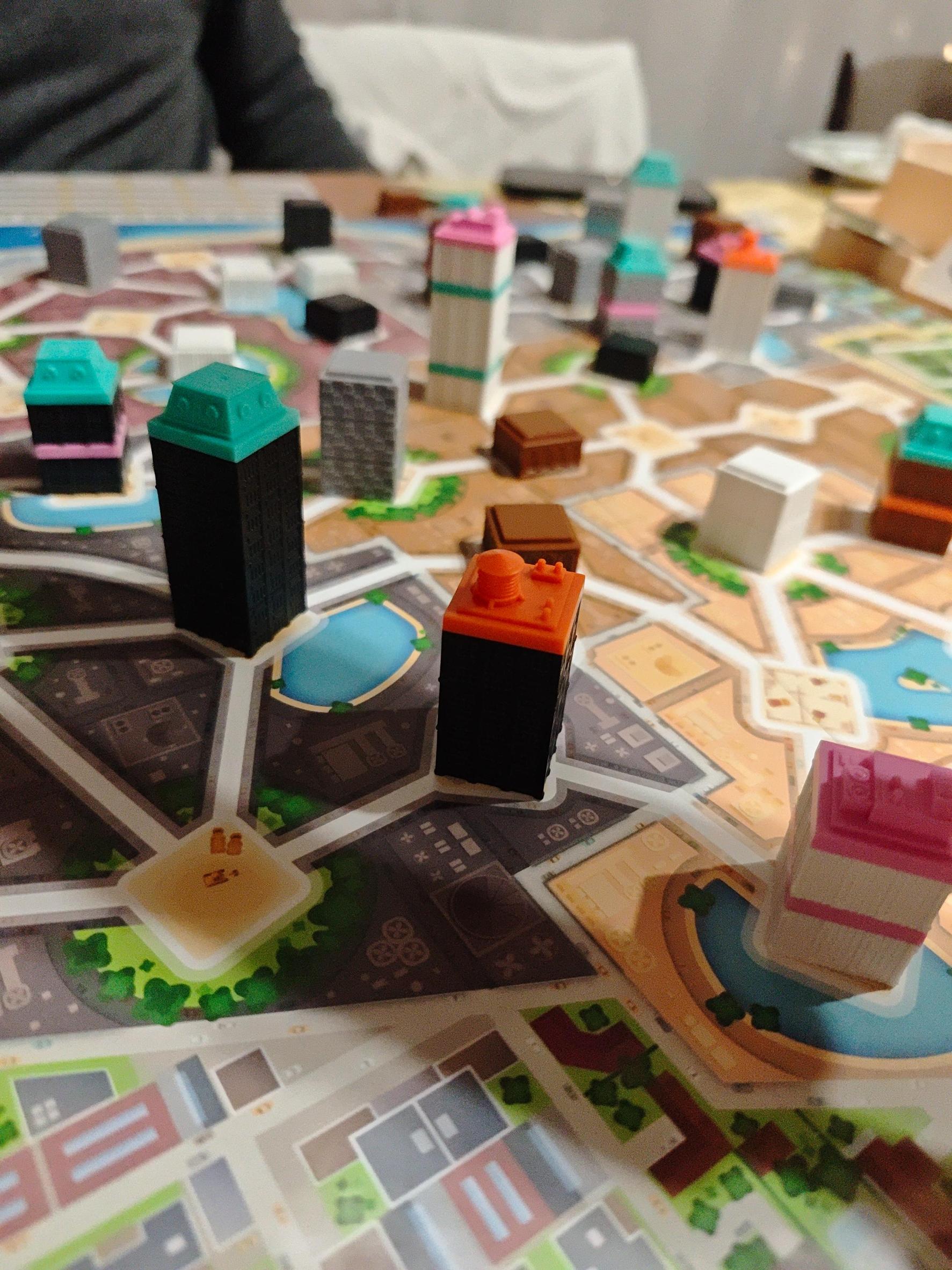
Fotos von Ludoya-Tischen
Alle Fotos in Ludoya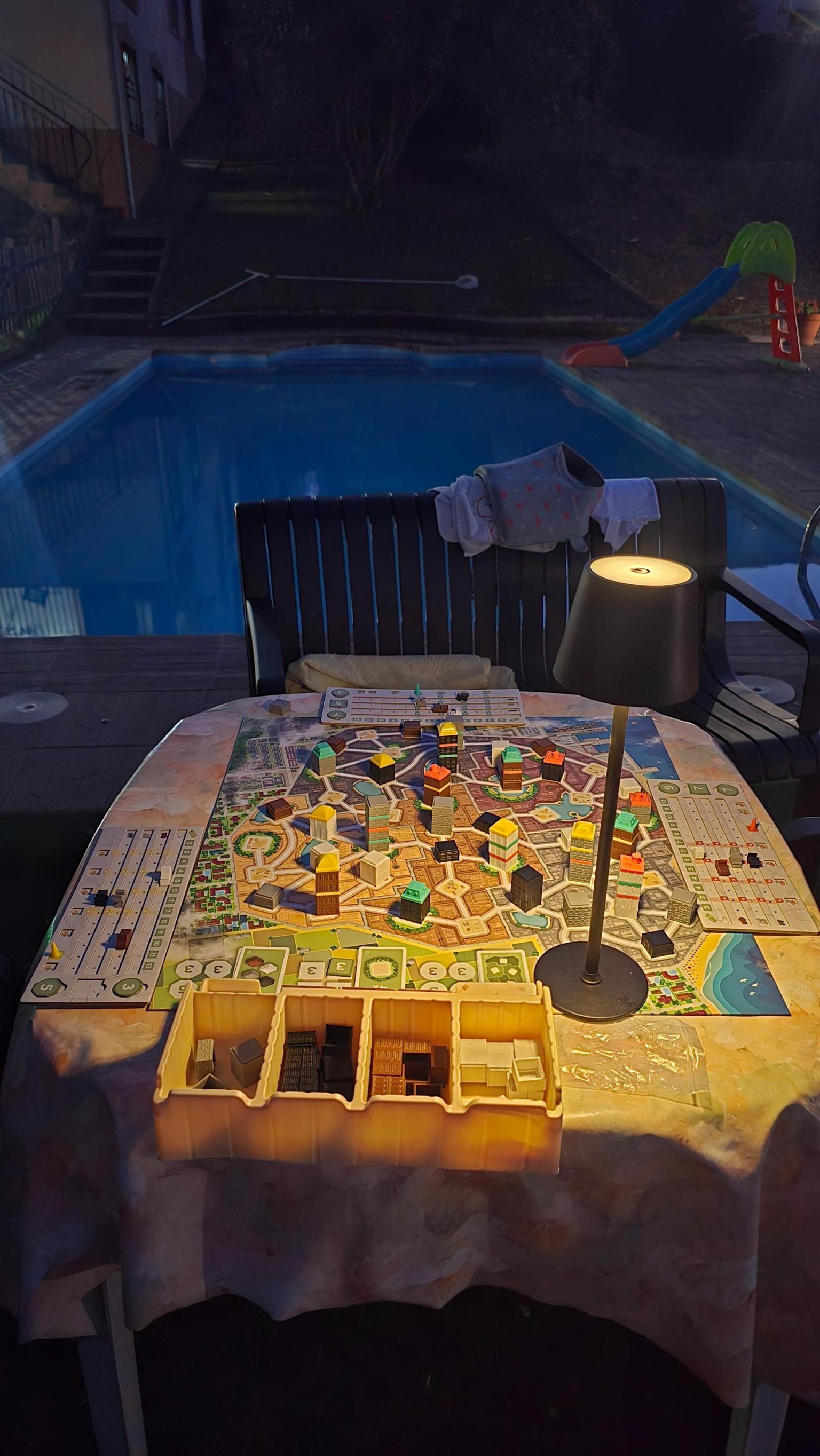
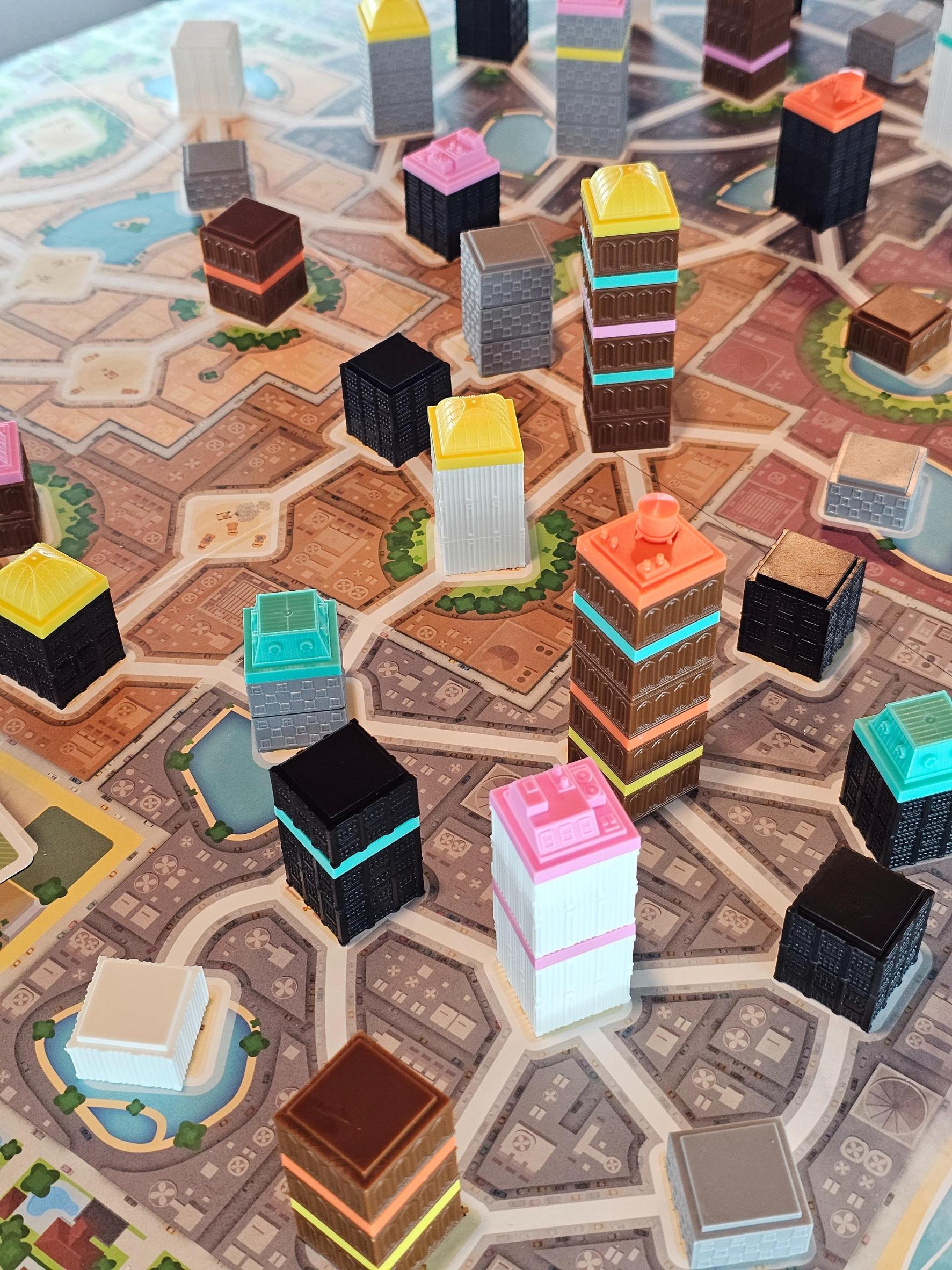
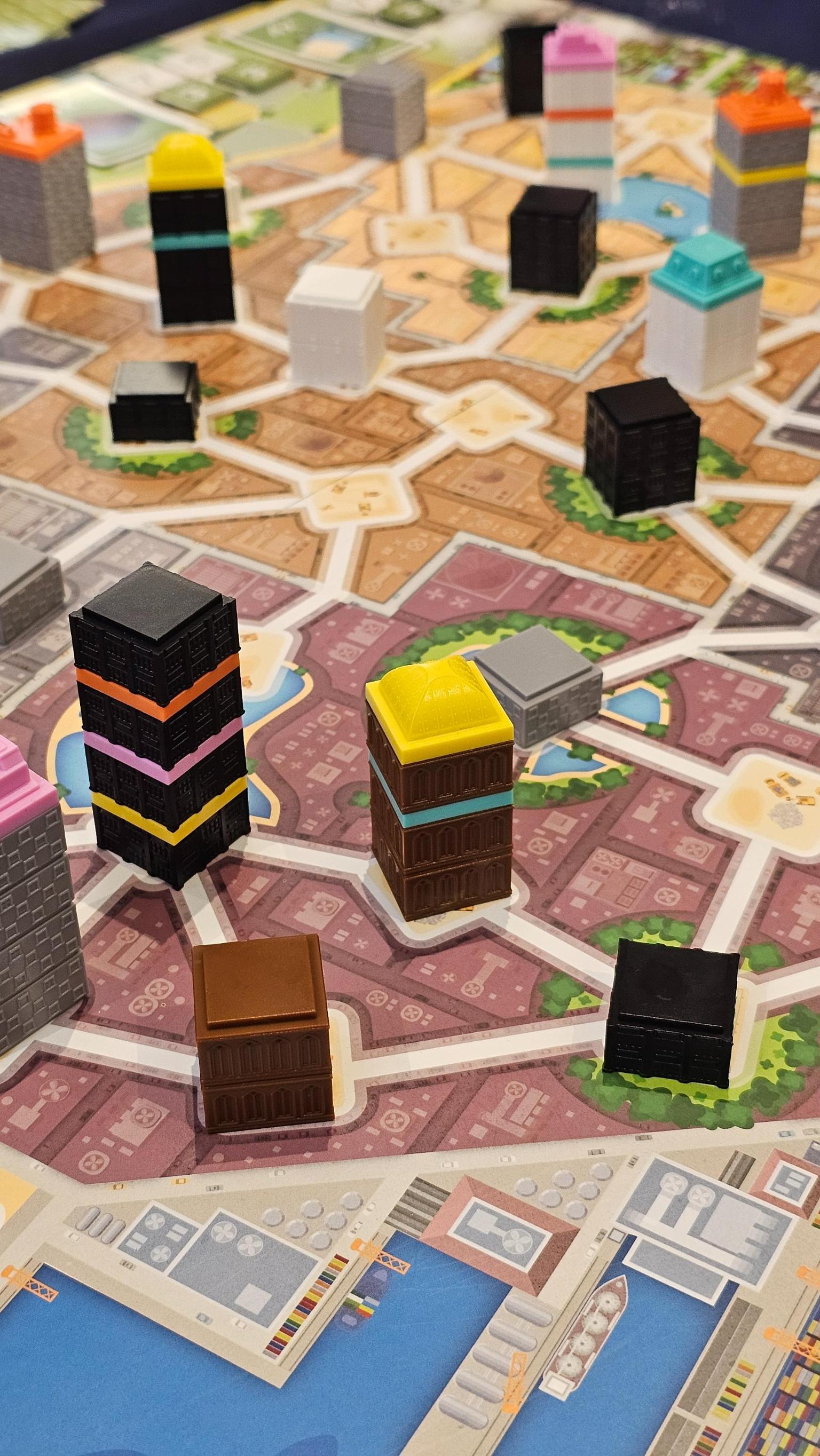
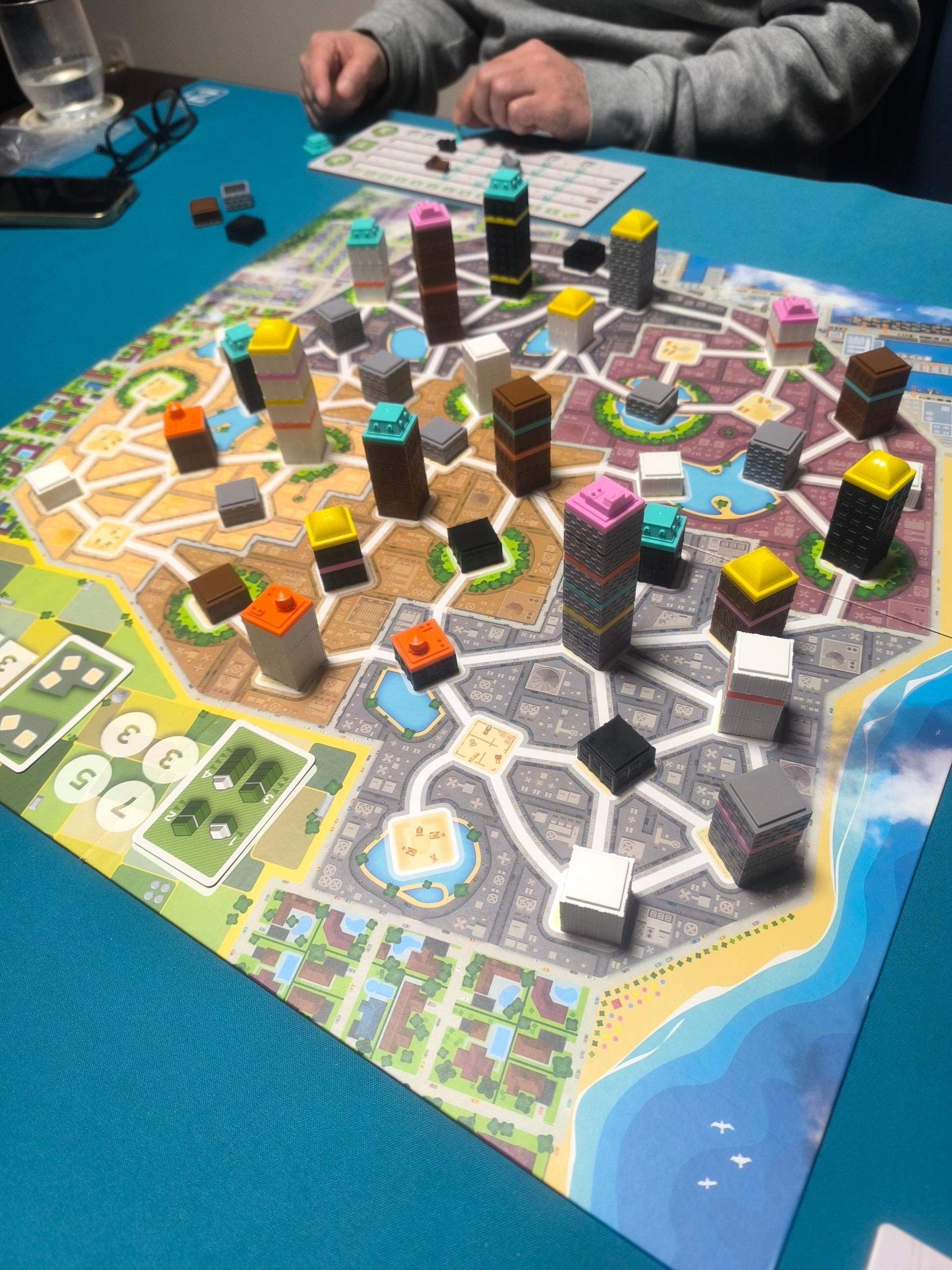
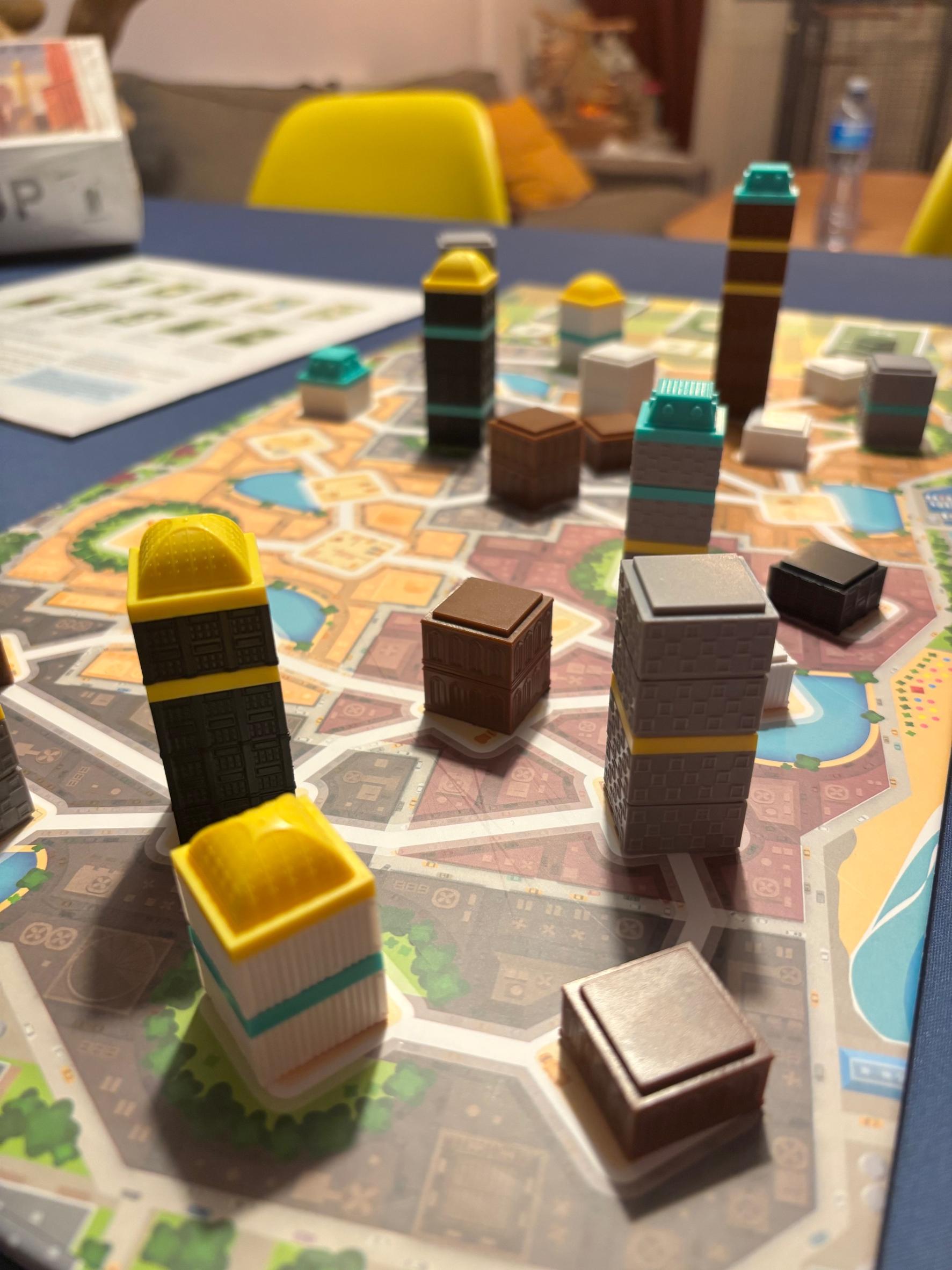
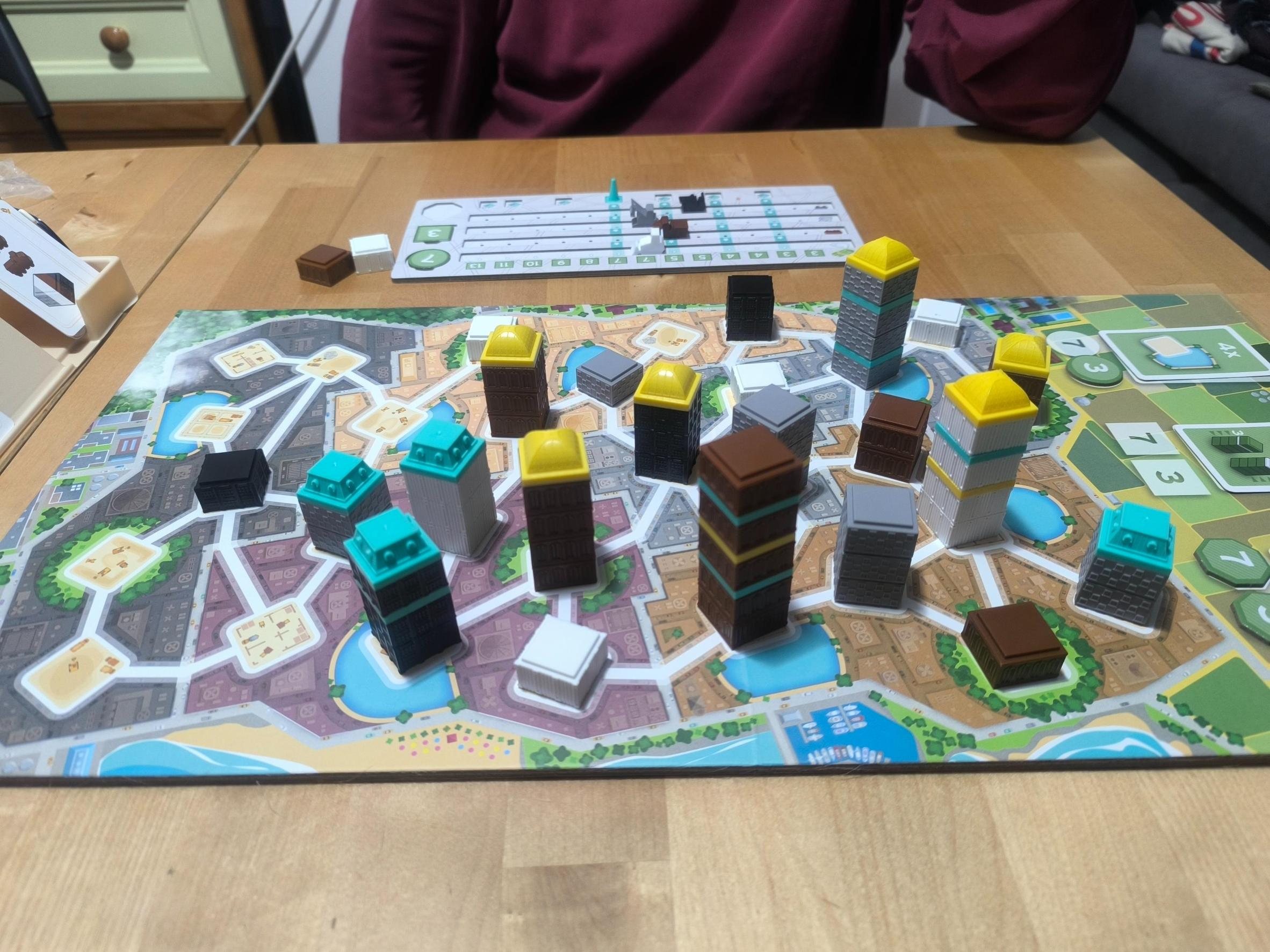
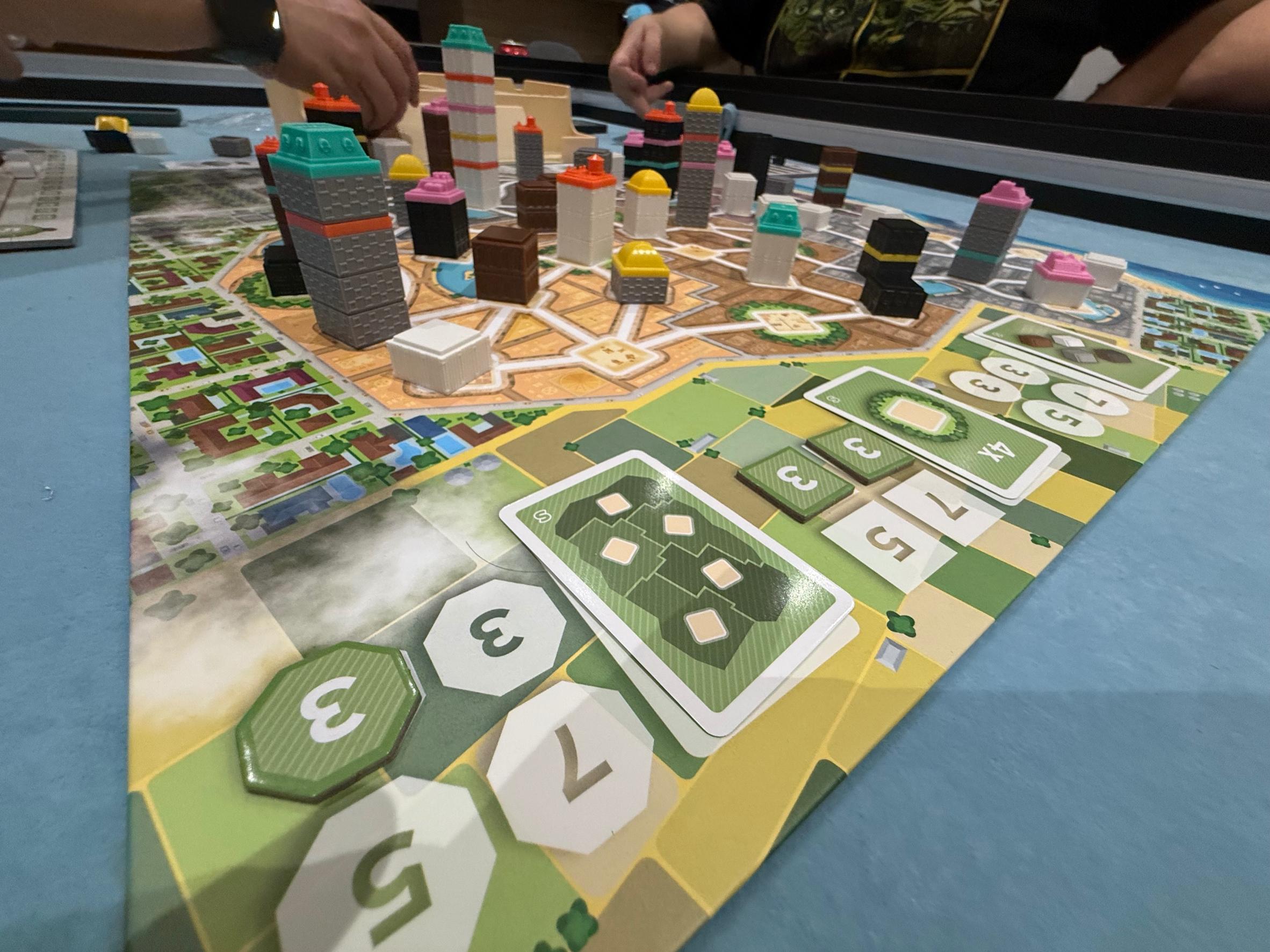
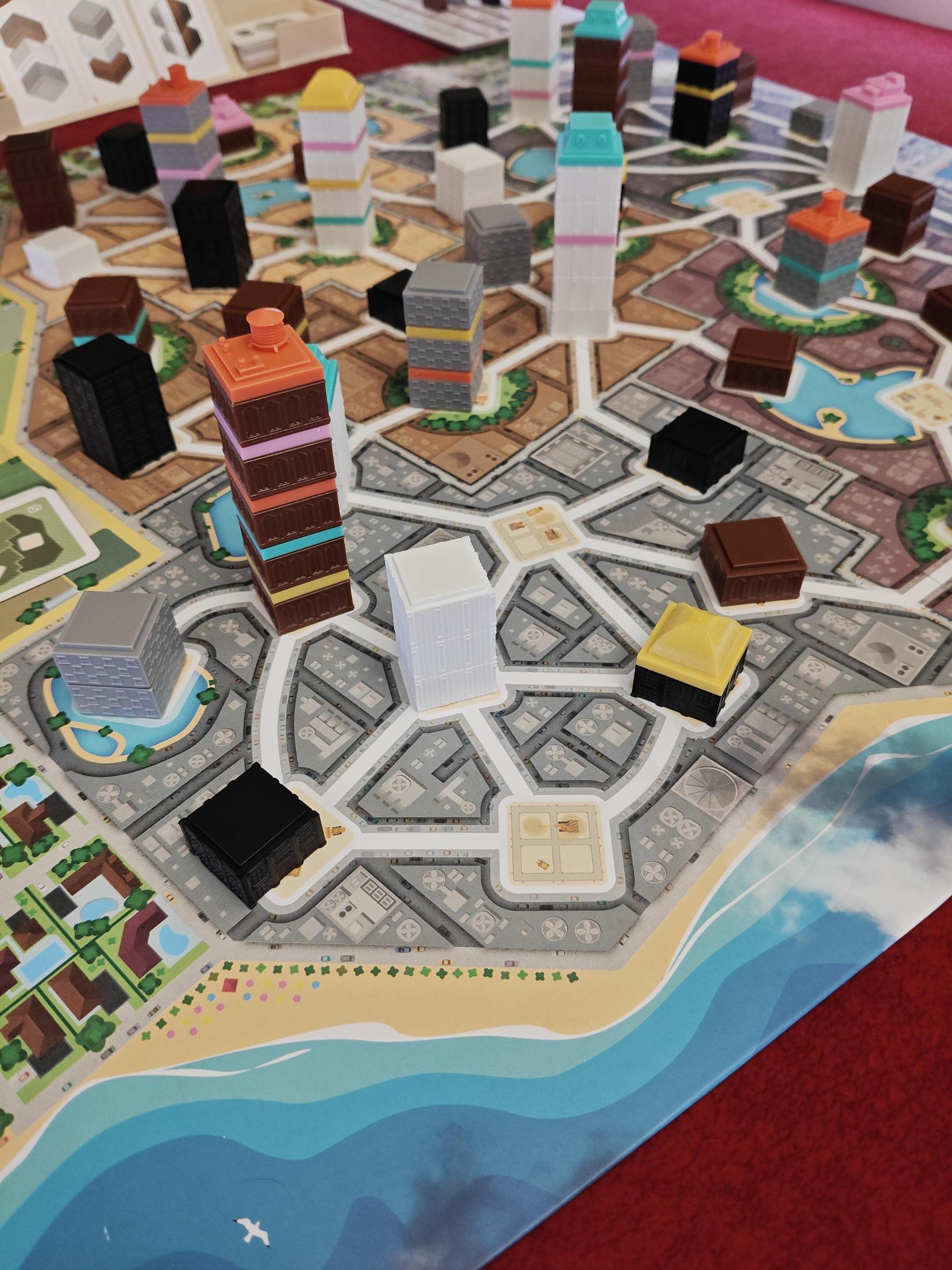
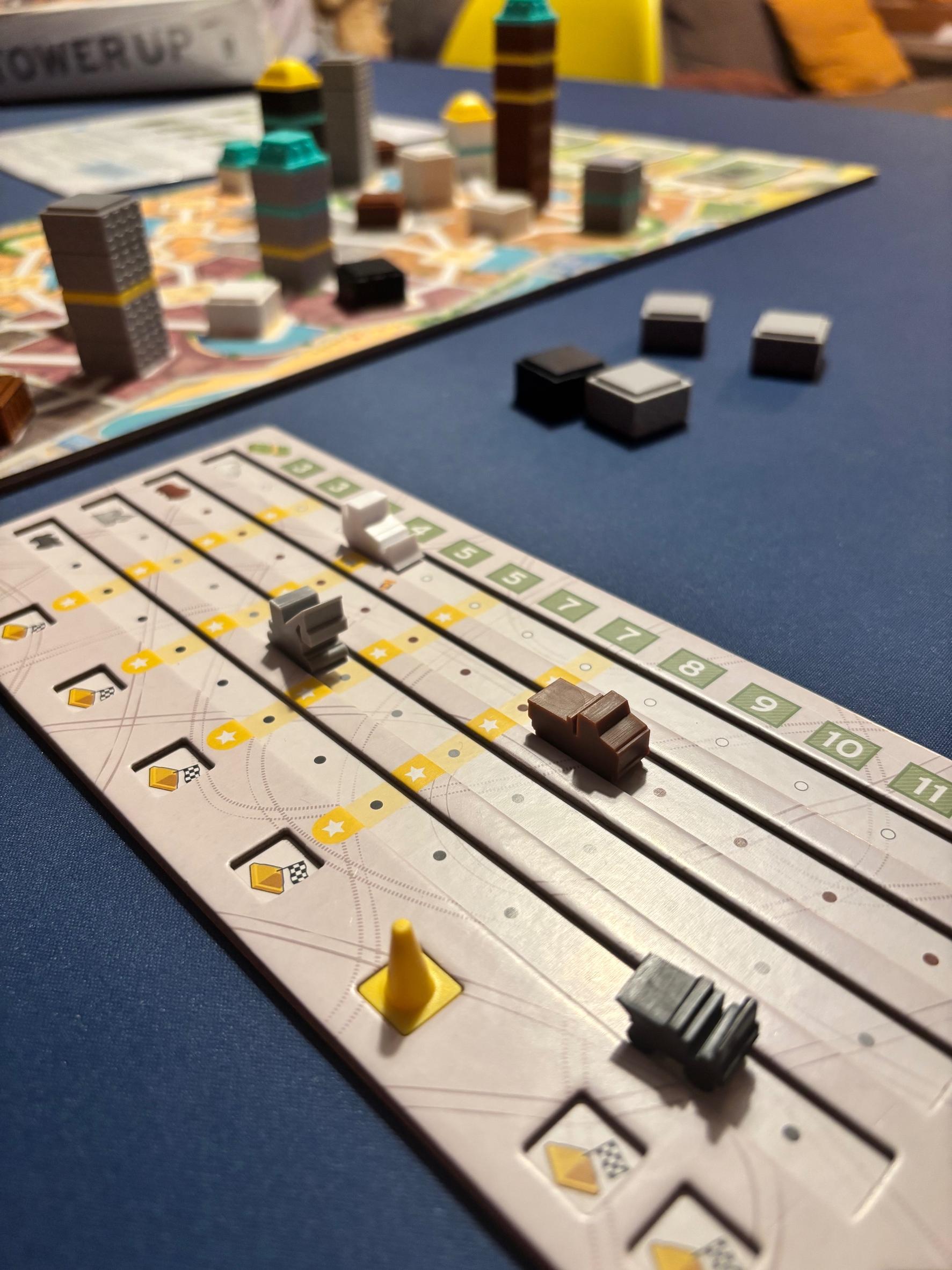
Wo kaufen
Shop-Preise und gebrauchte Exemplare, täglich geprüft.
An Ludoyas Tischen
Alle Statistiken in Ludoya- 358
- Erfasste Partien
- 451
- Spieler
- 35m 33s
- Durchschnittliche Partie
- 88
- In Sammlungen
- 19
- Auf Wunschlisten
7,6/10
aus 32 Ludoya-Rezensionen
Mohasz7,5 Really solid, quick family game with a fair amount of player interaction and thinkiness. A little bit of Ticket to Ride, and a hint of Santorini. Recommended! Fingers crossed for a good expansion! Negatives: - Not a lot of variety, more of an abstract feel - Good insert but the card slots should’ve been bigger
Kommende Veranstaltungen mit diesem Spiel
Alle VeranstaltungenRegelfragen
Aus der Spielanleitung beantwortet von Ludoyas Regelassistenten.
Can two neighboring buildings be the same color?
No — city planning forbids two adjacent buildings of the same color; you must obey this rule when placing starting floors and when starting new buildings (pages 2, 4).
When I start a new building, do I have to add floors to all adjacent buildings and can I use any color to pay?
Yes — when you start a building you must add one floor to each directly adjacent building paid from your supply, and each paid floor must match the color of the building it is placed on (you cannot use multicolored floors to create mixed-color buildings); if you cannot afford the payments you cannot start that building (page 6).
How many roofs can I place on my turn and can I place one on any building I already have presence in?
You place exactly one roof per turn and it must be placed on one of the floors you just placed that turn — either the new building or a floor you added as payment — you may not place it on arbitrary existing buildings (page 6).
What exactly gives me an extra turn?
After moving markers for scoring, if all your vehicle markers have reached or passed the star column on your personal board you immediately get an extra turn; reaching a star is sufficient, extra turns can chain, and you get only one extra turn per check even if multiple markers jump columns (pages 7–8).
What happens if the floor color shown on a Market card is out of stock when I take it?
If a depicted floor is unavailable you may take any floor color you like instead, and this shortage also triggers the end of the game — every player (including you) gets a final turn (page 8).
How do we do final scoring and break ties?
Placing your last roof triggers the final phase: finish your turn, count the number of visible roofs to place your cone, let opponents take their final turns, then sum millions from your markers and bonus chips for final score; ties are broken by who has the most remaining floors, and if still tied the players share victory (page 7).














Kostenlos, im Web, für Android und iOS
Spiel Tower Up mit Ludoya
- Hab es in deiner SammlungVerwalte dein Exemplar und seine Erweiterungen, leih es Freunden oder setz es auf deine Wunschliste und erfahre, wenn der Preis fällt.Zur Sammlung hinzufügen
- Erfasse jede PartiePunkte, Sieger, Timer und Fotos, dann deine Statistiken: Siegquote, liebste Spielerzahl, beste Punktzahl.Partie erfassen
- Regelfragen klärenFrag alles zu den Regeln und erhalte eine Antwort aus der Spielanleitung, mit der Seite zum Nachprüfen.Den Regelassistenten fragen
- Finde Leute, mit denen du es spielstClubs, Spieleabende und Veranstaltungen in deiner Nähe, bei denen dieses Spiel auf den Tisch kommt.Veranstaltungen ansehen
Spieldaten (Spieler, Spielzeit, Alter, Mitwirkende) von BoardGameGeek.