
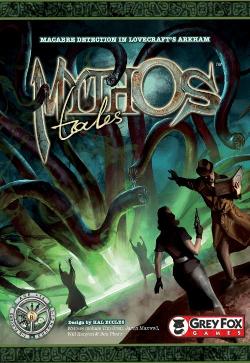
2016 · Horreur
Mythos Tales
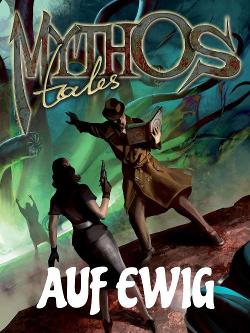
Les joueurs incarnent des enquêteurs à Arkham dans les années 1920 et reconstituent des mystères lovecraftiens à l’aide d’indices narratifs et de documents. Le jeu fournit un journal, une liste d’alliés, un annuaire des habitants et une carte pour suivre les pistes des lieux aux suspects et rassembler des preuves. Le jeu repose sur la déduction coopérative et la gestion de l’information : visitez des sites, consultez des sources et décidez combien de points d’indices dépenser, tout en évaluant les risques pour votre santé mentale. Chaque scénario se termine par une série de questions ; le score final tient compte des indices utilisés, de la santé mentale perdue et de l’exactitude des réponses, comparées à celles d’un enquêteur de référence.
- Joueurs
- 1–10 idéal à 3
- Temps de jeu
- 60–120 min
- Âge
- 13+
- Complexité
- 2,2 / 5
À propos du jeu
- Illustration



Extensions
Les voir dans Ludoya
Où l'acheter
Prix des boutiques et exemplaires d'occasion, vérifiés chaque jour.
Sur les tables de Ludoya
Toutes les statistiques dans Ludoya- 93
- Parties enregistrées
- 40
- Joueurs
- 1h 38m
- Partie moyenne
- 21
- Dans des collections
- 4
- Dans des listes de souhaits
6,0/10
sur 10 avis Ludoya
Evan4,0 This is a mystery solving game in the same style as Sherlock Holmes Consulting Detective. The general idea is there's a choose your own adventure book, and players take turns deciding who to talk to and where to go. When you think you've solved the mystery, the book asks you questions about the case, and you score based on how well you can answer the questions minus points for wrong turns you made. The game was fun, and introduced some nice mechanisms beyond that you find in Sherlock, for example, this game might give you a different encounter text based on if you have an item or not, or even what time of day it is. On the other hand, the text passages aren't quite as well written in Sherlock. In Sherlock, the person you meet will give you some piece of information, and then you need to figure out what to do with it, without much guidance. In Mythos, so far anyway, guy A tells you to go see guy B, who tells you that you really should talk to guy C. Another difference is that Sherlock lets you walk around talking to people, accumulating negative points as you go, as long as you want to. Mythos has a fixed timer. This is an interesting element, but it does make me feel like I'm missing out on plot, and it sort of seems like a crutch to compensate for the different investigation paths being too straightforward. I'm tempted to say, we should just ignore the timer in future plays and just take negative points beyond a certain point? ★ Art, Iconography and components functional ☆ Clever or interesting mechanisms ★ Reasonably low downtime between turns with mildly AP players ★ Multiple plays stay interesting ★ Low or mitigatable luck elements ☆☆☆☆☆ Raw enjoyment
Premières impressions · 1 partie
Taha Afyouni7,0 The Sherlock Holmes Consulting Detective games are my favorite board games, so I was really interested in this even though I'm not generally a Cthulhu fan. My group had fun with this one. While there was quite a bit of errata, we still enjoyed our time with it.
Y a joué 7 fois
Jeux similaires
 Sherlock Holmes: Détective Conseil – Les Francs-tireurs de Baker Street2020
 Sherlock Holmes Consulting Detective: The Thames Murders & Other Cases1981
 Sherlock Holmes: Détective Conseil – Jack l'Eventreur et Aventures à West End2016
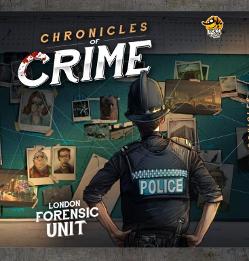 Chronicles of Crime2018
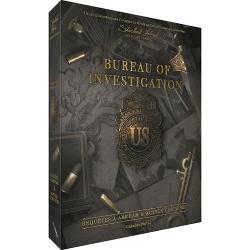 Bureau of Investigation: Enquêtes à Arkham & Autres Contrées2022
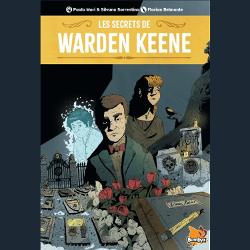 Les Secrets de Warden Keene2026
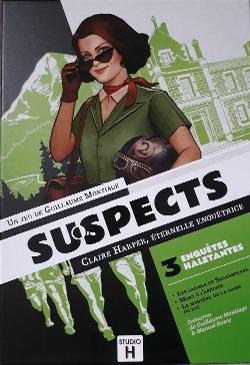 Suspects: Claire Harper, Eternelle Enquêtrice2022
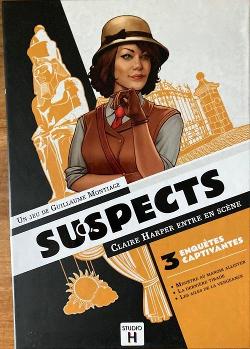 Suspects: Claire Harper entre en scène2021
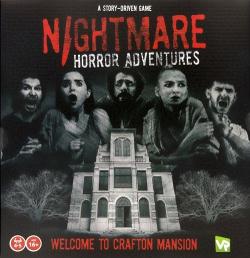 Nightmare Horror Adventures: Welcome to Crafton Mansion2021
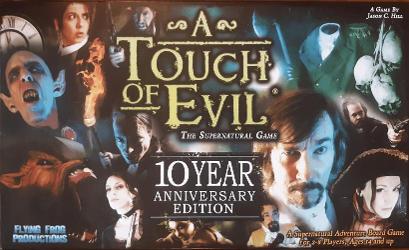 A Touch of Evil: 10 Year Anniversary Edition2020
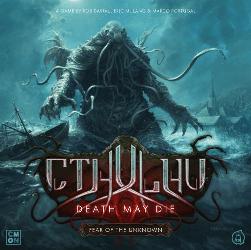 Cthulhu: Death May Die – La Peur de l'Inconnu2024
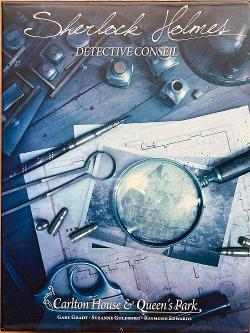 Sherlock Holmes Détective Conseil: Carlton House & Queen's Park2017

Gratuit, sur le web, Android et iOS
Jouez à Mythos Tales avec Ludoya
- Gardez-le dans votre collectionSuivez votre exemplaire et ses extensions, prêtez-le à vos amis ou ajoutez-le à votre liste de souhaits et soyez prévenu quand le prix baisse.Ajouter à votre collection
- Enregistrez chaque partieScores, gagnants, minuteurs et photos, puis vos statistiques : taux de victoire, nombre de joueurs préféré, meilleur score.Enregistrer une partie
- Comptez les points sans papierUtilisez les feuilles de score et les aides de jeu de la communauté, et laissez Ludoya additionner les points.Trouver des feuilles de score
- Trouvez des gens avec qui y jouerClubs, soirées jeux et événements près de chez vous qui mettent ce jeu sur la table.Voir les événements
Données du jeu (joueurs, durée, âge, crédits) issues de BoardGameGeek.