
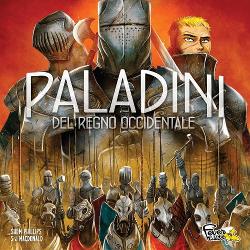
2019 · Medievale
Paladini del Regno Occidentale
Ambientato nella Francia occidentale dell’Alto Medioevo, i giocatori vestono i panni di nobili che reclutano lavoratori e si avvalgono dei cavalieri reali per proteggere le terre di confine ed espandere la propria influenza. A ogni round si attiva un paladino specifico e i giocatori raccolgono lavoratori per costruire avamposti e fortificazioni, commissionare opere ai monaci, affrontare gruppi invasori e far avanzare i propri tracciati di fede, forza e influenza. I punti vittoria si ottengono dagli edifici costruiti, dalle commissioni religiose e dai conflitti risolti con successo; la partita termina dopo sette round. I giocatori pianificano il piazzamento dei lavoratori e l’uso delle risorse per ottimizzare azioni e tempismo, gestendo al contempo le minacce sulla mappa.
- Giocatori
- 1–4 ideale in 2
- Tempo di gioco
- 90–120 min
- Età
- 12+
- Complessità
- 3,7 / 5
Il gioco
- Illustrazioni




Espansioni
Vedile in Ludoya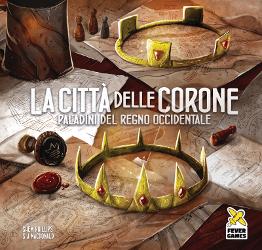 Paladini del Regno Occidentale: La Città delle Corone2021
 Cronache del Regno Occidentale2020
 Paladins of the West Kingdom: The Vassals Mini-Expansion2021
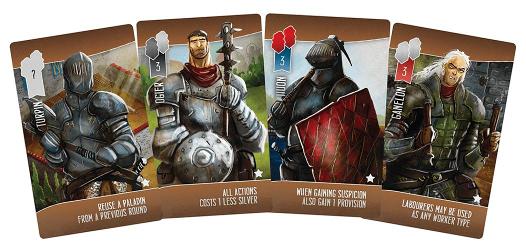 Paladini del Regno Occidentale: 2019 Promos2019
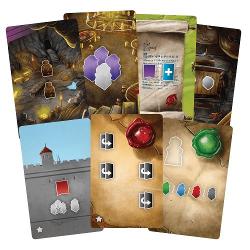 West Kingdom Mini Card Set2019
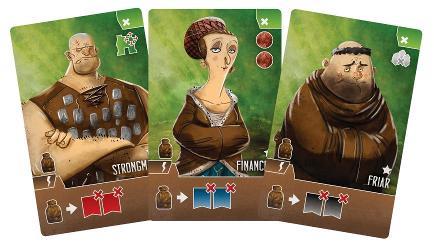 Paladins of the West Kingdom: Dice Tower 2021 Pack2021
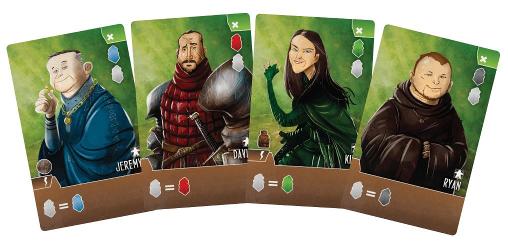 Paladins of the West Kingdom: Meeple Folk2020
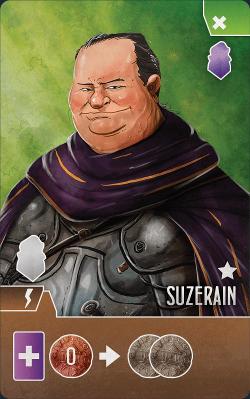 Paladins of the West Kingdom: Suzerain2021
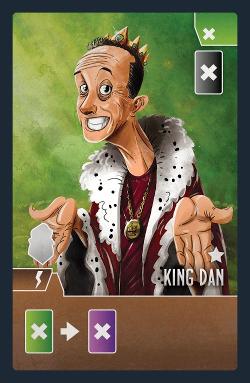 Paladins of the West Kingdom: King Dan2020
 Level Up Loot 22019
 Paladins of the West Kingdom: Player Suspicion Decks2025
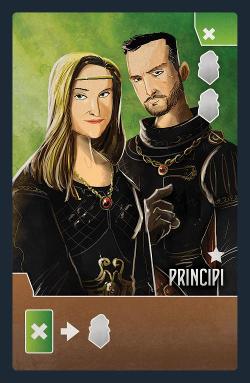 Paladins of the West Kingdom: Principi Promo Card2022
 West Kingdom Trilogy: Promo Pack 22025
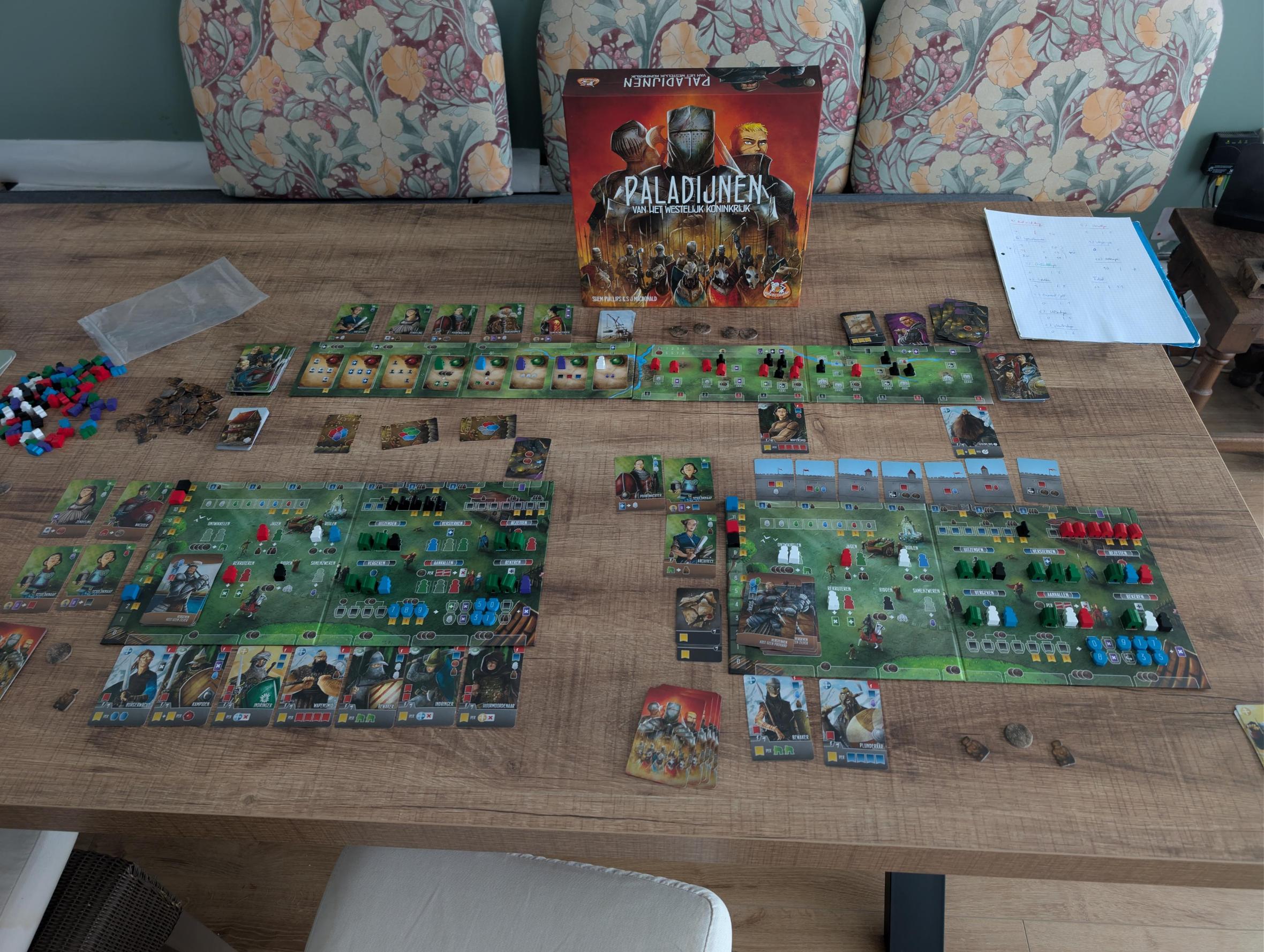
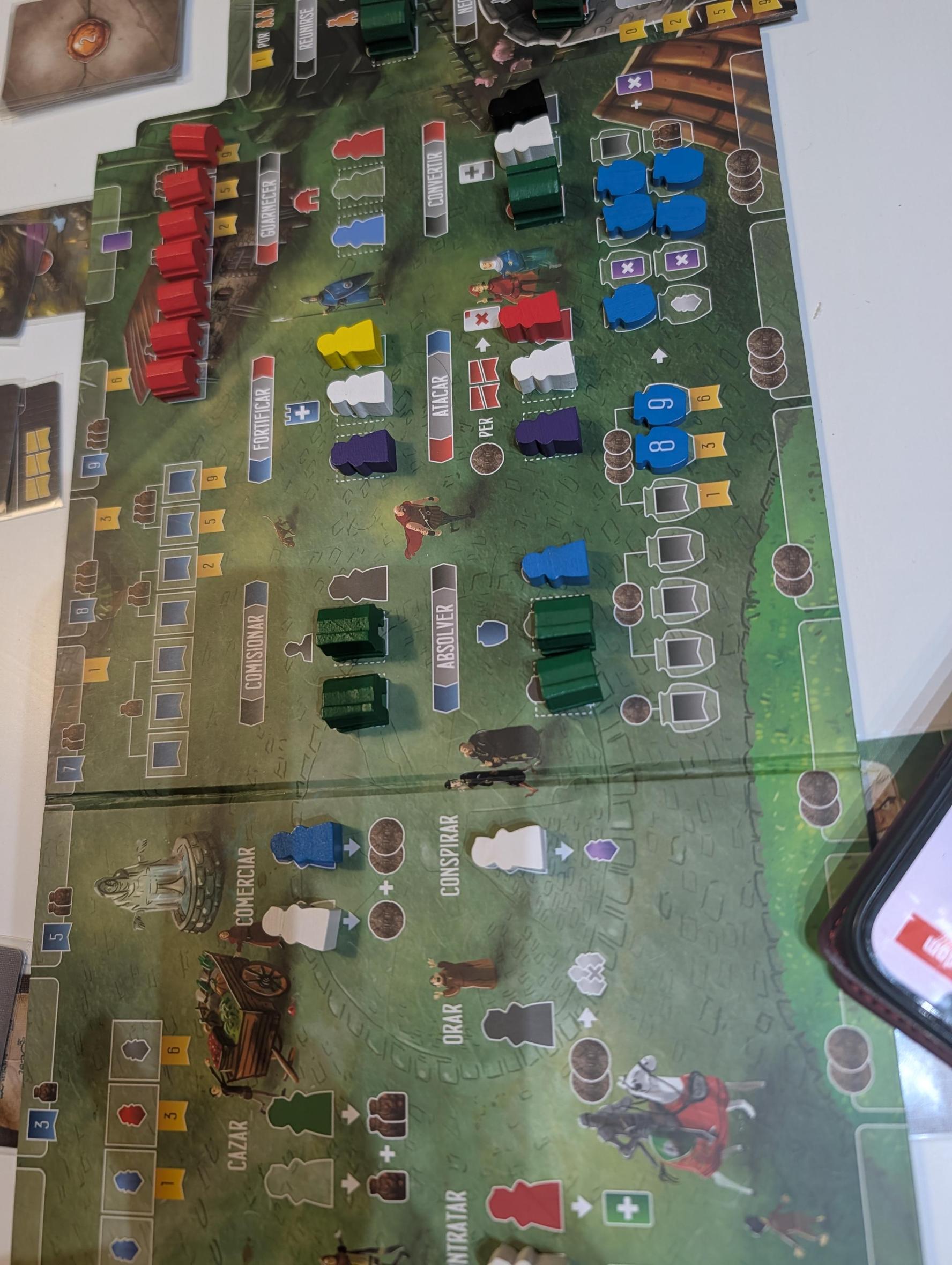
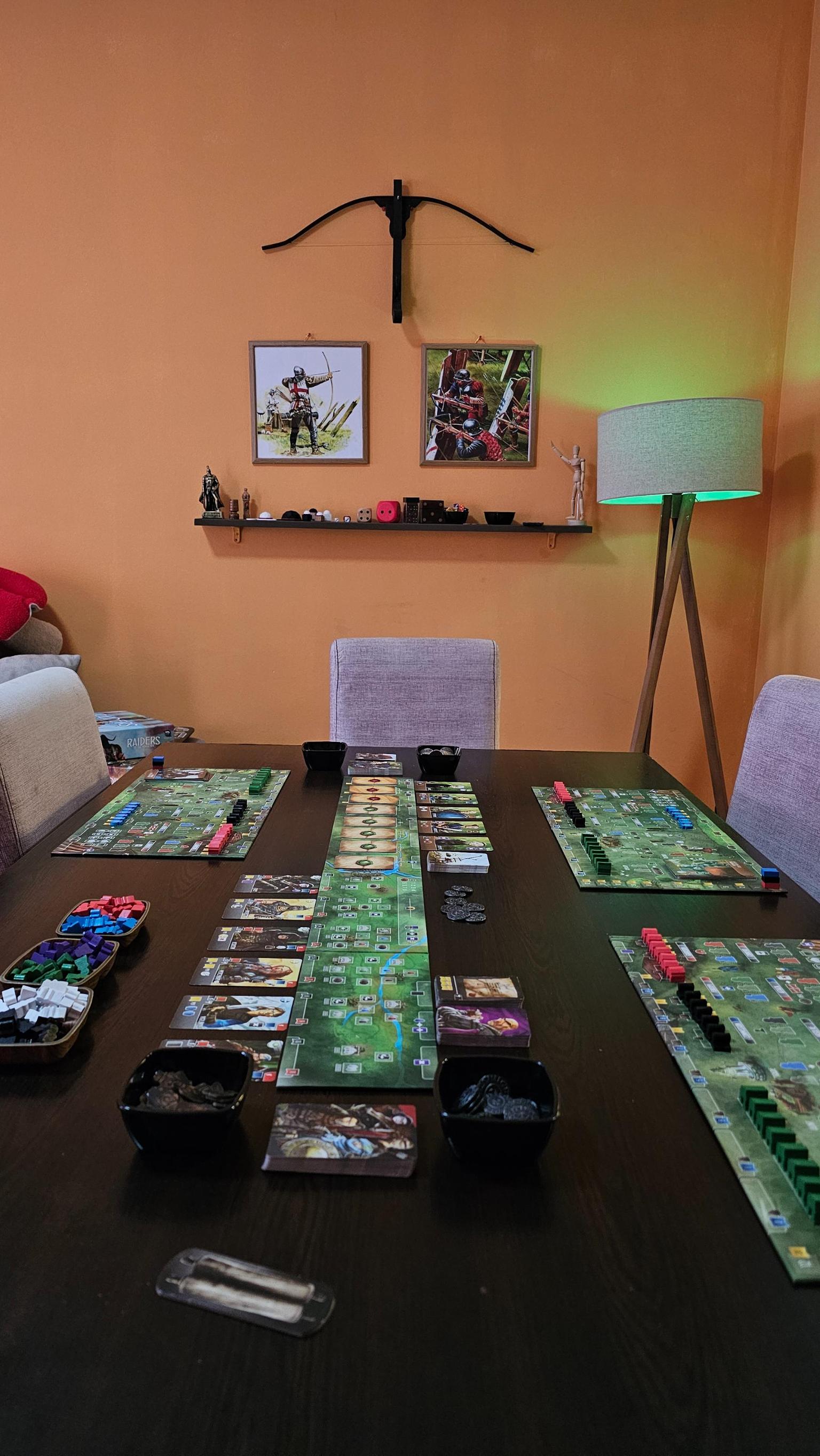
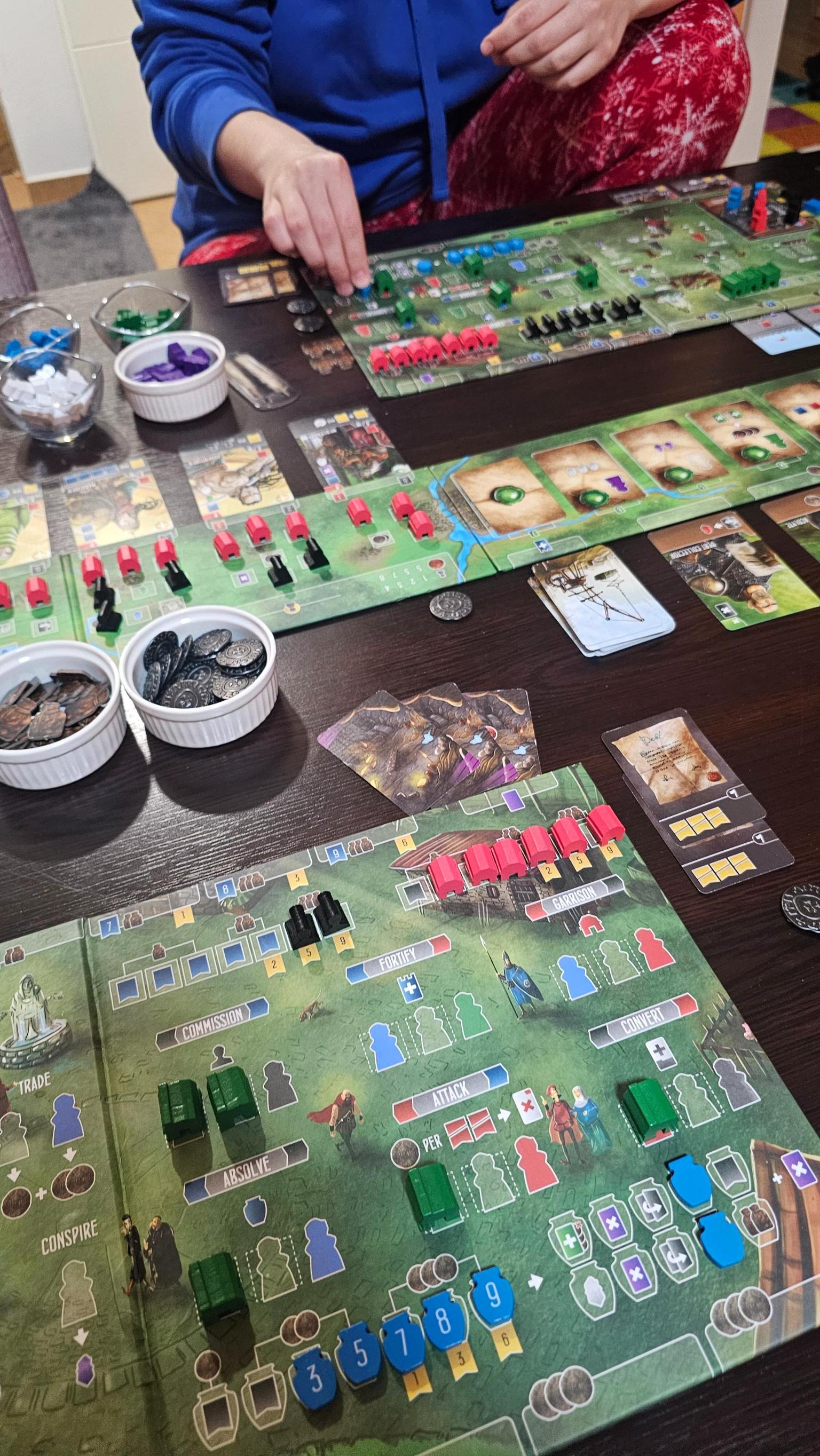
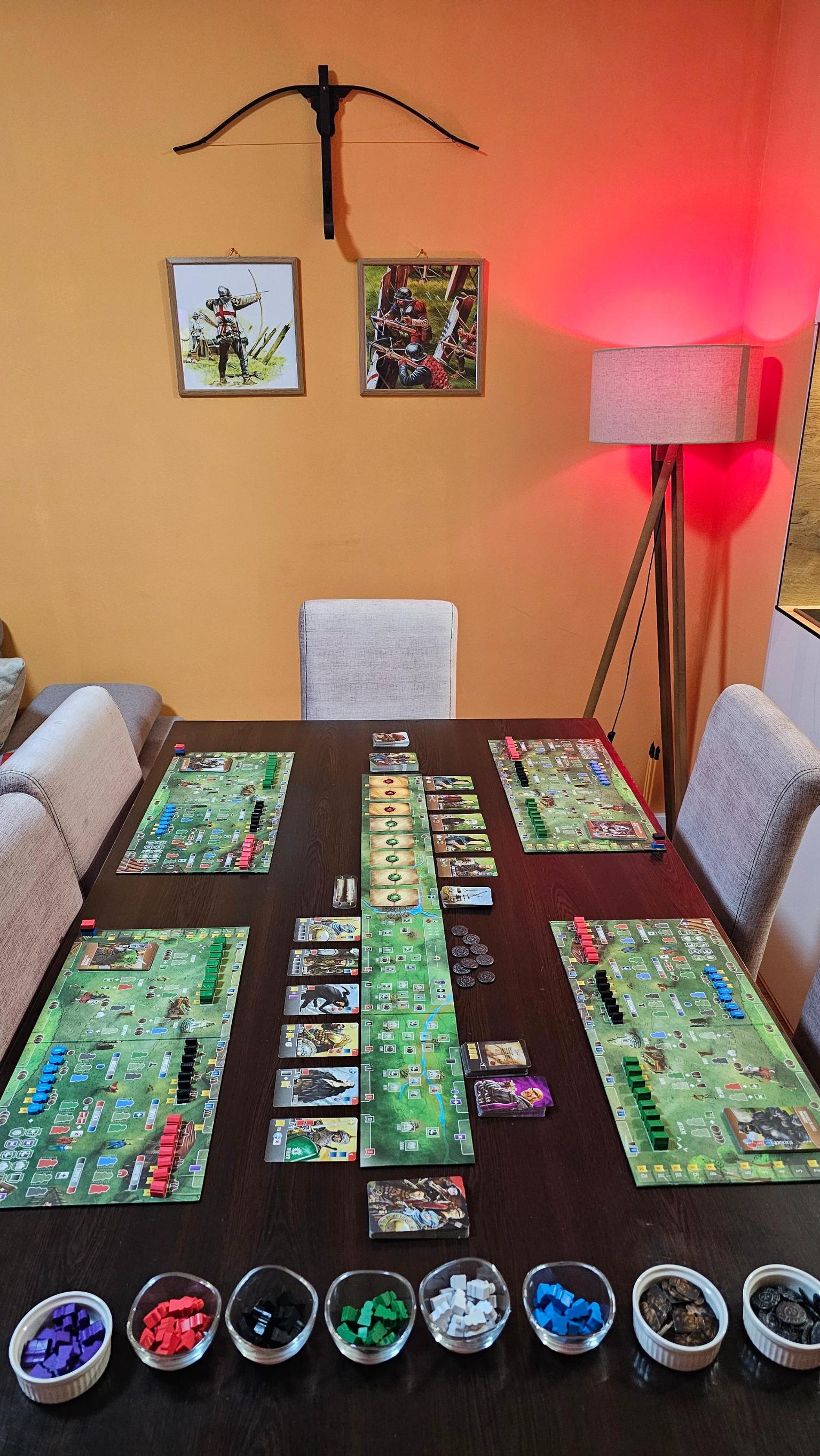
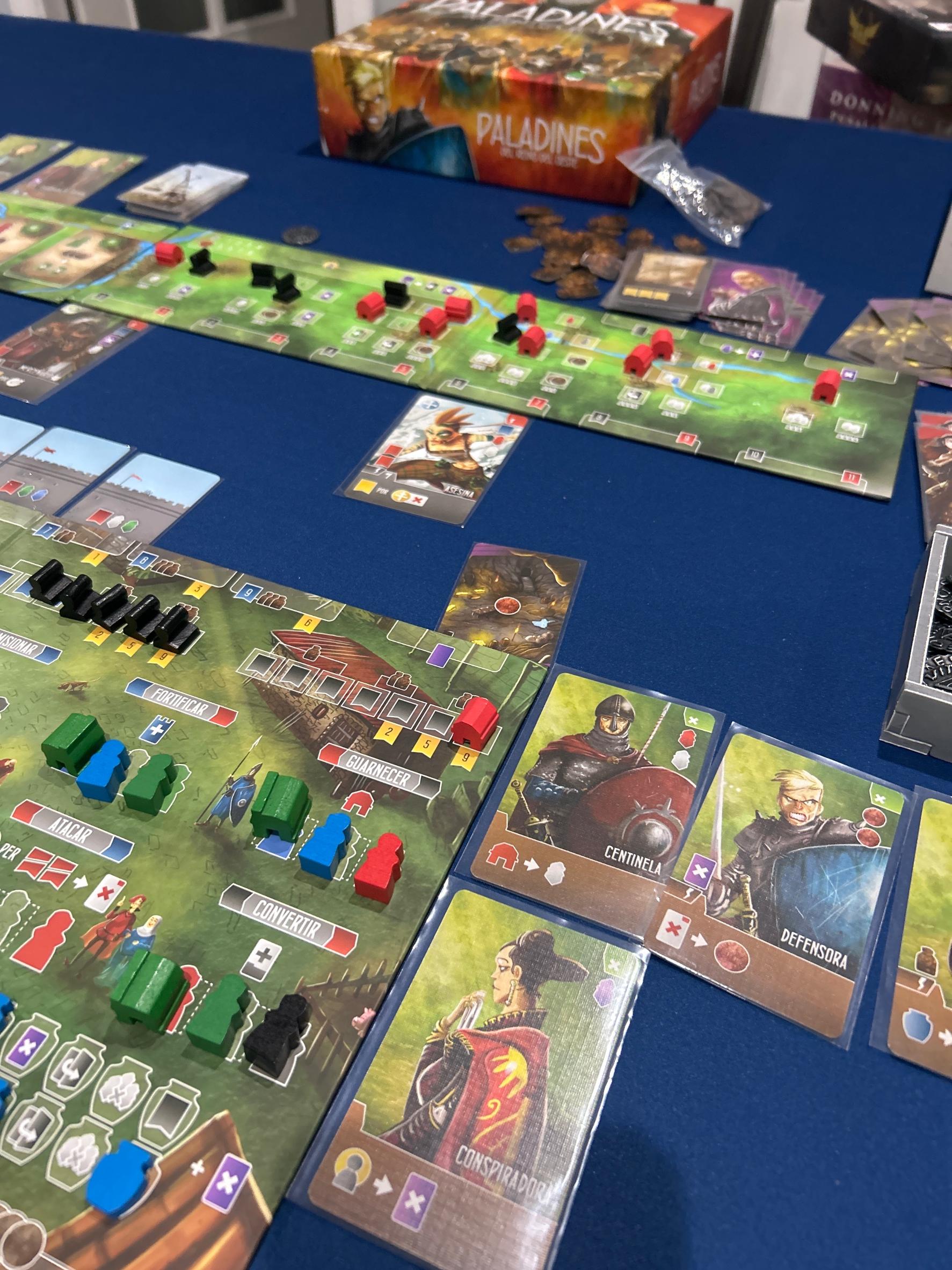
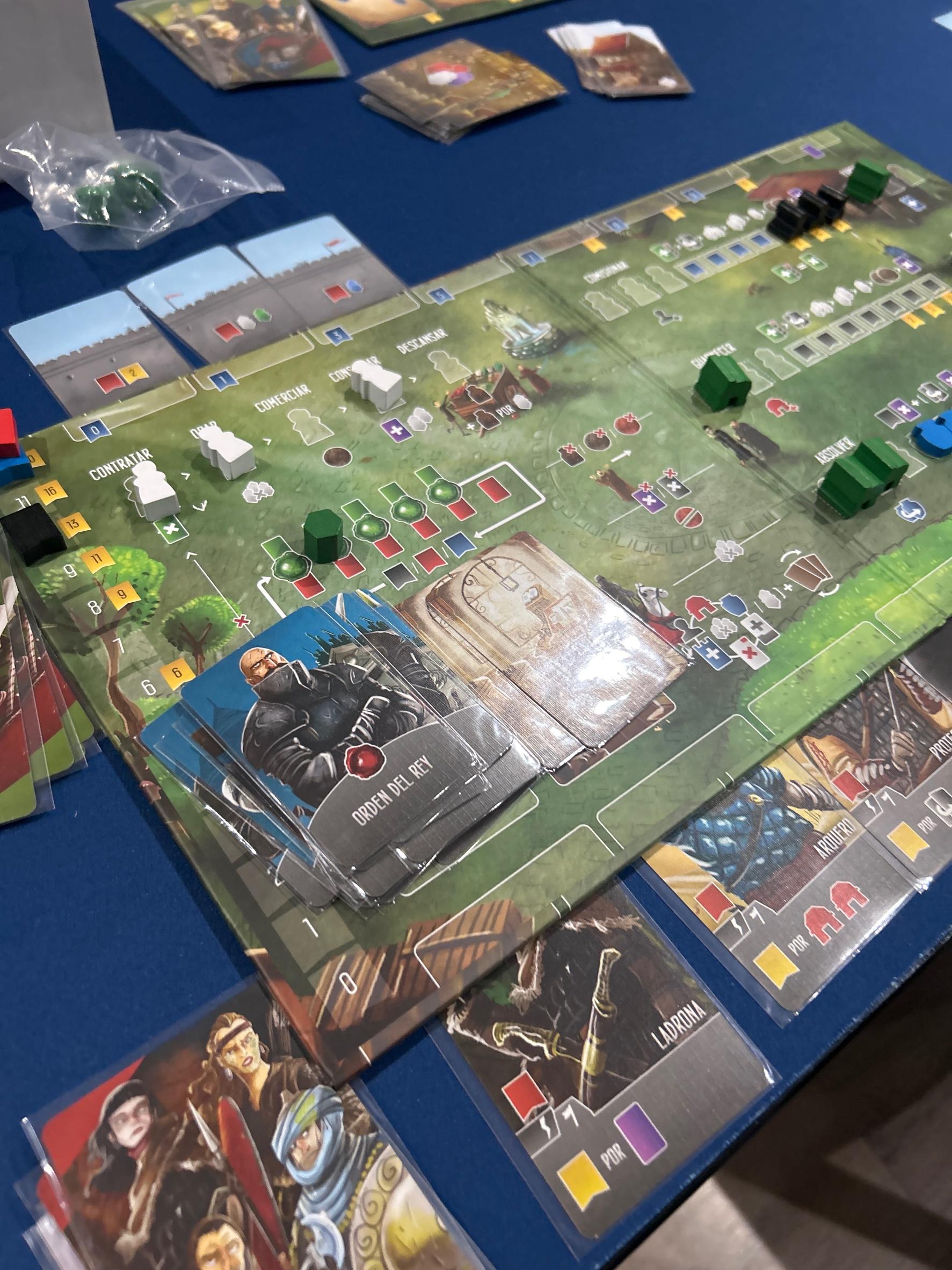
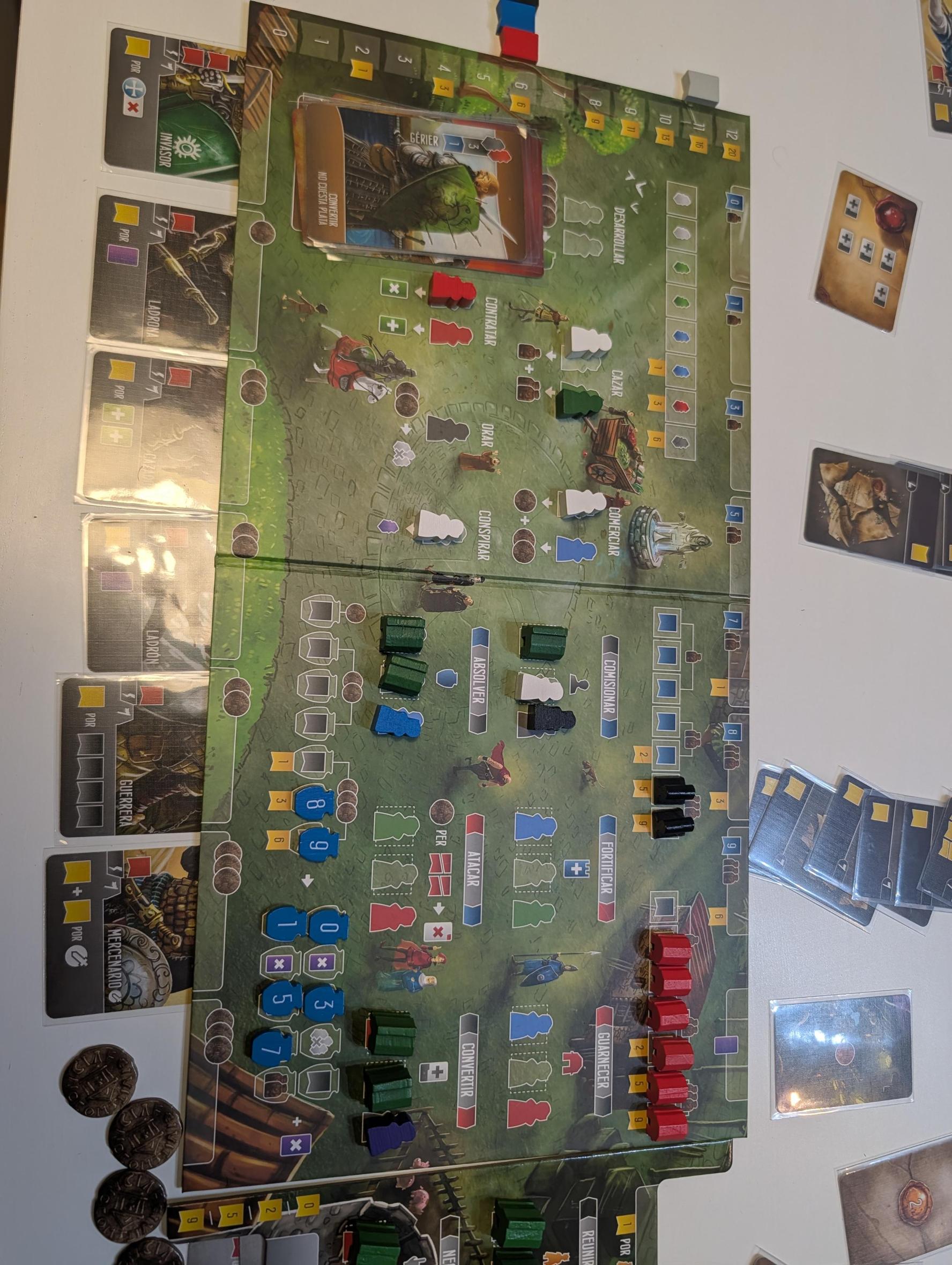
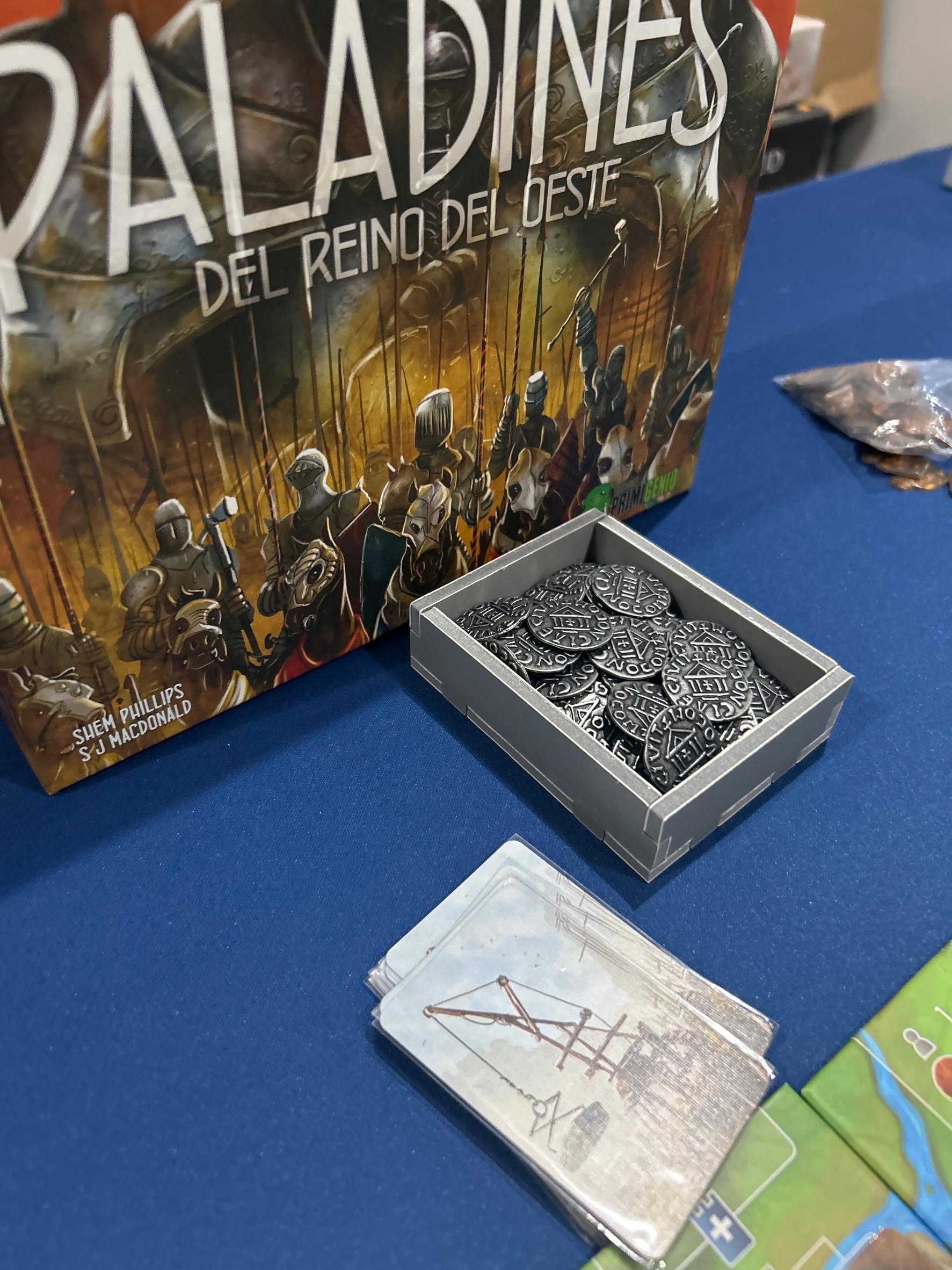
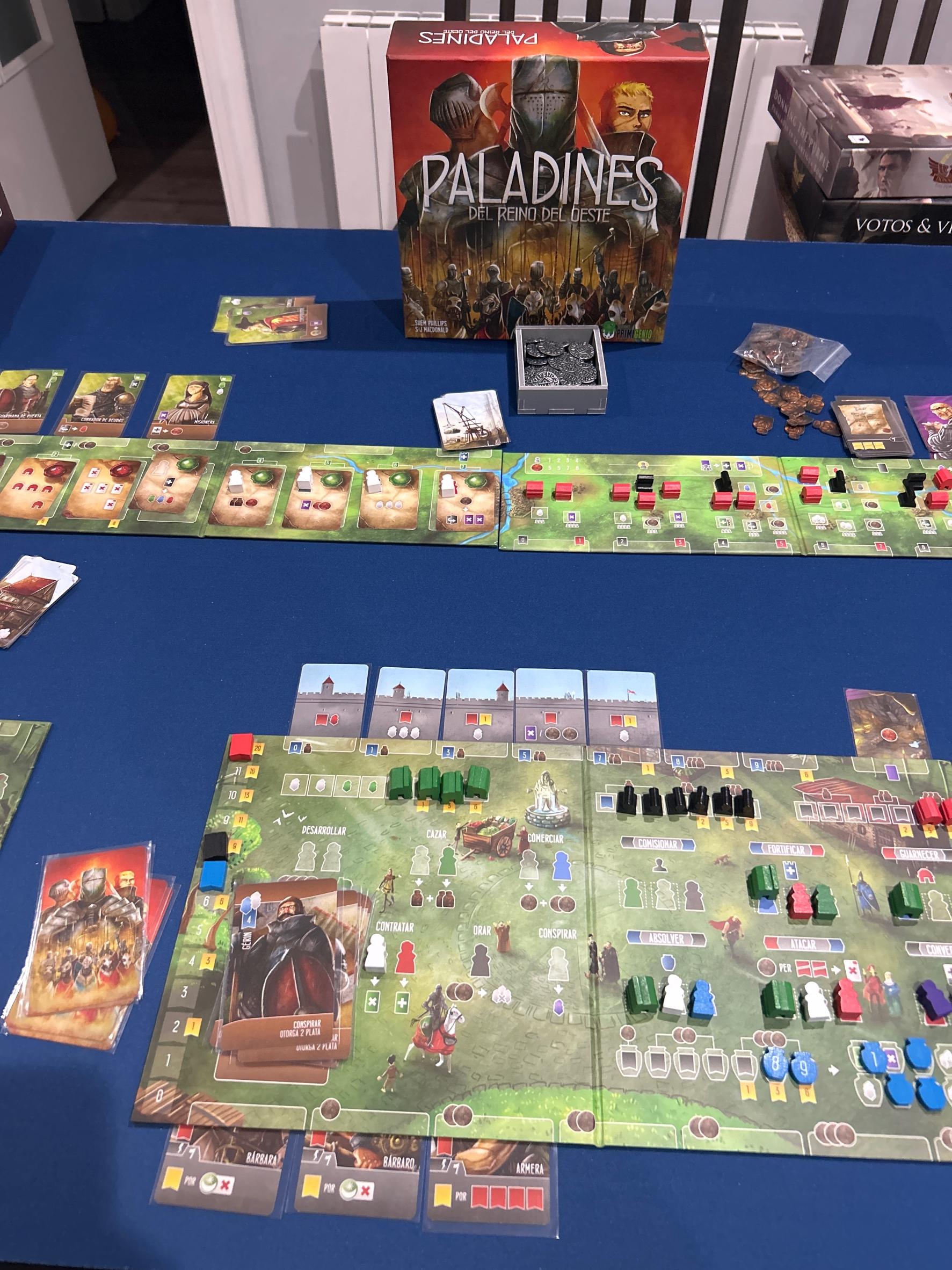
Foto dai tavoli di Ludoya
Tutte le foto in Ludoya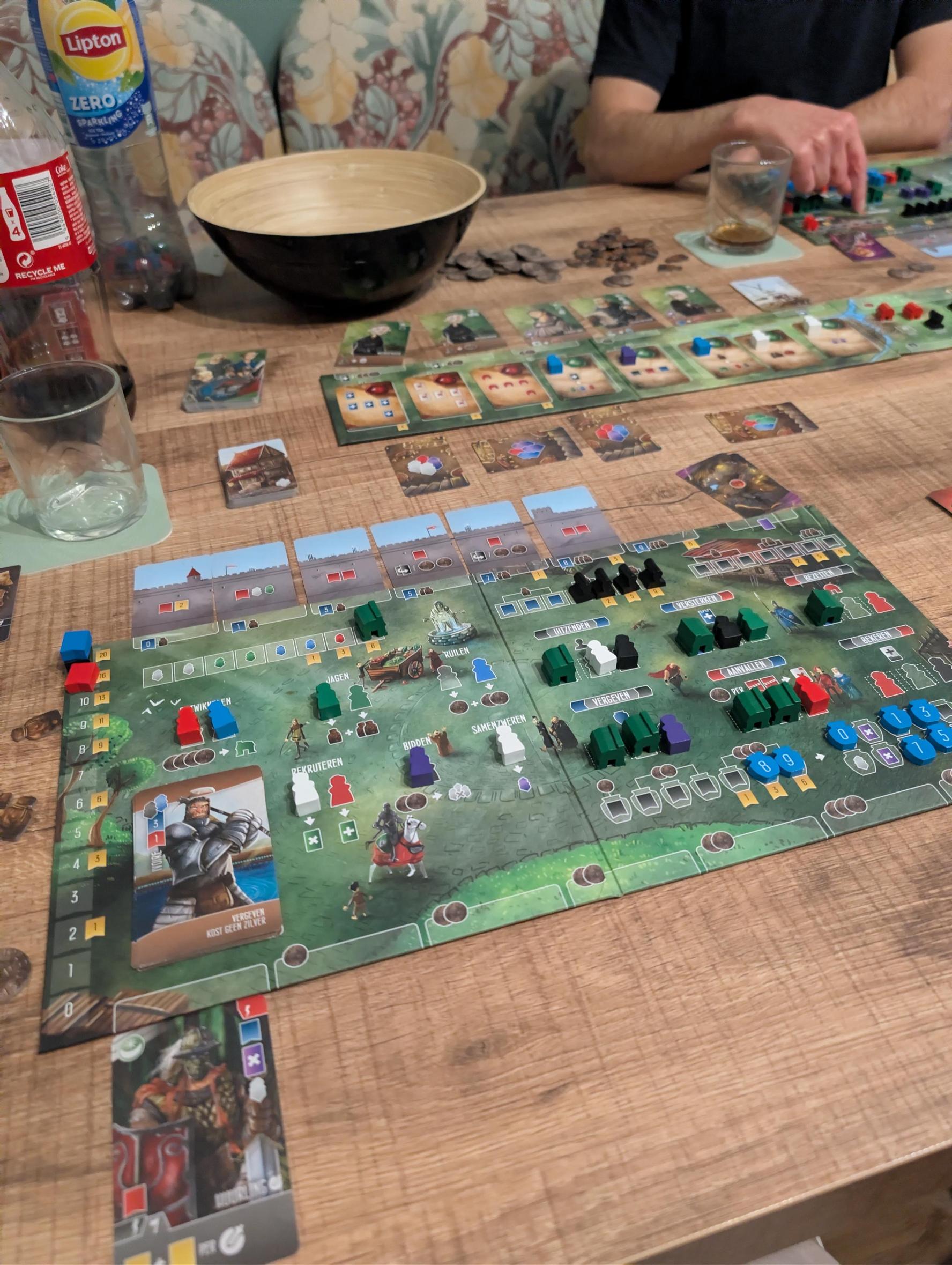
Dove comprarlo
Prezzi dei negozi e copie usate, controllati ogni giorno.
Sui tavoli di Ludoya
Tutte le statistiche in Ludoya- 646
- Partite registrate
- 487
- Giocatori
- 1h 58m
- Partita media
- 207
- Nelle ludoteche
- 38
- Nelle liste dei desideri
7,1/10
da 125 recensioni Ludoya
Balleflass5,0 Very multiplayer solitare. Not my type of game. Architects is my favorite from Garphil by a long shot, but I havent tried Circadians Chaos Order yet which I hope doesnt have the same flaws as Scythe.
Evan4,6 At the start of each of seven rounds, players draw three cards. Each has it's own ability that focuses on making a specific action cheaper or more effective, and comes with two workers. Then in turn order players draft a card that comes with four additional workers. The workers come in a variety of different colors. Once this is done players take their actions one at a time clockwise by laying workers of the correct colors into the action spaces of their boards. Some actions on your board collect resources, others give you steps on one of three scoring tracks, and at times they also come with a bonus reward. There is an action space that places a building onto a worker space making that action cheaper in further rounds, and a space that lets you pays some resources to clear the workers from an action, allowing you to resolve it twice in that round. To further build your engine, there is a belt of purchasable cards that provide additional bonuses when you resolve a specific action in the future. The game has a number of random elements that are a little troublesome. Money is very tight in the game. When you take a wild-colored (represented as purple) worker, you also take a purple card. The back of the purple card has 0, 1 or 2 free dollars on it. These dollars pull from a separate bank, which when depleted refills and then punishes the player with the most purple cards. A player who lucks into getting mostly $2 vs a player who badlucks into getting mostly $0 has a substantial advantage. Additionally, there's an action where you build wall cards at the top of your board. These too come with random rewards, that might help you a lot in your chosen path, or might just wind up a waste of your precious few workers. Another big advantage comes to the player who draws the helper card that reduces the cost of the building that substitutes the worker on your board by half in the first round. Add to this the way the belts of faceup cards work. Each round you refill the two card displays. One is full of cards that can be taken to improve your engine, but they can also be discarded for a one-time bonus. First come first serve. The cards don't appear to repeat as well, so it's easy to miss out on an effect you need because someone else wants the one time benefit for punting them. It works the same with the second display of cards, but those have a mix of one time bonuses at the top, and bonus scoring criteria at the bottom. Mild randomness frustrations aside, the game is enjoyable overall. I like working a personal management board, and it reminds me a lot of Orleans, minus the bag building, plus a little more randomness. This is a game where you need to laser focus on your goals, since workers and money are in short supply, and the rewards for track bumps only come at the very end of the tracks. In that way it's mildly disappointing since it seems like there is a lot of cool stuff to do but really you pick one or two goals at the start of the game and then just push as hard as you can in that straight line. Aside from beating each other to cards, there's very little player interaction. ★ Art, Iconography and components functional ☆ Clever or interesting mechanisms ★ Reasonably low downtime between turns with mildly AP players ★ Multiple plays stay interesting ☆ Low or mitigatable luck elements ★★★☆☆ Raw enjoyment
Very good and fun game. The rules are very easy while the game brings a lot of strategy. It feels well balanced. The main interaction between players comes from people not taking your spots. The decisions matter. Slightly long is my only minus.

Domande sulle regole
Risposte tratte dal regolamento dall'assistente per le regole di Ludoya.
Devo pagare le Tasse ogni volta che un effetto mi assegna delle Tasse, e cosa succede se la riserva di Tasse si esaurisce?
Prendere la Tassa (la moneta rossa) è obbligatorio e, quando indicato, devi prendere l’Argento richiesto dalla riserva delle Tasse; se ti serve più Argento di quanto ce ne sia nella riserva delle Tasse, prendi il rimanente dalla riserva principale dell’Argento. Prendere l’ultimo Argento dalla riserva delle Tasse fa scattare immediatamente un’Inquisizione. Quando si verifica un’Inquisizione, il giocatore o i giocatori con più Sospetti ricevono ciascuno 1 Debito e scartano metà dei propri Sospetti (arrotondando per difetto); poi la riserva delle Tasse viene rifornita (pagine 22–23).
Se scelgo di passare, devo recuperare i miei Lavoratori e posso conservarne qualcuno per il turno successivo?
Quando passi, rimuovi tutti i Lavoratori dalla tua Plancia Giocatore e rimettili nella riserva generale, ma puoi portare fino a 3 Lavoratori dalla tua riserva personale al Round successivo (quelli in eccesso devono essere restituiti); una volta passato, non puoi compiere altre azioni in quel Round, anche se puoi ancora essere influenzato dalle Inquisizioni e da alcune abilità dei Cittadini (pagina 24).
Devo abbinare i colori dei lavoratori negli spazi azione? E per quanto riguarda i Criminali?
I lavoratori collocati sugli spazi colorati devono corrispondere al colore dello spazio, mentre qualsiasi lavoratore può essere collocato sugli spazi trasparenti; i Criminali (viola) sono jolly e possono essere collocati sia sugli spazi azione colorati sia su quelli trasparenti (pagina 12).
Se piazzo un Lavoratore su Reclutare, posso piazzare il secondo Lavoratore più tardi per reclutare invece di scartare il Paesano?
No: devi decidere di piazzare 1 o entrambi i Lavoratori con una singola azione Reclutare; piazzare solo 1 Lavoratore scarta un Paesano per ottenere la sua ricompensa immediata, e non puoi aggiungere il secondo Lavoratore in un turno successivo per reclutare invece quella carta (pagina 14).
Come funziona l’azione Sviluppa: quale Laboratorio si sposta e ottengo un Lavoratore dallo spazio di destinazione? Cosa succede se su quello spazio azione c’è già un Lavoratore?
Sviluppare costa 2 Lavoratori e 4 Argento e sposta il tuo Laboratorio più a sinistra in uno degli spazi azione sul lato destro (nei riquadri tratteggiati); ottieni immediatamente il Lavoratore raffigurato su quello spazio azione; se uno spazio è già occupato da un Lavoratore, restituisci quel Lavoratore alla riserva prima di collocare il tuo Laboratorio (pagina 13).
C'è un limite al numero di volte in cui posso compiere azioni come Commissionare, Fortificare, Presidiare, Assolvere o Convertire?
Sì — durante la partita puoi eseguire al massimo 7 volte ciascuna delle azioni Commissionare, Fortificare, Guarnigione, Assolvere e Convertire (non c’è alcun limite al numero di volte in cui puoi Attaccare) (pagina 12).








Chi ce l'ha possiede anche
 Visconti del Regno Occidentale2020
 Architetti del Regno Occidentale2018
 Viandanti a Sud del Tigri2022
 Studiosi a Sud del Tigri2023
 Underwater Cities2019
 Concordia2017
 Maracaibo2020
 On Mars2020
 Inventors of the South Tigris2024
 Maestri d'Ascia del Mare del Nord: Redux2024
 Raiders of the North Sea2019
 Le Rovine Perdute di Arnak2021
Gratis, sul web, Android e iOS
Gioca a Paladini del Regno Occidentale con Ludoya
- Tienilo nella tua ludotecaTieni traccia della tua copia e delle sue espansioni, prestala agli amici o mettila nella lista dei desideri e ricevi un avviso quando il prezzo scende.Aggiungilo alla tua ludoteca
- Registra ogni partitaPunteggi, vincitori, timer e foto, poi le tue statistiche: percentuale di vittorie, numero di giocatori preferito, miglior punteggio.Registra una partita
- Risolvi i dubbi sulle regoleChiedi qualsiasi cosa sulle regole e ottieni una risposta dal regolamento, con la pagina per verificarla.Chiedi all'assistente per le regole
- Trova persone con cui giocarloClub, serate di gioco ed eventi vicino a te che portano questo gioco in tavola.Vedi gli eventi
Dati del gioco (giocatori, durata, età, crediti) da BoardGameGeek.