

2025
Coming of Age
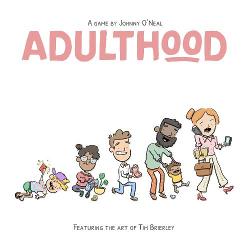
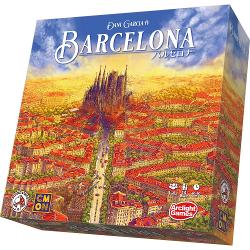
Players portray a character growing from childhood into adulthood, advancing one year at a time and developing interests, skills, and personal traits. A dice-management system determines movement to various city locations where players acquire experiences, form memories, meet people, and manage relationships and frustrations. Parental support early on gives different options that fade as independence increases. Players collect and fulfill life goals by shaping their personality on a personal board through choices and acquired experiences, balancing friendships, romance, and ambitions to realize their character’s development.
- プレイ人数
- 1–4 ベスト3人
- プレイ時間
- 40–80分
- 対象年齢
- 14+
- 複雑さ
- 3.2 / 5
ゲームについて
- デザイン
- アート
- 出版社


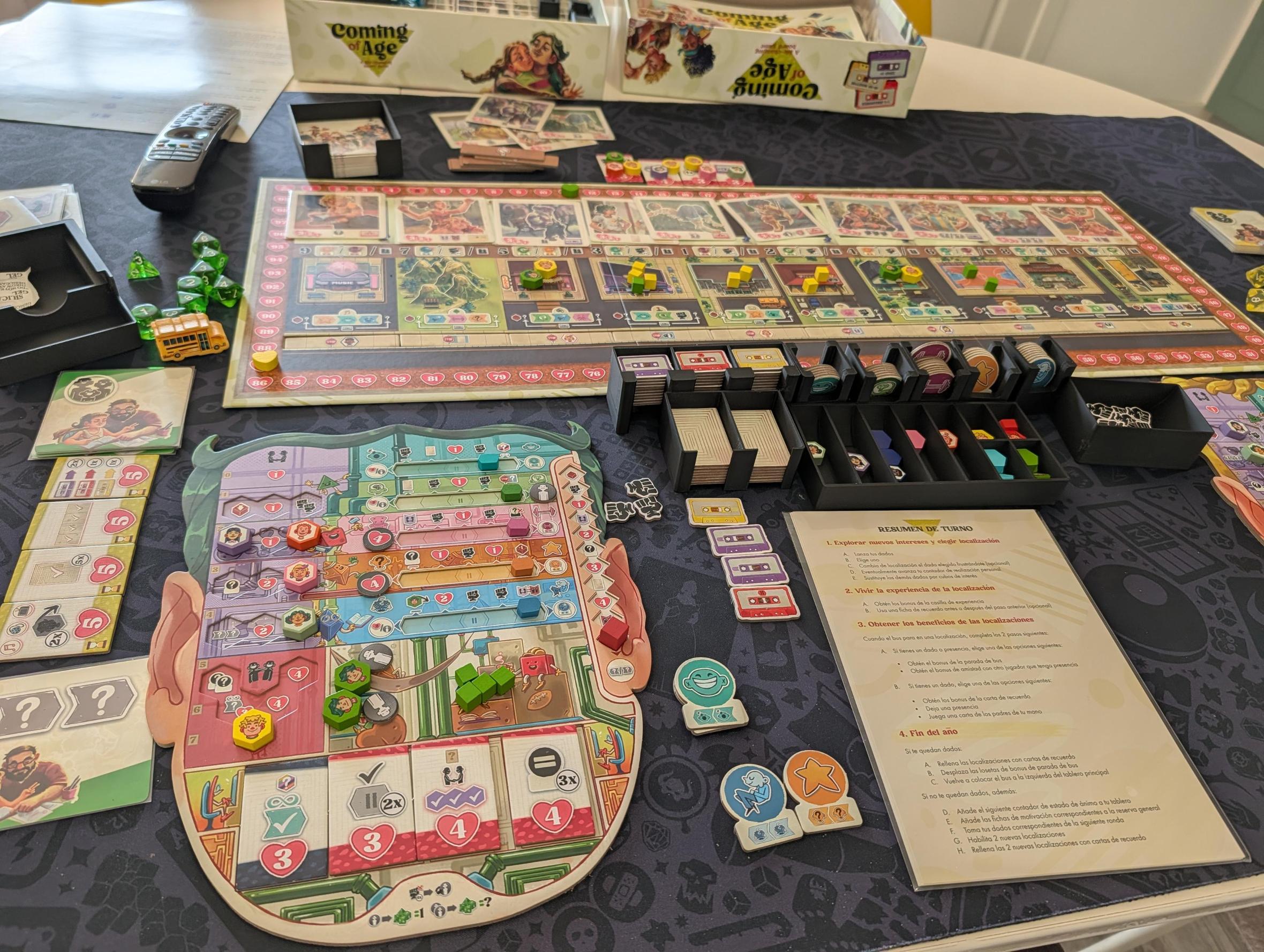
Ludoyaのテーブルからの写真
Ludoyaですべての写真を見る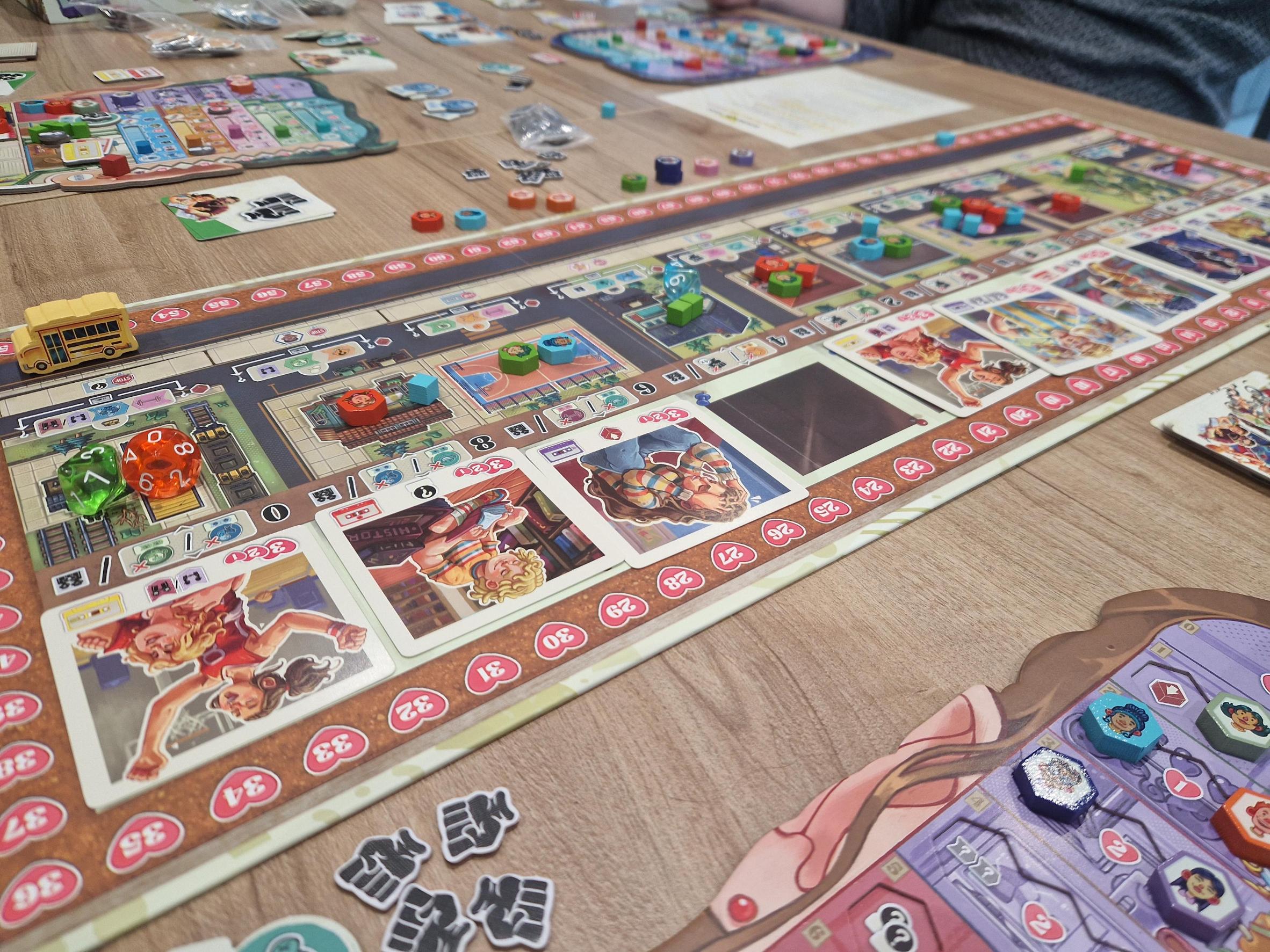
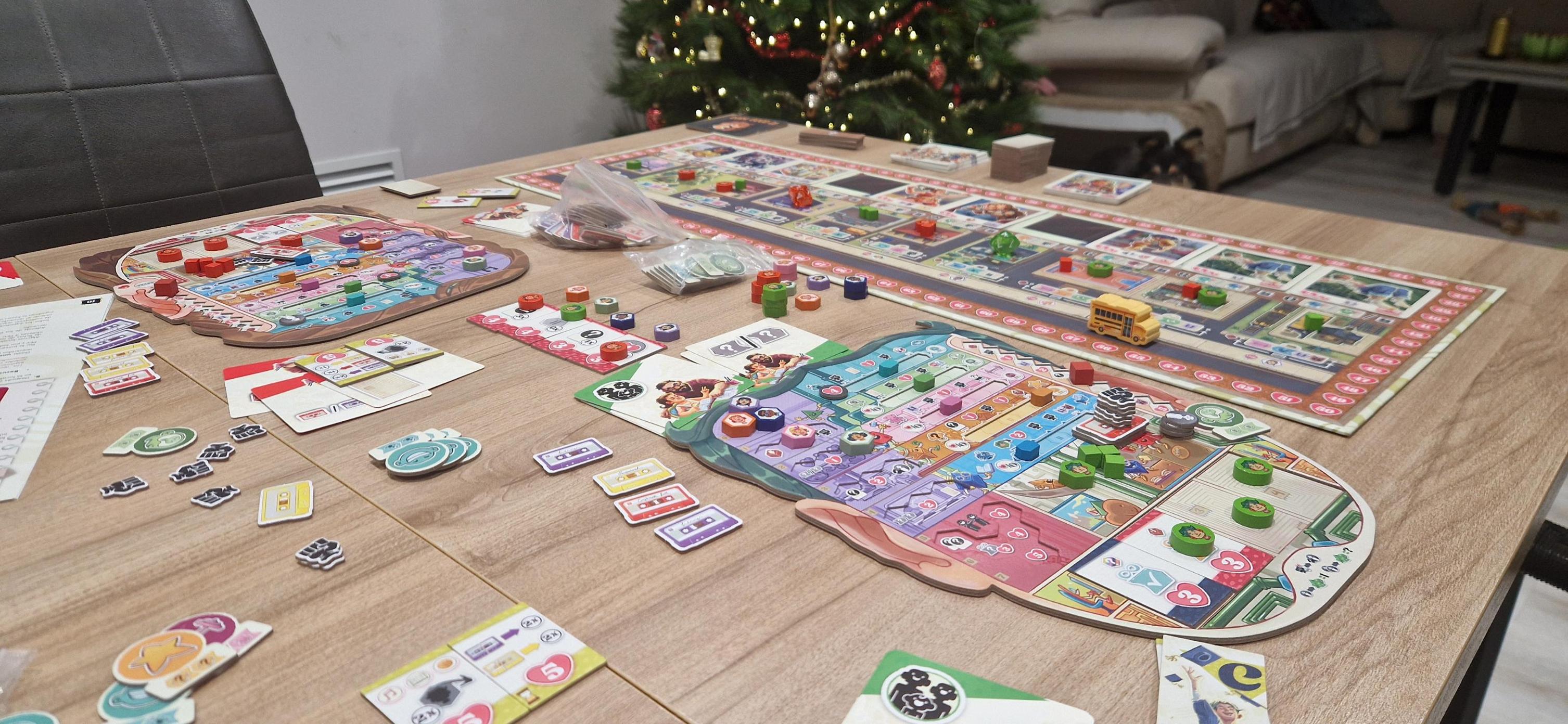
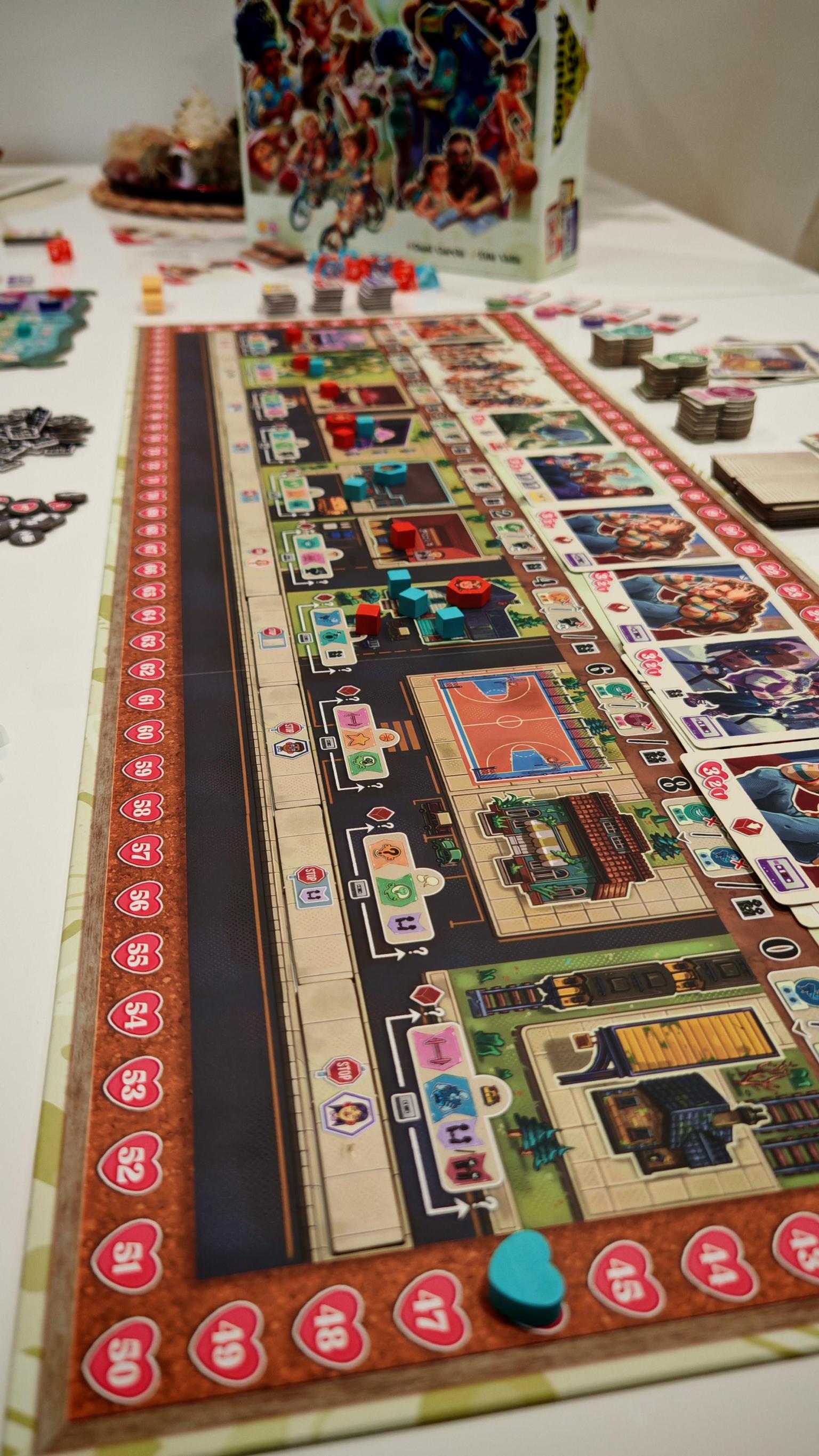
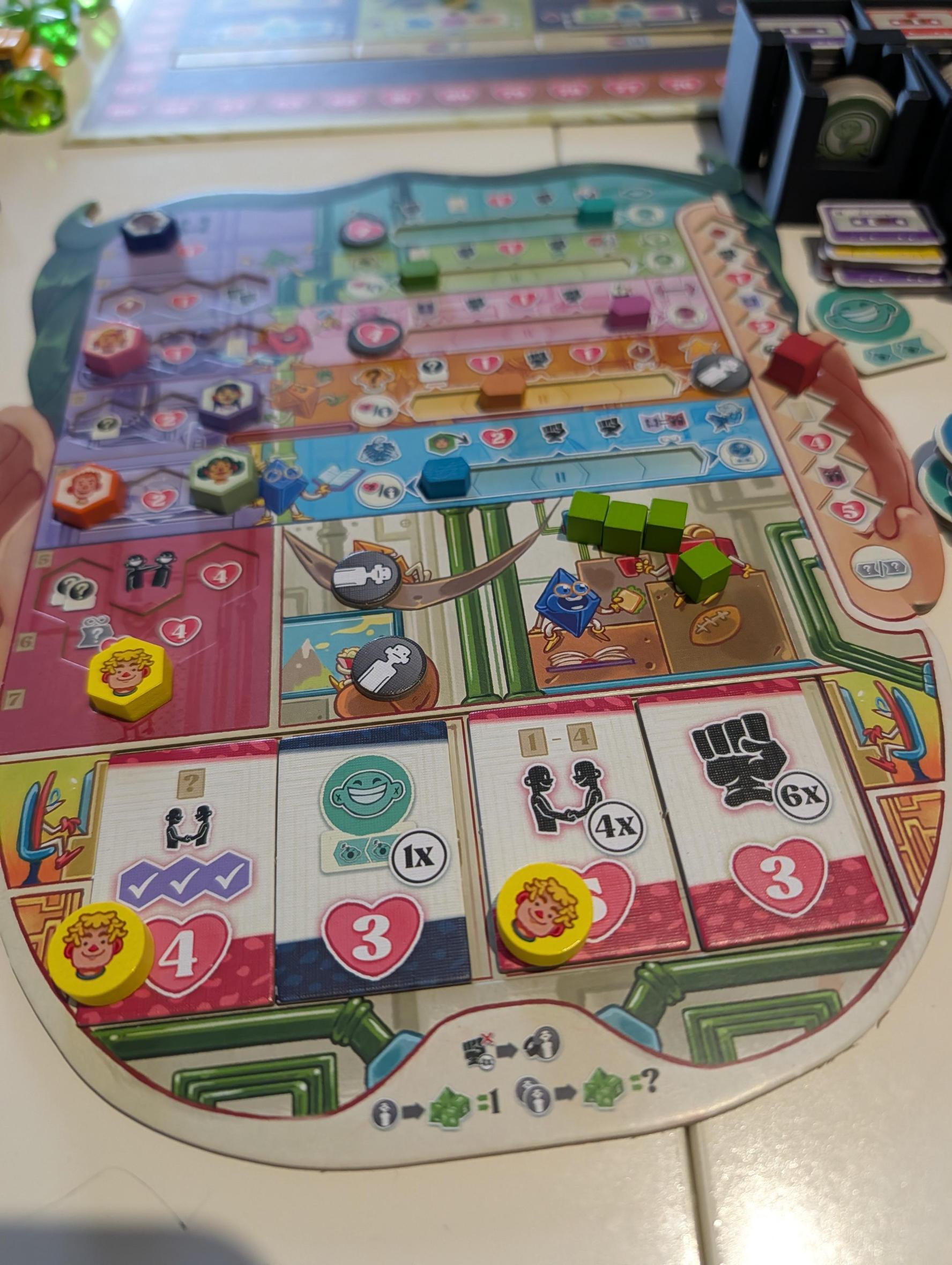
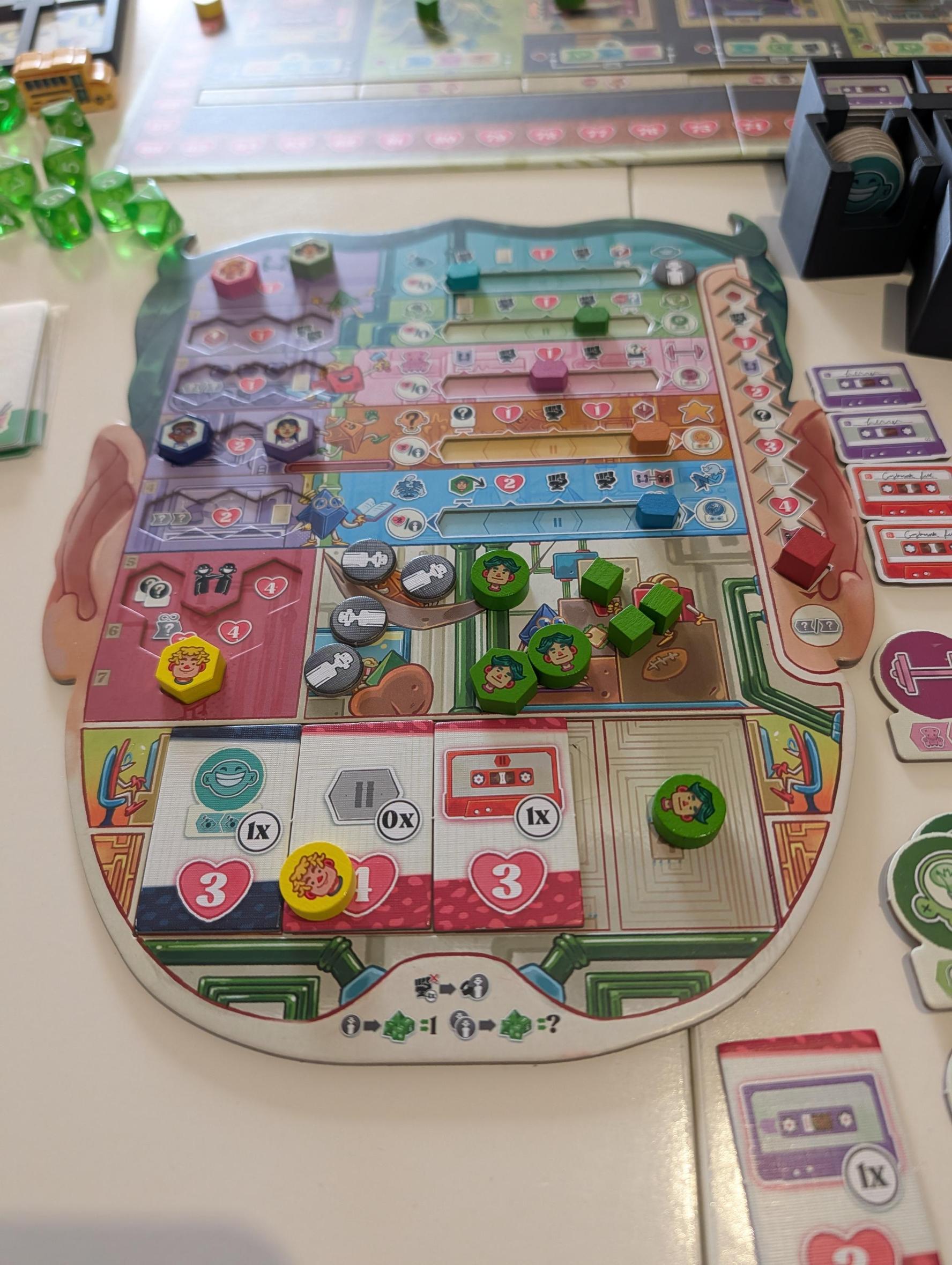
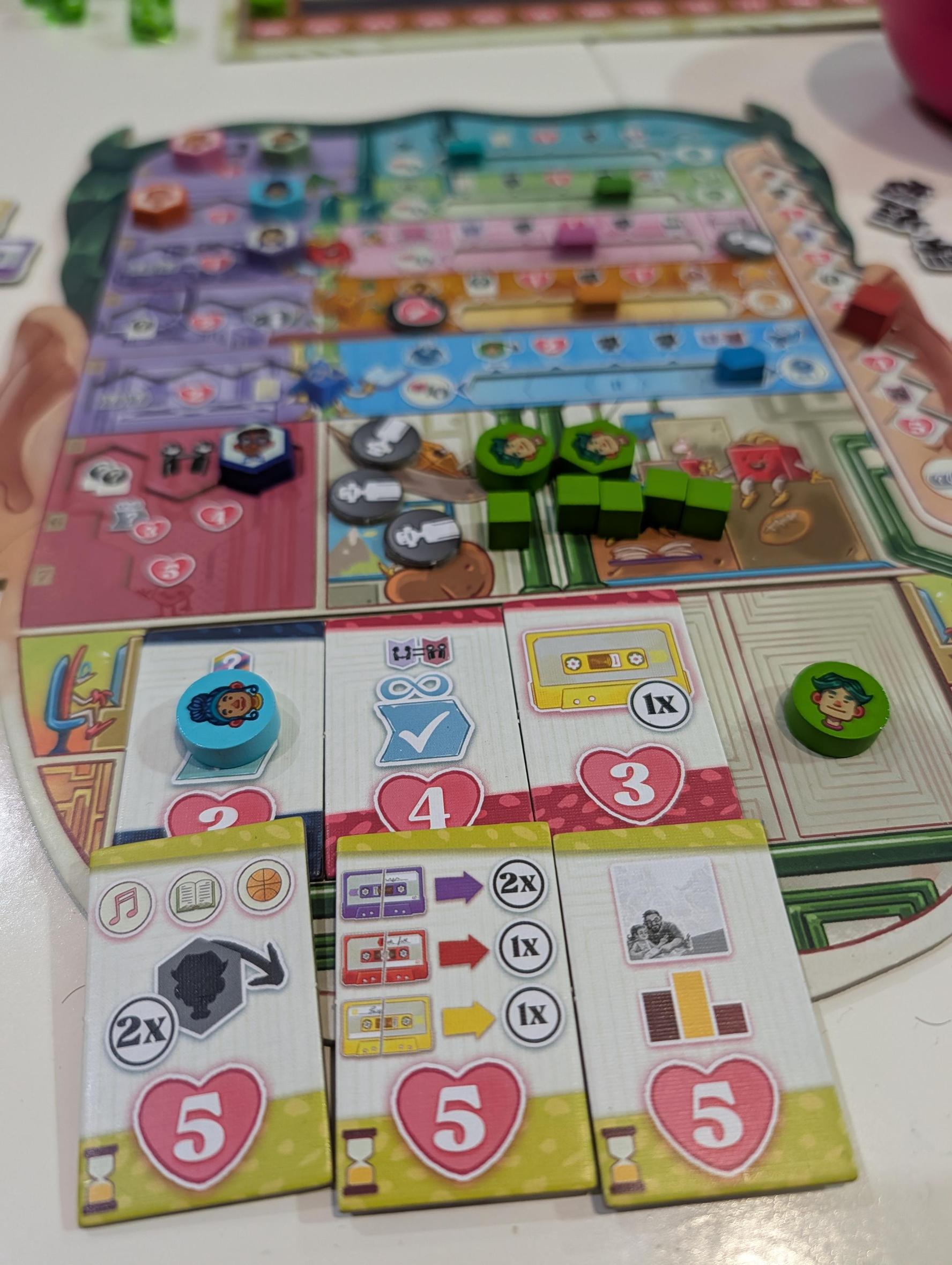
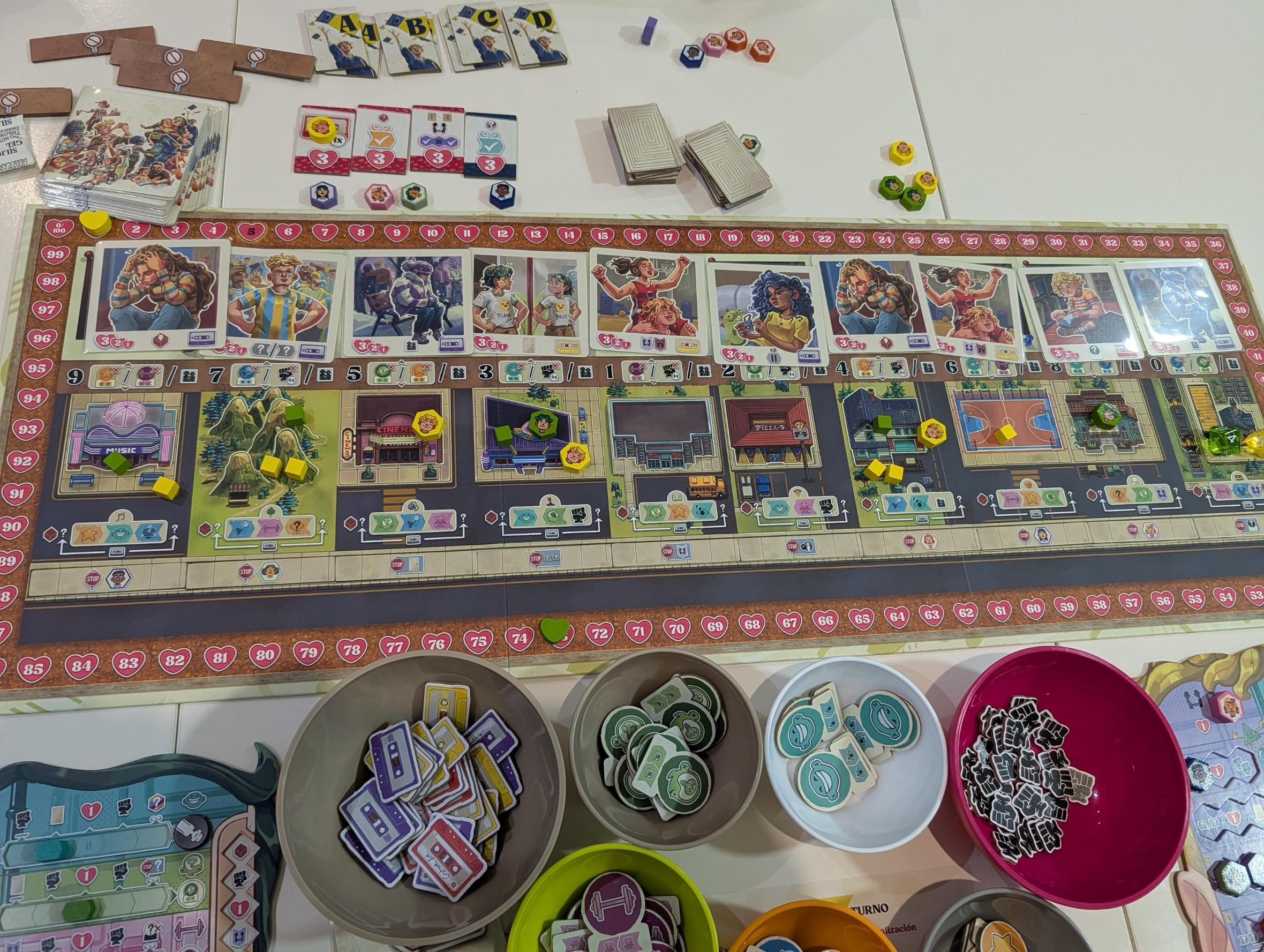
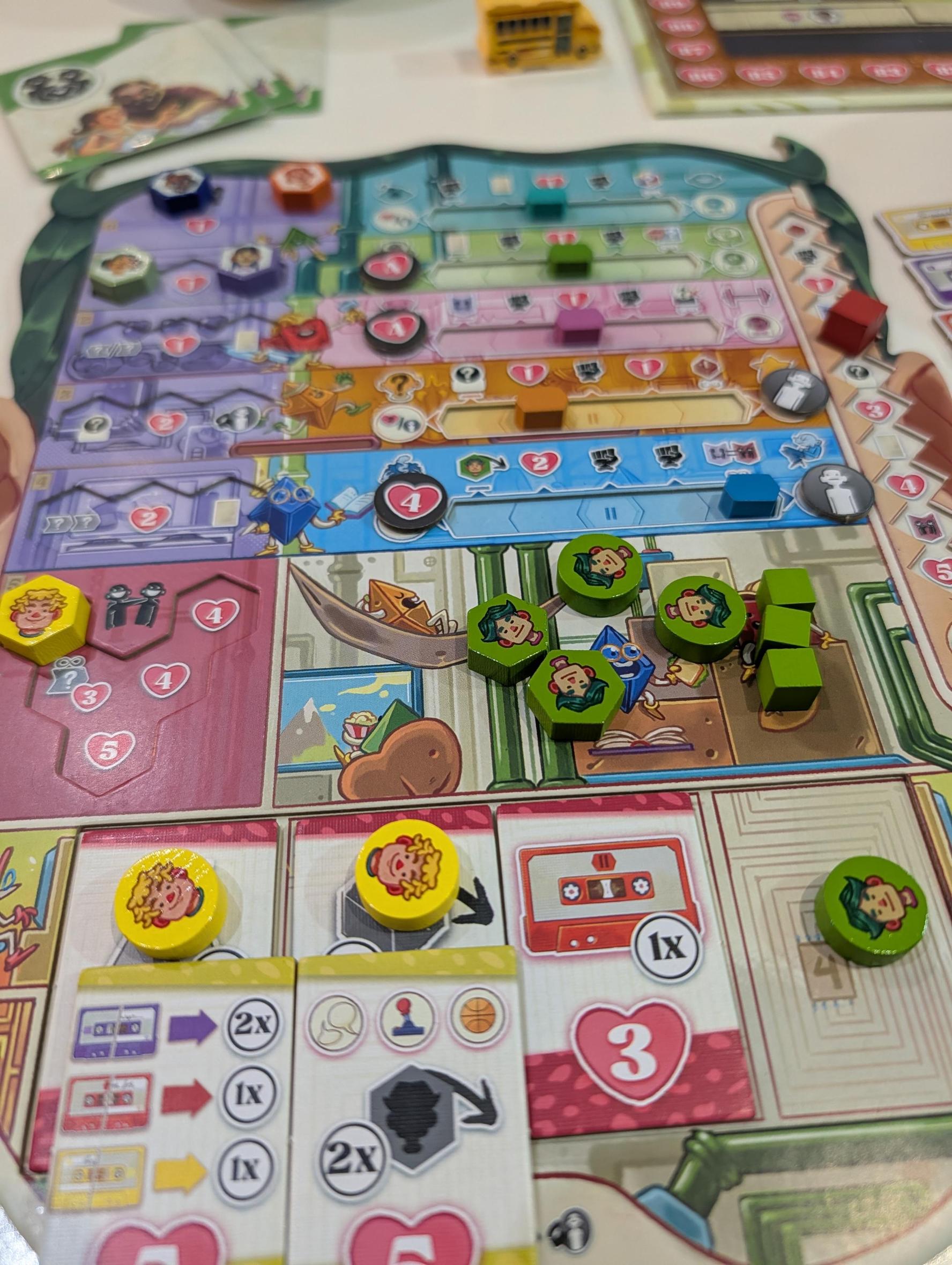
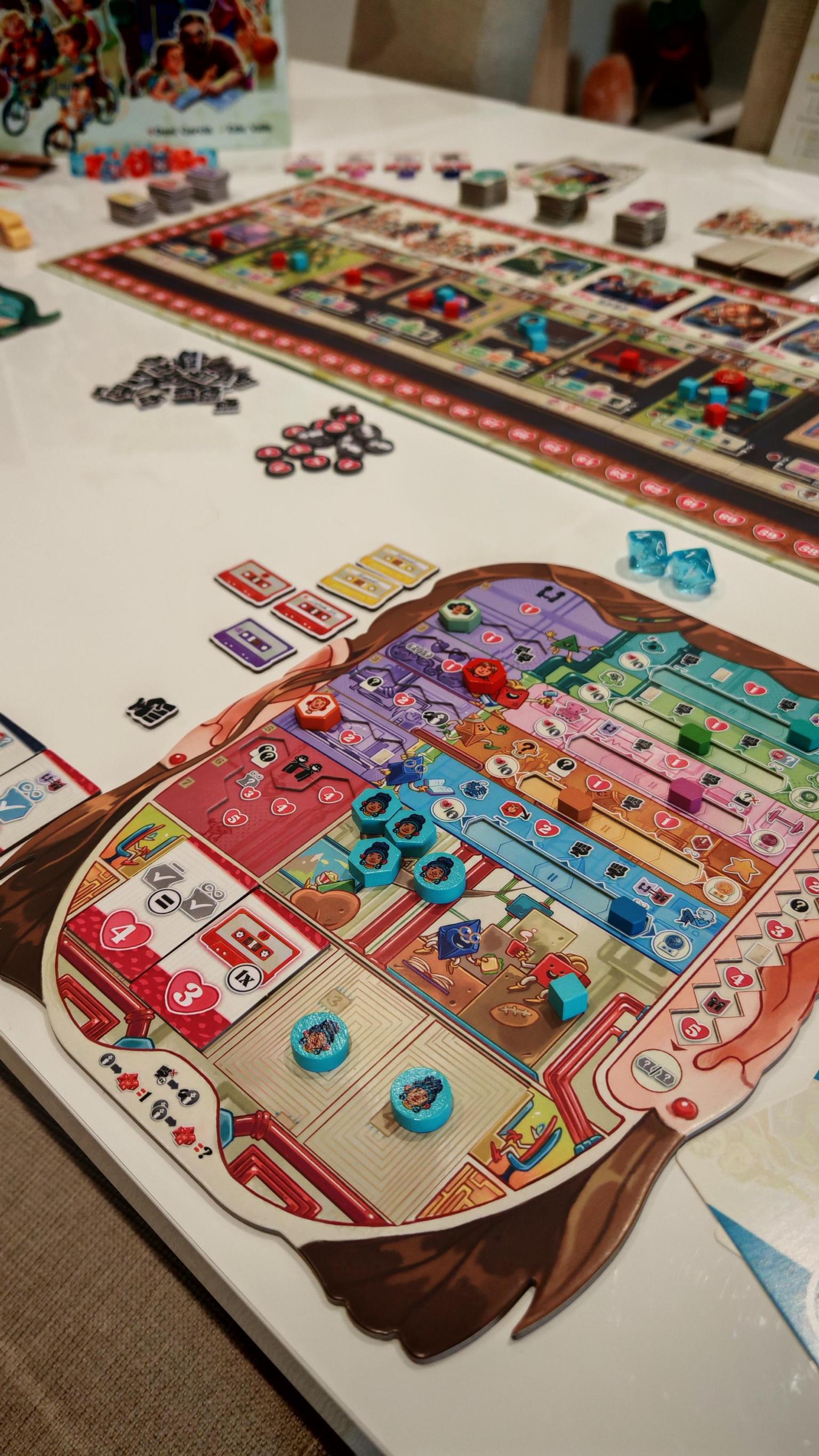
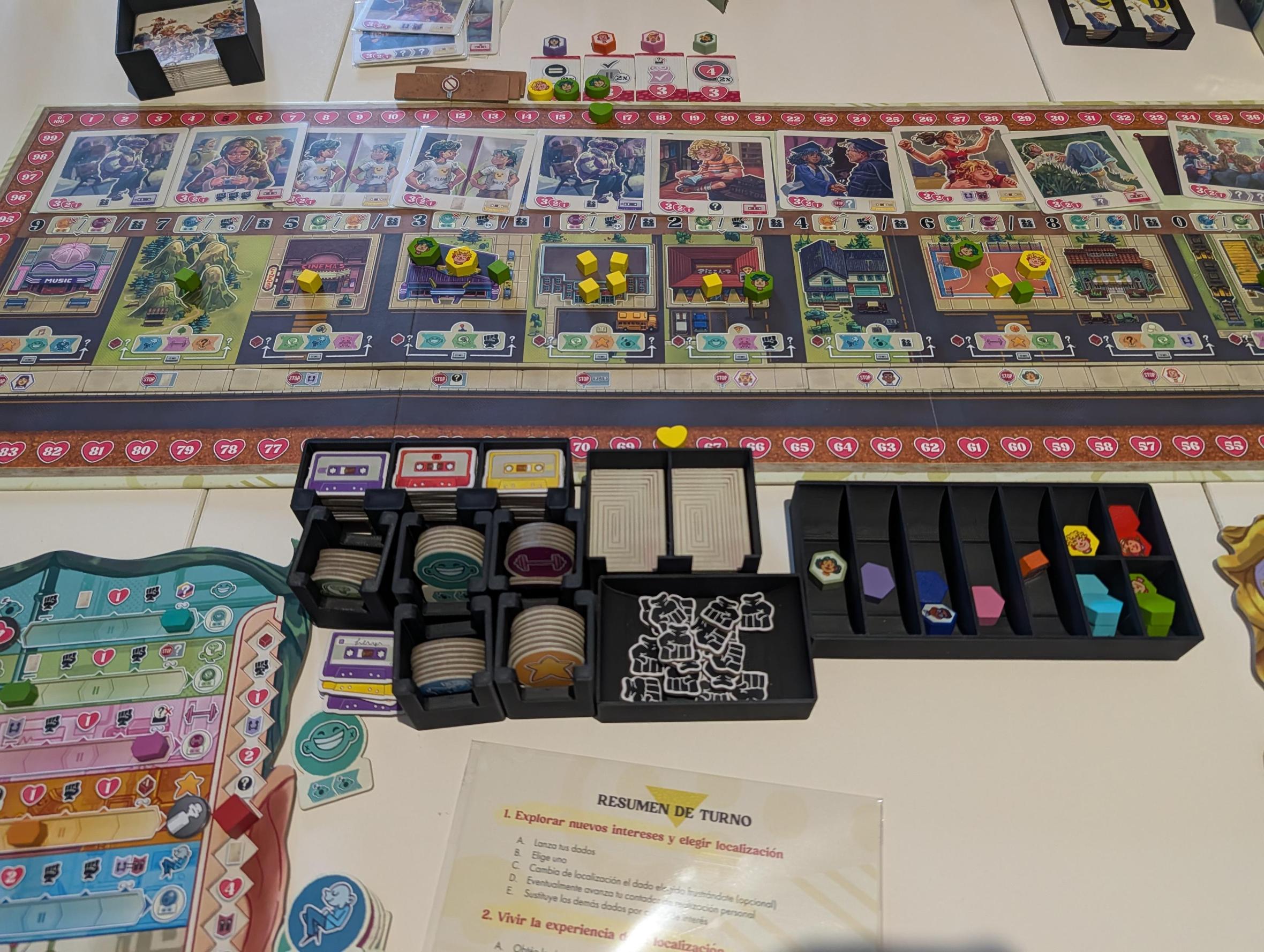
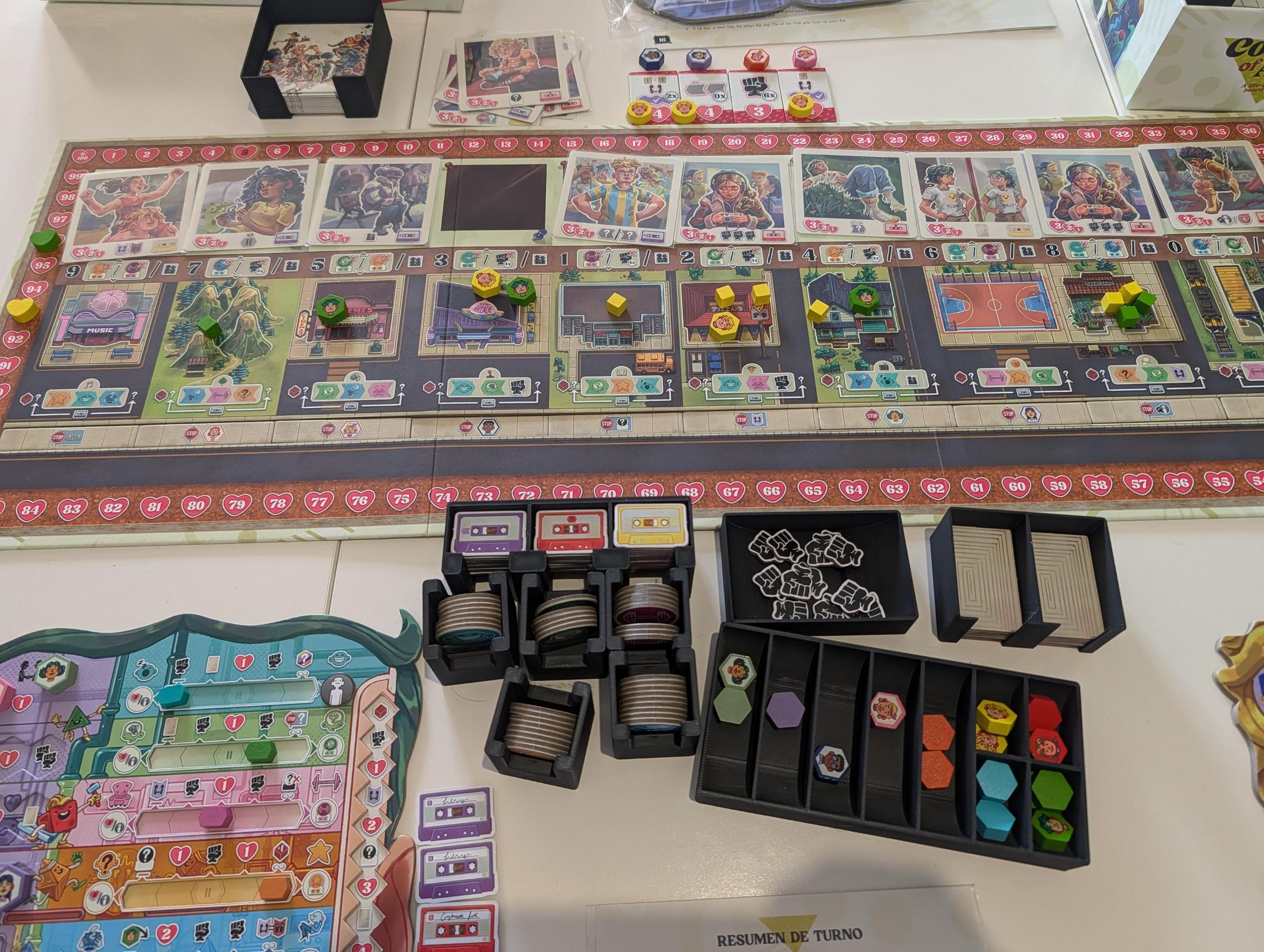
Ludoyaのテーブルでは
Ludoyaで詳しい統計を見る- 44
- 記録されたプレイ
- 64
- プレイヤー
- 1h 36m
- 平均プレイ時間
- 34
- コレクション登録
- 13
- ウィッシュリスト登録
- 1
- 予約済み
7.5/10
Ludoyaのレビュー9件より
ルールに関する質問
Ludoyaのルールアシスタントがルールブックに基づいて回答しています。
Can I change a die's chosen location after I place it, and how do Frustration Tokens work?
Yes: after choosing a die you may move it to an adjacent location by placing 1 Frustration Token on the far right of an available Mood Track (or to a non-adjacent location by placing 2 Frustration Tokens on two tracks); you cannot add a Frustration Token to a track that already has one at either end (p.7).
If I spend Motivation Tokens to take a Memory or place a Presence, do I have to move a Mood Counter?
Yes — whenever you spend one or more Motivation Tokens (or 4 Willpower if allowed) to gain a Memory or place a Presence, you must move the Mood Counter of that Token's color exactly 2 steps to the left (the number of tokens spent does not change that movement; bounces still apply) (p.10).
What does a Trait Bonus let me do, and are there limits on Trait Tiles?
A Trait Bonus lets you either draw a Trait Tile, play a Trait Tile from your hand (if you meet its requirement), or place a Mimic Trait Token on another player's completed Trait Tile (if you meet its requirement and friendship level); your Trait hand limit is 4 and you may only play up to 4 Trait Tiles during the game (p.9).
If multiple players want the same Memory Card, who gets it and is the card replaced?
Any players at the location who spend the required Motivation (or Willpower, if allowed) may gain the Memory; once one or more players obtain it, that Memory Card is removed from the game and is not immediately replaced (VEP for tokens spent is 3 for the first, 2 for the second, and 1 for each additional) (p.10).
What happens when a Mood Counter would bounce past the track ends (right or left)?
If a counter must move right past the last space you instead gain the Motivation Token shown (unless that icon is covered by a Frustration Token); if it must move left past the last space you either place a Frustration Token over the far-right Motivation icon or lose 2 VEP, and special outcomes apply if a Frustration Token is present (e.g., removing an overcome token grants 4 VEP) (p.8).
When do new locations and new dice become available during the game?
New locations and dice unlock between rounds when players have no dice next to their boards: Round 2 adds locations 5–6 and gives each player two six-sided dice, Round 3 adds 7–8 and gives three eight-sided dice, and Round 4 adds 9–10 and gives three ten-sided dice (also players add the next Mood Counter and corresponding Motivation Tokens when a round ends) (p.11).
















ゲーム情報(人数、プレイ時間、対象年齢、クレジット)の出典:BoardGameGeek。