
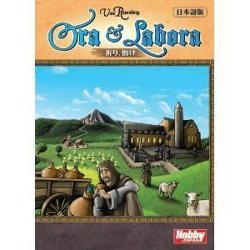
2011 · 都市建設
祈り、働け
Each player runs a medieval monastery, acquiring land and constructing buildings and enterprises that produce resources and goods. Players place three workers to activate actions in buildings, using their own structures or paying others to use opponents’ buildings, and must leave workers in place until all three are placed. A shared rondel tracks available resources; turning it each round adjusts supply levels for everyone. Players gather materials, clear terrain, expand plots, and upgrade two-sided resource tiles to manufacture higher-value items like books, ceramics, ornaments, and relics. Building placement and terrain purchases shape production chains and determine final scoring.
- プレイ人数
- 1–4 ベスト3人
- プレイ時間
- 60–180分
- 対象年齢
- 13+
- 複雑さ
- 3.9 / 5
ゲームについて
- デザイン
- Publisher


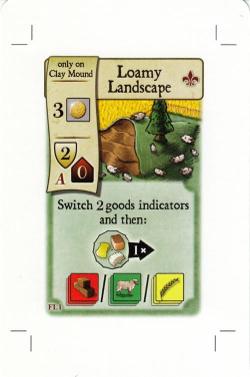
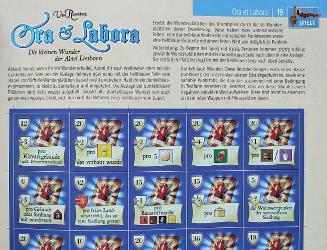
Ludoyaのテーブルからの写真
Ludoyaですべての写真を見る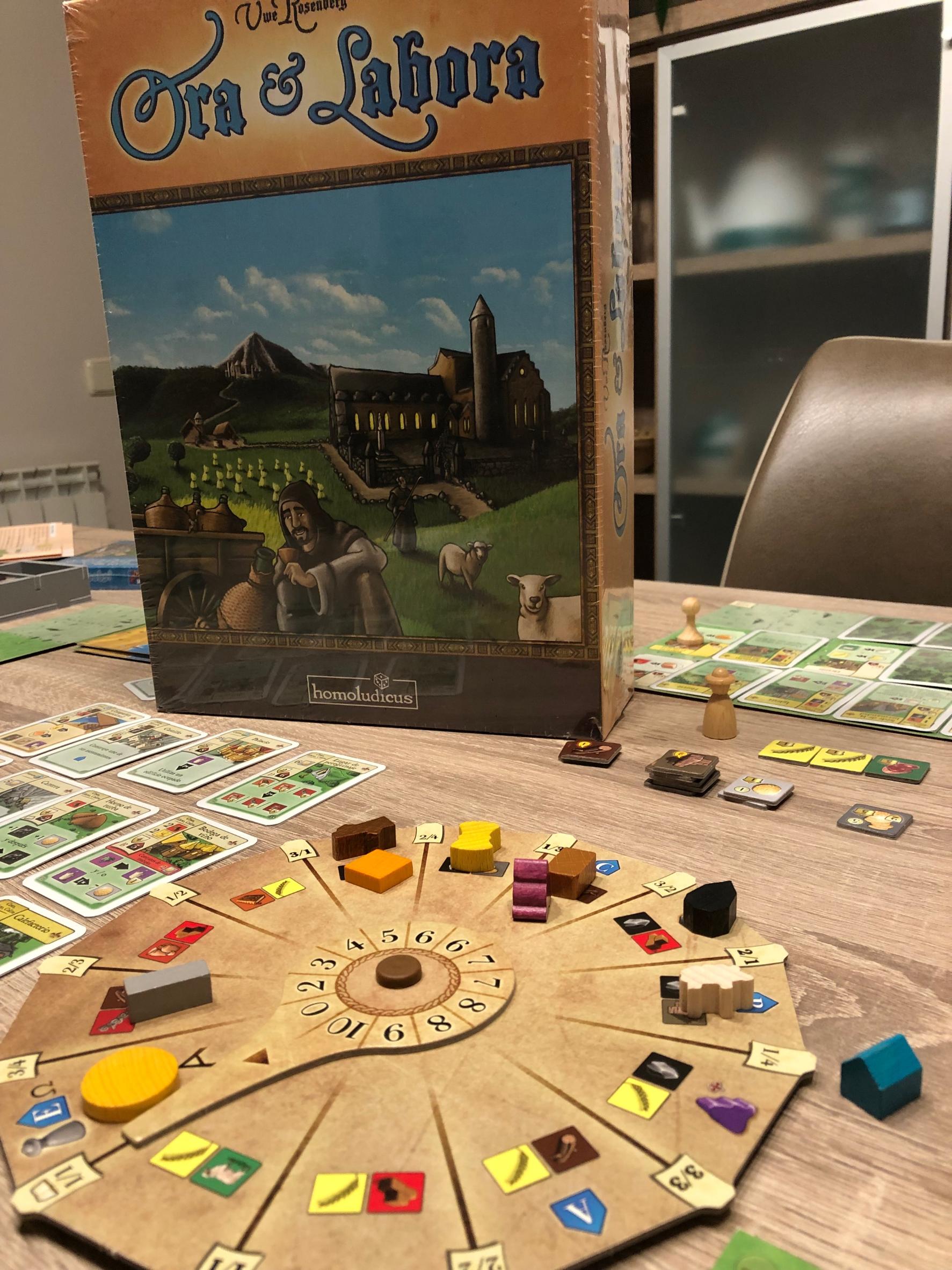
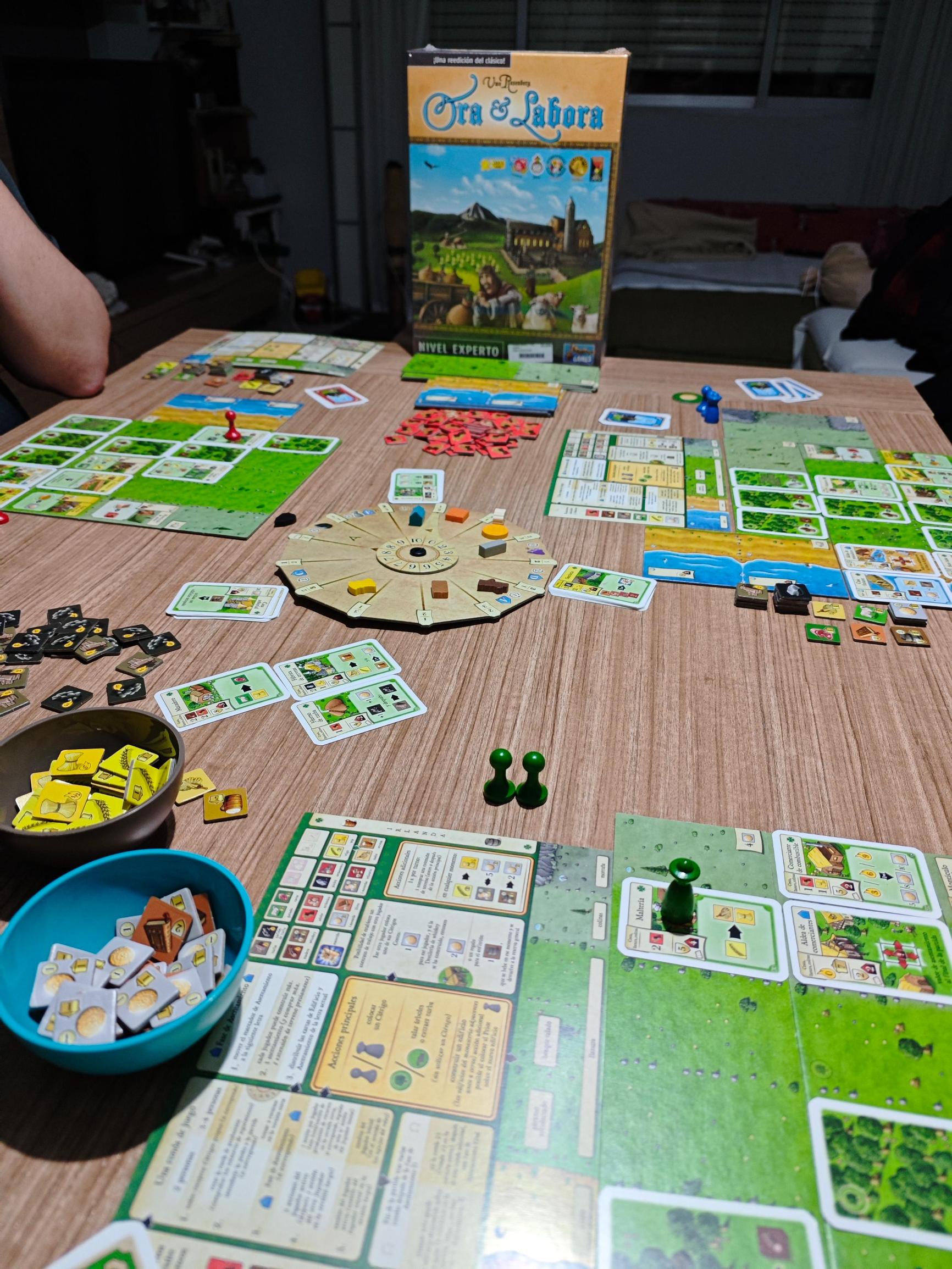
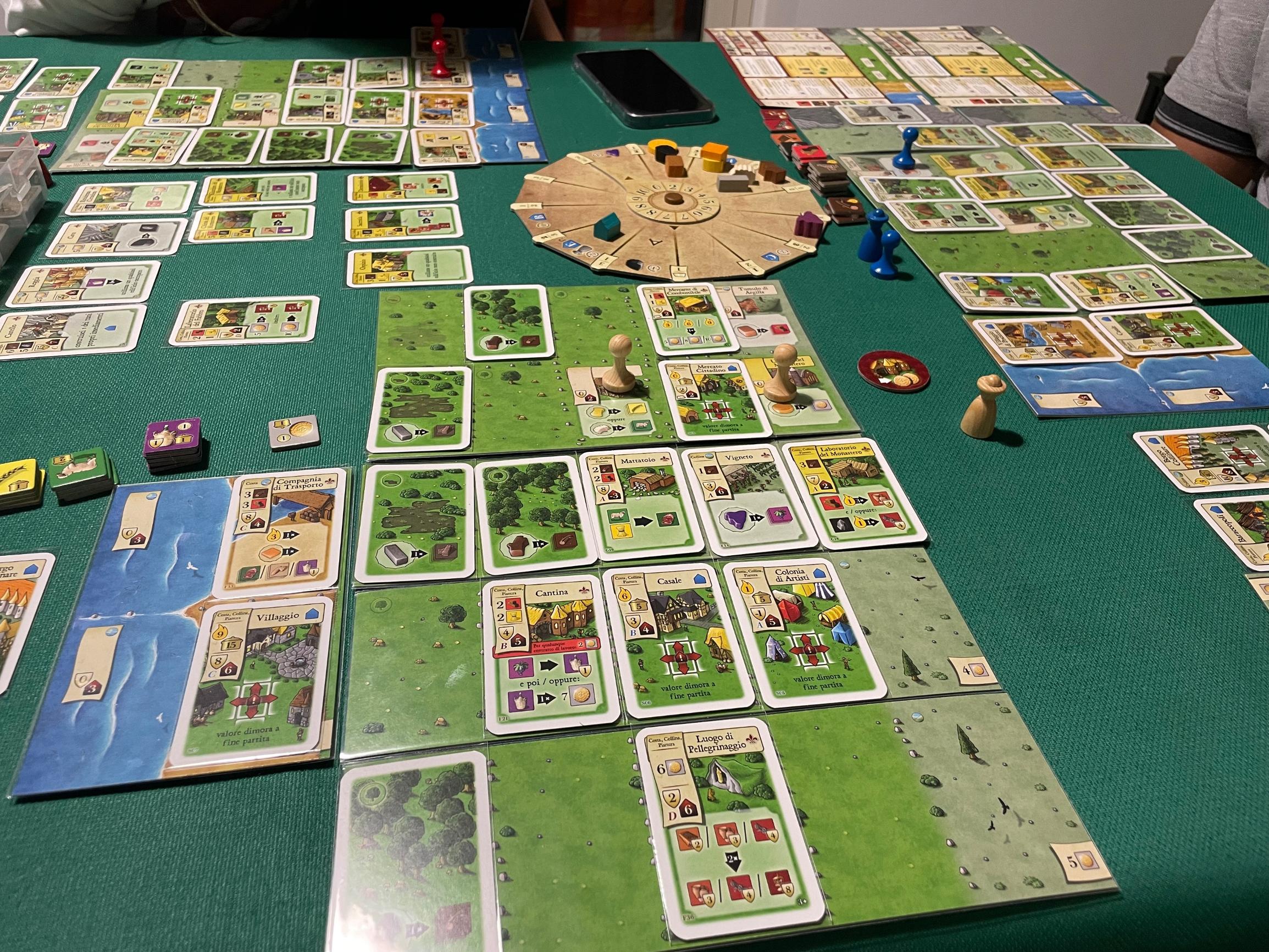
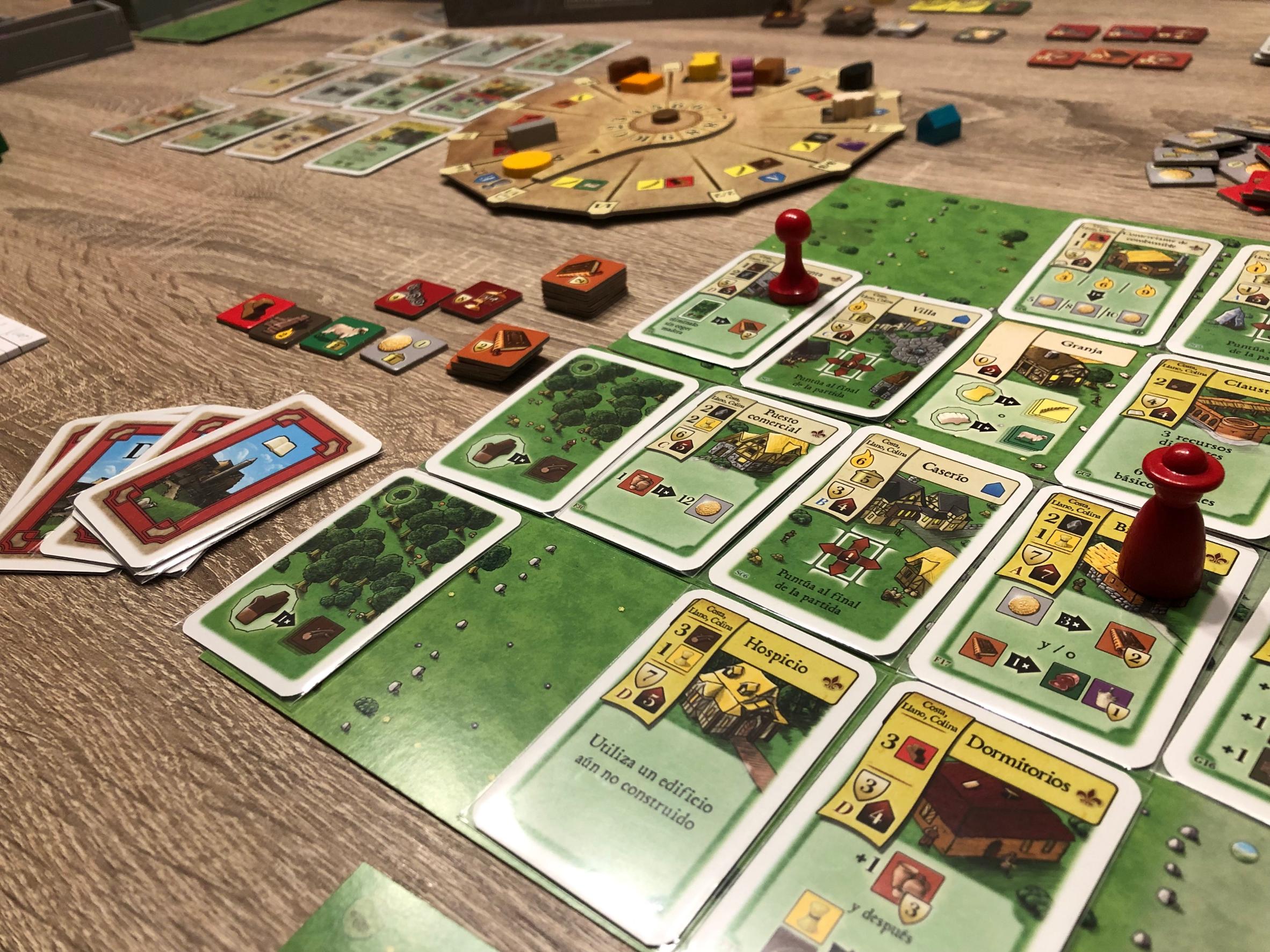
Ludoyaのテーブルでは
Ludoyaで詳しい統計を見る- 144
- 記録されたプレイ
- 146
- プレイヤー
- 2h 30m
- 平均プレイ時間
- 113
- コレクション登録
- 17
- ウィッシュリスト登録
- 1
- 予約済み
6.3/10
Ludoyaのレビュー32件より
Mestremuten8.0 Rating: 4/5 Production value: 3/4 Is the game in my collection/Love to have?: 1/1
Evan3.5 This is a pretty easy game with a really tough rule book. On your turn you either build a building paying the cost, or place a worker on a building to activate the ability of that building. Most of the time it produces X resources, where X is equal to the matching resource marker on the ever rotating wheel of available resource goods. Every turn the wheel clicks one spot, which changes the quantity of each good's availability. Much of the game is turning basic resources into advanced resources by flipping them over, and positioning the buildings on your board cleverly to score points. You can expand your board, and use opponent's action spots by paying them. The text on the building cards is very small, so playing with higher player counts gets hard to track very quickly. It also becomes more difficult to predict when a resource from the wheel will flush out. The puzzle is good, but the game lacks excitement. There aren't many paths through the game, and it has only two different sets of cards. This isn't always an issue for a game, when there's enough meaningful player interaction to keep things tense, but this doesn't quite hit that mark to my taste. ☆ Art, Iconography and components functional ★ Clever or interesting mechanisms ☆ Reasonably low downtime between turns with mildly AP players ☆ Multiple plays stay interesting ★ Low or mitigatable luck elements ★★★☆☆ Raw enjoyment
Garfield2.0 #56 Ugly material. Too many buildings. Too much multiplayer solitaire. Just not interesting and entertaining enough.
ルールに関する質問
Ludoyaのルールアシスタントがルールブックに基づいて回答しています。
商品が生産されるとき、プロダクションホイールはどう動くの?それと、ジョーカーはどう使うの?
各ラウンドの開始時に生産ホイールが回され、それによって各資源の生産数が変わります。資源が生産されると、その資源のインジケーターは0のマスに戻されます(2ページ)。ホイールを参照する建物を使うときは、通常の資源インジケーターの代わりにジョーカーインジケーターを使ってもかまいません。ジョーカーは0に移動され、まだゲーム内に登場していない資源の代わりにも使えます(たとえば石やぶどうなど)(3ページ)。
聖職者たちはいつ戻ってきますか? 1人か2人しか使わなかった場合でも返ってきますか?
各ラウンドの開始時、3人の聖職者すべてを建物に置いているプレイヤーだけが、それらを手元に戻せます。1人か2人しか使っていない場合は、回収できません(2ページ)。
相手の建物を使うためにお金を払ったらどうなるの?(仕事契約)
労働契約を支払うと、対戦相手は自分の使用可能な聖職者の1人をその建物に置かなければならず、あなたはただちに支払う必要があります。また、その契約を拒否することはできず、すでにすべての聖職者を置き終えているプレイヤーに対して発行することもできません(3ページ)。ワイン醸造所またはウイスキー蒸留所のどちらかが建てられると、労働契約の価格は1コインから2コインに上がり、代わりにコインの代用品としてワイン1本またはウイスキー1本を「贈り物」として返してもかまいません(3ページ)。
修道院や他の建物を建てるときに、特別な配置ルールはありますか?
修道院建物は、必ず他の修道院建物に隣接(横または縦)して配置しなければなりません。また、各建物カードには、その建物をどの地形タイプに建てられるかが示されています(例:山地スペースには採石場か城のみ、水上にはハウスボートのみ)(4ページ)。建設後は、prior が空いていれば、prior をその建物の上に置いて即座にその建物を起動できます(4ページ)。
いつ、どこで風景タイル(地区と区画)を買って、配置できますか?
ランドスケープは各ターンに1回、かつ各集落フェーズに1回だけ購入でき、購入したらすぐに配置しなければなりません。地区はハートランドの向きに従って、その上か下に配置しなければならず(ずらして配置してはいけません)、一方で海岸の区画は左に、山の区画は右に接続します。なお、少なくとも1つは対応するマス同士が隣接している必要があります(5ページ)。
入植フェーズはいつ発生しますか? それと、入植地を建設するための基本ルールは何ですか?
定住フェーズは、生産ホイールのビームが次の建物/定住カードの山を通過するたびに発生します(そしてボーナスラウンドの後に最終定住フェーズがあります)(5ページ)。定住フェーズでは、各プレイヤーは食料とエネルギーのコストをグッズタイルで支払い、合法な空き地のマスに置くことで、最大1つまで定住を建てることができます(山や水のマスには建てられず、建てる直前に地形を1つ購入することもできます)(6ページ)。





ゲーム情報(人数、プレイ時間、対象年齢、クレジット)の出典:BoardGameGeek。