
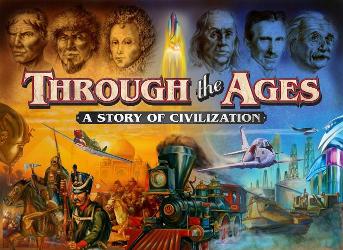
2006 · 文明
Through the Ages: A Story of Civilization
Players guide a civilization from antiquity to the modern age by drafting cards for technologies, leaders, wonders and buildings. Gameplay centers on resource management: producing food to grow population, generating science to research technologies, and using ore and workers to construct buildings while supporting a military. Card drafting and tableau-building determine available actions, and technologies require sufficient science, population and resources to use. Military strength influences interactions: stronger forces can raid resources, science, population, leaders or culture. The game ends in the modern age and the highest culture total wins.
- プレイ人数
- 2–4 ベスト3人
- プレイ時間
- 120分
- 対象年齢
- 12+
- 複雑さ
- 4.2 / 5
ゲームについて
- デザイン


購入先
ショップ価格と中古品を毎日チェックしています。
Ludoyaのテーブルでは
Ludoyaで詳しい統計を見る- 514
- 記録されたプレイ
- 141
- プレイヤー
- 2h 56m
- 平均プレイ時間
- 53
- コレクション登録
- 8
- ウィッシュリスト登録
- 1
- 予約済み
7.8/10
Ludoyaのレビュー64件より
Fernando7.0 No llegamos a terminar 1 partida por tiempo. Tienes que ir desarrollando tu civilización con mejor sistema de gobierno (que te puede dar más acciones civiles y/o militares, así como más cartas en la mano y más cantidad de trabajadores por recursos), mejores formas de recolectar recursos (alimentos y piedras), cultura, ciencia, potencial militar (para poder atacar, defenderte o ganar los eventos), construir maravillas y obtener líderes que te darán ventajas. Lo malo es que es un juego muy largo, pero me gustó el juego. Las cosas que puedes hacer son realmente escasas para lo que quisieras, porque siempre al mismo tiempo que quieres ir jugando lo que has conseguido en turnos anteriores, también quieres coger nuevas cartas y muchas veces faltan recursos para construirlo todo. A pesar de ser tan largo, no me importaría jugarlo de nuevo y terminar una partida. Y eso dice mucho del juego, ya que no me suelen gustar juegos de tanta duración.
Mestremuten6.0 Rating: 5/5 Production value: 1/4 Is the game in my collection/Love to have?: 0/1
andycted8.7 2-3 players A great classic that has efficiency and optimisation at its core and should not be played too often. A fun romp
ルールに関する質問
Ludoyaのルールアシスタントがルールブックに基づいて回答しています。
手札のカードって、いつでもプレイできるの? それとも自分のターンのときだけ?
自分のターンに適切なアクションを取ったときにだけカードをプレイできます(たとえば、市民・技術・軍事カードを取る/プレイするなど)。自分のターン外にカードをプレイすることはできません。ルールブックの4〜5ページを参照してください。
生産のときに人口を養えなかったらどうなるの?
生産フェーズでは、人口分の食料を支払わなければなりません。支払えない場合は、すぐに支払えるようになるまで人口を減らさなければなりません(労働者/ユニットを解散する)。そのため、労働者を失ったり、ほかのペナルティが発生したりすることがあります。6ページと9ページを参照してください。
イベントカードはいつ引かれますか?また、どのように解決されますか?
イベントカードは、ラウンドの進行の一部として(第1ラウンドの後に)引かれて解決され、イベントのテキストに従って処理されます。イベントには即時発生するものと、特定の解決手順を持つ将来イベントがあります。8ページと12ページを参照してください。
戦闘の解決ってどうなっていますか?軍事カードが戦うのですか、それともユニットだけですか?
Aggression(茶色)カードは戦闘を発生させ、軍事力を自分のユニットの戦力と比較して解決します(Tactics/Armiesやカード効果で修正されます)。軍事カードと戦術は戦力の計算方法を変え、戦闘解決中に適用されます。13ページと16ページを参照してください。
どうやって政府を変えられるの?切り替えるには革命を起こさないといけないの?
示されているコストを支払って「政府変更」アクションを行えば、平和的に政府を変えられます。あるいは、支払えない/支払いたくない場合は「革命」を起こすこともできます。平和的変更と革命の手順はどちらもルールに説明されています。8ページを参照。
幸福と汚職って何をするの? それと、反乱ってどうやって起こるの?
幸福度は反乱のリスクや一部の人口ペナルティに影響し、腐敗(上級ルール)は、軽減されるまで実効資源生産を下げます。ルールブックでは、幸福度・反乱・腐敗がどう連動するかを例つきで説明しています。15ページを見てください。

このゲームの所有者はこちらも所有
 Maharaja: The Game of Palace Building in India2004
 1860: Railways on the Isle of Wight2004
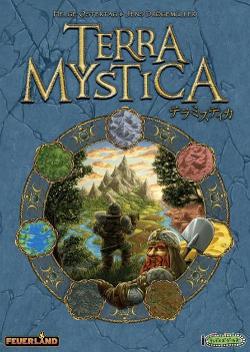 テラミスティカ2013
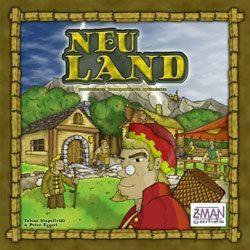 Neuland2004
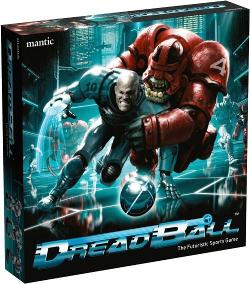 DreadBall: The Futuristic Sports Game2012
 王への請願 (Petition to the King)2015
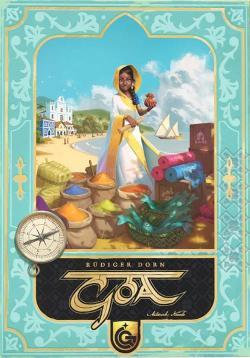 Goa2004
 Wings of War: Famous Aces2004
 1960: The Making of the President2007
 Elasund: The First City2005
 Wings of War: Watch Your Back!2005
 Hannibal: Rome vs. Carthage1996
無料・Web、Android、iOS対応
LudoyaでThrough the Ages: A Story of Civilizationを遊ぼう
ゲーム情報(人数、プレイ時間、対象年齢、クレジット)の出典:BoardGameGeek。