
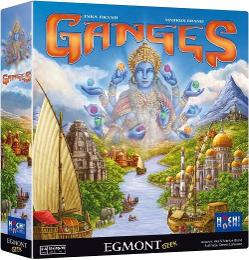
2017 · Kości
Ganges
Players act as 16th-century Indian nobles developing their estates into prosperous provinces for the empire. They roll and assign dice as workers to take actions on a shared board, building market tiles and monuments, expanding estates, and managing resources. A parallel karma track affects scoring and grants immediate and endgame benefits, so players balance short-term wealth against long-term reputation. Play focuses on dice management, worker placement, and timing to optimize income, expansion, and fame.
- Gracze
- 2–4 najlepiej w 4
- Czas gry
- 45–75 min
- Wiek
- 12+
- Złożoność
- 2,9 / 5
O grze
- Projekt
- Grafika
- Wydawca




Dodatki
Zobacz je w Ludoya Rajas of the Ganges: Goodie Box 12019
 Rajas of the Ganges: Goodie Box 22020
 Ganges: Wioska Mango2018
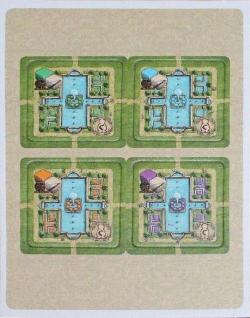 Rajas of the Ganges: Snake Expansion2018
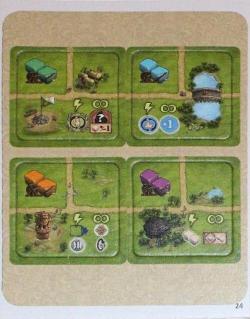 Rajas of the Ganges: Tiger Expansion2018
 Deutscher Spielepreis 2018 Goodie Box2018
 Brettspiel Adventskalender 20172017
 Brettspiel Adventskalender 20182018
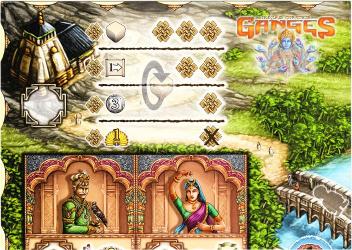 Rajas of the Ganges: Blessings of Kedarnath2019
Zdjęcia ze stołów Ludoya
Wszystkie zdjęcia w Ludoya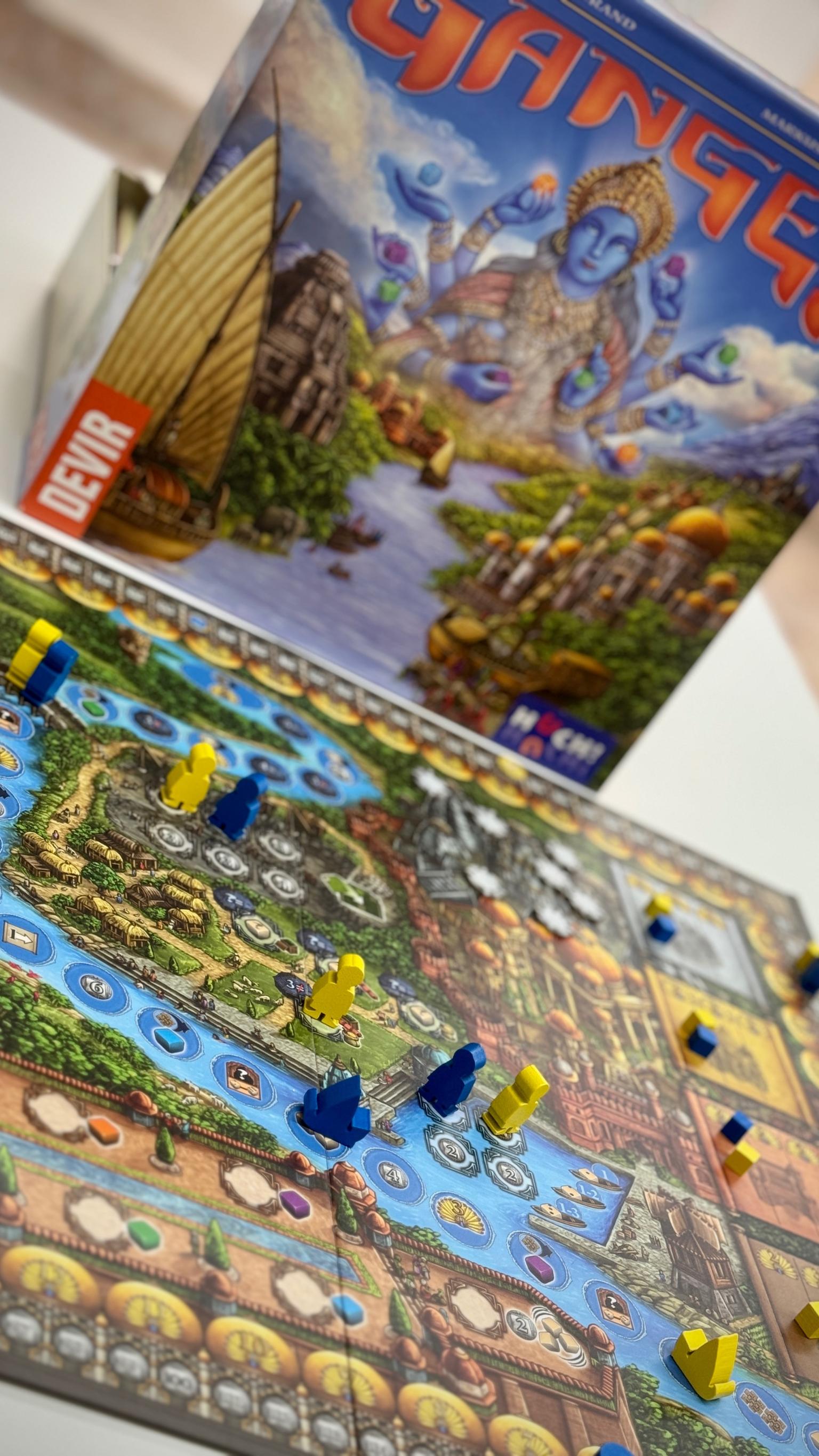
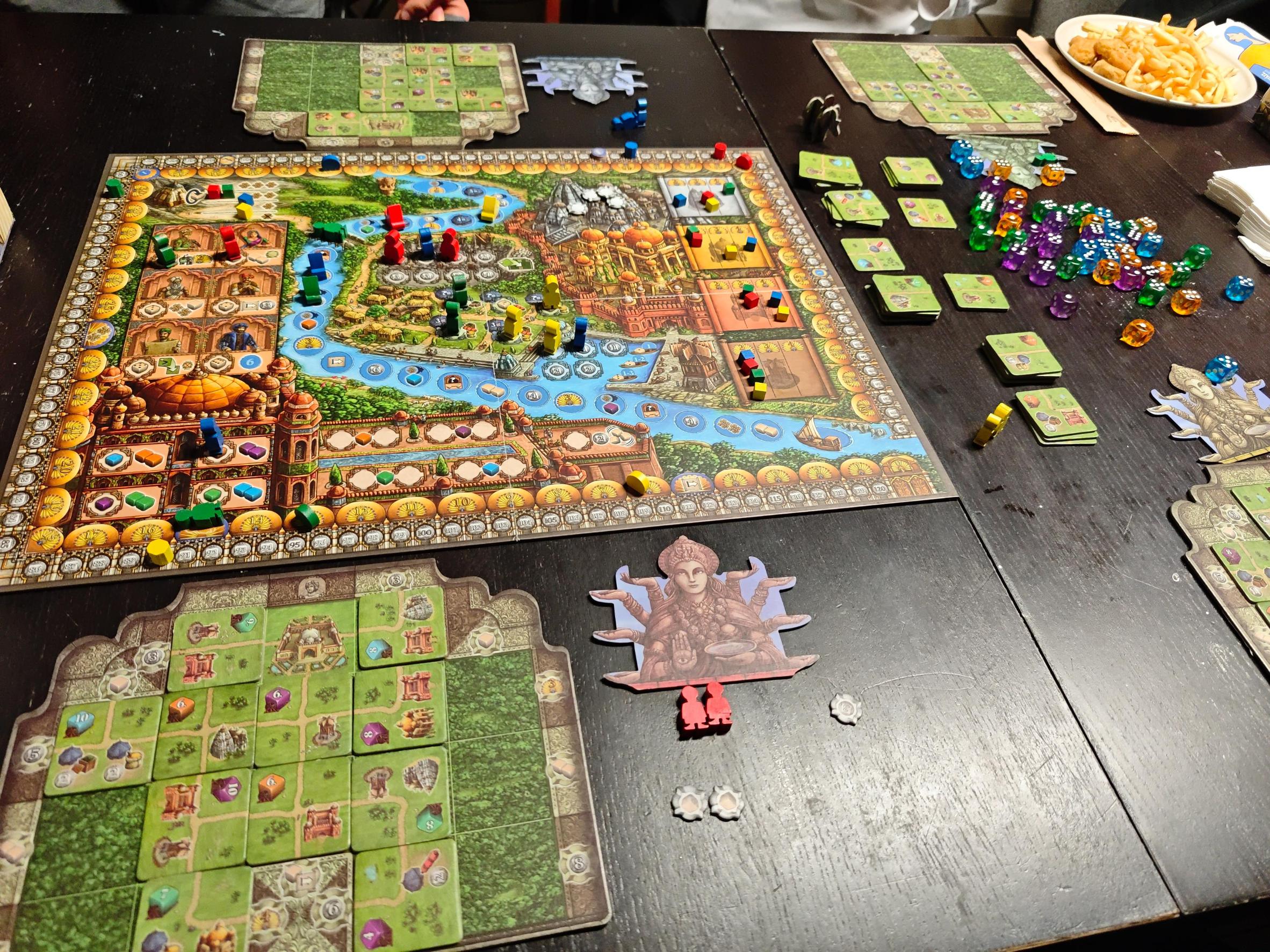
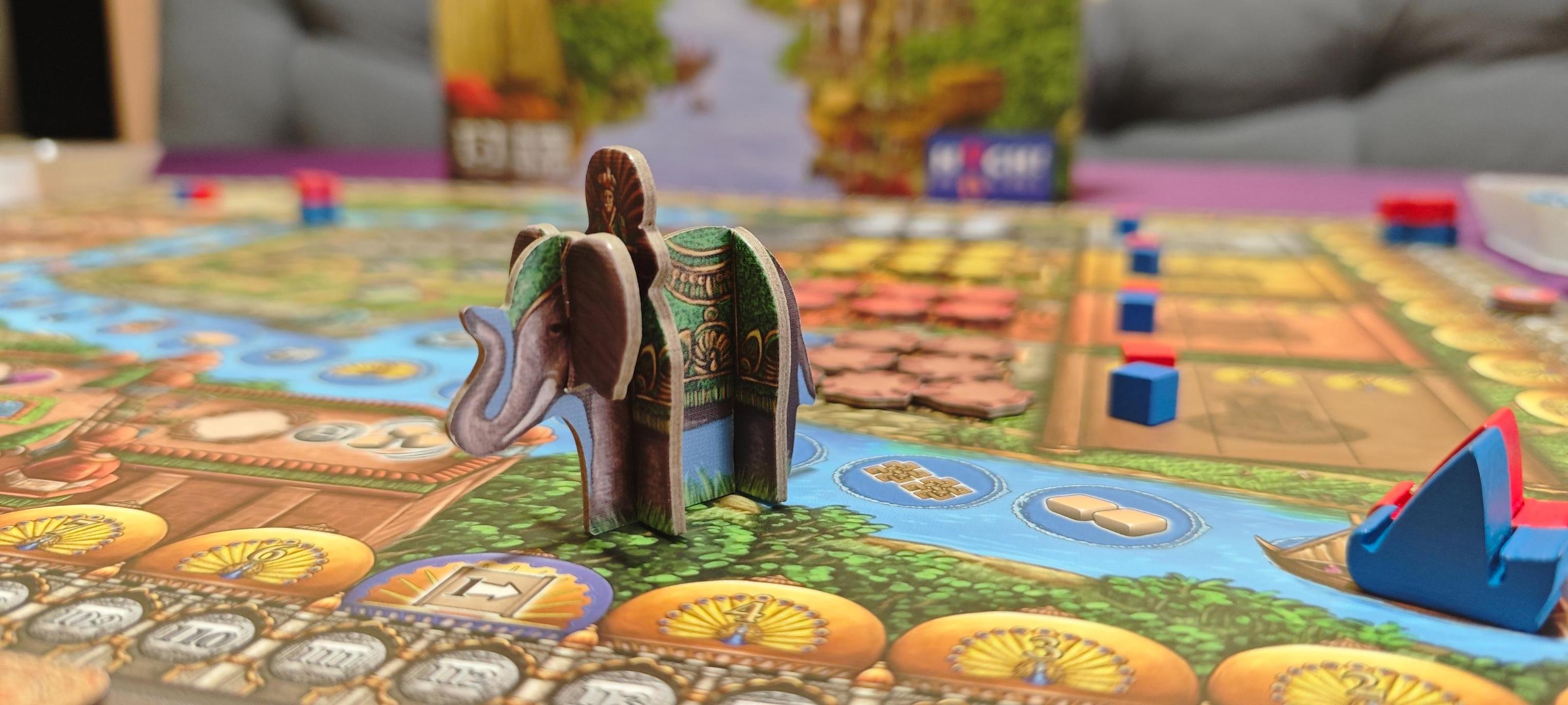
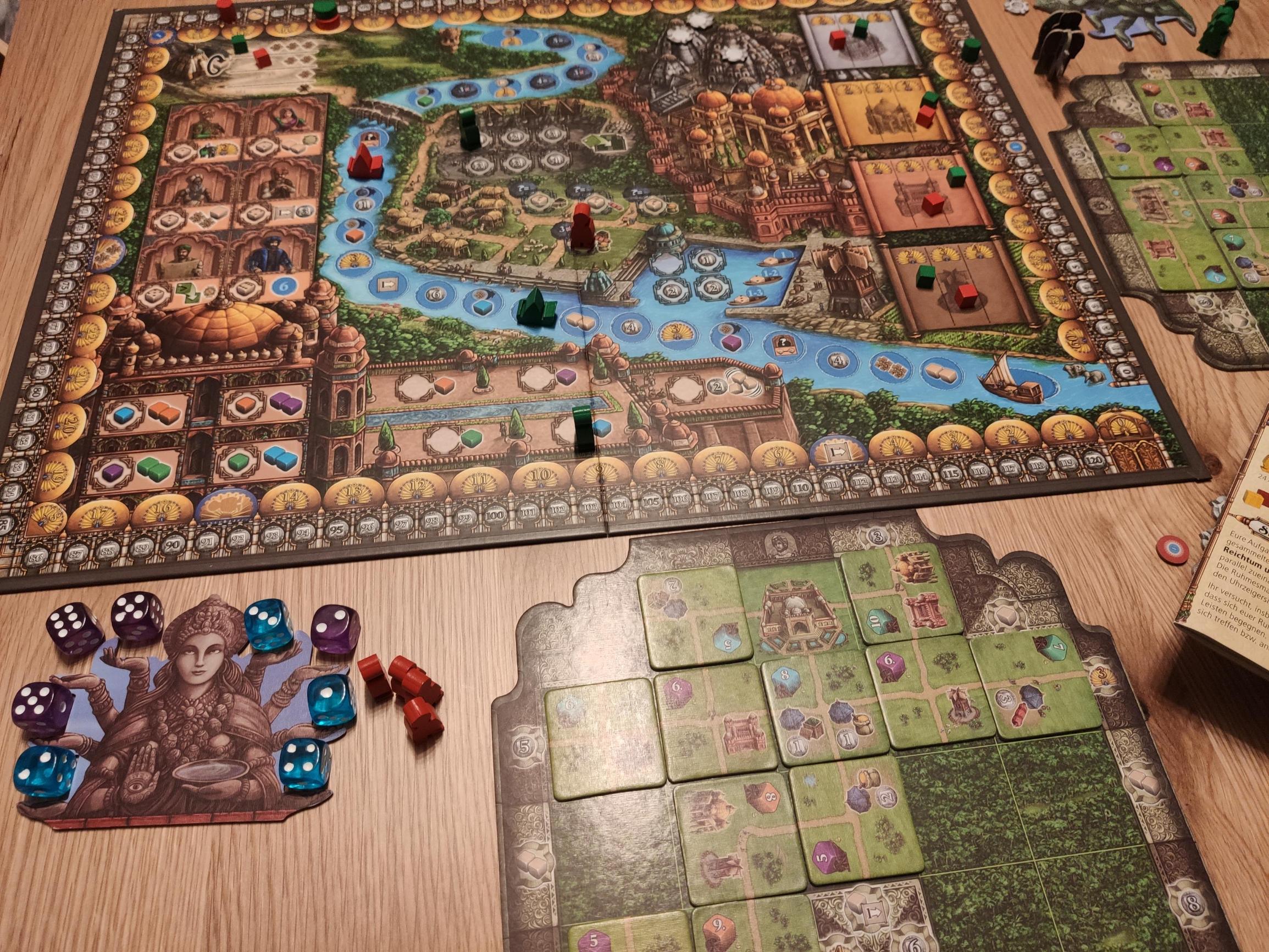
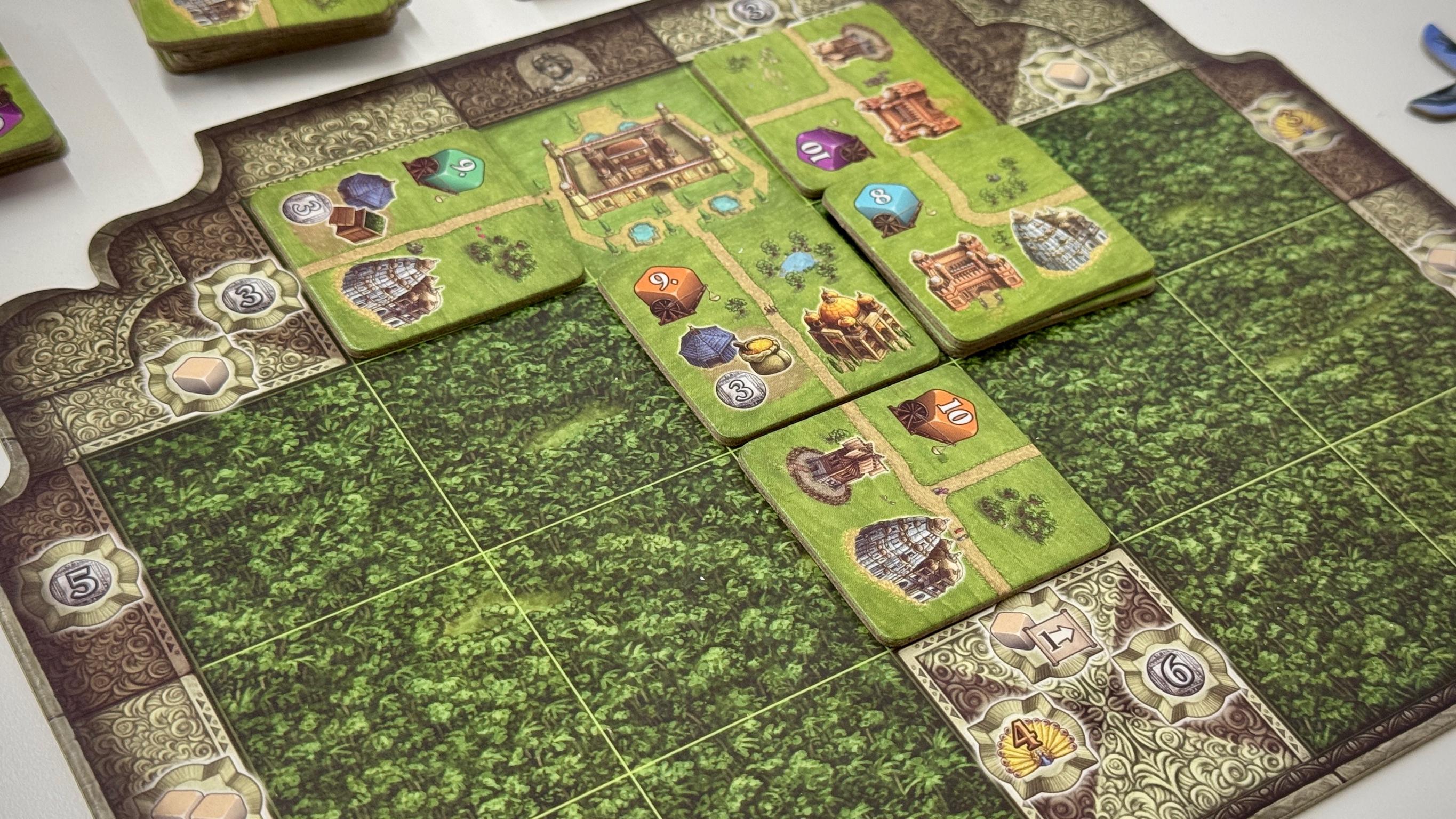
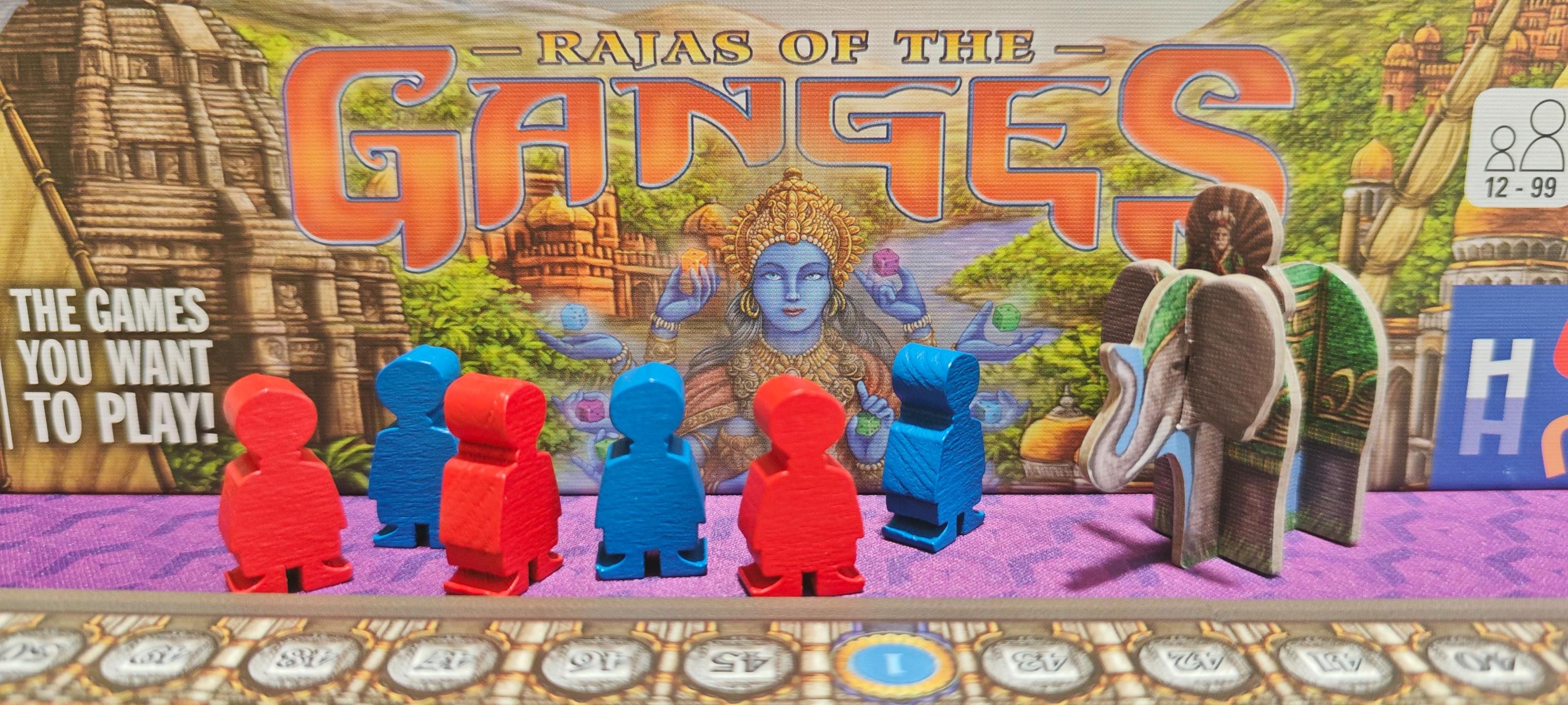

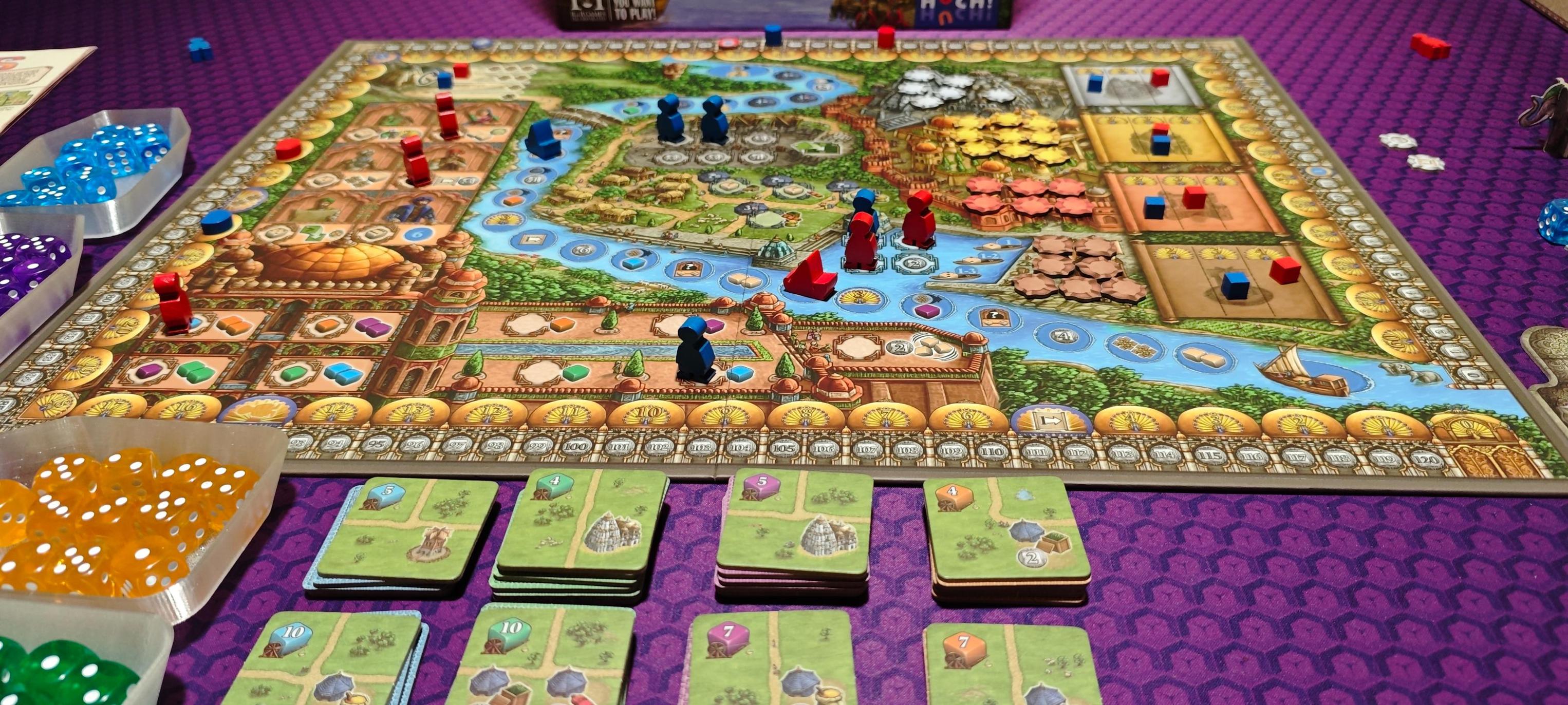
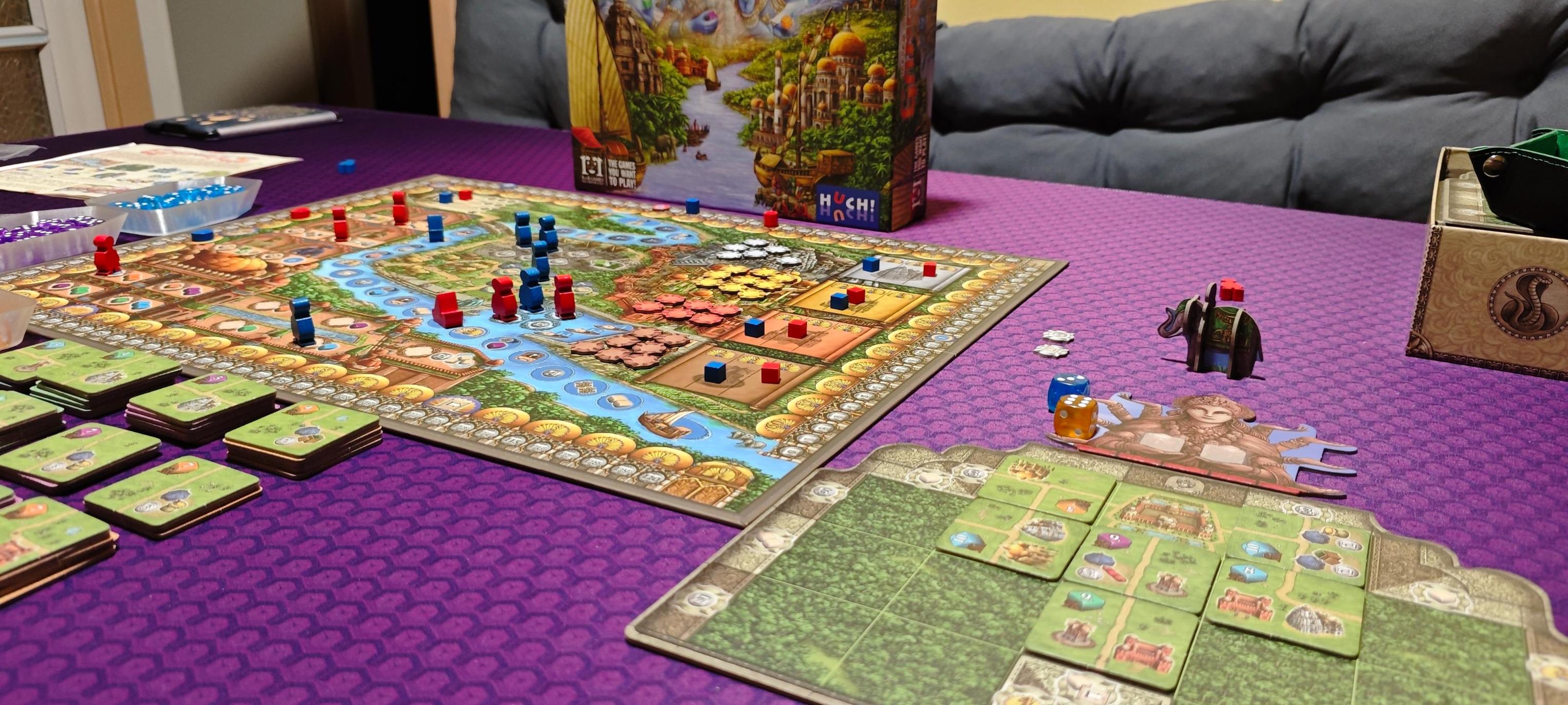
Gdzie kupić
Ceny w sklepach i egzemplarze z drugiej ręki, sprawdzane codziennie.
Przy stołach Ludoya
Pełne statystyki w Ludoya- 816
- Zapisane rozgrywki
- 602
- Gracze
- 1h 4m
- Średnia rozgrywka
- 174
- W kolekcjach
- 30
- Na listach życzeń
- 1
- Zamówione w przedsprzedaży
7,4/10
z 112 recenzji w Ludoya
Garfield2,0 It's all about getting the good buildings. The better buildings requiring higher dice. So if you are constantly rolling low you can't afford the good buildings. But you need the good ones to make more profit from selling goods and for the glory points. And there is way overpowered action that was chosen as first everytime in our game -> the one you could do with a 2, getting the bonus tile and 2 dice of your choice. [c] Theme: ★☆☆☆☆ <!-- size 7]Very abstract --> Gameplay: ★★☆☆☆ <!-- size 7]Placing dice all over the place --> Interaction: ★☆☆☆☆ <!-- size 7]Almost none --> Artwork: ★★★☆☆ <!-- size 7]Ok --> Luck: ★★★★★ <!-- size 7]Dice rolling --> Strategy: ★★☆☆☆ <!-- size 7]There is only one strategy --> Components: ★★★★☆ <!-- size 7]Nice --> Play duration: ★★★★☆ <!-- size 7]Very good --> Easy to teach: ★★★☆☆ <!-- size 7]Ok (25min) --> Rules quality: <!-- size 7]not read --> Setup time: ★★★☆☆ <!-- size 7]Ok --> No downtime: ★★★☆☆ <!-- size 7]Ok --> Replay value: ★☆☆☆☆ <!-- size 7]Nothing changes --> [/c]
Evan10,0 I don't generally like race to the finish games, but this one blew me away. The way the game works is each player has three workers, and some number of dice. The dice get rolled, and represent the different resources in the game. Some action spots only require a worker. Others need a worker and then a die of a specific value or value range. Still others require a worker and one or more dice of a specific color, with the pips across all dice needing to total or exceed the requirement. The game doesn't have any inherent die income, so you have to be careful and clever about where and how to get more dice. The main purpose of the dice is to purchase tiles which get laid into your player board. The tiles have roads that must connect to your starting spot, but which may also connect to the edge of your board which grants you a special reward. We played the advanced game where the printed rewards are pretty dull, but you can get much better ones to replace them through a few ways, which allows you to customize your path through the game in a really compelling way. The game ends during a round that someone's dollars marker meets their points marker on the oppositely oriented tracks. This means a big money strategy is just as effective as a big points strategy in theory, although you'll want to do some of everything in this game, as each major track has a spot it grants an extra worker. Turns are pretty quick, there are marvelous combos you can line up with the various rewards, the iconography is consistent and clear. The components look nice, especially the dice. The process of solving the puzzle feels satisfying. When you run aground it's because of your choices as opposed to die luck or being punched by other players. There's some, but minimal player interaction. It's mostly the occupying of action spots you wanted and the taking of the edge of board scoring tiles you needed. ★ Art, Iconography and components functional ★ Clever or interesting mechanisms ★ Reasonably low downtime between turns with mildly AP players ★ Multiple plays stay interesting ★ Low or mitigatable luck elements ★★★★★ Raw enjoyment
#Ganges ha sido uno de los grandes descubrimientos del año. El juego estéticamente es una maravilla y la combinación de colocación de trabajadores y el uso de dados para obtener losetas me ha conquistado. Inicialmente puede parecer un juego con demasiadas posibles acciones, sin embargo esta muy equilibrado y la partida se disfruta muchísimo. Me parece muy original el track de puntuación doble e invertido, que ofrece que haya multitud de estrategias válidas y hace que más partidas sean muy diferentes. Otro punto muy positivo del juego es su precio, siendo económico si consideramos la cantidad y la calidad de los componentes que trae. No tengo nada negativo que decir de #Ganges, un juego que ha llegado a la ludoteca para convertirse en un favorito.

Pytania o zasady
Odpowiedzi z instrukcji od asystenta zasad Ludoya.
Czy muszę płacić pieniądze, żeby położyć robotnika, czy mogę użyć zamiast tego kości?
Płacisz koszt pokazany na polu akcji — niektóre pola opłaca się pieniędzmi, inne kośćmi; tam, gdzie pole pozwala na użycie kości, możesz wydać wymagane kości zamiast pieniędzy, a użycie kości jest ograniczone w każdej rundzie. (strona 3)
Czy mogę położyć dowolną wartość kości na akcji i jak działa odwracanie kości za pomocą Karmy?
Musisz użyć kości pokazującej wartość wymaganą przez akcję lub pole; Karma pozwala ci zapłacić, aby odwrócić jedną ze swoich kości na jej przeciwległą stronę (zmieniając jej wartość) jako opłacony efekt. (strony 3, 8)
Kiedy zdobywam kafelek prowincji, czy drogi muszą pasować albo łączyć się z moimi już istniejącymi prowincjami?
Żetony prowincji muszą być umieszczane zgodnie z zasadami umieszczania połączeń drogowych, tak aby legalnie łączyły się z twoją siecią i spełniały ograniczenia dotyczące rozmieszczania; niektóre rewersy prowincji dają też specjalne plony, gdy zostaną umieszczone. (strona 4)
Jak działa akcja rzeki/łodzi — o ile pól mogę się poruszyć za każdy kość i czy mogę wykonywać akcje pałacu po ruchu?
Możesz wydać 1–3 kości, aby przesunąć swoją łódź o tyle pól, ile wynosi ich liczba (maksymalnie trzy), zebrać dochód z pola, na którym wylądujesz, i opcjonalnie wykonać akcje pałacu, jeśli pozwala na to pole na rzece. (strona 7)
Jaka jest różnica między rynkami z różnymi towarami a rynkami jednego towaru i czy ulepszenia zmieniają koszty na rynku albo punktację?
Różne targi przyjmują dowolne towary i punktują inaczej niż targi na pojedynczy towar, które nagradzają konkretne dobra; można zdobywać i stosować ulepszenia, aby zmieniać wypłaty na targach, a czasem także zmniejszać koszty kości za akcje targowe. (strona 5)
Kiedy gra się kończy i jak na końcu porównuje się sławę i pieniądze?
Koniec gry jest wyzwalany przez warunek ostatniej tury (gdy jeden z torów dojdzie do końca); końcowe punktowanie porównuje znaczniki sławy i pieniędzy każdego gracza na dwóch torach i stosuje zasady punktowania ostatniej tury, aby wyłonić zwycięzców. (strona 9)



Za darmo, w przeglądarce, na Androidzie i iOS
Graj w Ganges z Ludoya
- Miej ją w swojej kolekcjiŚledź swój egzemplarz i jego dodatki, pożyczaj go znajomym albo dodaj go do listy życzeń i dostań powiadomienie, gdy cena spadnie.Dodaj do swojej kolekcji
- Zapisuj każdą rozgrywkęPunkty, zwycięzcy, minutniki i zdjęcia, a potem twoje statystyki: procent zwycięstw, ulubiona liczba graczy, najlepszy wynik.Zapisz rozgrywkę
- Rozstrzygaj spory o zasadyZapytaj o dowolną zasadę i dostań odpowiedź z instrukcji, ze stroną do sprawdzenia.Zapytaj asystenta zasad
- Znajdź ludzi do wspólnej gryKluby, wieczory gier i wydarzenia w pobliżu, na których ta gra trafia na stół.Zobacz wydarzenia
Dane gry (gracze, czas gry, wiek, twórcy) z BoardGameGeek.