
2019 · Indústria / Fabricação
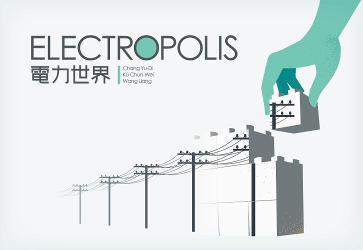
Electropolis
Os jogadores assumem o papel de prefeitos concorrentes planejando a infraestrutura energética de uma cidade em crescimento. A cada turno, eles selecionam ações em um sistema dinâmico de ordem de turno para obter licenças de construção, reivindicar peças e colocar edifícios em áreas zoneadas. As escolhas equilibram usinas a carvão, fontes renováveis e opções nucleares, cada uma com custos, produção e efeitos de longo prazo diferentes. O momento e a interação são importantes: jogar cedo para garantir peças poderosas ou esperar para reunir recursos e ampliar as opções de construção. A pontuação leva em conta a produção de eletricidade, o desenvolvimento da cidade e a colocação estratégica. O jogo enfatiza o planejamento, o gerenciamento de recursos e a interação tática entre os jogadores.
- Jogadores
- 2–4 melhor com 3
- Tempo de jogo
- 50–70 min
- Idade
- 12+
- Complexidade
- 2,4 / 5
Sobre o jogo
- Editora




Onde comprar
Preços das lojas e cópias usadas, verificados todos os dias.
- Dungeon MarvelsPré-venda31.5 €
- MathomEm estoque31.5 €
- GigameshEm estoque24.95 €
- Magia de TintaEm estoque29.75 €
- Va de jocsSem estoque31.5 €
- Juegos de la Mesa RedondaSem estoque34.95 €
Nas mesas da Ludoya
Todas as estatísticas na Ludoya- 39
- Partidas registradas
- 56
- Jogadores
- 1h 10m
- Partida média
- 11
- Em ludotecas
- 6
- Em listas de desejos
5,4/10
de 7 avaliações na Ludoya
Evan4,0 This is a little city grid building game with a few mean twists. Each round in player order, players pick a tile selection space. The later you go in turn order, the more tiles you pick up from the ring. Tiles come in three varieties. Power plants, buildings that give you popularity, and energy resources that you need to activate the power plants. In addition to picking the tiles up, you also draft a placement card. The placement card determines where in your grid you are allowed to place tiles. Early in the game, the cards come with endgame scoring bonus criteria, later in the game they come with some small immediate bonus. When you take tiles, you must take a grouping of all adjacent tiles. This means going later in turn order might mean you miss out on the key tiles you needed, and also have to take a mess of tiles you can't place, which get discarded for a VP penalty. Additionally, when you score your board at the end of the game, you lose massive points if your popularity rating isn't greater than the pollution sum of your powered plants. Largely the popularity buildings give you a penalty if placed next to power plants, so this gets tough fast. Power plants also produce more VP when the same kind of plant is placed in an adjacent chain of tiles. Essentially the game sets you up for needing a lot of things to work out in your favor. You need the card you take to allow you to place where you need to place, you need the tiles you need to come up in the circle at the right time, you need other players not to snatch what you need from you, and you need the energy resources to make your work count for anything, while also keeping mental track of how much pollution you will have at the end of the game, since you don't track it as you go, and making sure to get the popularity buildings. I had hoped this would be a wild ride, but ultimately I found it very frustrating. ★ Art, Iconography and components functional ★ Clever or interesting mechanisms ★ Reasonably low downtime between turns with mildly AP players ☆ Multiple plays stay interesting ☆ Low or mitigatable luck elements ★☆☆☆☆ Raw enjoyment
Primeiras impressões · 1 partida










Grátis, na web, Android e iOS
Jogue Electropolis com a Ludoya
- Tenha na sua ludotecaAcompanhe sua cópia e suas expansões, empreste para os amigos ou coloque na lista de desejos e seja avisado quando o preço cair.Adicionar à sua ludoteca
- Registre cada partidaPontuações, vencedores, cronômetros e fotos, e depois suas estatísticas: taxa de vitórias, número de jogadores favorito, melhor pontuação.Registrar uma partida
- Marque os pontos sem papelUse as folhas de pontuação e os ajudantes de jogo da comunidade e deixe a Ludoya somar os pontos.Encontrar folhas de pontuação
- Encontre gente para jogarClubes, noites de jogos e eventos perto de você que levam este jogo para a mesa.Ver eventos
Dados do jogo (jogadores, tempo de jogo, idade, créditos) do BoardGameGeek.