
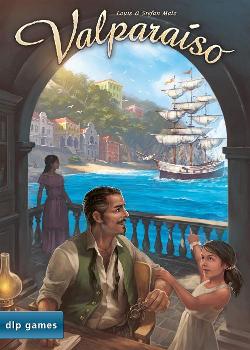
2018 · Wirtschaft
Valparaíso
Die Spieler schlüpfen in die Rolle einflussreicher Bürger, die im frühen 19. Jahrhundert eine Küsten-Handelsstadt gestalten. Sie schicken Händler ins Landesinnere, um Exportwaren zu beschaffen, bauen Häuser und Infrastruktur und entsenden Schiffe, um in Übersee Errungenschaften zu erzielen. Die Planung findet gleichzeitig statt: Die Spieler legen die Aktionsreihenfolge im Voraus fest und führen dann ihre Aktionen aus, während sie sich an die Züge der Gegner anpassen. Aktionen verändern Marktpreise und Handelsmöglichkeiten, und das Ändern der geplanten Reihenfolge kostet eine Strafe. Das Spiel legt den Schwerpunkt auf vorausschauende Planung, das richtige Timing beim Handeln und schnelles Reagieren auf sich verändernde Bedingungen; eine optionale Sanduhr-Variante fügt für erfahrene Gruppen Echtzeitdruck hinzu.
- Spieler
- 2–5 am besten mit 4
- Spielzeit
- 45–90 Min.
- Alter
- 12+
- Komplexität
- 2,8 / 5
Über das Spiel
- Autoren
- Illustration
- Publisher



Fotos von Ludoya-Tischen
Alle Fotos in Ludoya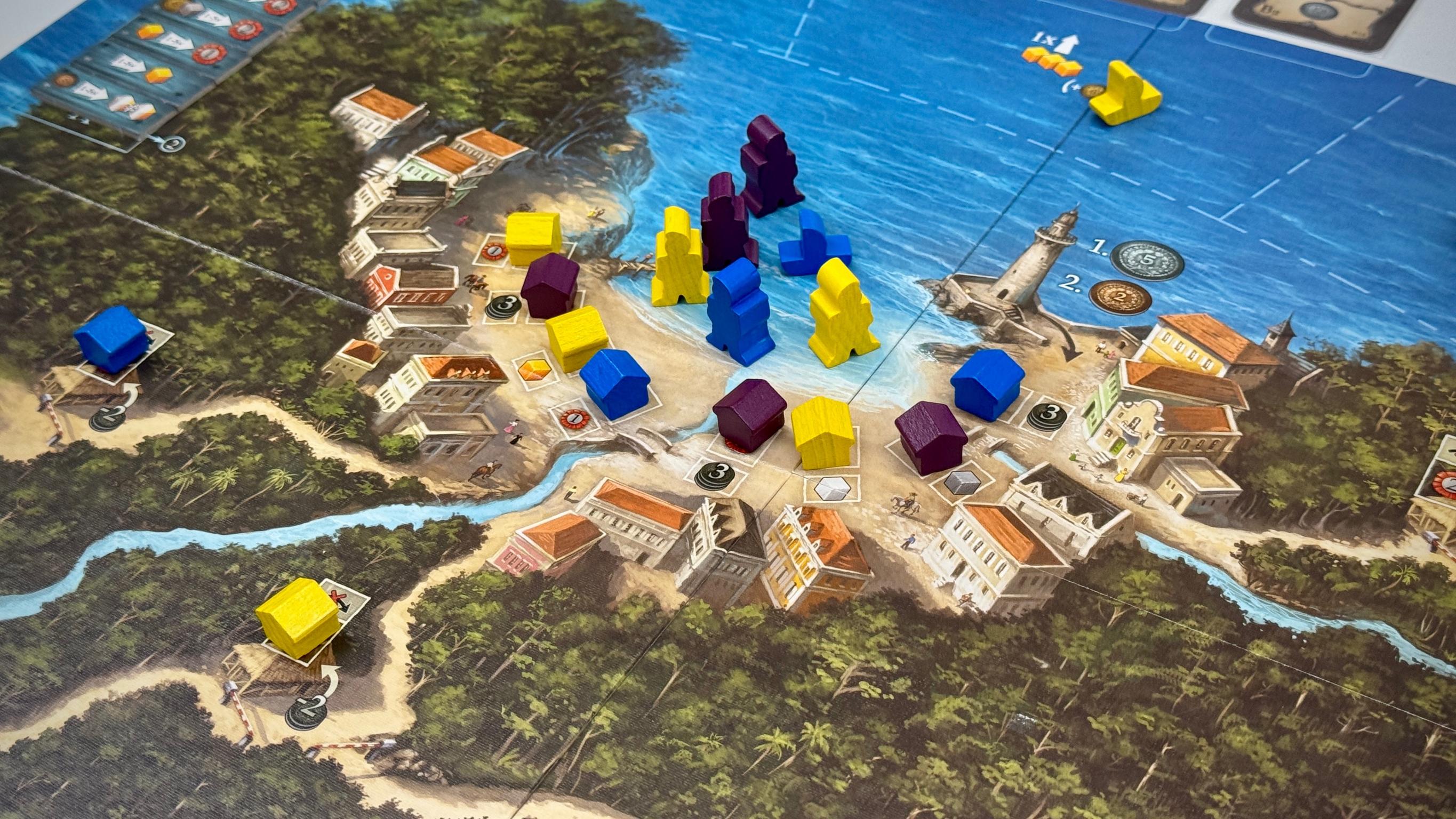
Wo kaufen
Shop-Preise und gebrauchte Exemplare, täglich geprüft.
An Ludoyas Tischen
Alle Statistiken in Ludoya- 32
- Erfasste Partien
- 57
- Spieler
- 1h 38m
- Durchschnittliche Partie
- 29
- In Sammlungen
- 2
- Auf Wunschlisten
5,4/10
aus 12 Ludoya-Rezensionen
Evan4,6 In this game each player gets a symmetrical set of action cards. At the start of the round everyone simultaneously programs their actions face down into their action slots. You begin with 4, plus one you can pay $5 to use. Then there's one additional one you can unlock through building your first two houses. Players then reveal all their cards and take turns activating the next one in their program. You can pay to change the order as well, which is an interesting tactical wrinkle. Your goal is to generate cubes, and then turn those cubes into points or into action cards that give you improved versions of the actions. One of the main features in the game is interacting with market stalls in the forest. They require you walk meeples over to them, and then you can use their ability a number of times according to how many meeples and houses you have in the space, keeping in mind each has a cap on the maximum number of transactions. Once an ability is used, it goes to a belt of ability tiles, and then the next one slides down. This makes for some fantastic tension as you really need to be mindful of where everyone else is and what market tiles they're interested in using. The tiles are seeded in an order where at first they provide cubes, then they consume cubes for points for sets of similar. Then they consume cubes for points for sets of different. Using these markets gets especially interesting as if another player has pieces in that space, you have to pay them $1 for each piece they have there. In some cases, you also have to pay players to walk past their houses along the paths. The game ends when someone hits 18 points, so this is a fairly low scoring game. Delightfully intense. Tons of player interaction, and a great cocktail of mechanisms I enjoy. :star: Art, Iconography and components functional :star: Clever or interesting mechanisms :star: Reasonably low downtime between turns with mildly AP players :Nostar: Multiple plays stay interesting :star: Low or mitigatable luck elements :star::star::nostar::nostar::nostar: Raw enjoyment





Kostenlos, im Web, für Android und iOS
Spiel Valparaíso mit Ludoya
- Hab es in deiner SammlungVerwalte dein Exemplar und seine Erweiterungen, leih es Freunden oder setz es auf deine Wunschliste und erfahre, wenn der Preis fällt.Zur Sammlung hinzufügen
- Erfasse jede PartiePunkte, Sieger, Timer und Fotos, dann deine Statistiken: Siegquote, liebste Spielerzahl, beste Punktzahl.Partie erfassen
- Werte ohne PapierNutze die Wertungsbögen und Spielhelfer der Community und lass Ludoya die Punkte zusammenzählen.Wertungsbögen finden
- Finde Leute, mit denen du es spielstClubs, Spieleabende und Veranstaltungen in deiner Nähe, bei denen dieses Spiel auf den Tisch kommt.Veranstaltungen ansehen
Spieldaten (Spieler, Spielzeit, Alter, Mitwirkende) von BoardGameGeek.