
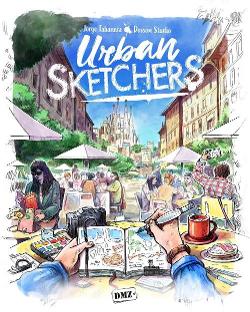
2025 · Juego de cartas
Urban Sketchers
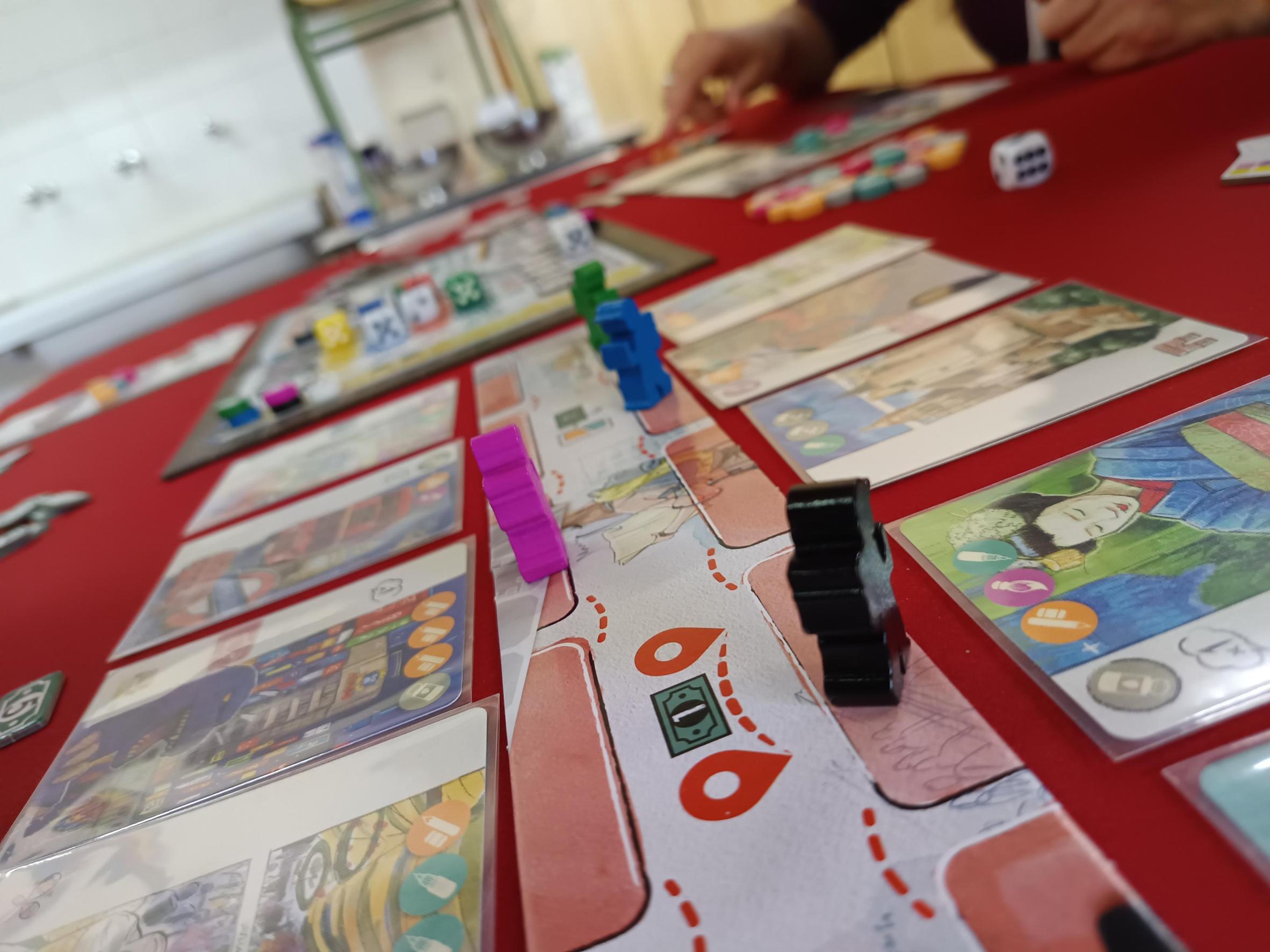
Los jugadores viajan por ciudades, reúnen materiales e inspiración y construyen cuadernos de bocetos ilustrados para publicar reportes a cambio de dinero y prestigio. Cada ronda usa una tirada de dados compartida; los jugadores se turnan para elegir dados y realizar acciones como moverse entre ubicaciones, conseguir recursos, comprar o jugar cartas de ilustración en su cuaderno de bocetos, o publicar un reporte. Los jugadores gestionan sus recursos para poder seguir viajando y publicando, y las rondas se repiten hasta que se haya publicado un número determinado de reportes. La puntuación se basa en los reportes publicados y el prestigio acumulado; gana el jugador con más prestigio al final.
- Jugadores
- 2–4 mejor con 3
- Duración
- 60–90 min
- Edad
- 12+
- Complejidad
- 2,8 / 5
Sobre el juego
- Diseño
- Editorial


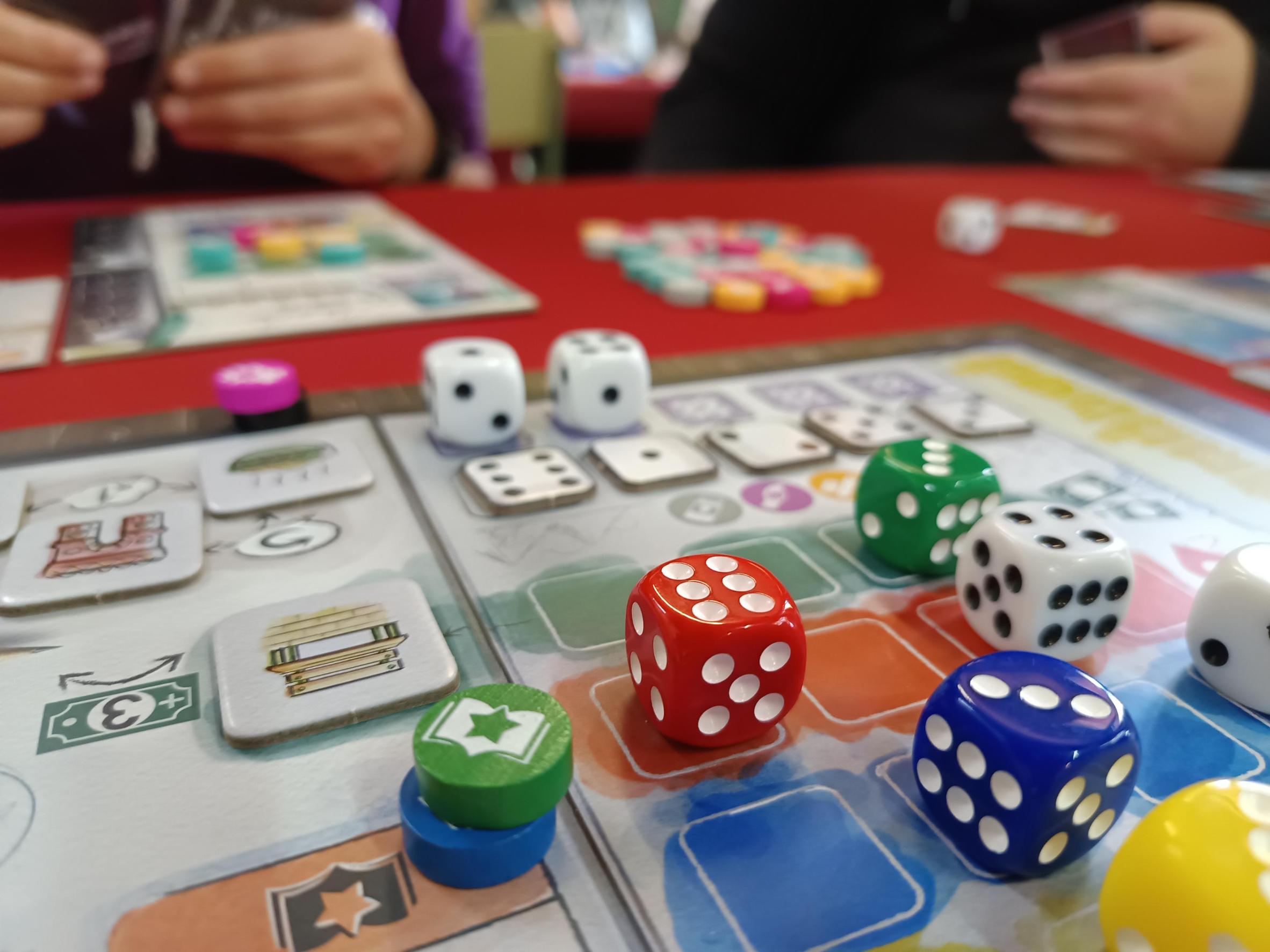
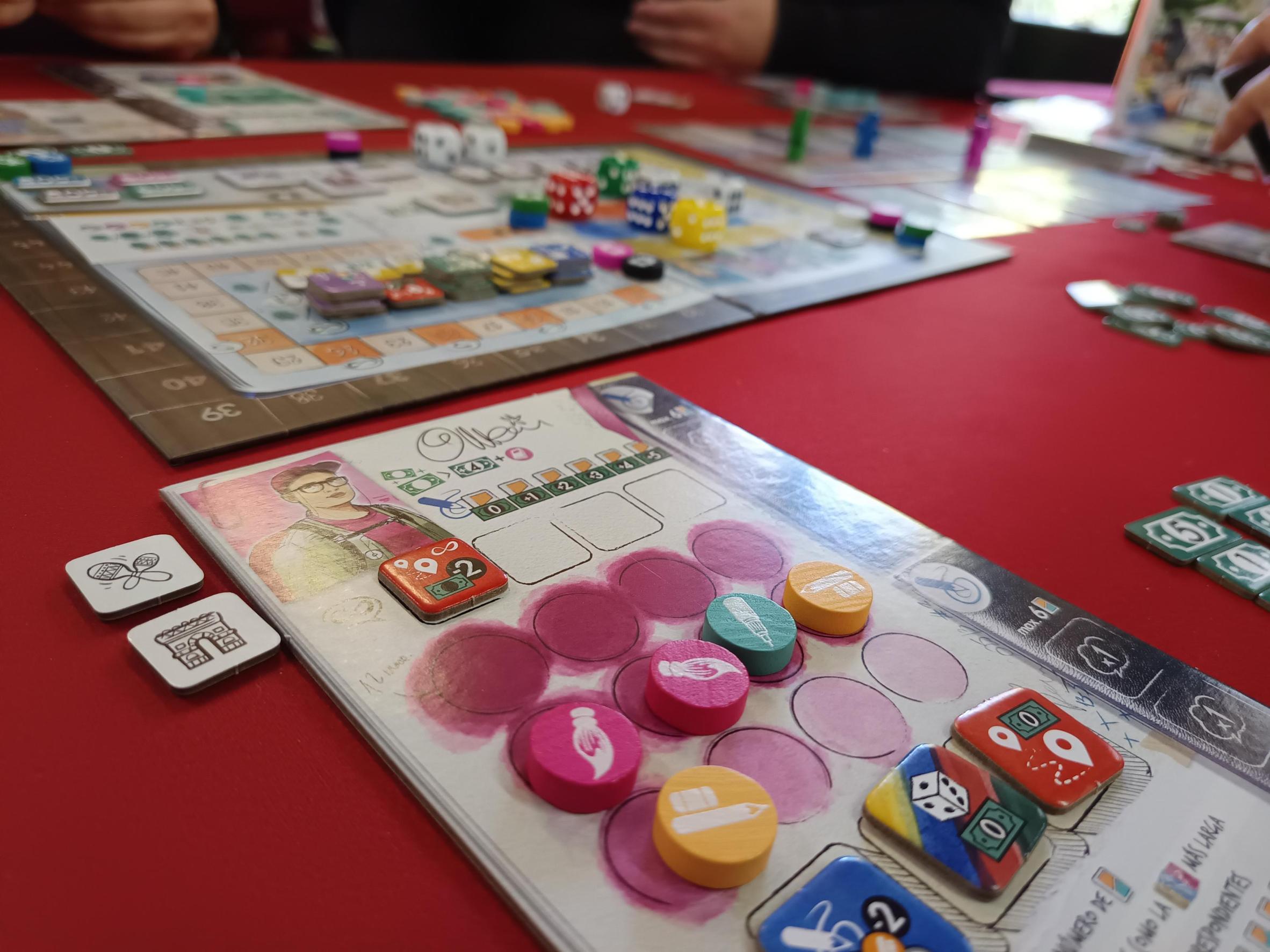
Fotos de mesas de Ludoya
Todas las fotos en Ludoya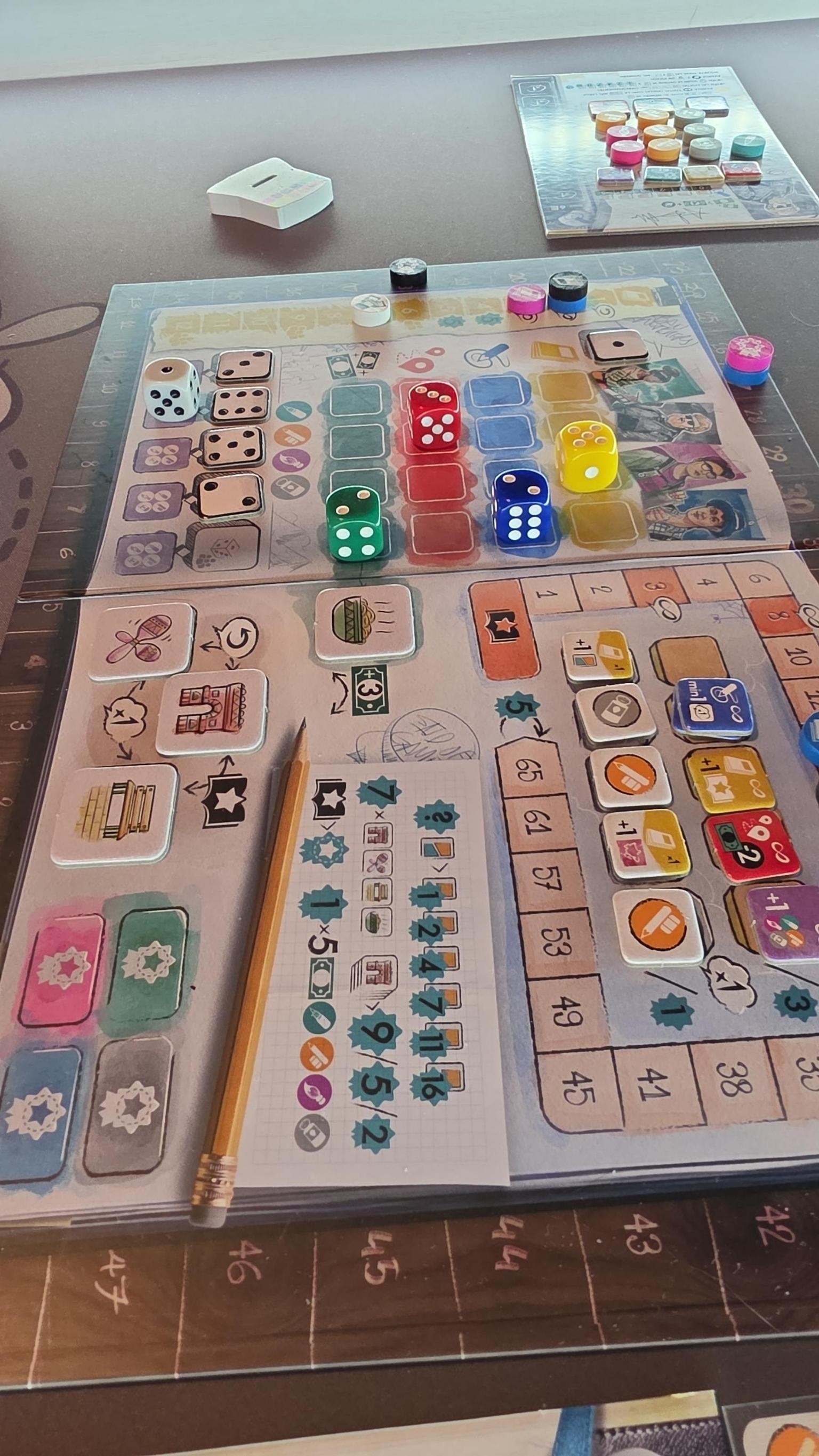
Dónde comprarlo
Precios de tiendas y copias de segunda mano, revisados cada día.
En las mesas de Ludoya
Todas las estadísticas en Ludoya- 36
- Partidas registradas
- 61
- Jugadores
- 1h 34m
- Partida media
- 18
- En colecciones
- 4
- En listas de deseos
- 2
- En preventa
7,3/10
de 7 reseñas en Ludoya
Boogyman7,5 Four games with two players; I'll update this review when I've tested it with more players. With two players, it was an acceptable and entertaining experience. At first, it might seem a bit confusing until you learn the name of each aid. After one game, it becomes very intuitive, fun, and has a fair level of difficulty—not easy, which makes it replayable. I love everything Jorge does
Dudas de reglas
Respondidas a partir del reglamento por el asistente de reglas de Ludoya.
If I place a white die on a color action, do I have to pay and who gets the money?
Yes — using a white die on a color-coded action requires you to pay the cost shown; if another player already used that color this round you pay that player the difference in die values (1 money per pip), otherwise you pay the bank (p.5).
Can I sketch more than one card in a Sketch action, and how do the extra card costs work?
Yes, you may sketch as many cards as you want in the same sketchbook during a Sketch action, but you pay 1 money for the second card, 2 for the third, etc., tracked separately per sketchbook; resource costs and any discounts still apply for each card (p.6).
Can I place any die on the Supply action and do I have to pay to use it?
The Supply action is colorless and any die may be placed in an empty supply space; it is always free and you receive resources equal to the net difference between the die you placed and the die tile above that space (p.5, p.6).
What exactly do I gain when I publish a sketchbook, and what is discarded?
When you publish you gain victory points (based on card count), money equal to the number of cards, the theme tiles shown on the cards, advances on the Published and Prestige tracks (including any bonuses), and then you discard all cards and bonus tiles from that sketchbook (pp.6–7, p.10).
How do theme tiles work during the game — how many can I flip and what do they give during Funding?
You may flip pairs of different theme tiles on your turn to gain the benefit shown between them, each tile can only be flipped once but you may flip as many pairs as you wish; during a Funding action you may flip matching theme tiles to gain +3 money per tile flipped (p.8).
What triggers the end of the game and what happens to unpublished sketchbooks at the end?
The game ends after the round in which the Total published sketchbooks token reaches the player-count target (6/9/12 spaces); then unpublished sketchbooks are discarded but score as if published for victory points only (no money, theme tiles, or Prestige), followed by theme-set and track scoring (p.9).














Gratis, en web, Android e iOS
Juega a Urban Sketchers con Ludoya
- Tenlo en tu colecciónControla tu copia y sus expansiones, préstala a tus amigos o ponla en tu lista de deseos y te avisamos cuando baje de precio.Añadirlo a tu colección
- Registra cada partidaPuntuaciones, ganadores, temporizadores y fotos, y luego tus estadísticas: porcentaje de victorias, número de jugadores favorito, mejor puntuación.Registrar una partida
- Resuelve dudas de reglasPregunta lo que quieras sobre las reglas y obtén una respuesta sacada del reglamento, con la página donde comprobarla.Preguntar al asistente de reglas
- Encuentra gente con quien jugarloClubes, noches de juegos y eventos cerca de ti que sacan este juego a la mesa.Ver eventos
Datos del juego (jugadores, duración, edad, créditos) de BoardGameGeek.