
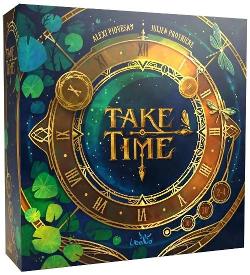
2025 · Juego de cartas
Take Time
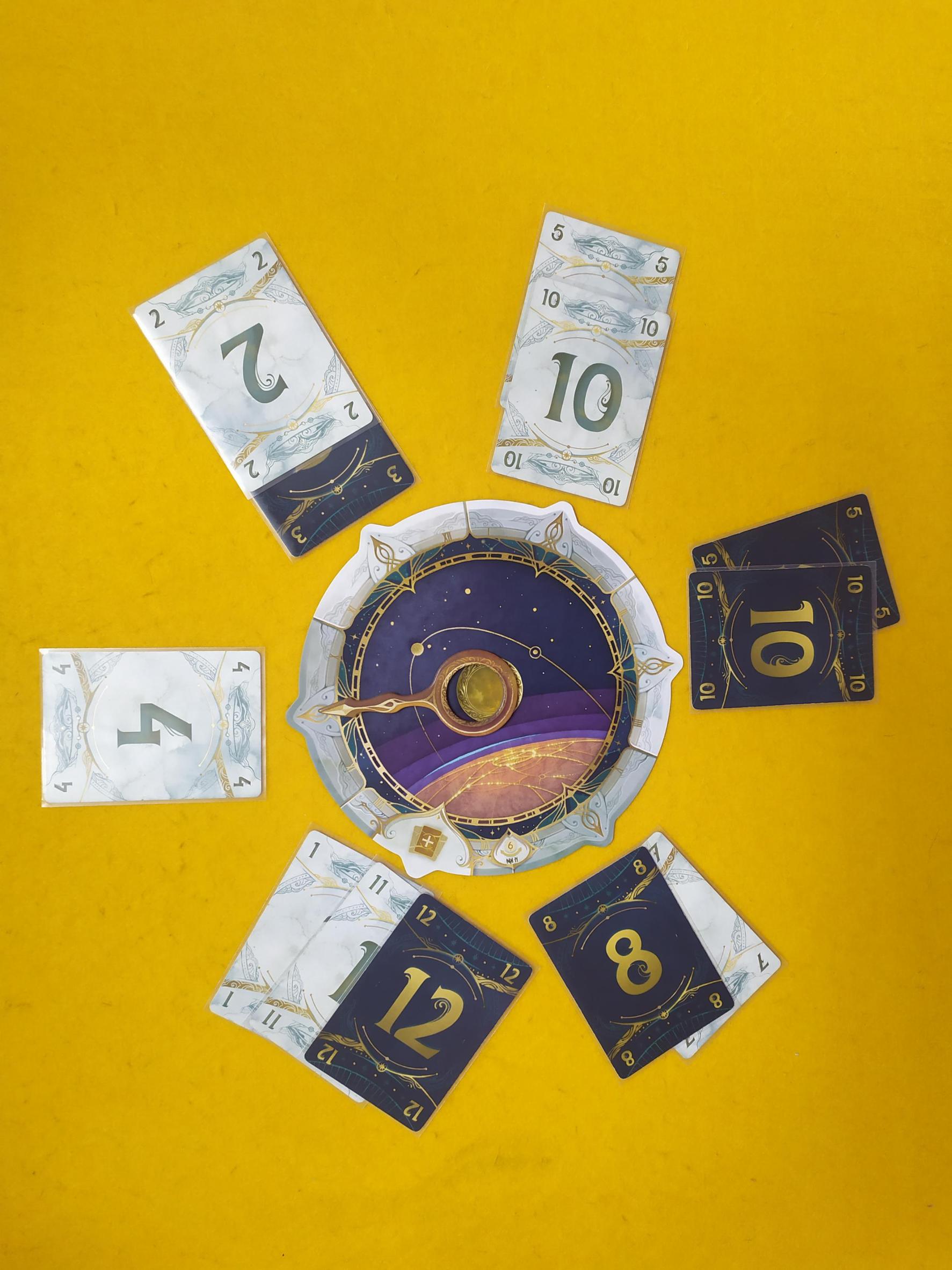
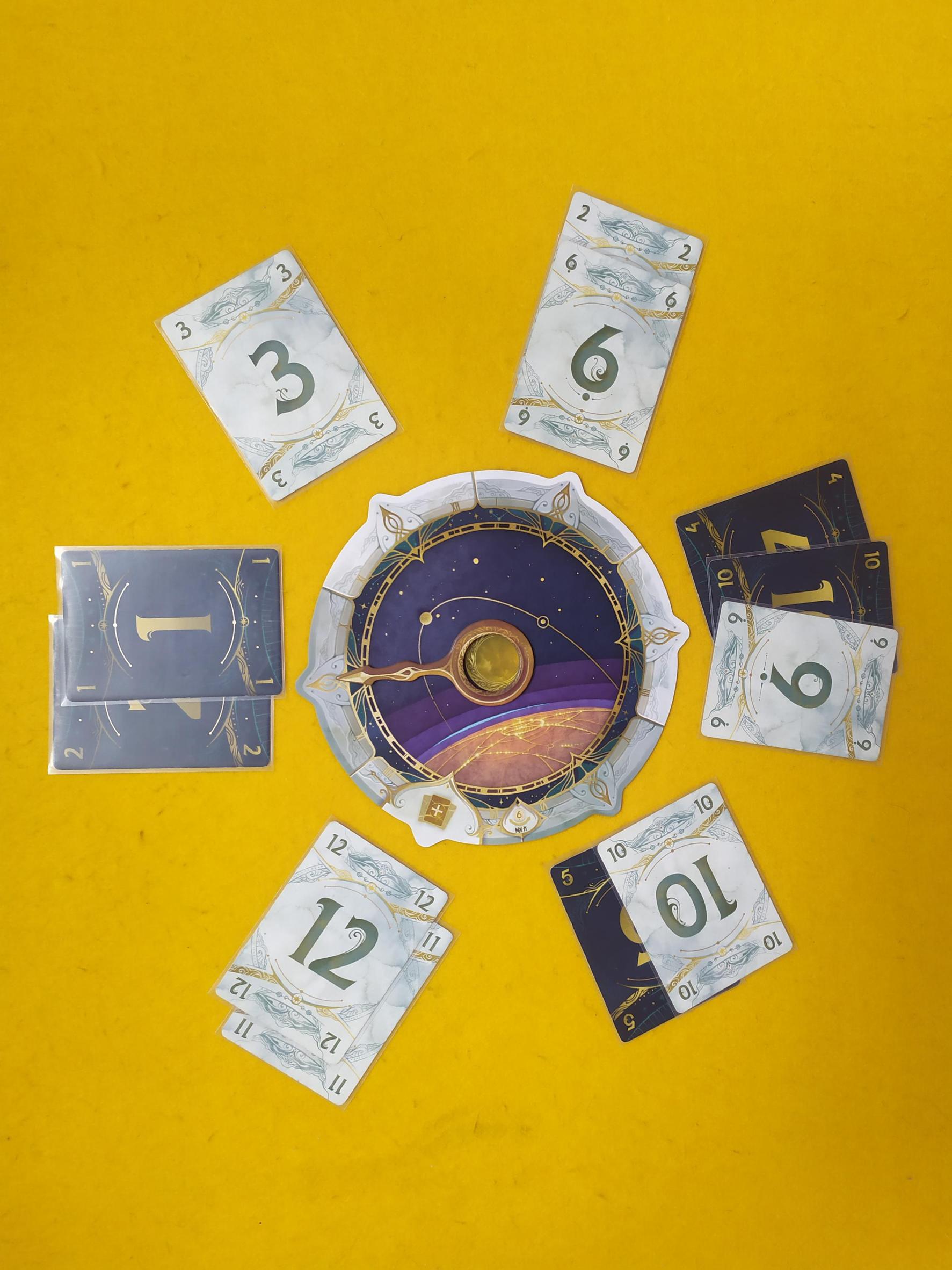
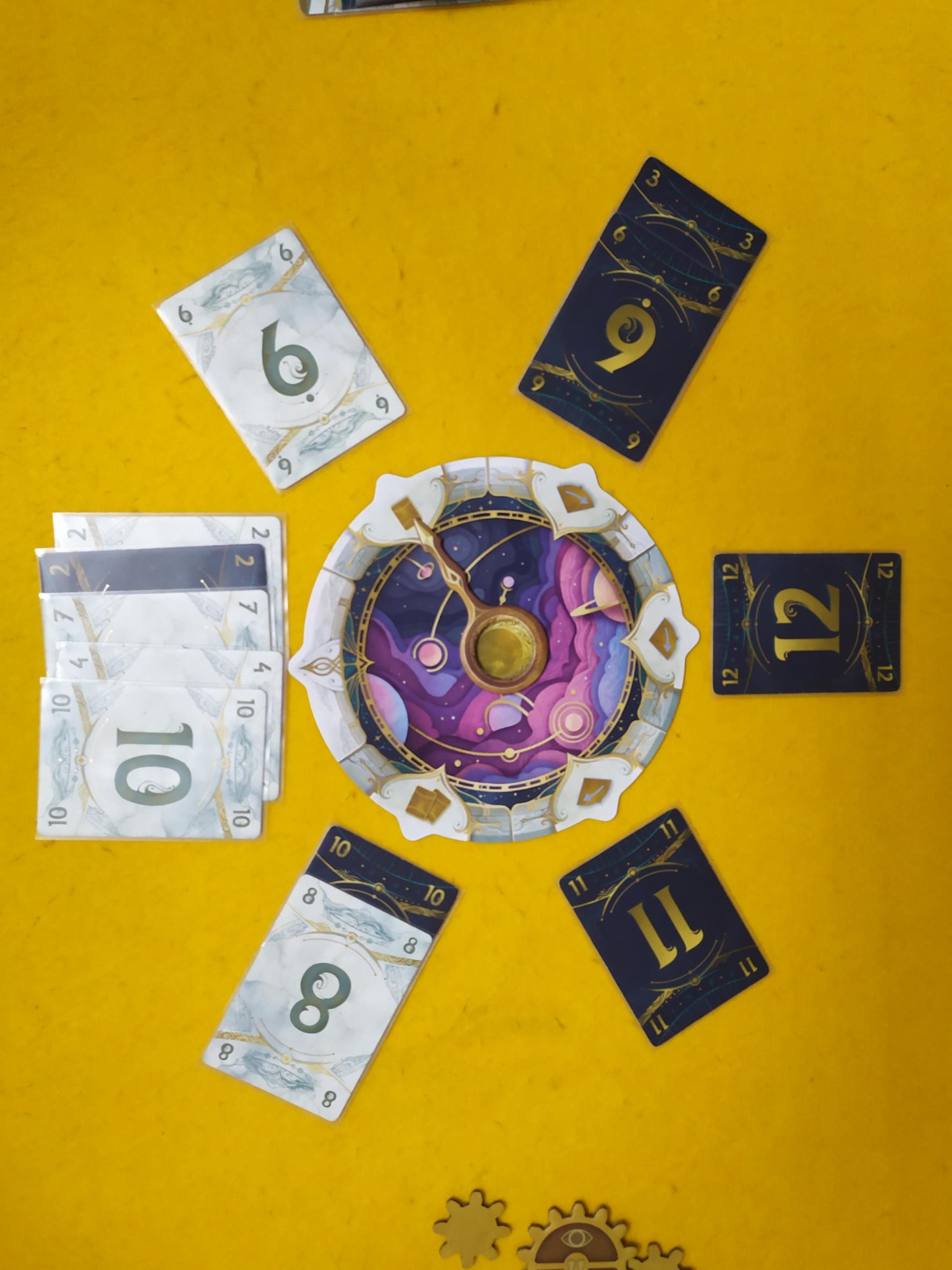
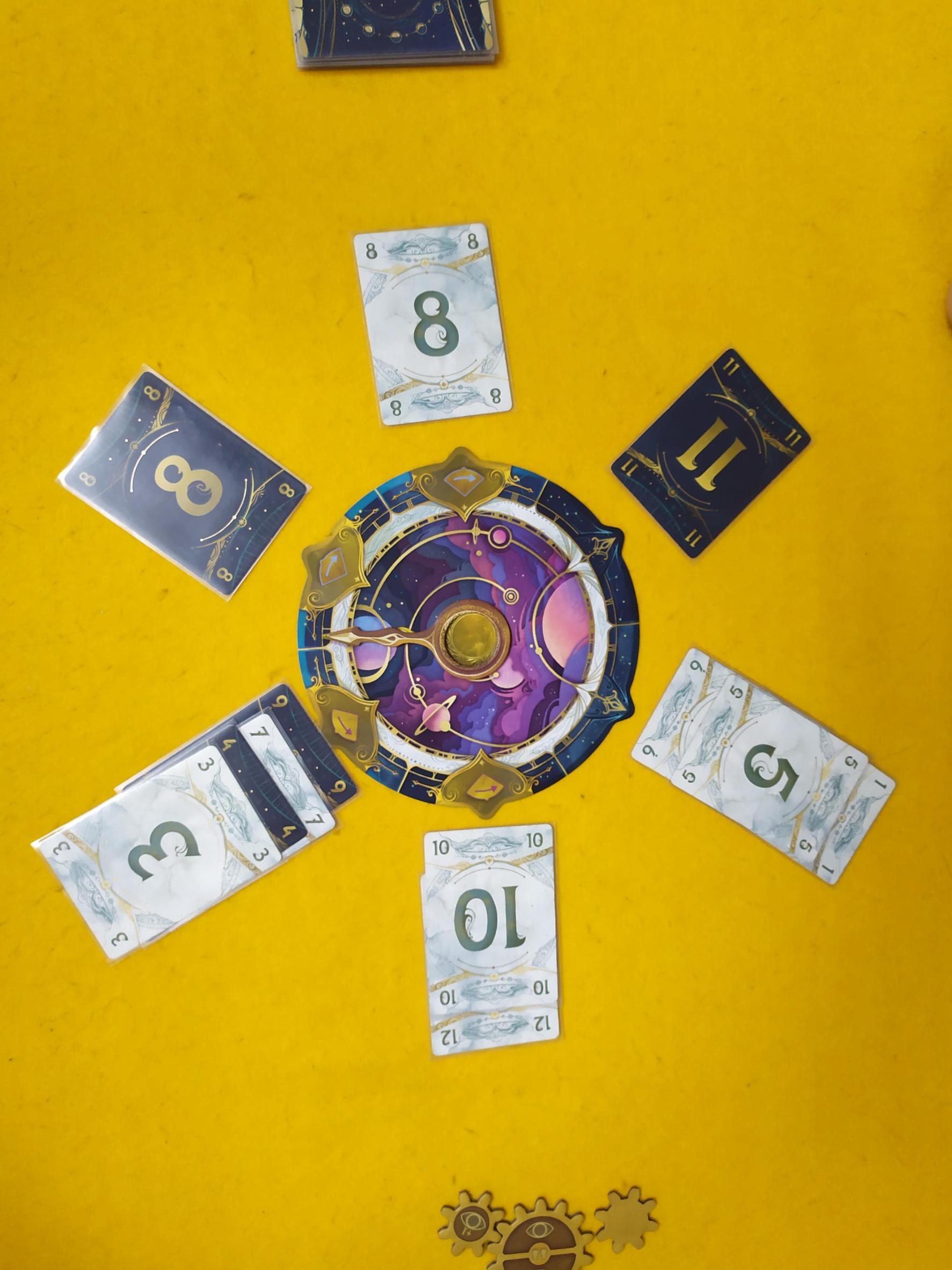
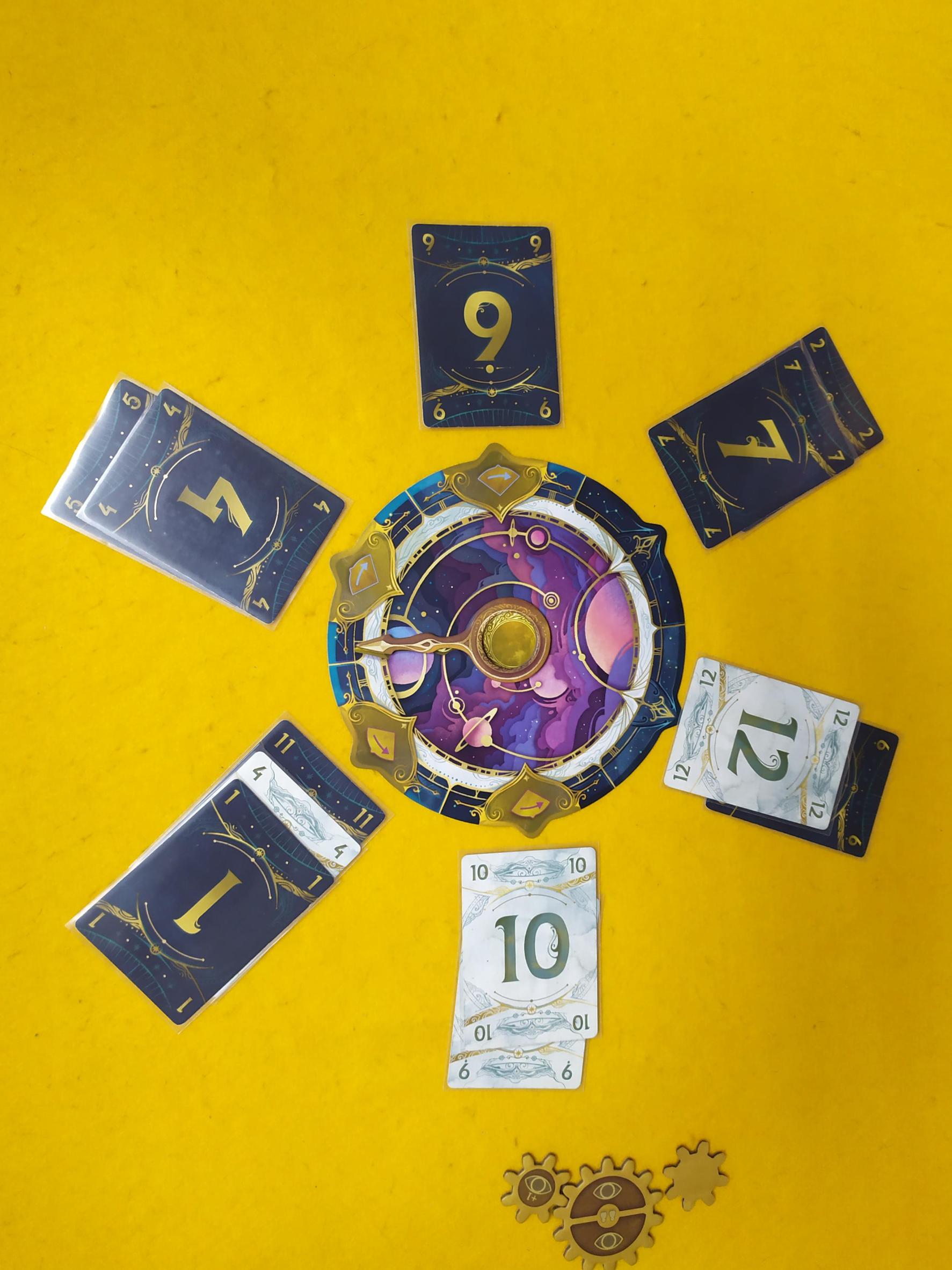
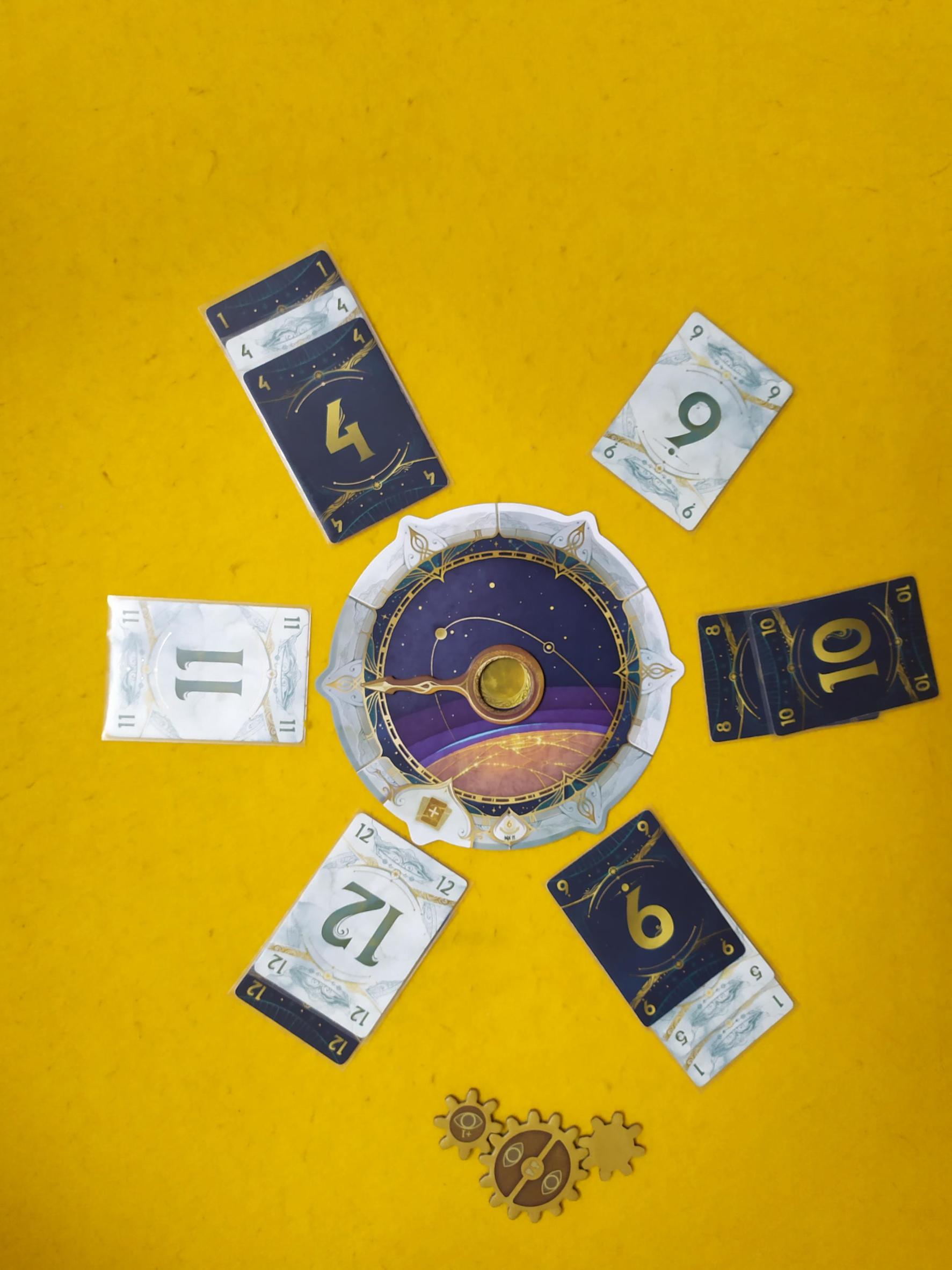
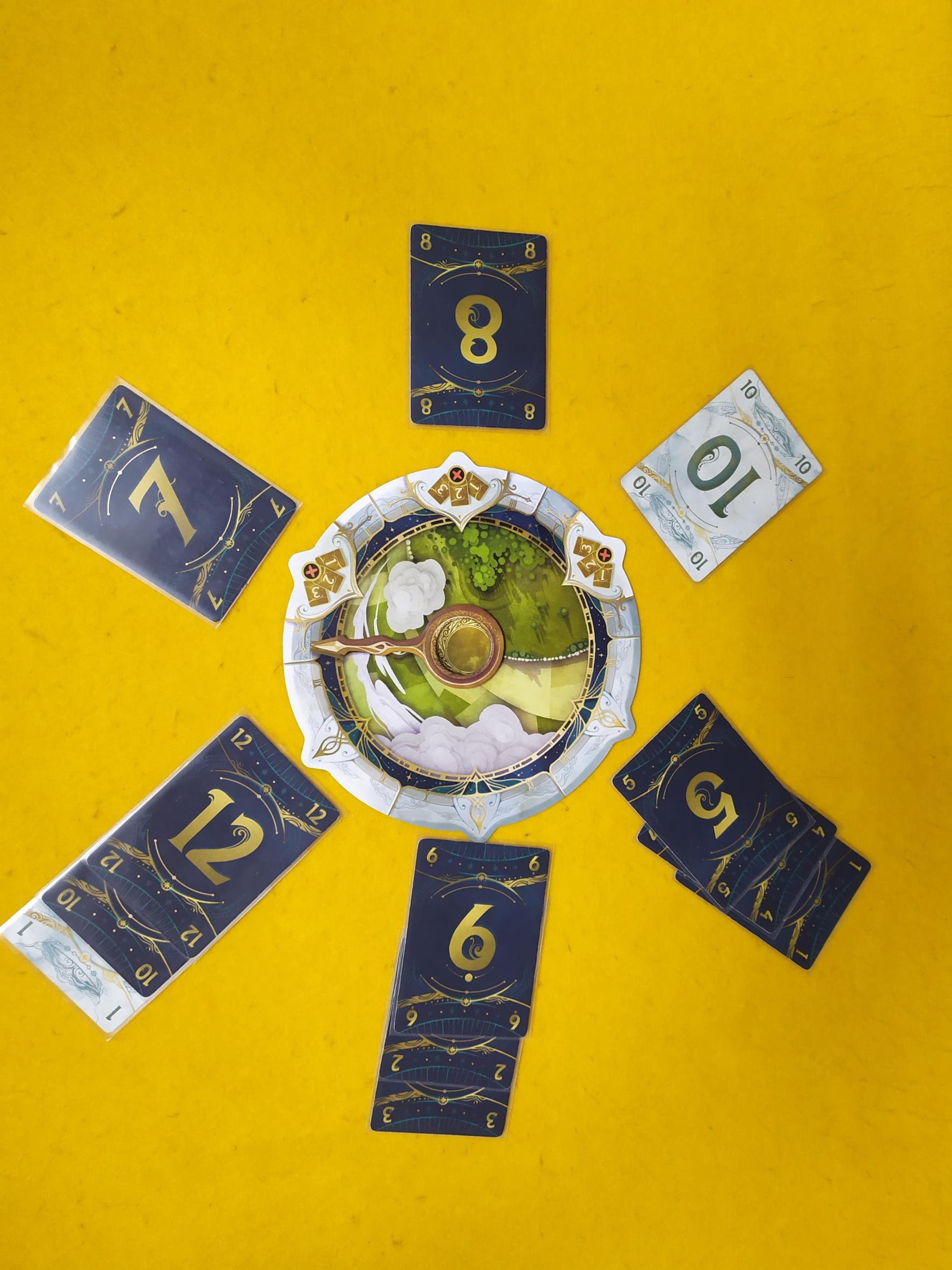
Los jugadores cooperan para resolver una serie de acertijos cronometrados colocando 12 cartas boca abajo alrededor de un Reloj central según las reglas de la Prueba actual. Cada Prueba especifica las restricciones y la información disponible para el equipo; el grupo debate y coordina las colocaciones antes de revelar las cartas para ver si la disposición cumple con la Prueba. Los jugadores pueden jugar varias sesiones para intentar las 40 Pruebas, con el éxito o el fracaso determinados de forma colectiva.
- Jugadores
- 2–4 mejor con 3
- Duración
- 30 min
- Edad
- 10+
- Complejidad
- 1,8 / 5
Sobre el juego
- Arte
- Publisher



Expansiones
Verlas en Ludoya
Fotos de mesas de Ludoya
Todas las fotos en Ludoya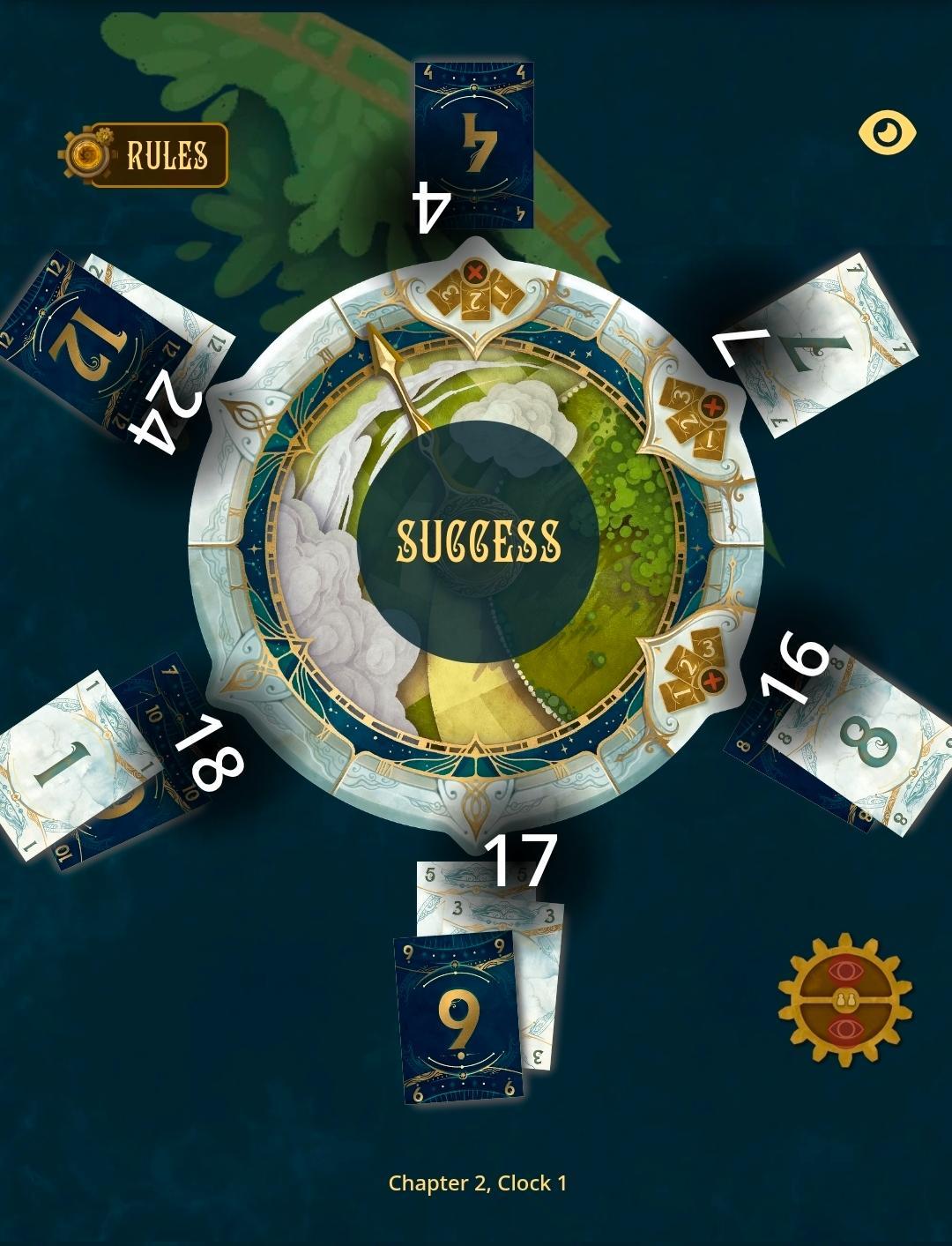
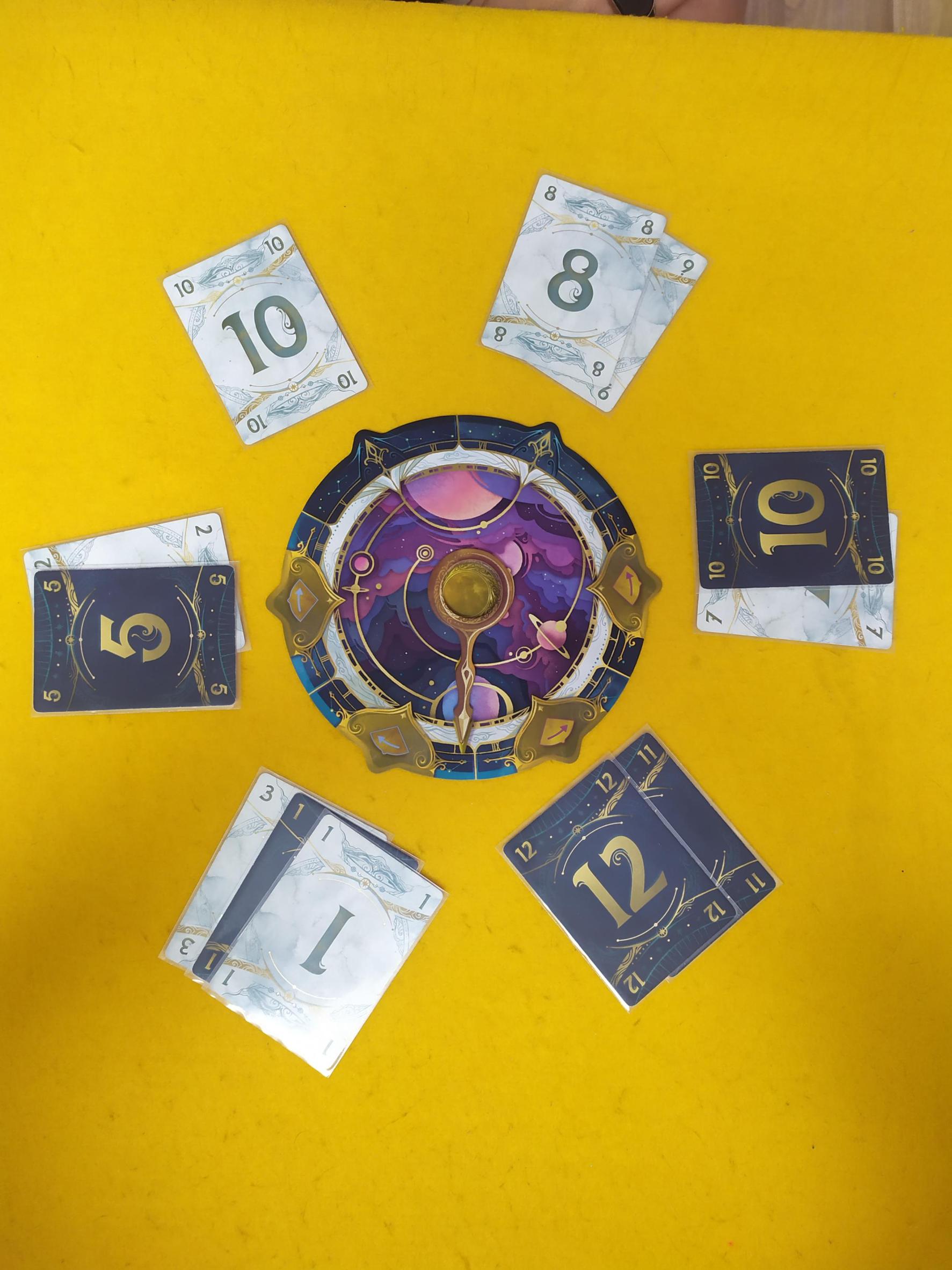
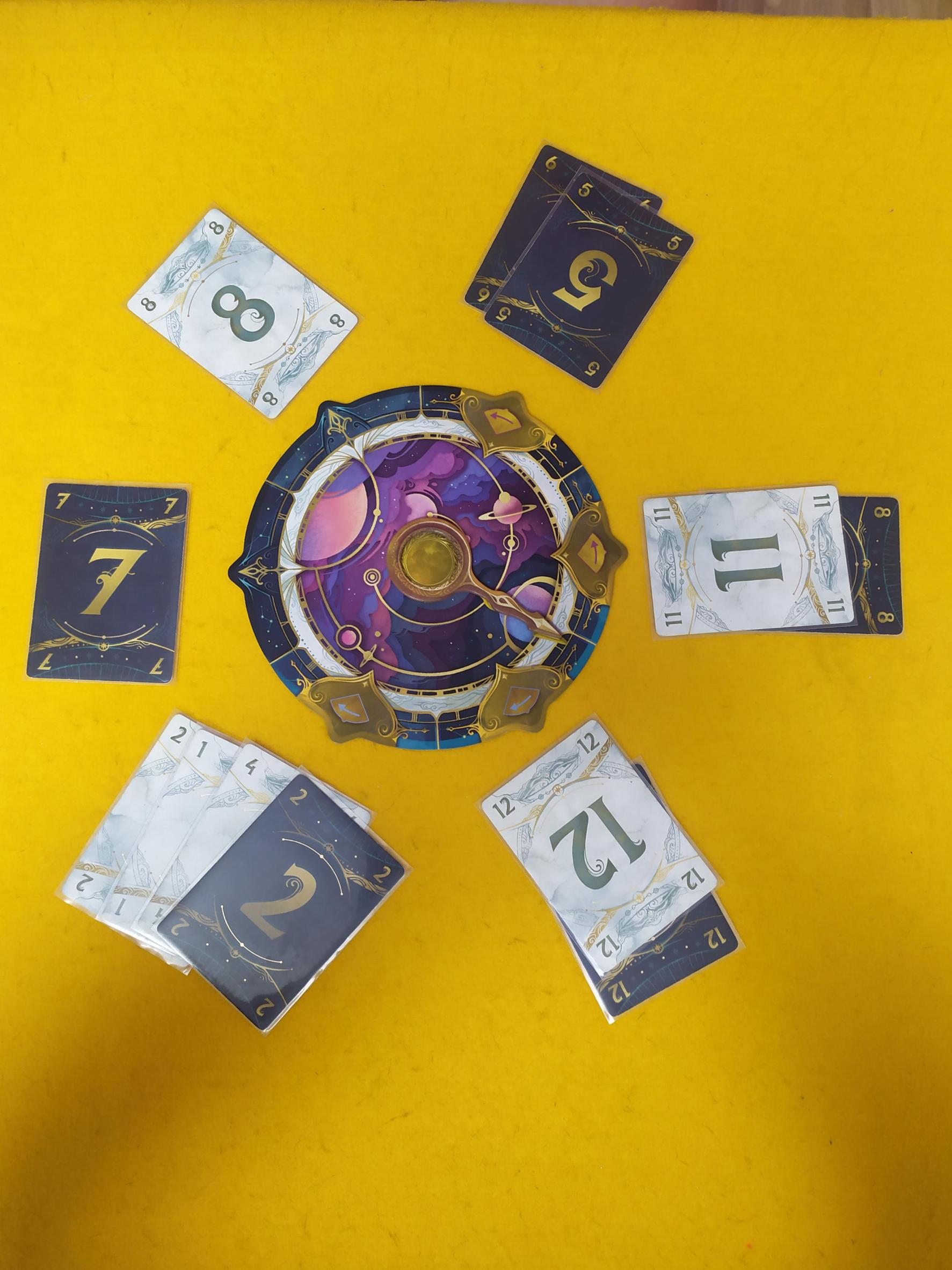
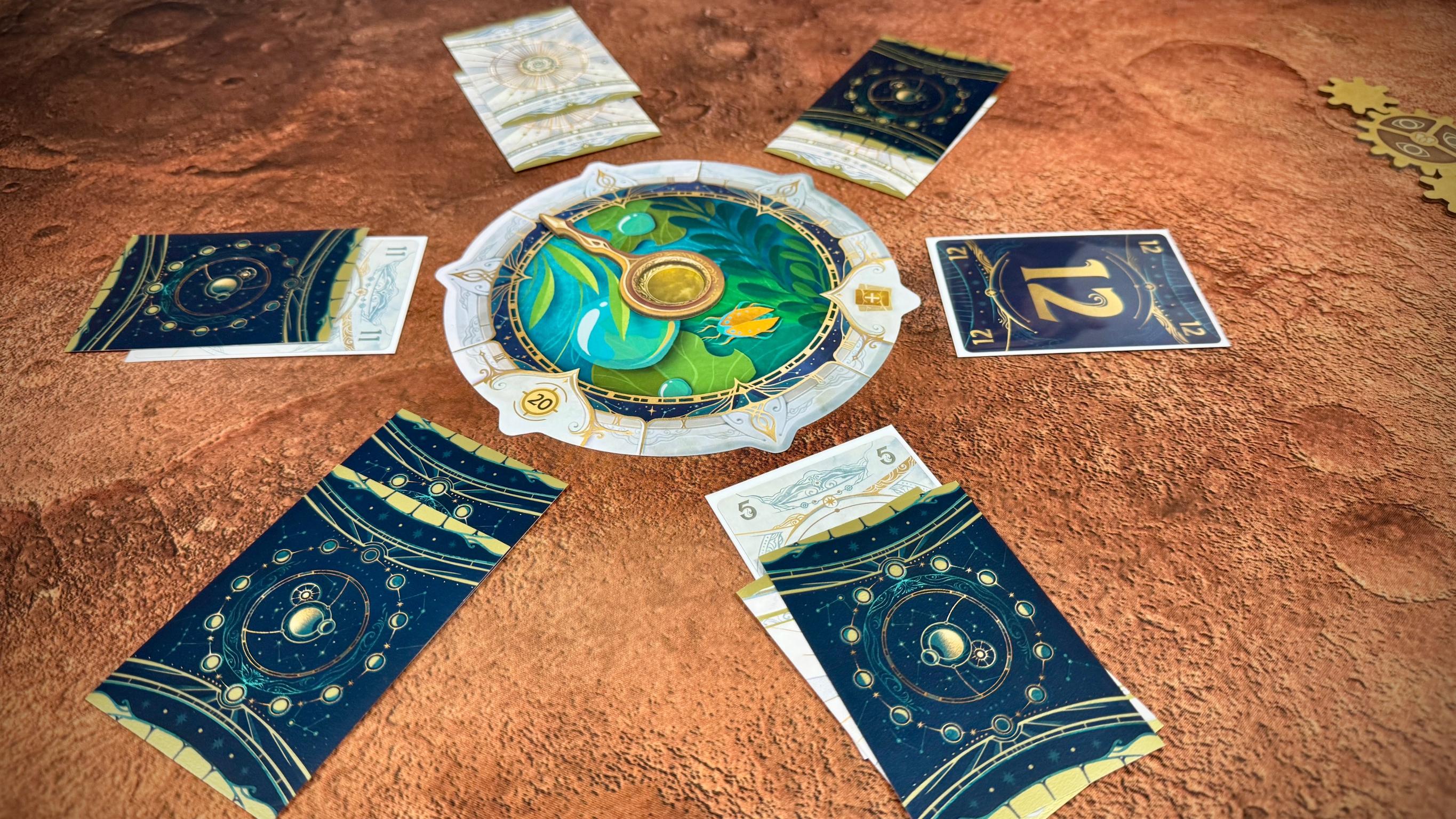
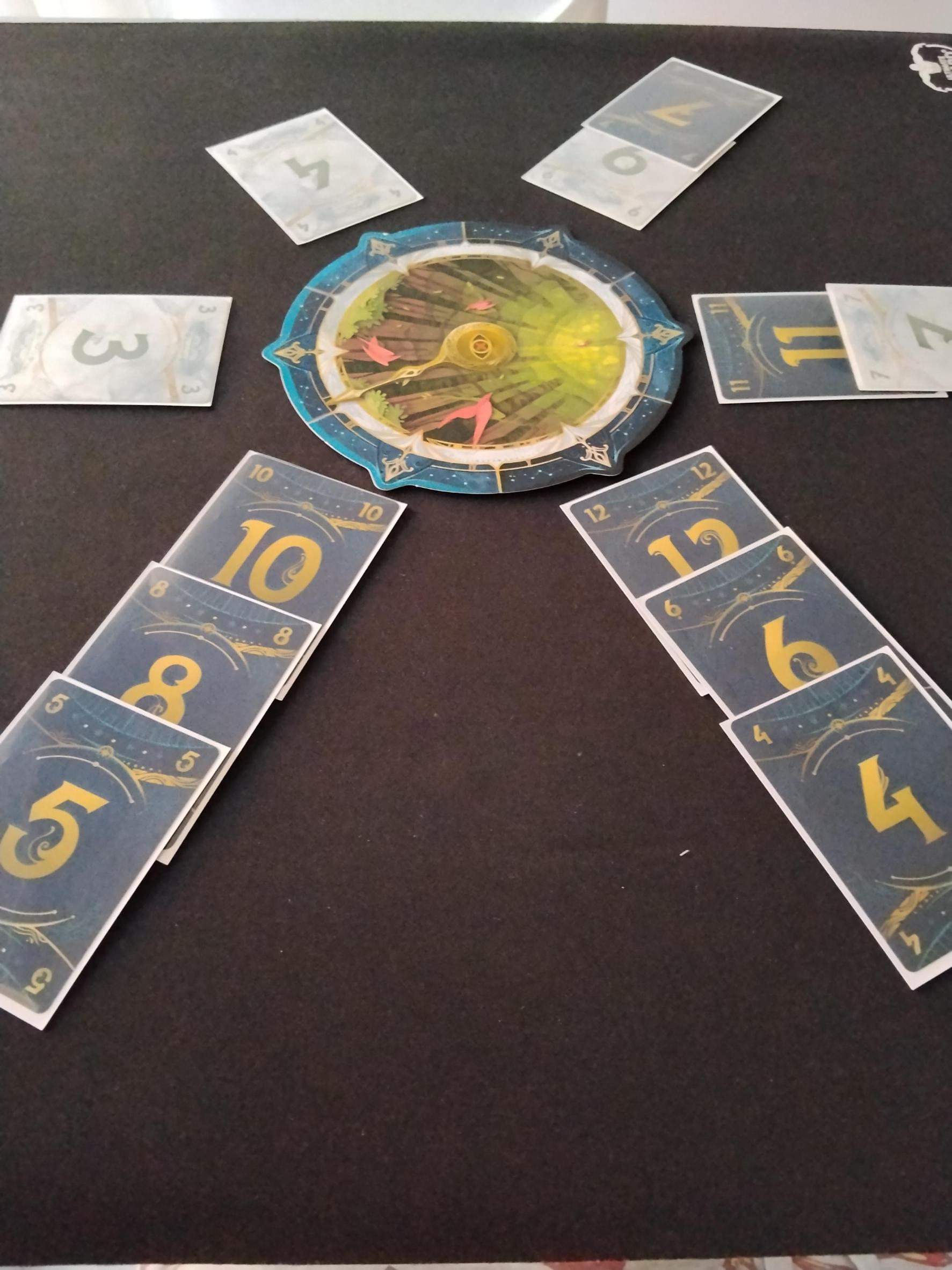
Dónde comprarlo
Precios de tiendas y copias de segunda mano, revisados cada día.
En las mesas de Ludoya
Todas las estadísticas en Ludoya- 1909
- Partidas registradas
- 388
- Jugadores
- 9m 34s
- Partida media
- 123
- En colecciones
- 26
- En listas de deseos
- 1
- En preventa
8,4/10
de 33 reseñas en Ludoya
Daniel9,0 Cuando parece que está resuelto, y te queda una sola carta piensas ( vamos a perder)
Very solid coop game with simple rules and highly rewarding
Alexandre MATHIS10,0 Découvert en mai sur un salon puis plus récemment, intensivement joué depuis : il y a ici tout ce qu'on attend d'un jeu moderne, entre amis et en famille. A ce prix vous pouvez vous l'offrir les yeux fermés, promis. Retour illustré : https://adayagame.fr/jeux-familiaux/467-test-et-avis-sur-le-jeu-take-time-le-silence-est-d-or


Dudas de reglas
Respondidas a partir del reglamento por el asistente de reglas de Ludoya.
Can I look at my cards before placing them?
No — during setup players are NOT allowed to look at their cards, and during the Discussion Phase you must not look until the discussion ends; only after Discussion do players pick up and look at their hands (pp.2, 3).
What are we allowed to say to each other during a test?
You may freely discuss strategy during the Discussion Phase (but may not devise unrelated codes or signals), and once players have looked at their cards no further table talk is allowed; communication is forbidden during the Placement Phase (pp.3, 4).
Can we place cards faceup, and how many can be faceup?
Yes — during a test the group may place up to as many faceup cards as there are eye symbols on the Reminder token, and the choice to place faceup cards cannot be openly discussed during the Placement Phase (p.4).
Does every clock segment need a card, and what counts as passing a test?
Yes — at Resolution at least one card must be next to each of the six segments; segment totals must be non‑decreasing clockwise from the Hand and each must be ≤24 (note: the first three clocks of Chapter 1 are exempt from the 24 limit) (p.5).
What do Bonus tokens do and when do we flip them?
If you fail a test you flip a Bonus token faceup; each faceup Bonus token gives the group one additional faceup card on subsequent attempts, and all Bonus tokens are flipped facedown again once the test is passed (pp.2, 5).
What happens if we skip a test — can we try it later?
To skip, flip any faceup Bonus tokens facedown and place the clock into the Sleeve of Regrets, then move on; clocks in the Sleeve of Regrets can be placed back on top of the stack for later attempts and, when completed from the Sleeve, are returned to their original sleeve (pp.5, 6).
Hojas de puntuación y ayudas de juego
- Kit de juego
- Kit de juego
- Full Game Kit
Juegos similares
 IA Puzle Espacial2025
 Perspectives2023
 The Crew: Journey to the Ends of the Earth2026
 Décorum2022
 Caza Bombas2025
 La Tripulación: Misión Mar Profundo2022
 KuZOOkA2022
 MicroMacro: Kids – Qué locura de parque2025
 El Señor de los Anillos: Las Dos Torres – El juego de bazas2026
 El Señor de los Anillos: La Comunidad del Anillo – El juego de bazas2025
 La Tripulación: En busca del noveno planeta2020
 The Gang2025
Quien lo tiene también tiene








Gratis, en web, Android e iOS
Juega a Take Time con Ludoya
- Tenlo en tu colecciónControla tu copia y sus expansiones, préstala a tus amigos o ponla en tu lista de deseos y te avisamos cuando baje de precio.Añadirlo a tu colección
- Registra cada partidaPuntuaciones, ganadores, temporizadores y fotos, y luego tus estadísticas: porcentaje de victorias, número de jugadores favorito, mejor puntuación.Registrar una partida
- Resuelve dudas de reglasPregunta lo que quieras sobre las reglas y obtén una respuesta sacada del reglamento, con la página donde comprobarla.Preguntar al asistente de reglas
- Encuentra gente con quien jugarloClubes, noches de juegos y eventos cerca de ti que sacan este juego a la mesa.Ver eventos
Datos del juego (jugadores, duración, edad, créditos) de BoardGameGeek.