
2013 · Economic
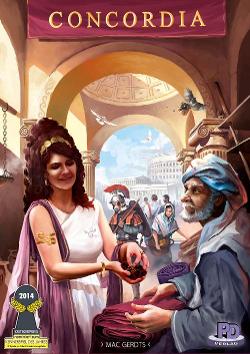
Concordia
Players lead rival merchant dynasties across the Roman world, sending colonists to settle cities and build a trade network that produces bricks, food, tools, wine and cloth. Actions are chosen from a personal card tableau that expands over the game; cards both enable actions and score victory points at the end. Players buy new cards, deliver goods along sea and land routes, construct houses, and compete for favor from ancient gods who provide endgame scoring categories. Play emphasizes economic planning, route optimization, and anticipating opponents as the modular map and changing card market create varied strategic challenges.
- Players
- 2–5 best 5
- Playing time
- 100 min
- Age
- 13+
- Complexity
- 3 / 5
About the game
- Design
- Publisher




Expansions
See them in Ludoya Concordia: Salsa2015
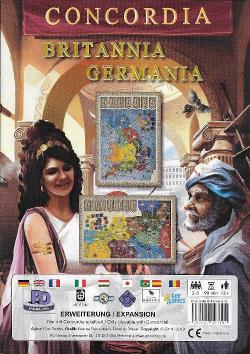 Concordia: Britannia / Germania2014
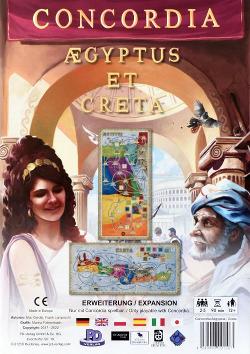 Concordia: Aegyptus / Creta2017
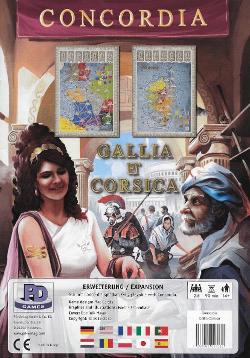 Concordia: Gallia / Corsica2016
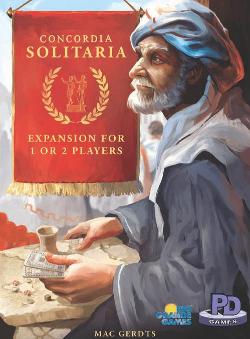 Concordia: Solitaria2021
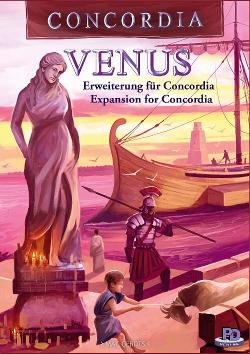 Concordia: Venus (Expansion)2018
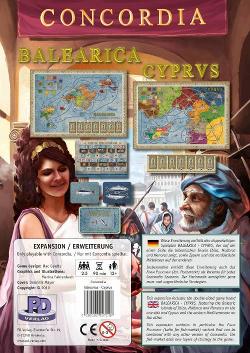 Concordia: Balearica / Cyprus2019
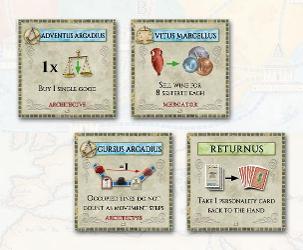 Concordia: 8 Forum Cards mini-expansion2016
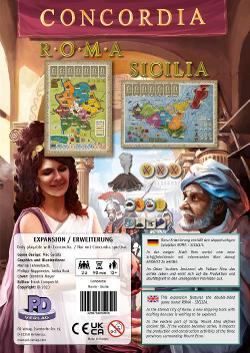 Concordia: Roma / Sicilia2023
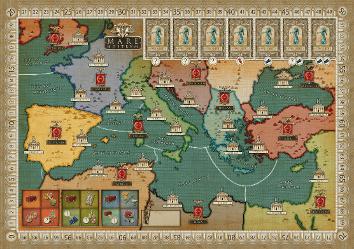 Concordia: Mare Nostrum2026
Photos from Ludoya tables
All photos in Ludoya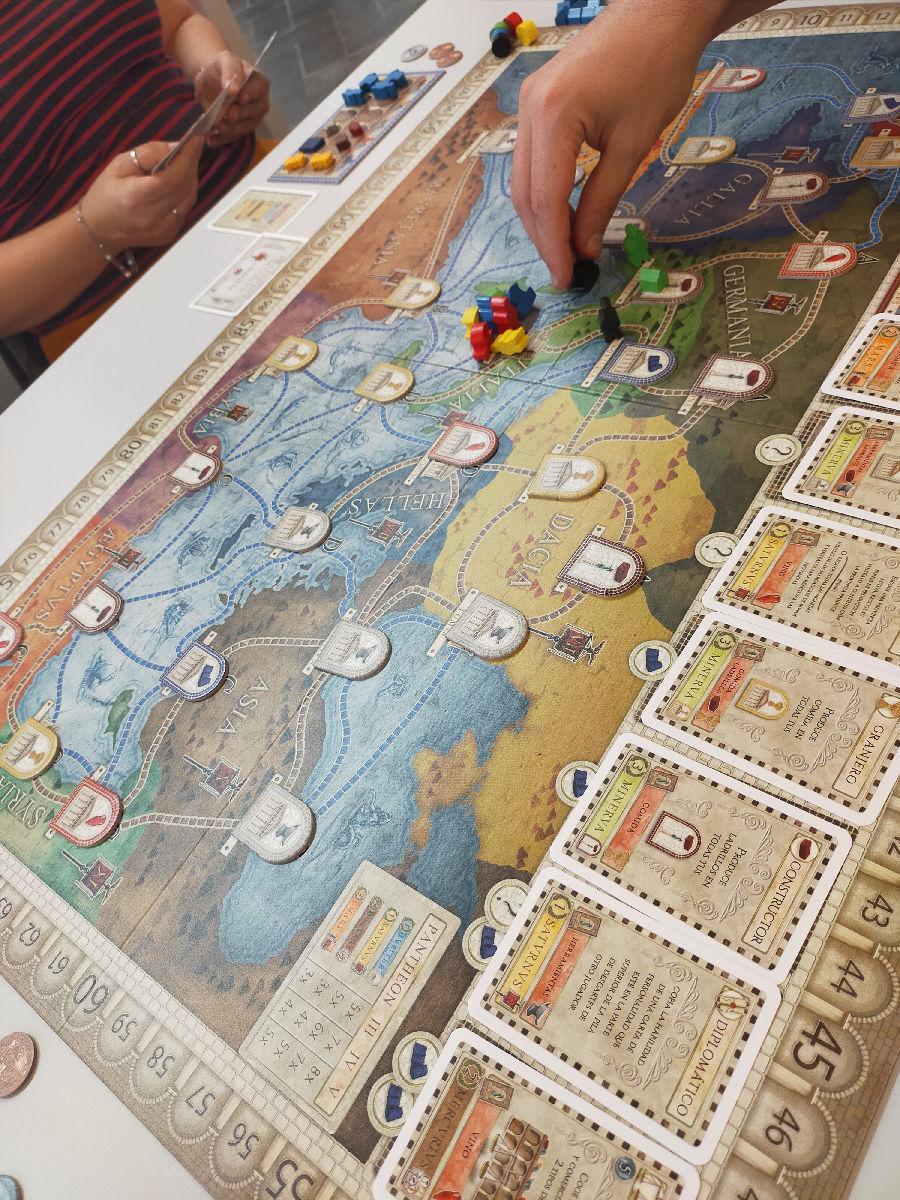
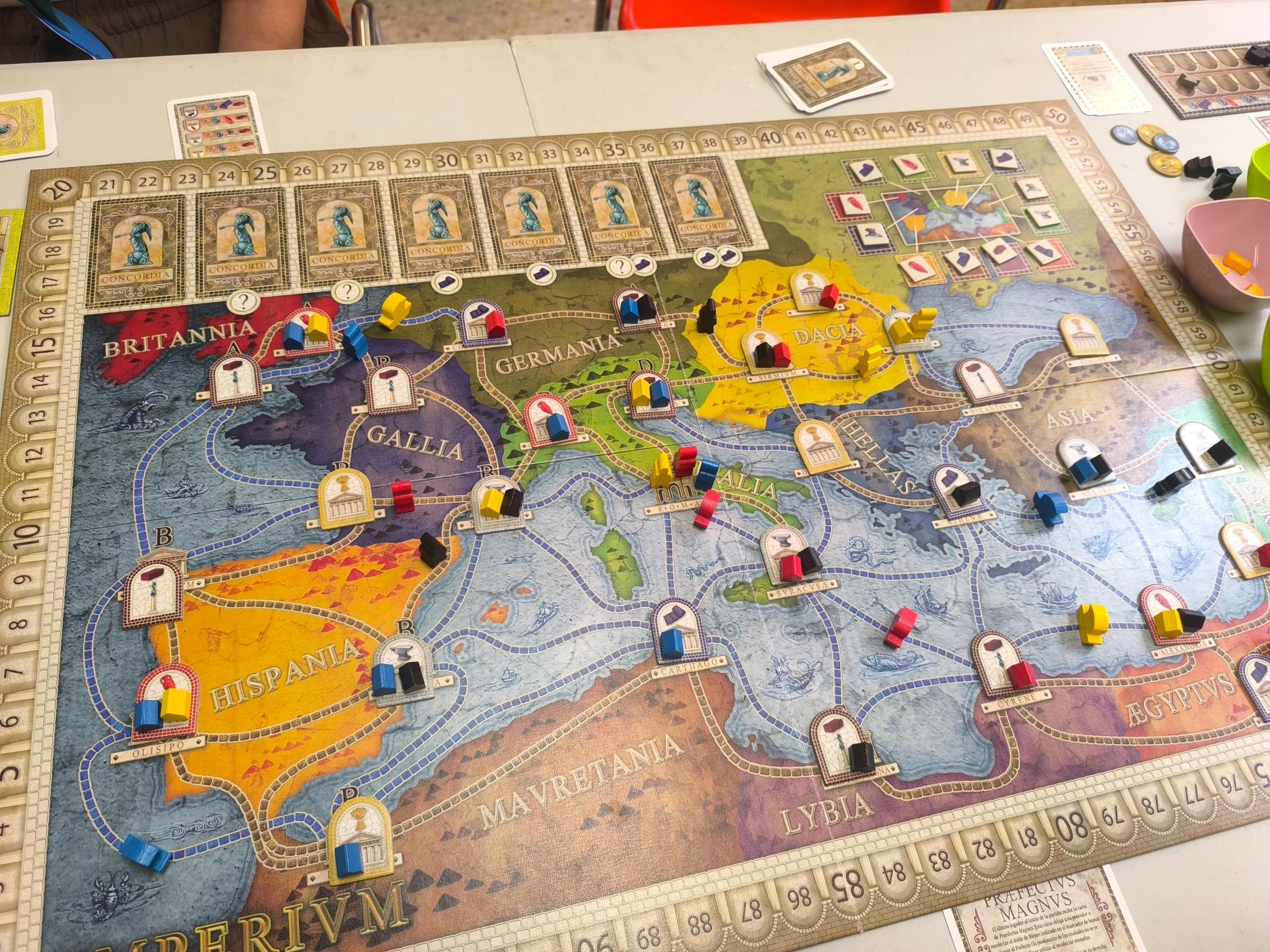
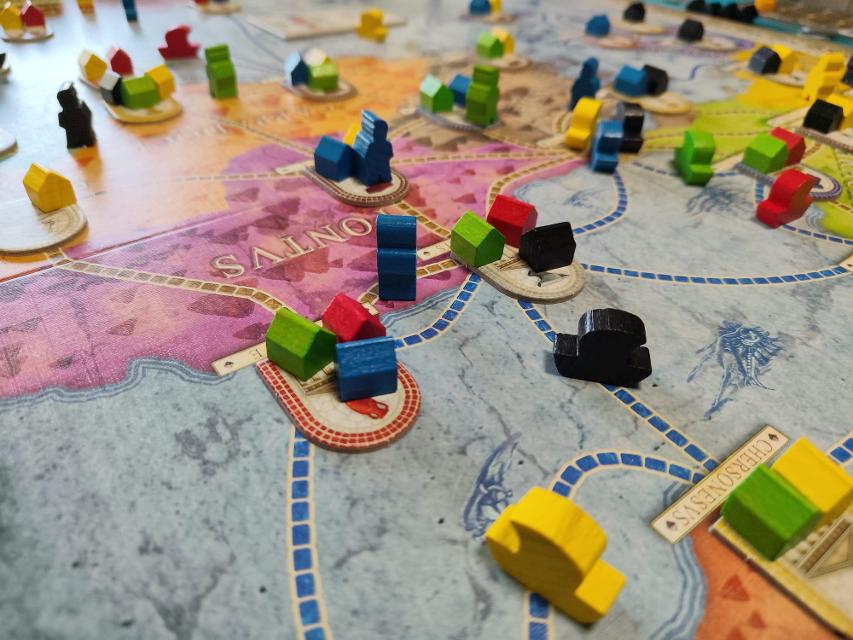
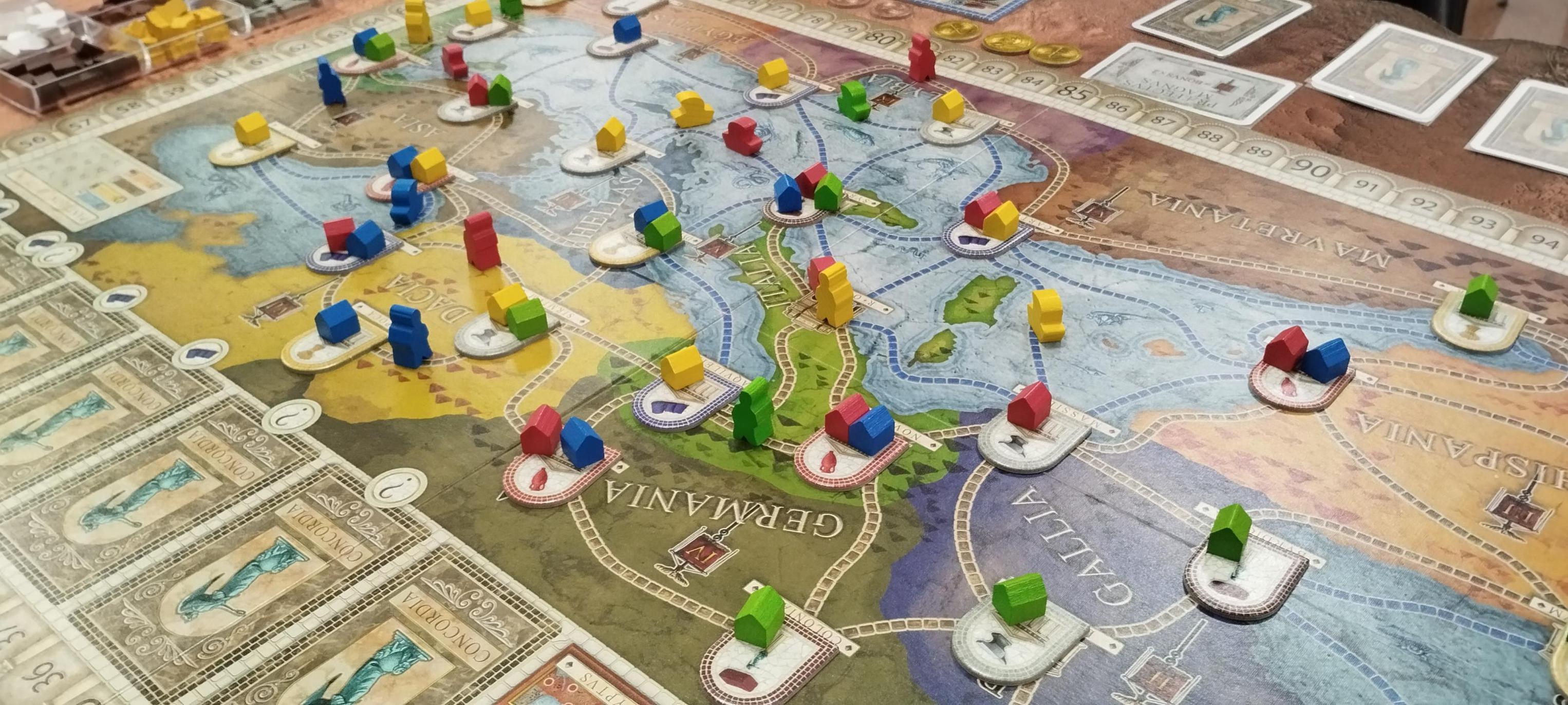
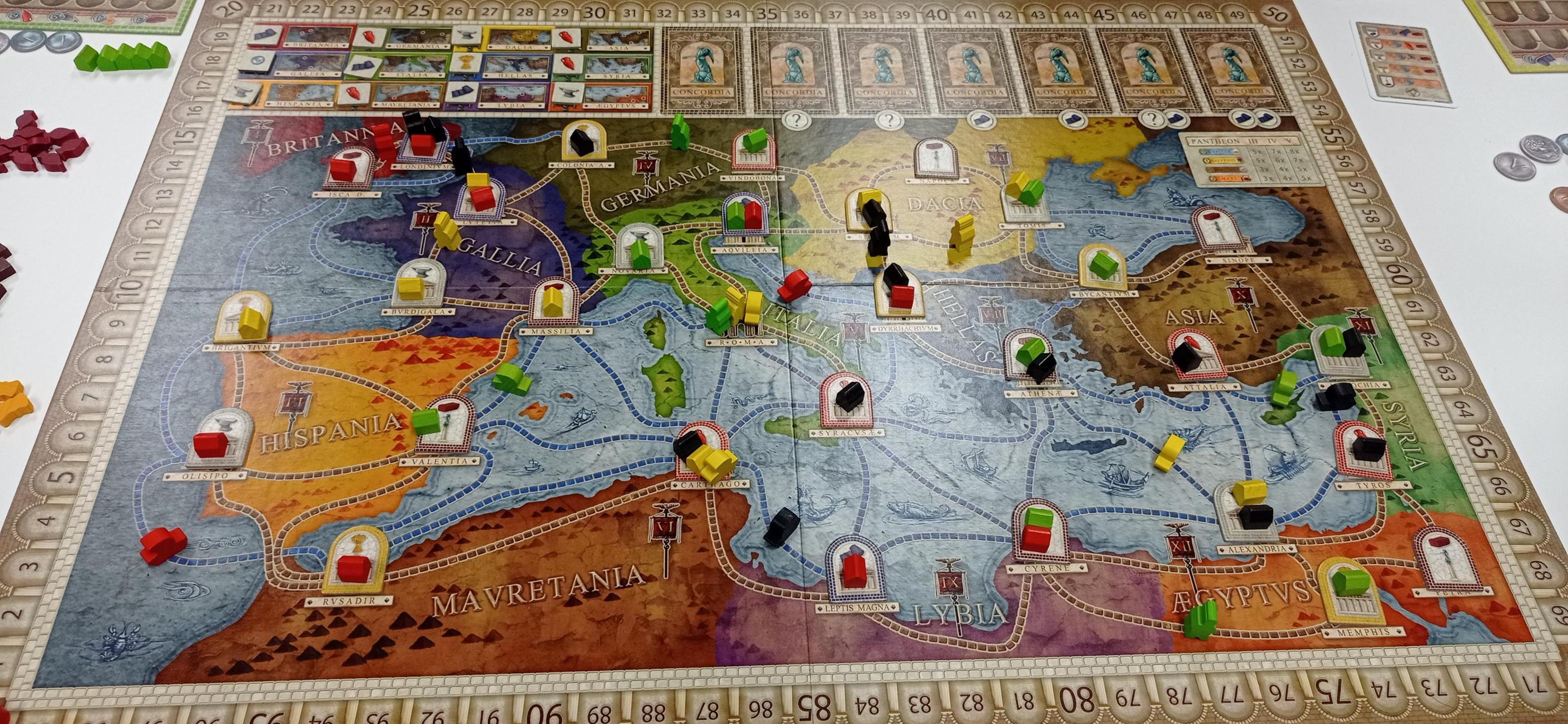
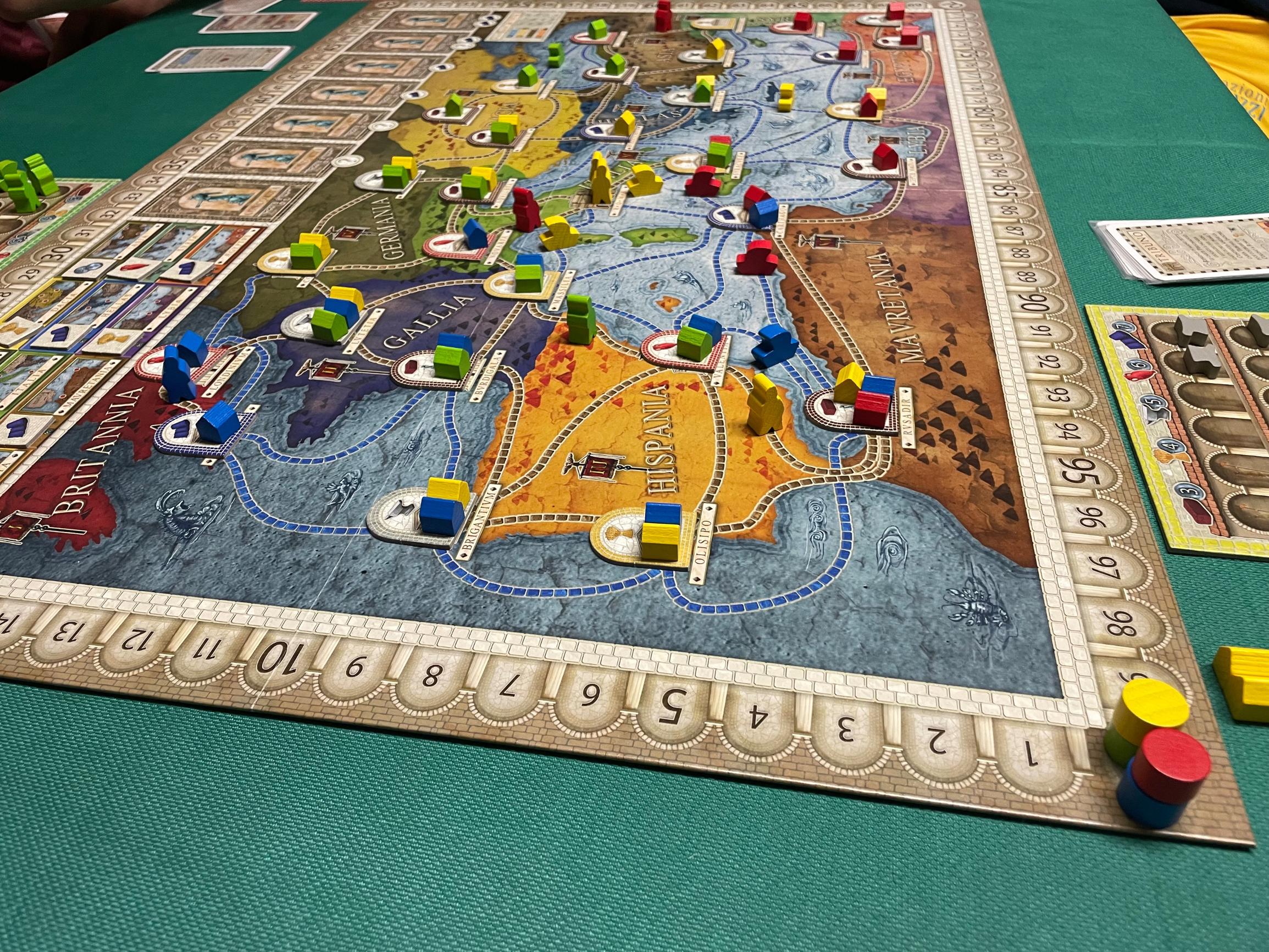
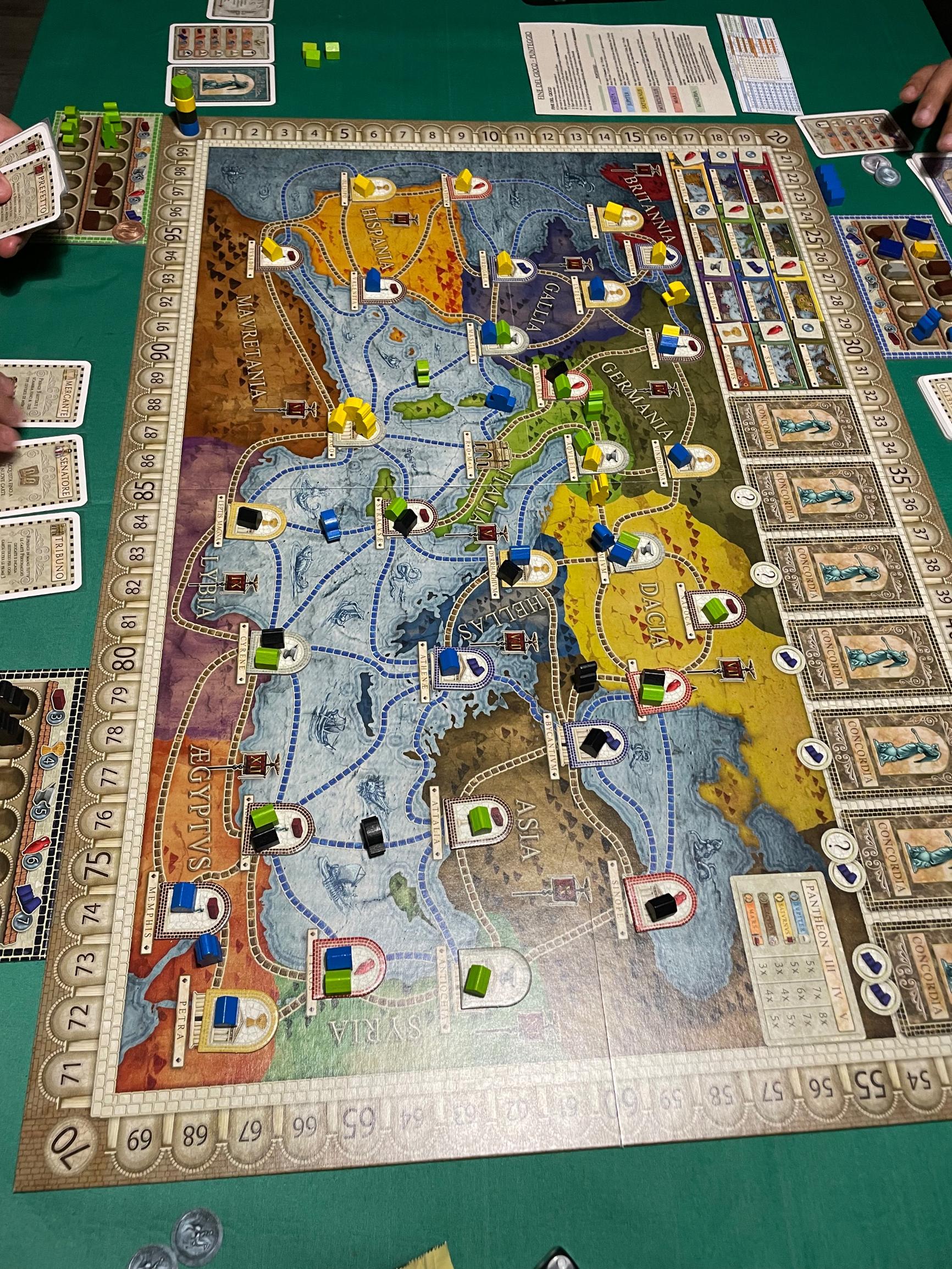
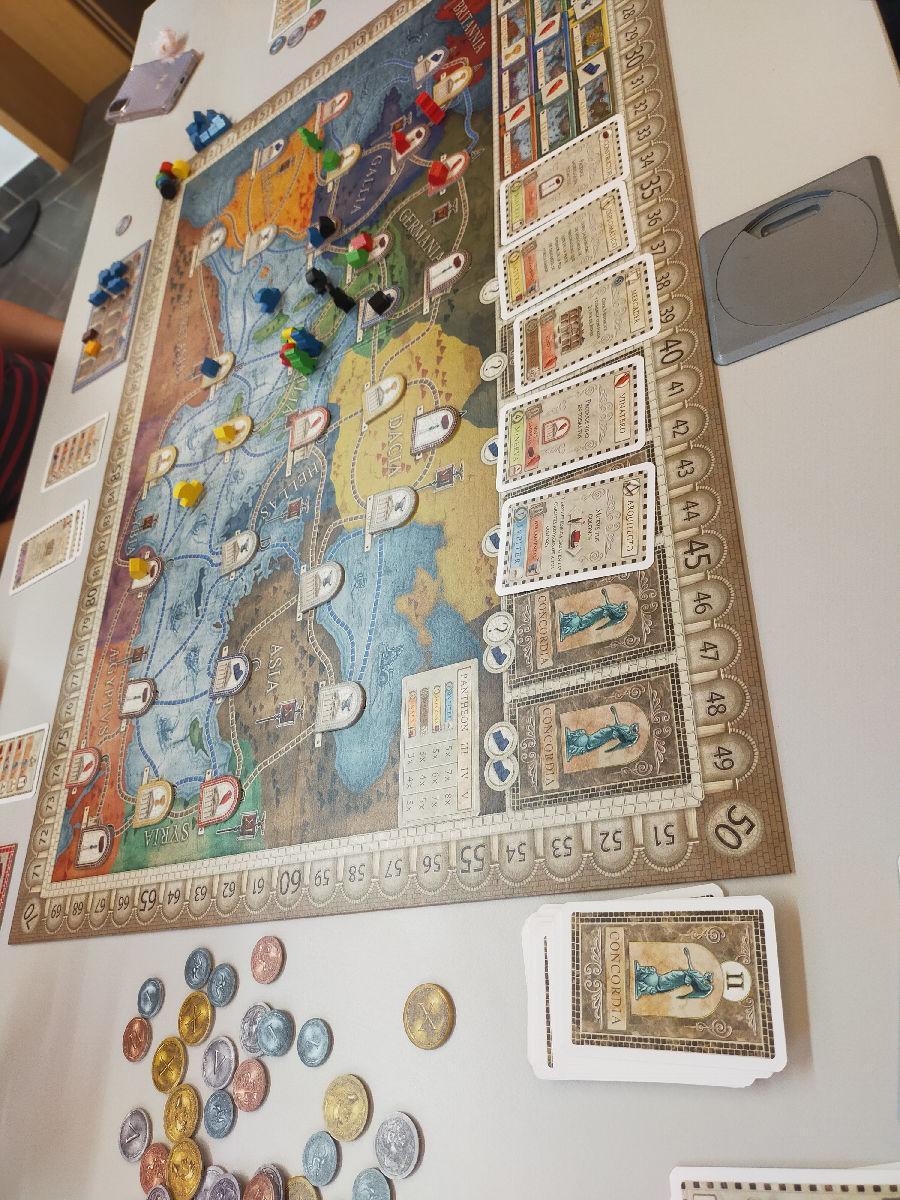
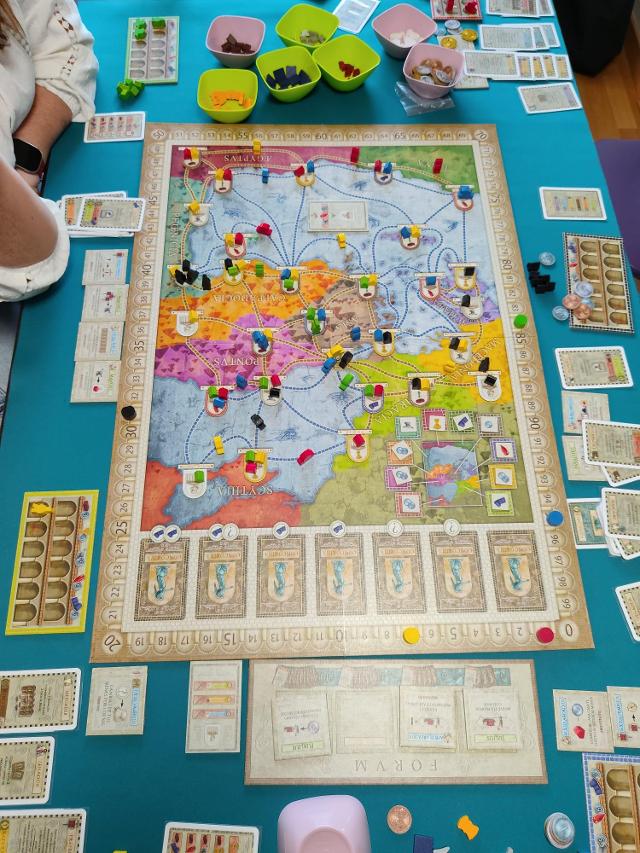
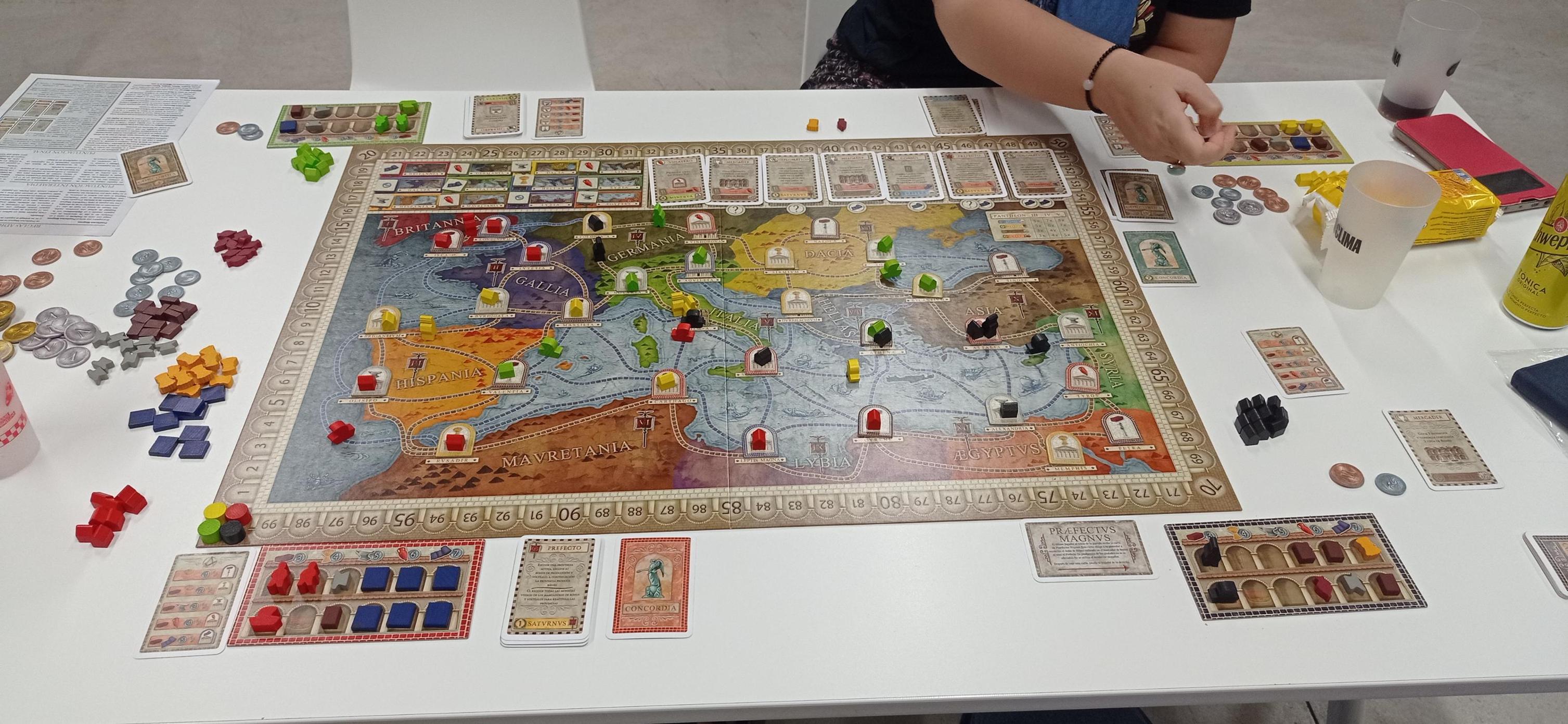
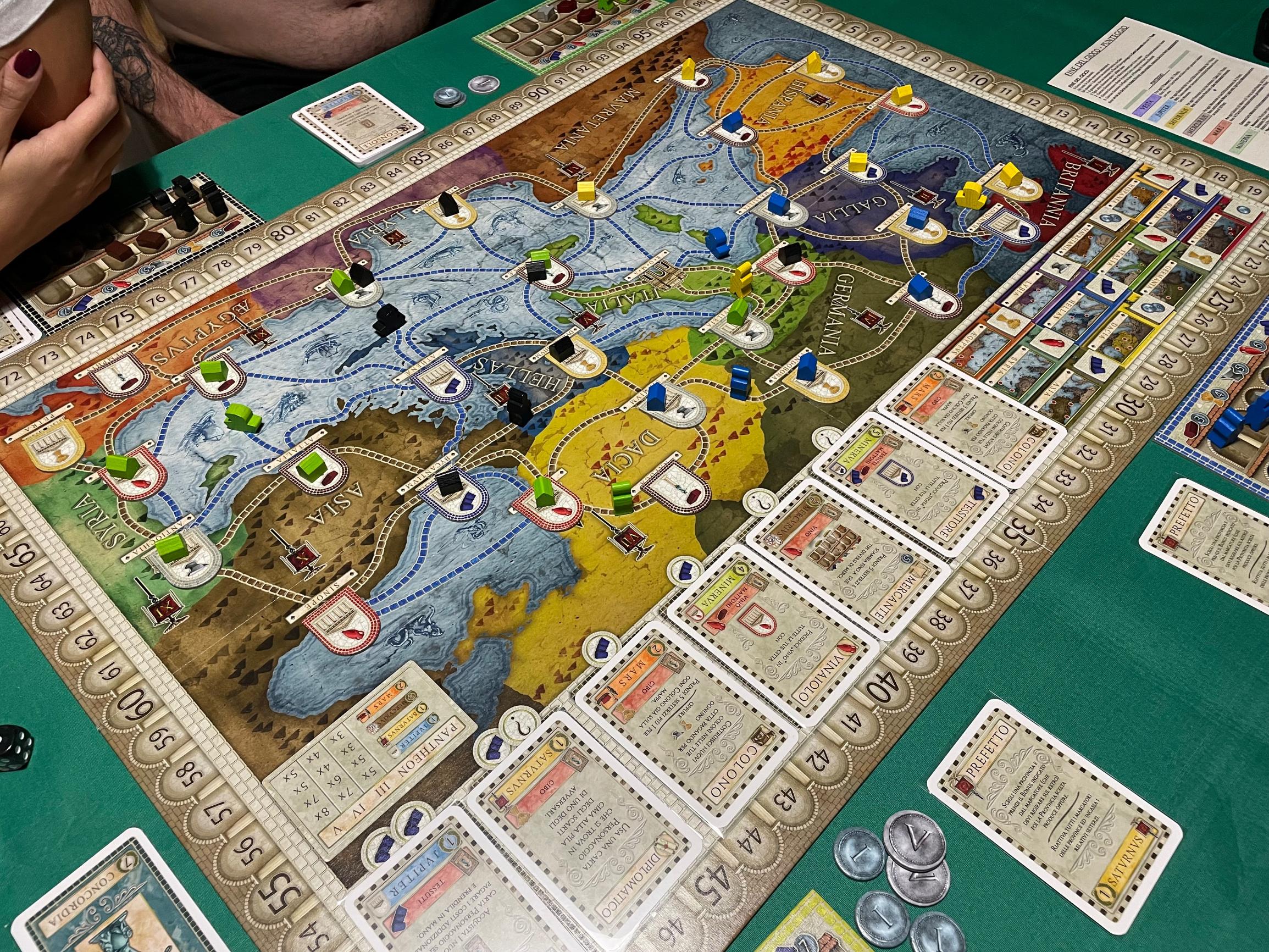
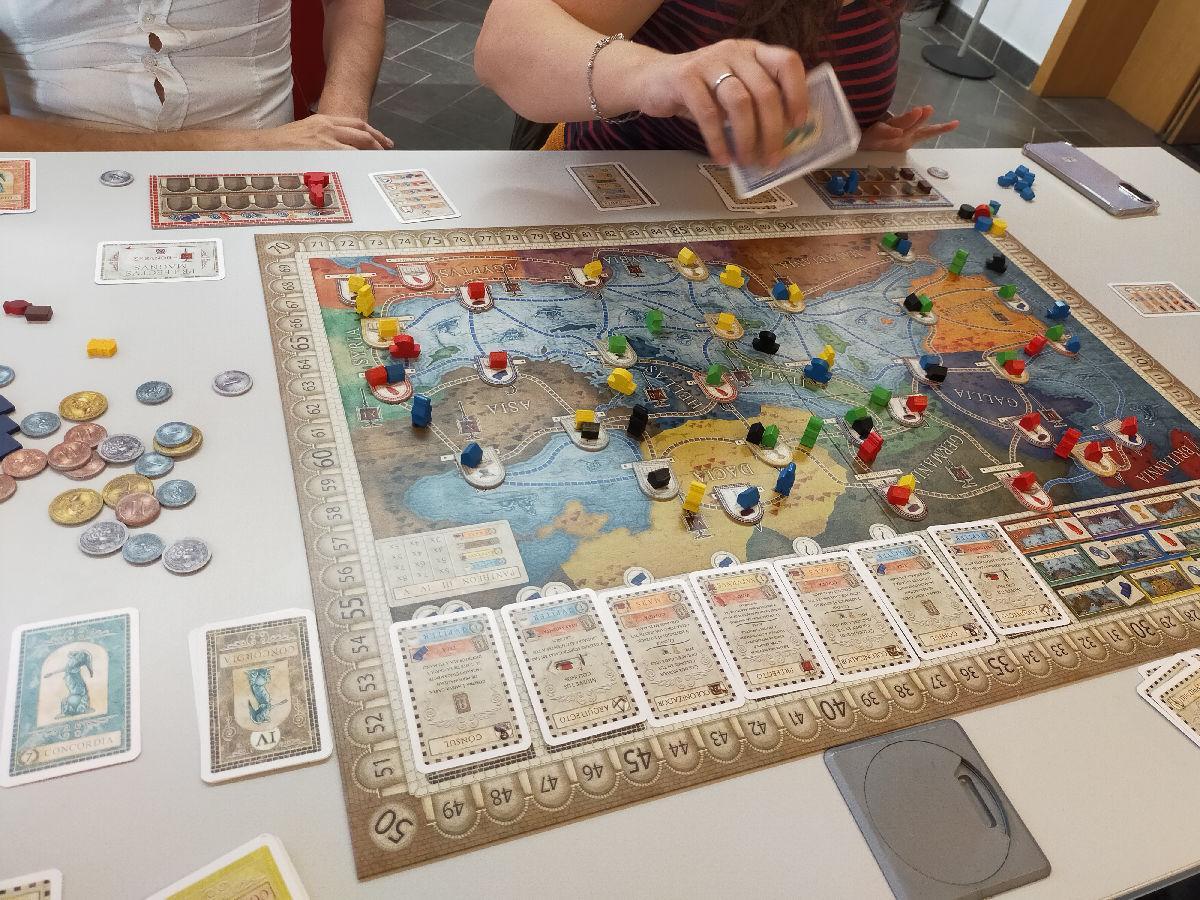
Where to buy it
Shop prices and second-hand copies, checked every day.
On Ludoya's tables
Full stats in Ludoya- 1,322
- Plays logged
- 1,453
- Players
- 1h 45m
- Average play
- 339
- In collections
- 58
- On wishlists
- 1
- Pre-ordered
8.0/10
from 209 Ludoya reviews
By player count
Garfield5.0 It can be fast, but also very slow. I usually need not more than 1min. Others needed 3-5min for one turn! You have no clue if you're good or bad, till the end. And then surprise, I won. The multipliers are too strong I think. The god theme is not very present and I'm not feeling like I'm conquering. It ended with no one producing in regions because there were also others present. And don't play it with 5 players. I would recommend 3. [c] Theme: ★★☆☆☆ <!-- size 7]Not much --> Gameplay: ★★☆☆☆ <!-- size 7]Rinse repeat feeling --> Interaction: ★★☆☆☆ <!-- size 7]Not much --> Artwork: ★★☆☆☆ <!-- size 7]Nothing special --> Luck: ★★☆☆☆ <!-- size 7]Just a little bit --> Strategy: ★★★☆☆ <!-- size 7]Just a little bit --> Components: ★★★☆☆ <!-- size 7]Nice wooden goods --> Play duration: ★★☆☆☆ <!-- size 7]Way too long --> Easy to teach: ★★☆☆☆ <!-- size 7]A lot to teach --> Rules quality: <!-- size 7]not read --> Setup time: ★★☆☆☆ <!-- size 7]Takes a little bit... --> No downtime: ★☆☆☆☆ <!-- size 7]Risk of AP --> Replay value: ★★☆☆☆ <!-- size 7]Collect different cards for victory --> [/c]
No plays logged
Mohasz7.0 I've been holding off, because I'm not sure how it is with 2 players. Looks like an easy to learn game with a lot of depth. Our first play was alright (2p). I can imagine this would be considerably better at 3 or 4 players. Also, we didn't really know what we were doing, so I hope we can give it another go later. I must say I hate the long box size, though... With the digital version coming later this year, I feel like I really don't need this game in my collection.
No plays logged
Mestremuten8.0 Rating: 4/5 Production value: 3/4 Is the game in my collection/Love to have?: 1/1
Played it 8 times
Rules questions
Answered from the rulebook by Ludoya's rules assistant.
On my turn, can I play more than one card?
No. Play one personality card from your hand and carry out its action; played cards stay in your discard pile until you use Tribune to take them back (Rulebook, p. 1).
When I use Tribune, do I get money, and can I build a colonist too?
You recover all cards in your discard pile; if you take back more than three cards, including Tribune, you receive 1 sestertius for each card beyond the third. You may also pay 1 food and 1 tool to place one new colonist in Roma (Rulebook, p. 1).
When I choose Prefect, do all houses produce, or just mine?
When you choose a province to produce, every house there produces one good matching its city, regardless of owner, and you also take the province marker’s bonus good. Alternatively, take 1 sestertius for each visible coin on the province markers, then flip all markers back to their goods sides (Rulebook, p. 2).
How many steps do I get with Architect, and can I build before moving?
You get movement steps equal to the number of your colonists on the board, and may allocate them among your colonists; movement happens before building. You may then build in cities adjacent to your colonists, paying the listed goods and coins; the coin cost is multiplied by the number of houses that will be in that city (Rulebook, p. 2).
Can I keep goods in my storehouse if it’s full, or trade them with another player?
No. Each of the 12 spaces holds either one colonist or one good; you cannot discard goods to make room, and you cannot trade goods with other players. If you receive more goods than fit, choose which goods to take, but fill every available space (Rulebook, p. 4).
When does the game end, and do the other players still get a turn?
The game ends when someone builds their 15th house or buys the last card from the display; that player takes the Concordia card worth 7 VP. Every other player then takes one final turn before final scoring (Rulebook, pp. 1, 4).
Official score sheet
Concordia score sheet
Every scoring category, from the Ludoya kit. On your phone the totals add up by themselves.

People who own it also own




Free, on web, Android and iOS
Play Concordia with Ludoya
- Keep it in your collectionTrack your copy and its expansions, lend it to friends, or put it on your wishlist and get told when the price drops.Add it to your collection
- Log every playScores, winners, timers and photos, then your stats: win rate, favourite player count, best score.Log a play
- Settle rules questionsAsk anything about the rules and get an answer from the rulebook, with the page to check it on.Ask the rules assistant
- Find people to play it withClubs, game nights and events near you that bring this game to the table.See events
Game facts (players, playing time, age, credits) from BoardGameGeek.