
2016 · Costruzione di città
Rhodes
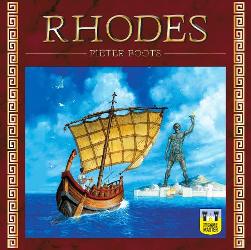
I giocatori vestono i panni di mercanti e agricoltori dell’antica Rodi: producono olive, uva, grano e latte di capra, e inviano le merci alle navi nel porto per venderle. Un mercato dinamico e condiviso adegua i prezzi quando arrivano le navi; i giocatori scelgono se vendere subito o conservare le merci per dopo, influenzando sia il valore di mercato sia i guadagni degli altri giocatori. Il gioco mette in risalto scelte tattiche e strategiche legate alla produzione, all’interazione con il mercato e all’ordine di turno, offrendo la possibilità di espandere i terreni, sviluppare abilità che permettono di bypassare i mercati o manipolare l’offerta per creare scarsità. L’elevata interazione tra i giocatori e le condizioni di mercato in continuo cambiamento creano dilemmi ricorrenti; gli approcci equilibrati tendono generalmente a superare le strategie troppo unilaterali.
- Giocatori
- 2–5 ideale in 3
- Tempo di gioco
- 60–90 min
- Età
- 10+
- Complessità
- 2,7 / 5
Il gioco
- Autori
- Illustrazioni
- Publisher


Espansioni
Vedile in Ludoya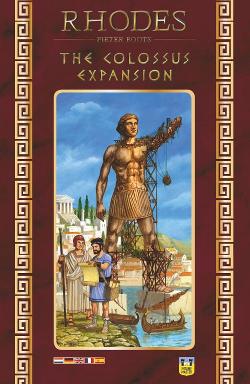
Foto dai tavoli di Ludoya
Tutte le foto in LudoyaDove comprarlo
Prezzi dei negozi e copie usate, controllati ogni giorno.
Sui tavoli di Ludoya
Tutte le statistiche in Ludoya- 17
- Partite registrate
- 37
- Giocatori
- 1h 48m
- Partita media
- 11
- Nelle ludoteche
5,0/10
da 6 recensioni Ludoya
Evan4,6 This is a nice, lighter euro where players are trying to fulfill recipe cards. The way this happens is pretty interesting. There's a communal "grow" action where a player takes the action spot and then chooses two types of fields that will generate new goods, along with assigning a quantity tile to each of those types. Then the number of goods produced gets distributed evenly among all players who can grow that type of good, starting with the person who took the action. Then, with another action, players put their goods on boats in the center of the board. When someone wants to complete a recipe, they can buy goods from any of the boats they want, paying the people they took the goods from. The recipe tiles have some nice points on them, and they also act as the endgame timer, but points can also come from bonus buildings, or by just spending money on the relevant action spot. There's some really nice tension about wondering if players will buy your goods, or if they'll sit on the line of boats, slowly getting pushed ahead in line, becoming cheaper and cheaper. If they happen to reach the end of the line, you get to keep them for free, which is really cool. Timing the push of the boats is a lot of fun. All that being said, I felt like the game didn't have enough complication or excitement for me. Even though I was amped enough for this game that I ordered a copy from europe, I decided to sell it, as I have other games that play in about this time that I liked better. I think one of the things that made me shy away in the end was that many of the buildings you can construct didn't seem very interesting. I could see how they would be helpful to you, but the bonuses seemed small and somewhat mundane. If those had been a little wilder, I think this would have been a hit. :star: Art, Iconography and components functional :star: Clever or interesting mechanisms :star: Reasonably low downtime between turns with mildly AP players :nostar: Multiple plays stay interesting :star: Low or mitigatable luck elements :star::star::nostar::nostar::nostar: Raw enjoyment
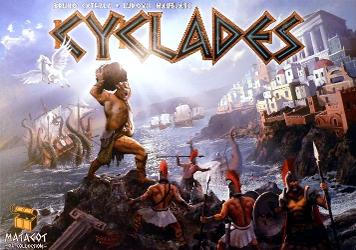
Giochi simili



Gratis, sul web, Android e iOS
Gioca a Rhodes con Ludoya
- Tienilo nella tua ludotecaTieni traccia della tua copia e delle sue espansioni, prestala agli amici o mettila nella lista dei desideri e ricevi un avviso quando il prezzo scende.Aggiungilo alla tua ludoteca
- Registra ogni partitaPunteggi, vincitori, timer e foto, poi le tue statistiche: percentuale di vittorie, numero di giocatori preferito, miglior punteggio.Registra una partita
- Segna i punti senza cartaUsa i fogli punteggio e gli assistenti di gioco della community e lascia che Ludoya sommi i punti.Trova fogli punteggio
- Trova persone con cui giocarloClub, serate di gioco ed eventi vicino a te che portano questo gioco in tavola.Vedi gli eventi
Dati del gioco (giocatori, durata, età, crediti) da BoardGameGeek.