

2018 · Economico
Smartphone Inc.
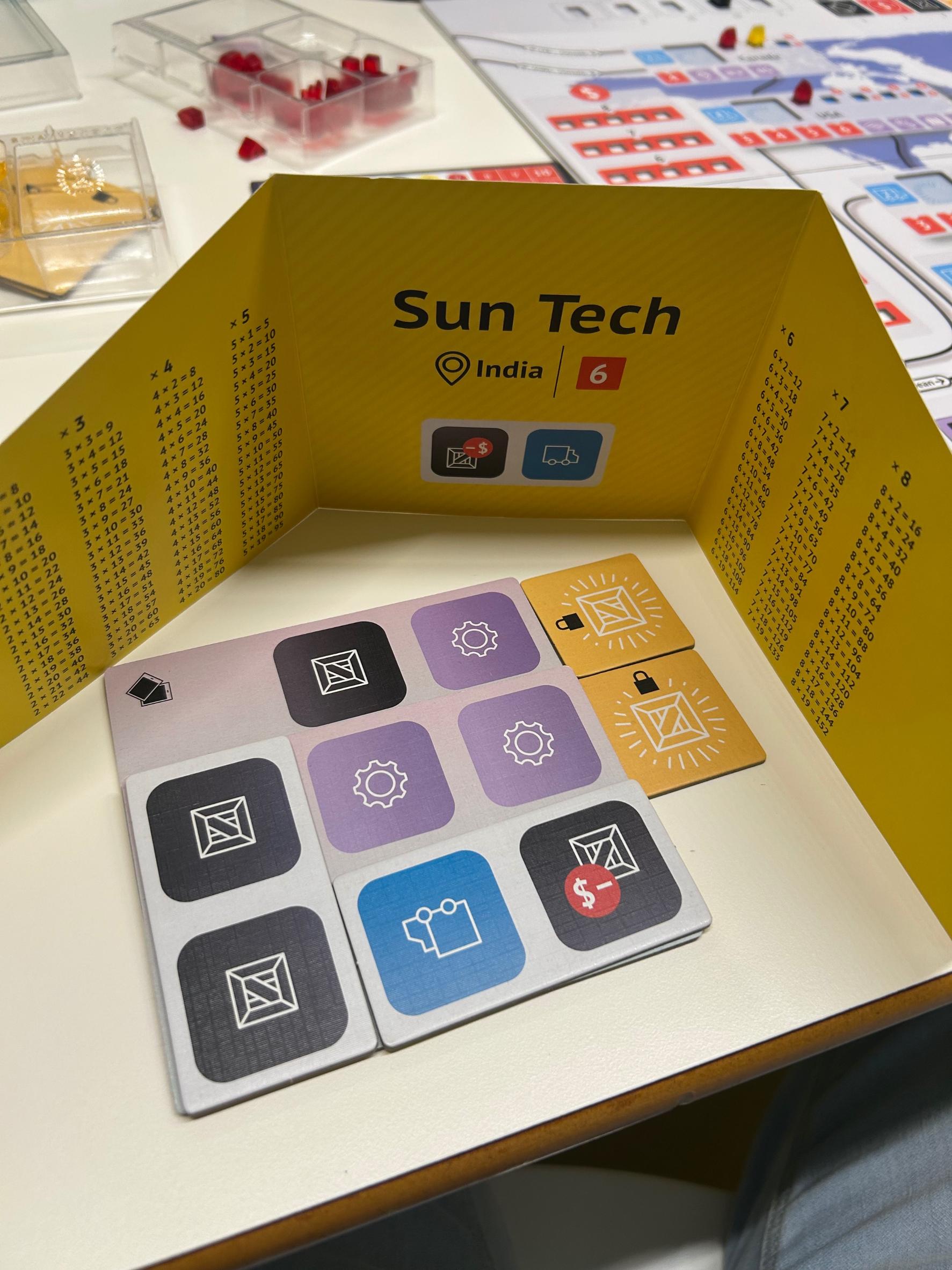
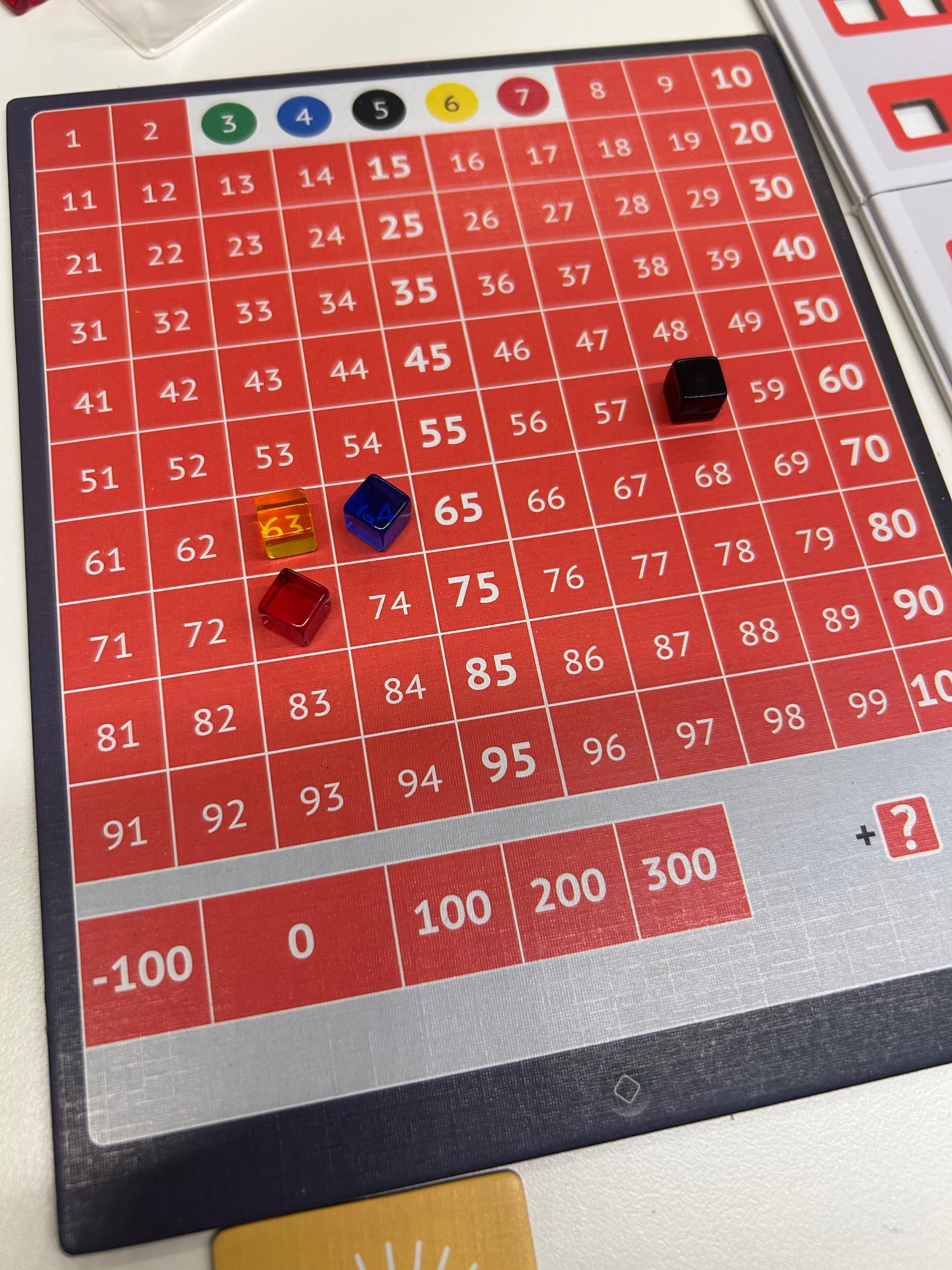
I giocatori vestono i panni degli amministratori delegati delle prime aziende di smartphone e competono per creare l’attività globale più redditizia nel corso di cinque round. In ogni round, i giocatori pianificano simultaneamente le proprie azioni sovrapponendo due carte piano e tessere sviluppo, poi fissano i prezzi, producono telefoni, sviluppano nuove funzionalità, ricercano tecnologie, espandono gli uffici nelle regioni confinanti e vendono nei mercati in cui sono presenti. Il prezzo influenza l’accesso ai mercati e l’ordine di vendita; le regioni hanno spazio limitato, quindi i rivali che offrono prezzi più bassi possono bloccare le offerte più care. Si incassano entrate dai telefoni venduti e dai bonus regionali, e dopo cinque round vince il giocatore più ricco.
- Giocatori
- 1–5 ideale in 5
- Tempo di gioco
- 60–90 min
- Età
- 14+
- Complessità
- 2,8 / 5
Il gioco
- Autori
- Illustrazioni
- Publisher


Espansioni
Vedile in Ludoya

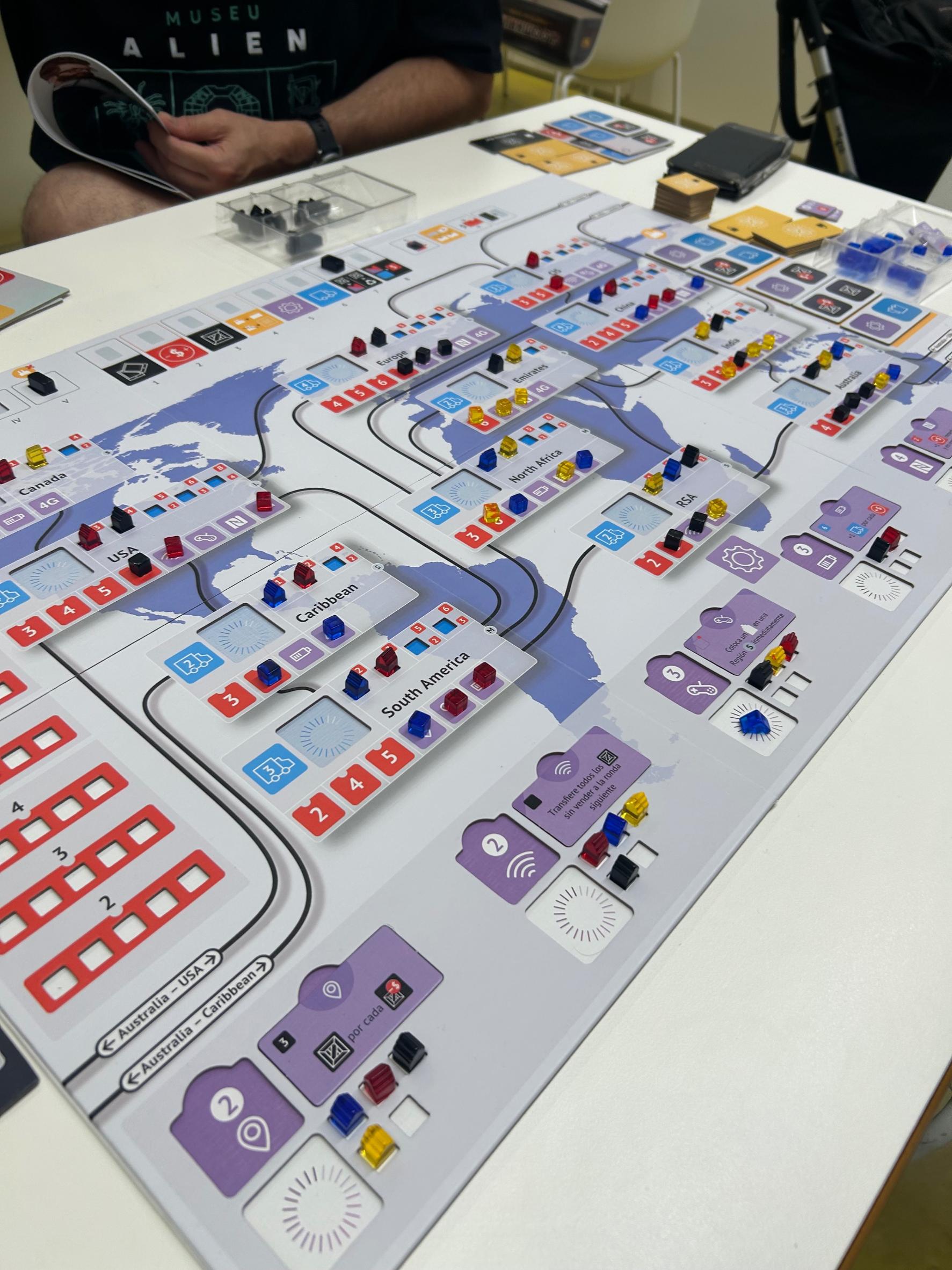
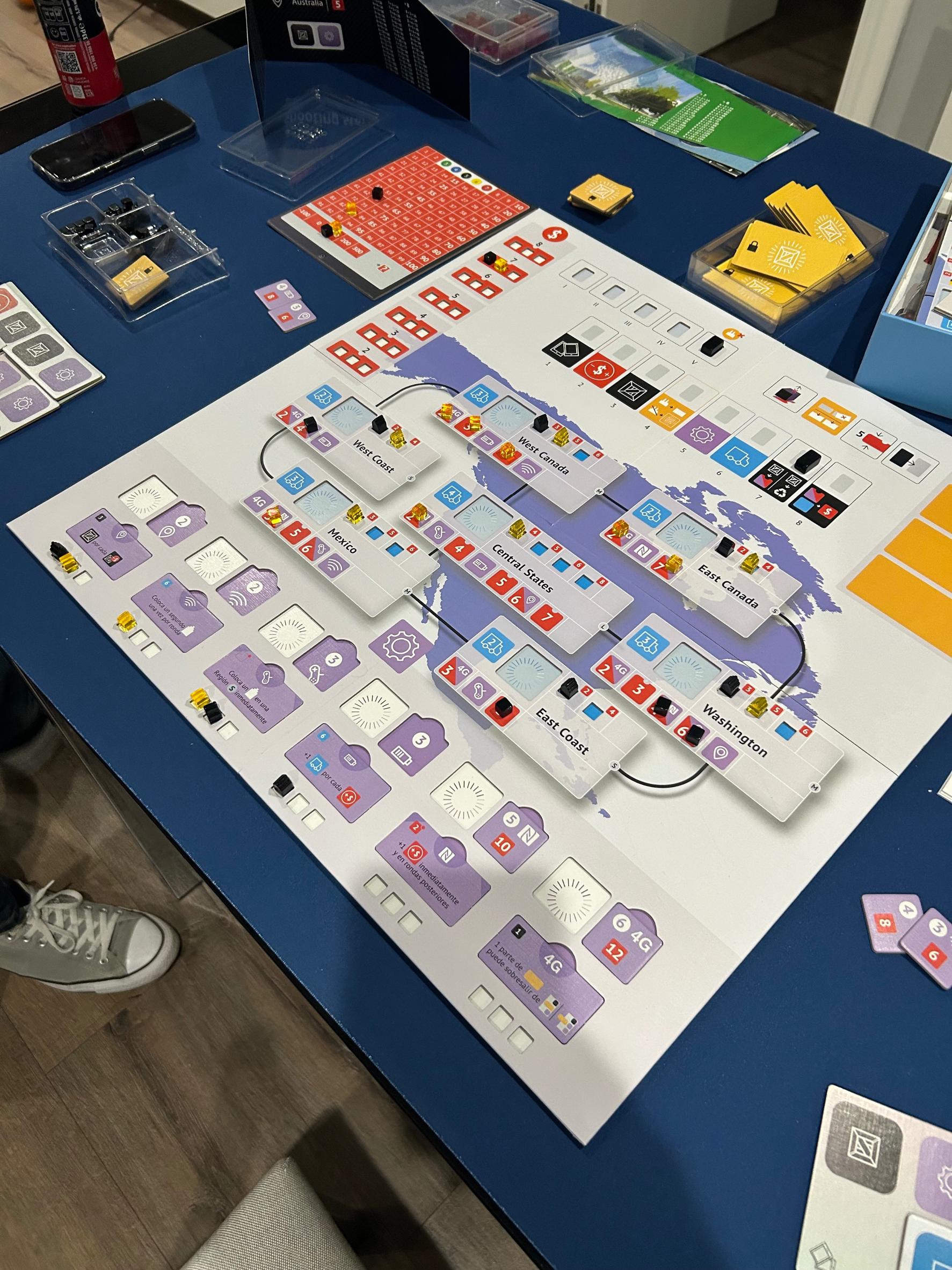
Foto dai tavoli di Ludoya
Tutte le foto in Ludoya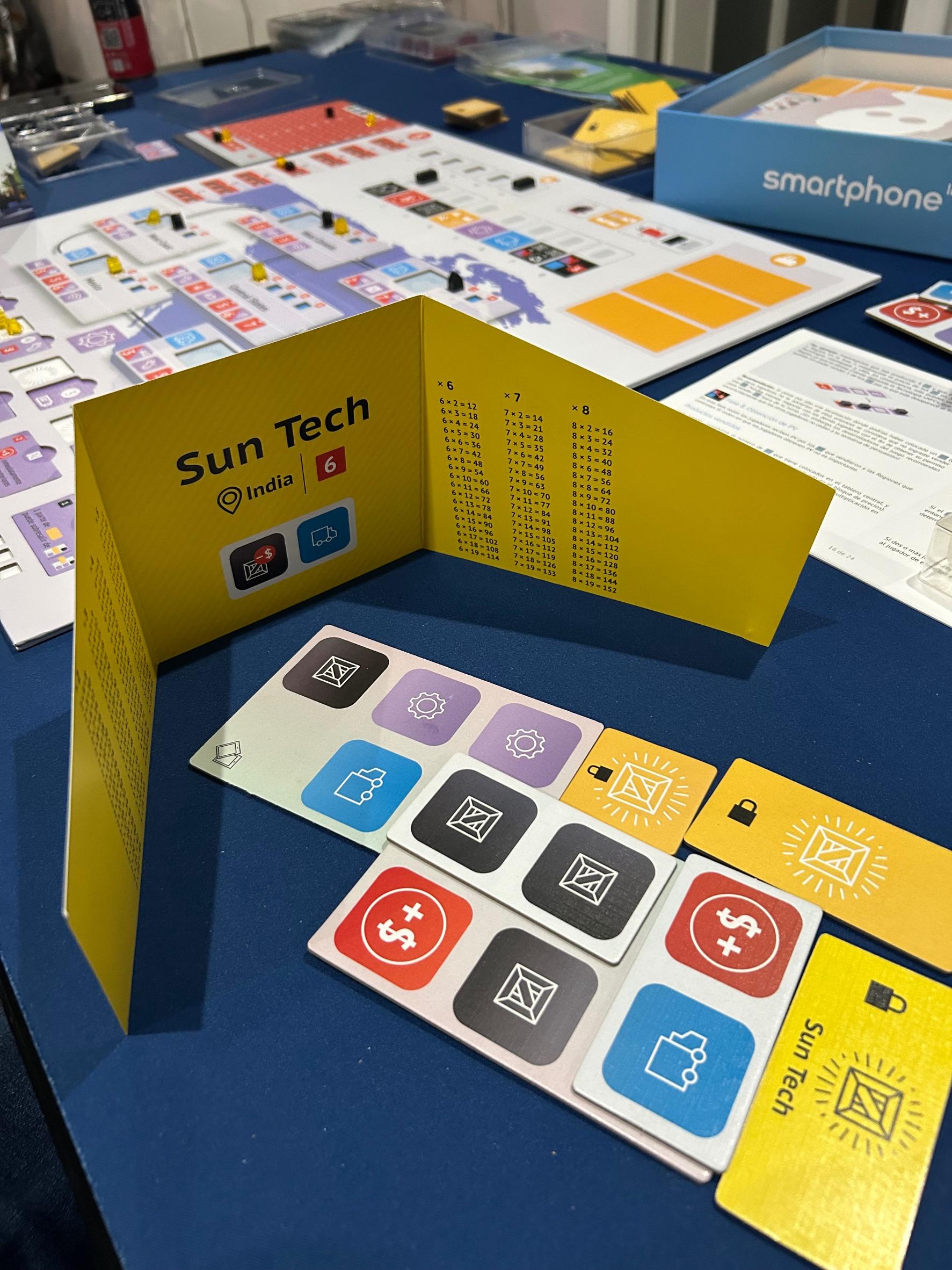

Dove comprarlo
Prezzi dei negozi e copie usate, controllati ogni giorno.
Sui tavoli di Ludoya
Tutte le statistiche in Ludoya- 273
- Partite registrate
- 433
- Giocatori
- 1h 25m
- Partita media
- 95
- Nelle ludoteche
- 20
- Nelle liste dei desideri
7,7/10
da 46 recensioni Ludoya
Vic Granell8,0 Very solid strategy euro game!!! I was a bit hesitant because of the theme, but I'm glad I got it!
Garfield9,0 #41 Great economic game! Outstanding action selection mechanism. Very hard competition as in real life... [c] Theme: :star::star::star::star::star: <!-- size 7]You feel the competition --> Gameplay: :star::star::star::star::star: <!-- size 7]Interesting and meaningful decisions --> Interaction: :star::star::star::star::star: <!-- size 7]Competition all the time --> Artwork: :star::star::star::star::nostar: <!-- size 7]Very nice and elegant --> Luck: :star::nostar::nostar::nostar::nostar: <!-- size 7]No --> Strategy: :star::star::star::star::nostar: <!-- size 7]Pure strategy --> Components: :star::star::star::star::nostar: <!-- size 7]Very good --> Play duration: :star::star::star::star::nostar: <!-- size 7]Very good --> Easy to teach: :star::star::star::nostar::nostar: <!-- size 7]Ok (30min) --> Rules quality: :star::star::star::star::nostar: <!-- size 7]Ok(12 questions) --> Setup time: :star::star::star::nostar::nostar: <!-- size 7]Ok --> No downtime: :star::star::star::star::nostar: <!-- size 7]Plays fast --> Replay value: :star::star::star::star::nostar: <!-- size 7]Different action tiles, technologies, starting location --> [/c]
Evan5,9 In this game players get two boards. Simultaneously they secretly overlap the boards in such a way that they cover 1 to 4 spaces. Then the icons that remain determine what you do that turn. Generally you produce cubes, place new houses along connected routes and research special abilities which also give you more opportunities to sell cubes. The key parts of the game involve setting a price for your cubes at the beginning of the turn and then the act of placing your produce cubes into sale spaces. Turn order goes from cheapest cubes to most expensive, and each board location has a majority scoring for who has the most cubes sold. There's a solid and enjoyable tension between wanting to sell for more vs selling cheaper to be able to sell sooner and in theory into more spots. The game feels like it needs to be exactly 5 players to function well as with 4 there are areas of the map that seem to become dominated by a single player, even when some spaces get closed off by starting setup tokens. Additionally, all the interesting decisions get made during the first half of the round, yet the second half is just raw processing and resolving and that takes up most of the time of the game. Decent economics game. Would play again with exactly 5, although the downtime is a little high. :star: Art, Iconography and components functional :star: Clever or interesting mechanisms :nostar: Reasonably low downtime between turns with mildly AP players :star: Multiple plays stay interesting :star: Low or mitigatable luck elements :star::star::star::nostar::nostar: Raw enjoyment

Domande sulle regole
Risposte tratte dal regolamento dall'assistente per le regole di Ludoya.
Posso cambiare la posizione dei miei Pad dopo la Fase 1 se ho commesso un errore?
No — le posizioni dei pad sono fisse per il resto del round una volta terminata la Pianificazione (Fase 1); non puoi cambiarle in seguito (pagine 10, 21).
Le caselle Pad coperte producono ancora Merci nella Fase 3?
Sì — ogni casella coperta sui tuoi Tablet produce 1 Bene nella Fase 3 (pagina 11); tuttavia, le caselle coperte da un Miglioramento sono inattive e non producono Beni (pagina 13).
Come viene determinato l’ordine di turno (Priorità) quando i giocatori impostano lo stesso prezzo?
La priorità va al prezzo più basso; in caso di parità di prezzo, si guarda al minor numero di VP sul tabellone segnapunti e, se persiste la parità, alle posizioni di partenza dei giocatori sul tracciato dei VP (pagine 12, 21).
Posso saltare gli Acquirenti rossi e vendere direttamente a un Acquirente viola per cui soddisfo i requisiti?
No — le Merci vengono collocate sui Compratori da sinistra a destra, quindi non puoi collocarle su un Compratore viola ignorando i precedenti Compratori rossi in quella regione; inoltre, devi avere una base lì e nessun Rivenditore che blocchi le vendite (pagina 15).
Qual è la differenza tra piazzare un Miglioramento a faccia in su su un Pad e piazzarlo a faccia in giù?
Un miglioramento a faccia in su viene collocato sul tuo Pad (coprendo 2 celle) e modifica il tuo Pad a partire dal prossimo round; le celle coperte diventano inattive. Un miglioramento a faccia in giù viene tenuto davanti a te e produce 1 Bene nella Fase 3 (pagine 12–13).




















Gratis, sul web, Android e iOS
Gioca a Smartphone Inc. con Ludoya
- Tienilo nella tua ludotecaTieni traccia della tua copia e delle sue espansioni, prestala agli amici o mettila nella lista dei desideri e ricevi un avviso quando il prezzo scende.Aggiungilo alla tua ludoteca
- Registra ogni partitaPunteggi, vincitori, timer e foto, poi le tue statistiche: percentuale di vittorie, numero di giocatori preferito, miglior punteggio.Registra una partita
- Risolvi i dubbi sulle regoleChiedi qualsiasi cosa sulle regole e ottieni una risposta dal regolamento, con la pagina per verificarla.Chiedi all'assistente per le regole
- Trova persone con cui giocarloClub, serate di gioco ed eventi vicino a te che portano questo gioco in tavola.Vedi gli eventi
Dati del gioco (giocatori, durata, età, crediti) da BoardGameGeek.