
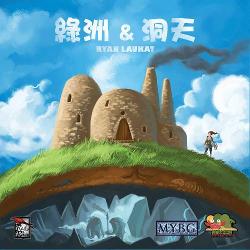
2015 · 冒险
綠洲&洞天
Players found and expand a frontier village on the surface while organizing expeditions into a vast cavern below. On a personal village board, players assign unique villagers to jobs such as constructing buildings, harvesting resources, training apprentices, or joining cave ventures. Explorations trigger passages from a storybook that present encounters and choices influenced by which villagers and items accompany the party. Resources and discoveries feed village growth; at game end the most developed village scores the win.
- 人数
- 2–4 最佳 3 人
- 游戏时长
- 90 分钟
- 年龄
- 13+
- 复杂性
- 2.5 / 5
关于这款游戏
- Publisher


 Above and Below: Desert Labyrinth and Underforest Encounter Book2015
 Above and Below: Groves2016
 Above and Below: Expanded Edition Exclusives2015
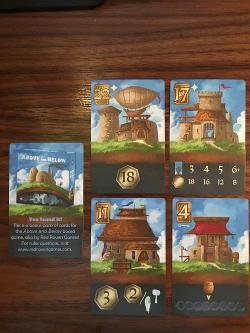 Above and Below: Megaland Bonus Cards2018
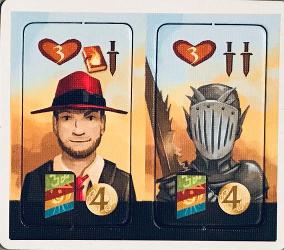 Near and Far: Dice Tower Character Tiles2018
 The Red Raven Fan Box #12018
 Arzium Archive Promo Box2024
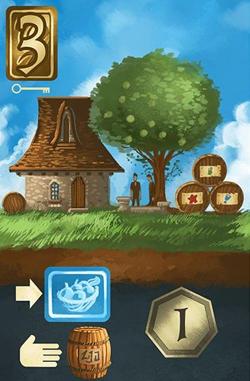 Above and Below: Watch It Played Building Promo Card2016
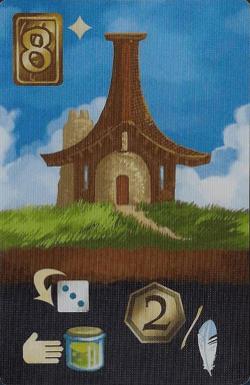 Above and Below: Mystic's Hut Promo Card2015
 Near And Far: Rodney & Pep Watch It Played Character Tiles2017
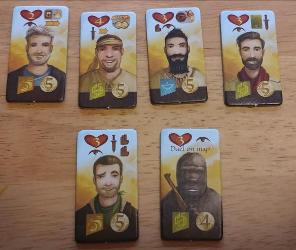 Near and Far / Above and Below / Islebound: Secret Cabal Character Tiles2017
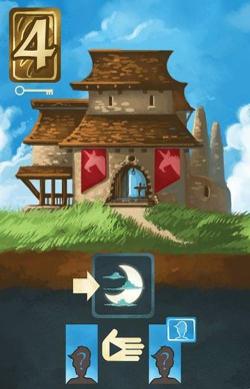 Above and Below: G@mebox Building Promo Card2016
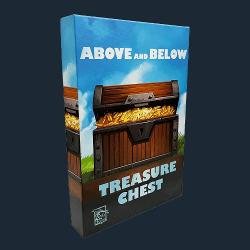 Above and Below: Treasure Chest2025
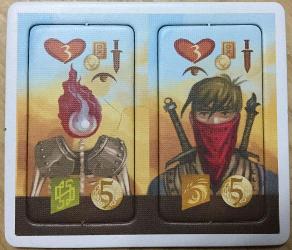 Near and Far: Bounty Hunter Character Tiles2020
可搭配
在 Ludoya 中查看
来自 Ludoya 牌桌的照片
在 Ludoya 中查看所有照片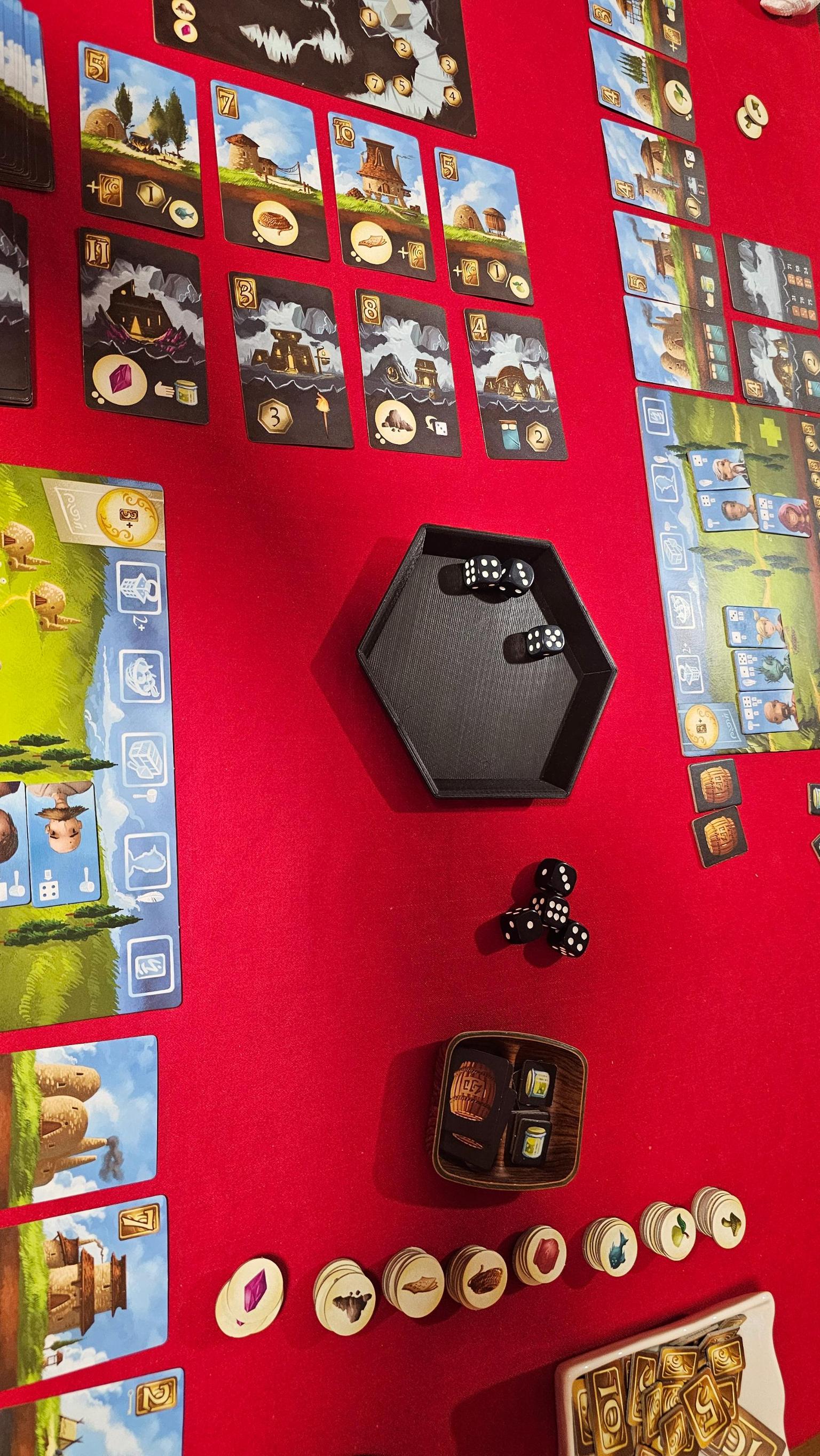
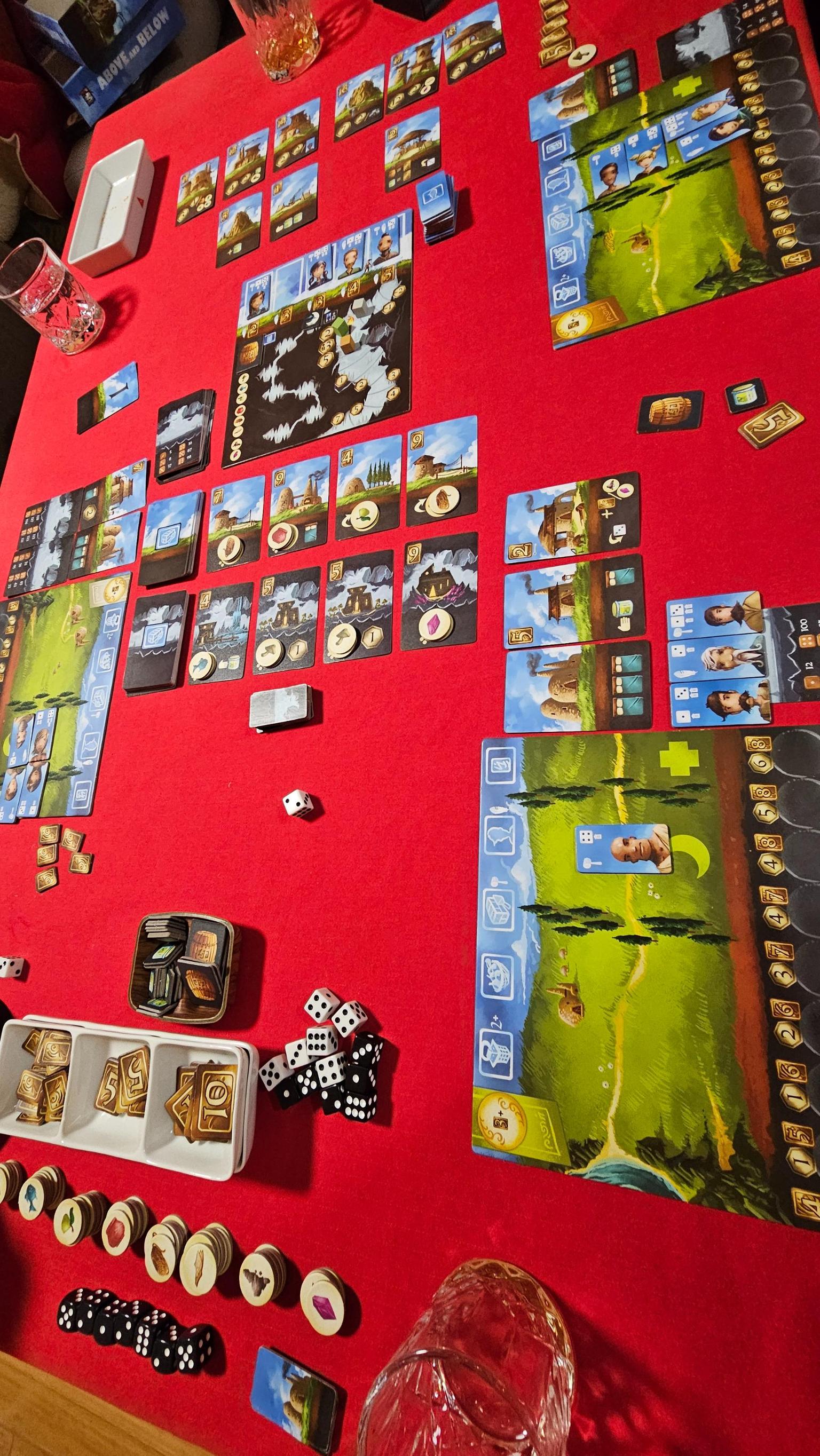
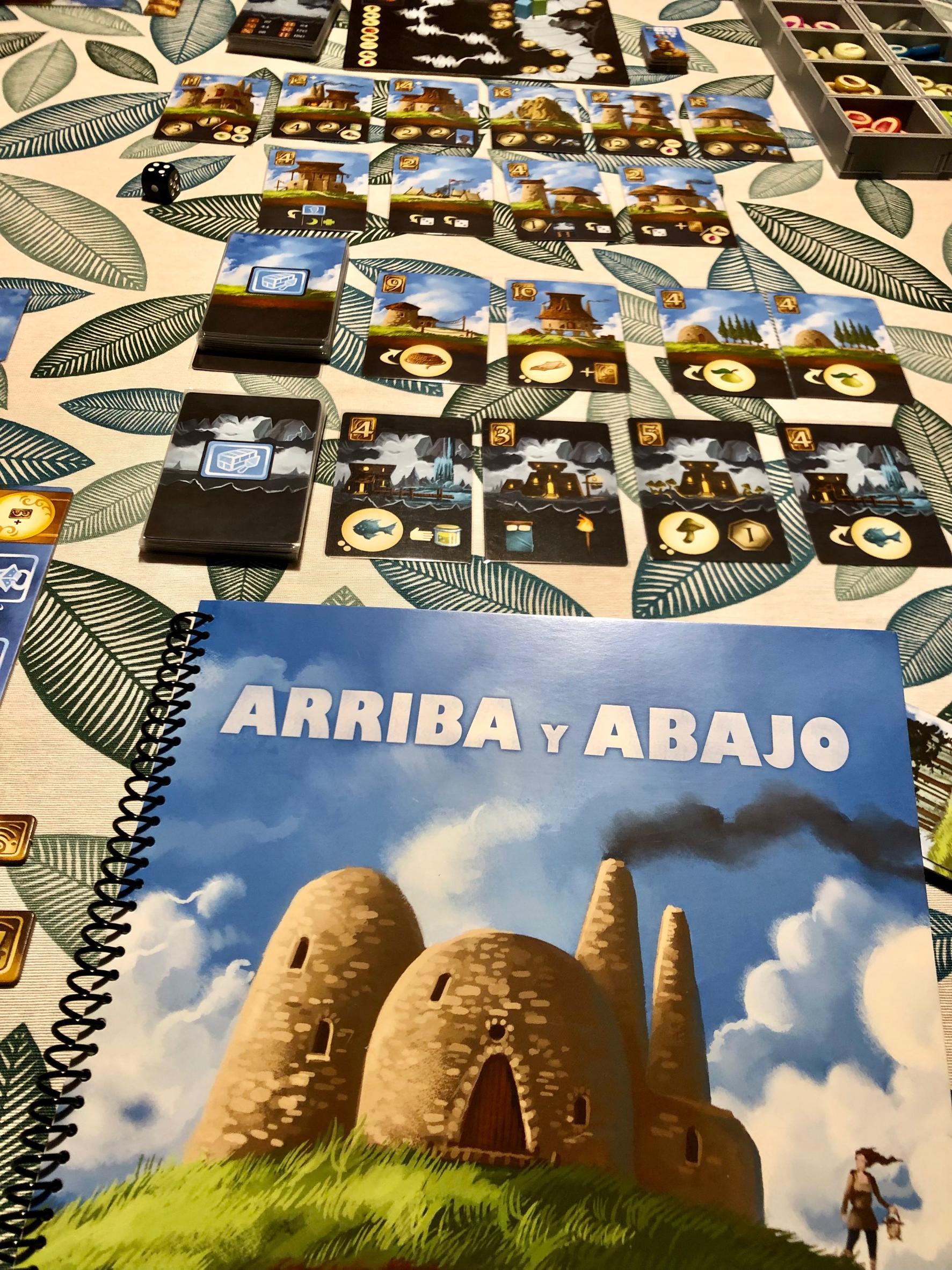
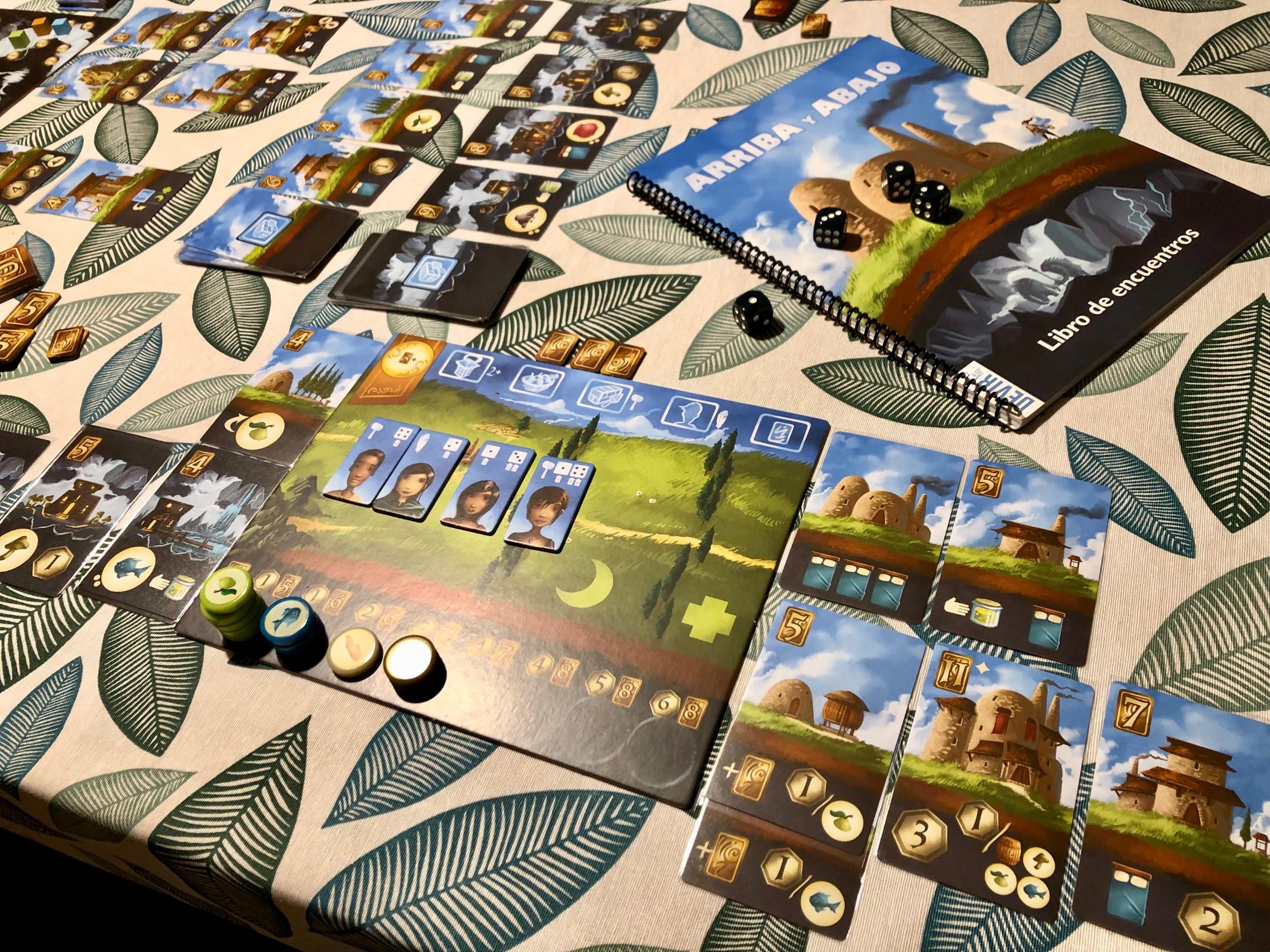
在 Ludoya 的牌桌上
在 Ludoya 中查看完整统计- 300
- 已记录对局
- 306
- 玩家
- 1h 9m
- 平均时长
- 120
- 收藏数
- 17
- 愿望清单数
- 1
- 已预购
5.5/10
基于 58 条 Ludoya 评测
Evan2.5 This is a really tight worker placement game where you don't have time to achieve what you want to do. In the game you are trying to make time to hire new workers, buy buildings, gather different goods and go adventuring. The adventuring mechanism is a big luck element. You send 2+ workers, draw a card, roll and die, and then another player finds the matching result number and reads the story snippet in the storybook along with two reactions the player can react with along with the difficulty rating of choosing that reaction. It's unusual, but possible to completely fail, as each worker sent rolls a d6 to see they contribute successes. Rewards can range from a few bucks, to valuable resources, to special characters. The unevenness in the value of the rewards can give certain players opportunity advantages over others. The obvious comparison for this game would be Tales of the Arabian Nights, which also uses a choose your own adventure style book, however the two games have very different feelings. In Arabian Nights, you have a character, and when you are presented with a story choice, you think, what would my character do in this situation? In Above and Below, you are mostly looking at the numbers. If one decision requires 4+ successes, and the other has a different result that would succeed with 3+ or 7+, what I'm doing is looking at how many successes I think I can roll based on the workers I sent on the adventure. Not as much at the story choice. This isn't a problem with the game per se, but initially I was thinking that this game would solve the problem of Arabian Nights, where it's mostly story and not much game. Nobody in my group felt particularly passionate about this game, but I'm excited to see where this style of game goes from here. :star: Art, Iconography and components functional :nostar: Clever or interesting mechanisms :star: Reasonably low downtime between turns with mildly AP players :nostar: Multiple plays stay interesting :star: Low or mitigatable luck elements :star::nostar::nostar::nostar::nostar: Raw enjoyment
Mestremuten6.0 Rating: 3/5 Production value: 3/4 Is the game in my collection/Love to have?: 0/1
Elfrikijugon8.5 Zona lúdica
规则问题
由 Ludoya 的规则助手根据规则书回答。
Do I have to send exactly two villagers when I Explore, or can I send more?
You must send at least two villagers to explore, but you may send any number more and you roll one die per villager sent (page 6).
How do lanterns from die rolls and exerting villagers work — can a villager give zero lanterns?
Each villager’s die yields lanterns according to the thresholds on the cave card (low rolls give 1 lantern, high rolls give 2 — there is no zero), and you sum those lanterns to meet an explore number; you may then Exert villagers (move them to your injured area) to gain +1 lantern each (pages 6 and 8).
If I fail an Explore, what happens to the cave card and my villagers?
If you fail you gain no rewards, move any villagers remaining on the cave card to your exhausted area, and place the cave card on the bottom of the cave deck; apply any failure penalties printed in the encounter paragraph (page 8).
Can I perform Free Actions (like buying/selling a good) after I take a normal action on my turn?
Free actions may be performed any time before you take a normal action on your turn, but once you perform a normal action you may not take any free actions until a later turn (page 9).
How do beds, cider, and potions interact when resting villagers at the end of the round?
At round end you may first spend potions (move one injured→exhausted per potion) and ciders (move one exhausted→ready per cider); then each bed on your buildings lets you move one villager up one area (injured→exhausted or exhausted→ready); note some villagers (e.g., Metal Man) are exceptions (pages 10 and 12).
How does the Advancement Track affect income and scoring — which goods give me income each round?
Place goods left-to-right on the advancement track; the rightmost filled slot determines your current per-round income (the number at the top right of that slot), while the left number above each slot is the endgame points per good in that slot, and goods placed there cannot be removed (pages 12 and 10).
类似的桌游
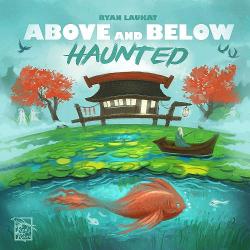 Above and Below: Haunted2025
 骰谜奇境2022
 Divinity Original Sin: The Board Game2023
 Sleeping Gods: Distant Skies2023
 Tales of the Arthurian Knights2024
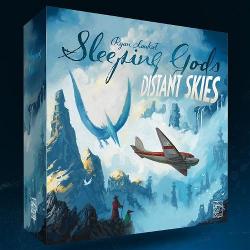 Sleeping Gods: Distant Skies (Gamefound Edition)2023
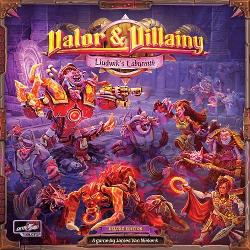 Valor & Villainy: Lludwik's Labyrinth2023
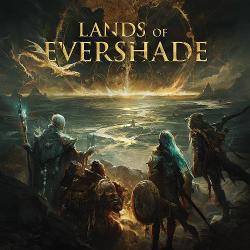 Lands of Evershade2026
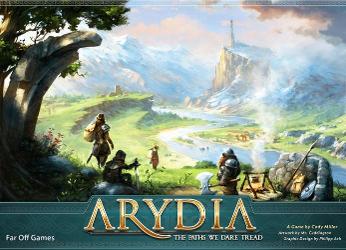 阿瑞迪亚:勇踏征途2026
 Vantage2025
 污痕圣杯:破灭之王2025
 Near and Far2017
游戏信息(人数、游戏时长、年龄、制作人员)来自 BoardGameGeek。