
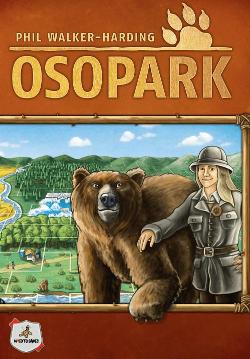
2017 · Rompecabezas
Osopark
Los jugadores construyen un parque de animales temático en tableros individuales en cuadrícula colocando losetas poliominó para rellenar el espacio y crear recintos y atracciones. Las losetas representan casas para animales, áreas al aire libre, instalaciones para visitantes y características especiales; cubrir iconos del tablero da nuevas losetas y expansiones del parque. Los jugadores puntúan por edificios completados, tipos concretos de hábitat, secciones rellenadas y otros objetivos. La partida avanza mientras los jugadores roban y colocan piezas para optimizar la cobertura y cumplir los requisitos de permisos; termina inmediatamente cuando un jugador completa su parque, y luego se cuentan los puntos para determinar al ganador.
- Jugadores
- 2–4 mejor con 4
- Duración
- 30–45 min
- Edad
- 8+
- Complejidad
- 1,7 / 5
Sobre el juego
- Diseño
- Arte
- Publisher


Expansiones
Verlas en Ludoya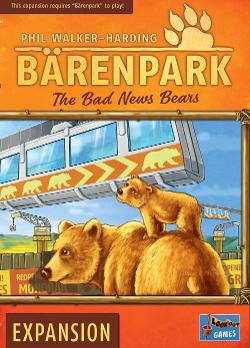
Fotos de mesas de Ludoya
Todas las fotos en Ludoya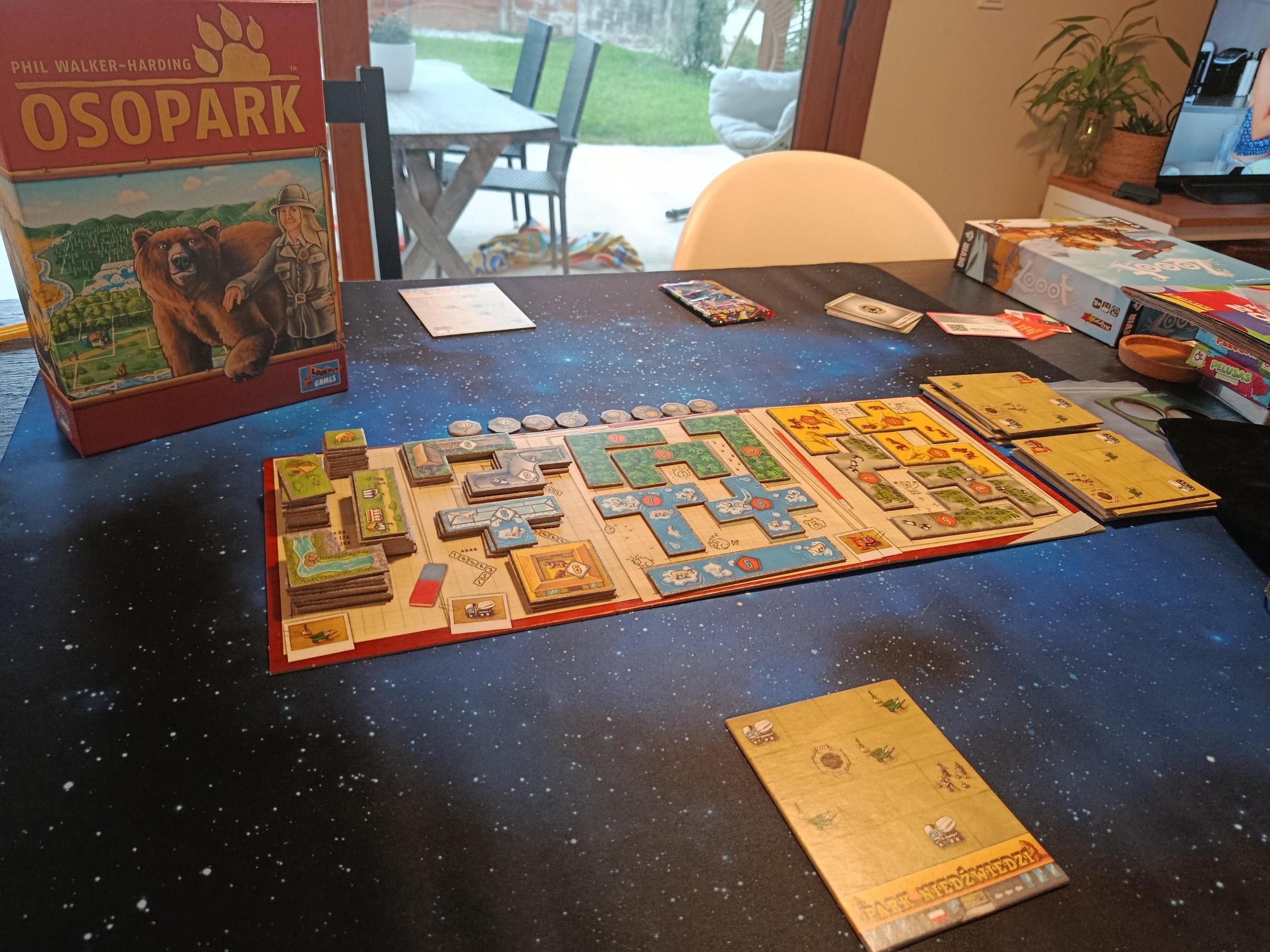
Dónde comprarlo
Precios de tiendas y copias de segunda mano, revisados cada día.
- Curiosity ShopSin stock 30 €
- Dungeon MarvelsEn stock 31.99 €
- MathomEn stock 35.19 €
- Rampi GamesEn stock 35.95 €
- Juegos de la Mesa RedondaSin stock 35.96 €
- Goblin Trader BarcelonaConsultar stock 36 €
- Mono de JuegosSin stock 38 €
- Va de jocsSin stock 39.95 €
En las mesas de Ludoya
Todas las estadísticas en Ludoya- 944
- Partidas registradas
- 601
- Jugadores
- 33m 58s
- Partida media
- 161
- En colecciones
- 17
- En listas de deseos
6,9/10
de 85 reseñas en Ludoya
Fernando7,0 1 partida. Tienes que construir tu parque de osos... como si hubiera sido cualquier otra cosa. Básicamente es como el Patchwork, pero que pueden jugar hasta 4 jugadores. Es decir, tienes que elegir que pieza te quedas (con formas a lo Tetris), para ir encajando en tu parque, intentando no dejar huecos difícilmente rellenables y, al mismo tiempo, fijándote en las piezas que más puntúan o más necesitas para completas misiones que da puntos extra. No me gusta nada la estética, aunque el juego es entretenido.
Javo7,0 De mis favoritos de colocación de losetas. Sencillo y rápido de jugar.
Another good family game from Phil Waker-Harding with a beautiful theme. Kind of Patchwork but less strategic, well rounded, that can handle perfectly from 2 to 4 players, easy to teach and to learn. Abstract light strategy with a touch of racing.


Dudas de reglas
Respondidas a partir del reglamento por el asistente de reglas de Ludoya.
Can I place a tile diagonally or hanging off the park edge?
No — tiles must fit within the marked spaces and may not hang over the edge, and they must be orthogonally (edge-to-edge) adjacent to another previously placed tile; only your first tile may be placed anywhere that still follows the other placement rules (page 3).
Am I allowed to rotate or flip tiles when placing them?
Yes — you may rotate and/or flip tiles freely when placing them (page 3).
If my newly placed tile covers multiple icons, do I get all of them and when do I resolve them?
You must evaluate every icon you covered with the newly placed tile and carry them out in any order immediately; many icons give you tiles and there is no limit to how many tiles you may have in your supply (page 4).
How does the Construction Crew (take a Park Area) icon work, and can I ever have more than four Park Areas?
When you take a Park Area you must place it orthogonally adjacent with edges fully aligned and with all icons oriented correctly toward you, and you may never own more than four Park Areas — if you cover a construction crew that would be your fourth you do not get another Park Area (page 4).
When am I forced to pass, and what happens when I do?
You must pass only if you have no tile in your supply that you could legally place; when you pass you take a free Green Area of your choice into your supply and your turn ends immediately, and you may not pass if you can place a tile (page 4).
How is final scoring done and how are ties resolved?
Score by adding the values on all tiles in your park (including Bear Statues), and ties are broken by totaling the point values of tiles left in each tied player’s supply (highest wins); if still tied there are multiple winners (page 5).


Gratis, en web, Android e iOS
Juega a Osopark con Ludoya
- Tenlo en tu colecciónControla tu copia y sus expansiones, préstala a tus amigos o ponla en tu lista de deseos y te avisamos cuando baje de precio.Añadirlo a tu colección
- Registra cada partidaPuntuaciones, ganadores, temporizadores y fotos, y luego tus estadísticas: porcentaje de victorias, número de jugadores favorito, mejor puntuación.Registrar una partida
- Resuelve dudas de reglasPregunta lo que quieras sobre las reglas y obtén una respuesta sacada del reglamento, con la página donde comprobarla.Preguntar al asistente de reglas
- Encuentra gente con quien jugarloClubes, noches de juegos y eventos cerca de ti que sacan este juego a la mesa.Ver eventos
Datos del juego (jugadores, duración, edad, créditos) de BoardGameGeek.