
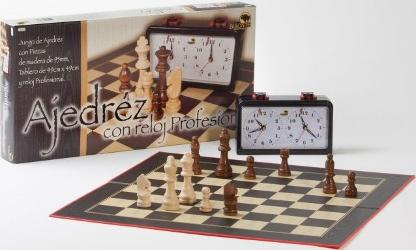
1475 · Estrategia abstracta
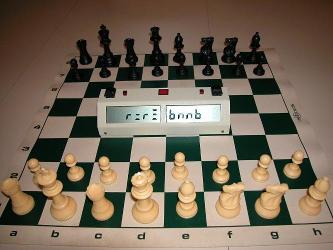
Ajedrez con Reloj Profesional
Dos jugadores comandan ejércitos opuestos en un tablero de 8×8 a cuadros, cada uno comenzando con el mismo conjunto de tipos de piezas distintas. Cada pieza tiene un patrón definido de movimiento y captura al ocupar la casilla de un oponente. Los jugadores se alternan moviendo una pieza para atacar, defender, desarrollar la posición o buscar ventaja material y posicional. El objetivo es forzar al monarca del oponente a una casilla desde la que no pueda escapar de la captura (jaque mate); las partidas también pueden terminar por rendición o por diversas formas de tablas. El juego enfatiza la planificación, el cálculo y la coordinación de piezas dentro de una temática puramente abstracta de guerra medieval.
- Jugadores
- 2
- Edad
- 6+
- Complejidad
- 3,6 / 5
Sobre el juego
- Diseño






Expansiones
Verlas en Ludoya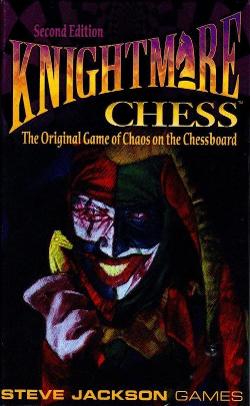 Knightmare Chess1994
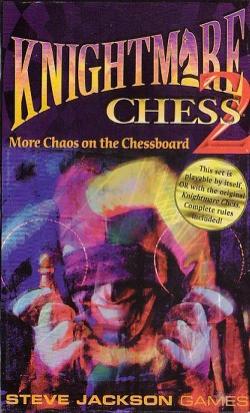 Knightmare Chess 21998
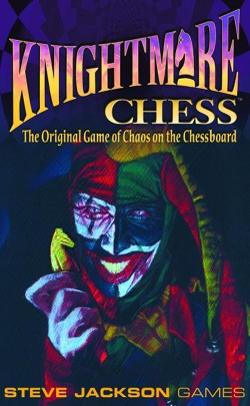 Knightmare Chess (Third Edition)2014
 Devil's Chess2020
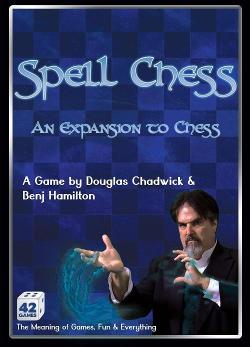 Spell Chess: an Expansion to Chess2013
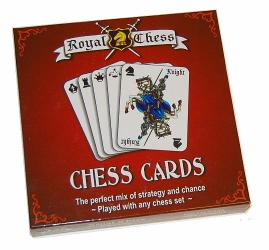 Royal Chess1983
 Rogue Chess2013
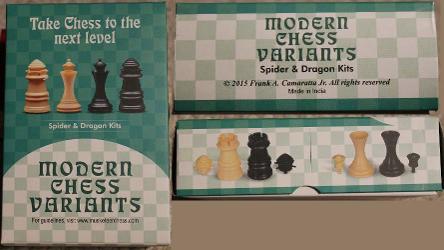 Musketeer Chess2011
 Darkleaf Gambit2025
 Kingdom of Elbrandt2015
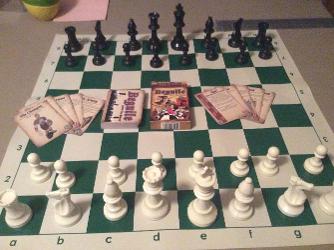 Beguile: PaWN The Enemy2014
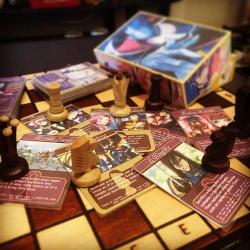 Code Geass: Knightmare Chess2018
 Castle-Mate2016
 Super Chess2018
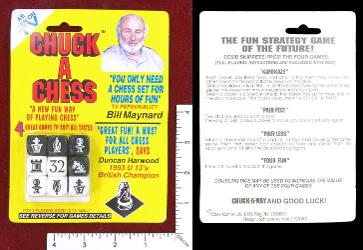 CHUCK-A-CHESS1993
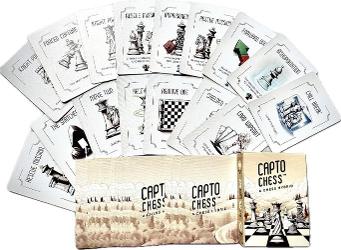 Capto Chess2023
 Chess Mixer2011
 Zugzwang2025
 Chess Expansion: Wheel of Fortune2025
 Chess: Counterstrike2024
 Fairy Tale Chess2015Heretik Chess2016
 x-Chess: the First Mutant2022
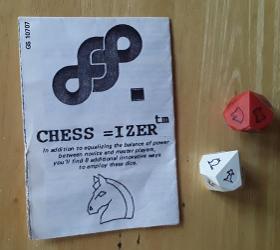 Chess Equalizer1990Chess Mage2022Epic Chess2014
 Fantasy Crusaders Chess2017
 Forgotten Kings2026Sovereign's Stratagem: Original2026
 Военно-морская игра1907
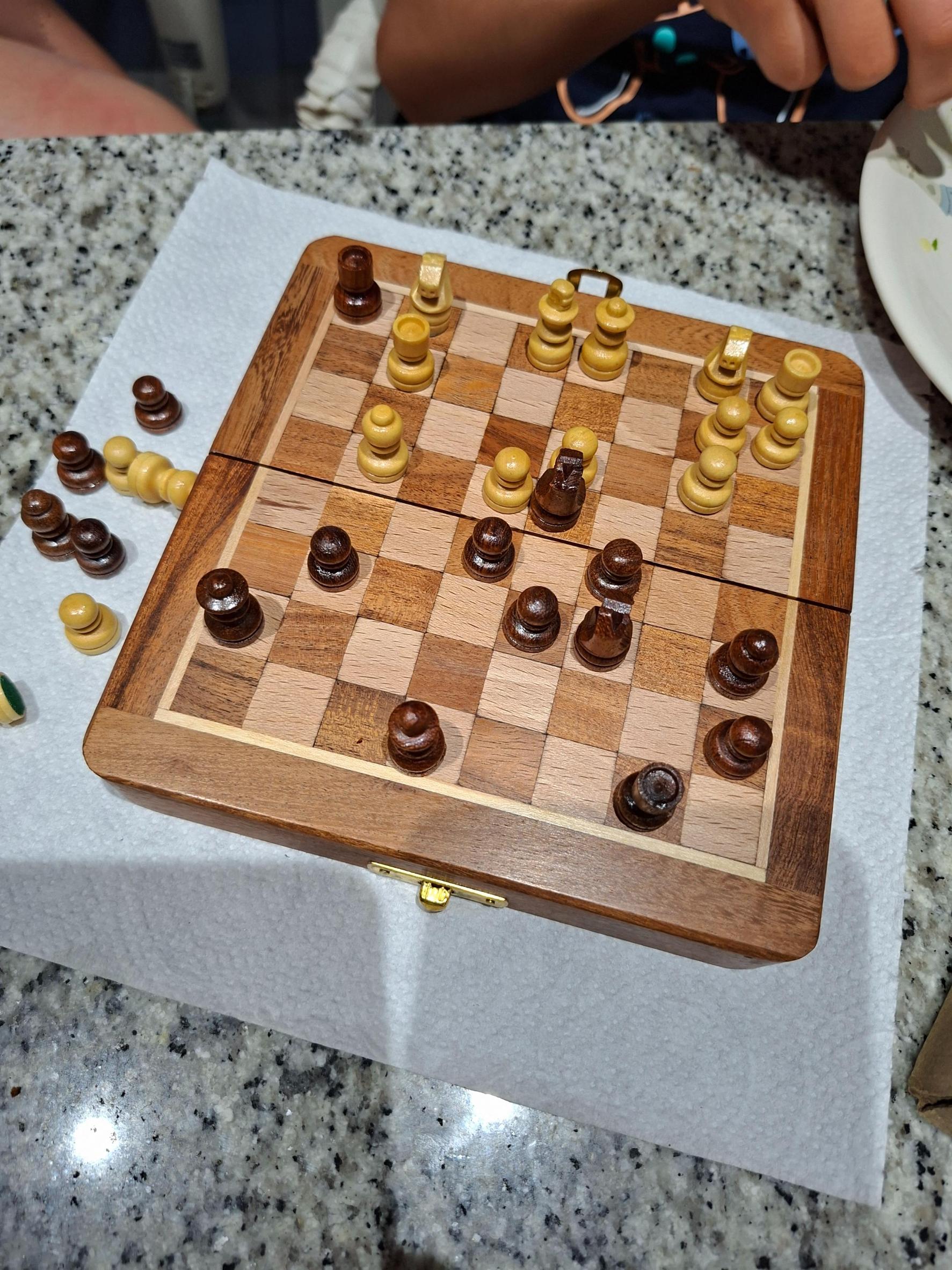
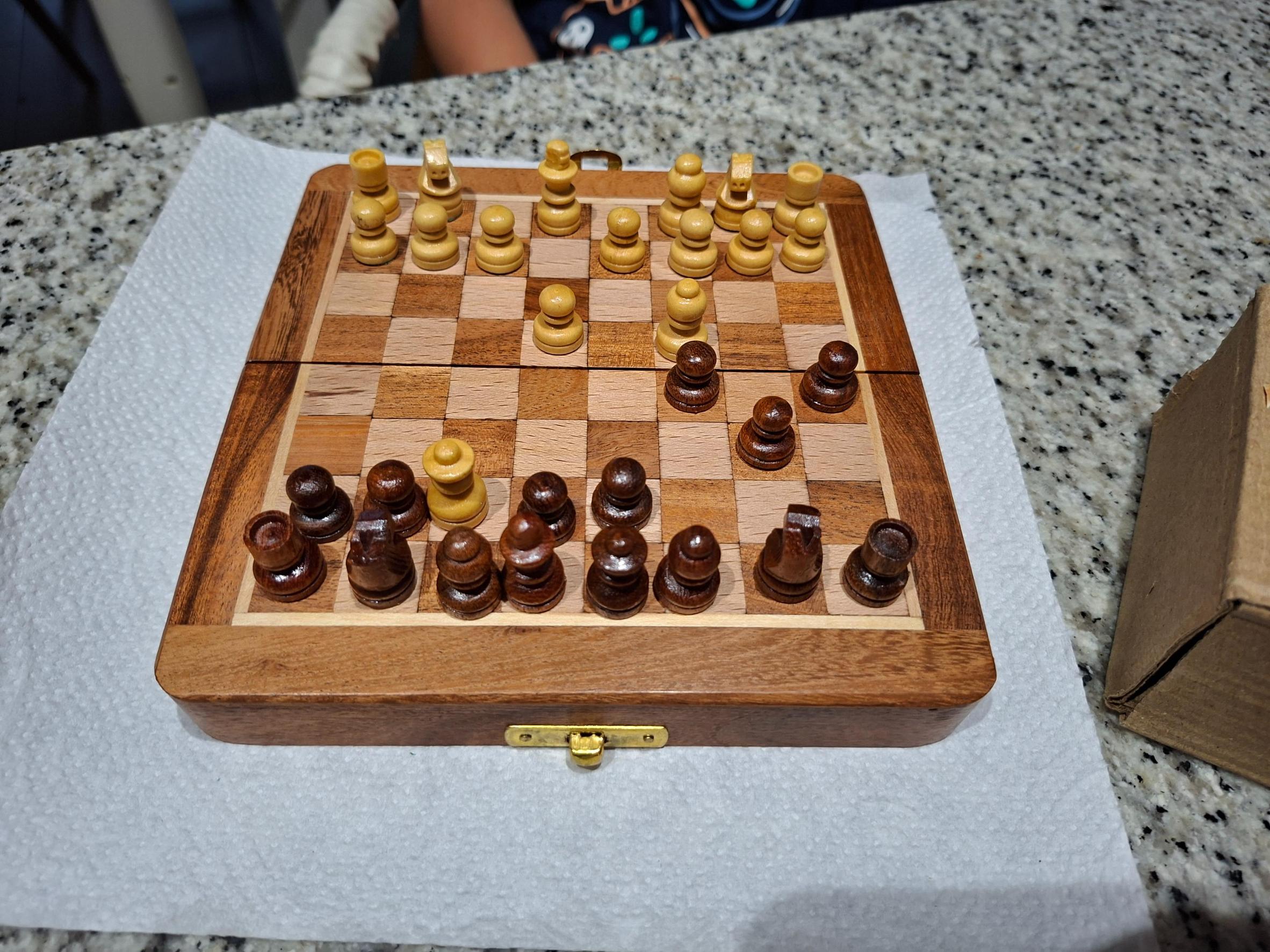
Fotos de mesas de Ludoya
Todas las fotos en Ludoya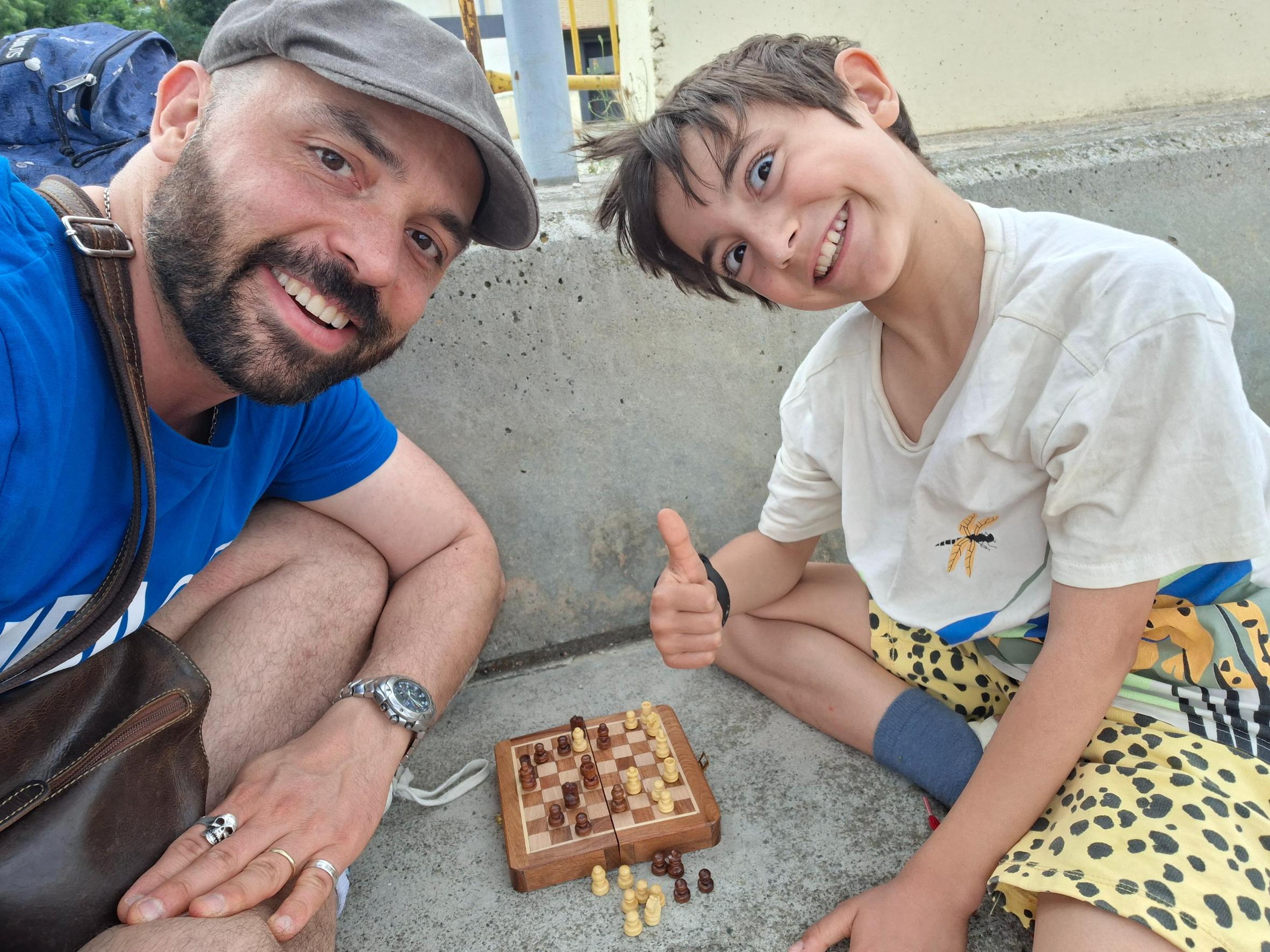
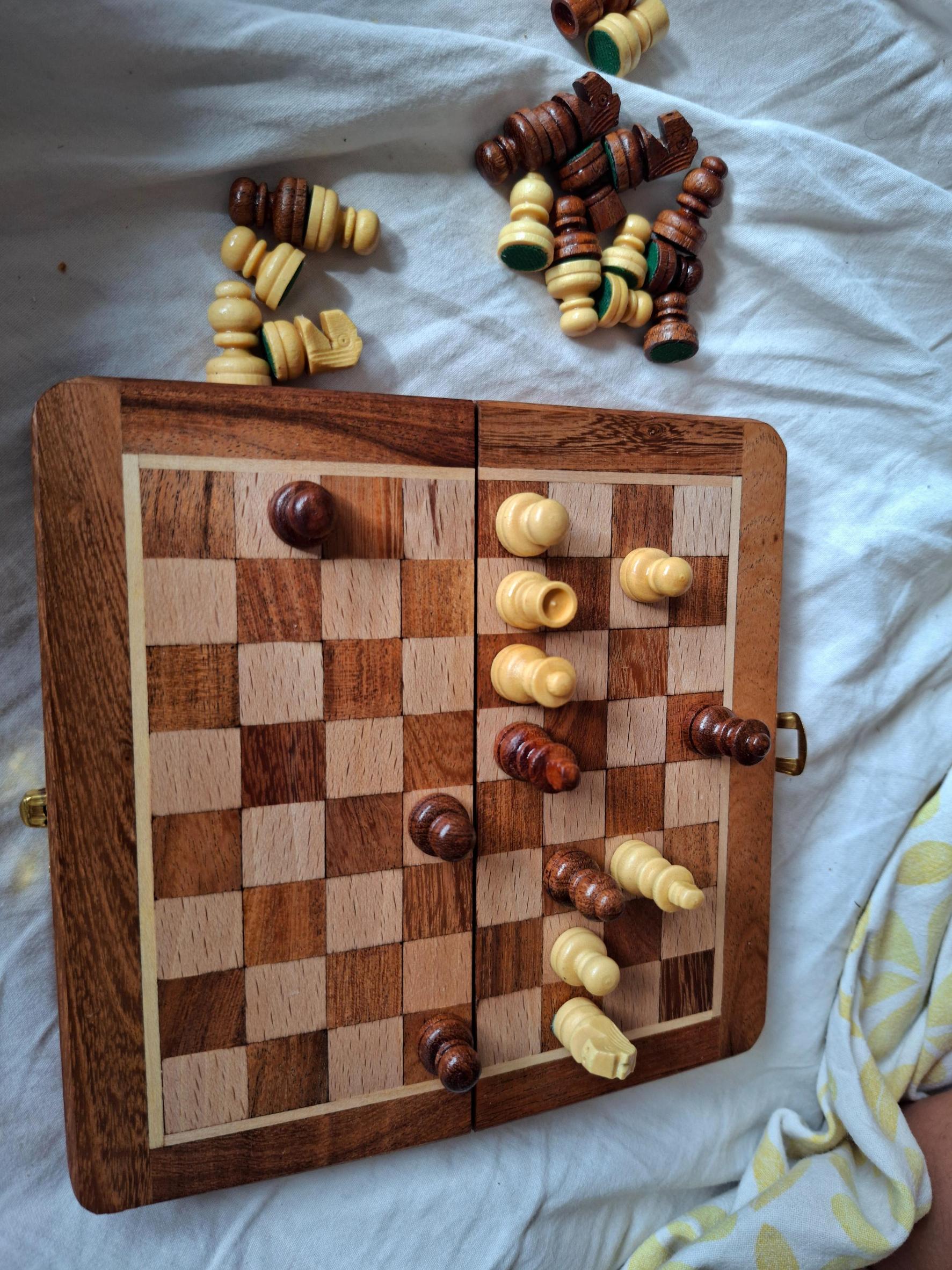
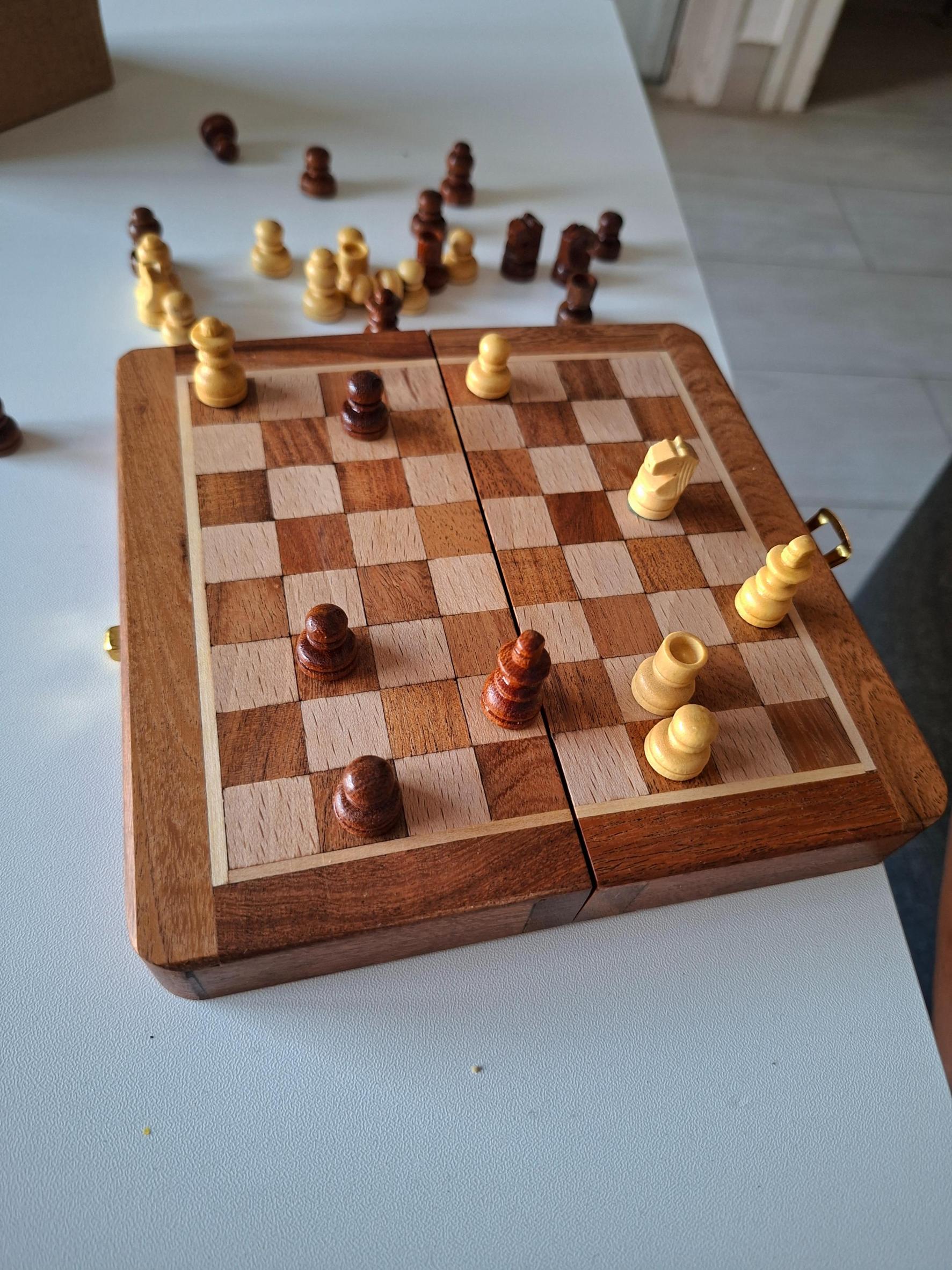
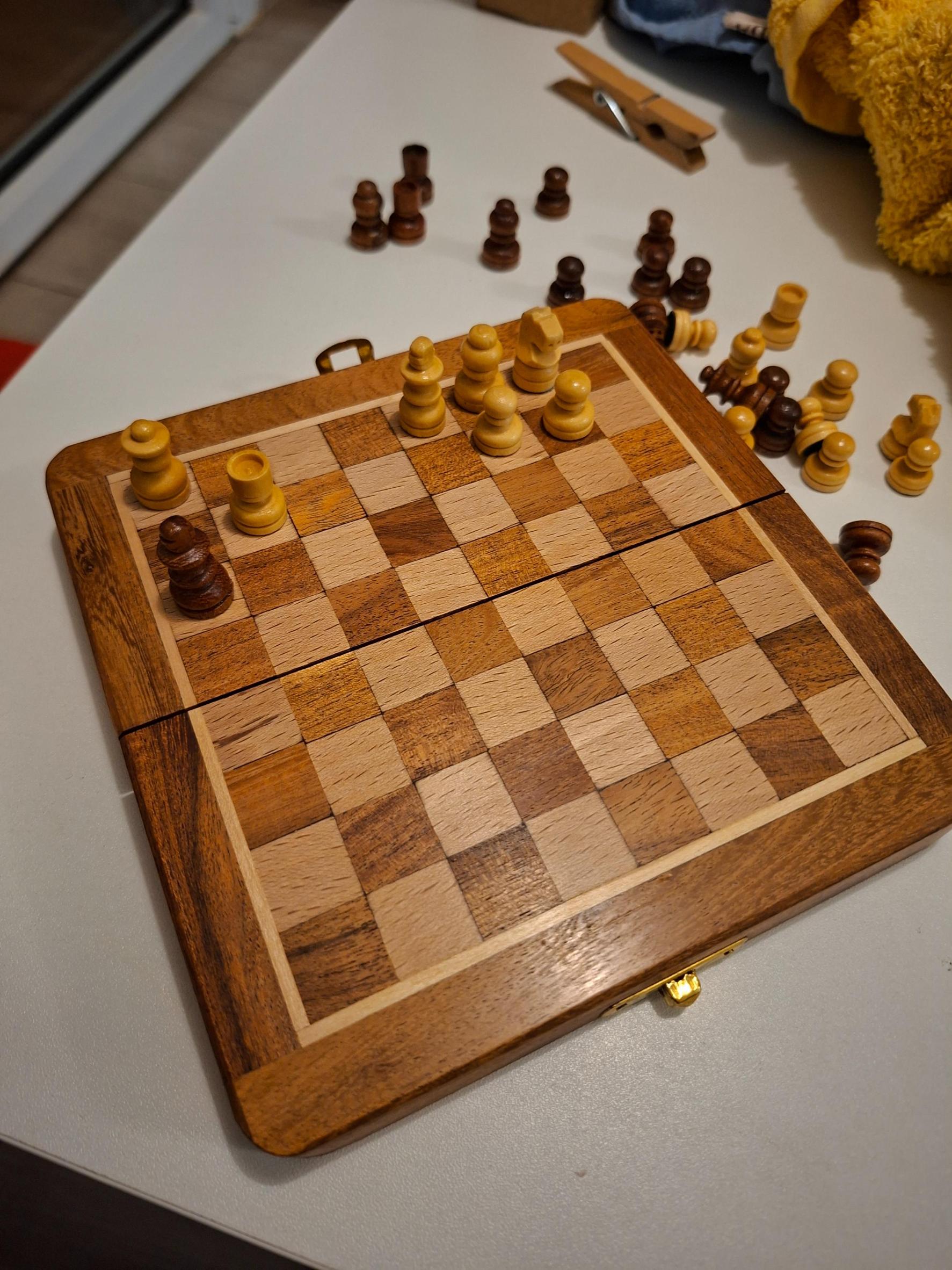
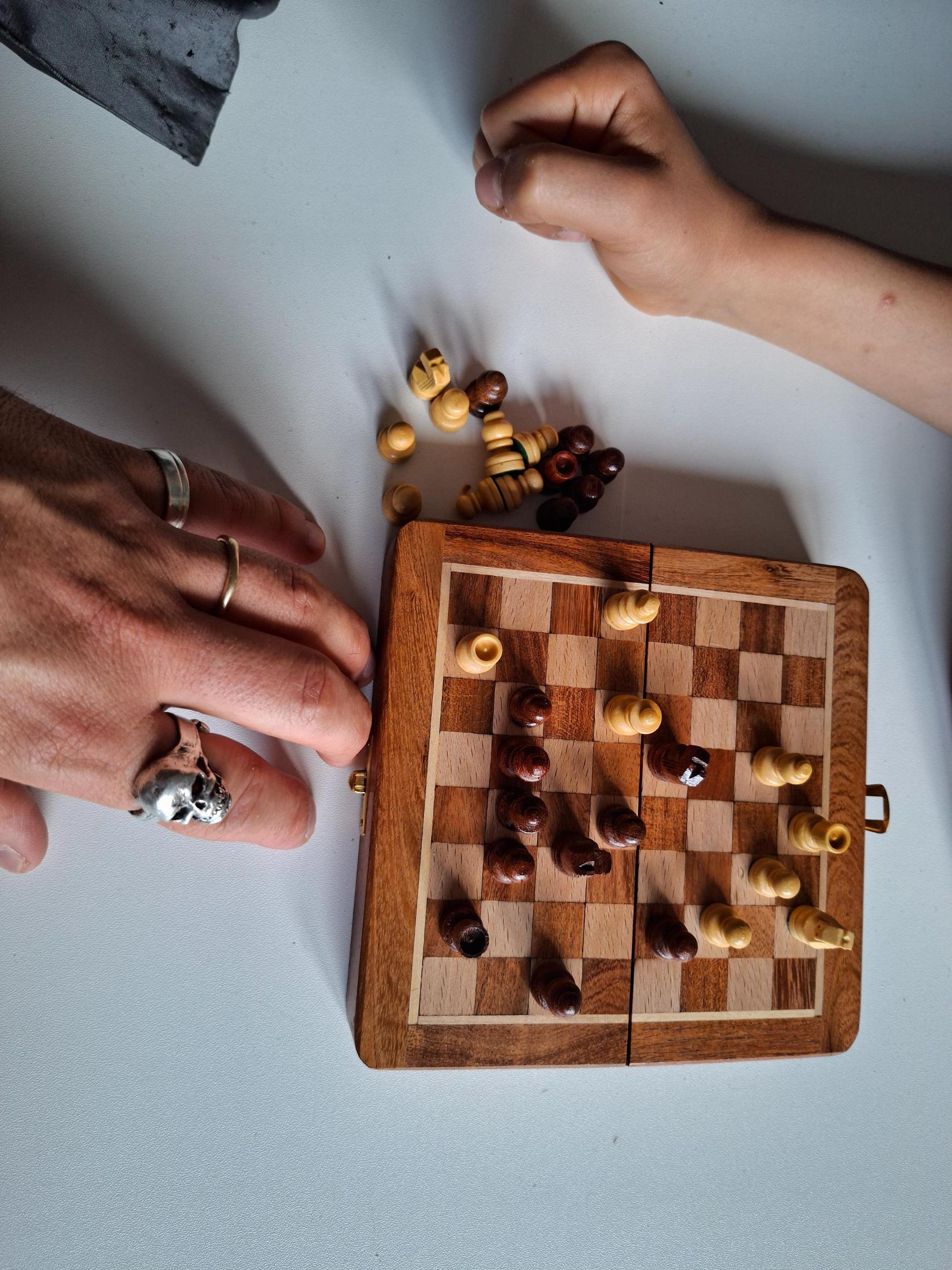
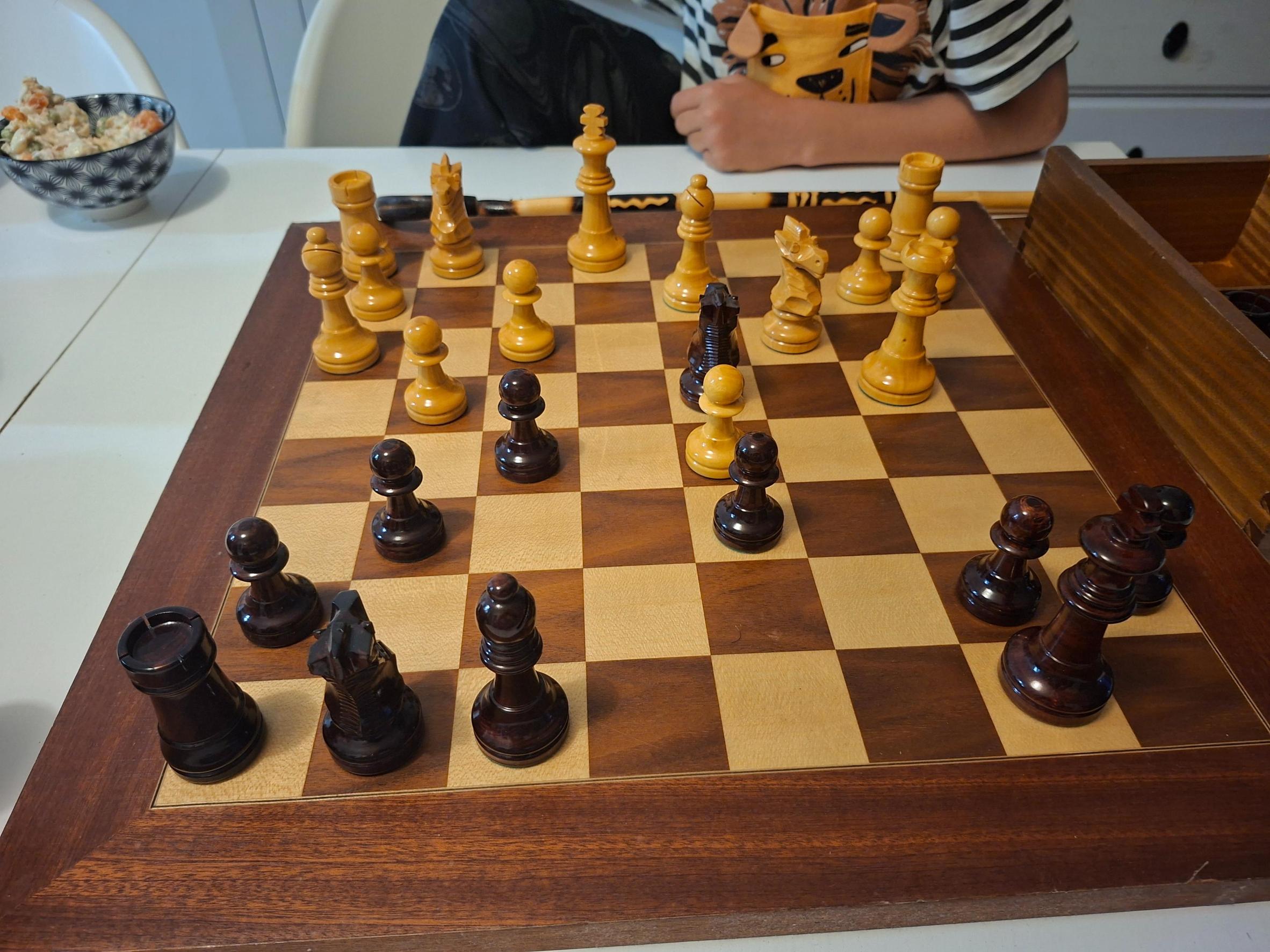
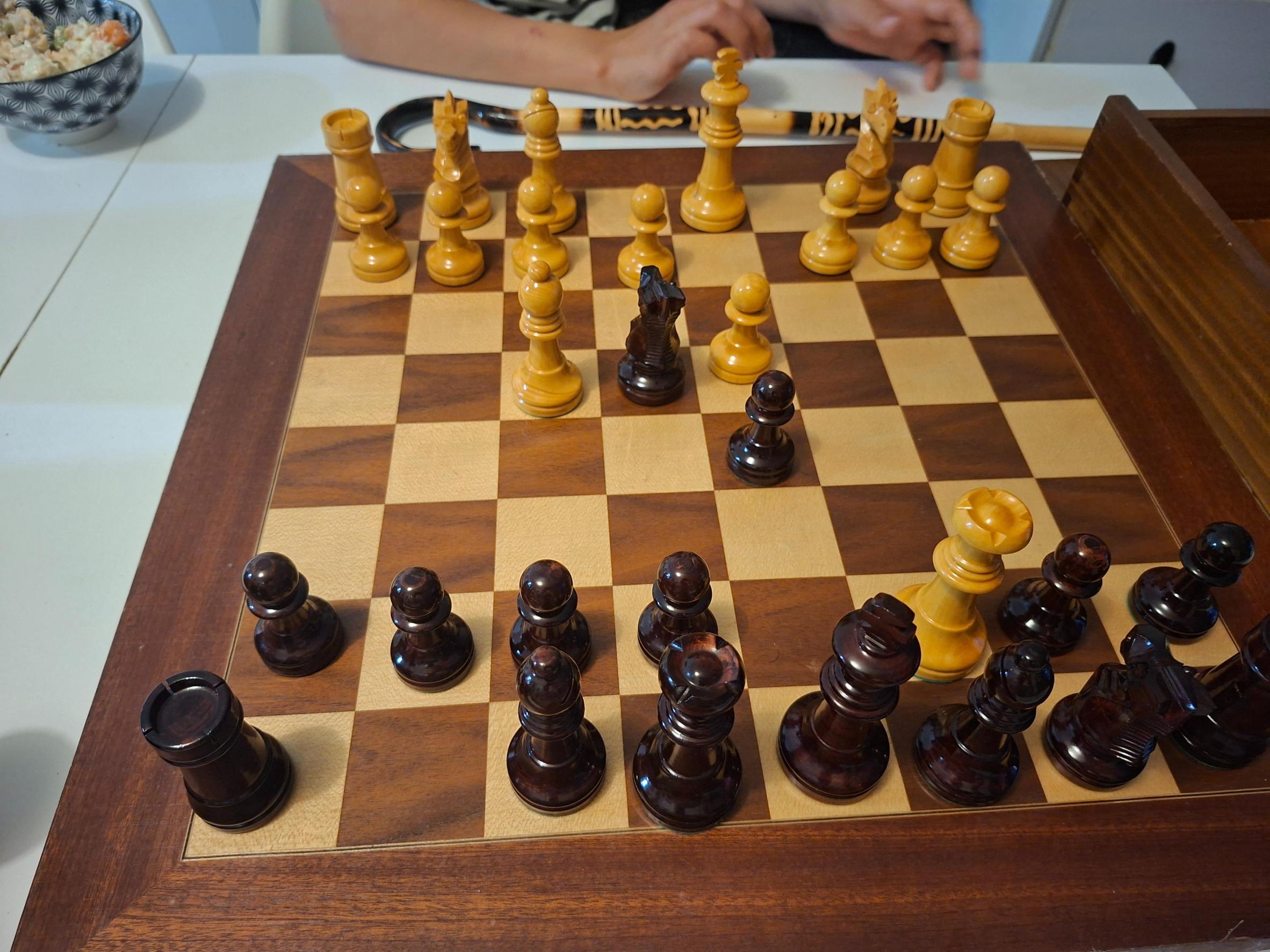
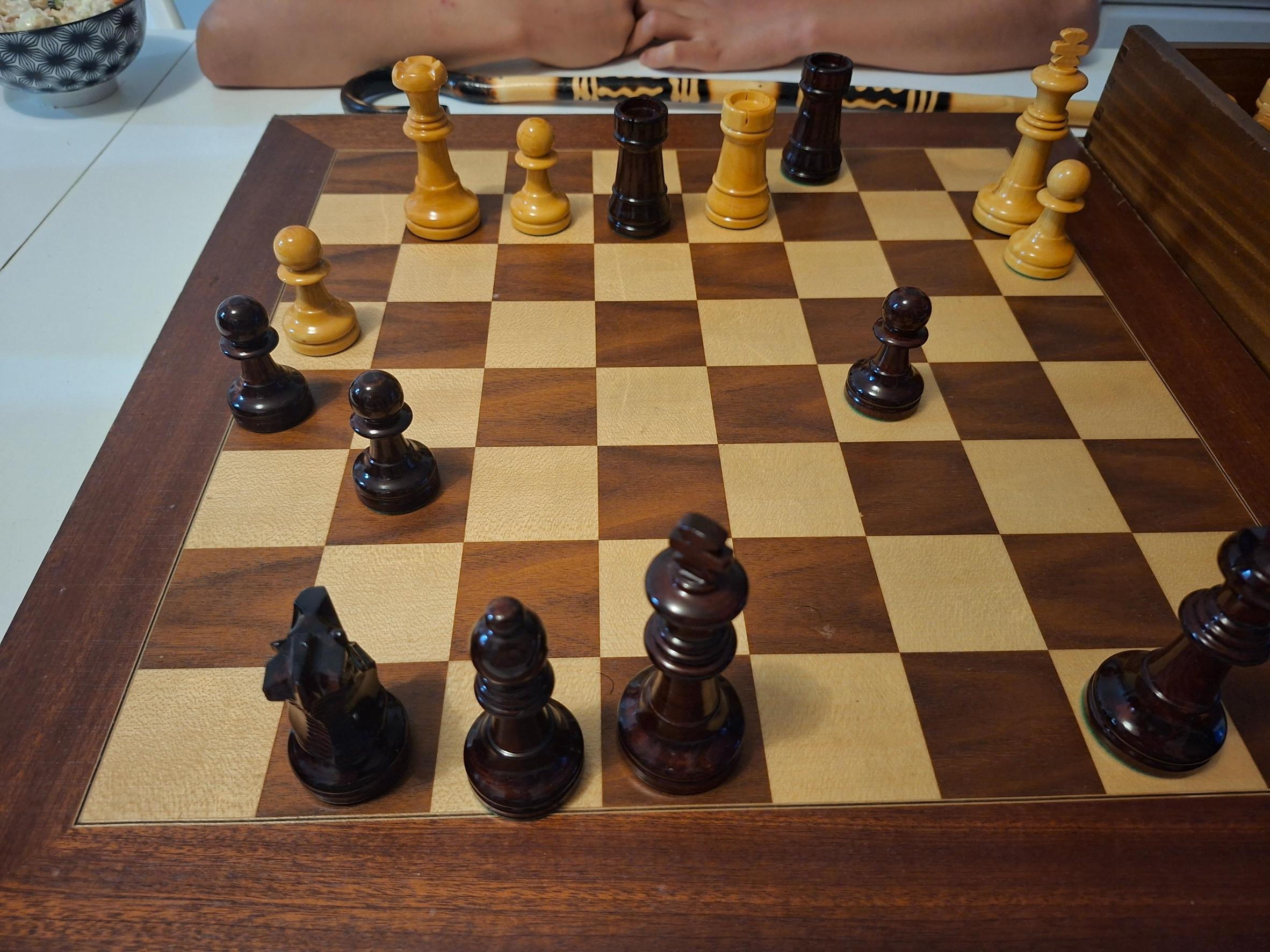
Dónde comprarlo
Precios de tiendas y copias de segunda mano, revisados cada día.
En las mesas de Ludoya
Todas las estadísticas en Ludoya- 1875
- Partidas registradas
- 343
- Jugadores
- 17m 43s
- Partida media
- 209
- En colecciones
- 5
- En listas de deseos
- 1
- En preventa
7,0/10
de 105 reseñas en Ludoya
José [ホセー]10,0 I know it, you know it, everybody knows it. Nothing to add.
- Base -


Dudas de reglas
Respondidas a partir del reglamento por el asistente de reglas de Ludoya.
Can I castle if my king would have to pass through a square that is attacked?
No — castling is not allowed if the king is in check, would cross over a square that is attacked, or would land on an attacked square; castling is also lost if the king or the chosen rook has previously moved (see pages 6–7).
If an opponent moves a pawn two squares past my pawn, how long do I have to capture en passant?
You may capture en passant only on the very next move immediately after the opponent’s two-square pawn advance (see page 5).
What pieces can I promote my pawn to — can I promote to another king?
When a pawn reaches the furthest rank it must be exchanged immediately for a queen, rook, bishop or knight of the same colour (the choice is not limited to captured pieces); you cannot promote to a king (see page 6).
I accidentally touched a piece — am I forced to move or capture it?
Yes — except when adjusting pieces after announcing your intention, if you deliberately touch one of your own pieces you must move the first touched piece that can be moved, and if you deliberately touch an opponent’s piece you must capture the first touched piece that can be captured (see Article 4, page 7).
Is stalemate a win or a draw?
Stalemate is a draw: the game is drawn when the player to move has no legal move and his king is not in check (see page 8).
How do I claim a draw by threefold repetition or the fifty-move rule?
A player having the move may claim a draw: for threefold repetition either before making a move that will produce the repetition by writing the move and informing the arbiter or after the position has just appeared; for the fifty-move rule the claimant must write the intended move and declare to the arbiter or claim once the 50 moves have occurred; incorrect claims have specified penalties and the clocks may be stopped when making the claim (see page 13).





Gratis, en web, Android e iOS
Juega a Ajedrez con Reloj Profesional con Ludoya
- Tenlo en tu colecciónControla tu copia y sus expansiones, préstala a tus amigos o ponla en tu lista de deseos y te avisamos cuando baje de precio.Añadirlo a tu colección
- Registra cada partidaPuntuaciones, ganadores, temporizadores y fotos, y luego tus estadísticas: porcentaje de victorias, número de jugadores favorito, mejor puntuación.Registrar una partida
- Resuelve dudas de reglasPregunta lo que quieras sobre las reglas y obtén una respuesta sacada del reglamento, con la página donde comprobarla.Preguntar al asistente de reglas
- Encuentra gente con quien jugarloClubes, noches de juegos y eventos cerca de ti que sacan este juego a la mesa.Ver eventos
Datos del juego (jugadores, duración, edad, créditos) de BoardGameGeek.