
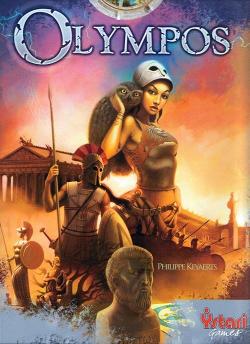
2011 · Combattimento
Olympos
I giocatori guidano un’antica civiltà attraverso una mappa della Grecia e di Atlantide, bilanciando l’espansione territoriale con lo sviluppo tecnologico o architettonico. Le azioni vengono svolte spendendo tempo su un tracciato temporale condiviso: avanzare permette di piazzare coloni per conquistare territori e raccogliere risorse, oppure di ottenere scoperte e costruire meraviglie su un tabellone delle scoperte. Le scoperte conferiscono nuove abilità, come potenziamenti militari, mentre le meraviglie fanno guadagnare punti; inoltre, una meccanica di devozione tiene traccia del favore religioso e può attivare ricompense o punizioni da parte di un insieme variabile di dèi. Le tessere scoperta, gli dèi e il controllo della mappa, tutti variabili, creano scelte strategiche diverse a ogni partita; le partite durano circa 60–90 minuti e sono per 2–5 giocatori.
- Giocatori
- 2–5 ideale in 4
- Tempo di gioco
- 45–90 min
- Età
- 10+
- Complessità
- 3 / 5
Il gioco
- Autori
- Illustrazioni

Espansioni
Vedile in Ludoya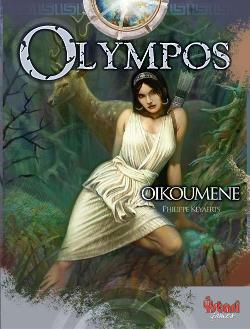
Dove comprarlo
Prezzi dei negozi e copie usate, controllati ogni giorno.
Sui tavoli di Ludoya
Tutte le statistiche in Ludoya- 21
- Partite registrate
- 21
- Giocatori
- 1h 35m
- Partita media
- 13
- Nelle ludoteche
- 1
- Nelle liste dei desideri
7,3/10
da 5 recensioni Ludoya
Jorge S8,0 Juego ágil y con confrontación. El setup es un poco enfarragoso y los iconos son un poco complicados de entender al principio, pero te deja con ganas de mas y no se hace largo.
Nessuna partita registrata
Evan7,0 In this game, players place and move discs around a map trying occupy areas that produce the resources that they need to purchase the technology tiles that will grant them abilities and/or points. Player actions are fueled by spending points on the time track. Whichever player has spent the least amount of time overall gets to take the next action. Players can take areas from one another, but the cost in time to do so grows if you don't have more military icons than they do. Losing a region usually isn't a big deal either, as you get a free time point from the supply, and you can walk your disc out of the defeated region at your leisure. Potentially even taking the space right back if you wanted to spend your action that way. The game also features events that will help the players with the most zeus icons, or punish the players with the least. This offers an interesting inventive to jockey for positions, although this does introduce a small element of randomness in a otherwise fairly non random game. The only troublesome random element are the hand cards. When a player crosses an icon on the time track, they get to draw a card to their hand. Some of these cards are played for beneficial effects, others get played for points. Due to luck of the draw, it's possible that one or two players happen to get all the point generating cards, which means they have opportunities for points that other players don't. There is a technology to mitigate that however, turning draw 1 into draw a few choose one, but this aspect is possibly a little troublesome. Overall though, Iove the tension of the game, in terms of who can be the most efficient with the time track, who gets in who's way, and who can be the first to grab that crucial power tile. ★ Art, Iconography and components functional ★ Clever or interesting mechanisms ★ Reasonably low downtime between turns with mildly AP players ★ Multiple plays stay interesting ★ Low or mitigatable luck elements ★★☆☆☆ Raw enjoyment
Prime impressioni · 2 partite


Gratis, sul web, Android e iOS
Gioca a Olympos con Ludoya
- Tienilo nella tua ludotecaTieni traccia della tua copia e delle sue espansioni, prestala agli amici o mettila nella lista dei desideri e ricevi un avviso quando il prezzo scende.Aggiungilo alla tua ludoteca
- Registra ogni partitaPunteggi, vincitori, timer e foto, poi le tue statistiche: percentuale di vittorie, numero di giocatori preferito, miglior punteggio.Registra una partita
- Segna i punti senza cartaUsa i fogli punteggio e gli assistenti di gioco della community e lascia che Ludoya sommi i punti.Trova fogli punteggio
- Trova persone con cui giocarloClub, serate di gioco ed eventi vicino a te che portano questo gioco in tavola.Vedi gli eventi
Dati del gioco (giocatori, durata, età, crediti) da BoardGameGeek.