
2010 · Negoziazione
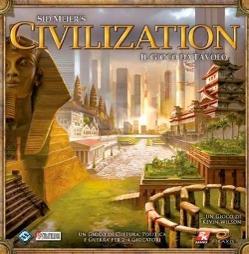
Sid Meier's Civilization: Il Gioco da Tavolo
Players guide a civilization from a single city and a few starting units through multiple ages, developing technology, culture, economy, and military. The game uses a modular map for exploration, city and building placement, and combat resolution with armies and scouts. Each leader has unique abilities and players pursue one of several victory paths—military conquest, cultural influence, scientific advancement, or economic dominance—while managing resources, researching technologies, and recruiting great people. Turns mix planning and tactical decisions as the board evolves and opponents compete for terrain, cities, and objectives.
- Giocatori
- 2–4 ideale in 4
- Tempo di gioco
- 120–240 min
- Età
- 13+
- Complessità
- 3,9 / 5



Dove comprarlo
Prezzi dei negozi e copie usate, controllati ogni giorno.
Sui tavoli di Ludoya
Tutte le statistiche in Ludoya- 120
- Partite registrate
- 94
- Giocatori
- 2h 43m
- Partita media
- 73
- Nelle ludoteche
- 4
- Nelle liste dei desideri
6,8/10
da 41 recensioni Ludoya
Balleflass6,0 Very slow moving civilization game where every action you take doesnt hold much weight. Clash of Cultures is better in most ways as it has more interestning tech, scoring, map, trading etc...
Mestremuten7,0 Rating: 4/5 Production value: 3/4 Is the game in my collection/Love to have?: 0/1
Sup7,8 Sleeved

Domande sulle regole
Risposte tratte dal regolamento dall'assistente per le regole di Ludoya.
How do I found a new city — where can I place it and what are the rules for sacrificing a scout?
You may build a city during your Start of Turn if you have a scout in the square and the square is non-water, fully revealed (eight adjacent squares), not adjacent to a hut/village or enemy figure, and at least three squares from any other city center; you sacrifice the scout and place the city marker (the city center never produces yields). (p.13)
When do I collect trade, and is trade the same as production?
You collect trade during the Trade Phase by adding all trade symbols in your cities’ outskirts to your trade dial (trade is pooled and can be saved), while production is a per-city resource spent during City Management and cannot be saved; trade and production are distinct and convertible only by paying trade to rush production. (pp.12, 14–15)
Can scouts explore huts or villages, and what happens when I discover them?
Scouts cannot enter hut or village squares; an army that enters a hut peacefully takes the hut for its owner, while entering a village triggers a barbarian defense (a battle vs. barbarians) with post-battle rewards if you win. (p.20)
How many unit cards do I draw for a battle and how are wounds resolved?
Each side draws a battle hand equal to its battle hand size (base 3 plus +2 per additional friendly army in the square, bonuses from government or defending a city/capital), then players alternately play unit cards into fronts where units deal wounds equal to their strength (wounded units can still deal full damage), with trumps dealing damage first; surviving unit totals plus combat bonuses determine the winner. (pp.23–25)
How does researching tech work — what does it cost and do I keep any trade after researching?
To research you must meet the trade threshold for the tech level (I=6, +5 per level thereafter) and have a legal spot in your tech pyramid; researching normally spends all your trade but you keep 1 trade per coin you possess (coins let you retain trade when researching). (pp.20–21, 26)
What is a blockade and how do scouts affect a blockaded city's yields?
A square in a city's outskirts that contains any enemy figures is blockaded and produces no trade, production, culture, coins, or resources for that city; however, a scout in a square may ‘send’ that square to one of its owner’s cities for the turn, making the square count as that city’s outskirts and negating the blockade's effect for the sending player's city. (pp.14, 26–27)
Giochi simili
 Clash of Cultures: Monumental Edition2021
 Sid Meier's Civilization: Una nuova alba2018
 Clash of Cultures2012
 The Elder Scrolls: Betrayal of the Second Era2026
 Civolution2025
 Antiquity2004
 Epochs: Course of Cultures2025
 Imperium: Horizons2024
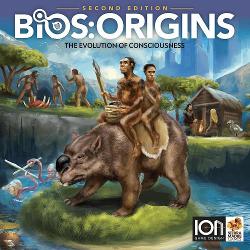 Bios: Origins (Second Edition)2019
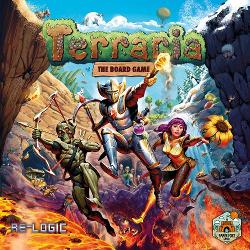 Terraria: The Board Game2026
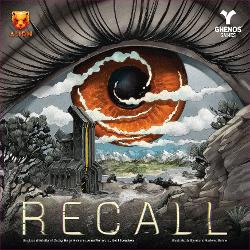 Recall2026
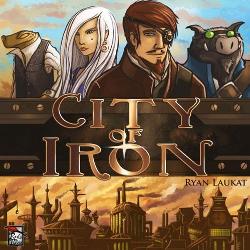 City of Iron2013




Gratis, sul web, Android e iOS
Gioca a Sid Meier's Civilization: Il Gioco da Tavolo con Ludoya
- Tienilo nella tua ludotecaTieni traccia della tua copia e delle sue espansioni, prestala agli amici o mettila nella lista dei desideri e ricevi un avviso quando il prezzo scende.Aggiungilo alla tua ludoteca
- Registra ogni partitaPunteggi, vincitori, timer e foto, poi le tue statistiche: percentuale di vittorie, numero di giocatori preferito, miglior punteggio.Registra una partita
- Risolvi i dubbi sulle regoleChiedi qualsiasi cosa sulle regole e ottieni una risposta dal regolamento, con la pagina per verificarla.Chiedi all'assistente per le regole
- Trova persone con cui giocarloClub, serate di gioco ed eventi vicino a te che portano questo gioco in tavola.Vedi gli eventi
Dati del gioco (giocatori, durata, età, crediti) da BoardGameGeek.