
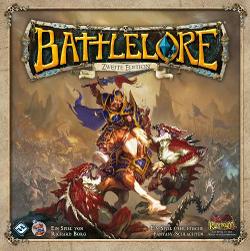
2013 · Fantasy
Battlelore: Zweite Edition
Ein taktisches Zweipersonen-Kriegsspiel in einer Fantasywelt, in der menschliche Verteidiger gegen eine hordenartige, dämonenverehrende Streitmacht antreten. Die Spieler bauen eine Karte aus Überlappungsteilen zusammen, stellen aus den verfügbaren Einheitstypen eine Armee auf und setzen ihre Truppen ein, um Ziele zu kontrollieren und Gegner auszuschalten. Gespielt wird mit Truppeneinheiten, Befehlskarten und speziellen Würfeln, um Angriffe, Bewegung und besondere „Lore“-Fähigkeiten zu aktivieren und abzuhandeln, die Magie und einzigartige Taktiken darstellen. Szenarien und Armeeauswahl ändern sich in jeder Partie und belohnen gute Positionierung, das richtige Timing bei Befehlen und den effektiven Einsatz von Lore, um Siegpunkte zu erzielen und die Schlacht zu gewinnen.
- Spieler
- 2
- Spielzeit
- 45–90 Min.
- Alter
- 14+
- Komplexität
- 2,7 / 5
Über das Spiel
- Autoren
- Illustration
- Publisher




Erweiterungen
In Ludoya ansehen BattleLore: Zweite Edition – Kriegsmeute von Scorn Armee-Pack2015
 BattleLore: Zweite Edition – Die Wächter von Hernfar Armee-Pack2015
 BattleLore: Zweite Edition – Herolde von Dreadfall Armee-Pack2016
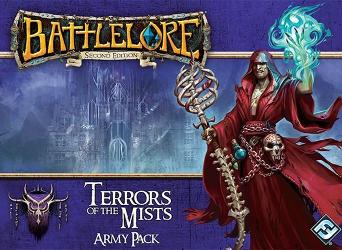 BattleLore: Zweite Edition – Schrecken aus dem Nebel Armee-Pack2016
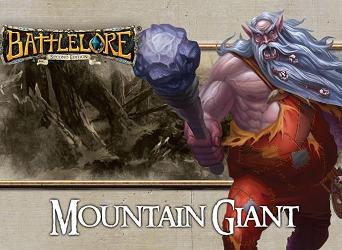 BattleLore: Zweite Edition – Bergriese Verstärkungspack2016
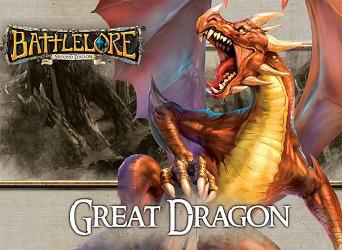 BattleLore: Zweite Edition – Großer Drache Verstärkungspack2016
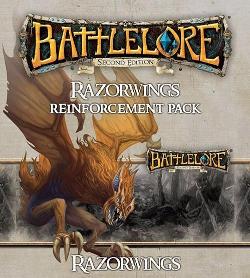 BattleLore: Zweite Edition – Rasierklingenflügler Verstärkungspack2016
Fotos von Ludoya-Tischen
Alle Fotos in Ludoya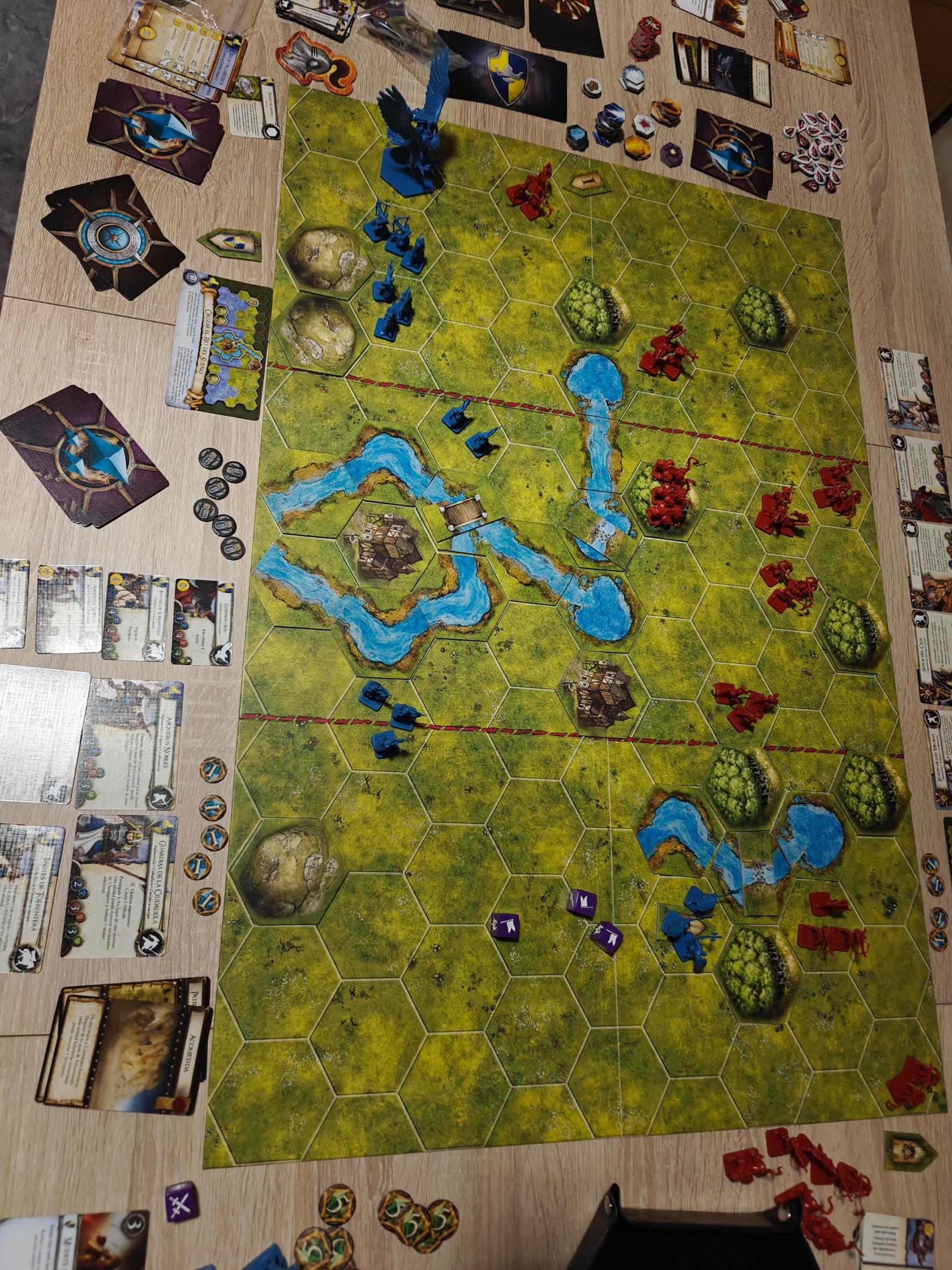
An Ludoyas Tischen
Alle Statistiken in Ludoya- 89
- Erfasste Partien
- 52
- Spieler
- 1h 19m
- Durchschnittliche Partie
- 49
- In Sammlungen
- 8
- Auf Wunschlisten
7,3/10
aus 23 Ludoya-Rezensionen
Garfield2,0 Too fiddly, too much text on cards, too much rules and at the end it's all about rolling dice...
Regelfragen
Aus der Spielanleitung beantwortet von Ludoyas Regelassistenten.
Can I order units in any section, or are they restricted by the command card?
You must play one command card each Main Phase, and that card’s text determines which units or board section you may order; if the card doesn’t specify a section you may order units from anywhere. Hexes split by a section line count as part of both sections, and section orientation is from the perspective of the player playing the card (see page 6).
How do I measure range and line of sight for a ranged attack?
Count hexes from the attacker to the target excluding the attacker’s hex and including the target’s hex to check range, and trace an imaginary line from center to center to check line of sight; the line is blocked if it crosses any part of a hex occupied by another unit or by blocking terrain (the attacker’s and target’s hexes do not block) (see page 8).
What do the different die results do (Strike, Cleave, Pierce, Morale, Lore, Heroic)?
Strike and Cleave cause damage in melee (weak units cannot cause damage from Cleave), Pierce causes damage for ranged attacks, Morale forces the target to retreat (retreats are applied after damage), Lore gives the roller lore tokens, and Heroic has no inherent effect but can trigger abilities (see page 9).
If a unit is forced to retreat but its path is blocked, what happens?
A unit retreats one hex away from the attacker for each retreat effect; if it would be forced off the board or into impassable terrain or enemy units the retreat ends and it suffers one damage for each unresolved retreat, while being supported by a friendly unit means the unit ignores retreats (see page 10).
Can an attacked adjacent unit counterattack, and can the attacker then advance into that unit’s hex?
An adjacent, non-eliminated target may optionally perform a counter by following the combat sequence (a counter cannot trigger another counter); the attacking unit may advance into an adjacent target’s original hex only if it eliminated the target or forced it to move from its original hex, and a unit resolving a counter cannot advance (see pages 10–11).
Ähnliche Spiele
 BattleLore2006
 Commands & Colors: Napoleonics2010
 Commands & Colors: Ancients2006
 Commands & Colors: Medieval2019
 Deadzone (Second Edition)2016
 Mythic Battles: Ragnarök2024
 Die Schlachten von Westeros2010
 Claustrophobia 16432019
 Mythic Battles: Pantheon2017
 Kings of War2012
 Undaunted: Luftschlacht um England2025
 Dungeon Command: Tyranny of Goblins2012
Wer es hat, hat auch
 Colossal Arena2004
 Summoner Wars: Master Set2011
 Time's Up! Title Recall!2008
 Ghost Stories2013
 Mage Wars Arena2015
 Mage Wars Academy2016
 Specter Ops2015
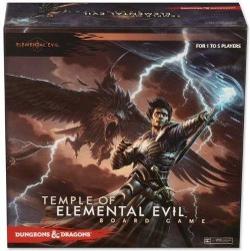 Dungeons & Dragons: Temple of Elemental Evil Board Game2015
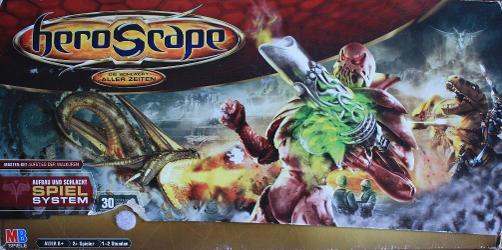 Heroscape Master Set: Aufstieg der Walküren2005
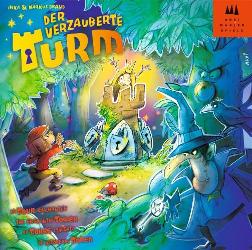 Der verzauberte Turm2012
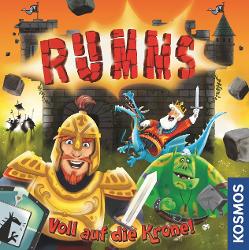 Rumms2015
 Roll for the Galaxy2016
Kostenlos, im Web, für Android und iOS
Spiel Battlelore: Zweite Edition mit Ludoya
- Hab es in deiner SammlungVerwalte dein Exemplar und seine Erweiterungen, leih es Freunden oder setz es auf deine Wunschliste und erfahre, wenn der Preis fällt.Zur Sammlung hinzufügen
- Erfasse jede PartiePunkte, Sieger, Timer und Fotos, dann deine Statistiken: Siegquote, liebste Spielerzahl, beste Punktzahl.Partie erfassen
- Regelfragen klärenFrag alles zu den Regeln und erhalte eine Antwort aus der Spielanleitung, mit der Seite zum Nachprüfen.Den Regelassistenten fragen
- Finde Leute, mit denen du es spielstClubs, Spieleabende und Veranstaltungen in deiner Nähe, bei denen dieses Spiel auf den Tisch kommt.Veranstaltungen ansehen
Spieldaten (Spieler, Spielzeit, Alter, Mitwirkende) von BoardGameGeek.