
2013 · Amerikanischer Bürgerkrieg
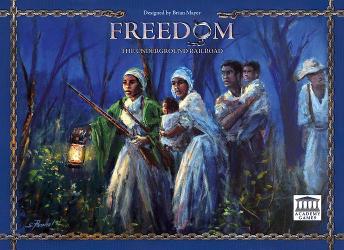
Freedom: The Underground Railroad
Die Spieler arbeiten zusammen als Mitglieder der Abolitionistenbewegung daran, Unterstützung aufzubauen und versklavten Menschen bei der Flucht in die Freiheit nach Kanada zu helfen. Das Spiel ist kartengetrieben: Die Spieler spielen historische Figuren und Ereignisse aus, nutzen Aktionsmarker und Rollenfähigkeiten, um Gelder zu sammeln, Unterstützer zu rekrutieren und Flüchtende entlang von Routen zu bewegen, während Sklavenfänger patrouillieren und auf diese Bewegungen reagieren. Die Spieler müssen einen Ausgleich finden zwischen der Befreiung von Menschen aus dem Süden und dem Erzeugen der Ressourcen, die sie brauchen, um ihre Aktivitäten aufrechtzuerhalten, und sie sehen sich Rückschlägen durch ungünstige Ereignisse und gegnerische Kräfte gegenüber. Der Sieg kommt zustande, wenn genug politischer und finanzieller Schwung aufgebaut wurde, um die Institution der Sklaverei zu zerschlagen.
- Spieler
- 1–4 am besten mit 3
- Spielzeit
- 60–120 Min.
- Alter
- 13+
- Komplexität
- 2,9 / 5
Über das Spiel
- Autoren
- Illustration






Erweiterungen
In Ludoya ansehen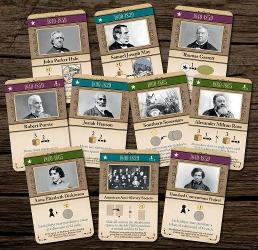

Wo kaufen
Shop-Preise und gebrauchte Exemplare, täglich geprüft.
An Ludoyas Tischen
Alle Statistiken in Ludoya- 51
- Erfasste Partien
- 46
- Spieler
- 1h 31m
- Durchschnittliche Partie
- 20
- In Sammlungen
- 13
- Auf Wunschlisten
6,3/10
aus 12 Ludoya-Rezensionen
Awesome game with great theme, innovative mechanics that can remind to wargames, very tense and difficult. Love it, one of a kind
Evan4,6 A very enjoyable game where players as a team have to try to get enough cubes out of the lower half of the board, into the upper half while still gathering enough dollars to be able to buy the victory tokens. The theme here is heavy, but I enjoyed being able to purchase action cards that summoned the influence of great civil rights heroes to save the day in a pinch. :star: Art, Iconography and components functional :star: Clever or interesting mechanisms :star: Reasonably low downtime between turns with mildly AP players :nostar: Multiple plays stay interesting :star: Low or mitigatable luck elements :star::star::nostar::nostar::nostar: Raw enjoyment
Mitchell C5,9 Wow. This is without a doubt the BEST cooperative game I have played. I wouldn't be playing it every week because the theme is emotionally draining. But it's a very interesting and tense experience. If you get a chance you must check this one out.

Regelfragen
Aus der Spielanleitung beantwortet von Ludoyas Regelassistenten.
When do slave catchers move, and do they capture slaves they pass over?
During the Slave Catcher Phase the lead player rolls the two dice to see which catcher (if any) moves and how far; if the walking-slave symbol is rolled, none move. A slave catcher only captures slaves on the final space it ends on—slaves on spaces it passed over are not captured (pages 5–6).
Can I move a slave into a space that already has a slave, and how many slaves can a city hold?
Most small cities and spaces can hold only a single slave and a slave cannot finish its movement on a space that already contains a slave, while the large square cities (Chicago, Boston, New York) can hold up to 4 slaves; Canada has numbered spaces for tracking freed slaves (page 7).
If I buy an Abolitionist Card that gives money, can I use that money to pay for the same card?
No — you must have enough money available before the purchase; money gained from resolving the card cannot be used to pay for that card, and players may not give or lend money to each other unless a card specifically allows it (page 8).
What happens in the Slave Market Phase and how do we lose from slaves being sold?
During the Slave Market Phase the slaves on the bottom Slave Market Card are placed into any open plantation spaces; if there are no open plantation spaces for incoming slaves they are placed on the Slaves Lost Track, and if you must add a slave after the last Slaves Lost space is filled the players immediately lose the game (page 10).
When does the next Period column become active and what changes when the last Support Token in a Period is taken?
When the last Support Token in the currently active Period Column is taken the game is paused and the current Period's Abolitionist Deck is removed from the game, then the next Period Column immediately activates and its tokens and cards become available to all players (page 6).
Ähnliche Spiele
 Renegade2018
 Widerstand: Oranje wird siegen!2026
 This Guilty Land2018
 Cuba Libre2013
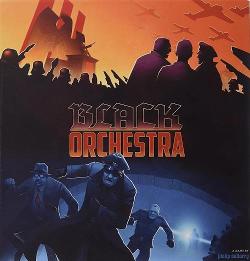 Black Orchestra2016
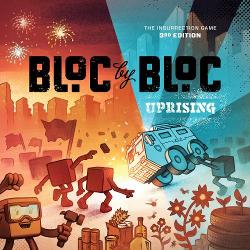 Bloc by Bloc: Uprising2022
 Fortune and Glory: The Cliffhanger Game2011
 Final Girl2021
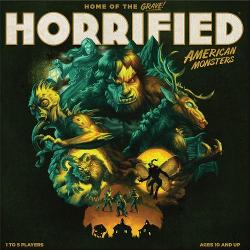 Horrified: American Monsters2021
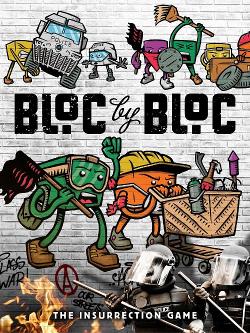 Bloc by Bloc: The Insurrection Game2016
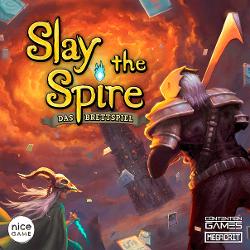 Slay the Spire: Das Brettspiel2024
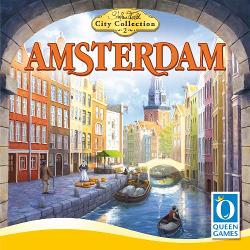 Amsterdam2022
Wer es hat, hat auch
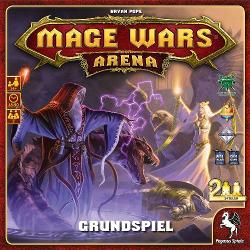 Mage Wars Arena2015
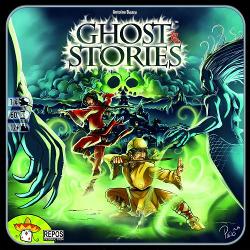 Ghost Stories2013
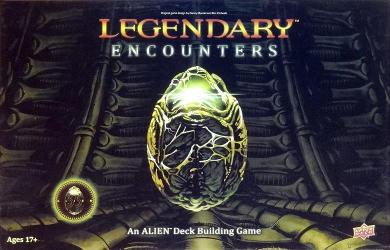 Legendary Encounters: An Alien Deck Building Game2014
 Abyss2014
 Der Ringkrieg: Das Kartenspiel2024
 Fury of Dracula2016
 Winter der Toten: Ein Spiel mit dem Schicksal2015
 Lords of Waterdeep2026
 Blood Rage2017
 Robinson Crusoe: Deluxe2023
 Fantastische Reiche2023
 Eldritch Horror2013
Kostenlos, im Web, für Android und iOS
Spiel Freedom: The Underground Railroad mit Ludoya
- Hab es in deiner SammlungVerwalte dein Exemplar und seine Erweiterungen, leih es Freunden oder setz es auf deine Wunschliste und erfahre, wenn der Preis fällt.Zur Sammlung hinzufügen
- Erfasse jede PartiePunkte, Sieger, Timer und Fotos, dann deine Statistiken: Siegquote, liebste Spielerzahl, beste Punktzahl.Partie erfassen
- Regelfragen klärenFrag alles zu den Regeln und erhalte eine Antwort aus der Spielanleitung, mit der Seite zum Nachprüfen.Den Regelassistenten fragen
- Finde Leute, mit denen du es spielstClubs, Spieleabende und Veranstaltungen in deiner Nähe, bei denen dieses Spiel auf den Tisch kommt.Veranstaltungen ansehen
Spieldaten (Spieler, Spielzeit, Alter, Mitwirkende) von BoardGameGeek.