
2016 · Tiere
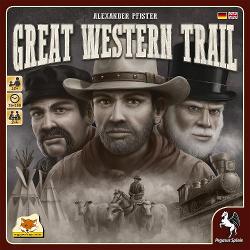
Great Western Trail
Die Spieler übernehmen die Rolle von Viehzüchtern im 19. Jahrhundert, die Rinder von Texas nach Kansas City treiben, um sie dort für Geld und Siegpunkte auf Züge zu verladen. Das Spiel dreht sich um das Verwalten von Hand- und Deckkarten mit Rindern, um Herden mit höherem Wert zusammenzustellen, während man sich auf einem gemeinsamen Pfad bewegt und Gebäude nutzt, um Aktionen und Boni zu erhalten. Die Spieler heuern und setzen Arbeiter ein – Cowboys, um die Rinder zu verbessern, Handwerker, um eigene Gebäude zu errichten, und Ingenieure, um Bahnverbindungen auszubauen – und müssen dabei Bewegung auf der Route, Deck-Management und das richtige Timing für Lieferungen ausbalancieren. Die Wertung belohnt wertvolle Rinder, den effizienten Einsatz von Gebäuden und Arbeitern sowie den Ausbau des Eisenbahnnetzes über mehrere Fahrten hinweg.
- Spieler
- 2–4 am besten mit 3
- Spielzeit
- 75–150 Min.
- Alter
- 12+
- Komplexität
- 3,7 / 5
Über das Spiel
- Autoren
- Illustration
- Publisher



Erweiterungen
In Ludoya ansehen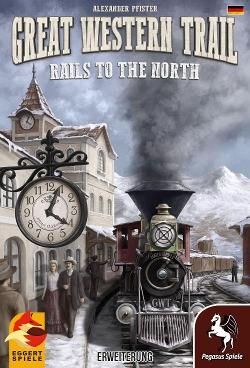 Great Western Trail: Rails to the North2018
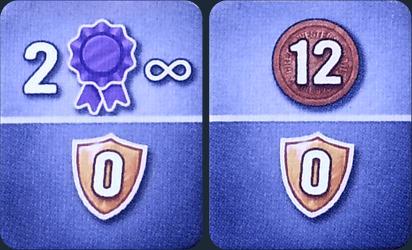 Great Western Trail: Promo "2 Neue Bahnhofsvorsteher"2017
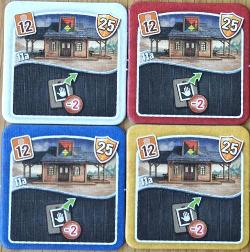 Great Western Trail: The Eleventh Building Tile2017
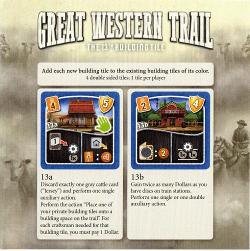 Great Western Trail: 13th Building Tile2019
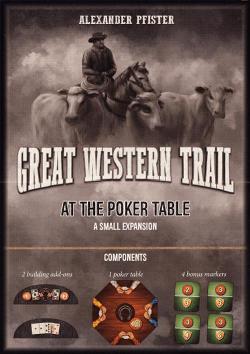 Great Western Trail: At the Poker Table2018
 Deutscher Spielepreis 2017 Goodie Box2017
 Brettspiel Adventskalender 20182018
 Super Power2019
Fotos von Ludoya-Tischen
Alle Fotos in Ludoya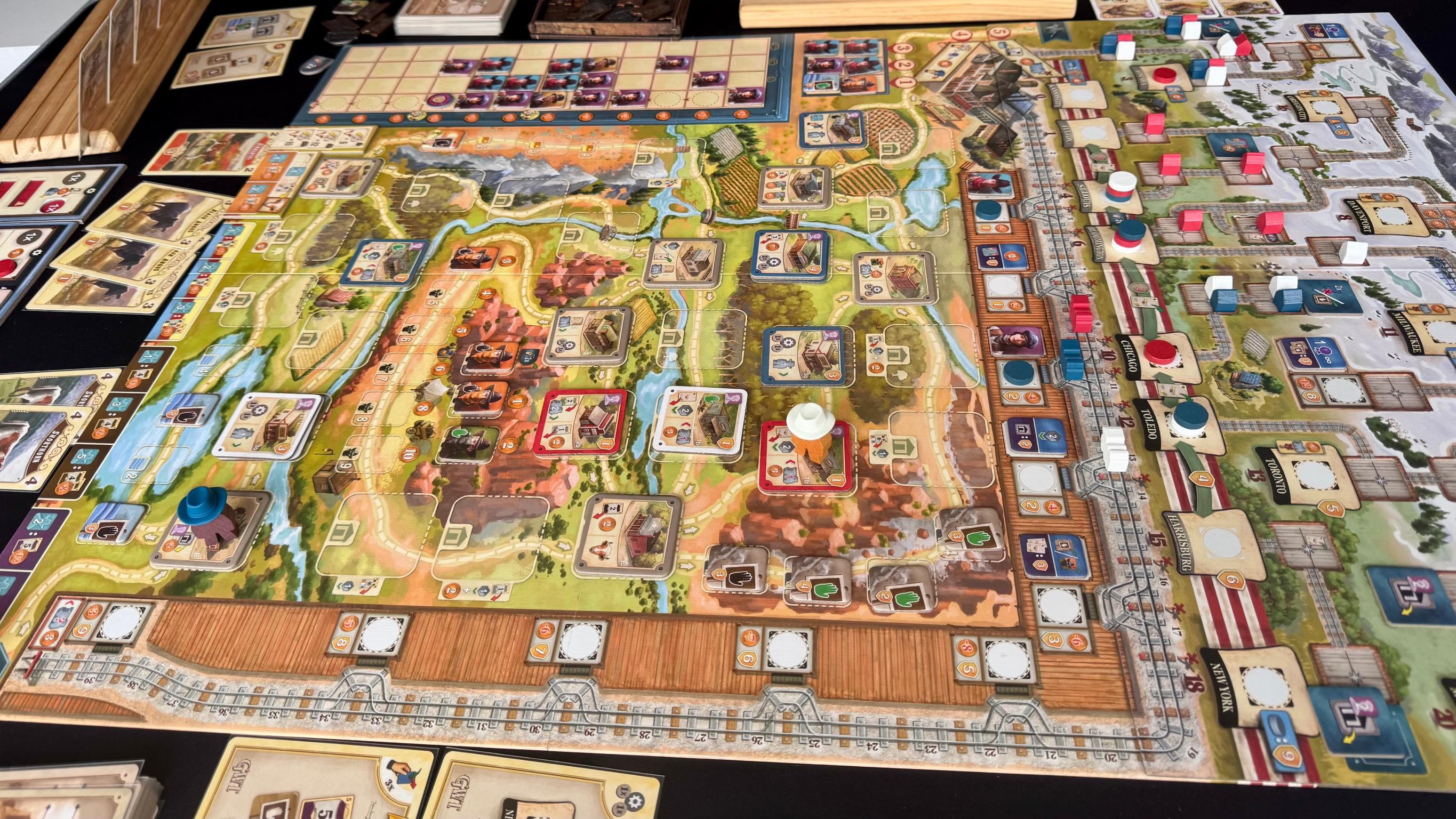
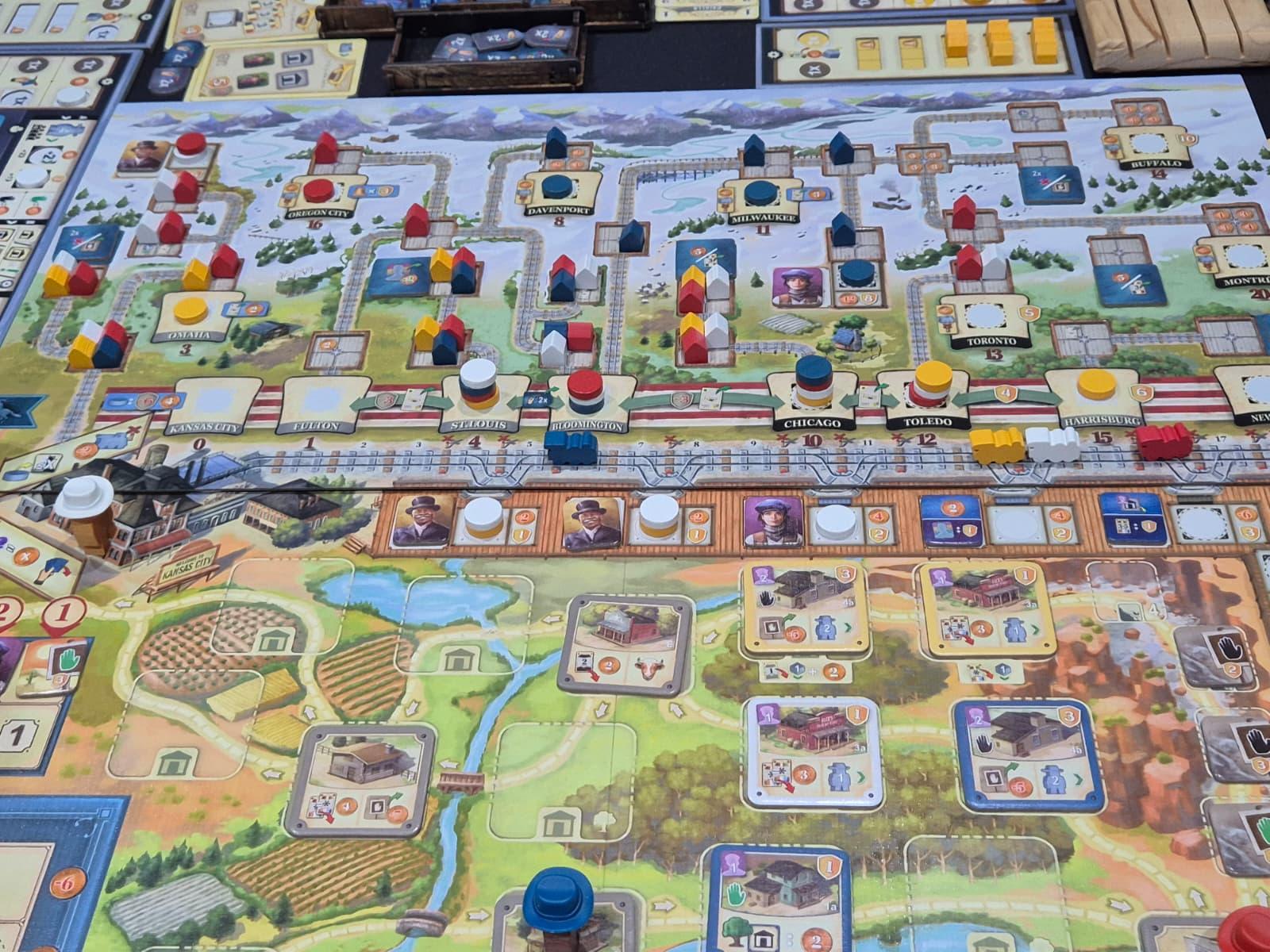
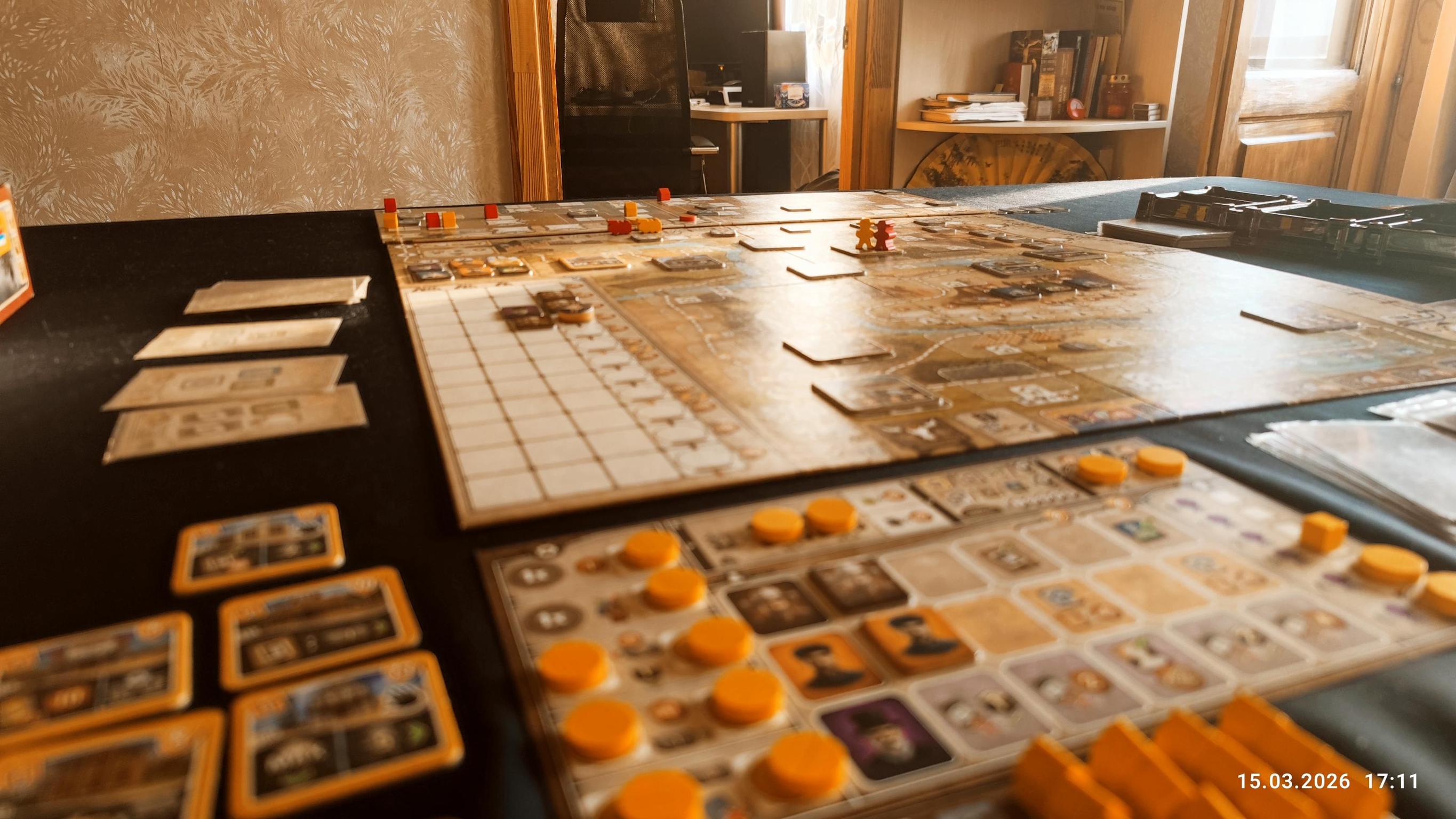
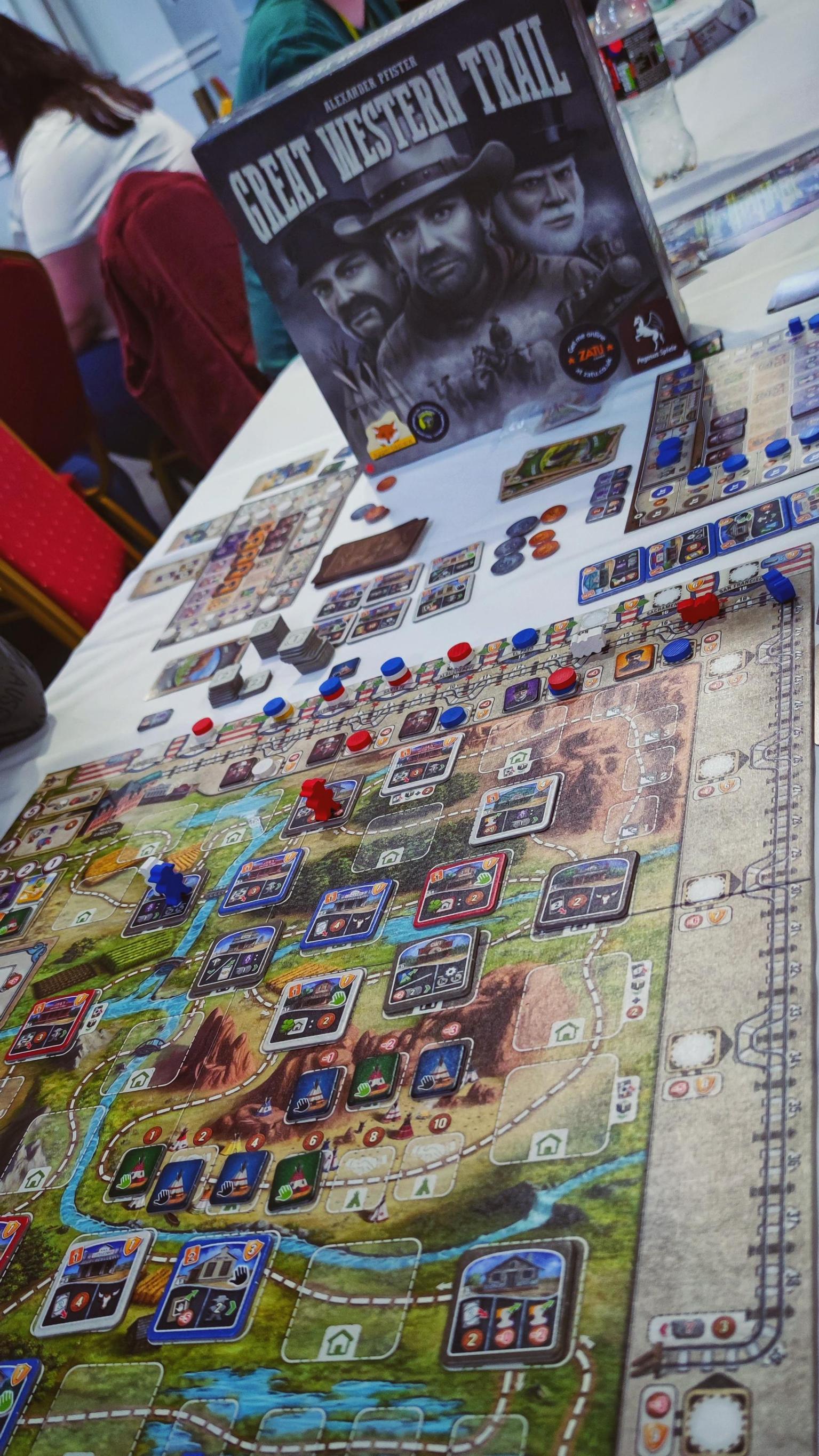
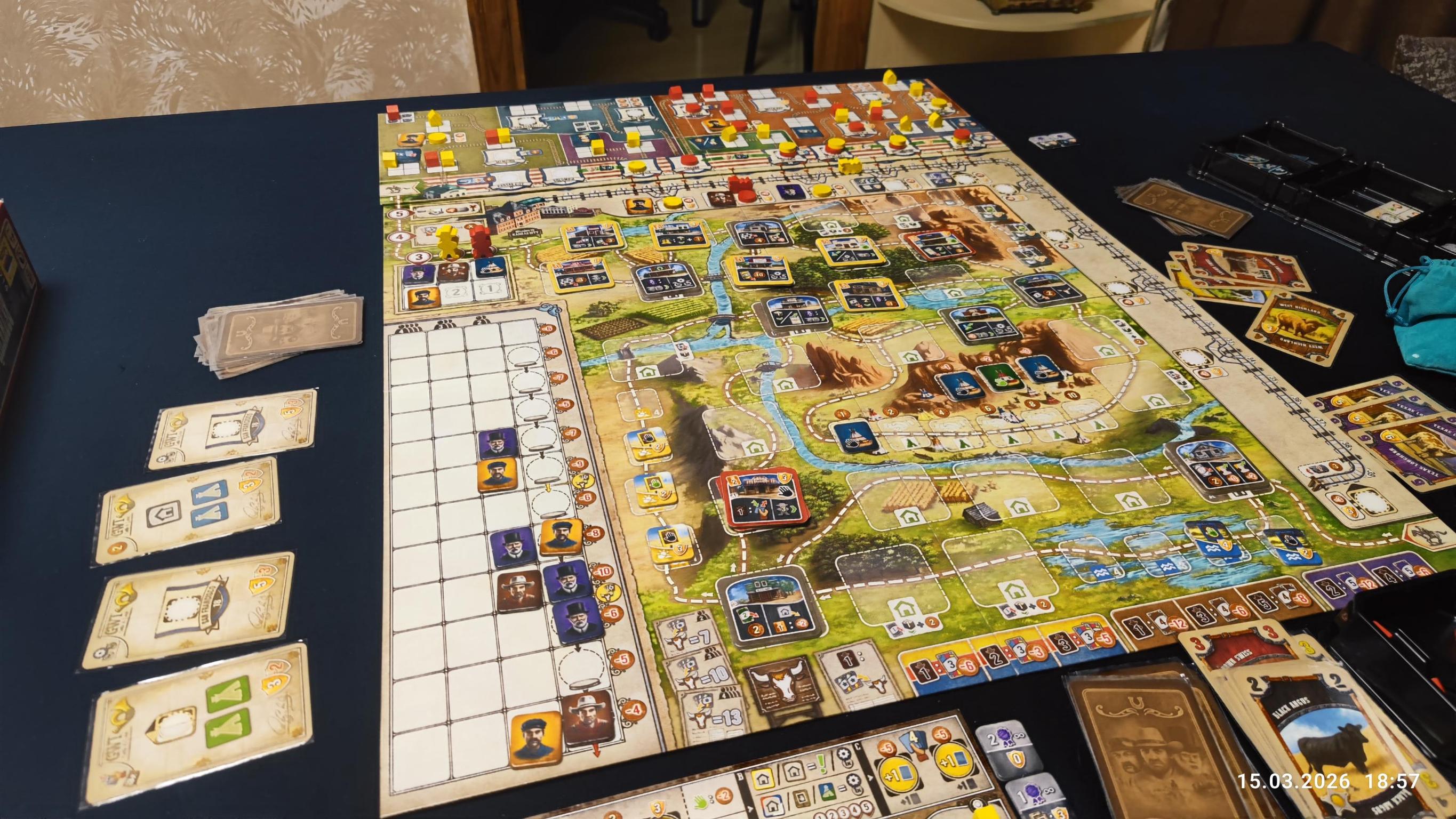
Wo kaufen
Shop-Preise und gebrauchte Exemplare, täglich geprüft.
An Ludoyas Tischen
Alle Statistiken in Ludoya- 1.227
- Erfasste Partien
- 943
- Spieler
- 2h 1m
- Durchschnittliche Partie
- 215
- In Sammlungen
- 29
- Auf Wunschlisten
8,0/10
aus 152 Ludoya-Rezensionen
Jan Solo8,5 (Segunda Edición Revisada) Impro-Reseña⇒
Garfield9,0 #57 Metallmünzen im Dach Thematic strategic game with the right amount of decisions to make. [c] Theme: ★★★☆☆ <!-- size 7]Good --> Gameplay: ★★★★☆ <!-- size 7]A lot of decisions but not too much --> Interaction: ★★☆☆☆ <!-- size 7]Not that much --> Artwork: ★★★☆☆ <!-- size 7]Good, nothing special --> Luck: ★★★☆☆ <!-- size 7]Card drawing --> Strategy: ★★★★☆ <!-- size 7]Very strategic --> Components: ★★★☆☆ <!-- size 7]Nothing special --> Play duration: ★★★☆☆ <!-- size 7]Ok --> Easy to teach: ★☆☆☆☆ <!-- size 7]A lot to teach --> Setup time: ★★☆☆☆ <!-- size 7]A lot of things to setup --> No downtime: ★★★☆☆ <!-- size 7]Still ok --> Replay value: ★★★★☆ <!-- size 7]Different strategies --> [/c]
Mestremuten10,0 Rating: 5/5 Production value: 4/4 Is the game in my collection/Love to have?: 1/1

Regelfragen
Aus der Spielanleitung beantwortet von Ludoyas Regelassistenten.
How far can I move my cattleman each turn — do I have to use all my steps?
You must move at least 1 step and may move up to the step limit shown on your player board (start is 3 or 4 depending on player count); you must move forward along the trail (no backwards movement) and cannot pass over Kansas City (p.6).
If I pass private buildings or hazard tiles with green/black hands but don’t have enough money, what happens?
You must immediately pay the indicated fees (to the bank for hazards, to the owner for private buildings) as you pass or land on them, but if you cannot pay you are still allowed to move — pay as much as you can and you never owe fees retroactively (p.6).
When I land on a neutral or my own building, can I do its local actions and also an auxiliary action?
On a neutral building tile or a private tile you own you may perform each of that tile's local actions once (in any order); you may only perform an auxiliary action instead if you forfeit all of the tile's local actions (p.7; local actions explained pp.11–14).
How do deliveries work — how far can I deliver and when do I pay transport costs?
Your Income subphase sets a total breeding value (sum of different cattle types plus certificates) and you may deliver to any city whose city value is ≤ that total (you cannot deliver to a city you already have a disc on, except Kansas City and San Francisco); transport costs apply if your engine's nose is behind the city — pay $1 per crest between your engine nose and that city's crest — and disc placement follows the white/dark corner rules (pp.8–9).
How do auxiliary actions work — what's the difference between single and double auxiliary actions?
Each auxiliary action has two disc spaces: if at least one space is cleared the action is unlocked (single use), and if both spaces are cleared you may use it as a double action (requirements and rewards doubled); note that using an auxiliary action from a location in place of local actions can only be a single use even if both spaces are cleared (p.13).
When does the game end and do other players get a final turn?
The game end is triggered when a worker is placed on the last job‑market space during Kansas City subphase 2 or 3 (moving the job market token out); the active player finishes that turn and then each other player gets one final turn (they may go to Kansas City but cannot take worker tiles from foresight during their final Kansas City subphases) before final scoring (p.15).
Wertungsbögen und Spielhelfer
- Игровой набор
- Kit de juego
- Full Game Kit
Ähnliche Spiele
Wer es hat, hat auch
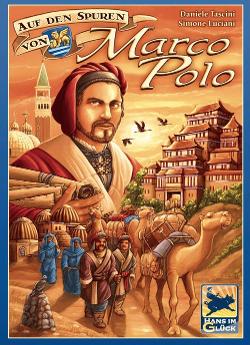
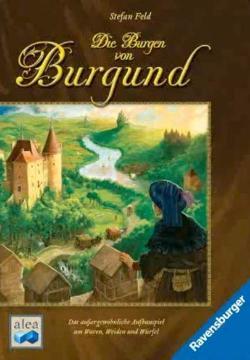
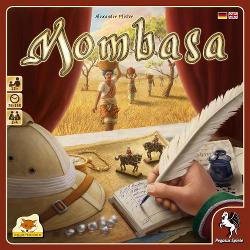
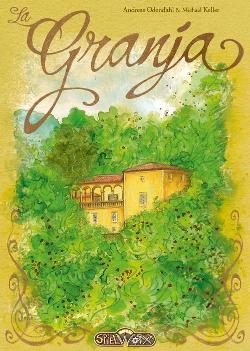
Kostenlos, im Web, für Android und iOS
Spiel Great Western Trail mit Ludoya
- Hab es in deiner SammlungVerwalte dein Exemplar und seine Erweiterungen, leih es Freunden oder setz es auf deine Wunschliste und erfahre, wenn der Preis fällt.Zur Sammlung hinzufügen
- Erfasse jede PartiePunkte, Sieger, Timer und Fotos, dann deine Statistiken: Siegquote, liebste Spielerzahl, beste Punktzahl.Partie erfassen
- Regelfragen klärenFrag alles zu den Regeln und erhalte eine Antwort aus der Spielanleitung, mit der Seite zum Nachprüfen.Den Regelassistenten fragen
- Finde Leute, mit denen du es spielstClubs, Spieleabende und Veranstaltungen in deiner Nähe, bei denen dieses Spiel auf den Tisch kommt.Veranstaltungen ansehen
Spieldaten (Spieler, Spielzeit, Alter, Mitwirkende) von BoardGameGeek.