
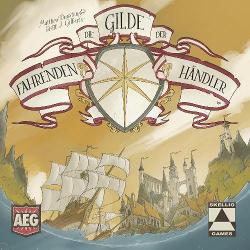
2022 · Fantasy
Die Gilde der Fahrenden Händler
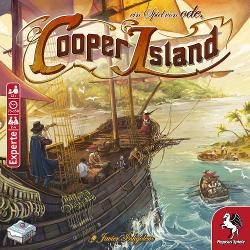
Die Spieler beginnen mit einer einzigen Stadt auf einer persönlichen Karte und decken ein gemeinsames Deck aus Geländekarten auf, um den Spielablauf zu bestimmen. Anhand des aufgedeckten Geländes setzen die Spieler Würfel, die mit ihrem bestehenden Netzwerk verbunden sein müssen, mit dem Ziel, Gebiete zu vervollständigen, Meere zu überqueren und neue Städte zu gründen, bevor die Würfel am Ende der Runde entfernt werden. Die Spieler können gekenterte Schiffe nach Schatzmarkern durchsuchen, die besondere Platzierungsfähigkeiten verleihen, und verbundene Verbindungen zwischen Orten bauen, um Bonuspunkte zu erhalten. Gemeinsame Ziele bieten zusätzliche Wertung, mit höheren Belohnungen für den ersten Spieler, der sie erreicht. Das Spielmaterial umfasst mehrere Karten und unterstützt das Spielen mit separaten Exemplaren für Fern- oder gleichzeitige Partien.
- Spieler
- 1–4 am besten mit 2
- Spielzeit
- 45 Min.
- Alter
- 14+
- Komplexität
- 2,1 / 5
Über das Spiel
- Illustration


Erweiterungen
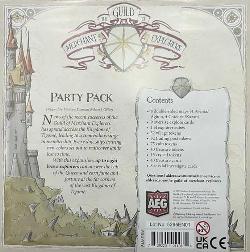
In Ludoya ansehen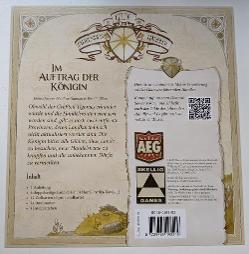
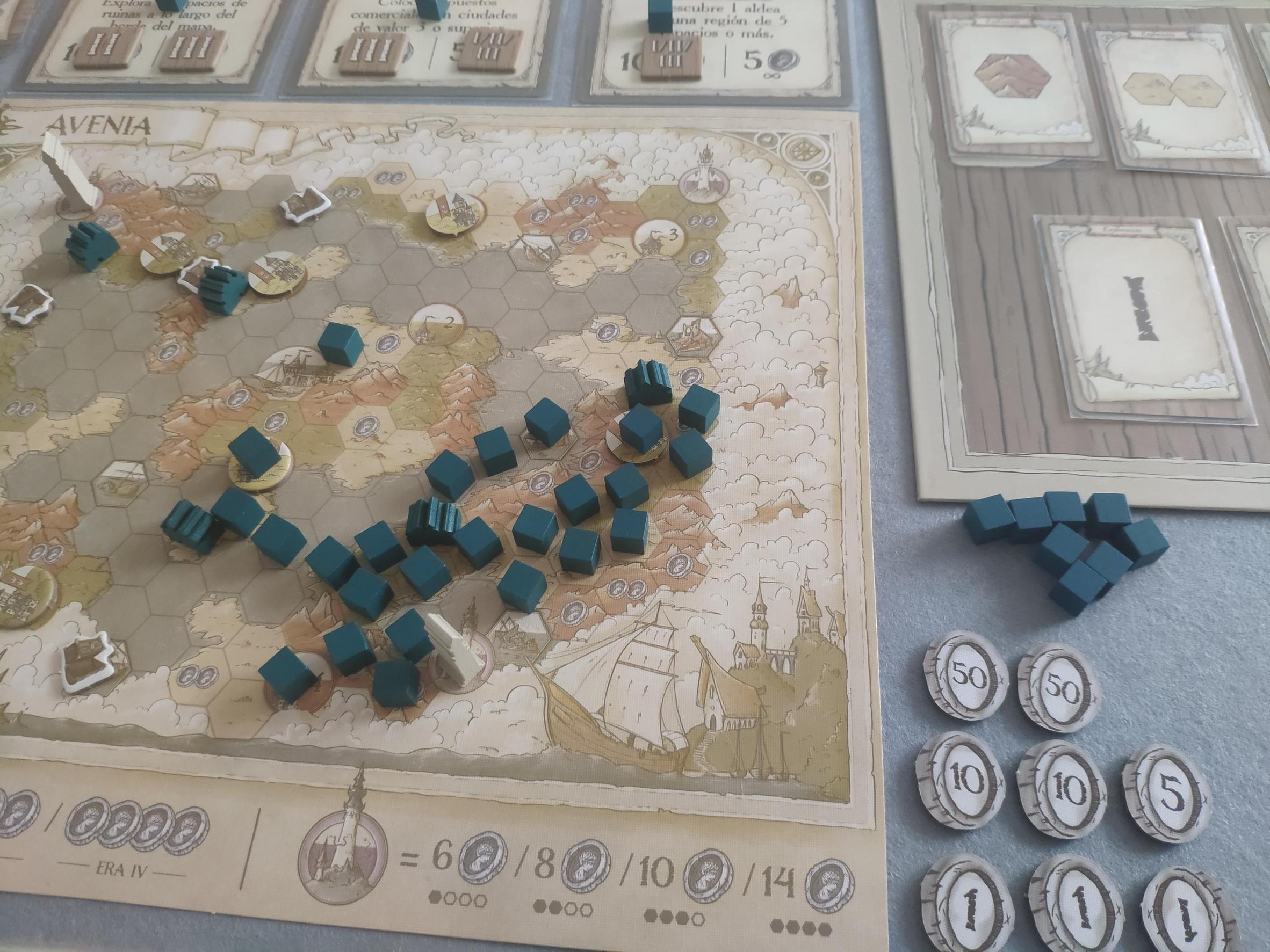
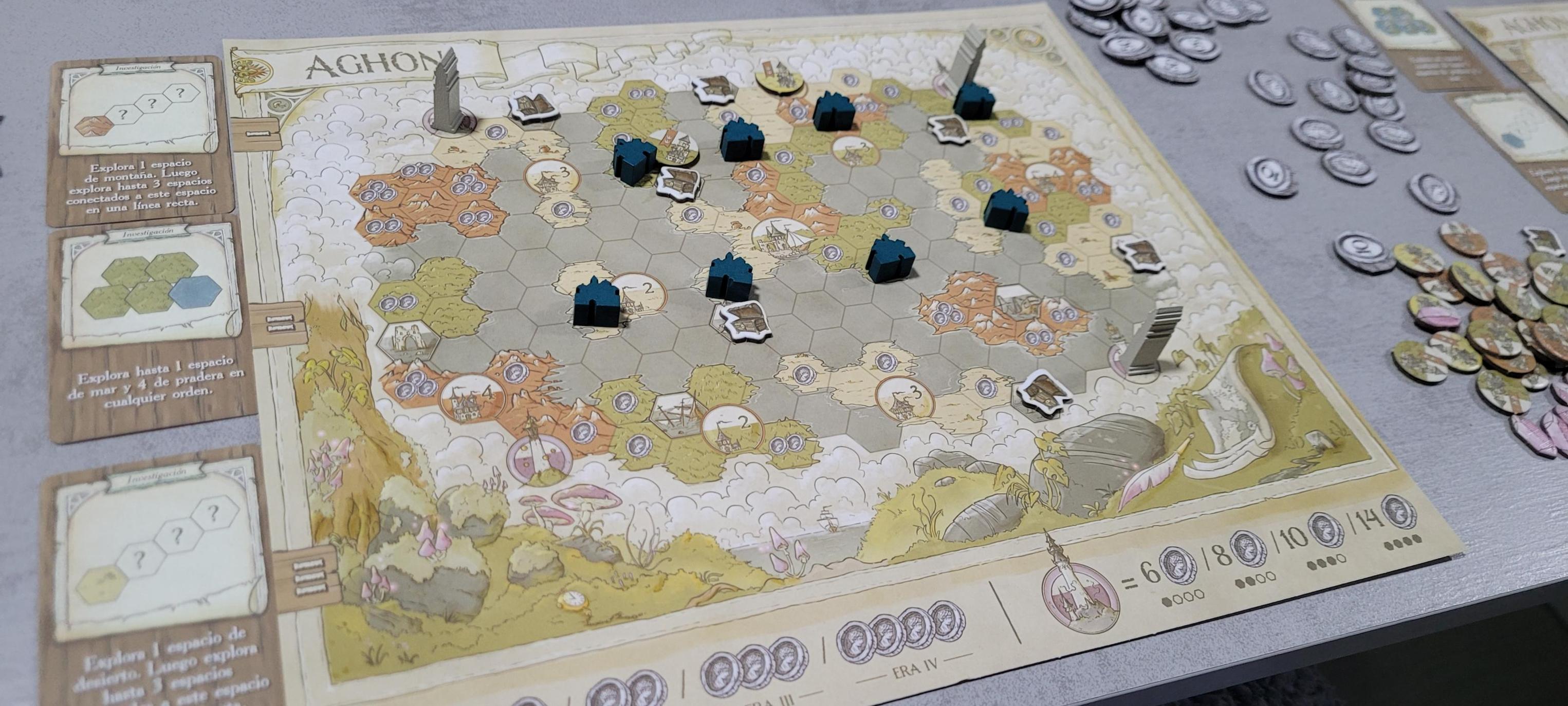
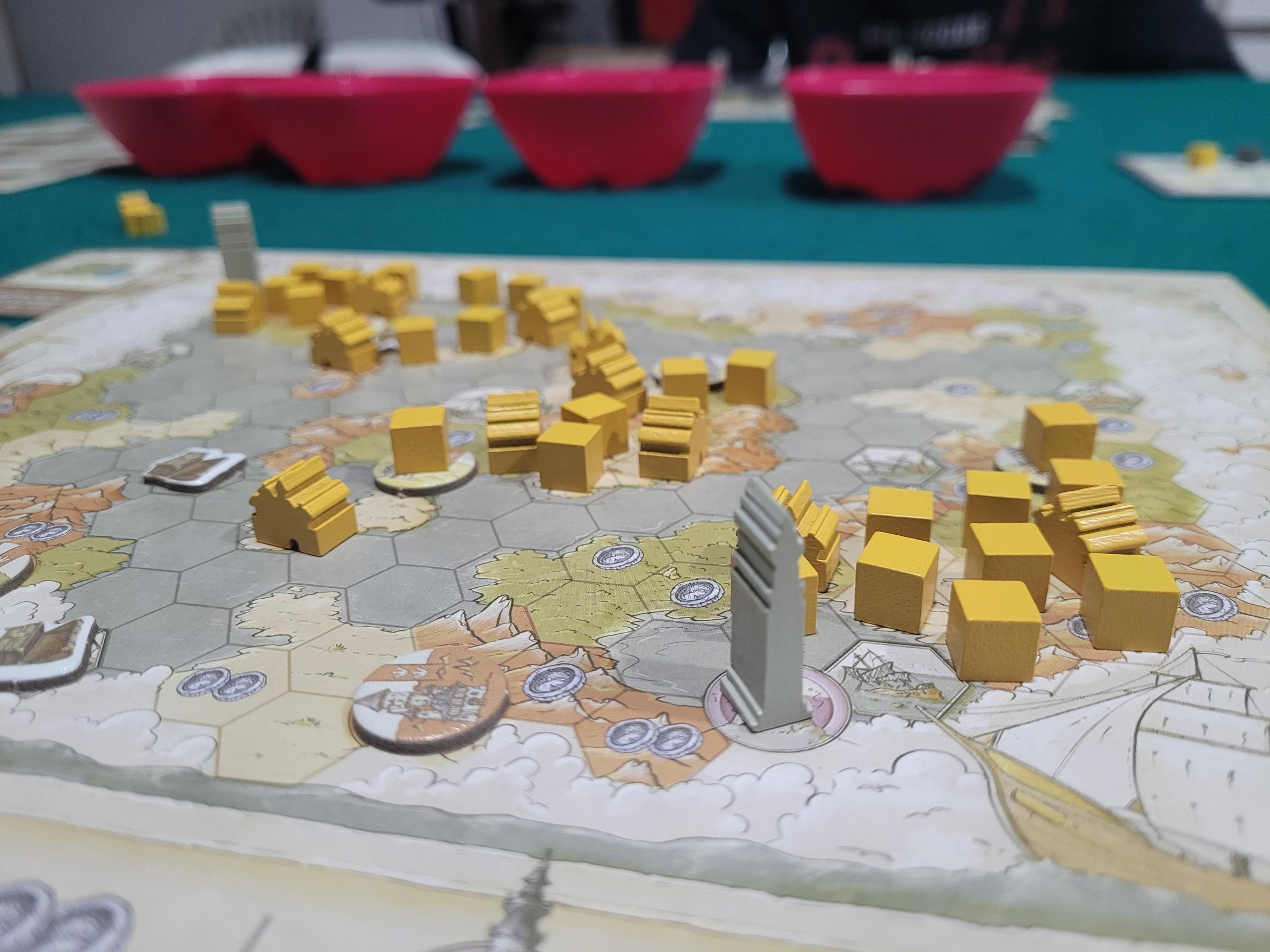
Fotos von Ludoya-Tischen
Alle Fotos in Ludoya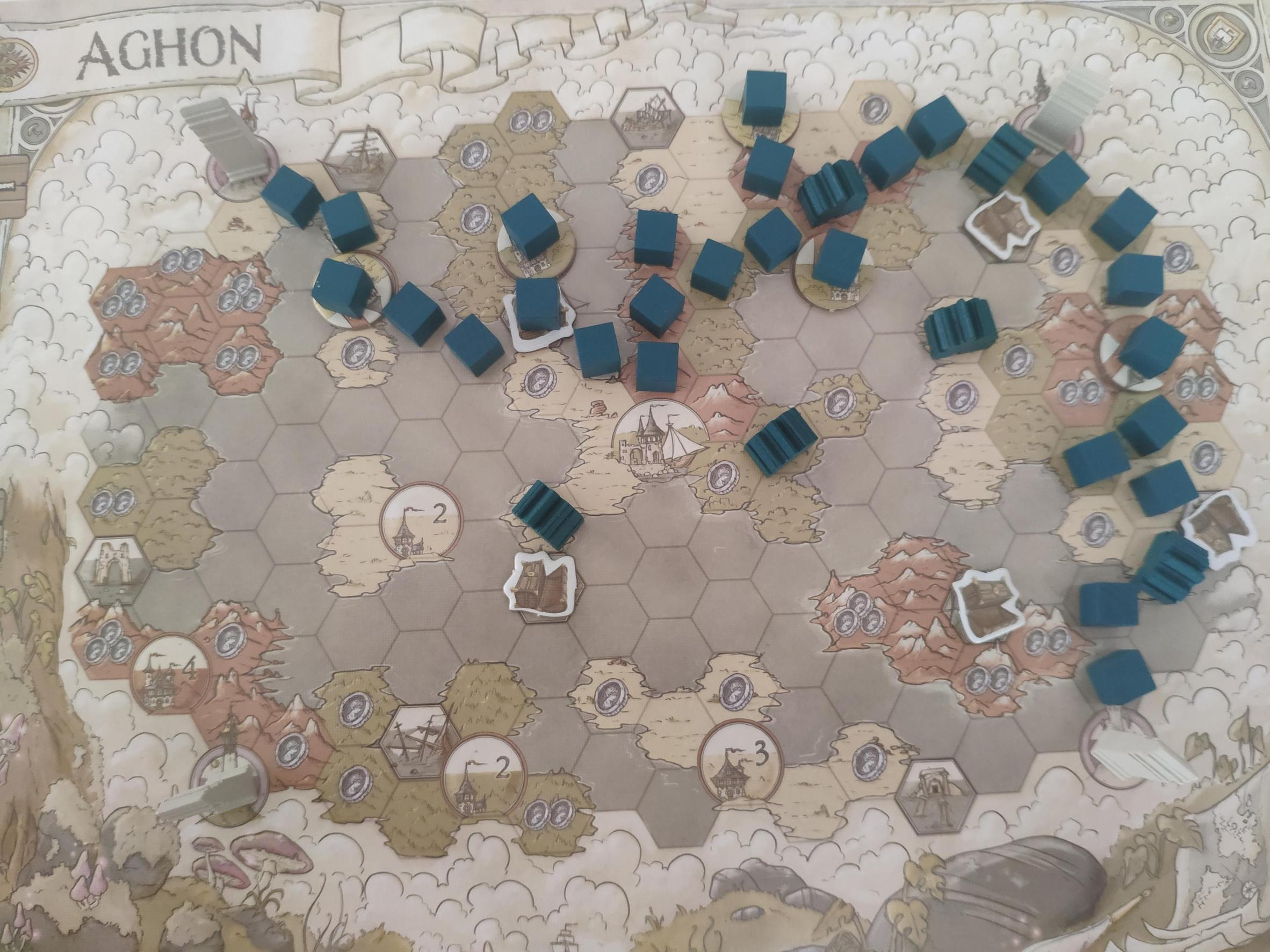
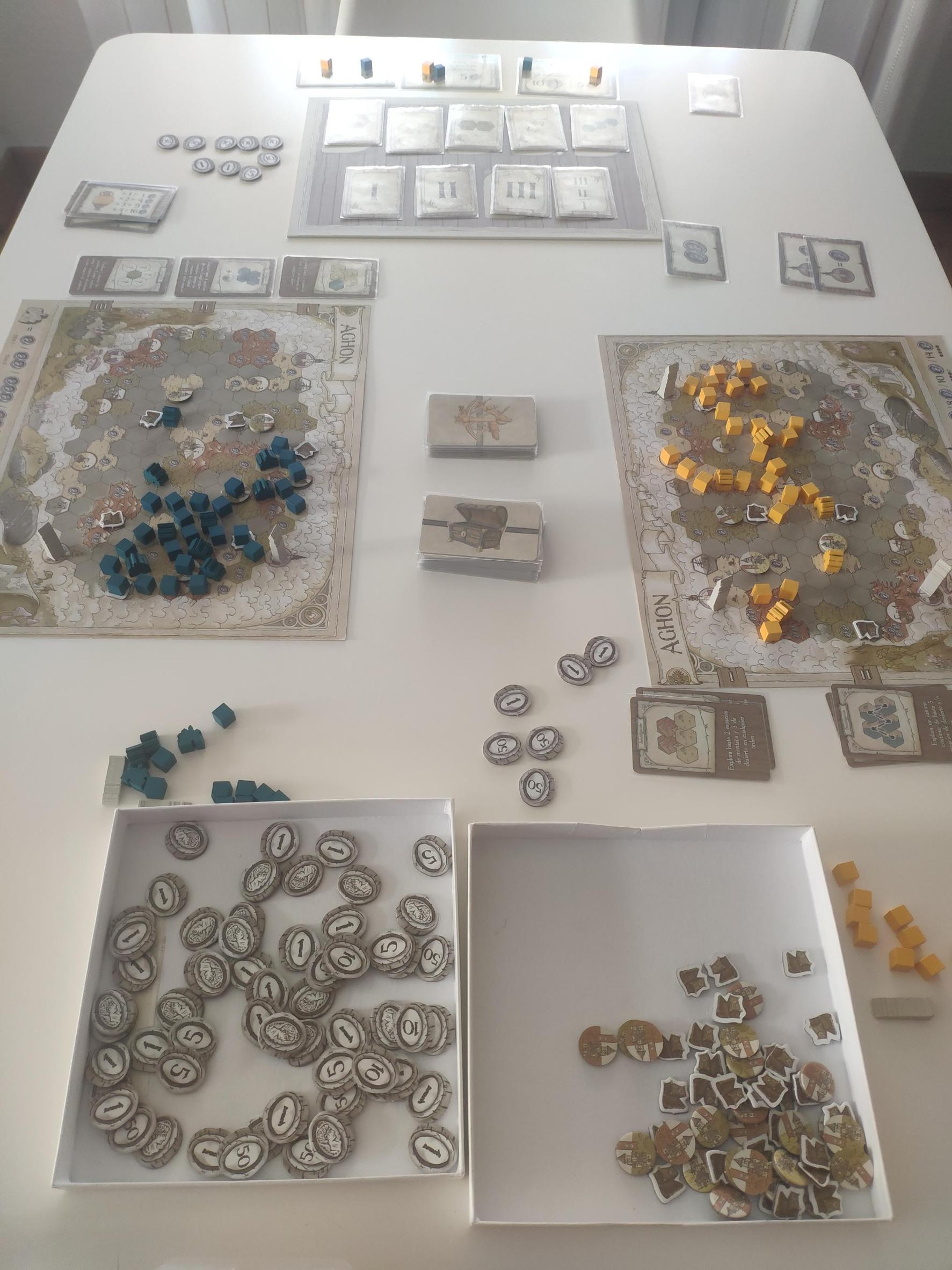
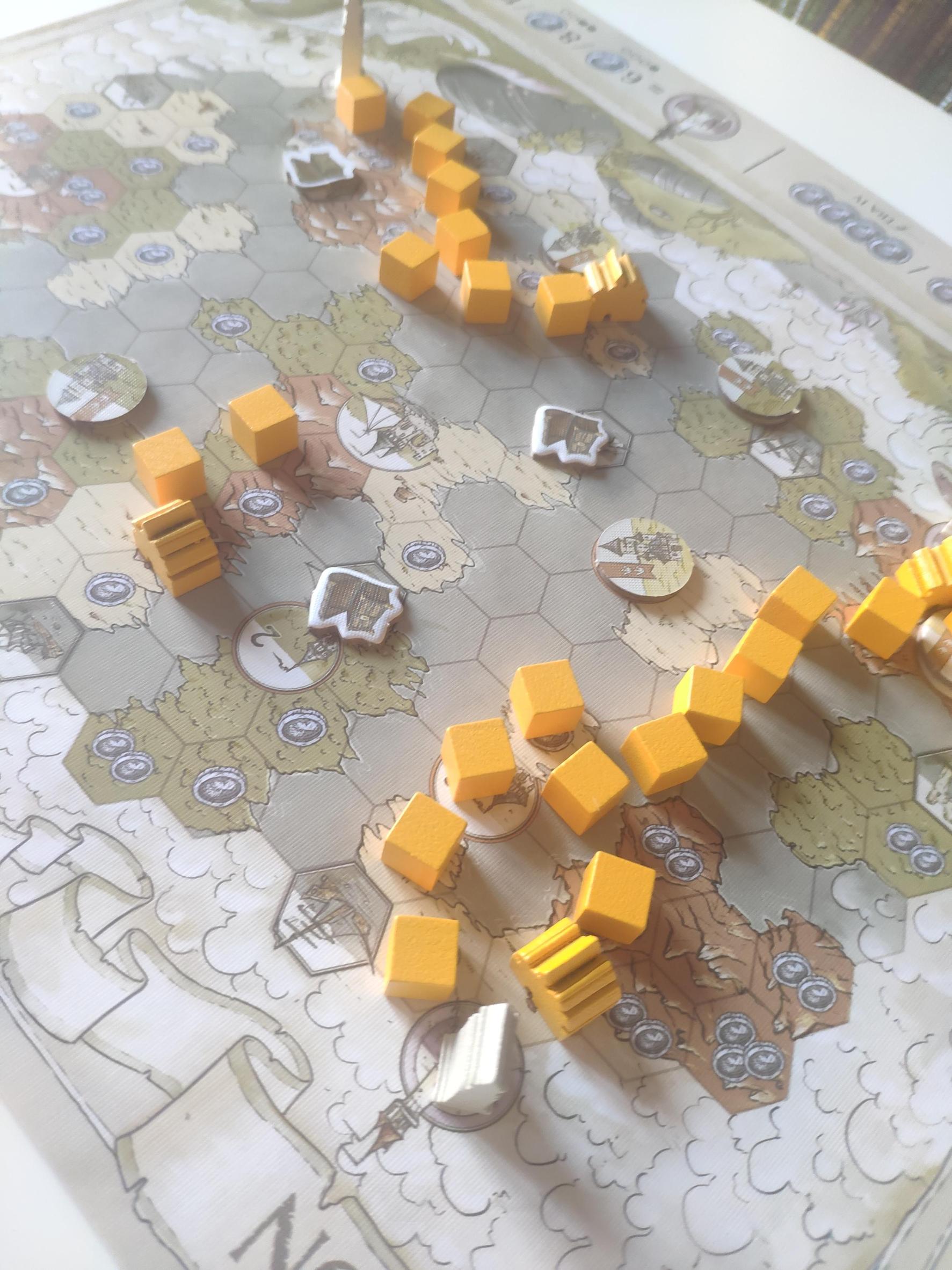
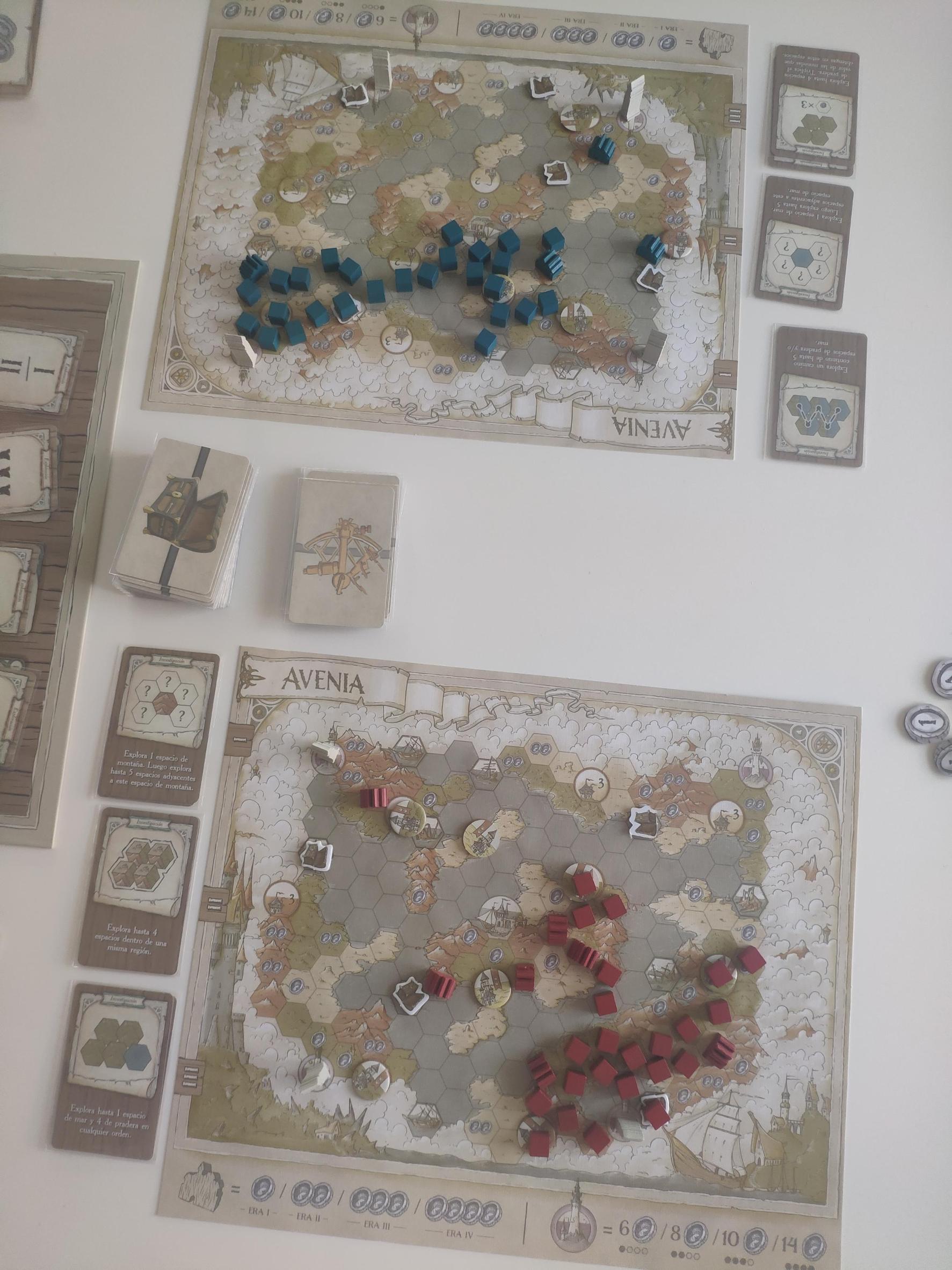
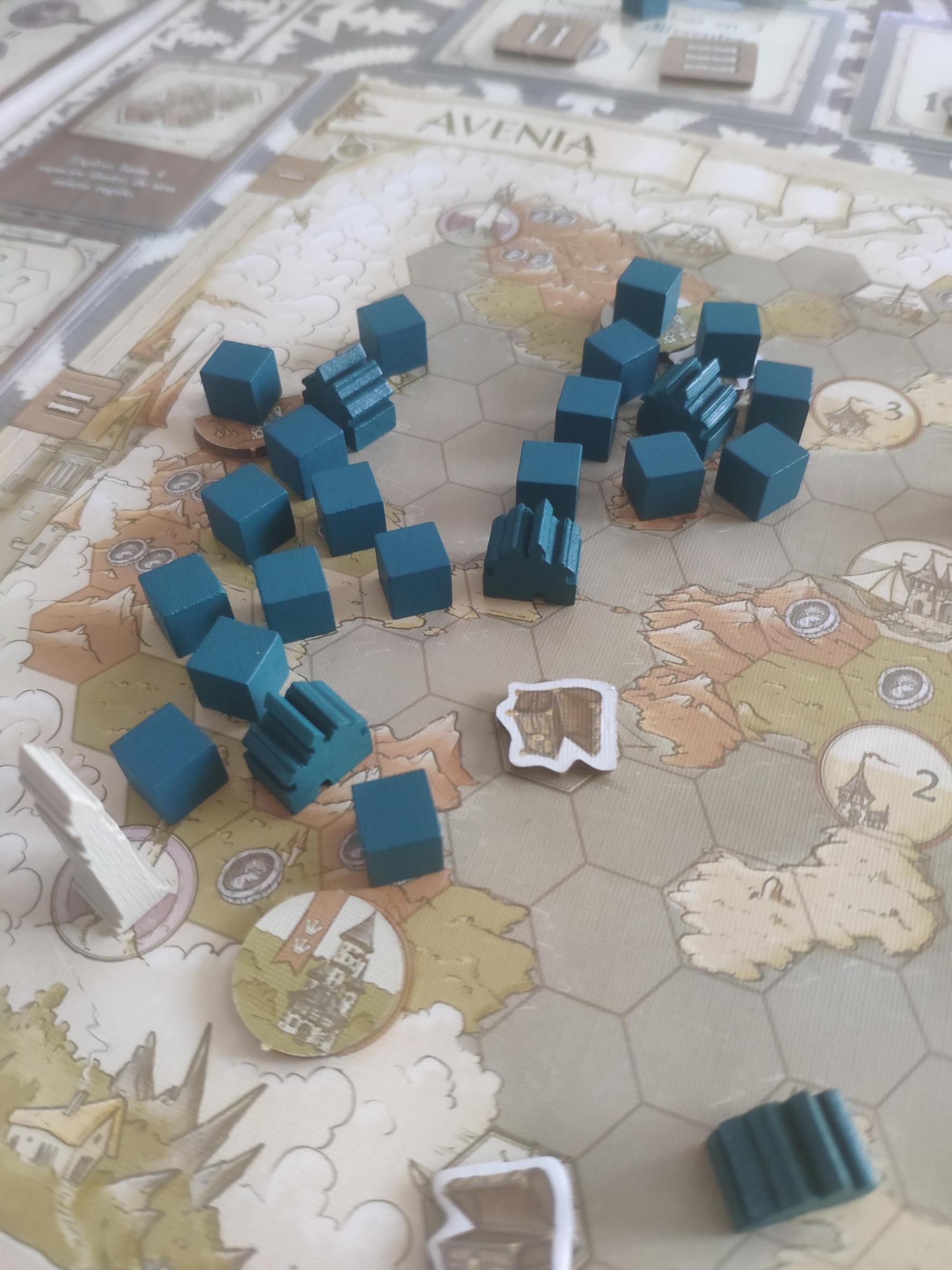
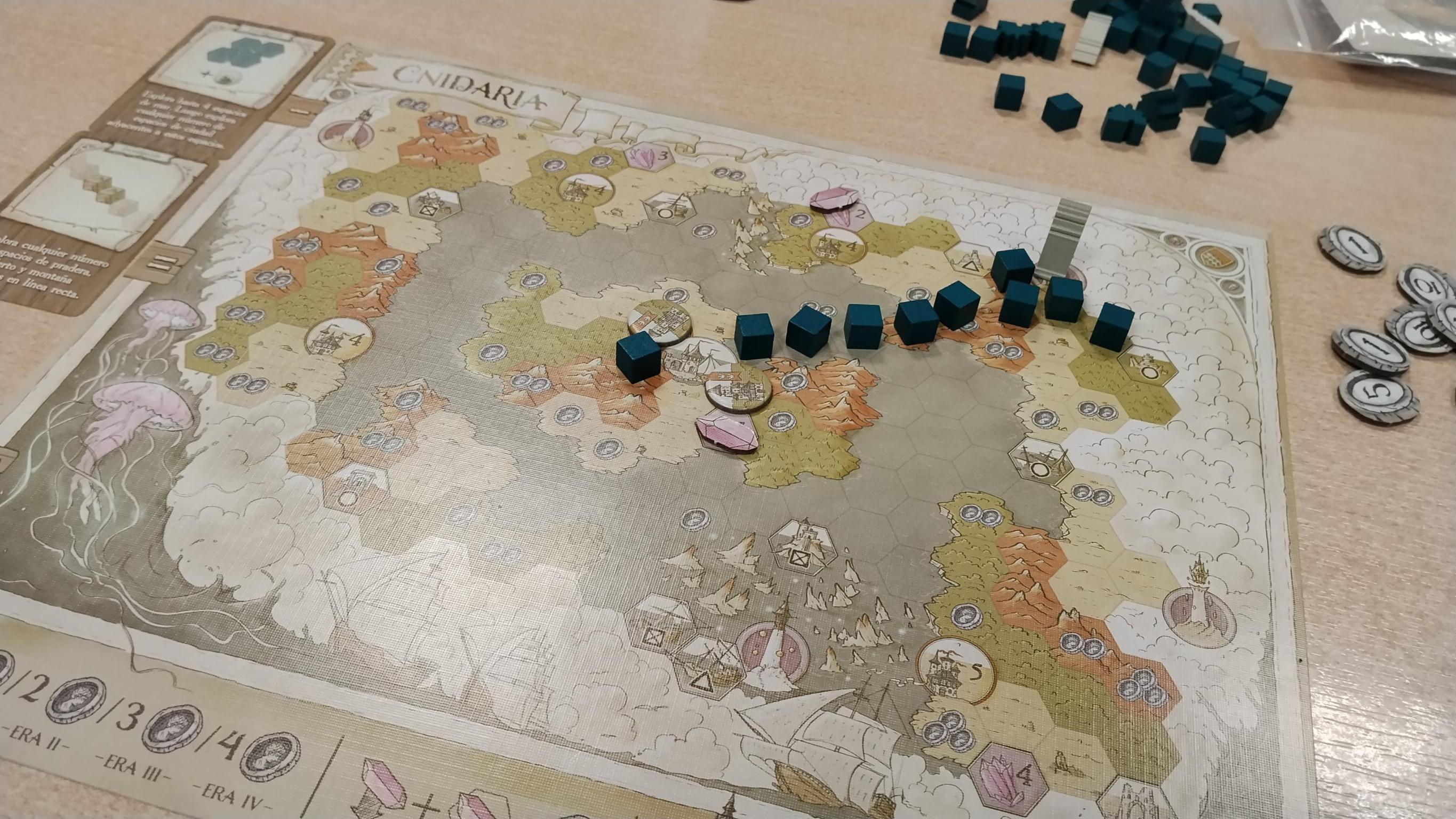
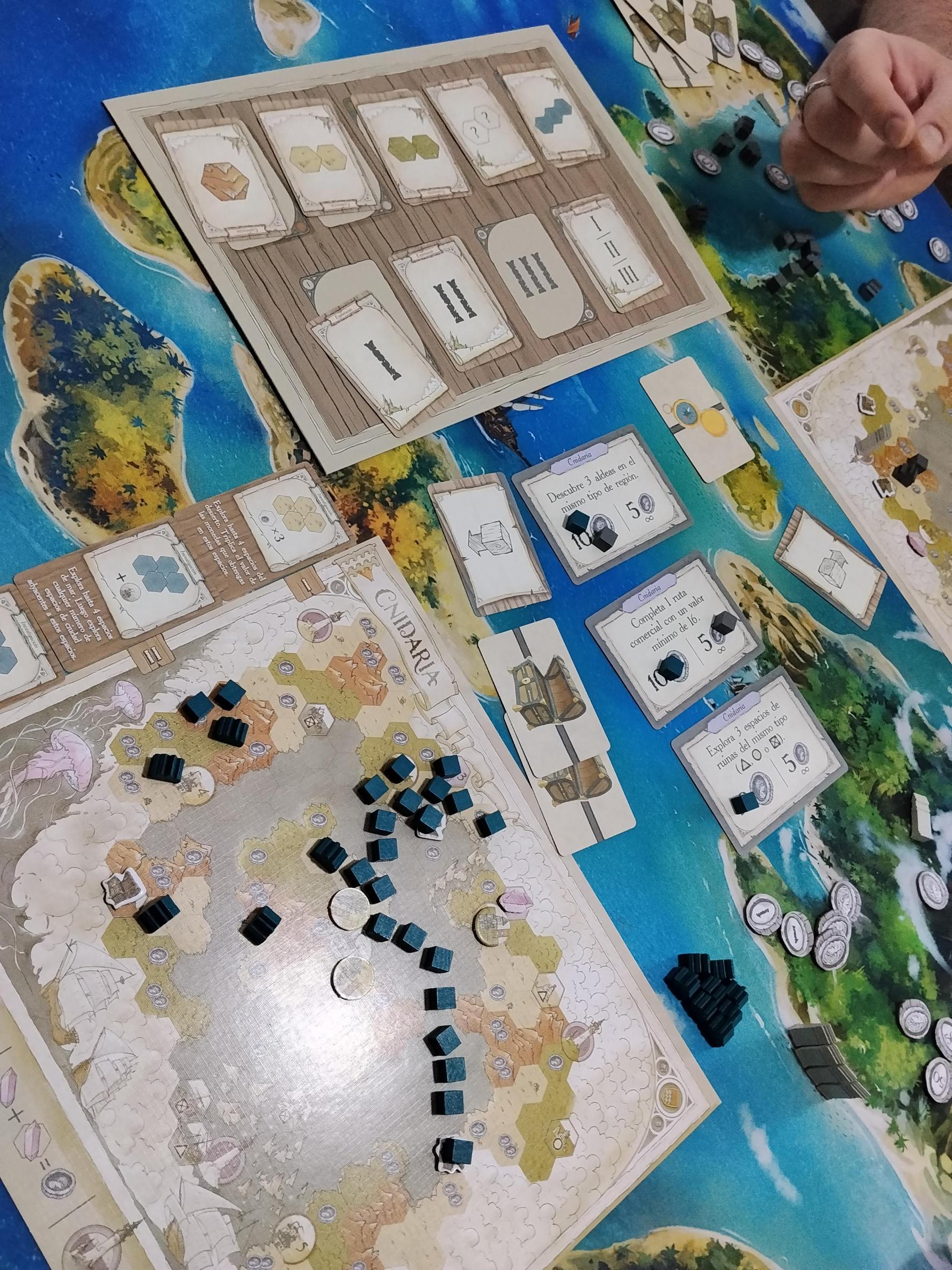
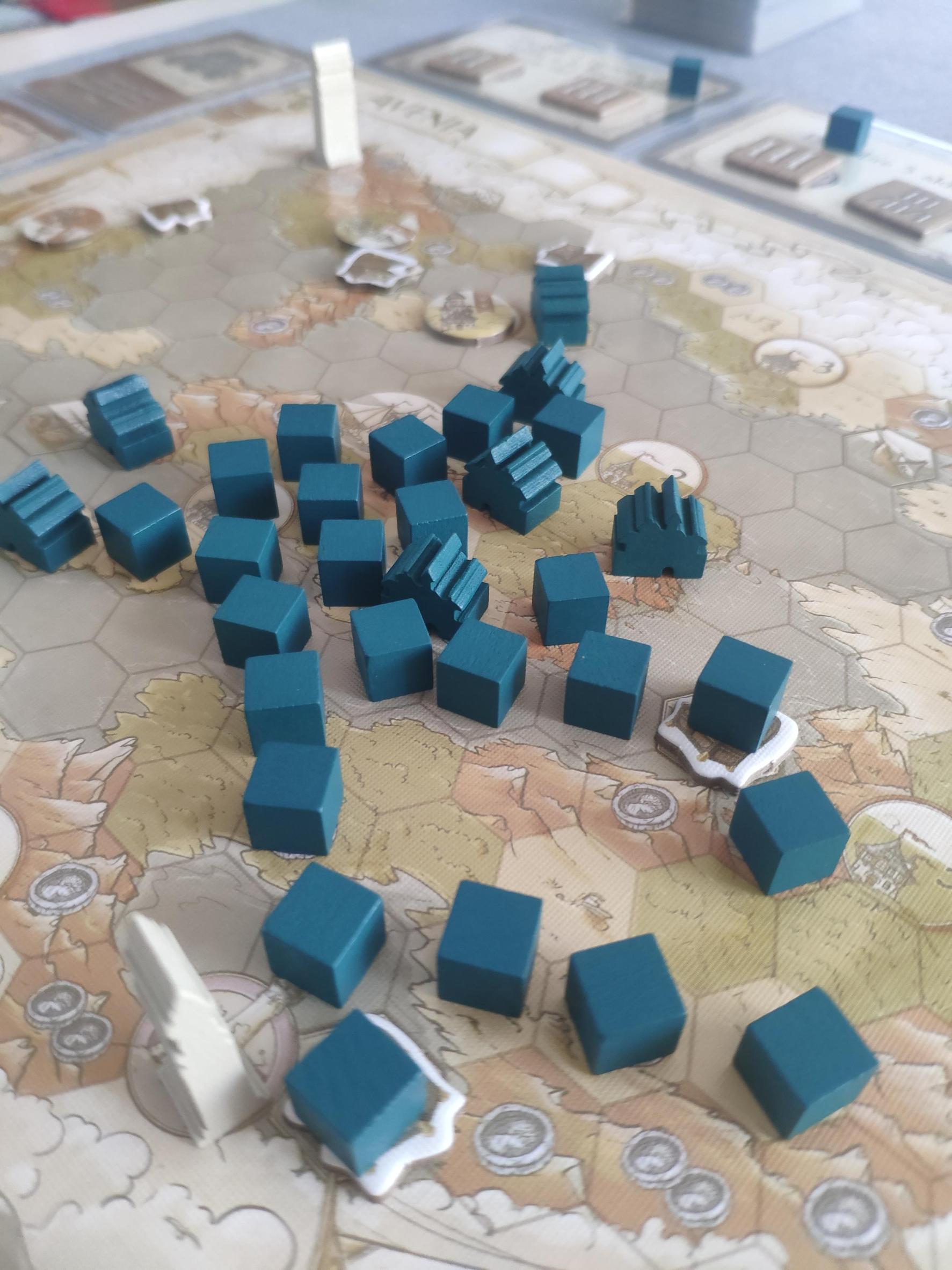
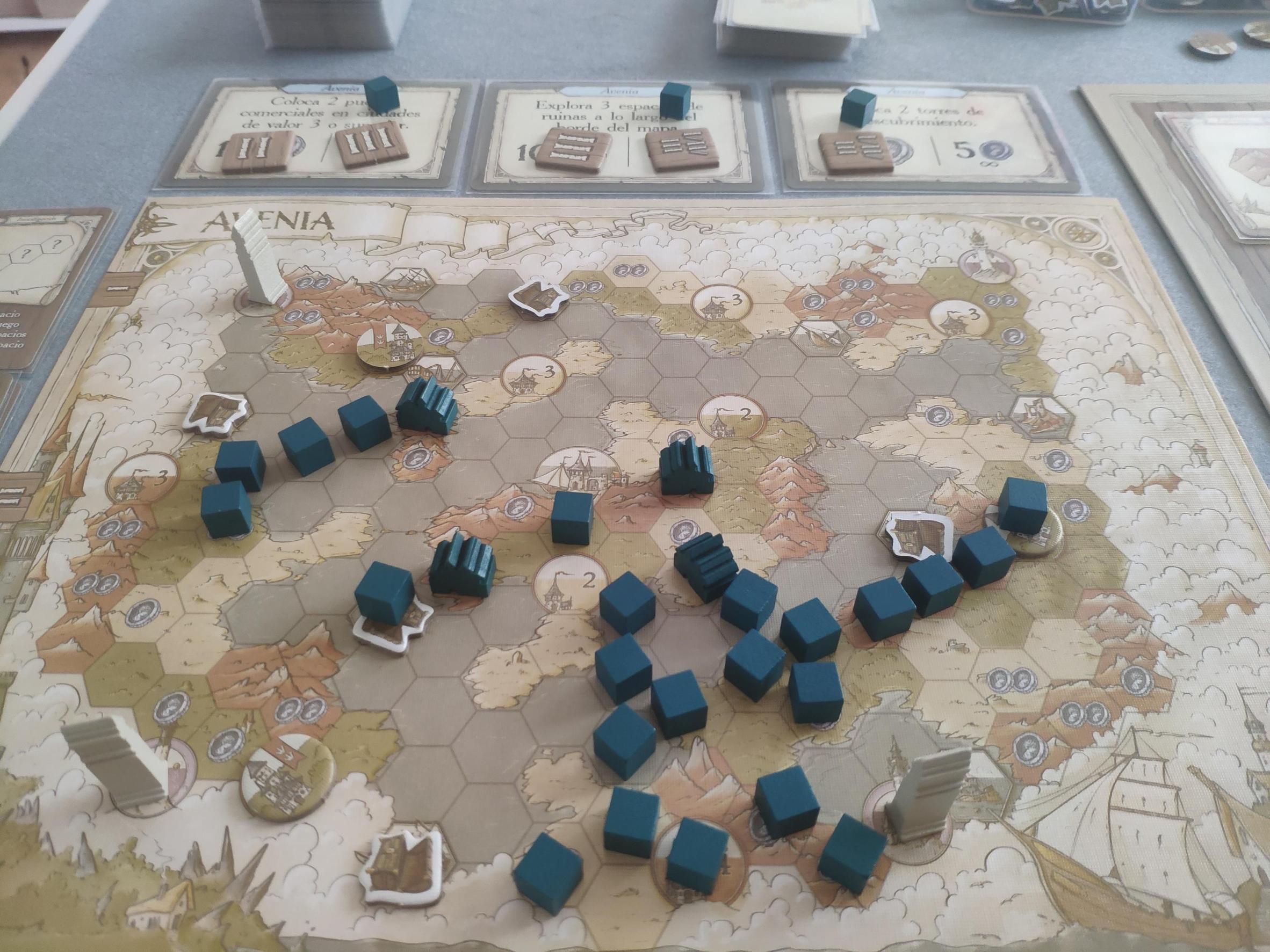
Wo kaufen
Shop-Preise und gebrauchte Exemplare, täglich geprüft.
An Ludoyas Tischen
Alle Statistiken in Ludoya- 516
- Erfasste Partien
- 390
- Spieler
- 45m 27s
- Durchschnittliche Partie
- 104
- In Sammlungen
- 32
- Auf Wunschlisten
7,5/10
aus 48 Ludoya-Rezensionen
- Base -

Regelfragen
Aus der Spielanleitung beantwortet von Ludoyas Regelassistenten.
If I discover a village during an explore action, can I immediately explore from that new village (even during the same action)?
Yes — discovered villages immediately act as starting spaces and you may explore from a village you discovered as part of the same explore action (see pages 5–7, and the investigate example on page 6).
Do my explorers stay on the map between eras, or do I remove them?
Remove all of your explorers at the end of each era and return them to your supply; villages, trading posts, treasure tokens, and discovery towers remain where they are (page 5).
Can I place explorers on the capital space, and does the capital count as a village for goals?
You cannot place explorers onto the capital space, but the capital always functions as a starting point like a village for explore actions and it does not count as a village for goals (pages 4–5).
When I connect two cities do I score immediately, and can the same city score more than once?
You immediately complete and score a trade route when you connect two cities with an unbroken chain (multiply the city values and take the coins), then place a trading post on one city; a city with a trading post can never be used to score another trade route, and if one placement connects three cities resolve the trade routes one at a time (page 7).
How do investigate cards work when an era card is revealed — do I draw and keep them, and when can I use them?
The first time an era card is revealed each player draws 2 investigate cards, chooses 1 to place in that era's slot and takes its action (discard the other); in later reveals you use the investigate card you placed for that era, and in Era IV you may use any of your investigate cards (page 6).
When I explore a ruin and draw a treasure card, do I resolve it now or at the end of the game?
When you first explore a ruin place a treasure token and draw a treasure card: resolve any immediate effects right away; treasure cards without immediate effects are kept face-down and scored at game end, and revisiting a ruin with a token does not draw another card (pages 7 and 10).
Ähnliche Spiele
 Cartographers Heroes: Collector's Edition2021
 Pilgrims: Seltsame Abenteuer2026
 Railroad Ink Challenge: Edition Blattgrün2021
 A Wayfarer's Tale: The Journey Begins2025
 Dungeonquest: Neuauflage2014
 Railroad Ink Challenge: Edition Sonnengelb2021
 Kingdom Builder: Big Box (Second Edition)2017
 En Route2025
 Die Kartographin2021
 Let's Make a Bus Route2018
 Durch die Wüste1998
 Next Station: London2022




Kostenlos, im Web, für Android und iOS
Spiel Die Gilde der Fahrenden Händler mit Ludoya
- Hab es in deiner SammlungVerwalte dein Exemplar und seine Erweiterungen, leih es Freunden oder setz es auf deine Wunschliste und erfahre, wenn der Preis fällt.Zur Sammlung hinzufügen
- Erfasse jede PartiePunkte, Sieger, Timer und Fotos, dann deine Statistiken: Siegquote, liebste Spielerzahl, beste Punktzahl.Partie erfassen
- Regelfragen klärenFrag alles zu den Regeln und erhalte eine Antwort aus der Spielanleitung, mit der Seite zum Nachprüfen.Den Regelassistenten fragen
- Finde Leute, mit denen du es spielstClubs, Spieleabende und Veranstaltungen in deiner Nähe, bei denen dieses Spiel auf den Tisch kommt.Veranstaltungen ansehen
Spieldaten (Spieler, Spielzeit, Alter, Mitwirkende) von BoardGameGeek.