

1995 · Jogo de cartas
High Society
Players compete to acquire luxury items and social advantages by bidding against each other, collecting positive-value and multiplier cards while avoiding negative-value and divisor cards. Bids are made from a limited cash supply; players must balance spending to win desirable cards against conserving money, since the player with the least remaining cash is excluded from winning at game end. Rounds proceed through sequential auctions until the deck is exhausted, then scores are calculated from collected cards to determine the winner among eligible players.
- Jogadores
- 3–5 melhor com 4
- Tempo de jogo
- 15–30 min
- Idade
- 10+
- Complexidade
- 1,5 / 5
Sobre o jogo
- Design
- Publisher





Fotos das mesas da Ludoya
Todas as fotos na Ludoya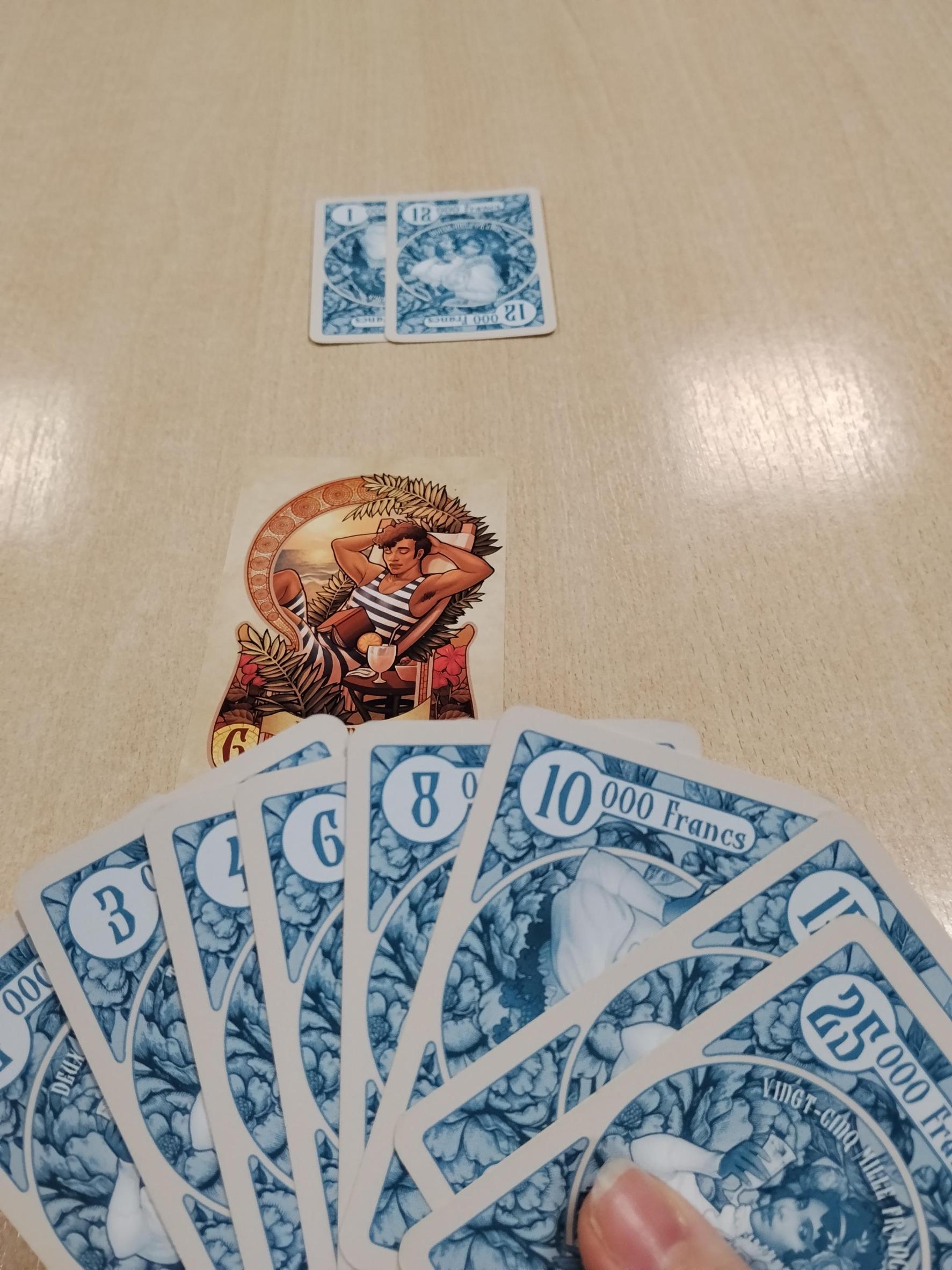
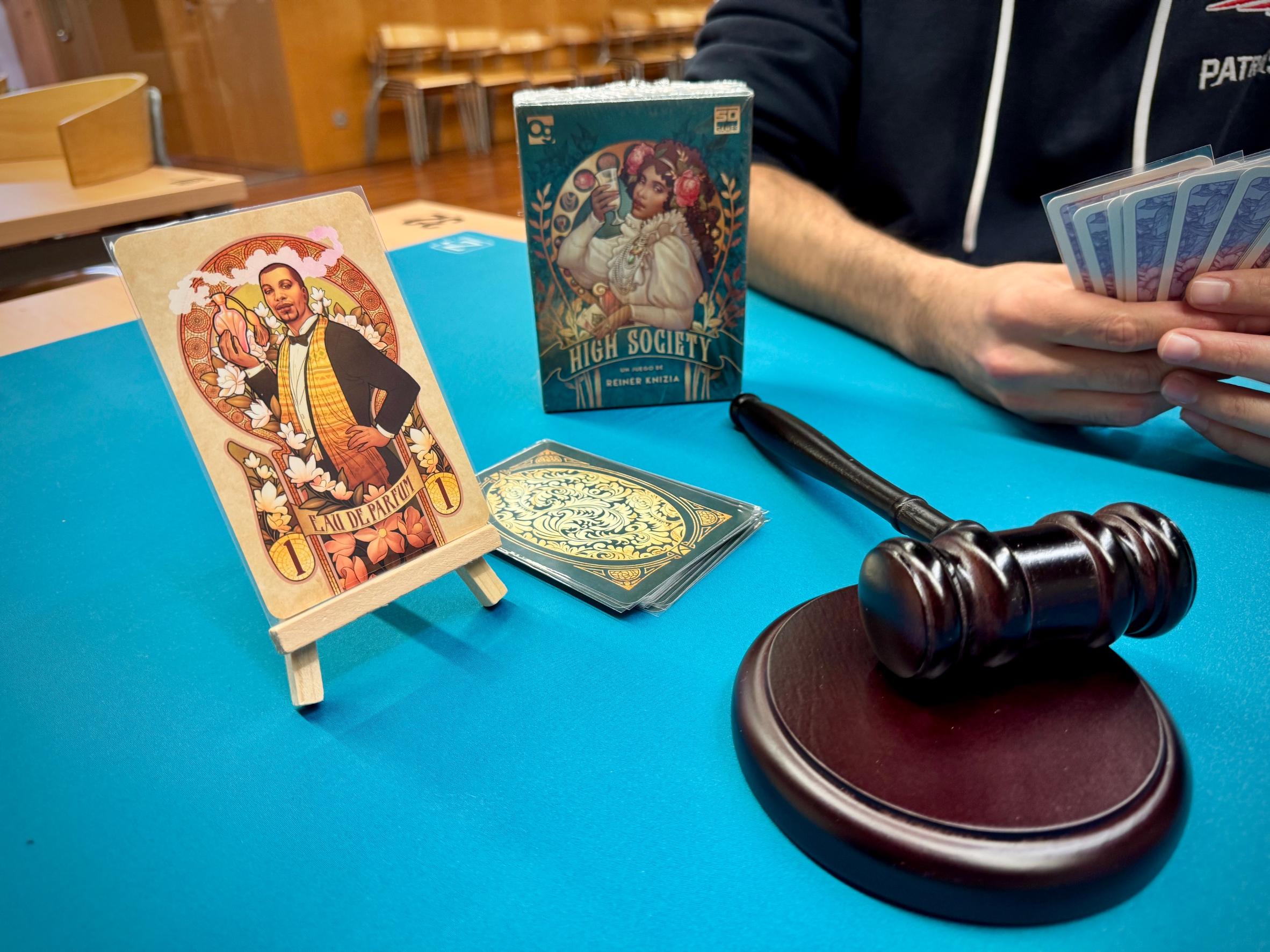
Onde comprar
Preços das lojas e cópias usadas, verificados todos os dias.
Nas mesas da Ludoya
Todas as estatísticas na Ludoya- 1.434
- Partidas registradas
- 1.286
- Jogadores
- 19m 39s
- Partida média
- 238
- Em ludotecas
- 24
- Em listas de desejos
7,6/10
de 123 avaliações na Ludoya
Vic Granell8,0 Greatly designed auction game where you may lose without expecting it!
Plaisant, dès 7 ans, on le retrouve avec plaisir dans une éditions bien plus jolie de nos jours ! Enchères et bluff sauce Knizia, ça passe encore très bien en 2019
Nacho Ramírez10,0 Sin duda alguna mi juego favorito de subastas, y he probado varios. Tiene las ventajas de ser fácil de entender, tiemoi denjuego preciso, muy social, portable, hermoso e inmersivo. Los piques son muchísimos. Modern Art es un gran juego, pero creo que por todo lo expuesto, HS es bastante superior.



Dúvidas de regras
Respondidas a partir do manual pelo assistente de regras da Ludoya.
Can I pick up money cards I've already played to increase my bid?
No — you cannot pick up cards you have already played; you may only increase your bid by adding new money cards to the ones already on the table (page 4).
If I pass after placing a bid, do I get my money back?
Yes — if you have already bid and then pass you return all your face-up money cards to your hand, but you may no longer bid that round (page 4).
What changes when the revealed card is a disgrace? How does that auction work?
You are bidding to avoid taking the disgrace: the round ends as soon as any one player passes, that passing player picks up their money cards and must take the disgrace, while all other players discard their money cards face-down; the passing player starts the next round (page 5).
If I take the Faux Pas card, what do I have to discard?
If you take the Faux Pas you must immediately discard one luxury card you have in front of you (or the next luxury you receive if you have none), and once a luxury has been discarded the Faux Pas card itself is discarded (page 5).
When does the game end and what does 'cast out' mean?
The game ends immediately when the fourth dark-green card (the three prestige cards and the Scandale) is revealed — there is no bidding for that card — then all players reveal their hands and the player(s) with the least remaining money are cast out and cannot win (page 6).
How is final status calculated and how are ties broken?
Add up luxury card values, apply prestige multipliers (each prestige doubles your status; two = ×4, three = ×8) and apply disgrace effects (e.g., Passé −5, Scandale halves status); the highest status among players not cast out wins, with ties broken by most money left and then by the single most valuable luxury card (pages 5–6).














Grátis, na web, Android e iOS
Jogue High Society com a Ludoya
- Tenha na sua ludotecaAcompanhe sua cópia e suas expansões, empreste para os amigos ou coloque na lista de desejos e seja avisado quando o preço cair.Adicionar à sua ludoteca
- Registre cada partidaPontuações, vencedores, cronômetros e fotos, e depois suas estatísticas: taxa de vitórias, número de jogadores favorito, melhor pontuação.Registrar uma partida
- Tire dúvidas de regrasPergunte qualquer coisa sobre as regras e receba uma resposta do manual, com a página para conferir.Perguntar ao assistente de regras
- Encontre gente para jogarClubes, noites de jogos e eventos perto de você que levam este jogo para a mesa.Ver eventos
Dados do jogo (jogadores, tempo de jogo, idade, créditos) do BoardGameGeek.