
2011 · 领土建设
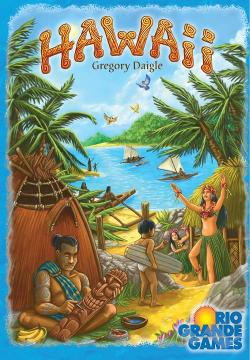
Hawaii
玩家扮演酋长,在五个回合中发展沿海村庄并探索附近的岛屿。 在模块化版图上移动时,酋长们可以购买新的村庄板块、管理三种不同的货币来支付旅费,并扩建自己的定居点。随着游戏进行,收入会逐渐减少,因此玩家必须在能取悦村民的短期消费,与更长远的板块摆放和岛屿探索之间取得平衡,以获得分数。 游戏着重考验资源管理、村庄板块的空间规划,以及行动时机的把握,帮助玩家抢在对手之前争取最划算的交易。
- 人数
- 2–5 最佳 3 人
- 游戏时长
- 60 分钟
- 年龄
- 13+
- 复杂性
- 2.9 / 5


在 Ludoya 的牌桌上
在 Ludoya 中查看完整统计- 38
- 已记录对局
- 54
- 玩家
- 1h 32m
- 平均时长
- 17
- 收藏数
- 3
- 愿望清单数
6.4/10
基于 16 条 Ludoya 评测
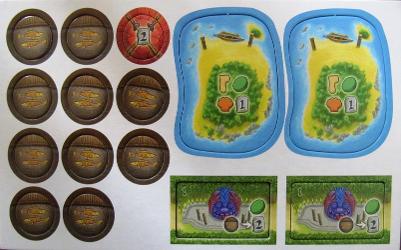
Evan6.0 At the start of each round, action tokens are distributed from a bag to the spaces in the action areas. Each token has a number representing the cost of that action in shell tokens. This process is a little fiddly, since first you fill some spaces, then come back and start from the top filling the rest so long as a math equation comparing the sums of tokens lines up. It's mildly annoying to have to start each round this way. Then players in turn order can spend feet tokens to walk their action pawn to a space with an action token. Claim that token, pay the cost, and resolve the action. The cost is one foot per tile. They can also pay twice as much as the cost token to gain an extra effect. Claimed tokens go in front of you, and at the end of the round there's a check to see if players picked up enough tokens so the sum at least hits the stated amount on the round indicator, and then there's a majority scoring for who got the highest sum of tokens. The intent being that there's some tension between wanting to spend double for the extra effect, but then that will hurt your end of round majority chances. Really though, the game is restrictive to the point of feeling a little dull. To make the end of round scoring you are pressured to overspend. Action tokens are very limited, with randomly determined boom and bust rounds depending on what price ends ups where and how many tokens make it into any given space. Most of the actions get you a tile to add to your board. Generally, the two paths through the game are to go for lots of tiles in the same row or trying to get something to score in all your rows to hit the maximum bonus threshold. It's fine, but feels needlessly limited in the face of similar games like Yokohama. ★ Art, Iconography and components functional ★ Clever or interesting mechanisms ★ Reasonably low downtime between turns with mildly AP players ★ Multiple plays stay interesting ★ Low or mitigatable luck elements ★★☆☆☆ Raw enjoyment
玩过 4 次
规则问题
由 Ludoya 的规则助手根据规则书回答。
我的酋长每次移动都要支付移动费用吗?费用由什么来支付?
是的——移动酋长时,你要按照移动规则和示例(见第 5–6 页)的说明,使用移动货币(脚印/贝壳)支付印刷标示的移动费用。
购买地点板块时,我是支付印刷的价格,还是价格标记上的价格?买到后又该把板块放在哪里?
你支付该地点当前显示的价格(遵循价格标记与印刷数字之间的规则),然后按照购买/放置部分中的放置规则摆放买来的地点板块(见第 4、6–7 页)。
捕鱼湾和岛屿码头是怎么运作的——拿鱼需要支付脚吗?船又会有什么影响?
拜访捕鱼湾和岛屿码头时,要遵循各自的规则:按说明获取鱼或使用船只效果,并在要求时支付相应的脚;船只的使用、计分和岛屿牌堆的处理方式都有示例说明(见第 8 页)。
为什么要把酋长放在玩家顺序轨上?这会如何影响回合结束时的计分?
将酋长放在顺序轨上,可以决定回合顺序以及回合结束计分时所使用的位置;规则书中介绍了摆放流程和计分示例,帮助你在回合结束时正确处理平局并结算分数(见第 9 页)。
回合之间会发生什么?资源会补充吗?地点板块/岛屿会重置吗?
每轮准备阶段,你需要分发贝壳/脚/水果,补充地点板块,更换回合指示物,重置标记物和岛屿,然后按照回合准备步骤(见第 10 页)开始下一轮。




游戏信息(人数、游戏时长、年龄、制作人员)来自 BoardGameGeek。