
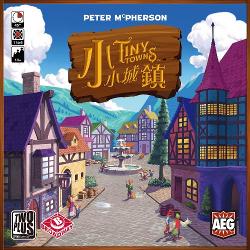
2019 · 城市建设
小小城鎮
Players act as mayors of a small woodland settlement, placing resource cubes on a personal 4x4 grid to construct buildings. Each round, a common card indicates a resource pattern; players place that resource on their grid and try to complete specific layouts that correspond to buildings. Each building type scores differently, so players plan placements to maximize points while avoiding unused empty squares, which cost -1 VP at game end. The game ends when no more placements or constructions are possible; the highest total VP wins.
- 人数
- 1–6 最佳 3 人
- 游戏时长
- 45–60 分钟
- 年龄
- 14+
- 复杂性
- 2.1 / 5
关于这款游戏



 小小城鎮:繁榮2021
 Tiny Towns: Villagers2020
 Tiny Towns: Tiny Trees2020
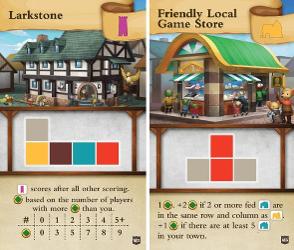 Tiny Towns: FLGS and Larkstone Promo Cards2020
 Tiny Towns: Architects2024
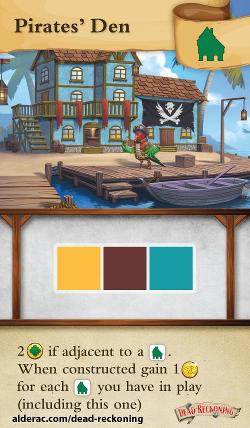 Tiny Towns: Fortune – Pirate's Den2020
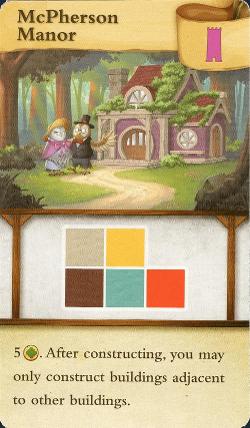 Tiny Towns: McPherson Manor Promo Card2022
 Tiny Towns: Underground2026
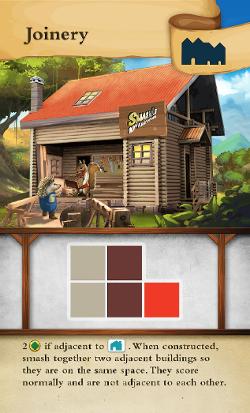 Tiny Towns: Joinery2023
 Dead Reckoning: Other Games Promo Pack2026Tiny Towns: Lodge2026
来自 Ludoya 牌桌的照片
在 Ludoya 中查看所有照片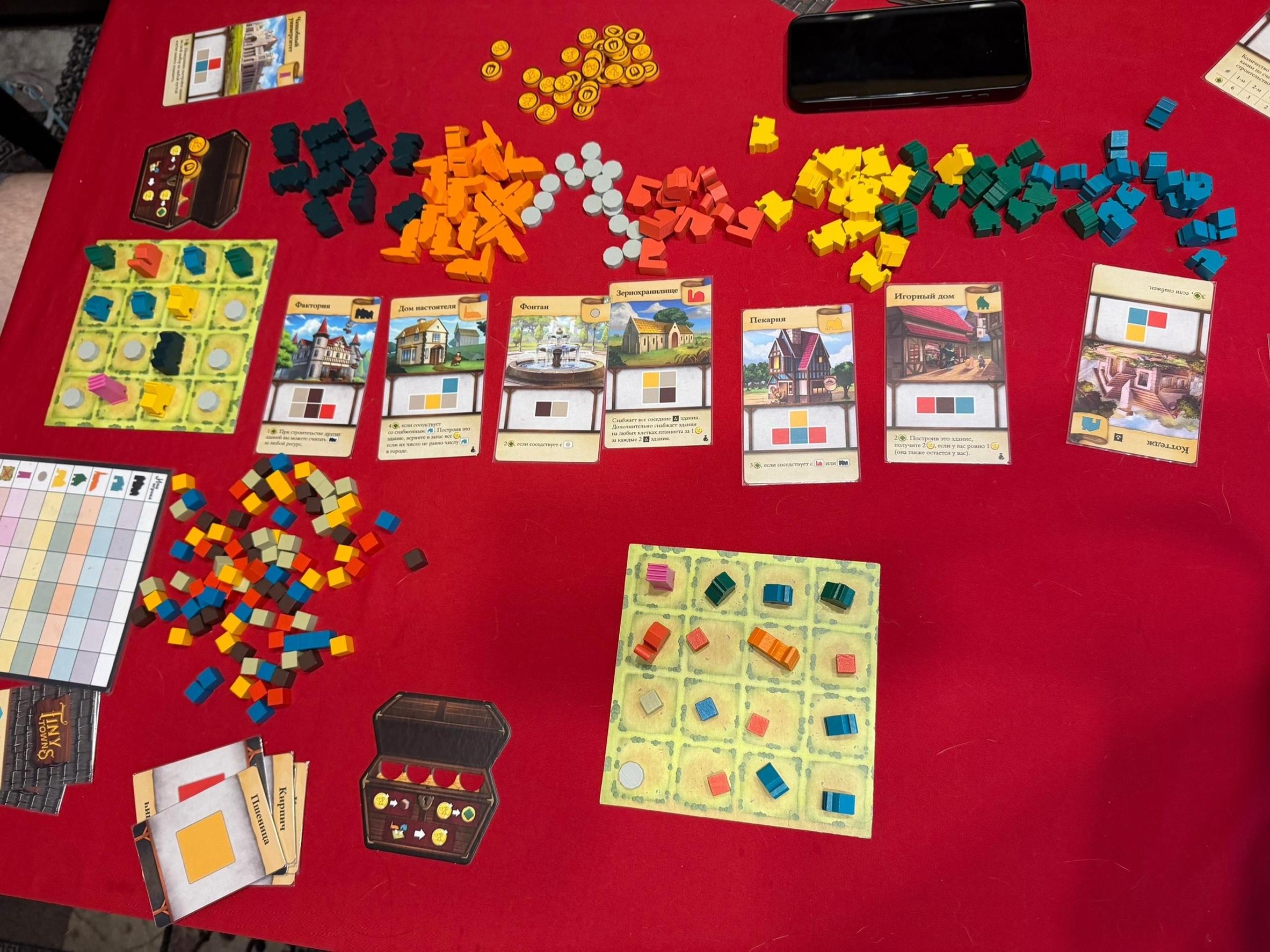
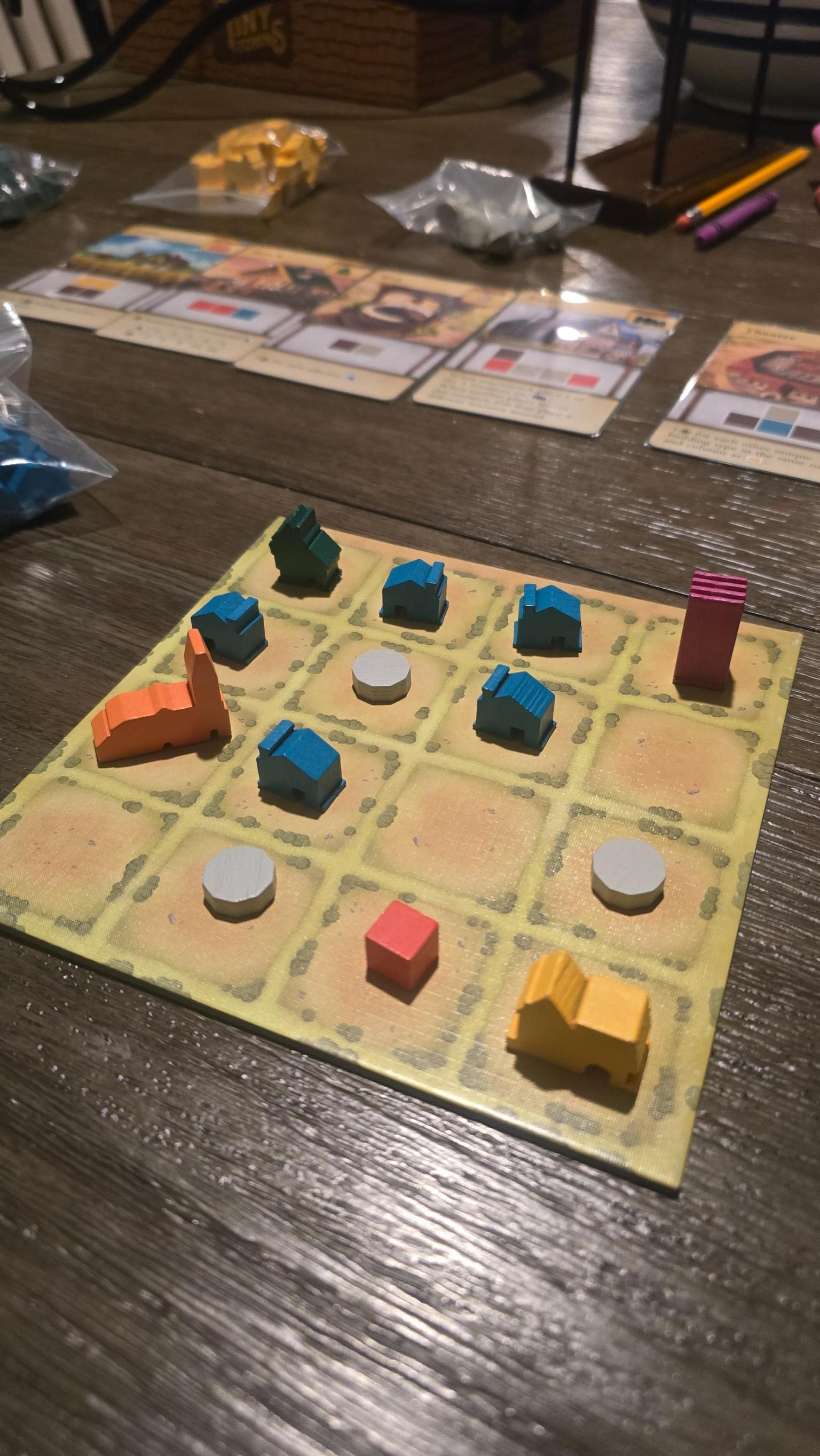
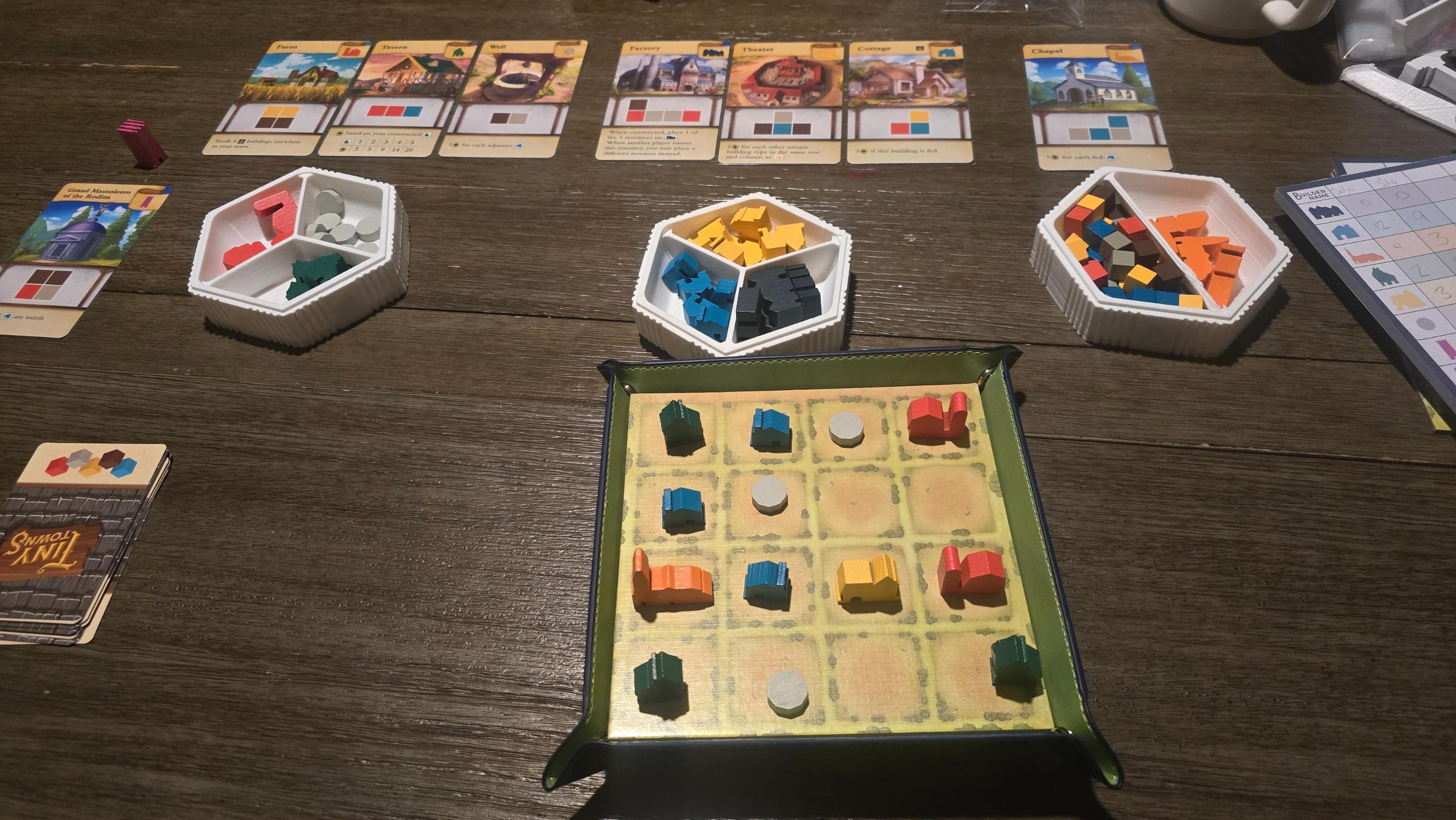
在 Ludoya 的牌桌上
在 Ludoya 中查看完整统计- 654
- 已记录对局
- 646
- 玩家
- 34m 13s
- 平均时长
- 154
- 收藏数
- 21
- 愿望清单数
6.7/10
基于 62 条 Ludoya 评测
Poteet7.3 Classic easy to learn difficult to master game. This game frustrates you (in a good way) by never letting you get comfortable with a specific game plan.
Evan4.6 City building filler game. One pattern card for each type of building is revealed at the start of the game. Each player gets a grid. In turn order each player calls out a color of cube, and then all players have to take one and place it into their grid on an empty space. Then if they have a grid state that matches a pattern on one of the cards they can clear the cubes and place a building token in one of the spaces those cubes occupied. To keep things from being symmetrical, each player gets one special building card to their hand which grants them a different ability or scoring opportunity once built. The game continues until everyone's grid is full of buildings or useless cubes. Then you score and are punished for spaces without buildings. The game plays quickly, and it's quite satisfying to try and tetris these cube patterns while avoiding getting cubes stuck in an arrangement that won't be able to complete a pattern. Clever players can watch for colors you need and try and call out colors they can use but you can't to trip you up and also manipulate you into calling a color they need. We had one oddity, there is one of the asymmetric cards which once built had the ability to let the owning player place a completed building anywhere in their grid rather than forcing them to place into one of the spaces those cubes occupied. This seemed a little overpowered, but perhaps with additional plays we would see it differently. :star: Art, Iconography and components functional :star: Clever or interesting mechanisms :star: Reasonably low downtime between turns with mildly AP players :star: Multiple plays stay interesting :star: Low or mitigatable luck elements :star::star::nostar::nostar::nostar: Raw enjoyment
规则问题
由 Ludoya 的规则助手根据规则书回答。
我必须把提到的资源放在特定的位置吗,还是可以放在我棋盘上任何空着的地方?
你必须拿取指定的方块,并把它放到你城镇网格中的任意空格里(放置是同时进行的),而且一旦放下,除非为了建造建筑而移除,否则资源永远不能再移动(第4页)。
如果某个建筑的图案出现在我的板块上,我必须立刻建造它吗,还是可以先等等?
在资源就位后,你可以等待任意回合再建造建筑;建造发生在放置之后的建造步骤中,而且玩家可以一次建造多座建筑(第4页)。
我能不能在我把最后一个方块实际放上去、完成它的图案之前,就先建造一个建筑?
不——在某种资源被点名后,你不能立刻建造建筑,必须先把那个资源方块实际放到你的城镇里(第4页)。
当我建造建筑时,木制建筑方块要放在哪里?有什么例外吗?
移除正确的资源,并将木制建筑放到这些资源原先占据的格子之一;棚屋(Shed)是个例外,可以放在棋盘上任意一个空格里(第4页,第7页)。
仓库是怎么运作的——我可以把不想要的资源丢进去,然后之后再拿回来吗?
你可以在仓库上最多放置 3 个资源:当你不想要某个资源时,就把方块放到建筑上;只有在你往仓库放入一个新资源时,才能从仓库里移除一个资源并把它放到你的版图上,所以仓库里的资源数量永远不会减少(第 7 页)。
游戏结束时,板上的立方体算作已填满的格子吗?那仓库里的立方体呢,还有空格惩罚怎么算?
游戏结束时,移除所有剩余的资源方块,仓库上的除外;然后每个空格记 -1 胜利点;仓库上的方块保留,因此这些格子不算空格(第5页,第7页)。








游戏信息(人数、游戏时长、年龄、制作人员)来自 BoardGameGeek。