

1995 · Kartenspiel
Einfach tierisch!
Die Spieler konkurrieren darum, Luxusgüter und soziale Vorteile zu erwerben, indem sie gegeneinander bieten und dabei Karten mit positiven Werten und Multiplikatoren sammeln, während sie Karten mit negativen Werten und Divisoren vermeiden. Die Gebote kommen aus einem begrenzten Bargeldvorrat; die Spieler müssen abwägen, Geld auszugeben, um begehrte Karten zu gewinnen, und gleichzeitig genug zu sparen, denn der Spieler mit dem wenigsten übrig gebliebenen Bargeld ist am Spielende vom Sieg ausgeschlossen. Die Runden laufen über aufeinanderfolgende Auktionen, bis das Deck aufgebraucht ist; danach werden die Punkte anhand der gesammelten Karten berechnet, um unter den berechtigten Spielern den Gewinner zu bestimmen.
- Spieler
- 3–5 am besten mit 4
- Spielzeit
- 15–30 Min.
- Alter
- 10+
- Komplexität
- 1,5 / 5
Über das Spiel
- Autoren
- Publisher


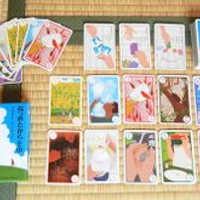



Fotos von Ludoya-Tischen
Alle Fotos in Ludoya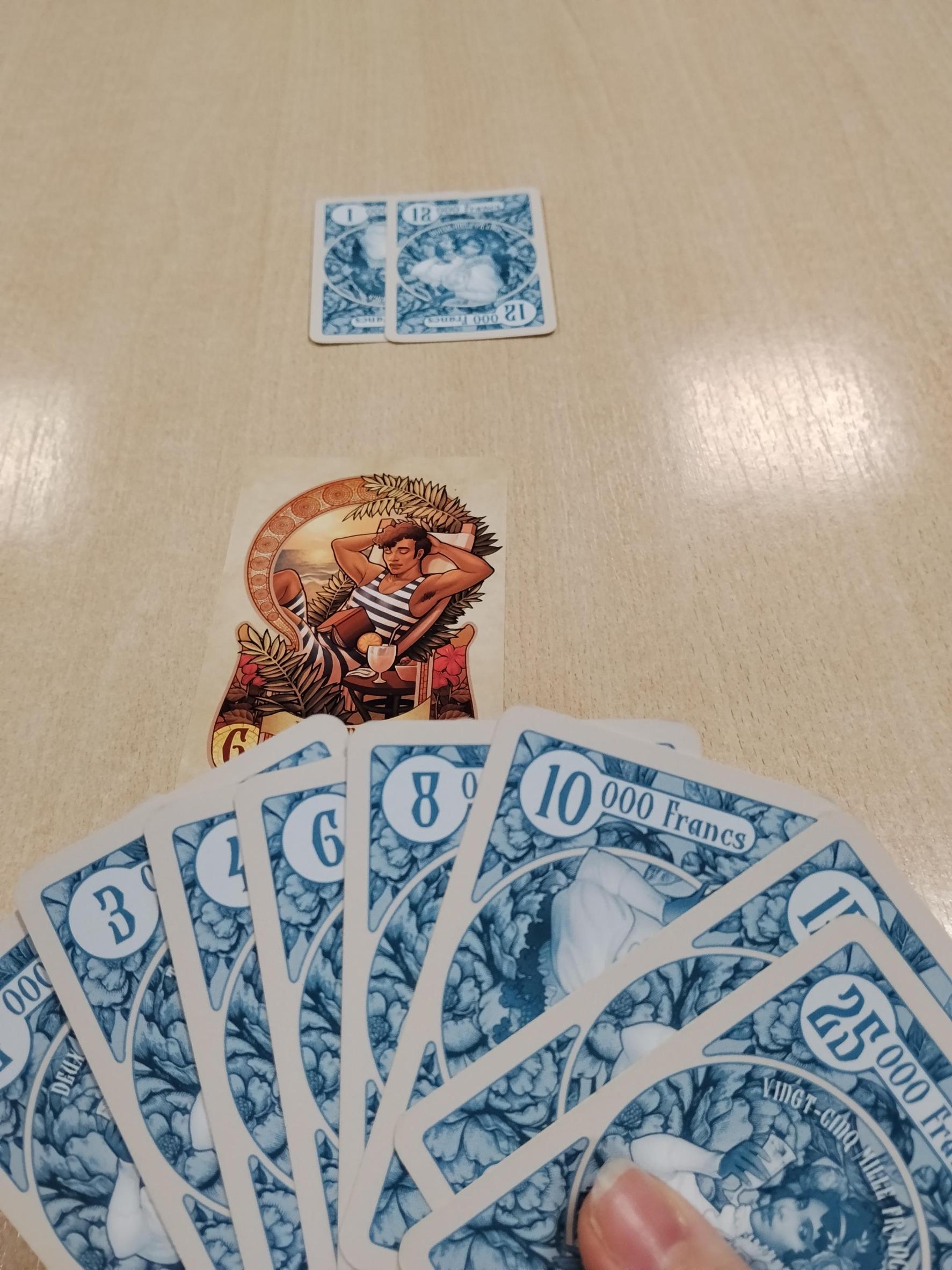
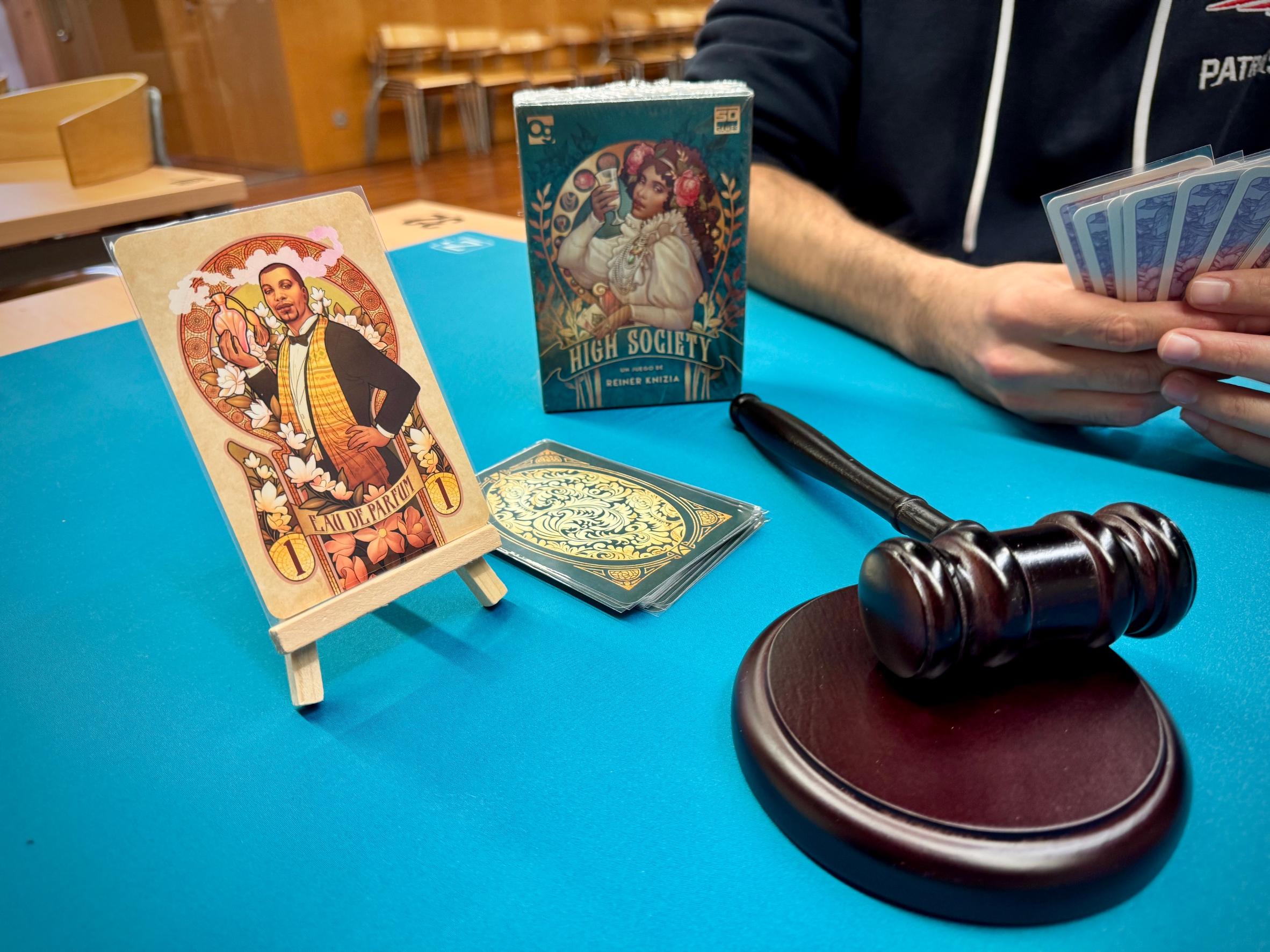
Wo kaufen
Shop-Preise und gebrauchte Exemplare, täglich geprüft.
An Ludoyas Tischen
Alle Statistiken in Ludoya- 1.434
- Erfasste Partien
- 1.286
- Spieler
- 19m 39s
- Durchschnittliche Partie
- 238
- In Sammlungen
- 24
- Auf Wunschlisten
7,6/10
aus 123 Ludoya-Rezensionen
Vic Granell8,0 Greatly designed auction game where you may lose without expecting it!
Plaisant, dès 7 ans, on le retrouve avec plaisir dans une éditions bien plus jolie de nos jours ! Enchères et bluff sauce Knizia, ça passe encore très bien en 2019
Nacho Ramírez10,0 Sin duda alguna mi juego favorito de subastas, y he probado varios. Tiene las ventajas de ser fácil de entender, tiemoi denjuego preciso, muy social, portable, hermoso e inmersivo. Los piques son muchísimos. Modern Art es un gran juego, pero creo que por todo lo expuesto, HS es bastante superior.



Regelfragen
Aus der Spielanleitung beantwortet von Ludoyas Regelassistenten.
Can I pick up money cards I've already played to increase my bid?
No — you cannot pick up cards you have already played; you may only increase your bid by adding new money cards to the ones already on the table (page 4).
If I pass after placing a bid, do I get my money back?
Yes — if you have already bid and then pass you return all your face-up money cards to your hand, but you may no longer bid that round (page 4).
What changes when the revealed card is a disgrace? How does that auction work?
You are bidding to avoid taking the disgrace: the round ends as soon as any one player passes, that passing player picks up their money cards and must take the disgrace, while all other players discard their money cards face-down; the passing player starts the next round (page 5).
If I take the Faux Pas card, what do I have to discard?
If you take the Faux Pas you must immediately discard one luxury card you have in front of you (or the next luxury you receive if you have none), and once a luxury has been discarded the Faux Pas card itself is discarded (page 5).
When does the game end and what does 'cast out' mean?
The game ends immediately when the fourth dark-green card (the three prestige cards and the Scandale) is revealed — there is no bidding for that card — then all players reveal their hands and the player(s) with the least remaining money are cast out and cannot win (page 6).
How is final status calculated and how are ties broken?
Add up luxury card values, apply prestige multipliers (each prestige doubles your status; two = ×4, three = ×8) and apply disgrace effects (e.g., Passé −5, Scandale halves status); the highest status among players not cast out wins, with ties broken by most money left and then by the single most valuable luxury card (pages 5–6).



















Kostenlos, im Web, für Android und iOS
Spiel Einfach tierisch! mit Ludoya
- Hab es in deiner SammlungVerwalte dein Exemplar und seine Erweiterungen, leih es Freunden oder setz es auf deine Wunschliste und erfahre, wenn der Preis fällt.Zur Sammlung hinzufügen
- Erfasse jede PartiePunkte, Sieger, Timer und Fotos, dann deine Statistiken: Siegquote, liebste Spielerzahl, beste Punktzahl.Partie erfassen
- Regelfragen klärenFrag alles zu den Regeln und erhalte eine Antwort aus der Spielanleitung, mit der Seite zum Nachprüfen.Den Regelassistenten fragen
- Finde Leute, mit denen du es spielstClubs, Spieleabende und Veranstaltungen in deiner Nähe, bei denen dieses Spiel auf den Tisch kommt.Veranstaltungen ansehen
Spieldaten (Spieler, Spielzeit, Alter, Mitwirkende) von BoardGameGeek.