

2011 · Fantasy
Mage Knight: Das Brettspiel
Die Spieler schlüpfen in die Rolle mächtiger Magier-Ritter, die eine Halbinsel des atlantischen Imperiums erkunden und unterwerfen. Sie bewegen sich über eine modulare Karte, rekrutieren Einheiten, lernen Fertigkeiten und passen ein Deck aus Zaubern, Fähigkeiten und Artefakten an, um es mit Burgen, Verliesen und mächtigen Gegnern aufzunehmen. Der Kampf nutzt Karten und Positionierung; erfolgreiche Begegnungen bringen Erfahrung, Gefolgsleute und Beute, die die Möglichkeiten für zukünftige Züge erweitern. Das Spiel unterstützt Solo-, Koop- und kompetitives Spiel, wobei die Spieler beim Wachsen ihrer Macht und beim Verfolgen strategischer Ziele Erkundung, Angriffe auf Städte und Interaktionen mit anderen Magier-Rittern austarieren.
- Spieler
- 1–4 am besten mit 1
- Spielzeit
- 60–240 Min.
- Alter
- 14+
- Komplexität
- 4,4 / 5
Über das Spiel
- Autoren
- Illustration
- Publisher




Erweiterungen
In Ludoya ansehen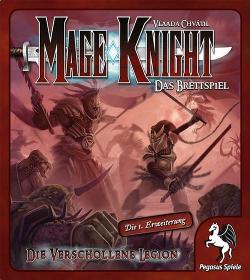
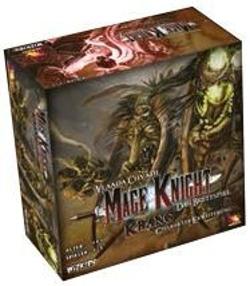
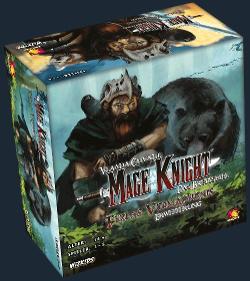
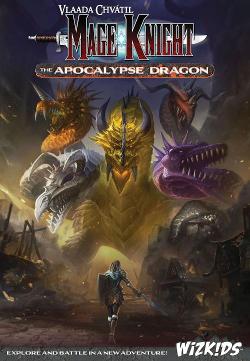
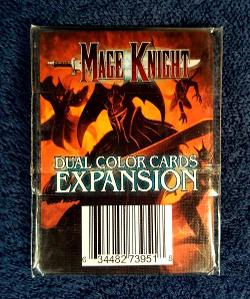
Spielbar mit
In Ludoya ansehen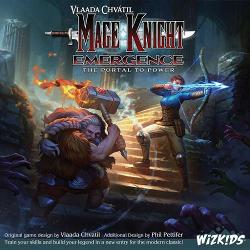
Wo kaufen
Shop-Preise und gebrauchte Exemplare, täglich geprüft.
An Ludoyas Tischen
Alle Statistiken in Ludoya- 474
- Erfasste Partien
- 162
- Spieler
- 3h 7m
- Durchschnittliche Partie
- 124
- In Sammlungen
- 33
- Auf Wunschlisten
- 1
- Vorbestellt
6,7/10
aus 75 Ludoya-Rezensionen
Jan Solo9,0 Eurogame duro. Exploración, gestión de mano y ligero deckbuilding. Eres un mago guerrero y deberás derrotar a enemigos, asaltar fortalezas, aprender conjuros, reclutar tropas, etc.
José [ホセー]10,0 Most wonderful adventure exploration game
Terumo10,0 NEV



Regelfragen
Aus der Spielanleitung beantwortet von Ludoyas Regelassistenten.
When does my turn end — can I stop early or must I play all my cards?
You may end your turn by playing or discarding at least one card (or skip only if your hand is empty); if your Deed deck is empty you may forfeit your turn to announce the end of the round (you must announce if you also have no cards in hand) and other players get one last turn (page 1).
How do I move — do I spend mana or play cards to move, and how does exploring work?
You gain and spend move points from movement effects (cards/abilities) and play non-wound cards sideways for 1 Move each; spend move points according to terrain cost and you can spend 2 move points to explore and reveal an adjacent tile (pages 1).
How do wounds and healing work for my hero and for units?
Hero wounds are taken as Wound cards into your hand and can only be removed by spending healing (playing healing effects or buying healing at villages/monasteries); unit wounds are placed on the unit (making it unusable) and must be healed by paying the unit's healing cost (healing can be done any time on your turn except during combat) (page 2).
What's the sequence when resolving combat — what are the six combat steps?
Combat proceeds in six steps: 1) Reveal all enemies, 2) Ranged/Siege attacks, 3) Block, 4) Damage assignment, 5) Attack (melee) phase, and 6) Outcome/resolution (apply shields, rewards, removals, or withdrawals) (page 2).
Do I have to defeat every defender to conquer a city or keep?
A city is conquered when all its defenders are defeated (rampaging enemies do not count as defenders), after which shields/leader are awarded; fortified sites work similarly — defeat the site's defenders to place shields and mark the site (page 2).
When do I draw back up to my hand limit and can my keeps/cities change that limit?
At the end of your turn you discard any number of cards (you must discard if you didn't discard during the turn) and then draw until you reach your hand limit; being on or next to your own keeps or conquered cities can increase your hand limit (page 1).
Ähnliche Spiele
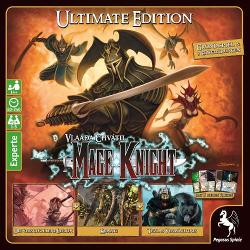 Mage Knight: Ultimate Edition2019
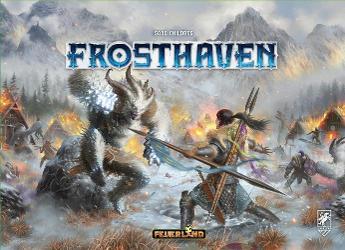 Frosthaven2023
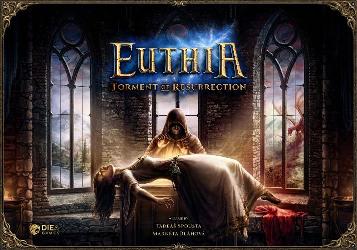 Euthia: Torment of Resurrection2021
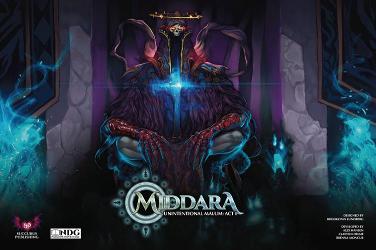 Middara: Unintentional Malum – Act 12019
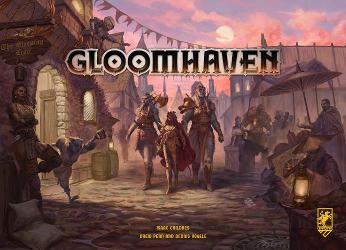 Gloomhaven (Second Edition)2025
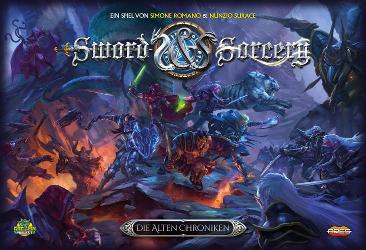 Sword & Sorcery: Die Alten Chroniken2022
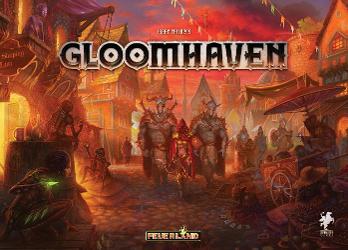 Gloomhaven2018
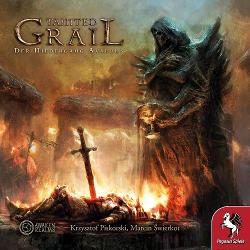 Tainted Grail: Der Niedergang Avalons2020
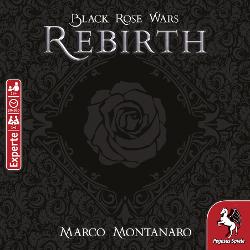 Black Rose Wars: Rebirth2024
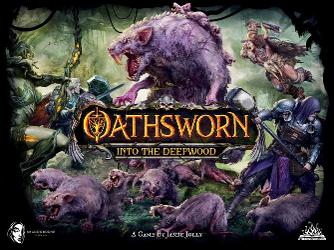 Oathsworn: Into the Deepwood2022
 Malhya: Lands of Legends2025
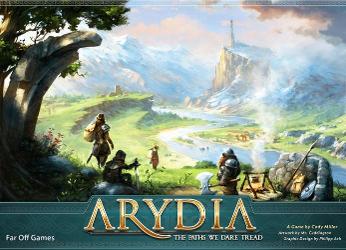 Arydia: The Paths We Dare Tread2025
Wer es hat, hat auch
Kostenlos, im Web, für Android und iOS
Spiel Mage Knight: Das Brettspiel mit Ludoya
- Hab es in deiner SammlungVerwalte dein Exemplar und seine Erweiterungen, leih es Freunden oder setz es auf deine Wunschliste und erfahre, wenn der Preis fällt.Zur Sammlung hinzufügen
- Erfasse jede PartiePunkte, Sieger, Timer und Fotos, dann deine Statistiken: Siegquote, liebste Spielerzahl, beste Punktzahl.Partie erfassen
- Regelfragen klärenFrag alles zu den Regeln und erhalte eine Antwort aus der Spielanleitung, mit der Seite zum Nachprüfen.Den Regelassistenten fragen
- Finde Leute, mit denen du es spielstClubs, Spieleabende und Veranstaltungen in deiner Nähe, bei denen dieses Spiel auf den Tisch kommt.Veranstaltungen ansehen
Spieldaten (Spieler, Spielzeit, Alter, Mitwirkende) von BoardGameGeek.