
2016 · Städtebau
Rhodes
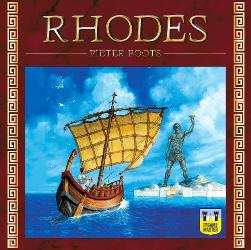
Die Spieler übernehmen die Rollen von Inselhändlern und Bauern im antiken Rhodos, die Oliven, Trauben, Getreide und Ziegenmilch produzieren und Waren zu Hafenschiffen schicken, um sie dort zu verkaufen. Ein gemeinsamer, dynamischer Markt passt die Preise an, wenn Schiffe eintreffen; die Spieler entscheiden, ob sie jetzt verkaufen oder Waren für später lagern wollen, was sowohl den Marktwert als auch die Einkommen der anderen Spieler beeinflusst. Das Spiel betont taktische und strategische Entscheidungen rund um Produktion, Marktinteraktion und Zugreihenfolge, mit Möglichkeiten, Land zu erweitern, Fähigkeiten zu entwickeln, die Märkte umgehen, oder das Angebot zu manipulieren, um Knappheit zu erzeugen. Die hohe Spielerinteraktion und die wechselnden Marktbedingungen sorgen für wiederkehrende Dilemmata; ausgewogene Ansätze sind im Allgemeinen erfolgreicher als einseitige Strategien.
- Spieler
- 2–5 am besten mit 3
- Spielzeit
- 60–90 Min.
- Alter
- 10+
- Komplexität
- 2,7 / 5
Über das Spiel
- Autoren
- Illustration
- Publisher


Erweiterungen
In Ludoya ansehen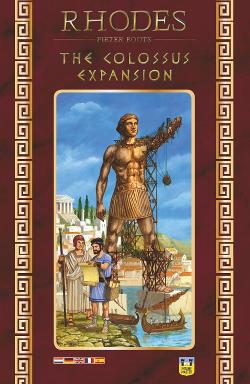
Fotos von Ludoya-Tischen
Alle Fotos in LudoyaWo kaufen
Shop-Preise und gebrauchte Exemplare, täglich geprüft.
An Ludoyas Tischen
Alle Statistiken in Ludoya- 17
- Erfasste Partien
- 37
- Spieler
- 1h 48m
- Durchschnittliche Partie
- 11
- In Sammlungen
5,0/10
aus 6 Ludoya-Rezensionen
Evan4,6 This is a nice, lighter euro where players are trying to fulfill recipe cards. The way this happens is pretty interesting. There's a communal "grow" action where a player takes the action spot and then chooses two types of fields that will generate new goods, along with assigning a quantity tile to each of those types. Then the number of goods produced gets distributed evenly among all players who can grow that type of good, starting with the person who took the action. Then, with another action, players put their goods on boats in the center of the board. When someone wants to complete a recipe, they can buy goods from any of the boats they want, paying the people they took the goods from. The recipe tiles have some nice points on them, and they also act as the endgame timer, but points can also come from bonus buildings, or by just spending money on the relevant action spot. There's some really nice tension about wondering if players will buy your goods, or if they'll sit on the line of boats, slowly getting pushed ahead in line, becoming cheaper and cheaper. If they happen to reach the end of the line, you get to keep them for free, which is really cool. Timing the push of the boats is a lot of fun. All that being said, I felt like the game didn't have enough complication or excitement for me. Even though I was amped enough for this game that I ordered a copy from europe, I decided to sell it, as I have other games that play in about this time that I liked better. I think one of the things that made me shy away in the end was that many of the buildings you can construct didn't seem very interesting. I could see how they would be helpful to you, but the bonuses seemed small and somewhat mundane. If those had been a little wilder, I think this would have been a hit. :star: Art, Iconography and components functional :star: Clever or interesting mechanisms :star: Reasonably low downtime between turns with mildly AP players :nostar: Multiple plays stay interesting :star: Low or mitigatable luck elements :star::star::nostar::nostar::nostar: Raw enjoyment






Kostenlos, im Web, für Android und iOS
Spiel Rhodes mit Ludoya
- Hab es in deiner SammlungVerwalte dein Exemplar und seine Erweiterungen, leih es Freunden oder setz es auf deine Wunschliste und erfahre, wenn der Preis fällt.Zur Sammlung hinzufügen
- Erfasse jede PartiePunkte, Sieger, Timer und Fotos, dann deine Statistiken: Siegquote, liebste Spielerzahl, beste Punktzahl.Partie erfassen
- Werte ohne PapierNutze die Wertungsbögen und Spielhelfer der Community und lass Ludoya die Punkte zusammenzählen.Wertungsbögen finden
- Finde Leute, mit denen du es spielstClubs, Spieleabende und Veranstaltungen in deiner Nähe, bei denen dieses Spiel auf den Tisch kommt.Veranstaltungen ansehen
Spieldaten (Spieler, Spielzeit, Alter, Mitwirkende) von BoardGameGeek.