
2010 · Économique
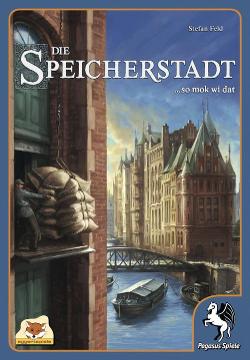
The Speicherstadt
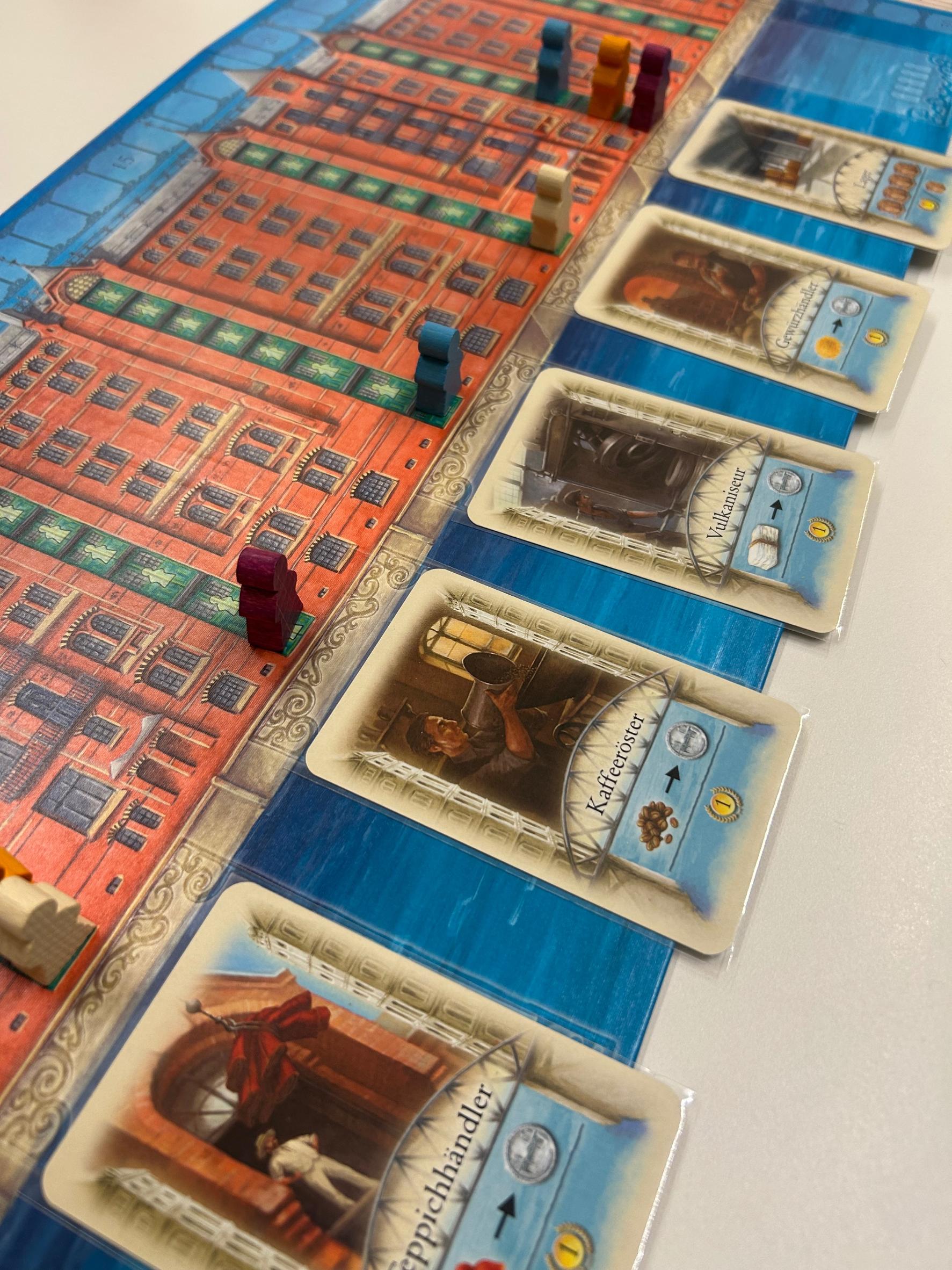
Players act as Hamburg wholesalers around 1900, acquiring shiploads of spices, coffee, tea and carpets to fulfill contracts and score points. Cards are drafted across four seasonal decks; later seasons introduce more powerful options, so players plan acquisitions over time. Bidding occurs by building towers of meeples over cards: placing meeples increases a card’s cost for players beneath them, and each player has a limited number of bids per round, creating timing and positional strategy. Players also collect special cards and sets for endgame points and must obtain fireman cards or suffer penalty points for fires.
- Joueurs
- 2–5 idéal à 4
- Temps de jeu
- 45 min
- Âge
- 8+
- Complexité
- 2,3 / 5
À propos du jeu
- Auteurs
- Illustration
- Éditeurs





Extensions
Les voir dans Ludoya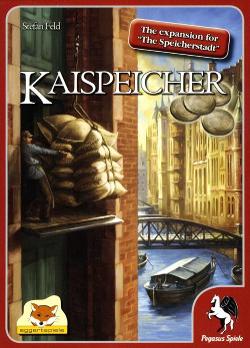
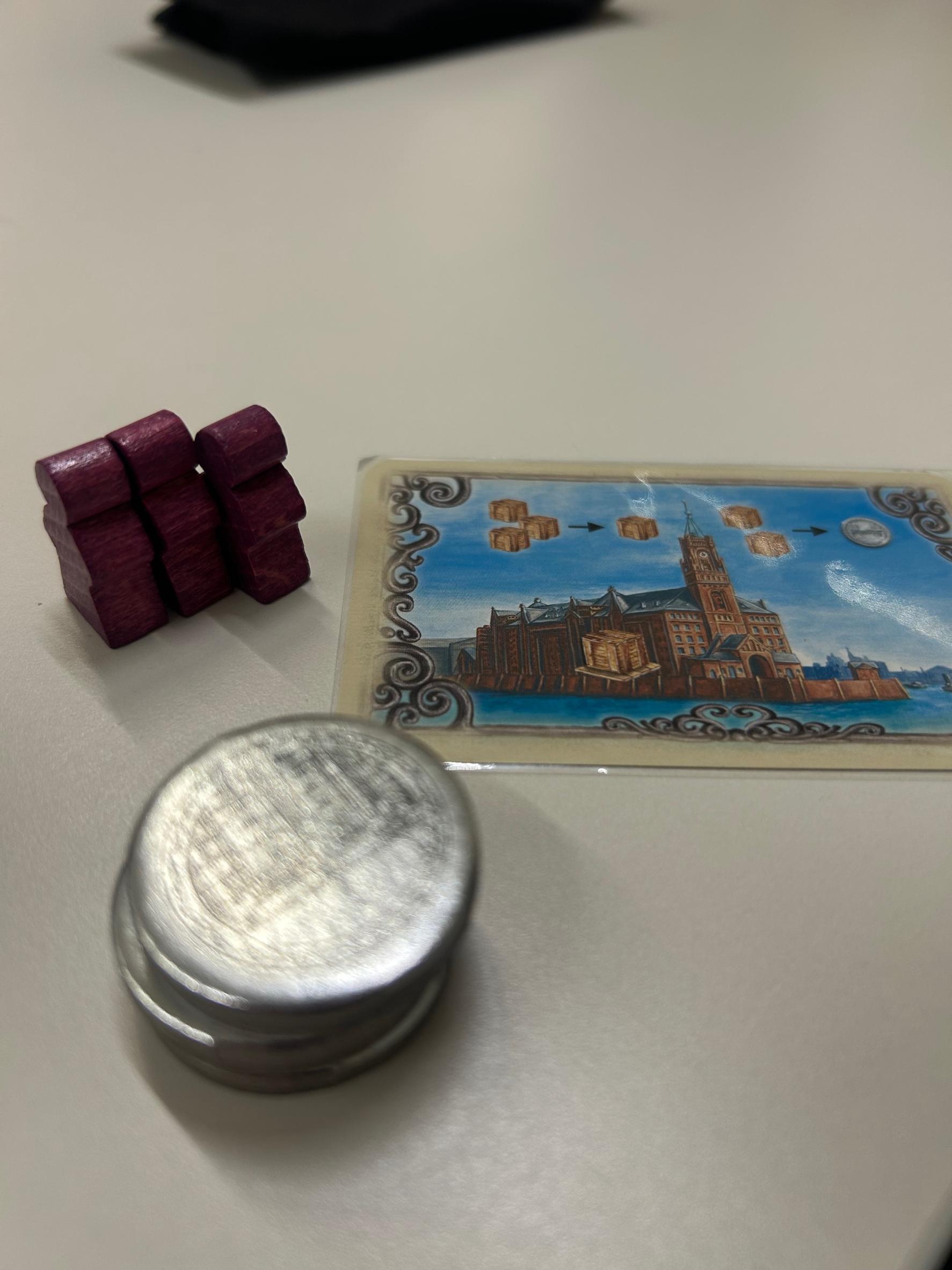
Photos des tables de Ludoya
Toutes les photos dans Ludoya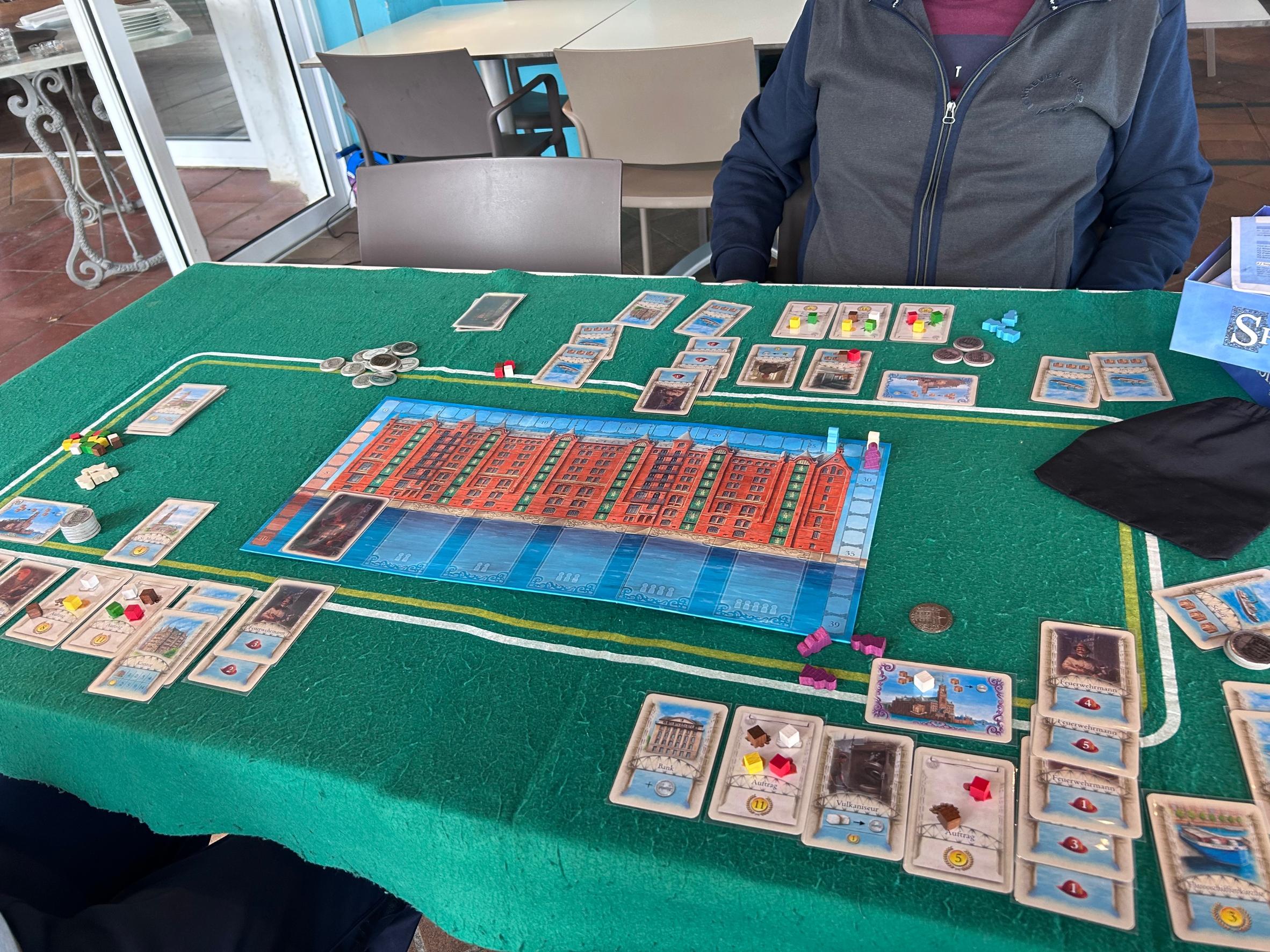
Où l'acheter
Prix des boutiques et exemplaires d'occasion, vérifiés chaque jour.
Sur les tables de Ludoya
Toutes les statistiques dans Ludoya- 139
- Parties enregistrées
- 132
- Joueurs
- 1h 8m
- Partie moyenne
- 19
- Dans des collections
- 4
- Dans des listes de souhaits
- 1
- Précommandé
4,7/10
sur 21 avis Ludoya
Mestremuten8,0 Rating: 4/5 Production value: 3/4 Is the game in my collection/Love to have?: 1/1
Evan1,6 There's a ton I dislike in this game. Everyone seems enamored by the bidding mechanism where the first player in has the opportunity to buy it, but everyone who bids after him makes the price more expensive. I dislike this, because the income per turn is so low, that forcing someone to pay more than they should for a card they need can cripple you on future turns, but choosing to not pay can mean you just don't get any cards at all, which is equally crippling. Then the mechanism of how fire resolves, where it rewards the player who was able to get the firehat card and hurts the player struggling to get any cards at all. Then, I also dislike how in the first few rounds you need to buy contracts and merchants who require resources that come into play randomly in the future, which you also then need to be able to afford, and it's not uncommon to have cards in front of you that you had to really fight for that you never get to execute. The expansion also is bad in that it adds another card row at the top that allows players to make sure some cards never see play as an aggressive move, and gives nearly free cards to whoever happens to be last in turn order. I really don't see any appeal to this game at all. ★ Art, Iconography and components functional ★ Clever or interesting mechanisms ★ Reasonably low downtime between turns with mildly AP players ☆ Multiple plays stay interesting ☆ Low or mitigatable luck elements ☆☆☆☆☆ Raw enjoyment




Ceux qui l'ont possèdent aussi


Gratuit, sur le web, Android et iOS
Jouez à The Speicherstadt avec Ludoya
- Gardez-le dans votre collectionSuivez votre exemplaire et ses extensions, prêtez-le à vos amis ou ajoutez-le à votre liste de souhaits et soyez prévenu quand le prix baisse.Ajouter à votre collection
- Enregistrez chaque partieScores, gagnants, minuteurs et photos, puis vos statistiques : taux de victoire, nombre de joueurs préféré, meilleur score.Enregistrer une partie
- Comptez les points sans papierUtilisez les feuilles de score et les aides de jeu de la communauté, et laissez Ludoya additionner les points.Trouver des feuilles de score
- Trouvez des gens avec qui y jouerClubs, soirées jeux et événements près de chez vous qui mettent ce jeu sur la table.Voir les événements
Données du jeu (joueurs, durée, âge, crédits) issues de BoardGameGeek.