
2017 · Economico
Keyper
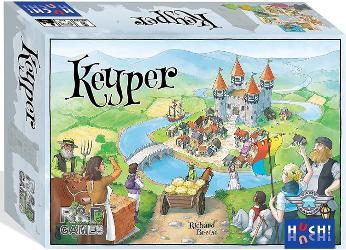
I giocatori gestiscono un villaggio e una squadra di lavoratori di diversi colori nel corso di quattro round che rappresentano primavera, estate, autunno e inverno. Ogni colore di lavoratore è specializzato in un'attività (boschi, estrazione mineraria, argilla, ecc.), mentre i lavoratori bianchi sono tuttofare; i giocatori piazzano i lavoratori sulle plance condivise delle campagne o nel proprio villaggio per raccogliere risorse, migliorare le merci, estrarre gemme e svolgere azioni. Il piazzamento dei lavoratori permette agli altri giocatori di unirsi alle azioni con lavoratori dello stesso colore, ottenendo vantaggi condivisi e la possibilità di giocare i lavoratori due volte; inoltre, i giocatori possono piazzare lavoratori aggiuntivi se esauriscono i propri prima degli altri. Le plance delle campagne cambiano configurazione a ogni stagione, aprendo diversi campi e azioni stagionali: i giocatori devono quindi decidere quando reclamare le plance, quando collaborare e quali strategie perseguire per ottenere più punti possibile.
- Giocatori
- 2–4 ideale in 3
- Tempo di gioco
- 90–120 min
- Età
- 14+
- Complessità
- 3,6 / 5
Il gioco
- Autori
- Illustrazioni
- Editore



Espansioni
Vedile in Ludoya
Dove comprarlo
Prezzi dei negozi e copie usate, controllati ogni giorno.
Sui tavoli di Ludoya
Tutte le statistiche in Ludoya- 30
- Partite registrate
- 44
- Giocatori
- 2h 19m
- Partita media
- 17
- Nelle ludoteche
- 1
- Nelle liste dei desideri
6,5/10
da 7 recensioni Ludoya
Evan6,0 This is an efficiency game, where your goal is to build and upgrade village tiles. This is done by placing workers in action spots in the central boards. Players can also claim boards with their player color meeple, in order to gain all the meeples placed on that board for the next round, and also they can somewhat configure the action spaces on the tile to their liking, adjusting the options for the next round. Generally the flow is collect things, spend to upgrade, and try to grab new tiles from the fliplucky display that will grant you points based on what you've accumulated. The neat thing about the game is that when a worker goes to a spot that matches his color, you get the action twice. Then someone can follow you in the action giving you both the action three times. This means that players frequently have uneven numbers of workers. When someone is out of workers, and they've already claimed a tile for the next round, they can choose to start knocking over workers to resolve their spaces again which activates them just as before, so up to three times potentially. I think with more plays and better understanding of when you want a guy boom and when you want a guy bust there's a lot you can game the game, but the length of the game and the general equality of all things makes me feel like I'd really need to push to get this to the table enough for me to grow on it, and I don't have that in me compared to the amount the puzzle interests me. By equality of all things I mean, there's no functional difference between the types of gems or animals or anything really. The agricola/caverna magic is that it matters what animals you have and when, for breeding, growing, ect. Veggies grow differently than grain. in Keyper, you get a red gem, or a yellow gem. Then you see if you can get a tile that wants a red gem or a yellow gem. No? Only green? Ok... I mean, ultimately that's fine, but it just means there's a certain dullness to the late game collection of things. Randomness in the tile availability I don't MIND, but if there was a meaningful difference between resources then I think the game would have been a keeper for me, I do think it's an odd decision not to pair this kind of flipluck without a general end of game leftovers scoring. If you aren't going to mandatorily release the tile that gives bonus points for chickens, at least punish me for having no chickens. Make choosing what action spots are available on the tile mean something more. ★ Art, Iconography and components functional ★ Clever or interesting mechanisms ★ Reasonably low downtime between turns with mildly AP players ★ Multiple plays stay interesting ☆ Low or mitigatable luck elements ★★★☆☆ Raw enjoyment
L'ha giocato 4 volte









Gratis, sul web, Android e iOS
Gioca a Keyper con Ludoya
- Tienilo nella tua ludotecaTieni traccia della tua copia e delle sue espansioni, prestala agli amici o mettila nella lista dei desideri e ricevi un avviso quando il prezzo scende.Aggiungilo alla tua ludoteca
- Registra ogni partitaPunteggi, vincitori, timer e foto, poi le tue statistiche: percentuale di vittorie, numero di giocatori preferito, miglior punteggio.Registra una partita
- Segna i punti senza cartaUsa i fogli punteggio e gli assistenti di gioco della community e lascia che Ludoya sommi i punti.Trova fogli punteggio
- Trova persone con cui giocarloClub, serate di gioco ed eventi vicino a te che portano questo gioco in tavola.Vedi gli eventi
Dati del gioco (giocatori, durata, età, crediti) da BoardGameGeek.