
2010 · Medievale
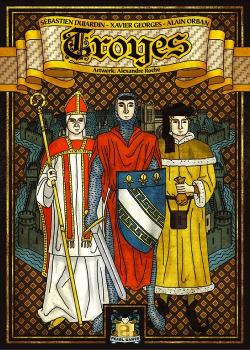
Troyes
Players recreate centuries of a medieval Champagne city by managing a personal pool of dice and a hand of cards that represent religious, military, and civil affairs. Dice are allocated to projects such as cathedral construction, disaster response, and civic tasks; cards enable actions, recruitments, and scoring opportunities across the three social domains. Players may spend money to hire opponents’ dice for temporary use and compete for influence, prestige, and victory points. Includes player-driven timing through dice placement and card play; later editions add a solo mode and bonus cards.
- Giocatori
- 1–4 ideale in 3
- Tempo di gioco
- 90 min
- Età
- 12+
- Complessità
- 3,4 / 5
Il gioco
- Illustrazioni
- Publisher




Espansioni
Vedile in Ludoya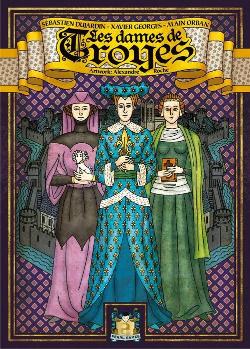
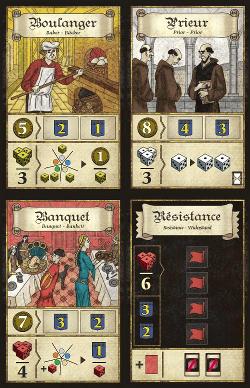
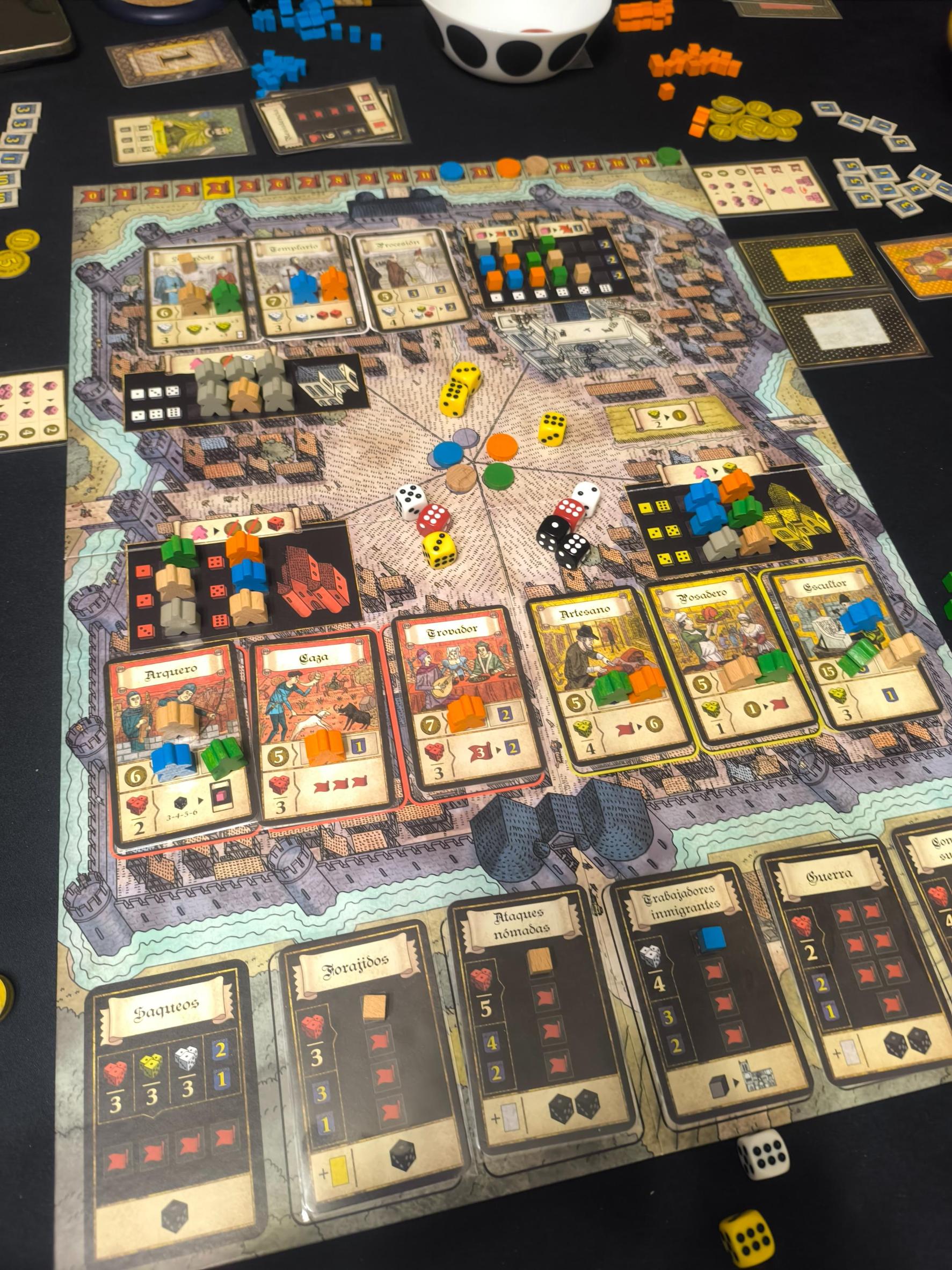
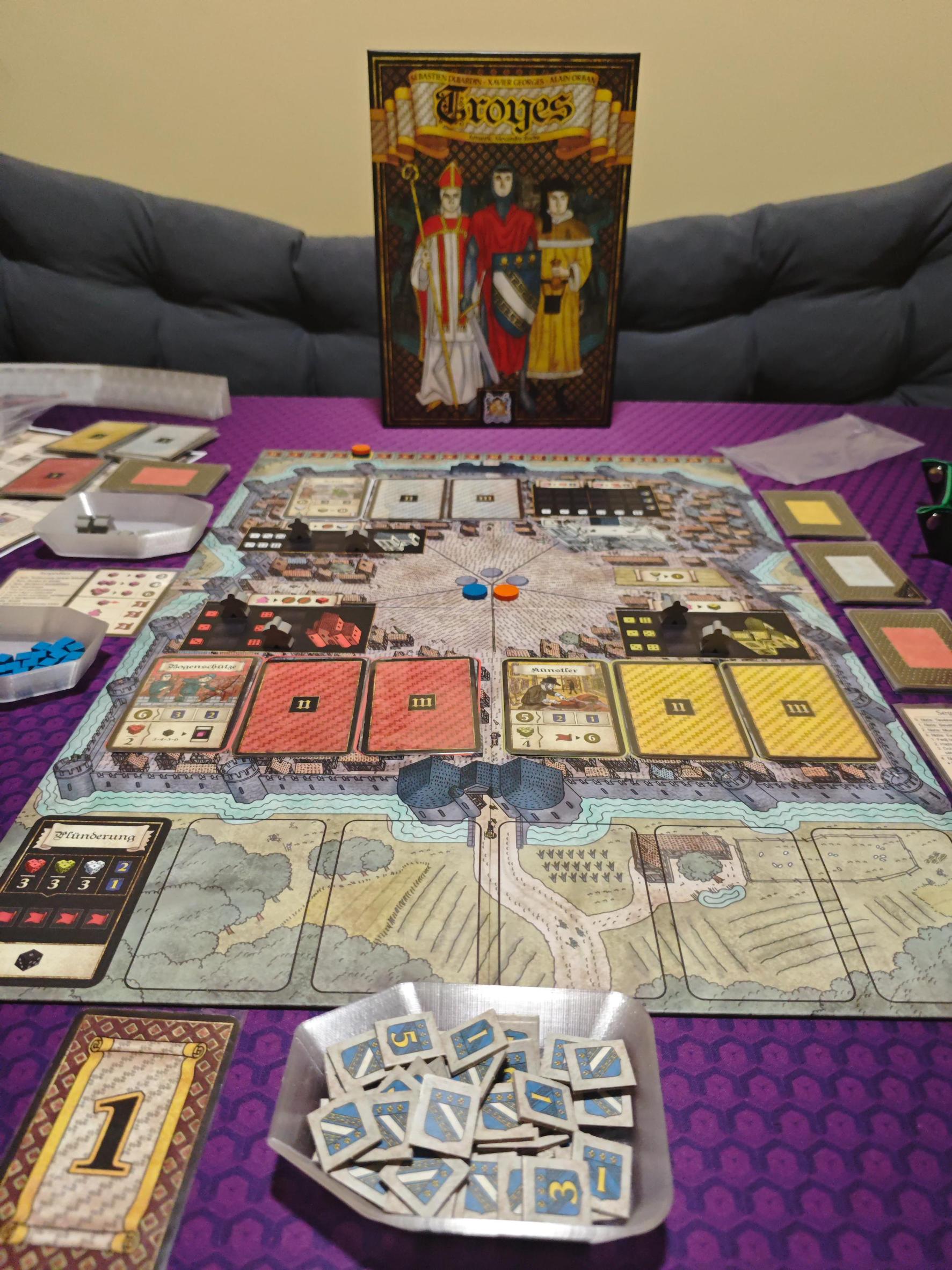
Foto dai tavoli di Ludoya
Tutte le foto in Ludoya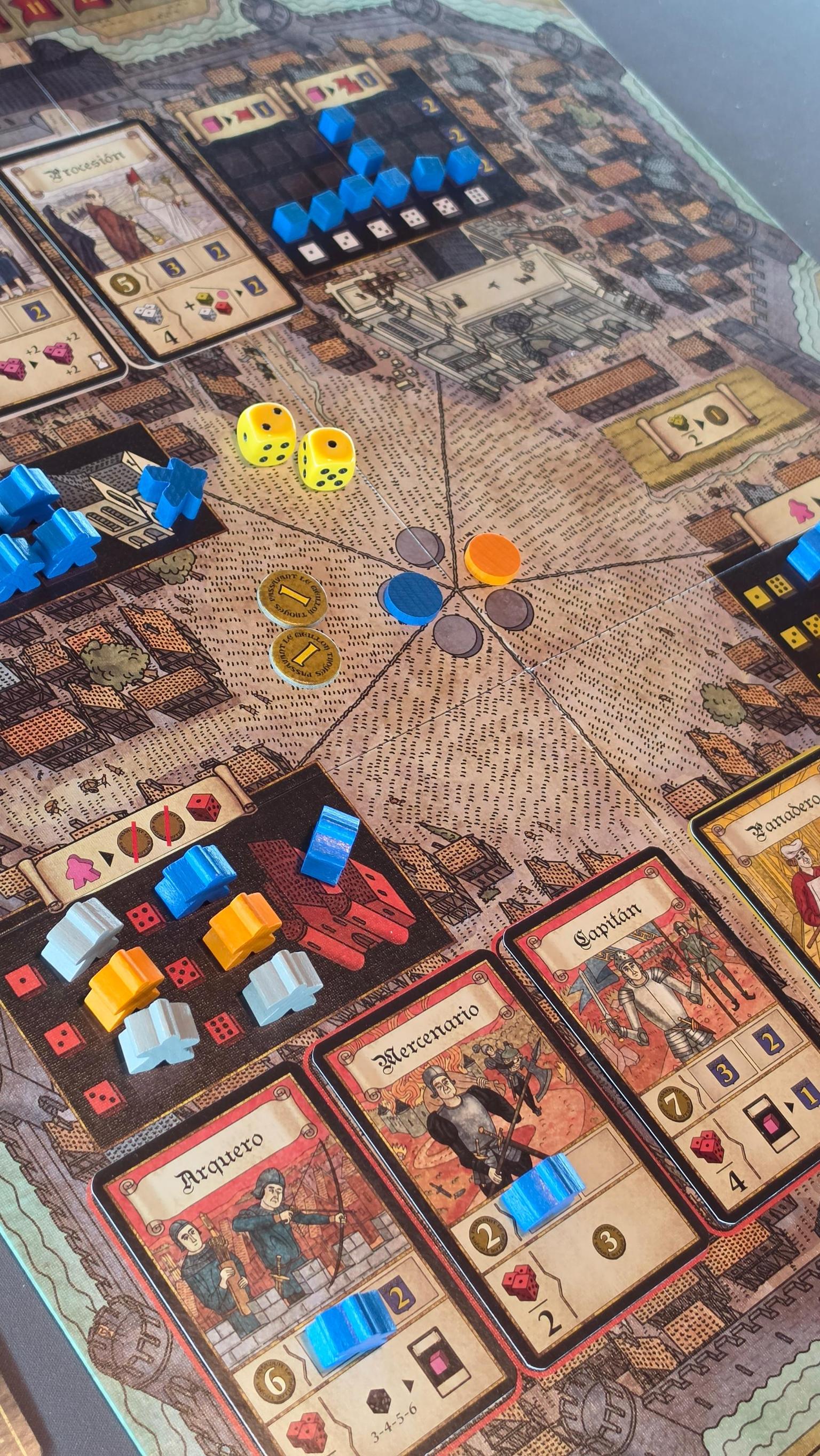
Dove comprarlo
Prezzi dei negozi e copie usate, controllati ogni giorno.
Sui tavoli di Ludoya
Tutte le statistiche in Ludoya- 807
- Partite registrate
- 536
- Giocatori
- 1h 30m
- Partita media
- 163
- Nelle ludoteche
- 34
- Nelle liste dei desideri
- 1
- Preordinato
7,1/10
da 109 recensioni Ludoya
Garfield7,0 #50 Nice dice mechanism. But it's always better if you roll high? So it's a little bit luck dependent? If you always roll low you won't win for sure. Have to try with expansion. [c] Theme: :star::nostar::nostar::nostar::nostar: <!-- size 7]No --> Gameplay: :star::star::star::nostar::nostar: <!-- size 7]Placing dice to do something --> Interaction: :star::star::star::nostar::nostar: <!-- size 7]Blocking each other --> Artwork: :star::star::star::nostar::nostar: <!-- size 7]Ok --> Luck: :star::star::star::star::nostar: <!-- size 7]Dice rolling --> Strategy: :star::star::nostar::nostar::nostar: <!-- size 7]Not sure --> Components: :star::star::star::nostar::nostar: <!-- size 7]Ok --> Play duration: :star::star::star::nostar::nostar: <!-- size 7]Ok --> Easy to teach: :star::star::star::nostar::nostar: <!-- size 7]Ok --> Rules quality: :star::star::star::star::nostar: <!-- size 7]Very good --> Setup time: :star::star::star::nostar::nostar: <!-- size 7]Ok --> No downtime: :star::star::star::nostar::nostar: <!-- size 7]Ok --> Replay value: :star::star::star::nostar::nostar: <!-- size 7]Different random cards --> [/c]
Evan4,6 My group was a big fan of this game, but it never really worked for me. First and foremost the look of this game really bothers me. The garrish patterns combined with the ketchup red and mustard yellow really bothers me, more than it should. I like to think that I'm a mechanisms over theme guy, but art like this I find troublesome. Additionally, this game is very guilty of difficult to understand icons. Each game doesn't have that many cards, but the cards will often have one time use icons on them, so it hurt my experience substantially that when I played this it was before a BGG card lookup player aid was available. I'm not thrilled with the way your meeples get kicked out of the various offices. I'm also not thrilled with the feeling you get when your opponent buys the die you needed out from under you. These two forms of negative player interaction would be forgivable in a game with a better look to it, but when combined with the visual static of the game, it hurts an already difficult experience. I'm also feeling a little done with the game mechanism where there are invader cards collecting at the bottom of the board that players need to collectively fend off. It's so perfectly executed in Lowlands, that it's hard to imagine going back. The expansion is also troublesome. The purple die module means that my issue with people stealing my dice out from under me is resolved, as nobody can steal your purple die, but the flip side of that is it removes key tension from the game that's really the game's soul. I may not like the steal mechanism, but without the threat of it, there's a hollow feeling to the rest of what happens. There's also a module where you walk your people around the exterior of the board that feels very tacked on. I was unimpressed, and it certainly didn't add anything that saved the experience of the base game for me. It's rough, because I really should like this game. I understand it's a good game. I just can't manage it. :nostar: Art, Iconography and components functional :star: Clever or interesting mechanisms :star: Reasonably low downtime between turns with mildly AP players :star: Multiple plays stay interesting :star: Low or mitigatable luck elements :star::star::nostar::nostar::nostar: Raw enjoyment
Mestremuten9,0 Rating: 4/5 Production value: 4/4 Is the game in my collection/Love to have?: 1/1
Domande sulle regole
Risposte tratte dal regolamento dall'assistente per le regole di Ludoya.
Quando il dado nero rimuove una piazza e cosa devo barrare?
All’inizio di ogni mezza giornata il dado nero distrugge la piazza su cui si trova; a partire dal giorno 3 obbliga anche ogni giocatore a cancellare il dado sul proprio foglio punteggi che corrisponde al valore del dado nero e al colore della piazza, e devi cancellare tutti gli edifici non ancora costruiti in quella sezione colorata della colonna. Gli edifici costruiti non vengono distrutti, e una Fortezza in quella colonna ti protegge dalla distruzione causata dal dado (vedi pagina 4).
Quando devo girare una piazza e quando devo ruotare la ruota?
Alla fine di ogni mezza giornata, il banditore della città gira la piazza distrutta sul lato opposto prima di rimetterla sulla ruota, e alla fine di ogni giornata completa il banditore della città sposta il piccolo livello della ruota di un passo in senso orario per mostrare il numero del giorno successivo (pagina 5).
Come faccio esattamente a guadagnare risorse da un dado—devo cerchiare tante risorse quante sono il valore del dado?
Quando esegui l’azione Prendi Risorse, circoli tante risorse quante è il valore del dado, da sinistra a destra sul tracciato di quel colore; quando ottieni risorse di tipo cittadino, circoli il cittadino corrispondente sul suo tracciato (pagina 6).
Come fanno Influenza, Deniers e Conoscenza a modificare i dadi quando eseguo un’azione?
Influenza (rosso) ti permette di modificare il valore del dado scelto di ±1 per ogni influenza spesa, i denari (giallo) pagano il costo per usare una posizione del dado, e spendere 2 conoscenze (bianco) ti permette di cambiare il colore del dado che hai scelto (pagina 6).
Cosa fa il Fortino: impedisce che i miei edifici vengano cancellati?
Costruire una Fortezza in una colonna ti protegge dagli attacchi del dado nero su quella colonna (quindi non devi cancellare il dado attaccato lì) e ti garantisce immediatamente il cittadino raffigurato e qualsiasi bonus di collegamento applicabile; nota che gli edifici già costruiti non vengono mai distrutti dagli eventi (pagine 7 e 4).
Mi serve un dado bianco per costruire una Cattedrale? E come si calcola il punteggio alla fine?
Sì — l’azione Cattedrale richiede un dado bianco; ogni Cattedrale che costruisci sblocca il punteggio finale per un tipo specifico di edificio, e ottieni 1 PV per le tue prime due Cattedrali, 2 PV per le due successive e 3 PV per le ultime due, che è il numero di PV guadagnati per ogni edificio di quel tipo alla fine della partita (pagina 8).
Giochi simili









Gratis, sul web, Android e iOS
Gioca a Troyes con Ludoya
- Tienilo nella tua ludotecaTieni traccia della tua copia e delle sue espansioni, prestala agli amici o mettila nella lista dei desideri e ricevi un avviso quando il prezzo scende.Aggiungilo alla tua ludoteca
- Registra ogni partitaPunteggi, vincitori, timer e foto, poi le tue statistiche: percentuale di vittorie, numero di giocatori preferito, miglior punteggio.Registra una partita
- Risolvi i dubbi sulle regoleChiedi qualsiasi cosa sulle regole e ottieni una risposta dal regolamento, con la pagina per verificarla.Chiedi all'assistente per le regole
- Trova persone con cui giocarloClub, serate di gioco ed eventi vicino a te che portano questo gioco in tavola.Vedi gli eventi
Dati del gioco (giocatori, durata, età, crediti) da BoardGameGeek.