
2025 · Jogo de cartas
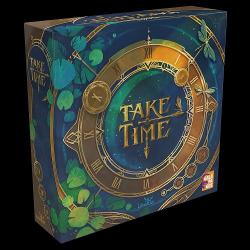
Take Time
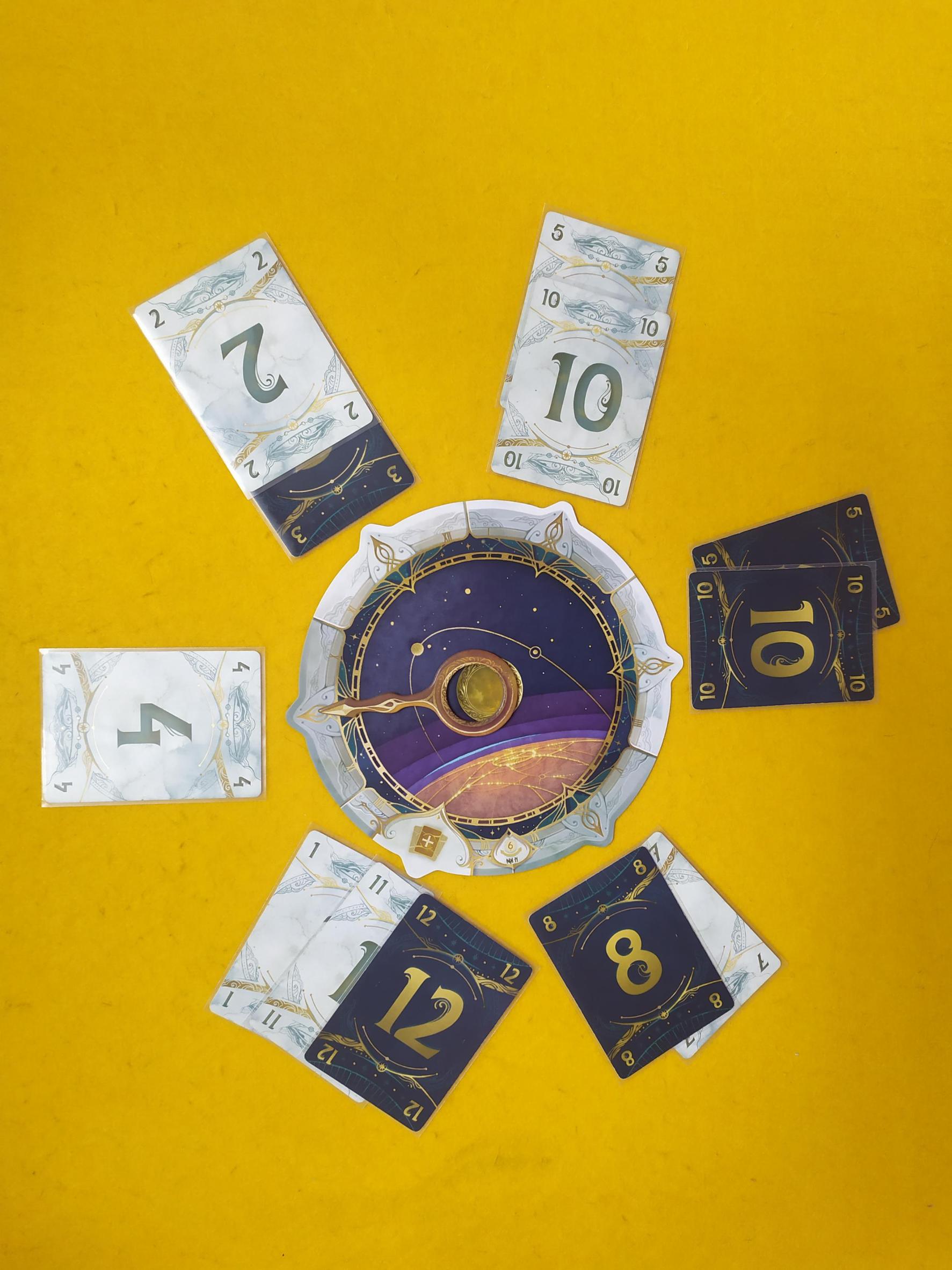
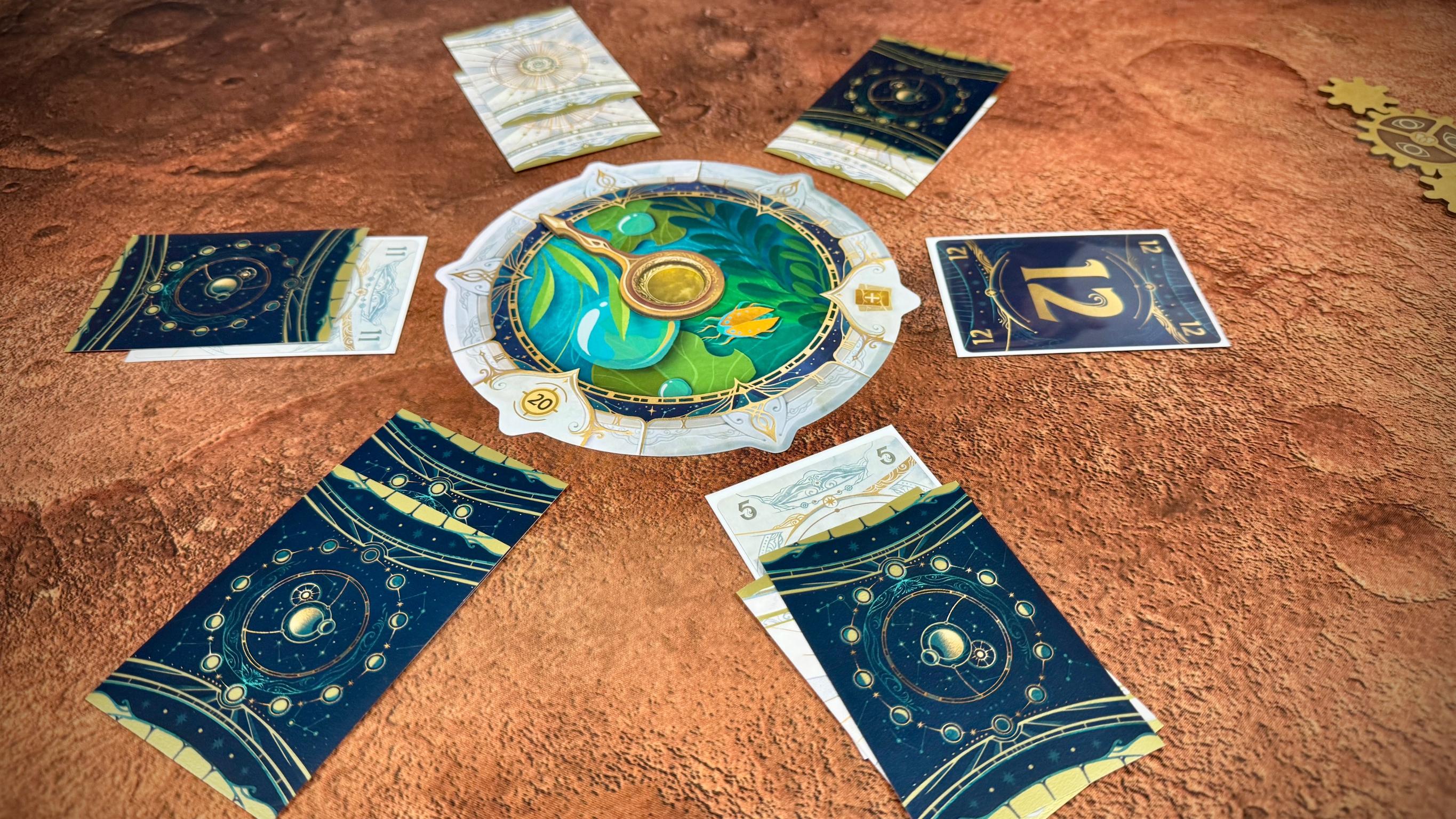
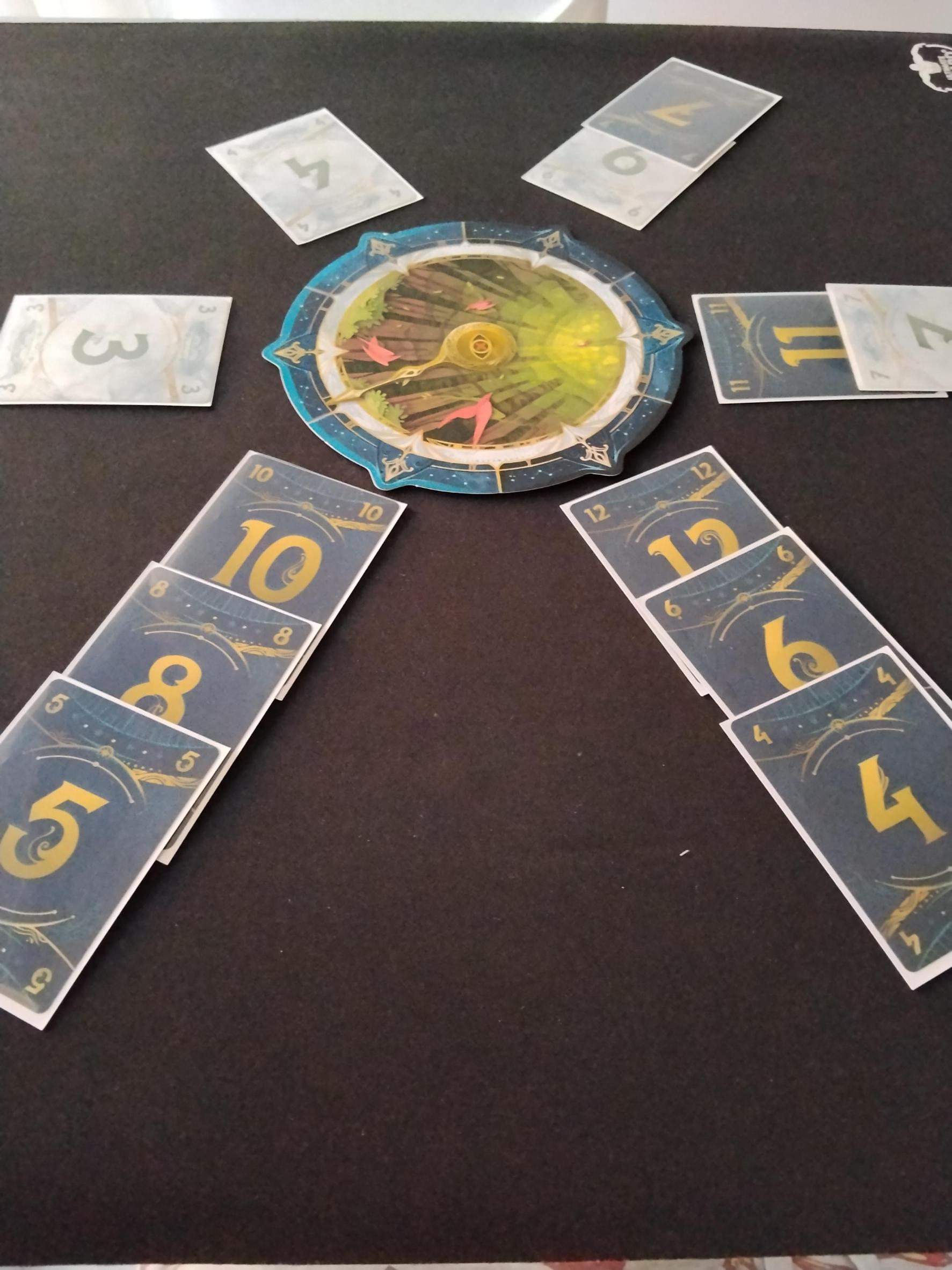
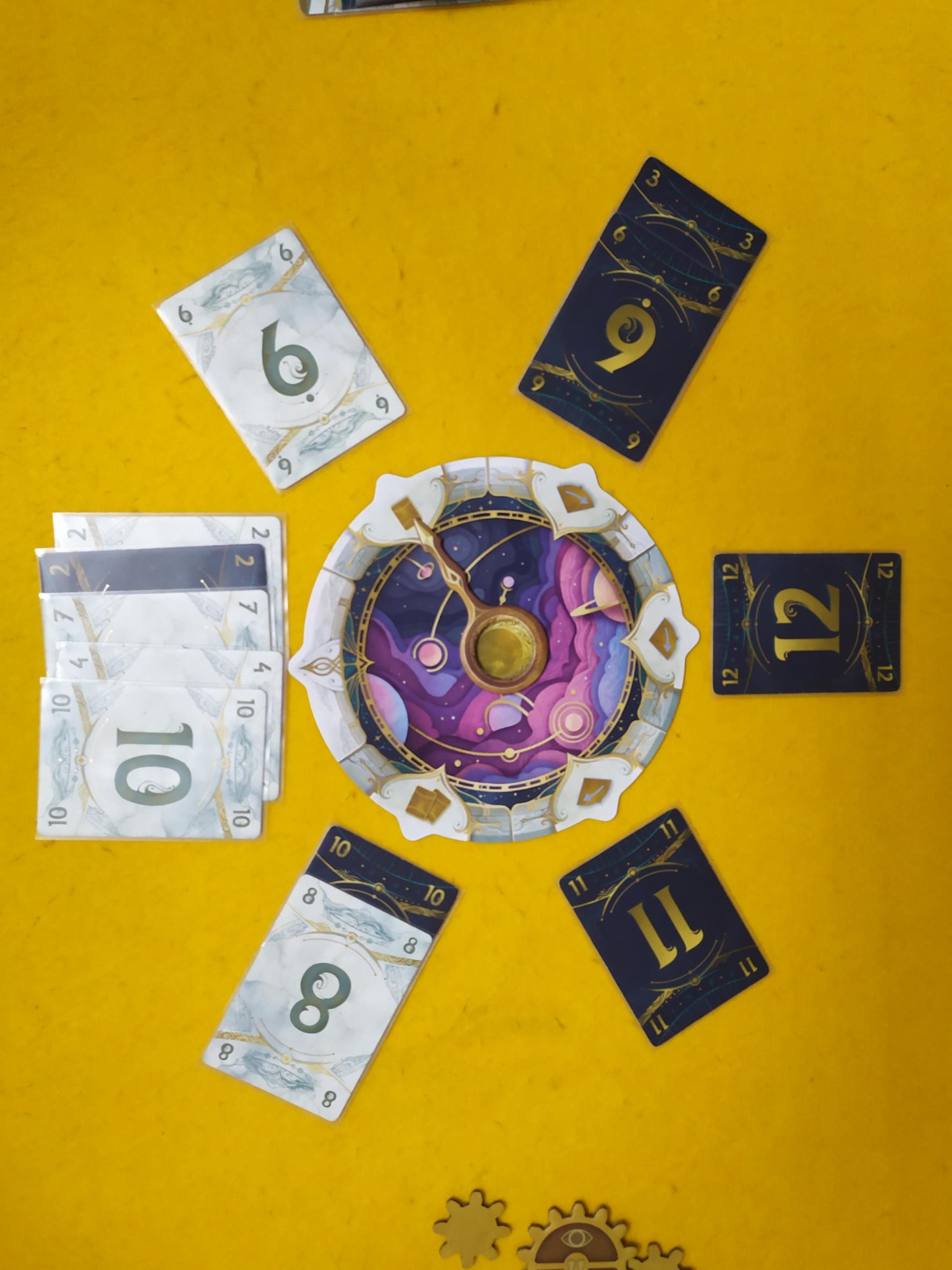
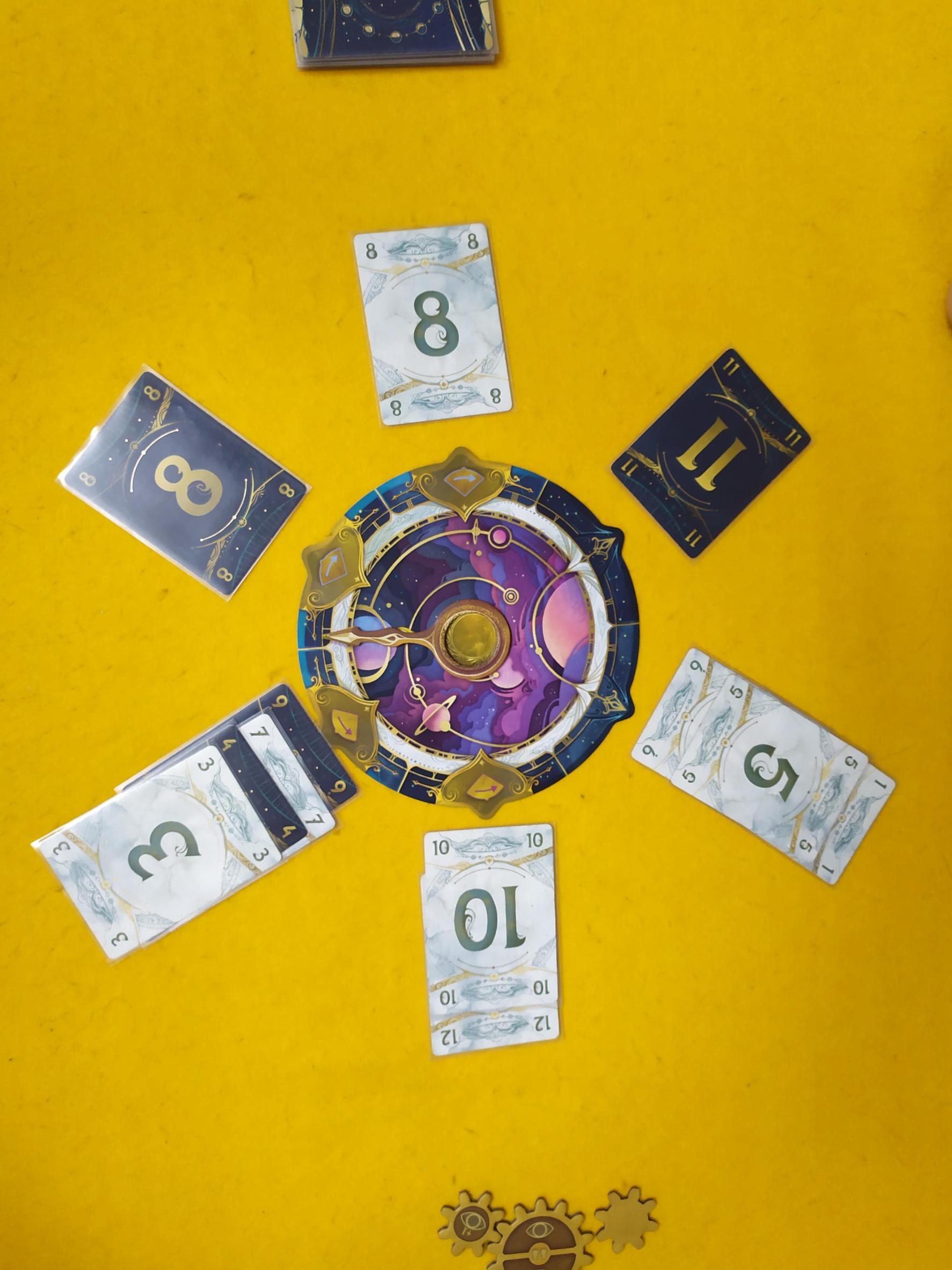
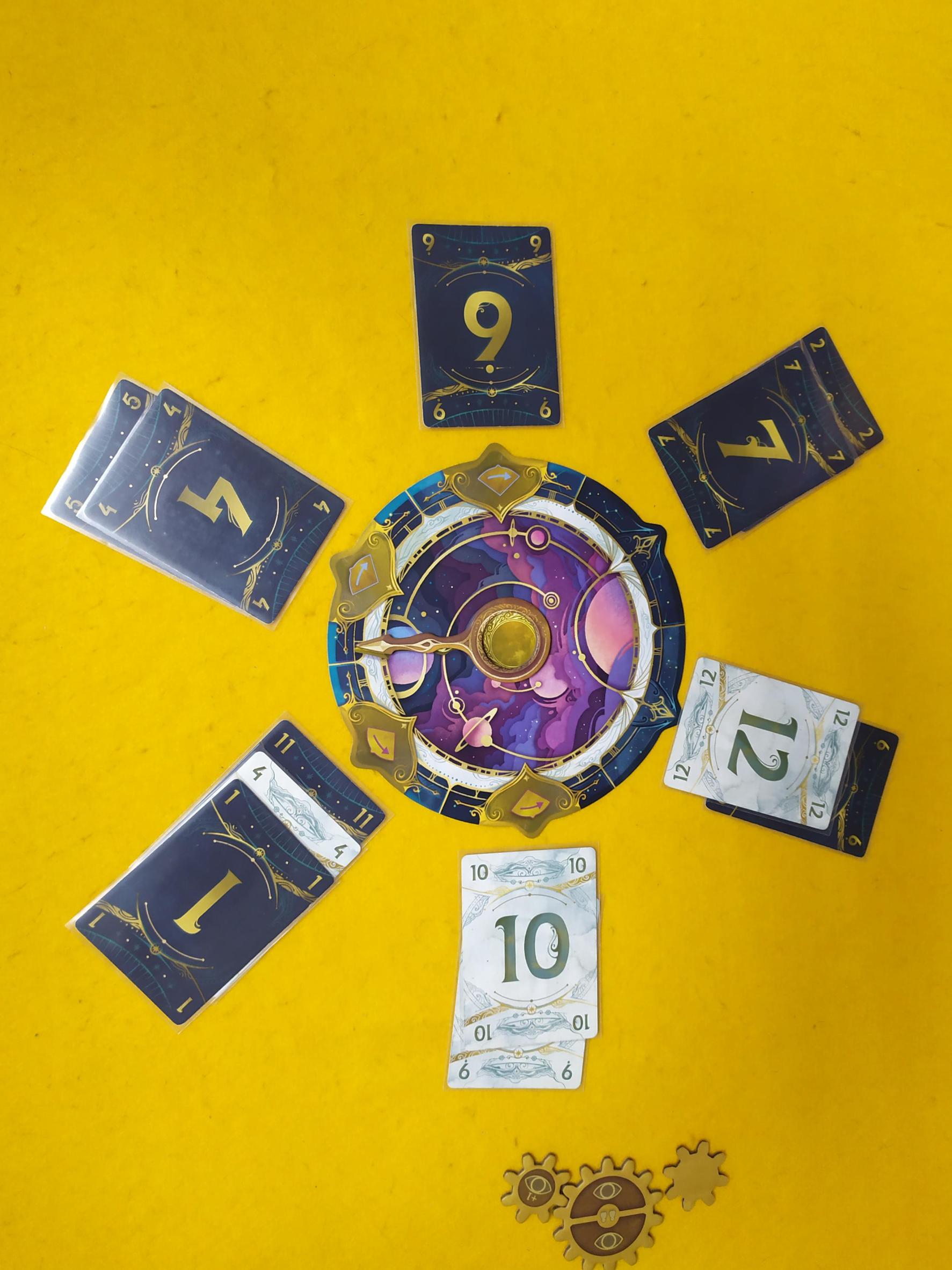
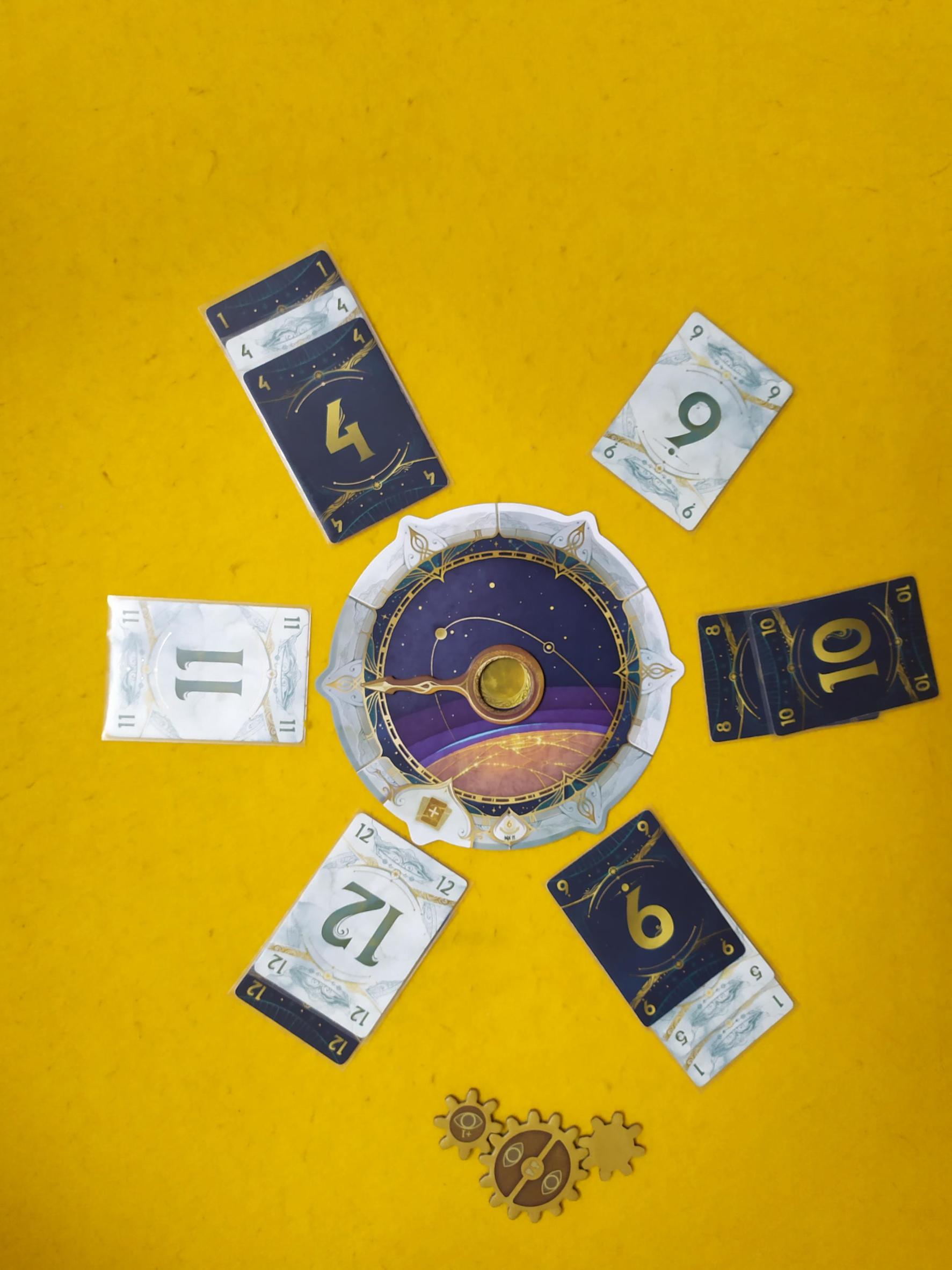
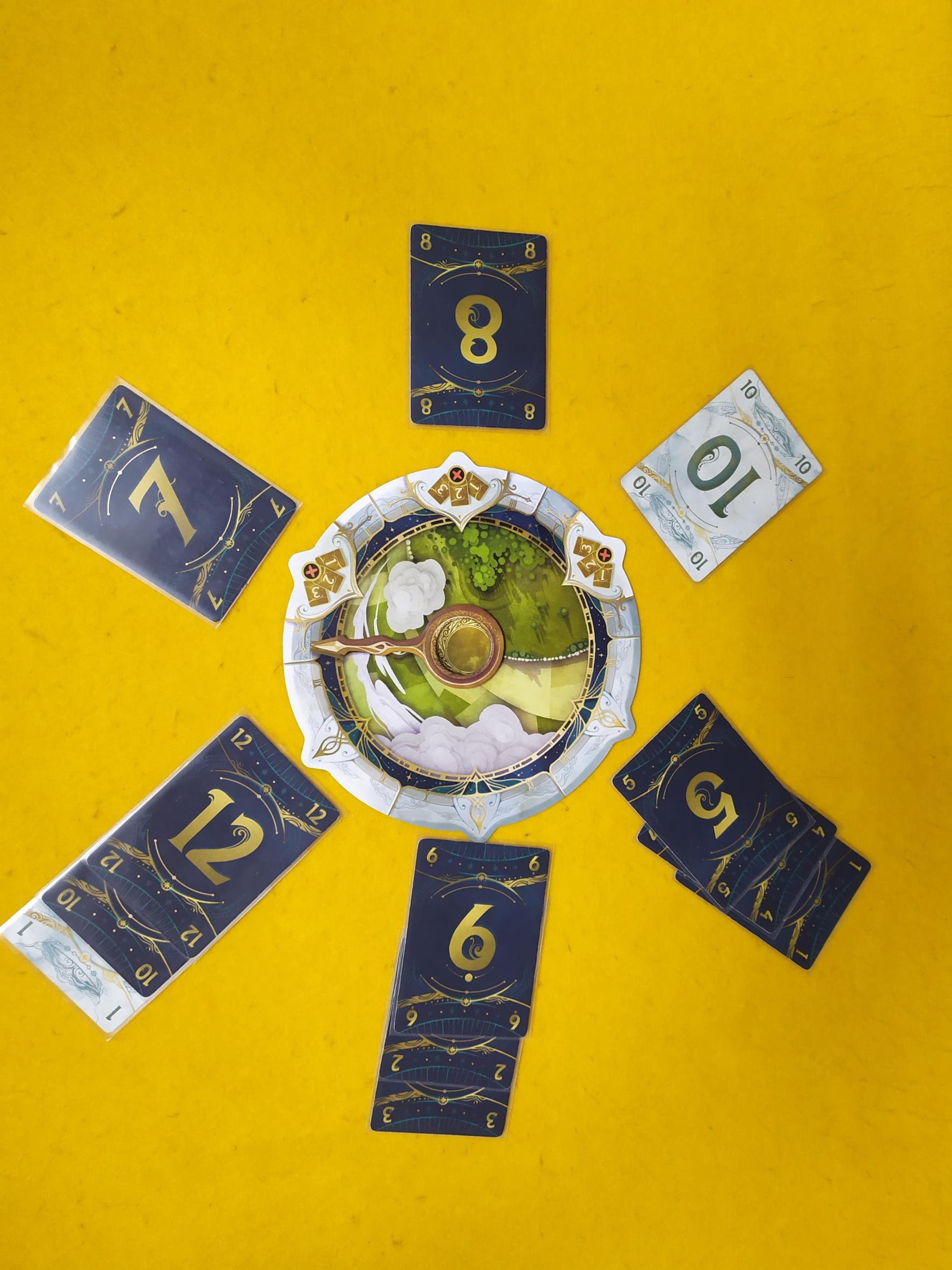
Players cooperate to solve a series of timed puzzles by placing 12 cards facedown around a central Clock according to the rules of the current Test. Each Test specifies constraints and information available to the team; the group discusses and coordinates placements before revealing cards to see whether the arrangement satisfies the Test. Players can play through multiple sessions to attempt all 40 Tests, with success or failure determined collectively.
- Jogadores
- 2–4 melhor com 3
- Tempo de jogo
- 30 min
- Idade
- 10+
- Complexidade
- 1,8 / 5
Sobre o jogo
- Arte
- Publisher



Expansões
Ver na Ludoya
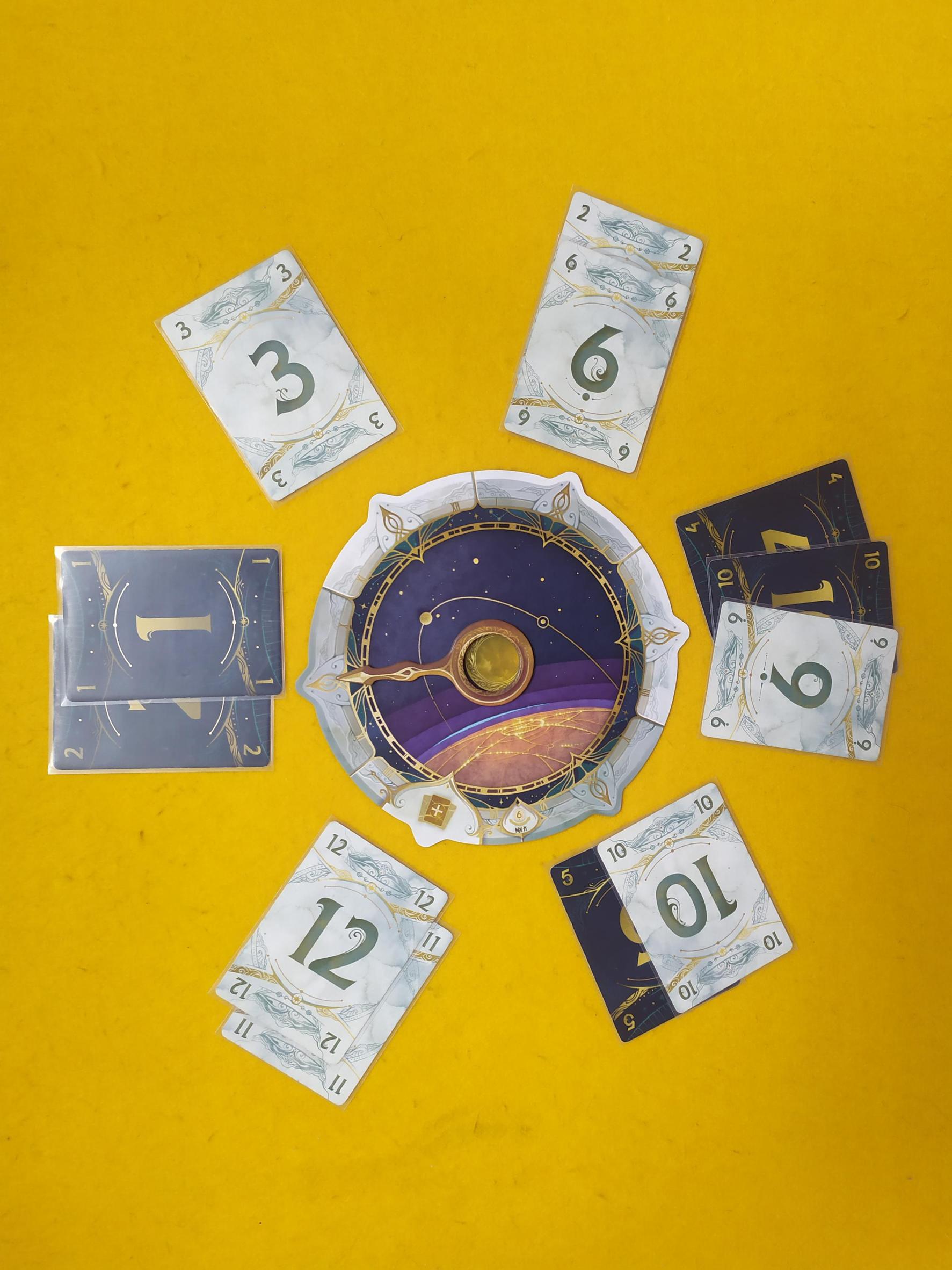
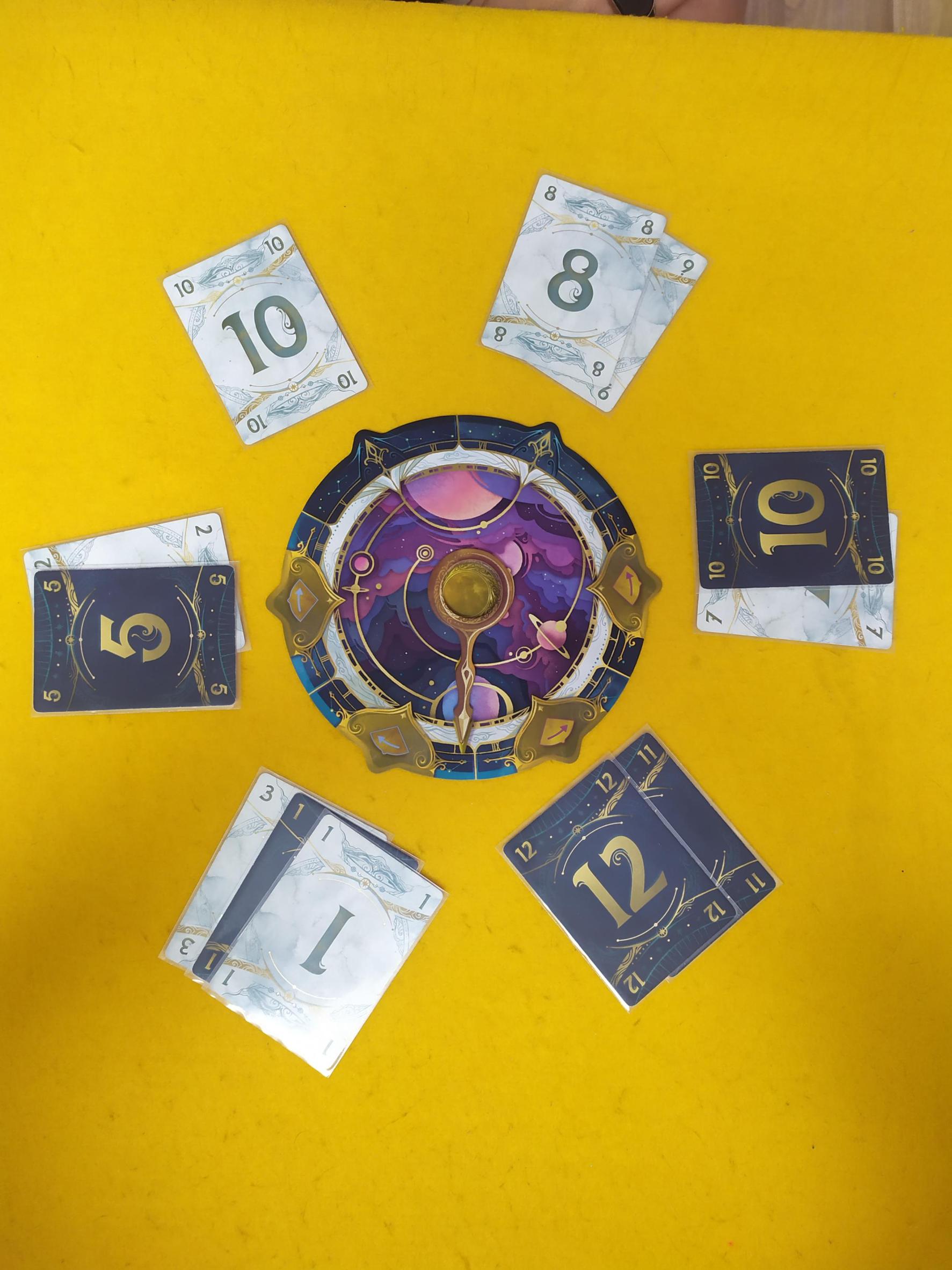
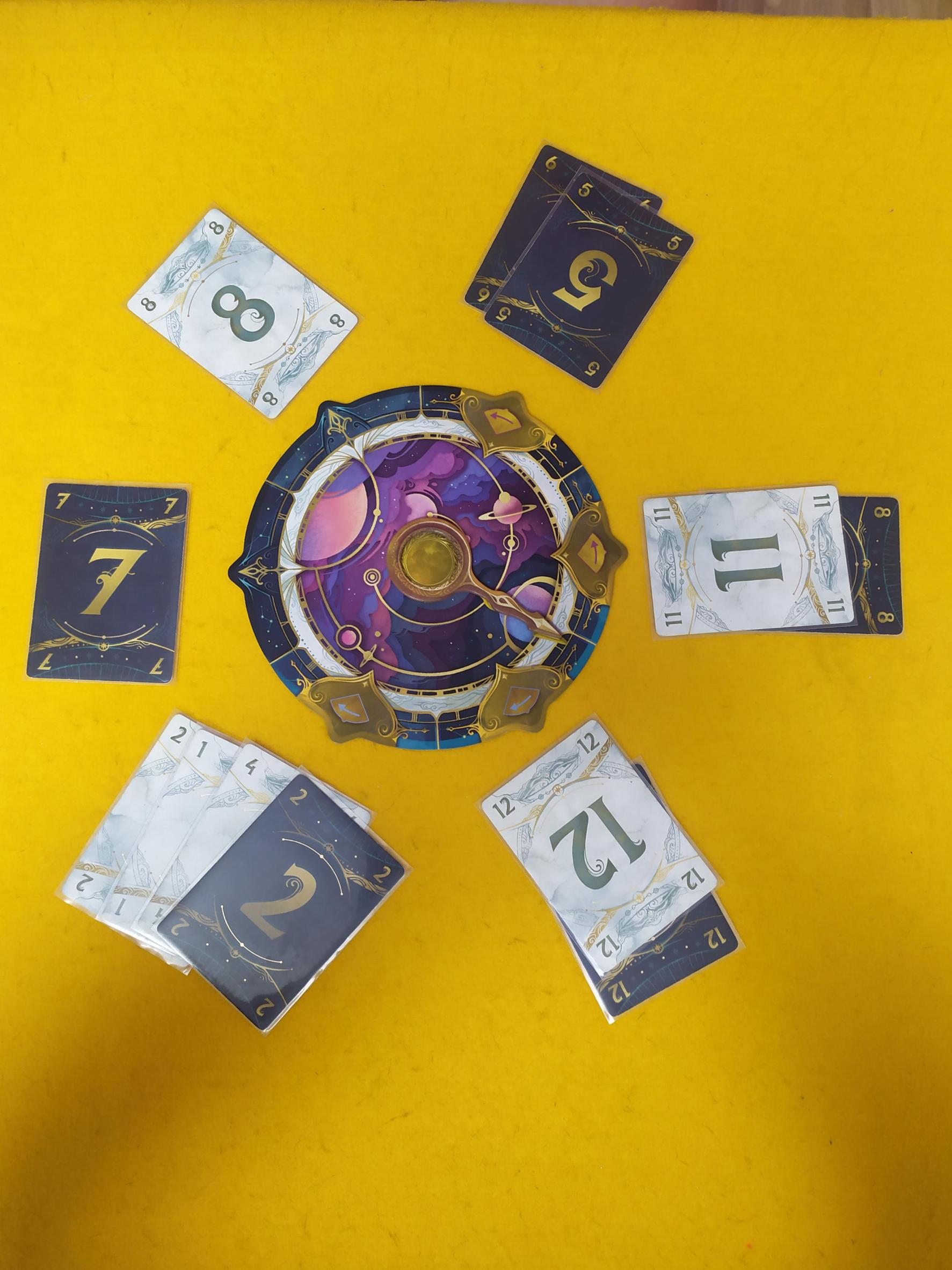
Fotos das mesas da Ludoya
Todas as fotos na Ludoya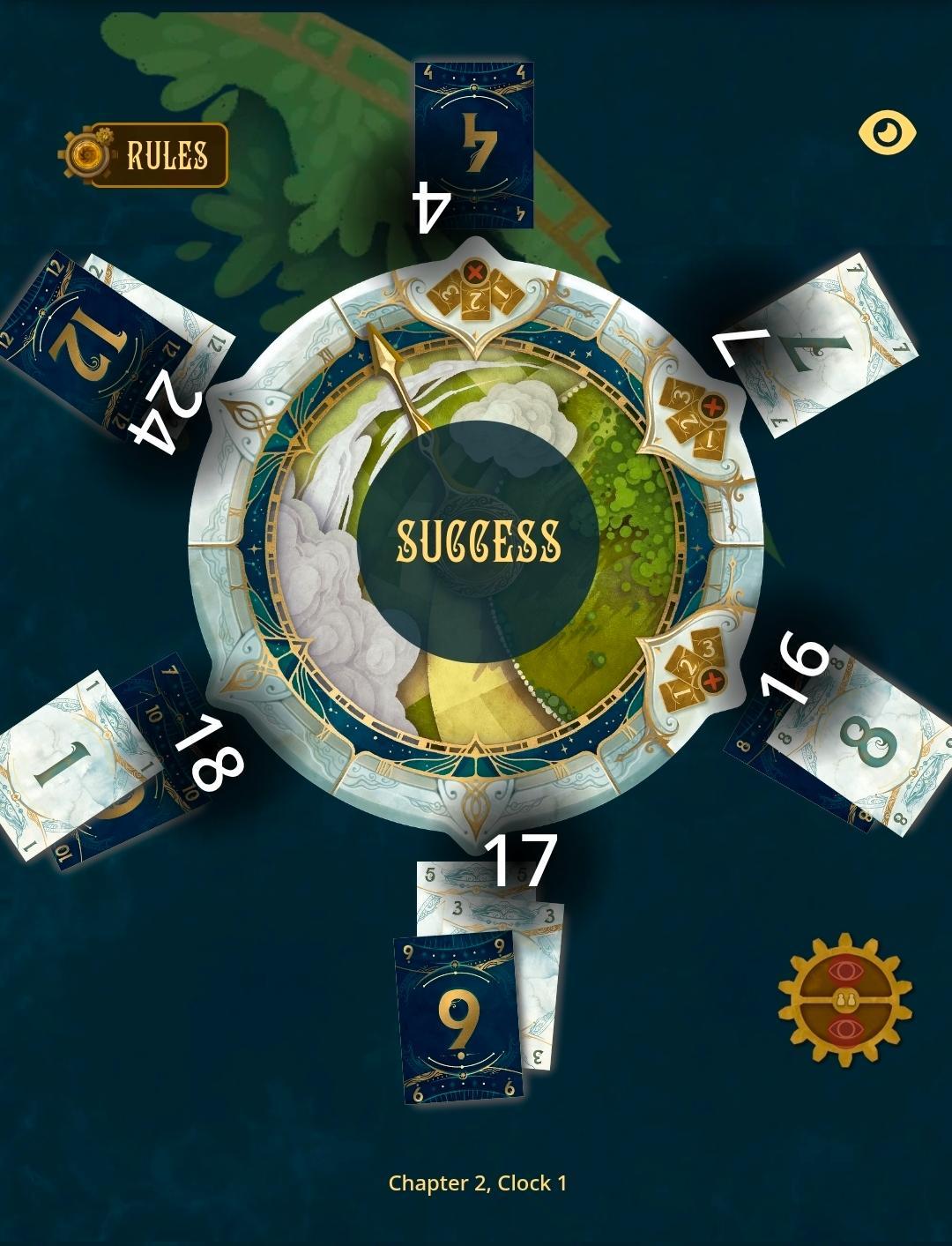
Onde comprar
Preços das lojas e cópias usadas, verificados todos os dias.
Nas mesas da Ludoya
Todas as estatísticas na Ludoya- 1.909
- Partidas registradas
- 388
- Jogadores
- 9m 34s
- Partida média
- 123
- Em ludotecas
- 26
- Em listas de desejos
- 1
- Comprado na pré-venda
8,4/10
de 33 avaliações na Ludoya
Very solid coop game with simple rules and highly rewarding
Daniel9,0 Cuando parece que está resuelto, y te queda una sola carta piensas ( vamos a perder)
Alexandre MATHIS10,0 Découvert en mai sur un salon puis plus récemment, intensivement joué depuis : il y a ici tout ce qu'on attend d'un jeu moderne, entre amis et en famille. A ce prix vous pouvez vous l'offrir les yeux fermés, promis. Retour illustré : https://adayagame.fr/jeux-familiaux/467-test-et-avis-sur-le-jeu-take-time-le-silence-est-d-or


Dúvidas de regras
Respondidas a partir do manual pelo assistente de regras da Ludoya.
Can I look at my cards before placing them?
No — during setup players are NOT allowed to look at their cards, and during the Discussion Phase you must not look until the discussion ends; only after Discussion do players pick up and look at their hands (pp.2, 3).
What are we allowed to say to each other during a test?
You may freely discuss strategy during the Discussion Phase (but may not devise unrelated codes or signals), and once players have looked at their cards no further table talk is allowed; communication is forbidden during the Placement Phase (pp.3, 4).
Can we place cards faceup, and how many can be faceup?
Yes — during a test the group may place up to as many faceup cards as there are eye symbols on the Reminder token, and the choice to place faceup cards cannot be openly discussed during the Placement Phase (p.4).
Does every clock segment need a card, and what counts as passing a test?
Yes — at Resolution at least one card must be next to each of the six segments; segment totals must be non‑decreasing clockwise from the Hand and each must be ≤24 (note: the first three clocks of Chapter 1 are exempt from the 24 limit) (p.5).
What do Bonus tokens do and when do we flip them?
If you fail a test you flip a Bonus token faceup; each faceup Bonus token gives the group one additional faceup card on subsequent attempts, and all Bonus tokens are flipped facedown again once the test is passed (pp.2, 5).
What happens if we skip a test — can we try it later?
To skip, flip any faceup Bonus tokens facedown and place the clock into the Sleeve of Regrets, then move on; clocks in the Sleeve of Regrets can be placed back on top of the stack for later attempts and, when completed from the Sleeve, are returned to their original sleeve (pp.5, 6).
Folhas de pontuação e ajudantes de jogo
- Kit de juego
- Kit de juego
- Full Game Kit
Jogos semelhantes
 AI Space Puzzle2023
 Perspectives2023
 The Crew: Journey to the Ends of the Earth2026
 Décorum2022
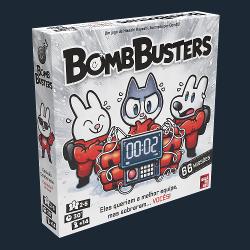 Bomb Busters2026
 A Tripulação: Missão no Mar Profundo2025
 KuZOOkA2022
 MicroMacro: Kids – Crazy City Park2025
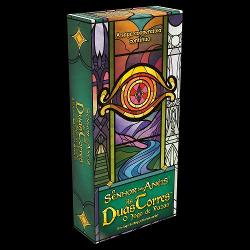 O Senhor dos Anéis: As Duas Torres – O Jogo de Vazas2026
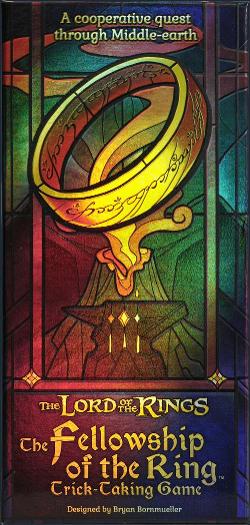 The Lord of the Rings: The Fellowship of the Ring – Trick-Taking Game2025
 A Tripulação: Em Busca do Nono Planeta2021
 The Gang2024







Grátis, na web, Android e iOS
Jogue Take Time com a Ludoya
- Tenha na sua ludotecaAcompanhe sua cópia e suas expansões, empreste para os amigos ou coloque na lista de desejos e seja avisado quando o preço cair.Adicionar à sua ludoteca
- Registre cada partidaPontuações, vencedores, cronômetros e fotos, e depois suas estatísticas: taxa de vitórias, número de jogadores favorito, melhor pontuação.Registrar uma partida
- Tire dúvidas de regrasPergunte qualquer coisa sobre as regras e receba uma resposta do manual, com a página para conferir.Perguntar ao assistente de regras
- Encontre gente para jogarClubes, noites de jogos e eventos perto de você que levam este jogo para a mesa.Ver eventos
Dados do jogo (jogadores, tempo de jogo, idade, créditos) do BoardGameGeek.