
2017 · 中世纪
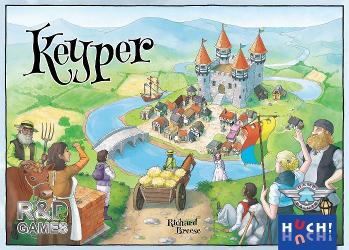
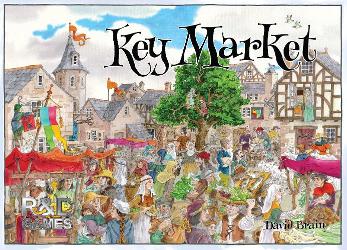
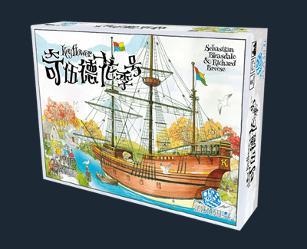
Keyper
玩家要管理一个村庄,以及一支由多种颜色工人组成的队伍,游戏分为四轮,分别代表春、夏、秋、冬。每种工人颜色专精于某项活动(伐木、采矿、制陶等),而白色工人则是全能型;玩家可以将工人放到公共的乡野板块或自己的村庄中,用来收集资源、升级货物、开采宝石并执行各种行动。 工人放置允许其他玩家用相同颜色的工人加入,从而共享收益,并获得让工人行动两次的机会;如果自己的工人在其他玩家之前用完,也可以继续派出额外工人。乡野板块每个季节都会改变布局,开放不同的区域和季节行动,因此玩家必须决定何时拿下板块、何时合作,以及采取哪些策略来获得最多分数。
- 人数
- 2–4 最佳 3 人
- 游戏时长
- 90–120 分钟
- 年龄
- 14+
- 复杂性
- 3.6 / 5



在 Ludoya 的牌桌上
在 Ludoya 中查看完整统计- 30
- 已记录对局
- 44
- 玩家
- 2h 19m
- 平均时长
- 17
- 收藏数
- 1
- 愿望清单数
6.5/10
基于 7 条 Ludoya 评测
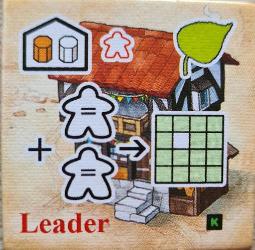
Evan6.0 This is an efficiency game, where your goal is to build and upgrade village tiles. This is done by placing workers in action spots in the central boards. Players can also claim boards with their player color meeple, in order to gain all the meeples placed on that board for the next round, and also they can somewhat configure the action spaces on the tile to their liking, adjusting the options for the next round. Generally the flow is collect things, spend to upgrade, and try to grab new tiles from the fliplucky display that will grant you points based on what you've accumulated. The neat thing about the game is that when a worker goes to a spot that matches his color, you get the action twice. Then someone can follow you in the action giving you both the action three times. This means that players frequently have uneven numbers of workers. When someone is out of workers, and they've already claimed a tile for the next round, they can choose to start knocking over workers to resolve their spaces again which activates them just as before, so up to three times potentially. I think with more plays and better understanding of when you want a guy boom and when you want a guy bust there's a lot you can game the game, but the length of the game and the general equality of all things makes me feel like I'd really need to push to get this to the table enough for me to grow on it, and I don't have that in me compared to the amount the puzzle interests me. By equality of all things I mean, there's no functional difference between the types of gems or animals or anything really. The agricola/caverna magic is that it matters what animals you have and when, for breeding, growing, ect. Veggies grow differently than grain. in Keyper, you get a red gem, or a yellow gem. Then you see if you can get a tile that wants a red gem or a yellow gem. No? Only green? Ok... I mean, ultimately that's fine, but it just means there's a certain dullness to the late game collection of things. Randomness in the tile availability I don't MIND, but if there was a meaningful difference between resources then I think the game would have been a keeper for me, I do think it's an odd decision not to pair this kind of flipluck without a general end of game leftovers scoring. If you aren't going to mandatorily release the tile that gives bonus points for chickens, at least punish me for having no chickens. Make choosing what action spots are available on the tile mean something more. ★ Art, Iconography and components functional ★ Clever or interesting mechanisms ★ Reasonably low downtime between turns with mildly AP players ★ Multiple plays stay interesting ☆ Low or mitigatable luck elements ★★★☆☆ Raw enjoyment
玩过 4 次




游戏信息(人数、游戏时长、年龄、制作人员)来自 BoardGameGeek。