
2013 · Kartenspiel
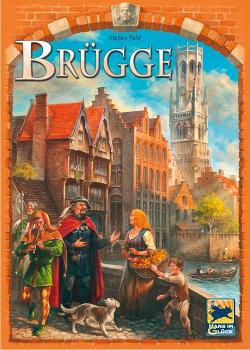
Brügge
Spielt als konkurrierende Kaufleute des 15. Jahrhunderts in einer wohlhabenden hansischen Stadt und balanciert Handel, Politik und aufkommende Bedrohungen. In jedem Zug wählt ein Spieler eine seiner Charakterkarten und nutzt sie, um eine von sechs Aktionen auszuführen: Arbeiter anwerben, Geld sammeln, eine Stadtbedrohung verringern, einen Kanal bauen, ein Haus bauen oder den Charakter auf der Karte anheuern. Die Kartenfarbe beeinflusst, welche Aktionen verfügbar sind oder wie stark sie ausfallen, sodass die Zusammenstellung deiner Hand Optionen und das Timing bestimmt. Die Spieler entwickeln Gebäude, beschäftigen Charaktere und managen Beziehungen zu mächtigen Figuren, während sie Ansehen anhäufen; der Spieler mit dem meisten Ansehen am Ende gewinnt.
- Spieler
- 2–4 am besten mit 3
- Spielzeit
- 60 Min.
- Alter
- 13+
- Komplexität
- 2,8 / 5
Über das Spiel
- Autoren
- Illustration
- Publisher


Erweiterungen
In Ludoya ansehen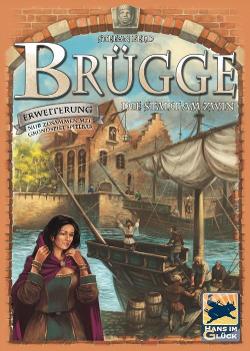
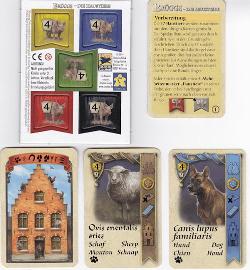
Fotos von Ludoya-Tischen
Alle Fotos in Ludoya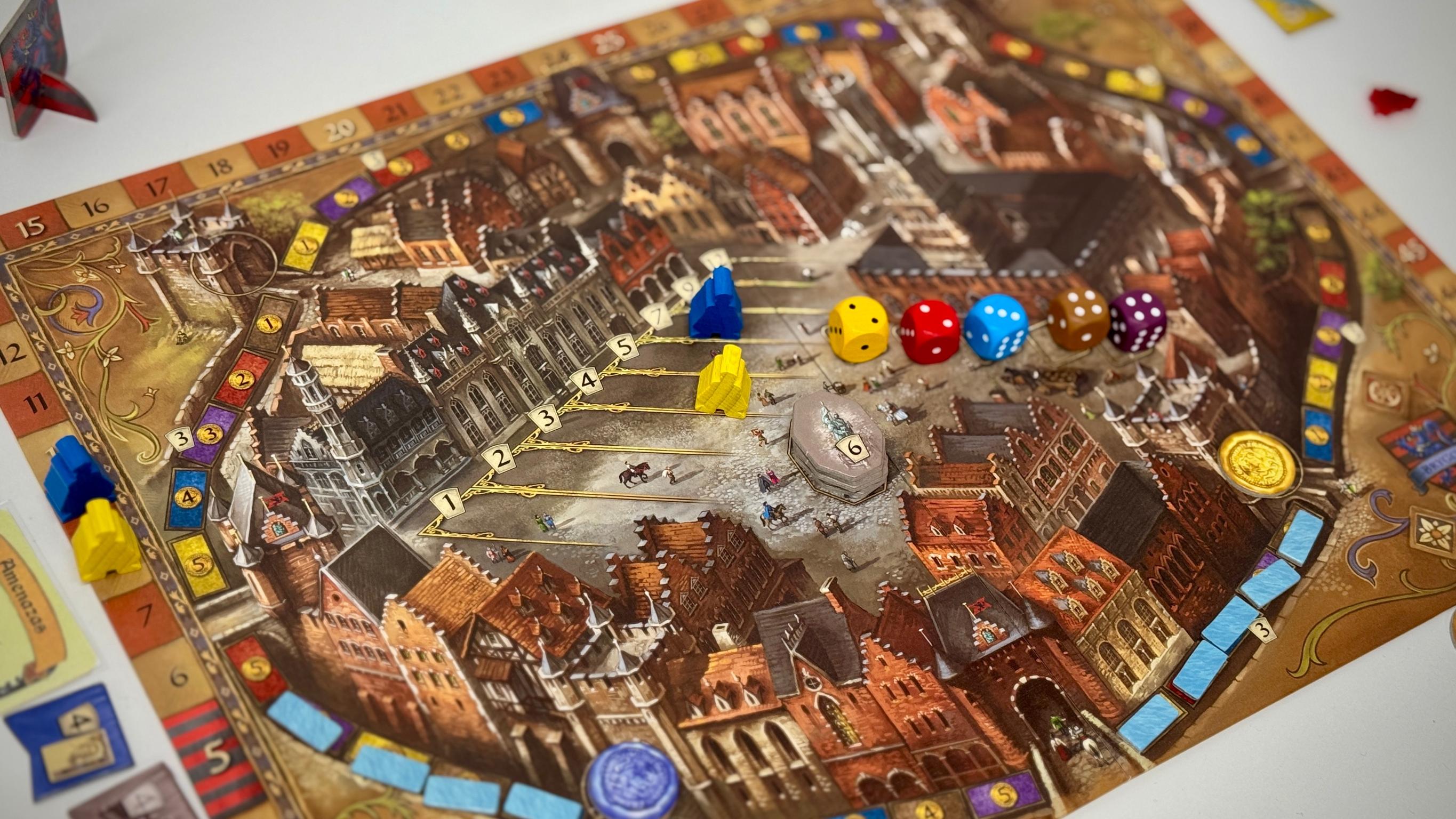
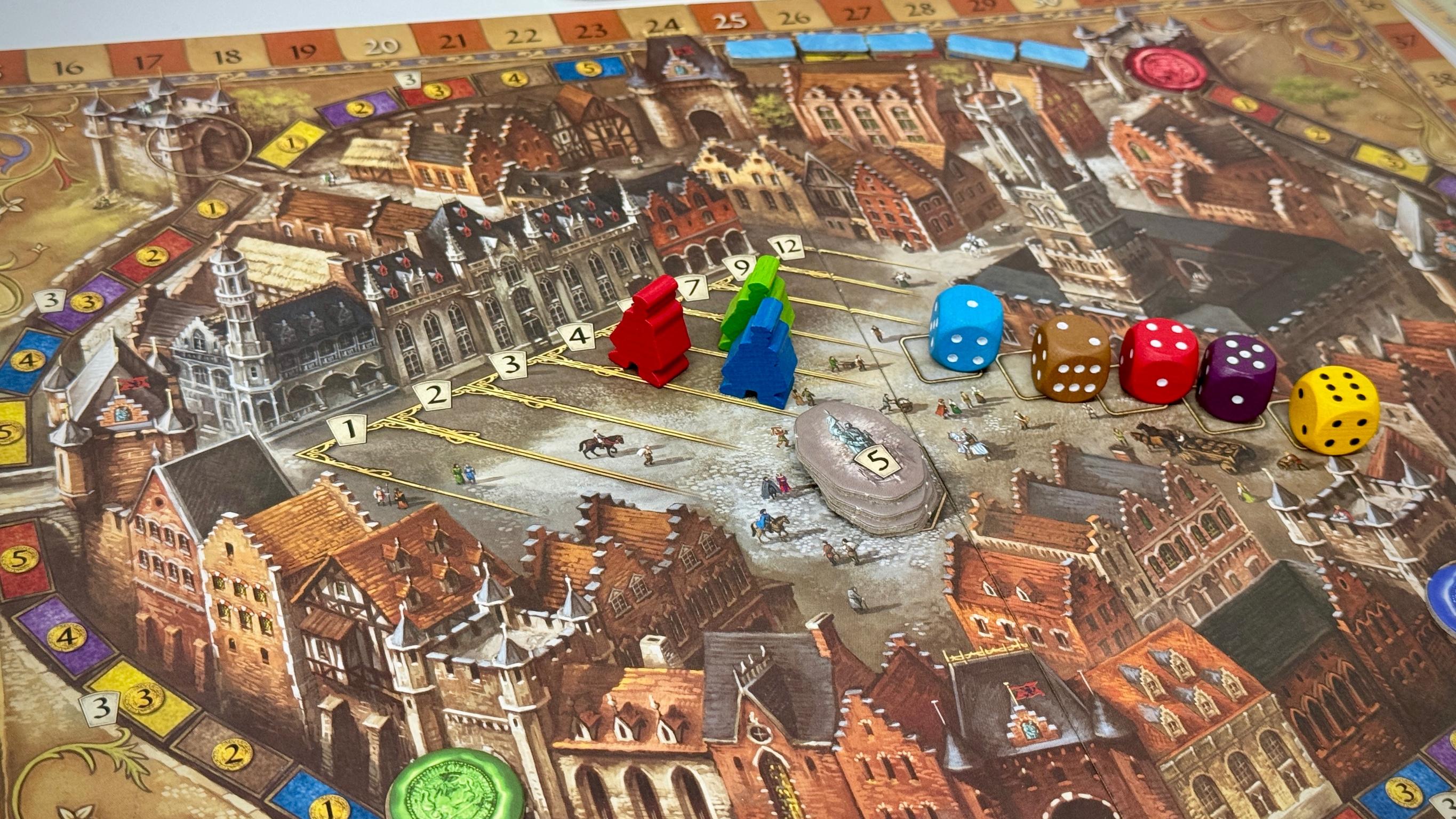
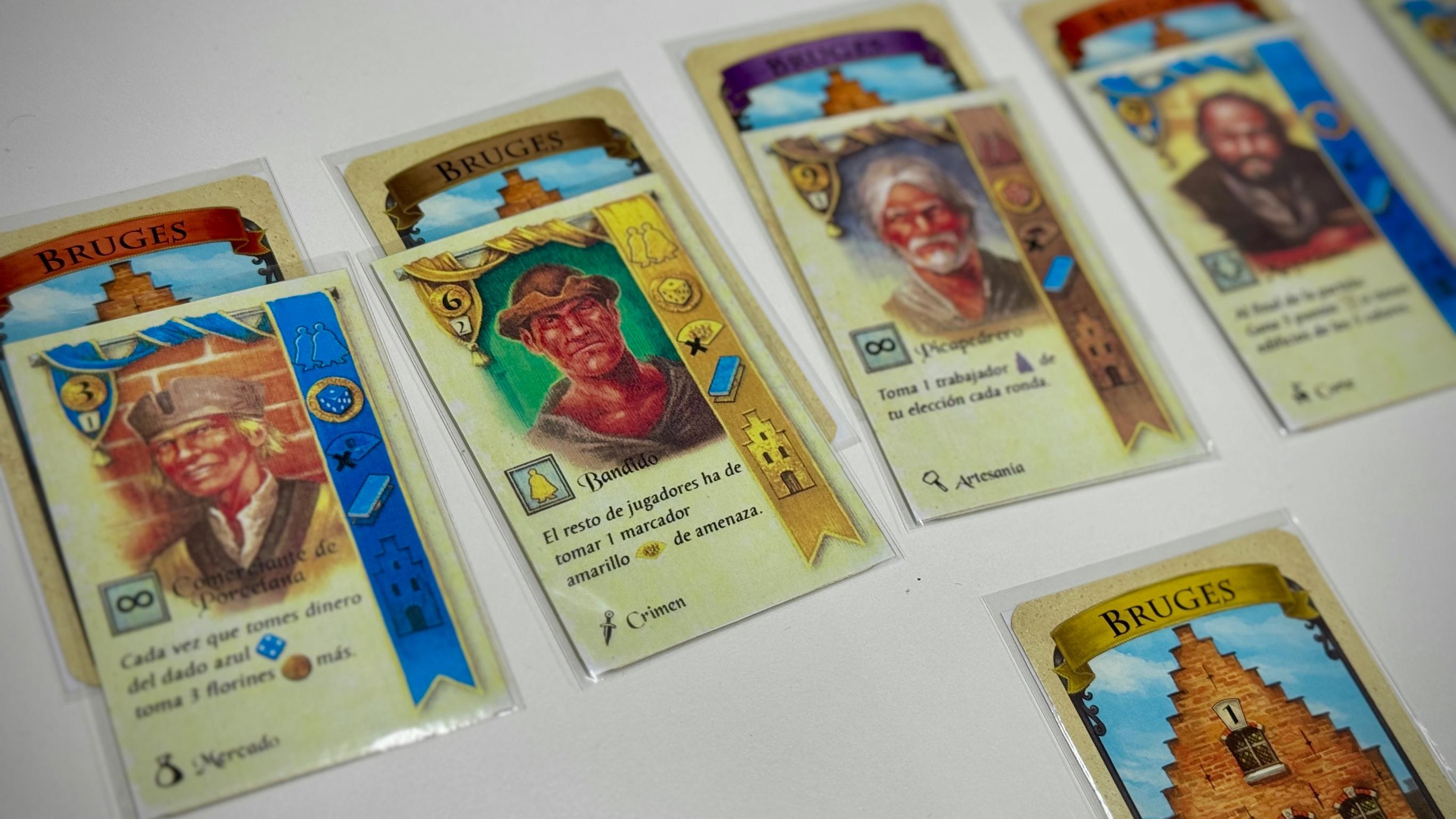
Wo kaufen
Shop-Preise und gebrauchte Exemplare, täglich geprüft.
An Ludoyas Tischen
Alle Statistiken in Ludoya- 194
- Erfasste Partien
- 124
- Spieler
- 1h 12m
- Durchschnittliche Partie
- 33
- In Sammlungen
- 12
- Auf Wunschlisten
5,7/10
aus 33 Ludoya-Rezensionen
Mestremuten6,0 Rating: 3/5 Production value: 3/4 Is the game in my collection/Love to have?: 0/1
Evan1,6 I like how the cards have multiple uses depending on what you want to do, and how their effects can stack and build on each other. The setup process is frustrating as you take a big stack of cards, split it into five even piles and then two of those piles are your draw decks. The reputation track mechanic isn't well thought out as it can be impossible to gain the lead from someone. This is troublesome because it's worth points inherently but also it gives one of the three 'majority bonuses' for the player in the lead. In the game there are disasters that can wipe away your progress, and the disasters are assigned randomly. Once you get your third of a kind, you suffer the negative effect. There is an in game threat mitigation mechanic but it relies on you having the right colored card in hand at the right time, and since you can only hold 1 card between rounds, this can be difficult. Additionally, not all the disasters are of equal severity. Some of the personalities are too powerful. In particular the 12 cost cards who are the most expensive guys in the game, have very unbalancing effects. :star: Art, Iconography and components functional :nostar: Clever or interesting mechanisms :star: Reasonably low downtime between turns with mildly AP players :star: Multiple plays stay interesting :nostar: Low or mitigatable luck elements :nostar::nostar::nostar::nostar::nostar: Raw enjoyment
FinnTroll8,0 lighter fare
Regelfragen
Aus der Spielanleitung beantwortet von Ludoyas Regelassistenten.
If one of the draw piles runs out during Phase 1, do we reshuffle the discard or what happens — does the game end?
When a draw pile runs out it is immediately replaced with the extra draw pile set aside at setup, and play continues; if the other pile later runs out you split the remaining pile in half so there are always two piles to draw from — the round in which the extra pile enters is the final round (page 4).
Do we all get Threat markers for every die that shows a 5 or 6, including the start player?
Yes — for each die that shows a 5 or a 6, every player (including the start player) receives one Threat marker of that die's color and places it face up in front of them; receiving a third marker of a color immediately triggers that color's penalty (page 5, page 12).
When I play a card for guilders, how many guilders do I take?
Play one card into the discard to take a number of guilders equal to the value shown on the die of the same color as the played card (so 1–6 guilders depending on that color's die) (page 6).
When building a canal, does the played card need to match the canal space color and do I have to pay the cost on the space?
Yes — to build you must play a card matching the color of the canal space you wish to build on and pay the guilder cost shown on that space before placing a Canal token (page 7).
When can I activate people I recruited — immediately, during my turn, or only at the end?
People with the arrow icon activate once immediately after being played; those with a worker icon can be activated during your turn (once per round by paying the shown worker) and some infinity-loop cards either activate once per round or trigger automatically when their situation occurs; laurel-icon people only activate during final scoring (pages 8–9).
How do Majority markers work — can more than one player score the same majority and how many points are they worth?
A player may flip a Majority marker colored-side up only if she has a clear majority in that category at the end-of-round check; once flipped it stays colored-side for the rest of the game, and more than one player can score the same majority if they each held the majority at some point (page 10); each flipped Majority marker is worth 4 points at final scoring (page 11).




Kostenlos, im Web, für Android und iOS
Spiel Brügge mit Ludoya
- Hab es in deiner SammlungVerwalte dein Exemplar und seine Erweiterungen, leih es Freunden oder setz es auf deine Wunschliste und erfahre, wenn der Preis fällt.Zur Sammlung hinzufügen
- Erfasse jede PartiePunkte, Sieger, Timer und Fotos, dann deine Statistiken: Siegquote, liebste Spielerzahl, beste Punktzahl.Partie erfassen
- Regelfragen klärenFrag alles zu den Regeln und erhalte eine Antwort aus der Spielanleitung, mit der Seite zum Nachprüfen.Den Regelassistenten fragen
- Finde Leute, mit denen du es spielstClubs, Spieleabende und Veranstaltungen in deiner Nähe, bei denen dieses Spiel auf den Tisch kommt.Veranstaltungen ansehen
Spieldaten (Spieler, Spielzeit, Alter, Mitwirkende) von BoardGameGeek.