
2016 · Mitología
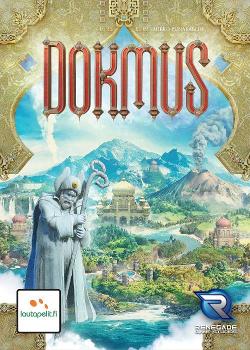
Dokmus
Los jugadores lideran una tribu en una expedición a una isla misteriosa formada por ocho losetas de mapa de doble cara dispuestas en una cuadrícula de 3×3, con el centro vacío. Cada ronda se representan los guardianes mediante cartas que se eligen en un draft; el Guardián elegido determina el orden de turno y otorga un poder único, como mover o rotar losetas, mover fichas o reclamar el marcador de primer jugador para la siguiente ronda. En su turno, cada jugador tiene tres fichas que puede colocar como influencia, sacrificar para cruzar aguas o entrar en bosques, o arrojar a los volcanes. La disposición de la isla cambia a medida que las losetas se mueven y rotan, y la puntuación otorga puntos por los templos y ruinas descubiertos, además de por las fichas sacrificadas.
- Jugadores
- 2–4 mejor con 4
- Duración
- 20–40 min
- Edad
- 10+
- Complejidad
- 2,1 / 5
Sobre el juego
- Diseño

Expansiones
Verlas en Ludoya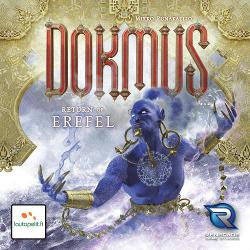
Dónde comprarlo
Precios de tiendas y copias de segunda mano, revisados cada día.
- Juegos de la Mesa RedondaSin stock32.4 €
- LudifolieConsultar stock24.9 €
- PhilibertEn stock43.99 €
- World of Board GamesEn stock298 kr
- Games EmpireEn stock44.99 $
- PelipeikkoEn stock29.95 €
En las mesas de Ludoya
Todas las estadísticas en Ludoya- 27
- Partidas registradas
- 50
- Jugadores
- 55m 25s
- Partida media
- 11
- En colecciones
- 5
- En listas de deseos
7,7/10
de 3 reseñas en Ludoya
Evan8,0 In this game you have a grid of landscape tiles. You start with a single settlement piece on a corner tile's edge. Each round players draft turn order tiles, with each one having a special power. On your turn you can place three settlement tiles adjacent to your existing ones, and use your special power in any order. The powers manipulate the grid by moving a tile, rotating a tile, letting you bump one of your settlement markers one space or just becoming starting player. Then, each of the different terrain types have a special rule to deal with it. The ultimate goal is to have settlement pieces next to the different temples scattered throughout the board. The game is very engaging and clever considering it's simplicity. There's a big reward for being on all the tiles, so players really compete with each other for the moves and rotates, trying to get the most of our your limited actions. Some times require pulling a piece off the board, for example, if you leave any settlement tokens on volcanoes, they have to be pulled off. This isn't bad because these tokens are considered sacrifices to the gods, and there's a majority endgame scoring for most sacrificed. This is also fine from a scoring standpoint, since you really only care about being next to temples, so if some of your connecting pieces have to flay away to get there, it's no sweat off your back. It also helps the boards from getting impossibly clogged. I'm very impressed with this game, and I'm excited to see more. ★ Art, Iconography and components functional ★ Clever or interesting mechanisms ★ Reasonably low downtime between turns with mildly AP players ★ Multiple plays stay interesting ★ Low or mitigatable luck elements ★★★☆☆ Raw enjoyment
Lo ha jugado 4 veces




Gratis, en web, Android e iOS
Juega a Dokmus con Ludoya
- Tenlo en tu colecciónControla tu copia y sus expansiones, préstala a tus amigos o ponla en tu lista de deseos y te avisamos cuando baje de precio.Añadirlo a tu colección
- Registra cada partidaPuntuaciones, ganadores, temporizadores y fotos, y luego tus estadísticas: porcentaje de victorias, número de jugadores favorito, mejor puntuación.Registrar una partida
- Puntúa sin papelUsa las hojas de puntuación y ayudas de juego de la comunidad, y deja que Ludoya sume los puntos.Buscar hojas de puntuación
- Encuentra gente con quien jugarloClubes, quedadas de juegos y eventos cerca de ti que sacan este juego a la mesa.Ver eventos
Datos del juego (jugadores, duración, edad, créditos) de BoardGameGeek.