

1995 · Mittelalter
El Grande
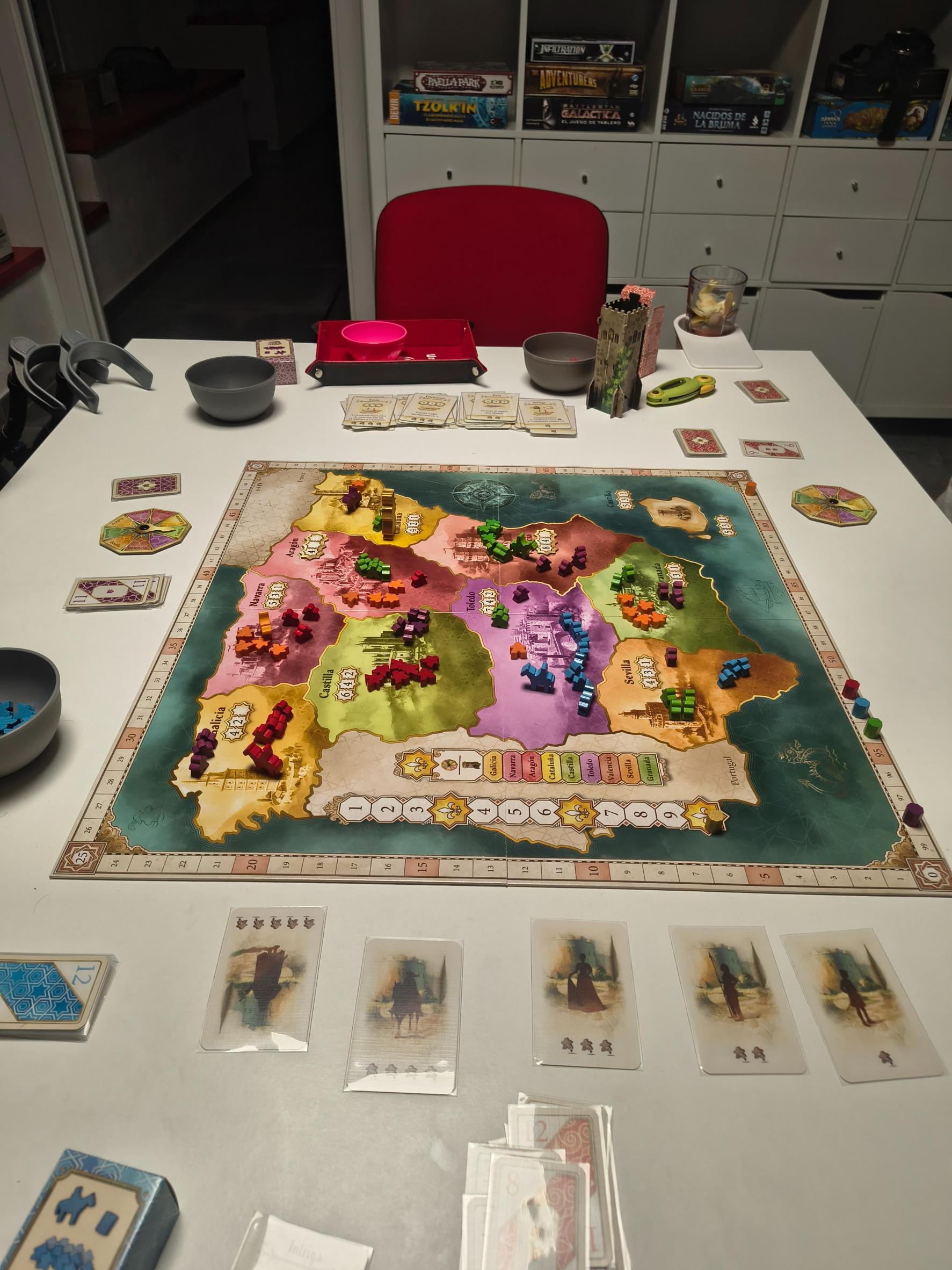
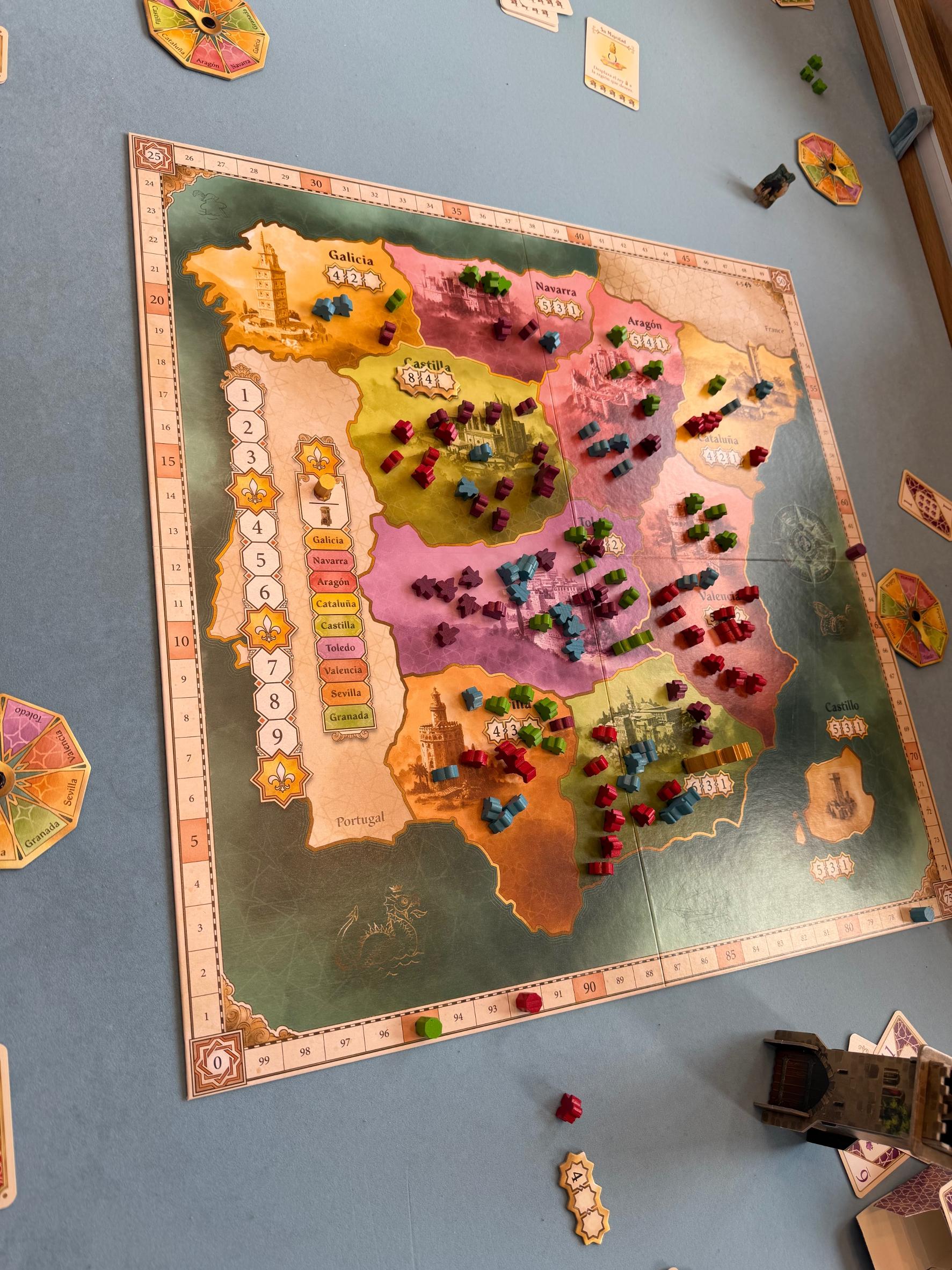
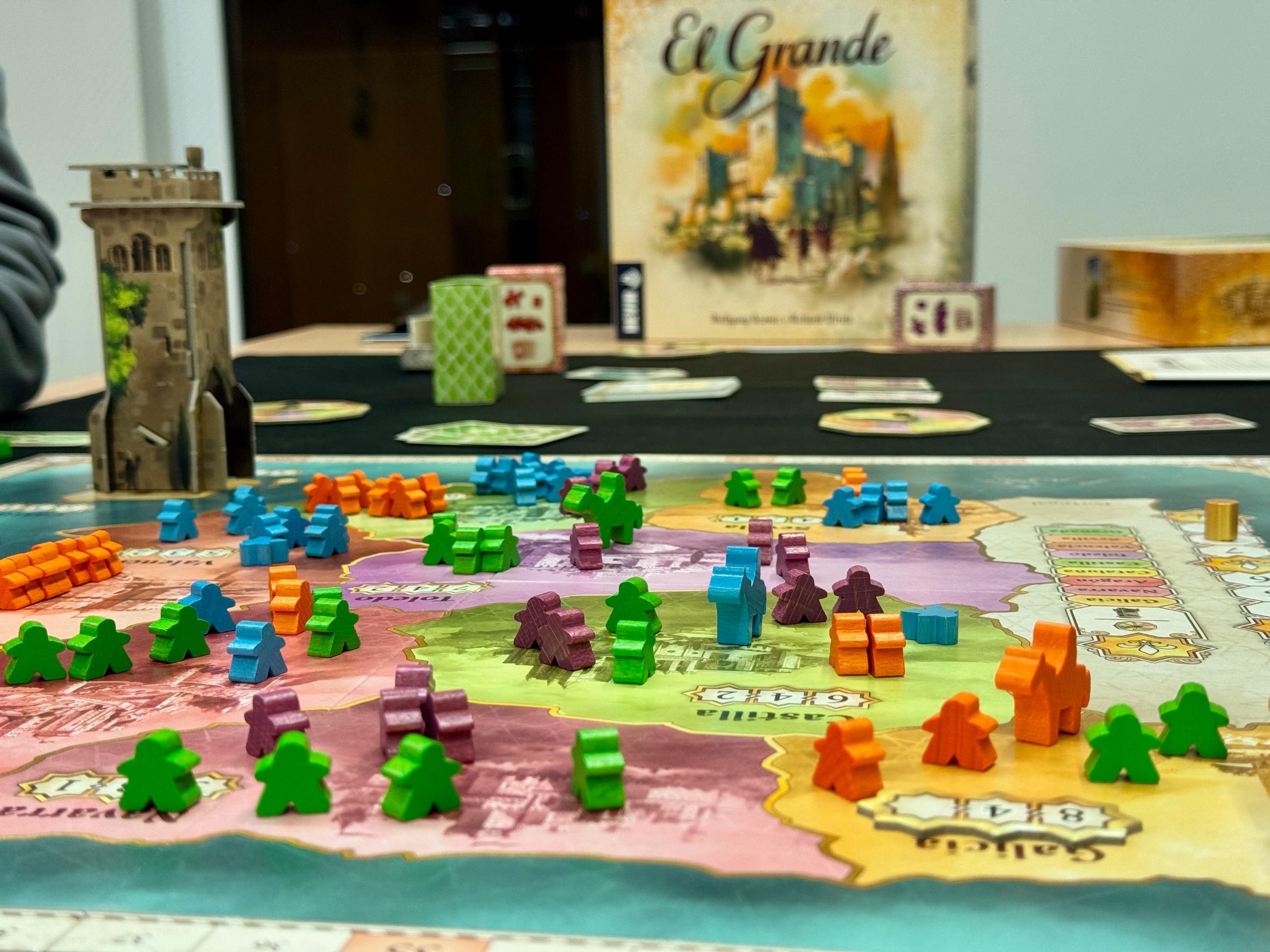
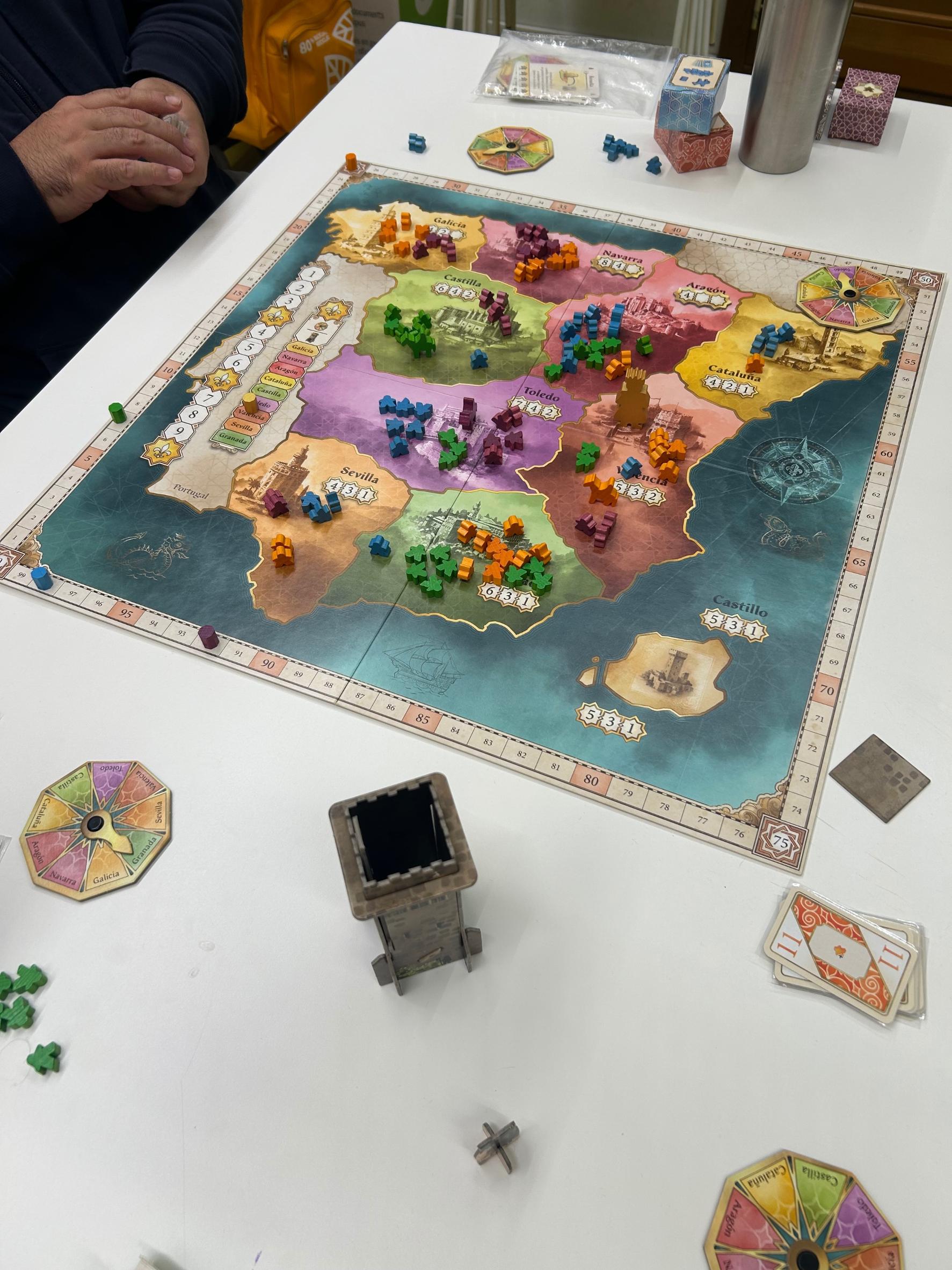
Die Spieler schlüpfen in die Rolle mächtiger Adliger, die mit dem Ausspielen und Einsetzen von Caballeros (Rittern) um Einfluss im mittelalterlichen Spanien kämpfen. Jede Runde bestimmt eine Machtkarte die Zugreihenfolge und wie viele Caballeros aus dem allgemeinen Vorrat in den Hof eines Spielers gelangen; danach regelt eine Aktionskarte die Platzierungsregeln und besondere Effekte. Caballeros werden in Regionen oder in einen geheimen Turm, den castillo, platziert, wobei die normale Platzierung auf Gebiete neben dem König beschränkt ist. Eine Aktionsoption bewegt den König, und alle drei Runden werden die Regionen gewertet. Die Spieler erhalten Punkte für Mehrheiten in jeder Region und für Bonuspunkte, wenn ihr Grande oder die alleinige Mehrheit in wichtigen Regionen sitzt. Wer nach neun Runden insgesamt die meisten Punkte hat, gewinnt.
- Spieler
- 2–5 am besten mit 5
- Spielzeit
- 60–120 Min.
- Alter
- 12+
- Komplexität
- 2,9 / 5
Über das Spiel
- Publisher




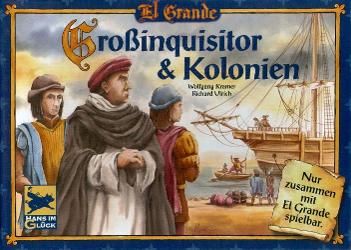
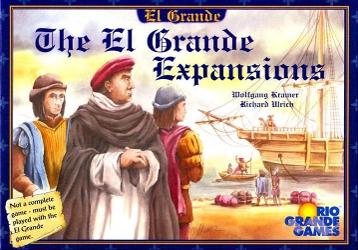
Erweiterungen
In Ludoya ansehen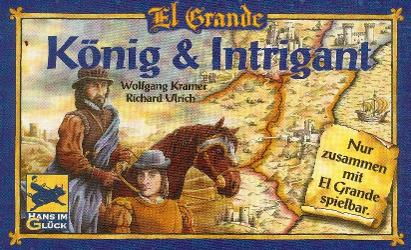
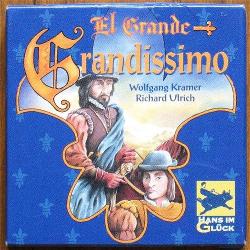
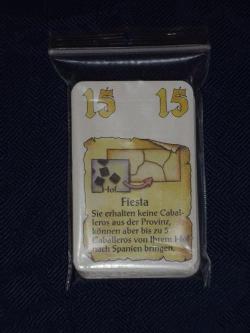
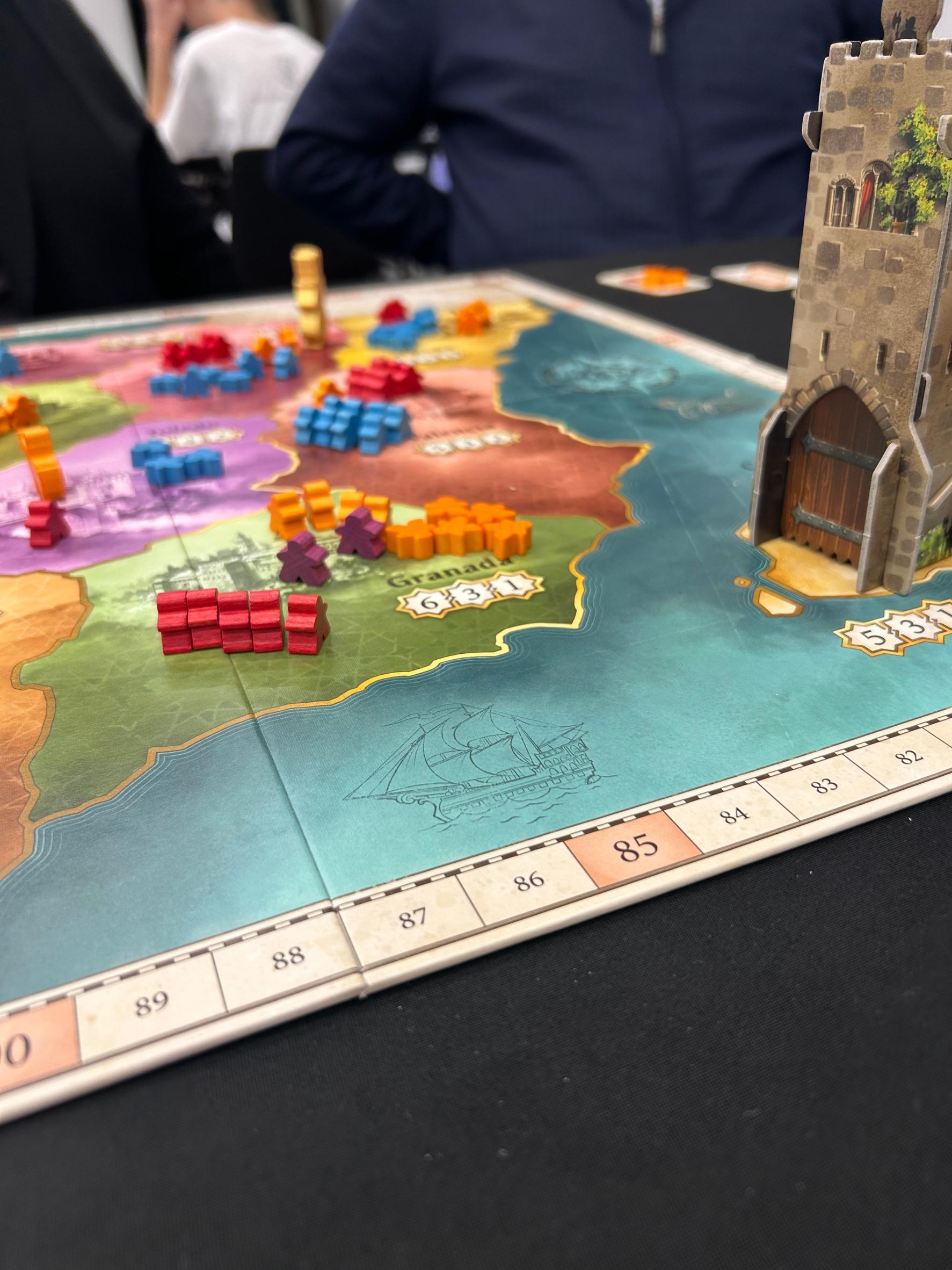
Fotos von Ludoya-Tischen
Alle Fotos in Ludoya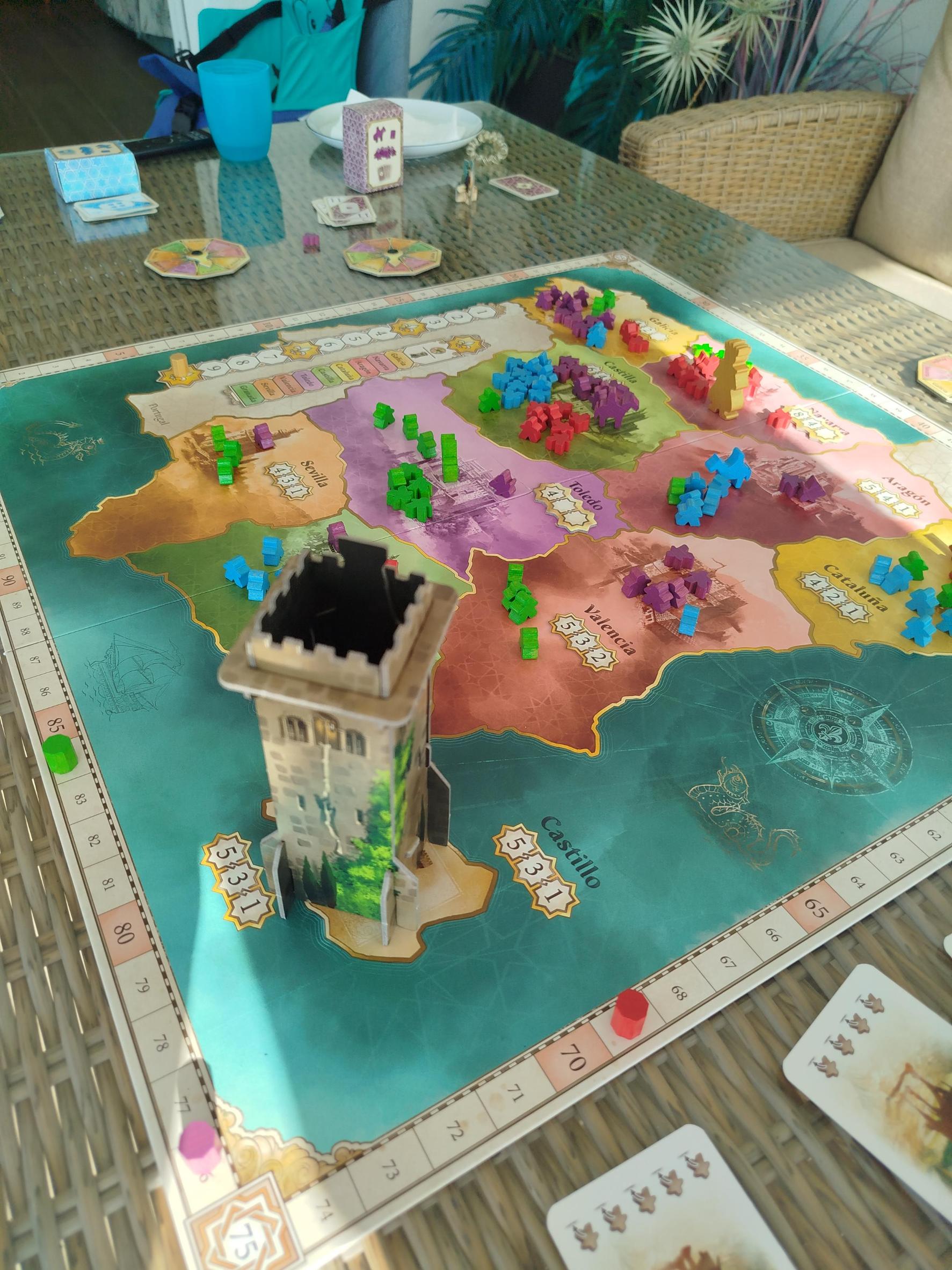
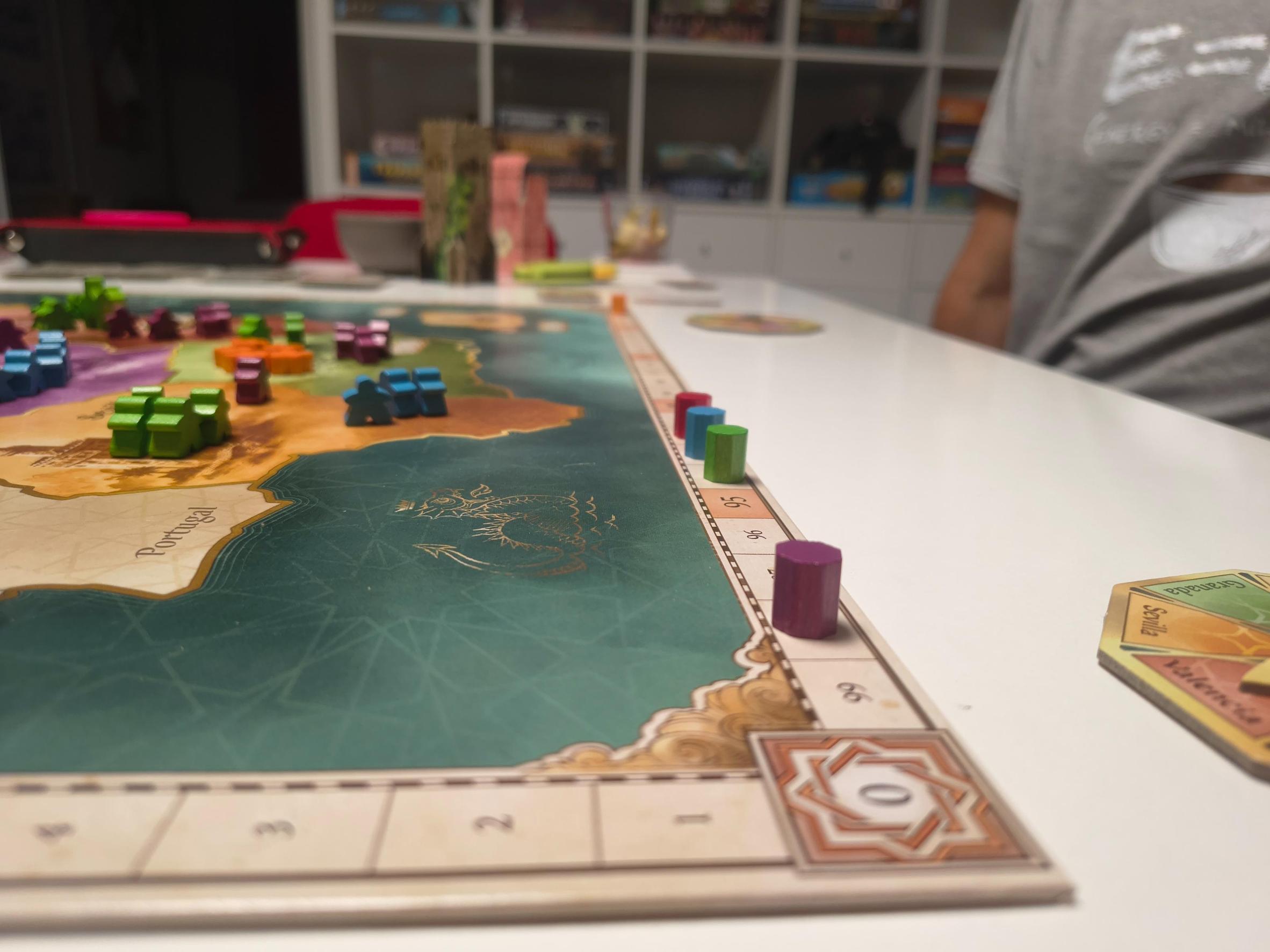
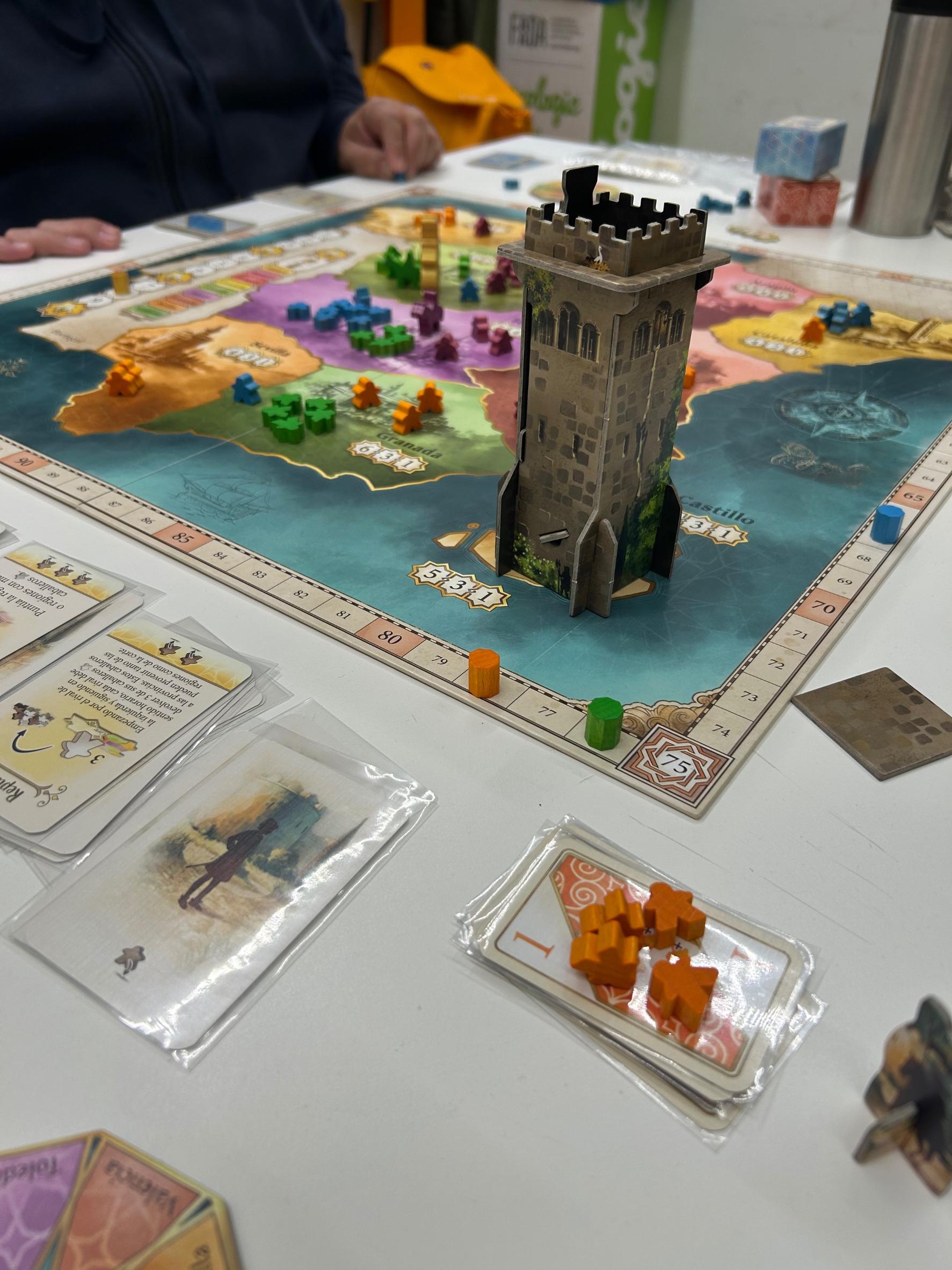
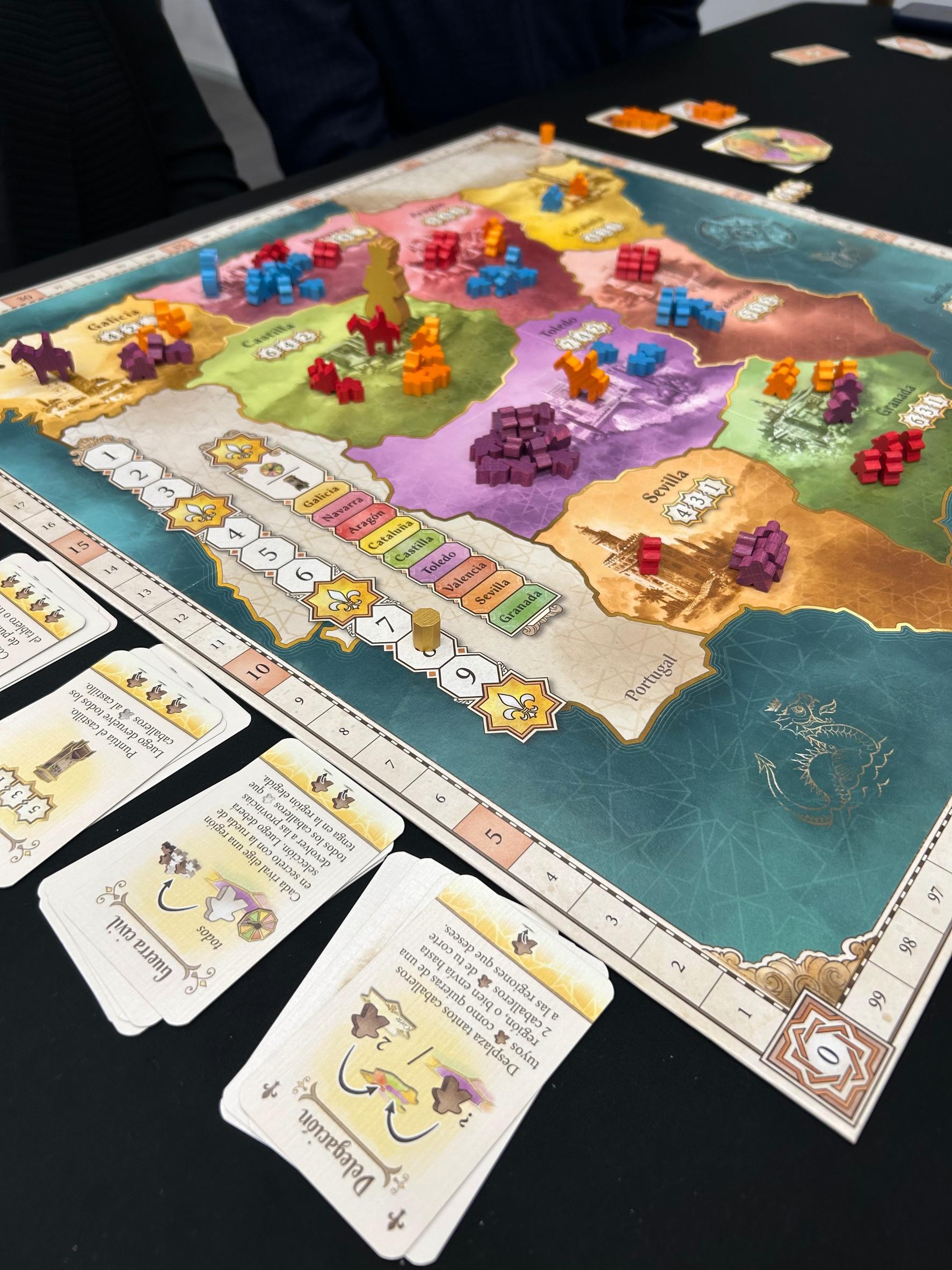
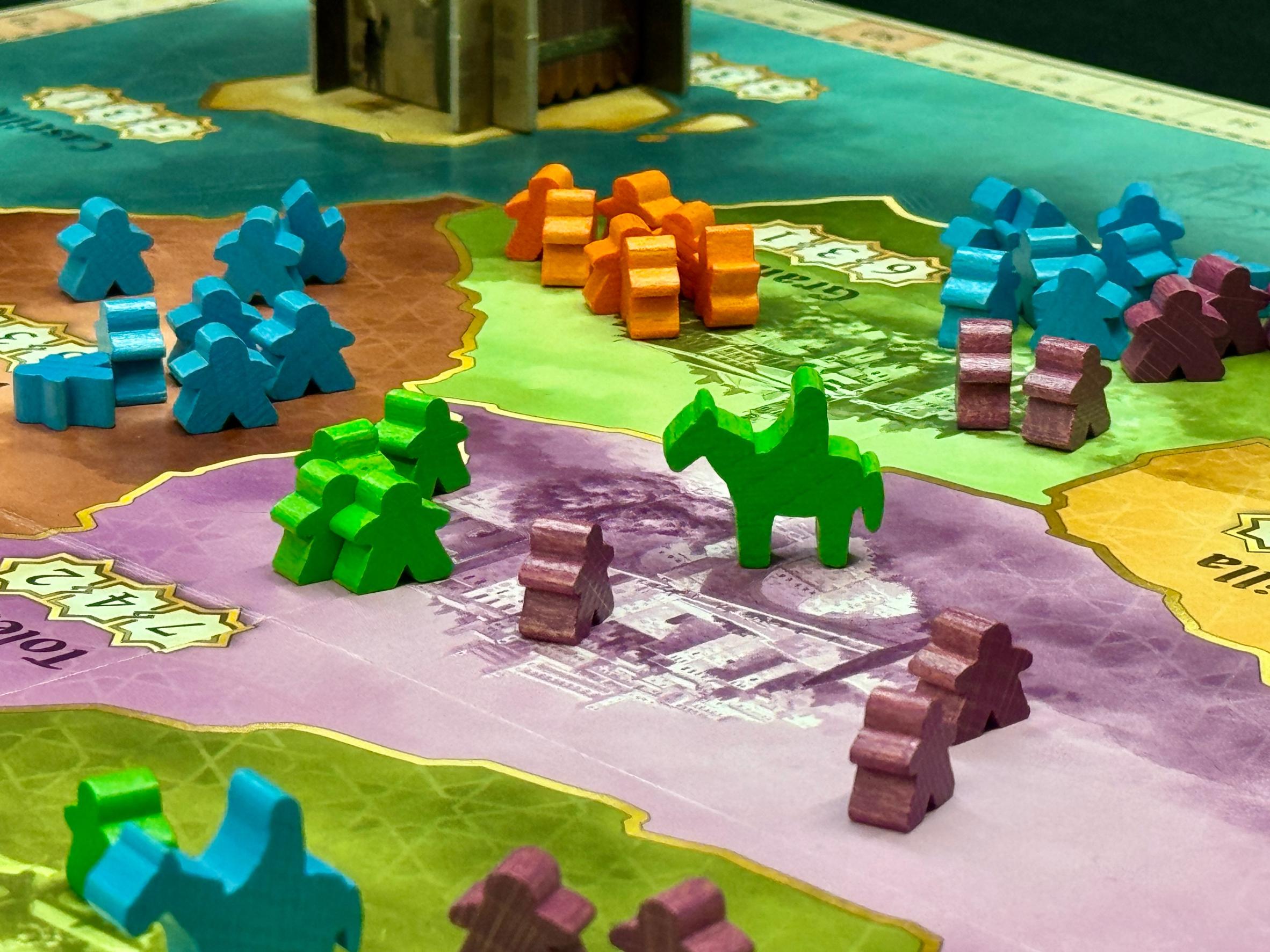
Wo kaufen
Shop-Preise und gebrauchte Exemplare, täglich geprüft.
An Ludoyas Tischen
Alle Statistiken in Ludoya- 620
- Erfasste Partien
- 1.019
- Spieler
- 1h 41m
- Durchschnittliche Partie
- 210
- In Sammlungen
- 48
- Auf Wunschlisten
- 4
- Vorbestellt
7,9/10
aus 122 Ludoya-Rezensionen
Daniel8,0 5
Javo9,0 Juego de mayorías por excelencia. Un come orejas donde las alianzas duran un turno y las traiciones ni las ves venir. Un acierto cada vez que sale a mesa y muy fácil de aprender. La única pega que, para mi gusto, dura demasiado. Siempre se puede acortar y no hacer los 9 turnos sino sólo 6.
Mestremuten6,0 Rating: 4/5 Production value: 2/4 Is the game in my collection/Love to have?: 0/1


Kommende Veranstaltungen mit diesem Spiel
Alle VeranstaltungenRegelfragen
Aus der Spielanleitung beantwortet von Ludoyas Regelassistenten.
Do I have to play a Power card every round, and how is turn order determined?
Yes — in step 2 each player plays a Power card (starting with the start-player) and the highest Power card then takes the first turn in step 3 (you may not play a Power card value already played that round). (pp. 2–3)
Can I place or move Caballeros in the King's region?
No — the King's region is taboo: nothing (Caballeros, Grandes, or scoreboards) may be placed, moved, or removed there at any time. (p. 5)
When is the Castillo scored and what happens to the Caballeros inside it?
During a general scoring (after rounds 3, 6, and 9) you first choose secret regions, then the Castillo is lifted and scored (1st=5, 2nd=3, 3rd=1), and afterwards each player moves their Caballeros from the Castillo to the single region they chose (players who chose the King's region return them to their Court). (pp. 6–7)
How are ties handled when scoring a region or the Castillo?
Tied players receive the points of the next-lowest position (e.g., two players tied for first each score second-place points), and player-count rules (2‑ or 3‑player games) can limit which positions score. (pp. 6–7)
When I take my turn with an Action card, must I do the special action before placing Caballeros, and can I do only part of a special action?
You may choose whether to execute the special action before or after placing Caballeros, but you must complete each chosen step one at a time and you may not interleave them; some cards (e.g., certain Intrigue cards) explicitly allow partial execution and some special actions are optional. (pp. 3–4, 9)
If there aren't enough Caballeros in the Province, where may I take the remainder from?
If the Province lacks enough Caballeros you may take the remainder from regions on the board (but never from the Castillo), and you may also choose to take fewer than the Power card allows. (p. 3; p. 4)
Ähnliche Spiele
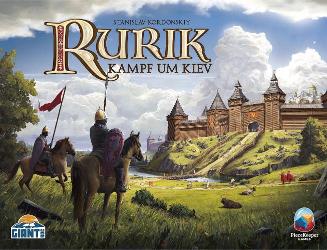


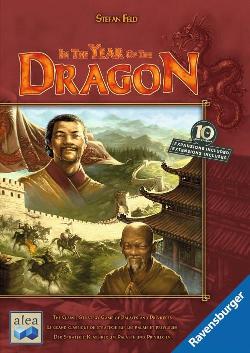
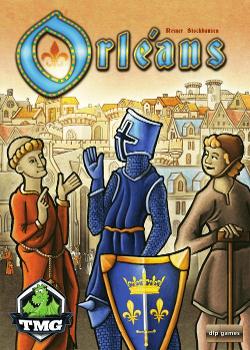
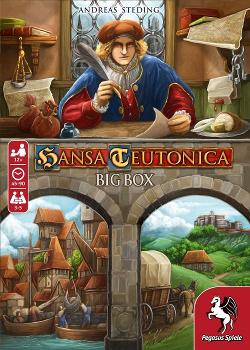











Kostenlos, im Web, für Android und iOS
Spiel El Grande mit Ludoya
- Hab es in deiner SammlungVerwalte dein Exemplar und seine Erweiterungen, leih es Freunden oder setz es auf deine Wunschliste und erfahre, wenn der Preis fällt.Zur Sammlung hinzufügen
- Erfasse jede PartiePunkte, Sieger, Timer und Fotos, dann deine Statistiken: Siegquote, liebste Spielerzahl, beste Punktzahl.Partie erfassen
- Regelfragen klärenFrag alles zu den Regeln und erhalte eine Antwort aus der Spielanleitung, mit der Seite zum Nachprüfen.Den Regelassistenten fragen
- Finde Leute, mit denen du es spielstClubs, Spieleabende und Veranstaltungen in deiner Nähe, bei denen dieses Spiel auf den Tisch kommt.Veranstaltungen ansehen
Spieldaten (Spieler, Spielzeit, Alter, Mitwirkende) von BoardGameGeek.