

2024 · Renaissance
Galileo Galilei
Die Spieler übernehmen die Rolle frühneuzeitlicher Astronomen, die den Himmel erforschen, Teleskope entwickeln und in einer Zeit religiöser Kontrolle nach wissenschaftlichen Durchbrüchen streben. In jedem Zug benutzt ein Spieler ein Teleskop, um eine von fünf Aktionen auszuwählen, und kann diese Aktionen im Laufe des Spiels verbessern. Die Spieler sammeln Planeten- und Sternensystemkarten und beschaffen sich drei farbige Linsen, um Entdeckungen zu machen. Inquisitoren können auftauchen und den Ruf eines Spielers bedrohen, sodass das Gleichgewicht zwischen Forschung, Verbesserungen und gelegentlichen Kompromissen, um von ihren Besuchen zu profitieren, Teil der Strategie ist.
- Spieler
- 1–4 am besten mit 3
- Spielzeit
- 50–100 Min.
- Alter
- 12+
- Komplexität
- 3 / 5
Über das Spiel
- Autoren
- Illustration
- Publisher



Erweiterungen
In Ludoya ansehen
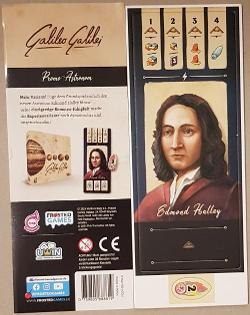
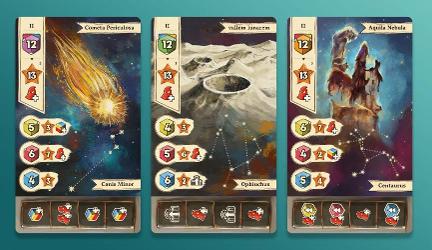
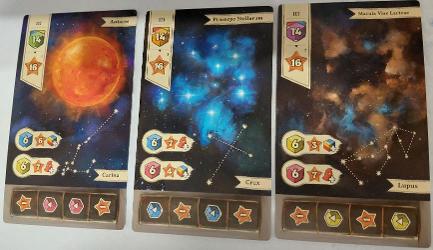
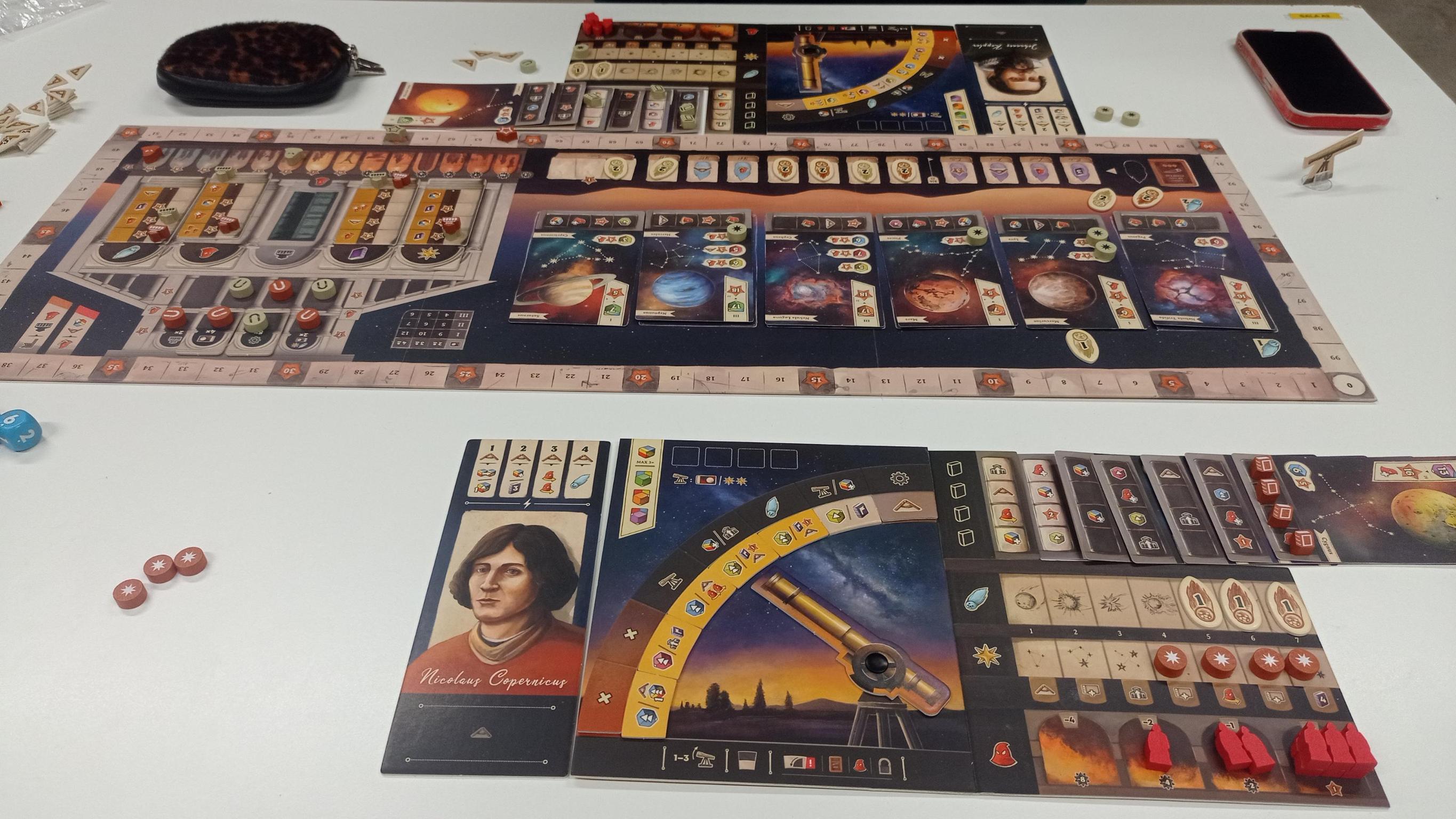
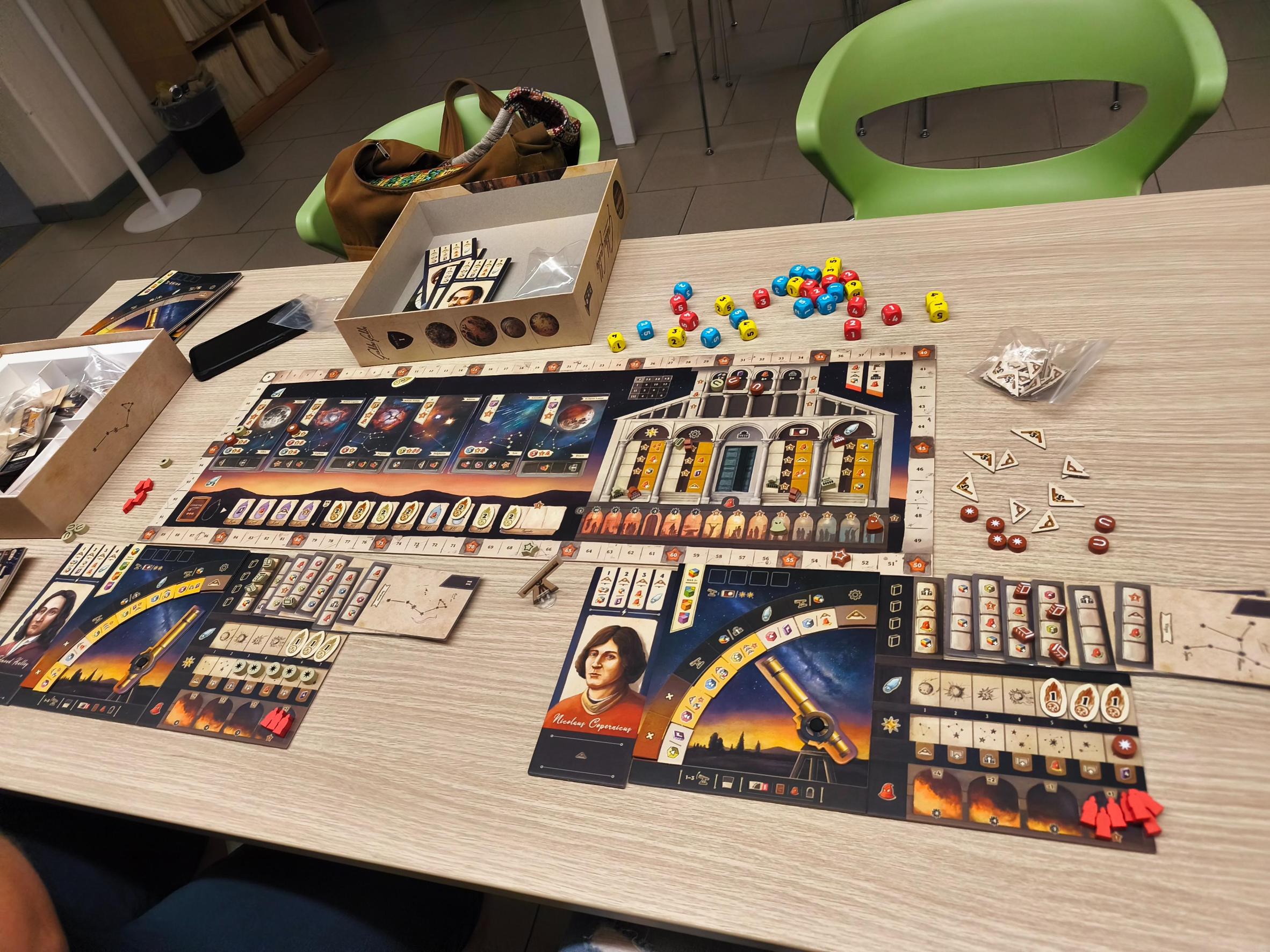
Fotos von Ludoya-Tischen
Alle Fotos in Ludoya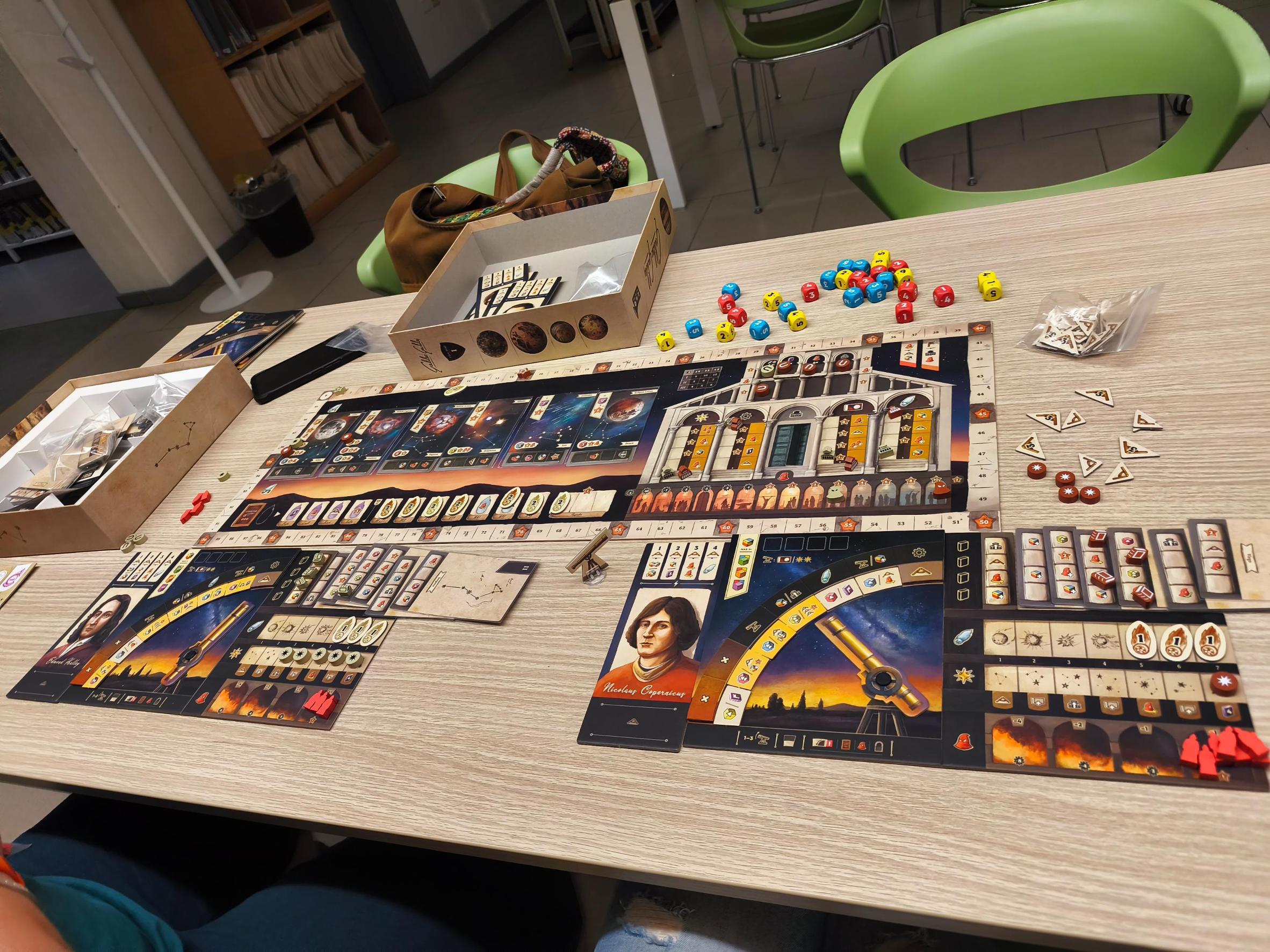
Wo kaufen
Shop-Preise und gebrauchte Exemplare, täglich geprüft.
An Ludoyas Tischen
Alle Statistiken in Ludoya- 202
- Erfasste Partien
- 252
- Spieler
- 1h 37m
- Durchschnittliche Partie
- 69
- In Sammlungen
- 26
- Auf Wunschlisten
- 2
- Vorbestellt
7,4/10
aus 29 Ludoya-Rezensionen
Javo7,0 Juego de temática astronómica y que mezcla mecánicas de varios juegos. Lo mejor: - Diseño muy bonito. - Puzle interesante en cuanto a gestión de los inquisidores. - La rejugablidad está bien. Lo peor: - No inventa nada. Modo solitario: Funciona muy bien, compites contra un automa aunque deja poco movimiento al desarrollo ya que avanza muy rápido y puedes quedarte atrás muy fácilmente. Rejugabilidad: Personajes asimétricos con poderes diferentes. Cada partida cambian los tracks de puntuación de objetivos así como los objetivos. Cartas no hay muchas y aunque en cada partida varien, se repetiran. No obstante, las cartas no ofrecen nada especial más q puntos y beneficios, por lo que tampoco afecta. Para quien lo recomiendo? Para jugadores que busquen un euro que junte varias mecánicas interesantes y tenga una ludoteca discreta.
- Base -


Regelfragen
Aus der Spielanleitung beantwortet von Ludoyas Regelassistenten.
When I Observe a Major Object do I have to spend dice of both colors, and can I overpay?
You must spend at least one observation die of each color the Major Object requires, but you may spend any number of dice to meet the cost and any excess value is forfeited; return spent dice to the supply after use (page 6).
Can I Observe two constellations in one Observe action and how do Constellation tokens work?
Yes — you may Observe up to two constellations in one action but resolve them one at a time; place your leftmost Constellation token on the chosen constellation, gain its listed rewards and then the reward from the space you removed the token from, and after you’ve used your seventh Constellation token you can no longer Observe constellations (page 7).
How do Comet tokens reduce observation costs and can they replace required dice colors?
Comet tokens reduce an object's observation cost by their value and each can be used once per turn, moving/flipping as you use them, but they do not substitute for required colors — you still must spend at least one die of each required color (page 8).
When can I take free actions and what do Quadrant tokens let me do?
You may spend Quadrant tokens to take free actions during your turn (not while resolving another action); costs are 1–4 Quadrant tokens and include options like changing a die color or +1 to a die (1), gaining a die or Write 3 (2), Persuade twice (3), or Spot a Comet (4) (page 9).
When does an interrogation happen and how does it change my Reputation/score?
If you Persuaded any inquisitor (i.e., successfully moved a cellar inquisitor) during your turn, an interrogation happens in the Cleanup Phase: add the values of all inquisitors in your cellar and move your Tribunal token that many spaces (negative moves left); if you’re already at the track end you instead immediately lose or gain 2 victory points (page 12; cleanup reference page 10).
What triggers the end of the game and how are ties broken?
The game ends when the last Discovery card is placed on the Game Board; finish the round and give each player one final turn, then score University bonuses followed by Inquisition results (page 13), and ties are broken by highest sum of remaining observation dice, then most Quadrant tokens, otherwise the tied players share victory (page 13).
Wertungsbögen und Spielhelfer
- Hoja de Puntuación
- ES ✶ Galileo Galilei



















Kostenlos, im Web, für Android und iOS
Spiel Galileo Galilei mit Ludoya
- Hab es in deiner SammlungVerwalte dein Exemplar und seine Erweiterungen, leih es Freunden oder setz es auf deine Wunschliste und erfahre, wenn der Preis fällt.Zur Sammlung hinzufügen
- Erfasse jede PartiePunkte, Sieger, Timer und Fotos, dann deine Statistiken: Siegquote, liebste Spielerzahl, beste Punktzahl.Partie erfassen
- Regelfragen klärenFrag alles zu den Regeln und erhalte eine Antwort aus der Spielanleitung, mit der Seite zum Nachprüfen.Den Regelassistenten fragen
- Finde Leute, mit denen du es spielstClubs, Spieleabende und Veranstaltungen in deiner Nähe, bei denen dieses Spiel auf den Tisch kommt.Veranstaltungen ansehen
Spieldaten (Spieler, Spielzeit, Alter, Mitwirkende) von BoardGameGeek.