
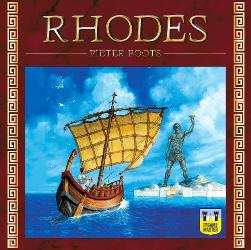
2016 · Économique
Rhodes
Les joueurs incarnent des marchands et des fermiers sur l’île de Rhodes dans l’Antiquité. Ils produisent des olives, du raisin, des céréales et du lait de chèvre, puis envoient leurs marchandises aux navires du port pour les vendre. Un marché commun et dynamique ajuste les prix à l’arrivée des navires ; les joueurs choisissent de vendre immédiatement ou de stocker leurs marchandises pour plus tard, influençant ainsi la valeur du marché et les revenus des autres joueurs. Le jeu met l’accent sur des choix tactiques et stratégiques liés à la production, aux interactions avec le marché et à l’ordre du tour, avec la possibilité d’agrandir ses terres, de développer des compétences permettant de contourner les marchés ou de manipuler l’offre pour créer une pénurie. Les interactions fréquentes entre les joueurs et l’évolution des conditions du marché créent des dilemmes récurrents ; les approches équilibrées sont généralement plus performantes que les stratégies trop spécialisées.
- Joueurs
- 2–5 idéal à 3
- Temps de jeu
- 60–90 min
- Âge
- 10+
- Complexité
- 2,7 / 5
À propos du jeu
- Auteurs
- Illustration
- Publisher


Extensions
Les voir dans Ludoya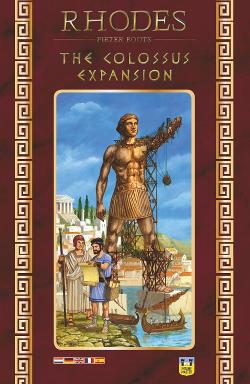
Photos des tables de Ludoya
Toutes les photos dans LudoyaOù l'acheter
Prix des boutiques et exemplaires d'occasion, vérifiés chaque jour.
Sur les tables de Ludoya
Toutes les statistiques dans Ludoya- 17
- Parties enregistrées
- 37
- Joueurs
- 1h 48m
- Partie moyenne
- 11
- Dans des collections
5,0/10
sur 6 avis Ludoya
Evan4,6 This is a nice, lighter euro where players are trying to fulfill recipe cards. The way this happens is pretty interesting. There's a communal "grow" action where a player takes the action spot and then chooses two types of fields that will generate new goods, along with assigning a quantity tile to each of those types. Then the number of goods produced gets distributed evenly among all players who can grow that type of good, starting with the person who took the action. Then, with another action, players put their goods on boats in the center of the board. When someone wants to complete a recipe, they can buy goods from any of the boats they want, paying the people they took the goods from. The recipe tiles have some nice points on them, and they also act as the endgame timer, but points can also come from bonus buildings, or by just spending money on the relevant action spot. There's some really nice tension about wondering if players will buy your goods, or if they'll sit on the line of boats, slowly getting pushed ahead in line, becoming cheaper and cheaper. If they happen to reach the end of the line, you get to keep them for free, which is really cool. Timing the push of the boats is a lot of fun. All that being said, I felt like the game didn't have enough complication or excitement for me. Even though I was amped enough for this game that I ordered a copy from europe, I decided to sell it, as I have other games that play in about this time that I liked better. I think one of the things that made me shy away in the end was that many of the buildings you can construct didn't seem very interesting. I could see how they would be helpful to you, but the bonuses seemed small and somewhat mundane. If those had been a little wilder, I think this would have been a hit. :star: Art, Iconography and components functional :star: Clever or interesting mechanisms :star: Reasonably low downtime between turns with mildly AP players :nostar: Multiple plays stay interesting :star: Low or mitigatable luck elements :star::star::nostar::nostar::nostar: Raw enjoyment
Jeux similaires
 Cyclades2019
 Imperial Settlers: Empires du Nord2019
 Cyclades: Legendary Edition2025
 La Gloire de Rome2011
 51st State: Set de jeu complet2017
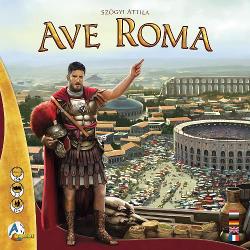 Ave Roma2016
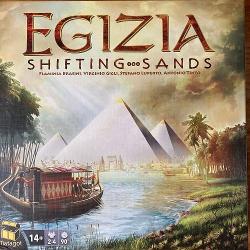 Egizia: Shifting Sands2020
 Celtae2024
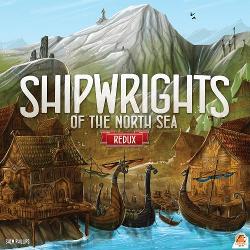 Charpentiers de la Mer du Nord: Seconde Vague2024
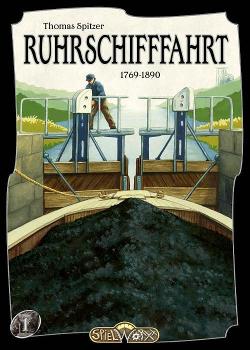 Ruhrschifffahrt 1769-18902012
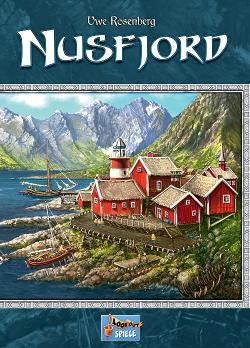 Nusfjord2017
 Naissance et Apogée des Empires2009


Gratuit, sur le web, Android et iOS
Jouez à Rhodes avec Ludoya
- Gardez-le dans votre collectionSuivez votre exemplaire et ses extensions, prêtez-le à vos amis ou ajoutez-le à votre liste de souhaits et soyez prévenu quand le prix baisse.Ajouter à votre collection
- Enregistrez chaque partieScores, gagnants, minuteurs et photos, puis vos statistiques : taux de victoire, nombre de joueurs préféré, meilleur score.Enregistrer une partie
- Comptez les points sans papierUtilisez les feuilles de score et les aides de jeu de la communauté, et laissez Ludoya additionner les points.Trouver des feuilles de score
- Trouvez des gens avec qui y jouerClubs, soirées jeux et événements près de chez vous qui mettent ce jeu sur la table.Voir les événements
Données du jeu (joueurs, durée, âge, crédits) issues de BoardGameGeek.