

2018 · Medieval
Arquitetos do Reino Ocidental
Set in the waning years of the Carolingian Empire, players act as royal architects competing to construct landmarks and advance the cathedral to earn the most victory points. On each turn, players place workers to gather raw materials, recruit apprentices, hire specialists, and develop building projects while managing a limited workforce and an ever-present pool of rival actions. Moral choices and black-market opportunities appear during play; a hidden virtue track records compromises that are revealed and scored at the end of the game. The game ends after a predetermined number of constructions are completed, and the player with the highest score from buildings, cathedral progress, and virtue emerges victorious.
- Jogadores
- 1–5 melhor com 4
- Tempo de jogo
- 60–80 min
- Idade
- 12+
- Complexidade
- 2,8 / 5
Sobre o jogo
- Publisher



Expansões
Ver na Ludoya Era dos Artesãos: Arquitetos do Reino Ocidental2020
 Arquitetos do Reino Ocidental: Maravilhas do Mundo2023
 A Saga do Tomo do Reino Ocidental2020
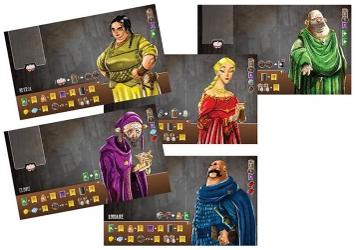 Architects of the West Kingdom: Extra Player Boards2018
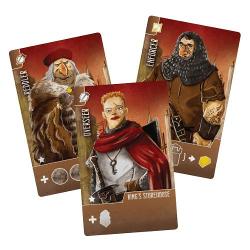 Architects of the West Kingdom: Extra Apprentices2018
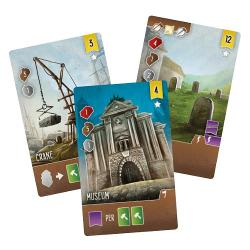 Architects of the West Kingdom: Extra Buildings2018
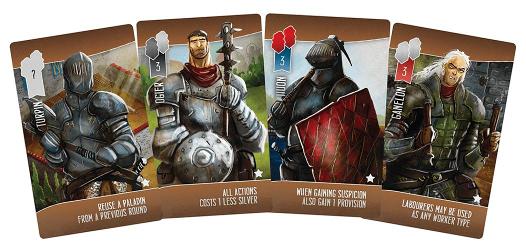 Paladins of the West Kingdom: 2019 Promos2019
 Arquitetos do Reino Ocidental: Big Box2023
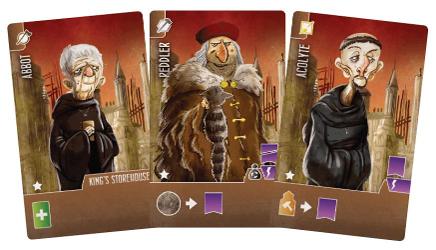 Architects of the West Kingdom: Paladins Apprentices2019
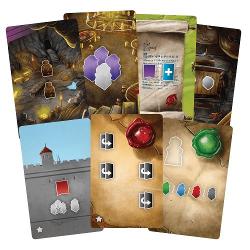 West Kingdom Mini Card Set2019
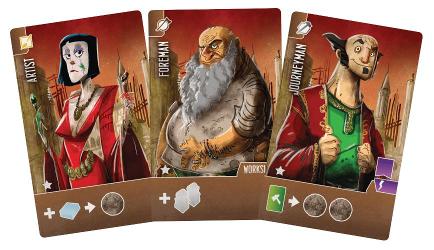 Architects of the West Kingdom: Dice Tower 2020 Pack2020
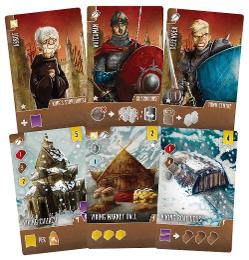 Architects of the West Kingdom: Garphill Games 5-Year Anniversary Promo Cards2019
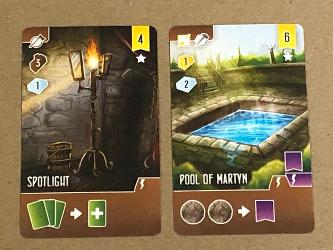 Architects of the West Kingdom: Promo Paradise Card Set2019
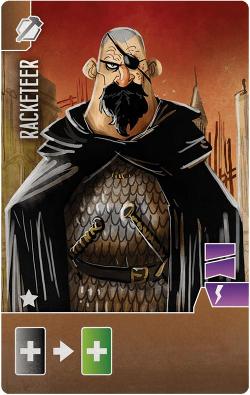 Architects of the West Kingdom: Racketeer2020
 Garphill Games 5-Year Anniversary Promo Pack2019
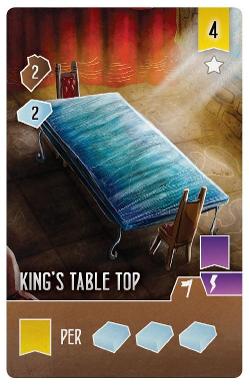 Architects of the West Kingdom: King's Table Top2019
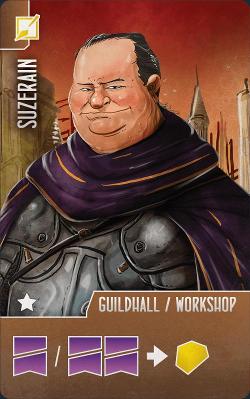 Architects of the West Kingdom: Suzerain2021
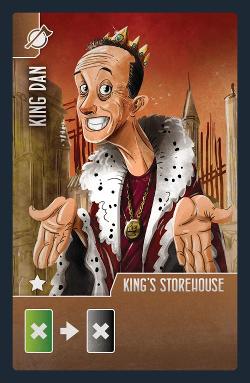 Architects of the West Kingdom: King Dan2020
 Architects of the West Kingdom: Jugador2020
 Level Up Loot 22019
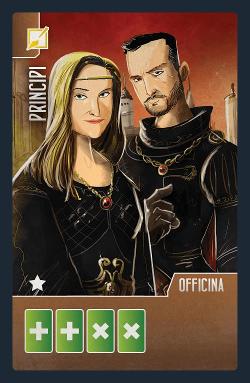 Architects of the West Kingdom: Principi Promo Card2022
 West Kingdom Trilogy: Promo Pack 22025
 Architecten van het Westelijk Koninkrijk: Promodeck2021
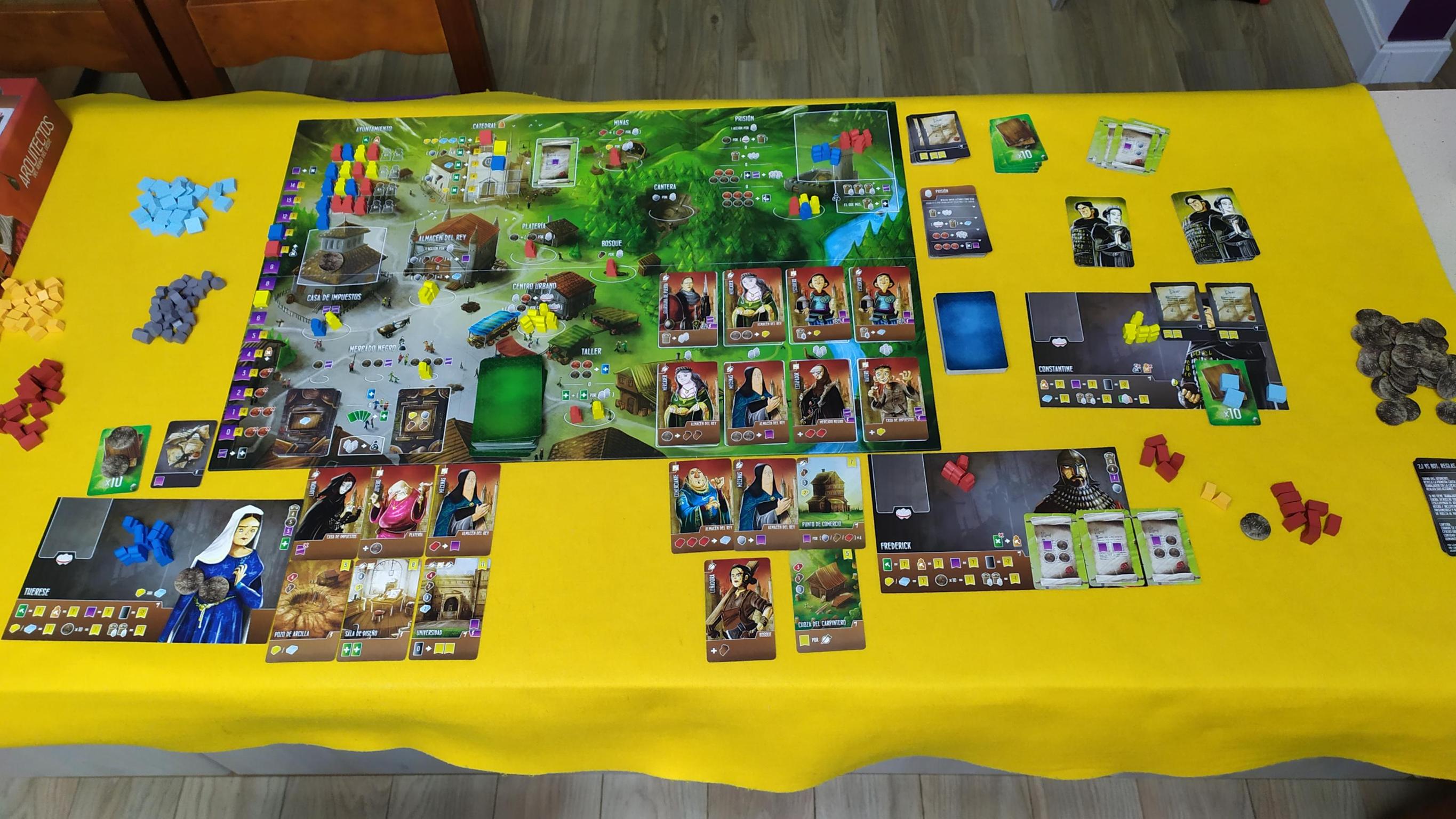
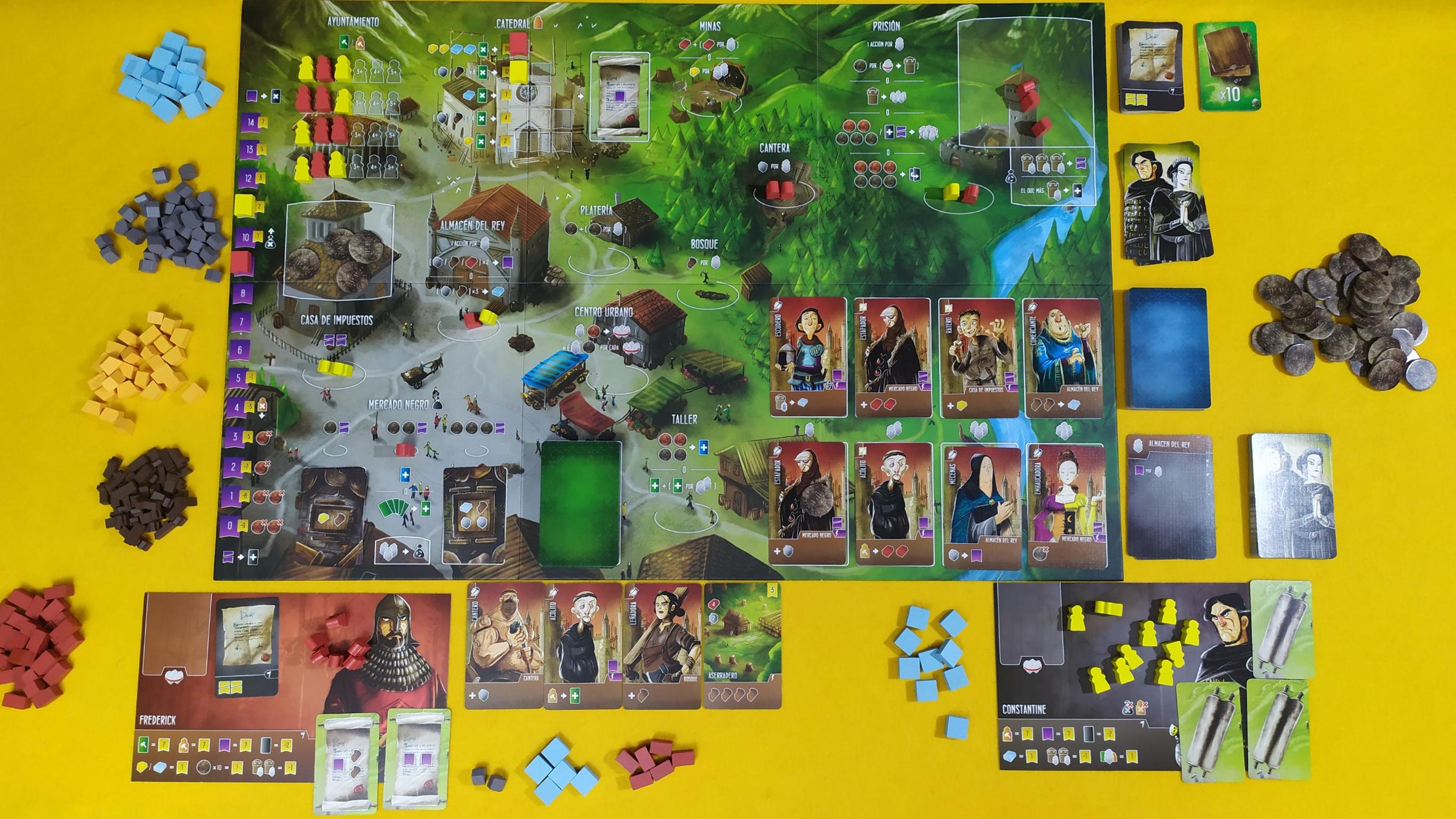
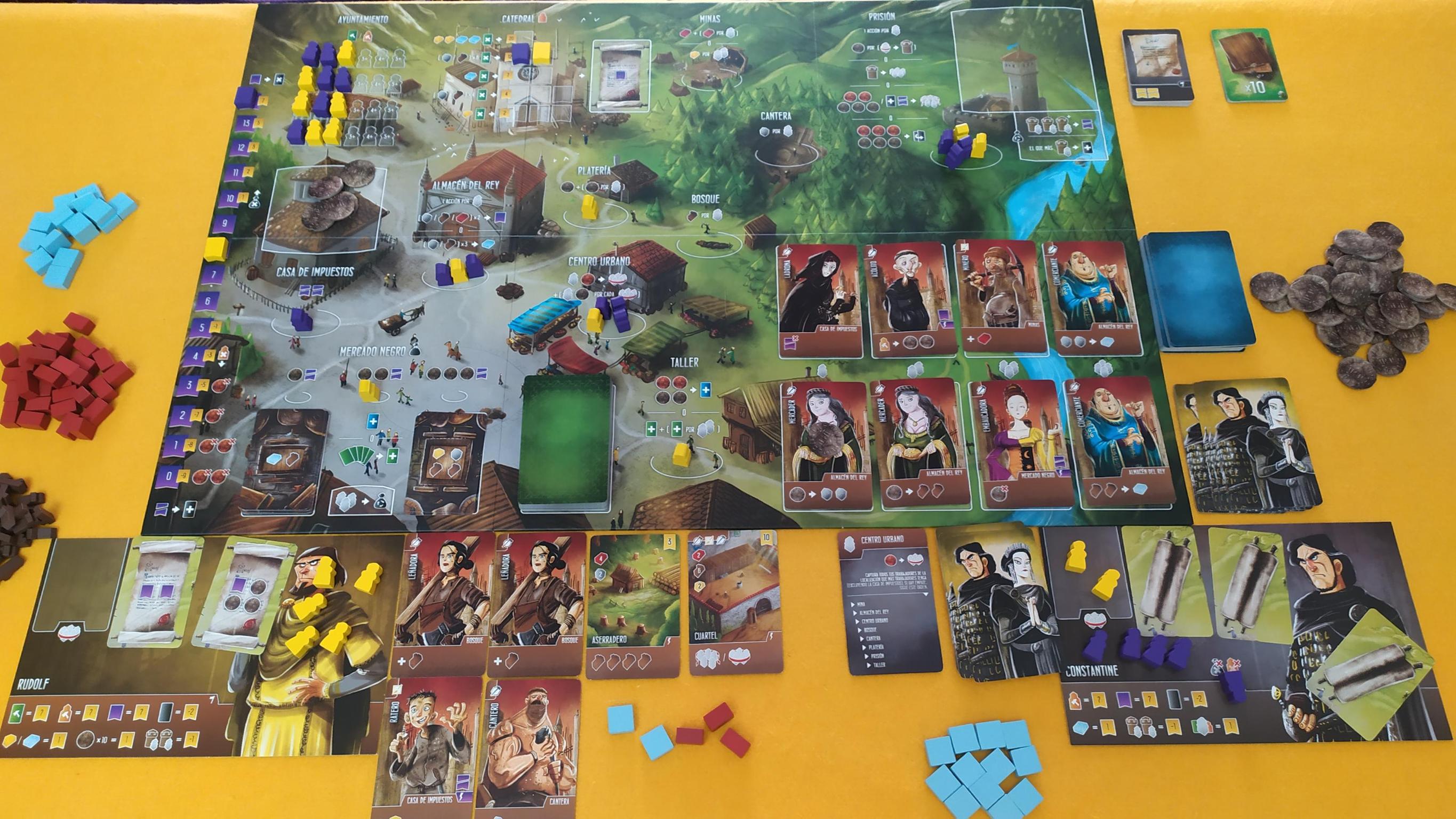
Fotos das mesas da Ludoya
Todas as fotos na Ludoya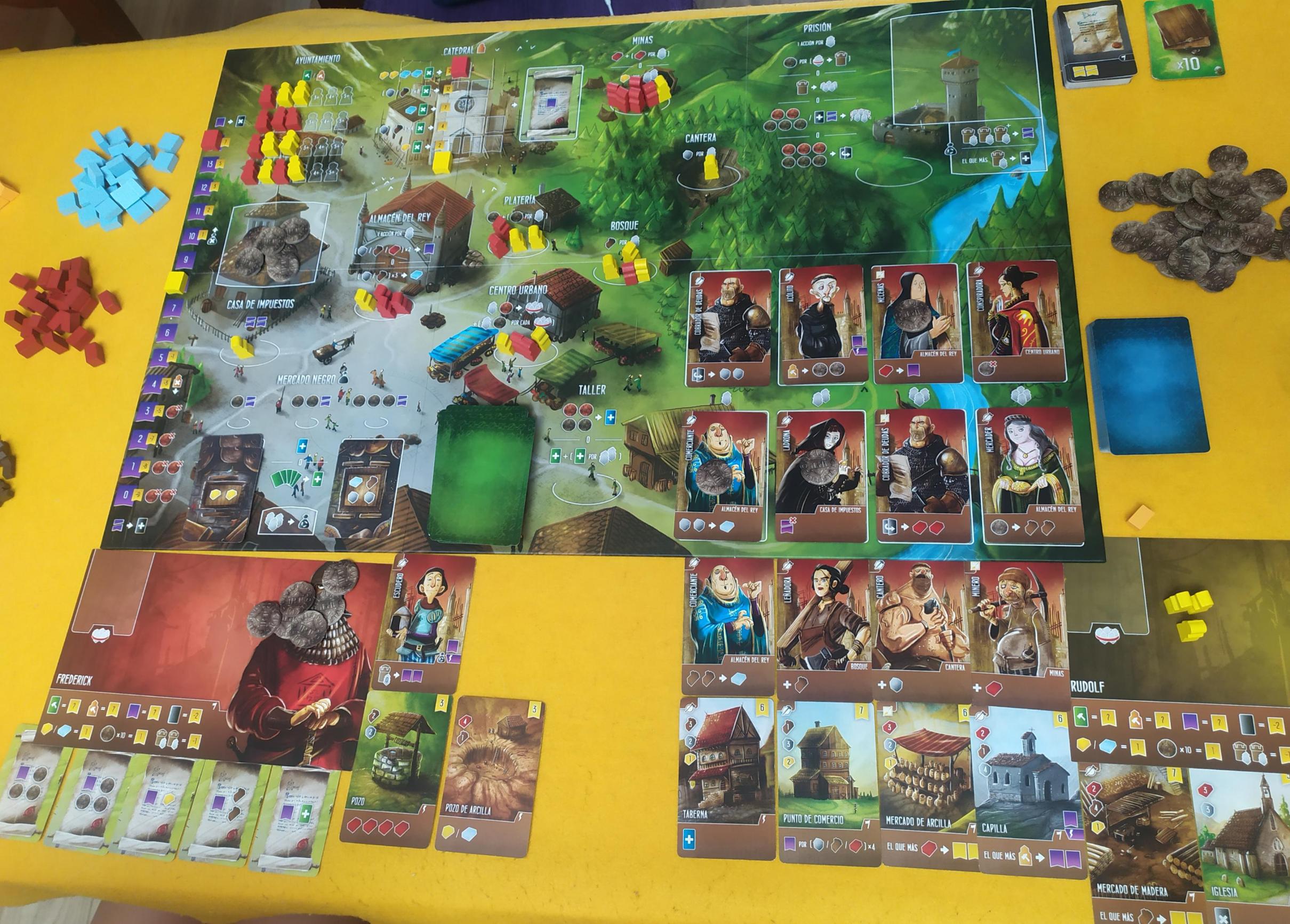
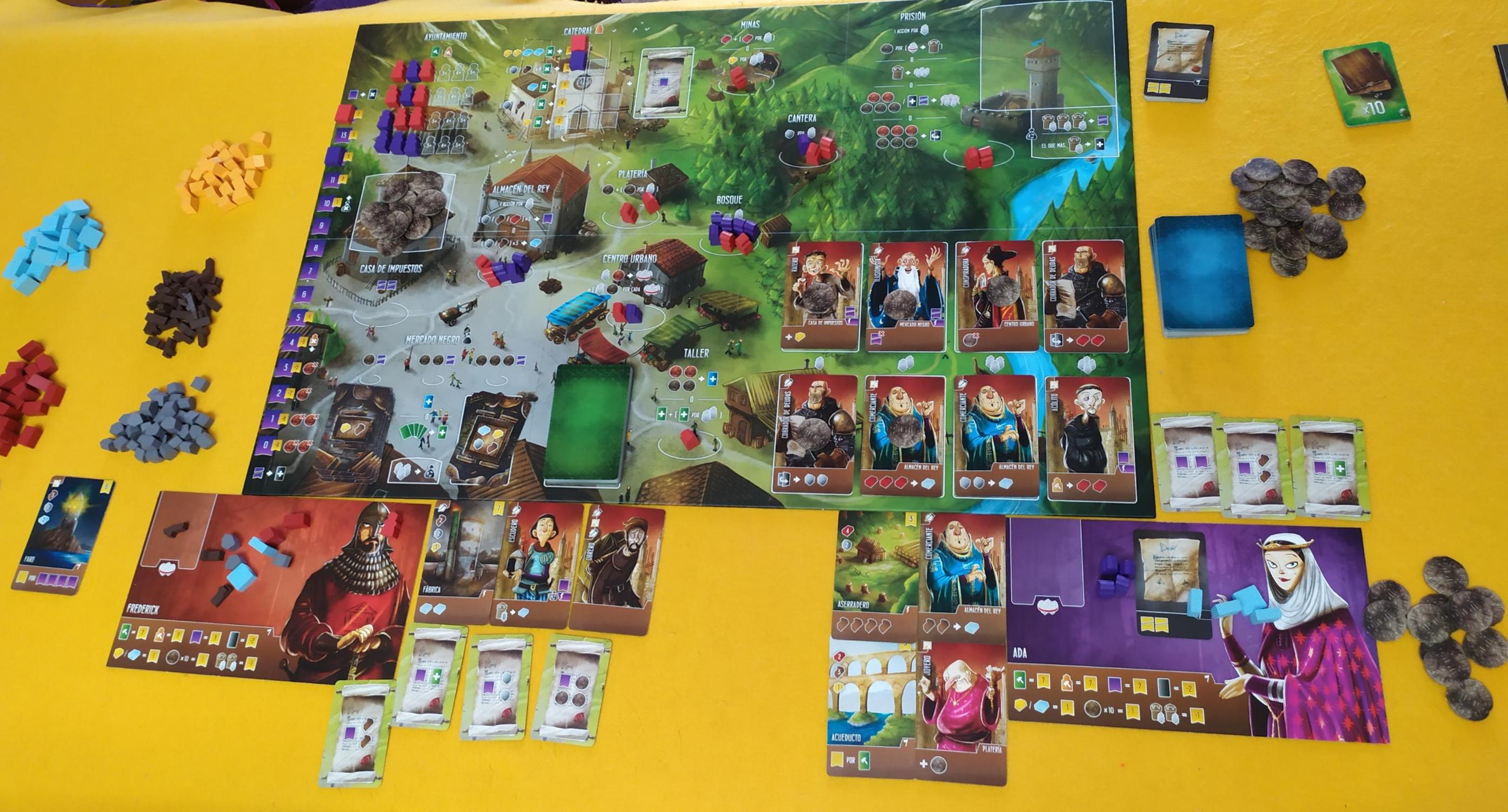
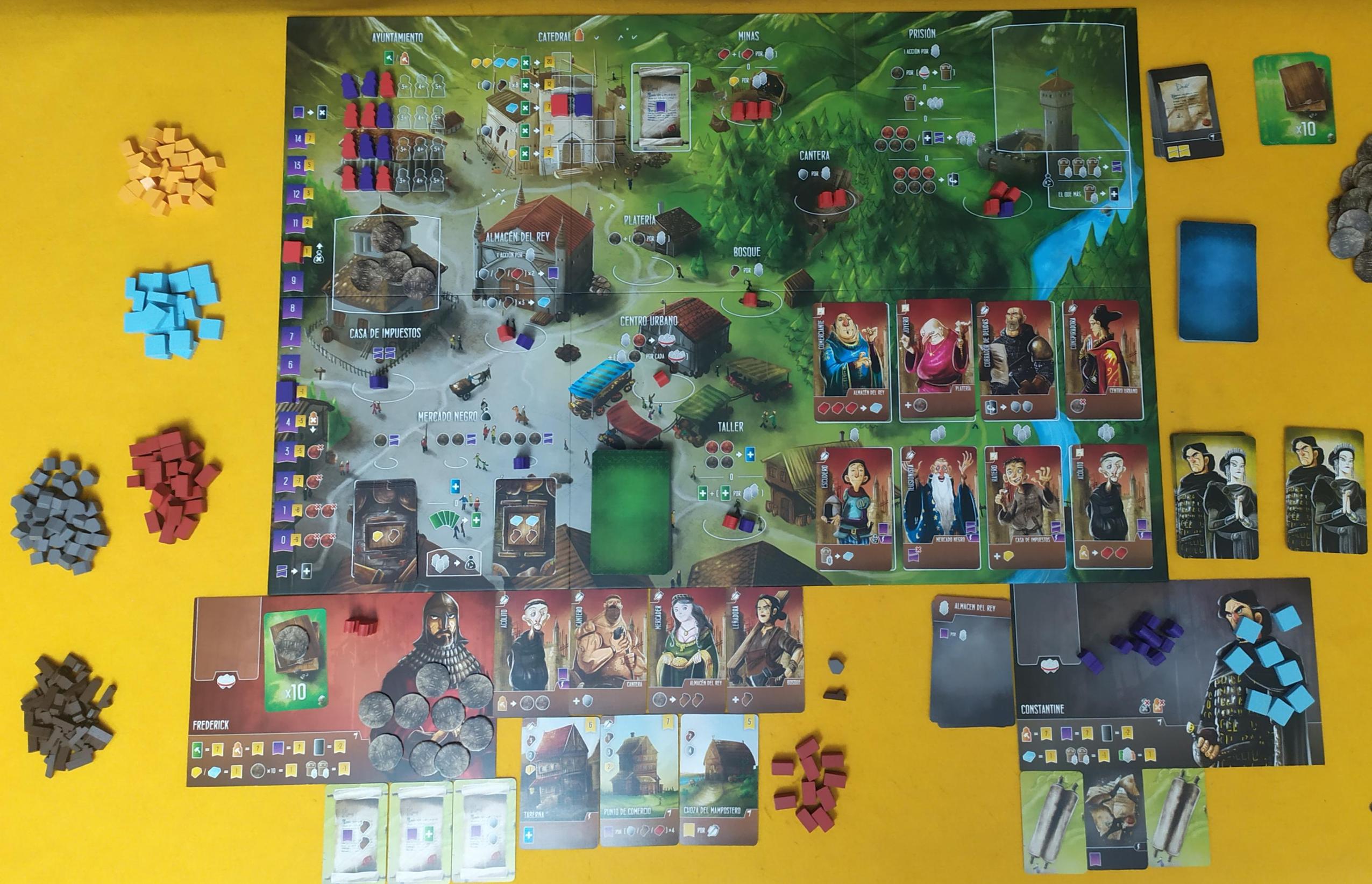
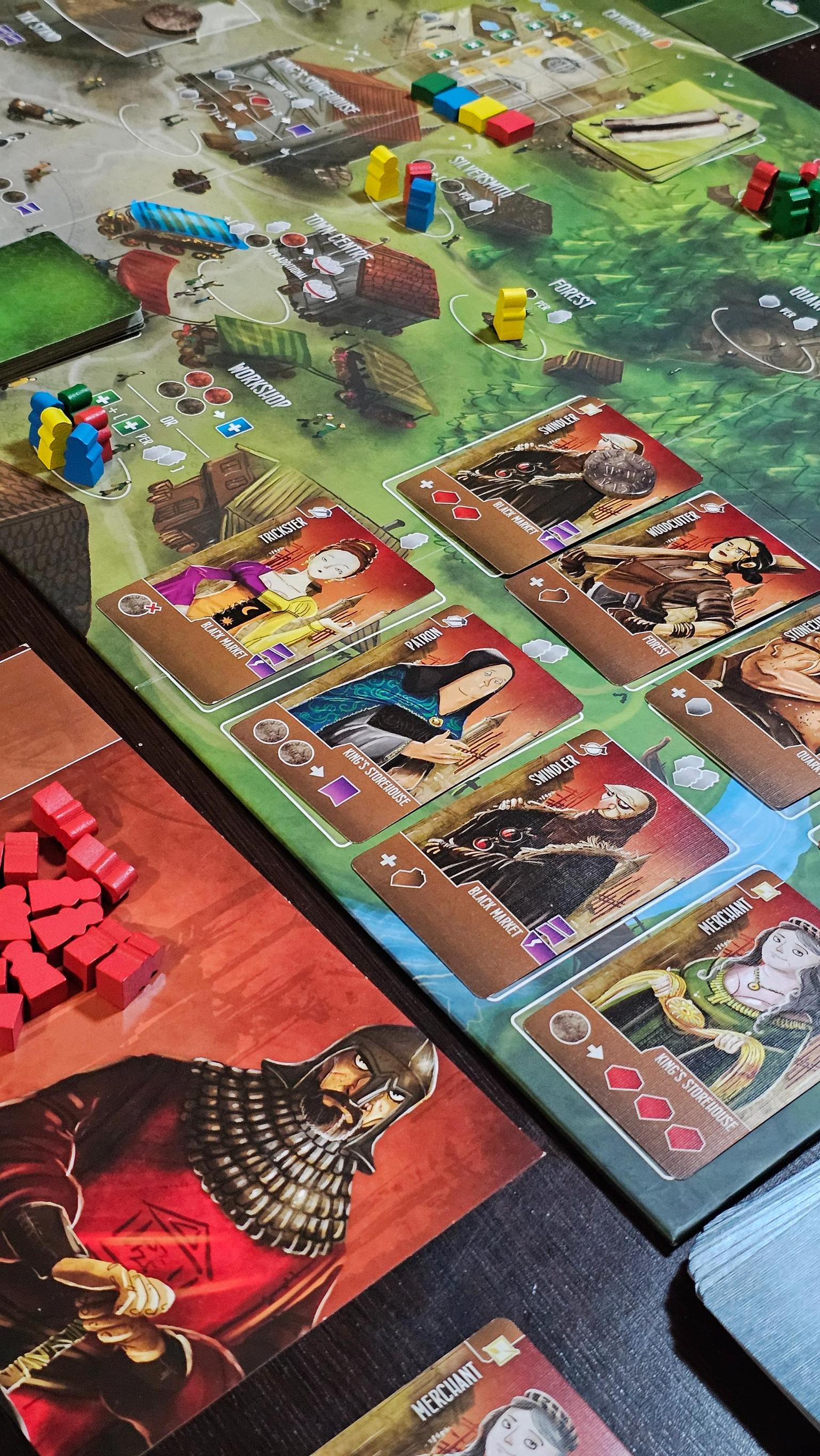
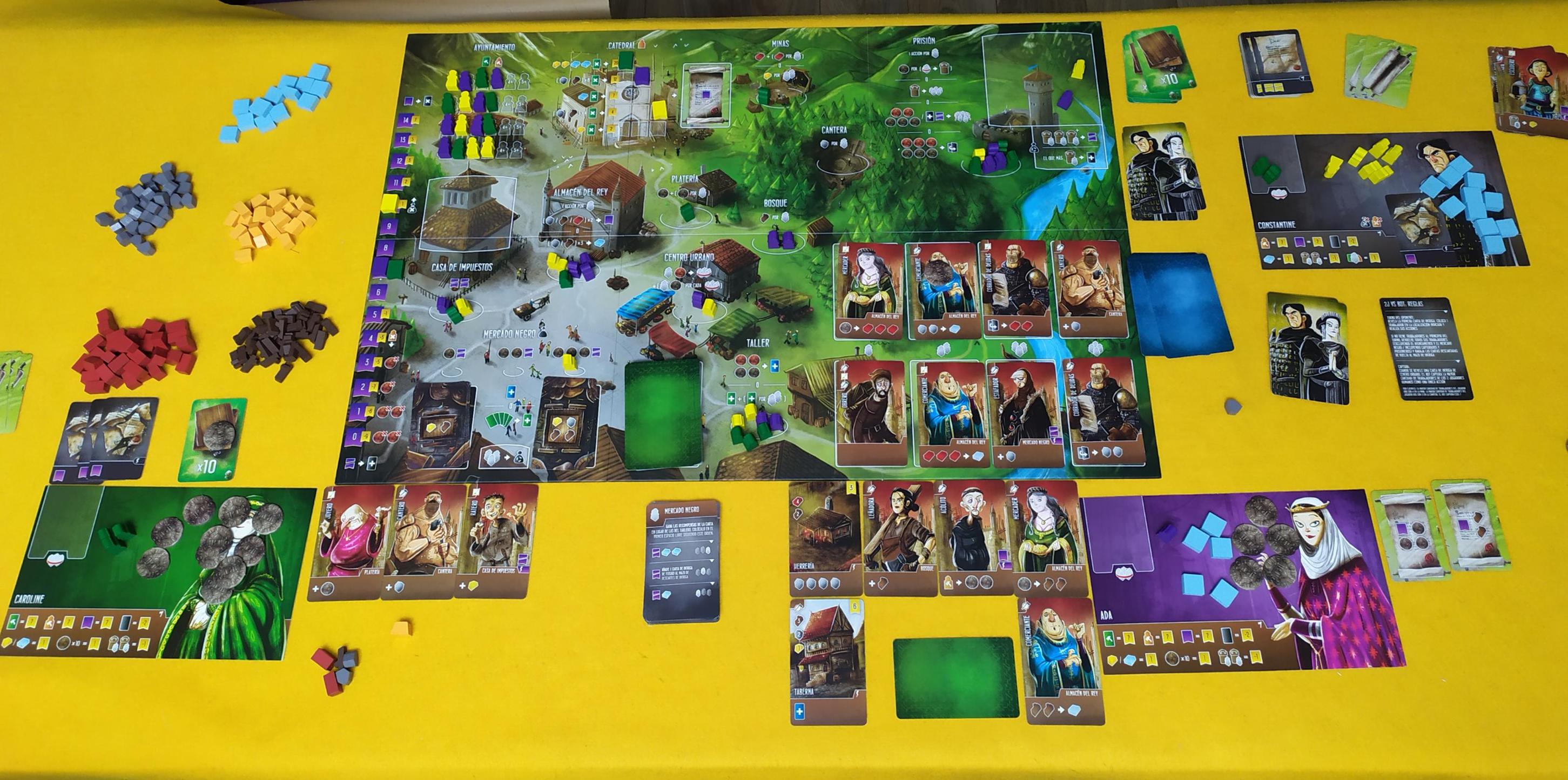
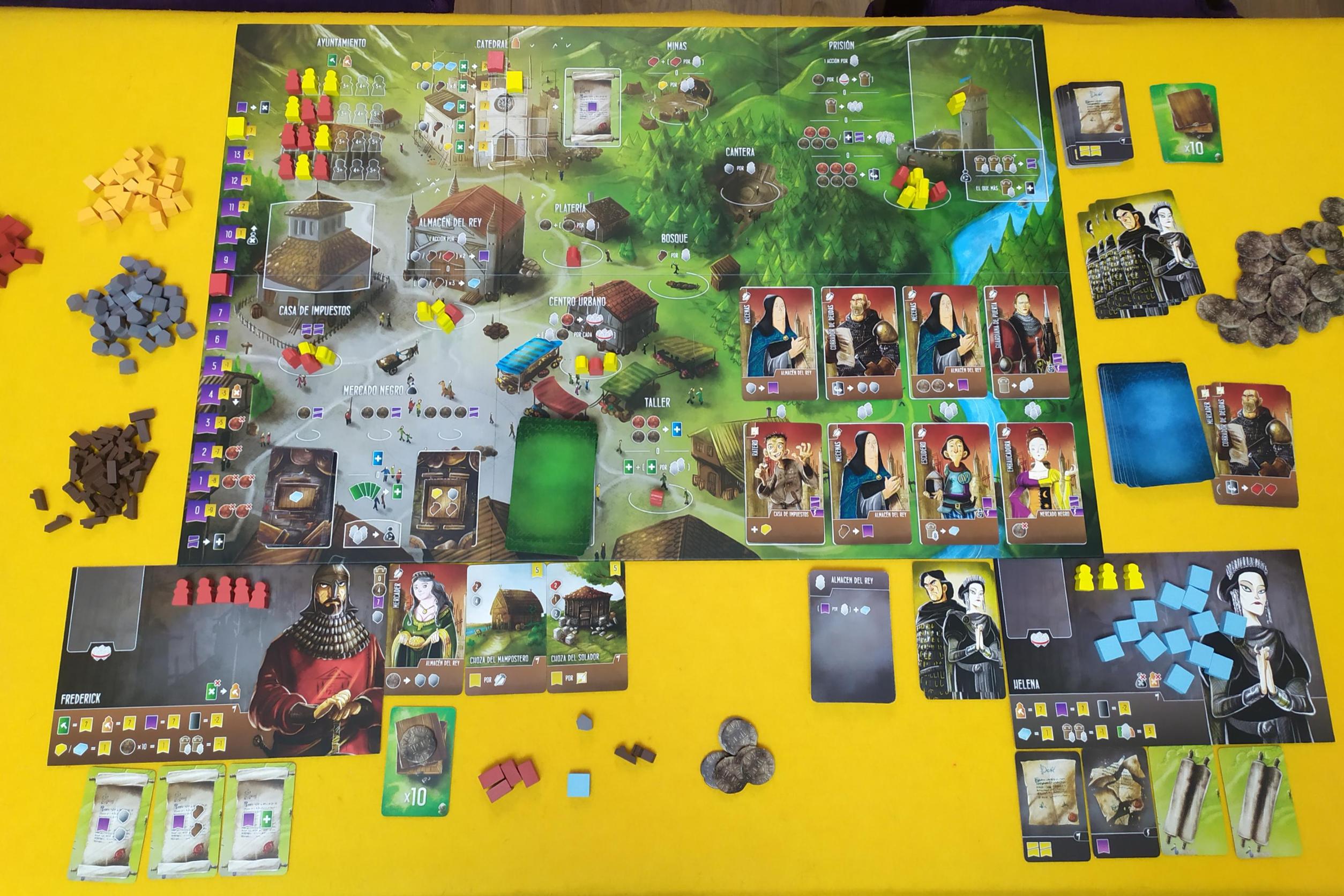
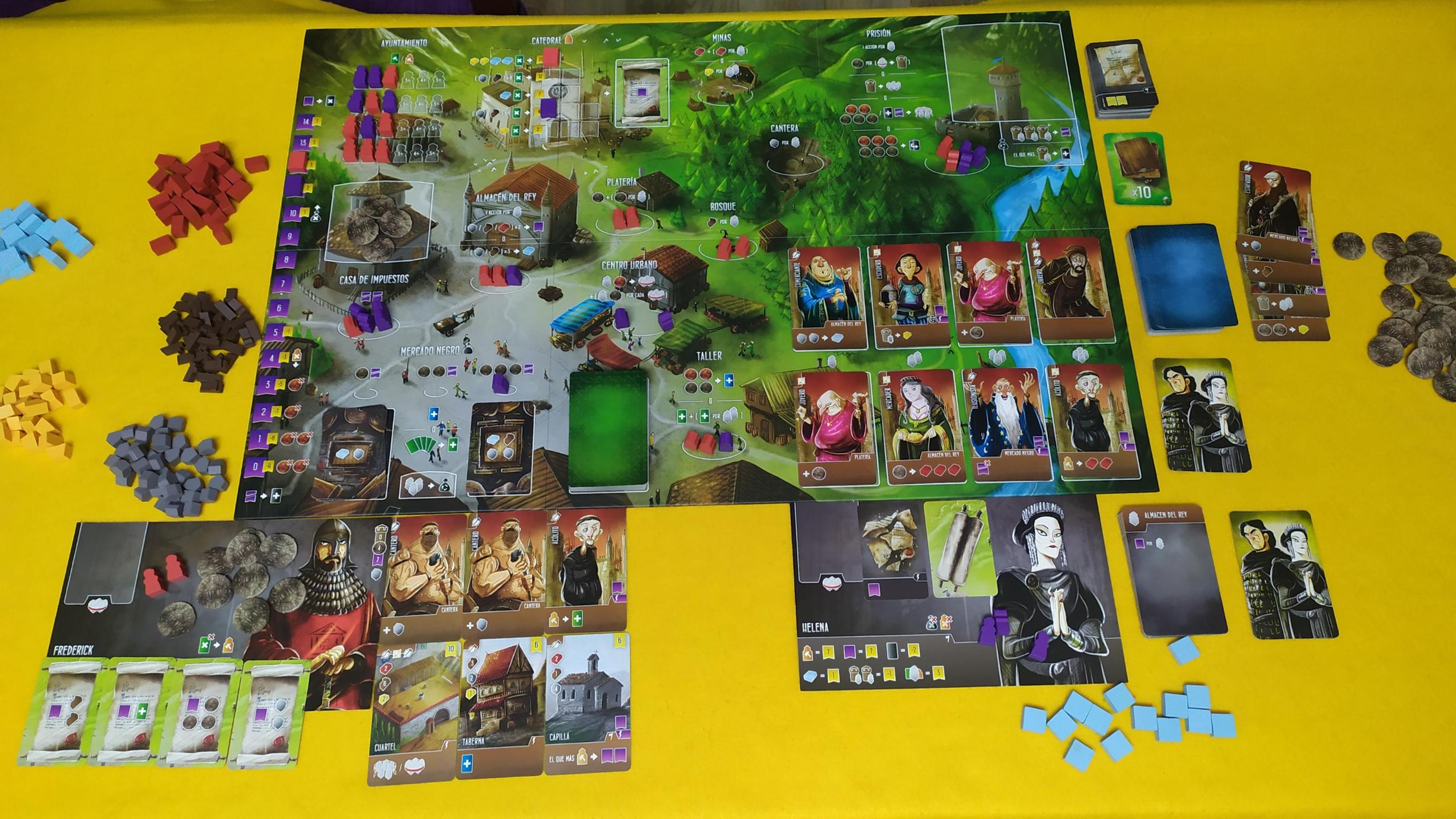
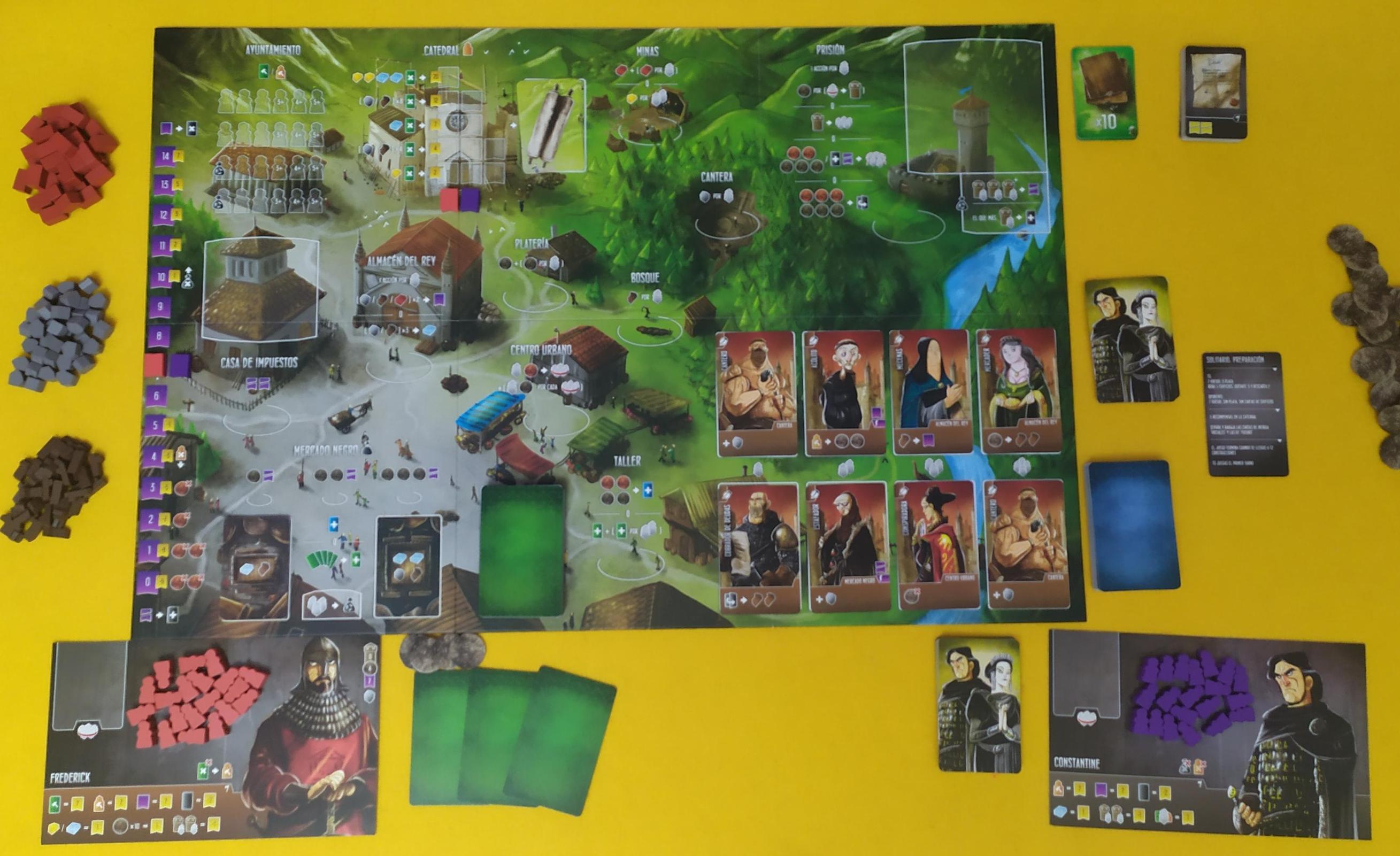
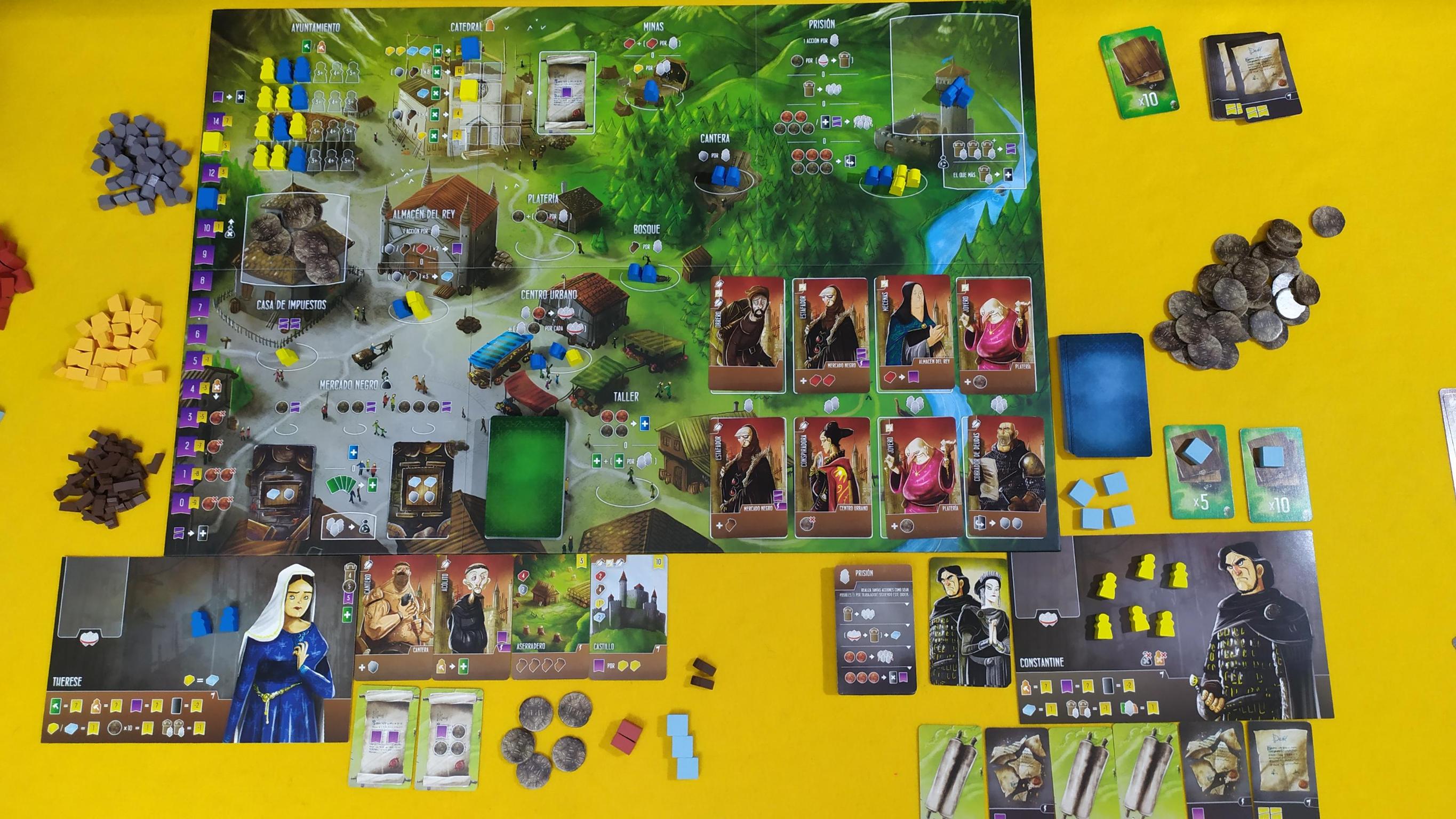
Onde comprar
Preços das lojas e cópias usadas, verificados todos os dias.
Nas mesas da Ludoya
Todas as estatísticas na Ludoya- 1.393
- Partidas registradas
- 1.296
- Jogadores
- 1h 9m
- Partida média
- 285
- Em ludotecas
- 40
- Em listas de desejos
- 1
- Comprado na pré-venda
7,3/10
de 188 avaliações na Ludoya
Vic Granell8,5 Great worker placement game with some cutthroat strategies that can change the outcome of your strategy by other players' boycotting. Enjoyed the first play a lot, with asymmetrical characters. With Folded Space insert.
Garfield4,0 Too many possibilities for my taste. Buildings are too luck based but very important. Nice mechanism with catching and releasing workers. But it's just gathering ressources to build something. Rinse and repeat. [c] Theme: :star::star::nostar::nostar::nostar: <!-- size 7]Too abstract for my taste --> Gameplay: :star::star::nostar::nostar::nostar: <!-- size 7]Too many possibilities --> Interaction: :star::star::star::nostar::nostar: <!-- size 7]Catch other workers --> Artwork: :star::star::star::star::nostar: <!-- size 7]Very nice illustrations --> Luck: :star::star::nostar::nostar::nostar: <!-- size 7]Building drawing --> Strategy: :star::star::nostar::nostar::nostar: <!-- size 7]Buildings or cathedral? --> Components: :star::star::star::star::nostar: <!-- size 7]Very good --> Play duration: :star::star::star::star::nostar: <!-- size 7]Very good --> Easy to teach: :star::star::star::nostar::nostar: <!-- size 7]Ok --> Setup time: :star::star::star::nostar::nostar: <!-- size 7]Ok --> No downtime: :star::star::star::nostar::nostar: <!-- size 7]Not much downtime --> Replay value: :star::star::nostar::nostar::nostar: <!-- size 7]Not much I can think of --> [/c]
Evan5,9 On it's face it's a fairly run of the mill worker placement game, where you place into areas to get goods, then spend those goods to buy cards either in the form of buildings that score endgame victory points on in personalities who improve your production engine in some form. The things that make this game stand out are the mechanism where you get extra goods the more workers you have in a given spot when you resolve the action, and the way you never get your workers back unless a player takes the action to capture them from the board. Captured workers turn into money for the capturing player, and the capturee, while their production engine takes an efficiency hit, they don't want to run out of workers entirely, so generally you're good with getting your guys back. So here's the question. How much can you trust your group to self-balance? If your group is good at getting a sense of who is in the lead and who needs their engine slowed down, then this is going to be a great experience for you. If not, then it's possible one player picks on another player too much, and then the third or fourth player runs away with it. I play enough dudes on the map games where the game expects you to be able to identify the leader and punch them, so it doesn't bother me here, but it also helps that my group has been so far pretty good at sussing out who is ahead. The worker capture doesn't need to feel punitive, but if one player is overly targeted it CAN feel that way. There's no in-game benefit or reason for over targeting someone so I don't think it's a problem. It's just something I've been thinking over. Overall my concern is drowned out by my enjoyment of a euro mechanism that encourages a natural flow of player interaction. :star: Art, Iconography and components functional :star: Clever or interesting mechanisms :star: Reasonably low downtime between turns with mildly AP players :star: Multiple plays stay interesting :star: Low or mitigatable luck elements :star::star::nostar::nostar::nostar: Raw enjoyment

Dúvidas de regras
Respondidas a partir do manual pelo assistente de regras da Ludoya.
If I start my turn with no workers on my player board, can I return a worker and place it in the same turn?
No — if you start your turn with no Workers on your Player Board your entire turn is spent returning any one Worker from the Main Board to your Player Board and you may not place it until your next turn; the returned Worker cannot be taken from the Guildhall, Black Market, Prison, or another player's Board (page 6).
Can I capture my own workers at the Town Centre, and where do captured workers go?
Yes — you may capture your own Workers; captured opposing Workers are placed on the top-left of your Player Board (your own captured Workers return to your supply), and later you can send captured Workers to Prison to gain 1 Silver per Worker (page 11).
How does skipping Apprentice cards with Silver work, and who collects that Silver?
You may place Silver on the left-most Apprentice card to skip it (placing always starts on the left-most card and proceeds right if skipping more), and any Silver placed on an Apprentice is collected by the player who later hires that Apprentice; note hiring normally costs a total of 4 Silver (2 of which are Tax) (pages 9–10).
What triggers a Black Market Reset and what happens during it?
A reset is triggered when all three Black Market spaces are filled or when a Worker is placed in certain left-most Guildhall spaces; after resolving the triggering action, move all Black Market Workers to Prison, flip the top Small Market card onto the Large Market, resolve any Black Market-Reset apprentices, players with 3+ Prison Workers lose 1 Virtue, and the player(s) with the most Prison Workers each take an unpaid Debt card (page 17).
If I have 10 or more Virtue, can I still place Workers on the Black Market?
No — once a player has 10 or more Virtue they can no longer place Workers in the Black Market; dropping below 10 removes that restriction (page 16).
When I construct a Building, do my Apprentices get used up and when do immediate vs end-game effects apply?
Apprentices are not discarded when used to meet skill requirements; immediate effects are resolved as soon as the Building is constructed, while end-game effects are scored during final scoring (page 14).





Quem tem também tem
 Viscondes do Reino Ocidental2020
 Paladinos do Reino Ocidental2019
 Invasores do Mar do Norte2017
 Tzolk'in: El Calendario Maya2018
 As Ruínas Perdidas de Arnak2021
 Viticulture Edição Essencial2017
 Viajantes do Sul do Tigre2022
 Terraforming Mars2017
 Five Tribes: Os Gênios de Naqala2018
 Grand Austria Hotel2018
 Concordia2020
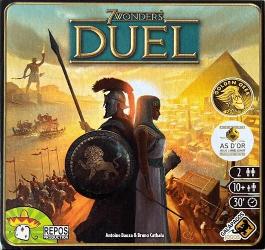 7 Wonders Duel2017
Grátis, na web, Android e iOS
Jogue Arquitetos do Reino Ocidental com a Ludoya
- Tenha na sua ludotecaAcompanhe sua cópia e suas expansões, empreste para os amigos ou coloque na lista de desejos e seja avisado quando o preço cair.Adicionar à sua ludoteca
- Registre cada partidaPontuações, vencedores, cronômetros e fotos, e depois suas estatísticas: taxa de vitórias, número de jogadores favorito, melhor pontuação.Registrar uma partida
- Tire dúvidas de regrasPergunte qualquer coisa sobre as regras e receba uma resposta do manual, com a página para conferir.Perguntar ao assistente de regras
- Encontre gente para jogarClubes, noites de jogos e eventos perto de você que levam este jogo para a mesa.Ver eventos
Dados do jogo (jogadores, tempo de jogo, idade, créditos) do BoardGameGeek.