
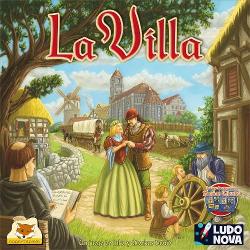
2011 · Medieval
La Villa
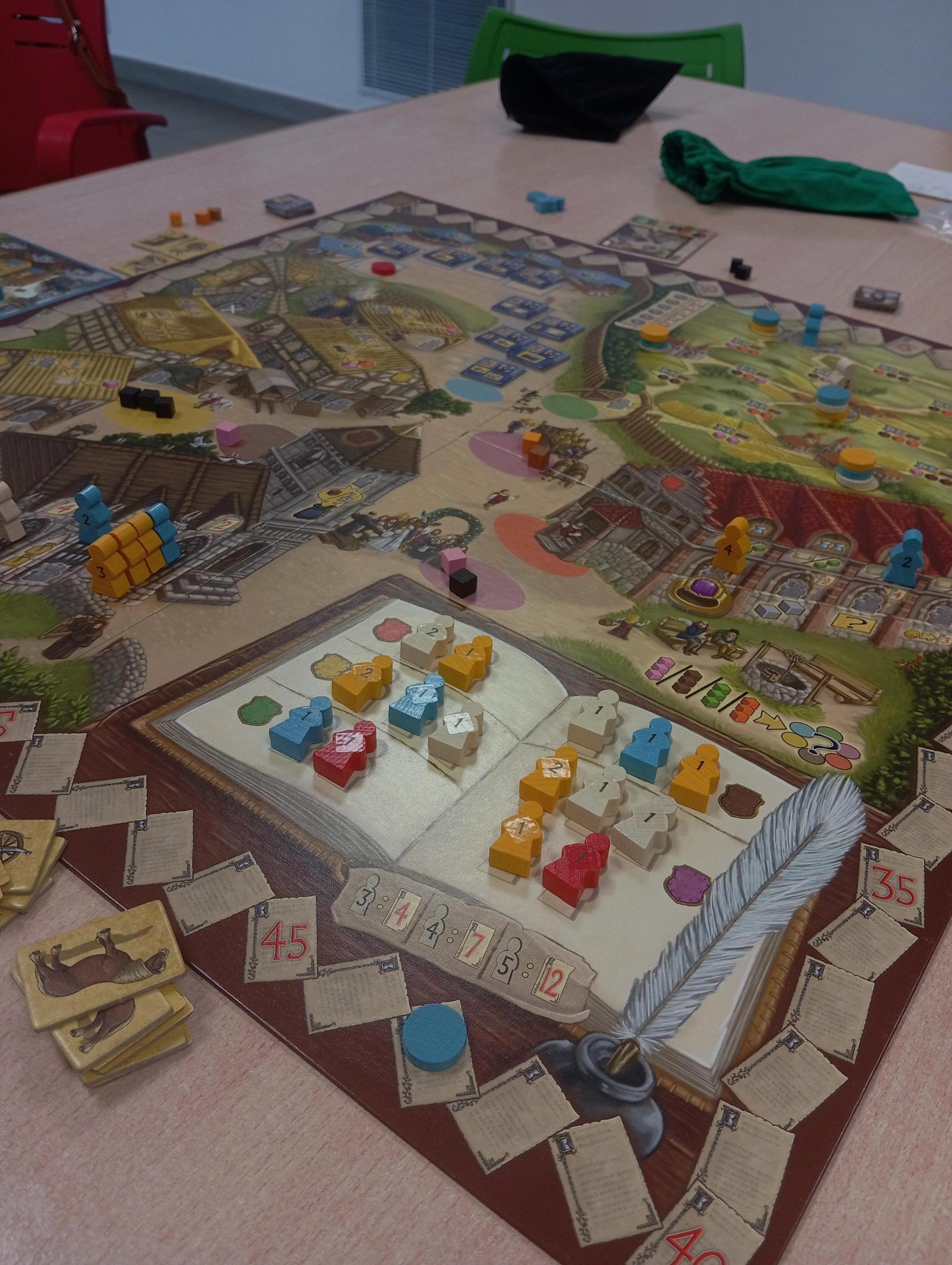
Los jugadores controlan familias en una comunidad rural, enviando aldeanos a trabajar, viajar, unirse a la iglesia, ocupar cargos, fabricar bienes o perseguir otras carreras y estatus. En un turno, un jugador toma un cubo de una de varias zonas del tablero y realiza la acción de esa zona; los lugares incluyen el mercado, viajar, fabricar, la iglesia y el consejo, y cada uno ofrece varias opciones y recompensas específicas. Los cubos de distintos colores determinan las acciones disponibles, mientras que los cubos negros actúan como maldiciones. El tiempo avanza y los aldeanos mueren, y algunos quedan registrados en la crónica del pueblo para obtener gloria a largo plazo, mientras que otros son enviados al cementerio. Las rondas terminan cuando no quedan cubos; la partida termina cuando la crónica o el cementerio se llenan, y la puntuación combina objetivos a corto y largo plazo.
- Jugadores
- 2–4 mejor con 4
- Duración
- 60–90 min
- Edad
- 12+
- Complejidad
- 3,1 / 5
Sobre el juego
- Diseño
- Arte
- Publisher




Expansiones
Verlas en Ludoya

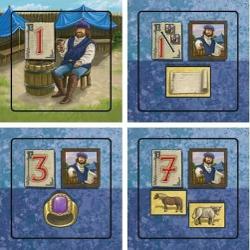
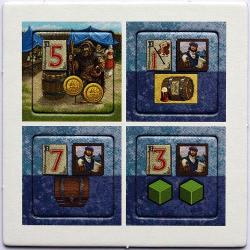
Fotos de mesas de Ludoya
Todas las fotos en Ludoya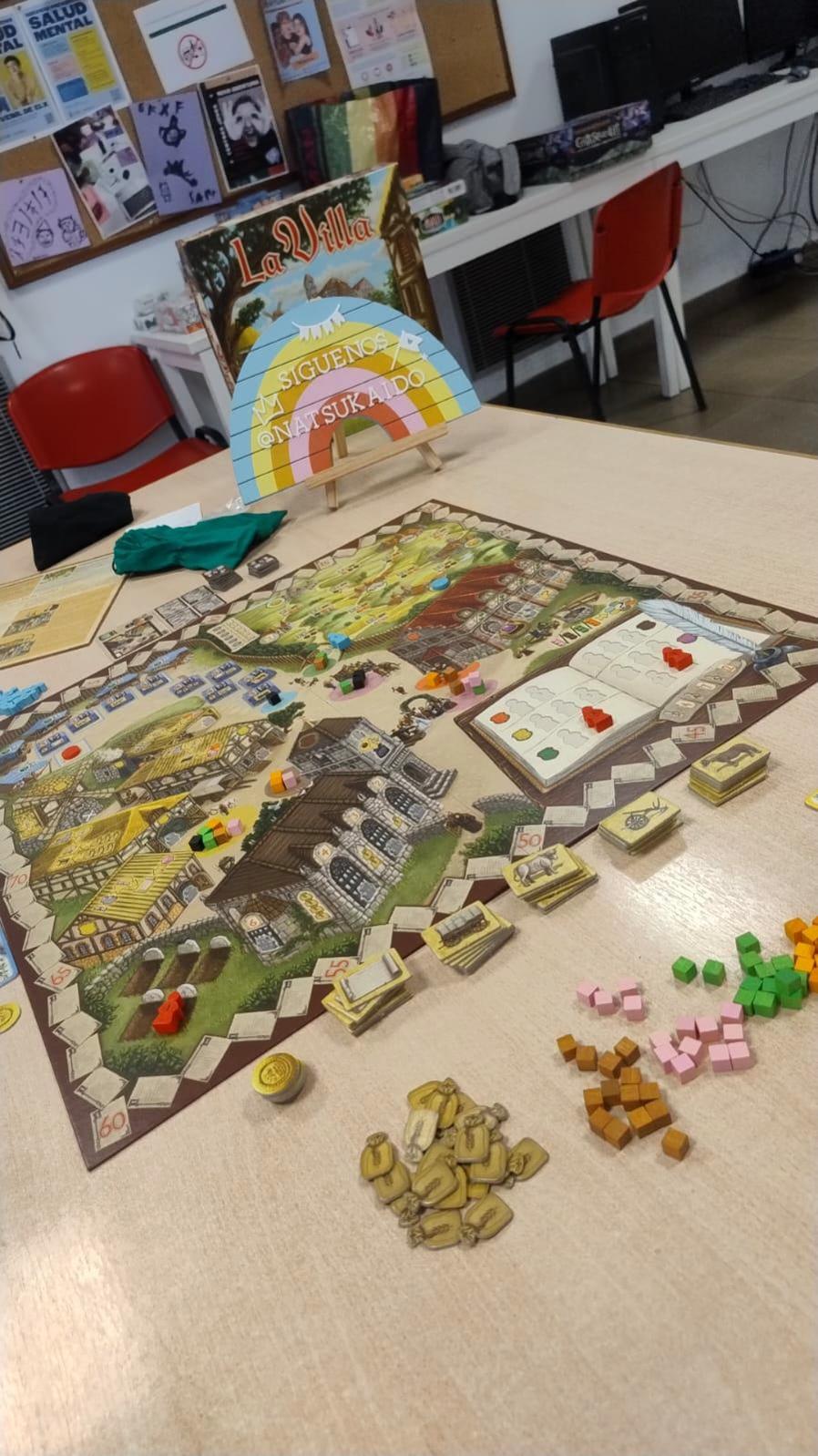
Dónde comprarlo
Precios de tiendas y copias de segunda mano, revisados cada día.
En las mesas de Ludoya
Todas las estadísticas en Ludoya- 347
- Partidas registradas
- 389
- Jugadores
- 1h 43m
- Partida media
- 132
- En colecciones
- 16
- En listas de deseos
7,3/10
de 90 reseñas en Ludoya
Sergio Fdez.8,1 De este juego solo puedo hablar bien. Es junto con el Agrícola uno de los juegos con los que me inicié en este mundo y rápidamente me sedujo. Es un juego muy versátil, consigue atrapar tanto a jugones como a noveles. En fin, un juego que entra en seguida por el ojo. En el apartado de las críticas, decir que quizá le falta un quinto jugador, y algunas cartas que le dieran un poco más de factor sorpresa. Decir esto es ventajista ya que cuando escribo esta reseña, sé que hay un extensión que soluciona estas dos cuestiones, y como en breve será aquí reseñada, esperamos pues. Juego para tener siempre en la ludoteca esperando a esos amigos que vienen a cenar a tu casa, y que seguramente se presten a echar una partidaca. http://mesasdejuegos.blogspot.com.es/2013/06/la-villa-real-como-la-vida-misma.html
Evan4,6 Actions are taken by removing a resource cube from an action area, adding it to your supply, then sometimes sending a worker to stand on the board, and sometimes requiring you to move your "time" marker around the track on your personal board. When the time counter makes a full rotation, the worker with the lowest number stickered on him dies. Having a worker die while manning certain action areas results in your getting victory points at the end of the game. Each action area has a limited number of grave spaces associated with it, so once they are full, additional dead workers only serve to accelerate the endgame timer. Every area of the board is it's own little mechanism for points, with those mechanisms being only loosely tied to each other. There's a decent tension early in the game you want to get the most out of your pawns, but you also need to kill them fast enough to ensure they score. As the game goes on and spaces fill up, the core game tension lessens and you just focus on finishing our your plans to the best of your ability. It's an interesting game idea, with some very unique elements that could have really been something special if it the different areas of the board could have been tied to each other a little more, or if the tension of play had been a little more consistent across sessions. ★ Art, Iconography and components functional ★ Clever or interesting mechanisms ★ Reasonably low downtime between turns with mildly AP players ★ Multiple plays stay interesting ★ Low or mitigatable luck elements ★★☆☆☆ Raw enjoyment
Carlos7,2 Little bit unbalanced actions. Travelling doesn't seem to be great.


Dudas de reglas
Respondidas a partir del reglamento por el asistente de reglas de Ludoya.
Can I take a cube from an action space and just keep the cube without doing the action?
Yes — you may take a cube and choose not to perform that space's action, except that a market day must be held when the market action is taken (you may still opt to only take the cube). (page 5)
What exactly happens when I take a plague (black) cube?
Return the plague cube immediately to the supply and lose 2 time (move your life-time track marker forward 2 spaces); you may then perform the action of that space if you wish. (pages 4–5)
When my time marker passes the bridge, which family member dies and when do I decide?
When your marker passes the bridge one of your oldest family members (the lowest number) dies at the end of your turn (you pick which among the tied lowest numbers); exception: if you pass the bridge during a market day you must choose immediately. Family members still in the black bag cannot die. (pages 5, 10–11)
Do I have to place a family member on a craft building to get its good, or can I pay instead?
You have two options: train/place a family member (paying the training and production time) to produce the good, or acquire the good instantly by returning the specified influence cubes (or grain for the stables) to the supply without placing a worker; the mill is handled differently (coins for grain/time). (page 6)
Is a market day optional, and what do I pay to serve customers if I wasn’t the one who triggered it?
A market day is mandatory when triggered; the triggering player may serve one available customer without the extra cost, but other players (and any subsequent sales by any player) must also pay 1 green influence cube and 1 time for each sale they make during that market day. (page 7)
Juegos similares









Gratis, en web, Android e iOS
Juega a La Villa con Ludoya
- Tenlo en tu colecciónControla tu copia y sus expansiones, préstala a tus amigos o ponla en tu lista de deseos y te avisamos cuando baje de precio.Añadirlo a tu colección
- Registra cada partidaPuntuaciones, ganadores, temporizadores y fotos, y luego tus estadísticas: porcentaje de victorias, número de jugadores favorito, mejor puntuación.Registrar una partida
- Resuelve dudas de reglasPregunta lo que quieras sobre las reglas y obtén una respuesta sacada del reglamento, con la página donde comprobarla.Preguntar al asistente de reglas
- Encuentra gente con quien jugarloClubes, noches de juegos y eventos cerca de ti que sacan este juego a la mesa.Ver eventos
Datos del juego (jugadores, duración, edad, créditos) de BoardGameGeek.