
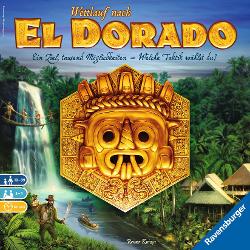
2017 · Erkundung
Wettlauf nach El Dorado
Führe eine Expedition durch den dichten südamerikanischen Dschungel auf der Suche nach der legendären Goldstadt an. Spieler bauen und rotieren ein persönliches Deck aus Expeditionskarten und nutzen in jedem Zug Karten, um sich auf einer modularen Karte fortzubewegen oder Helfer und Upgrades anzuheuern, die zukünftige Züge verbessern. Bewegung, Kartenerwerb und die Wahl der Route bestimmen den Fortschritt; wer eines der Zielfelder erreicht, löst eine letzte Runde aus. Der Spieler, der zuerst ankommt und bei Gleichstand die meisten eingesammelten Blockaden besitzt, gewinnt.
- Spieler
- 2–4 am besten mit 4
- Spielzeit
- 30–60 Min.
- Alter
- 10+
- Komplexität
- 1,9 / 5
Über das Spiel
- Autoren
- Illustration
- Publisher




Erweiterungen
In Ludoya ansehen The Quest for El Dorado: Heroes & Hexes2018
 Wettlauf nach El Dorado: Promo Pack2018
 The Quest for El Dorado: Dangers & Muisca2022
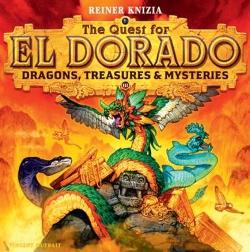 The Quest for El Dorado: Dragons, Treasures & Mysteries2023
 The Quest for El Dorado: Promo Pack – Telegram2021
 The Quest for El Dorado: Promo Pack – Letter of Recommendation2021
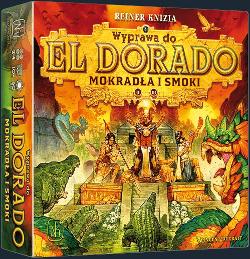 Wyprawa do El Dorado: Mokradła i Smoki2023
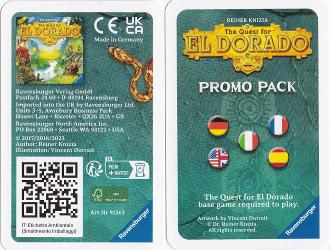 The Quest for El Dorado: 2023 Promo Pack2023
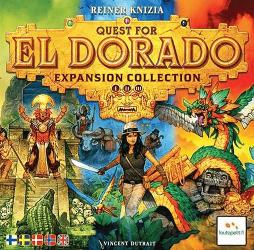 Quest for El Dorado: Expansion Collection2025
Spielbar mit
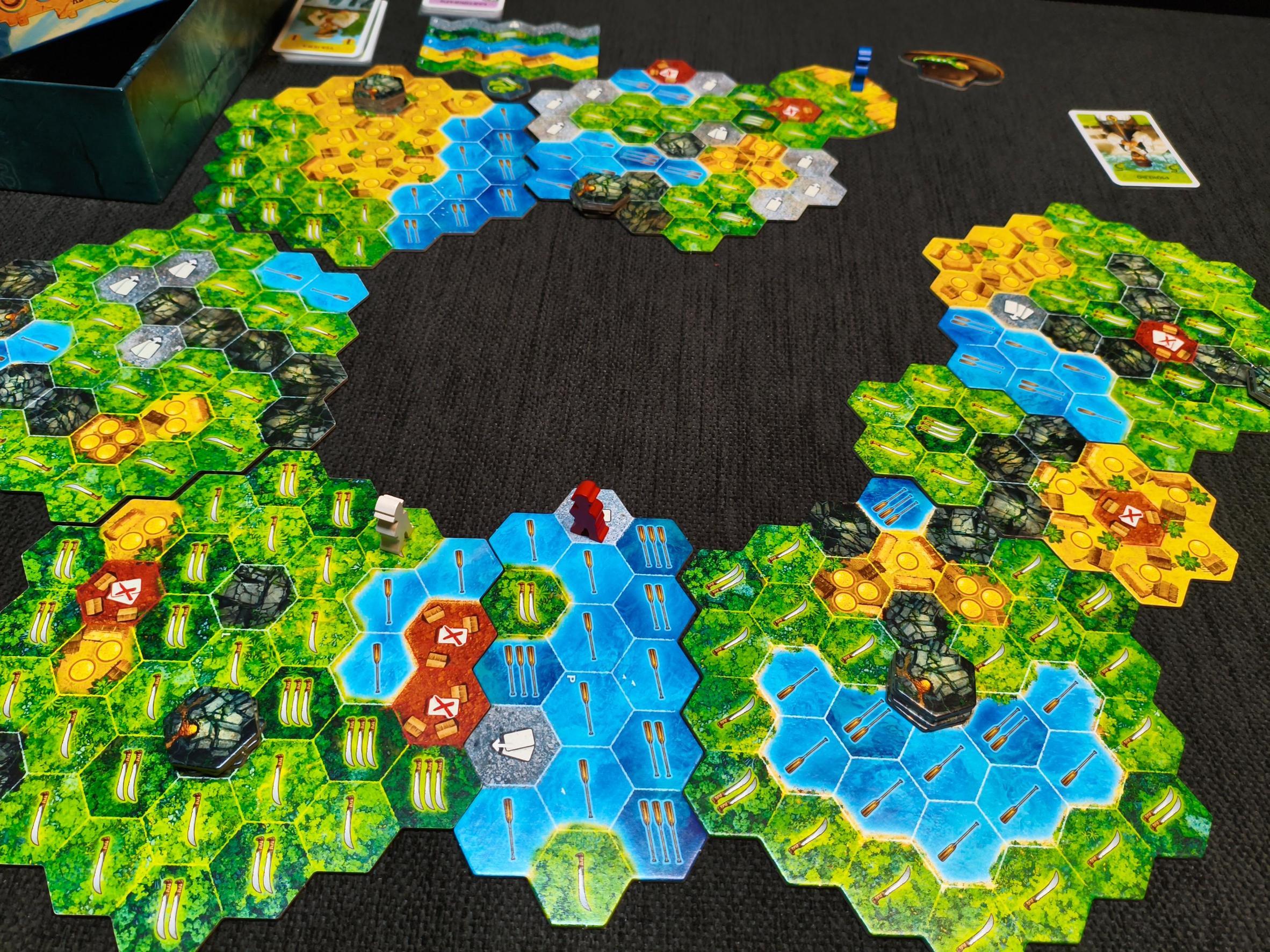
In Ludoya ansehenFotos von Ludoya-Tischen
Alle Fotos in Ludoya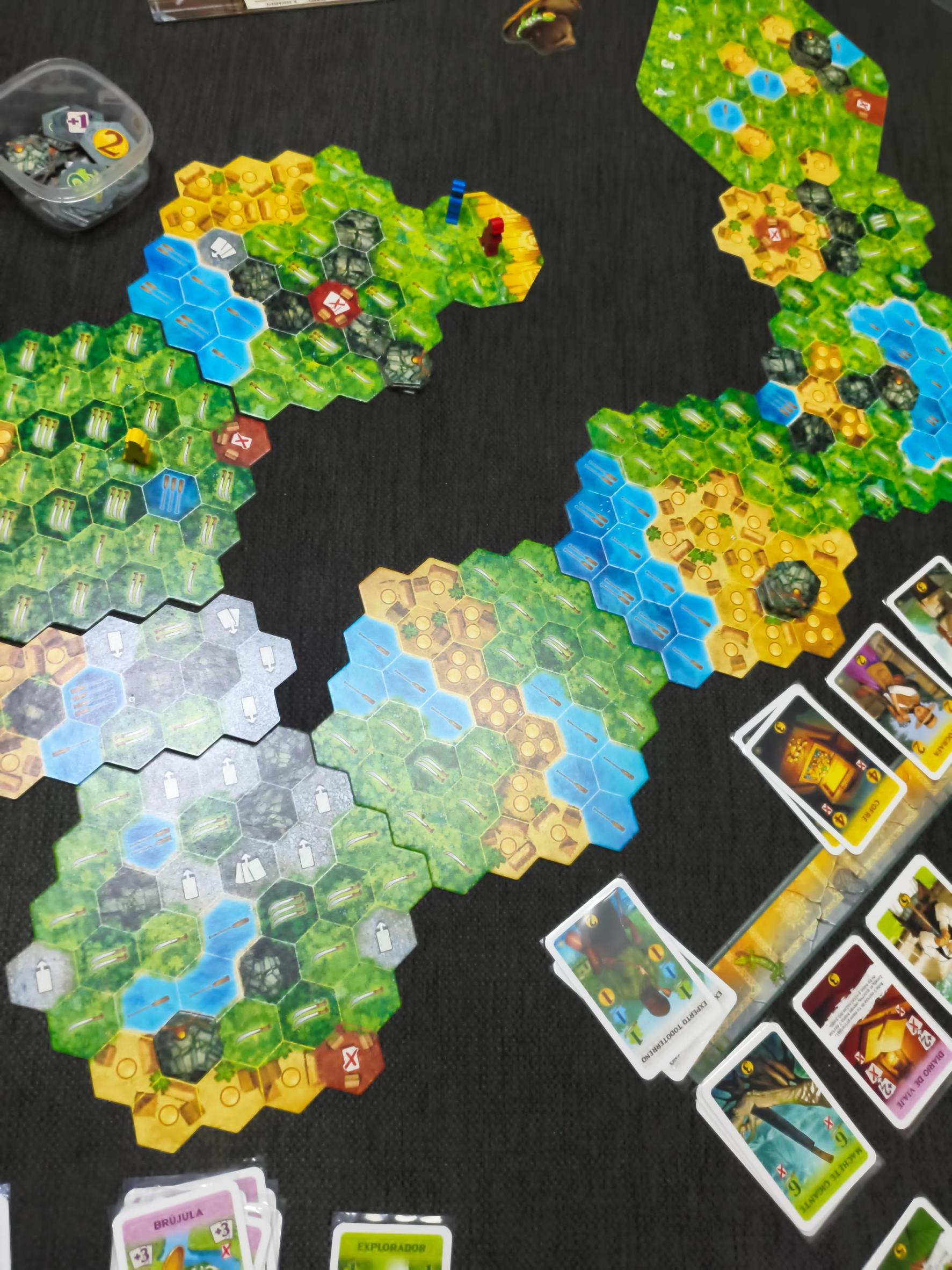
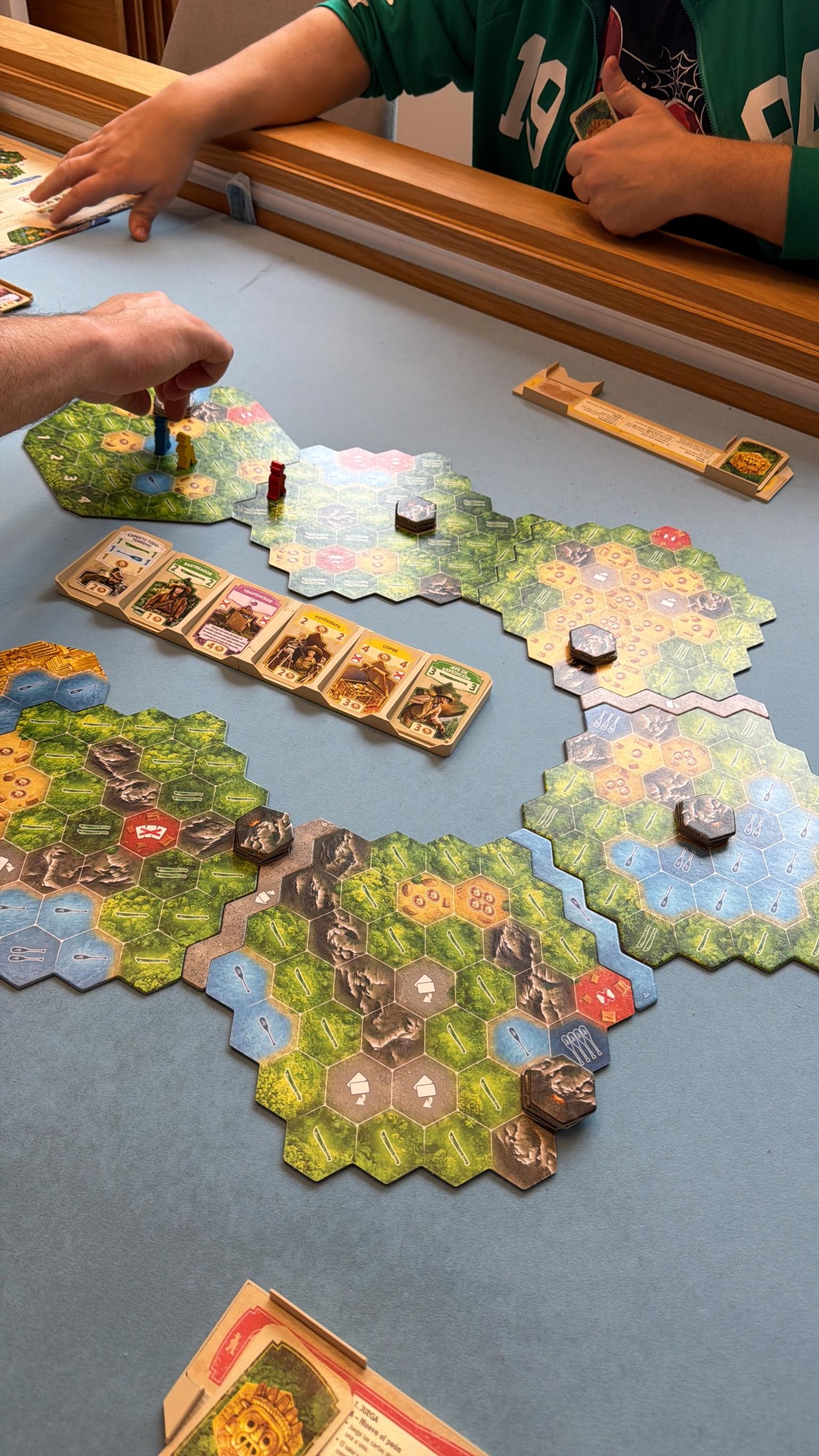
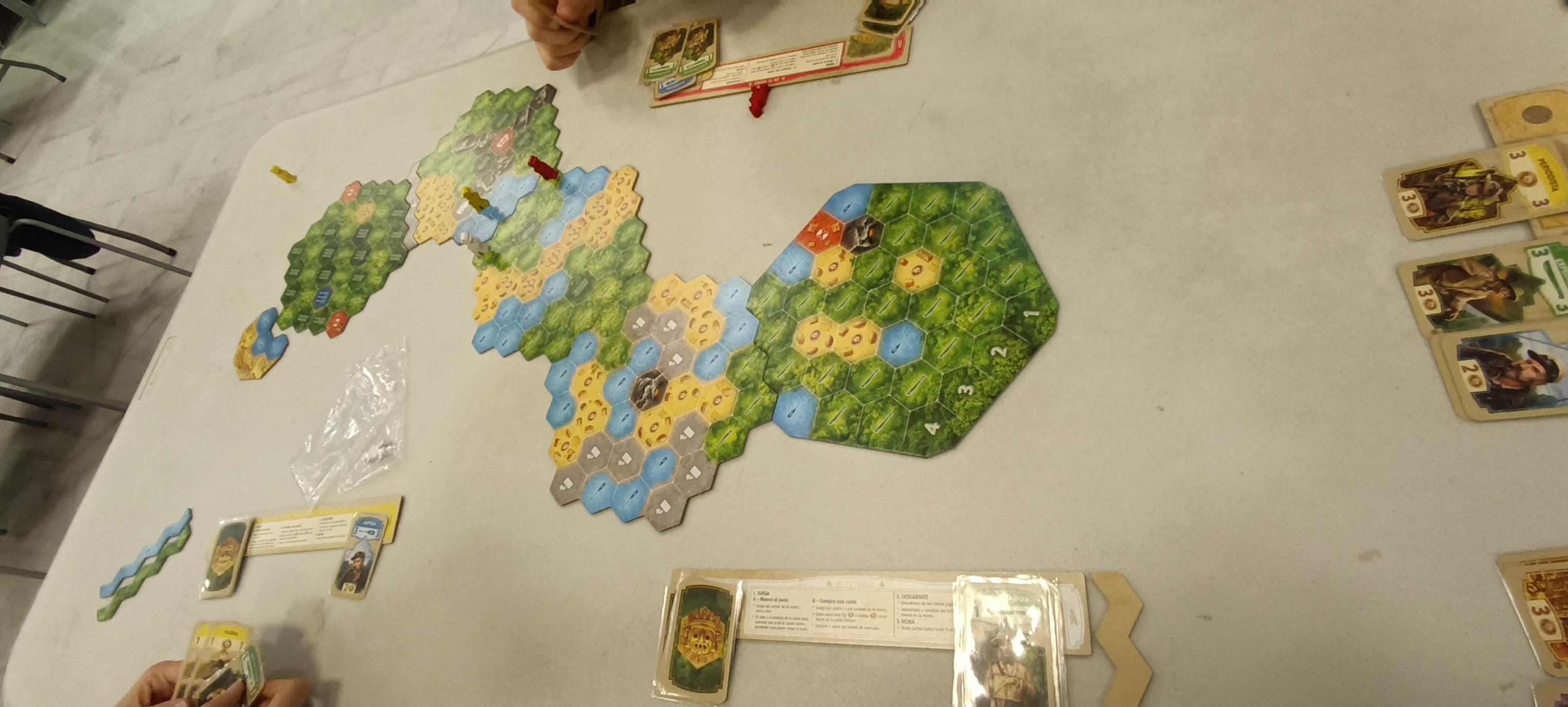
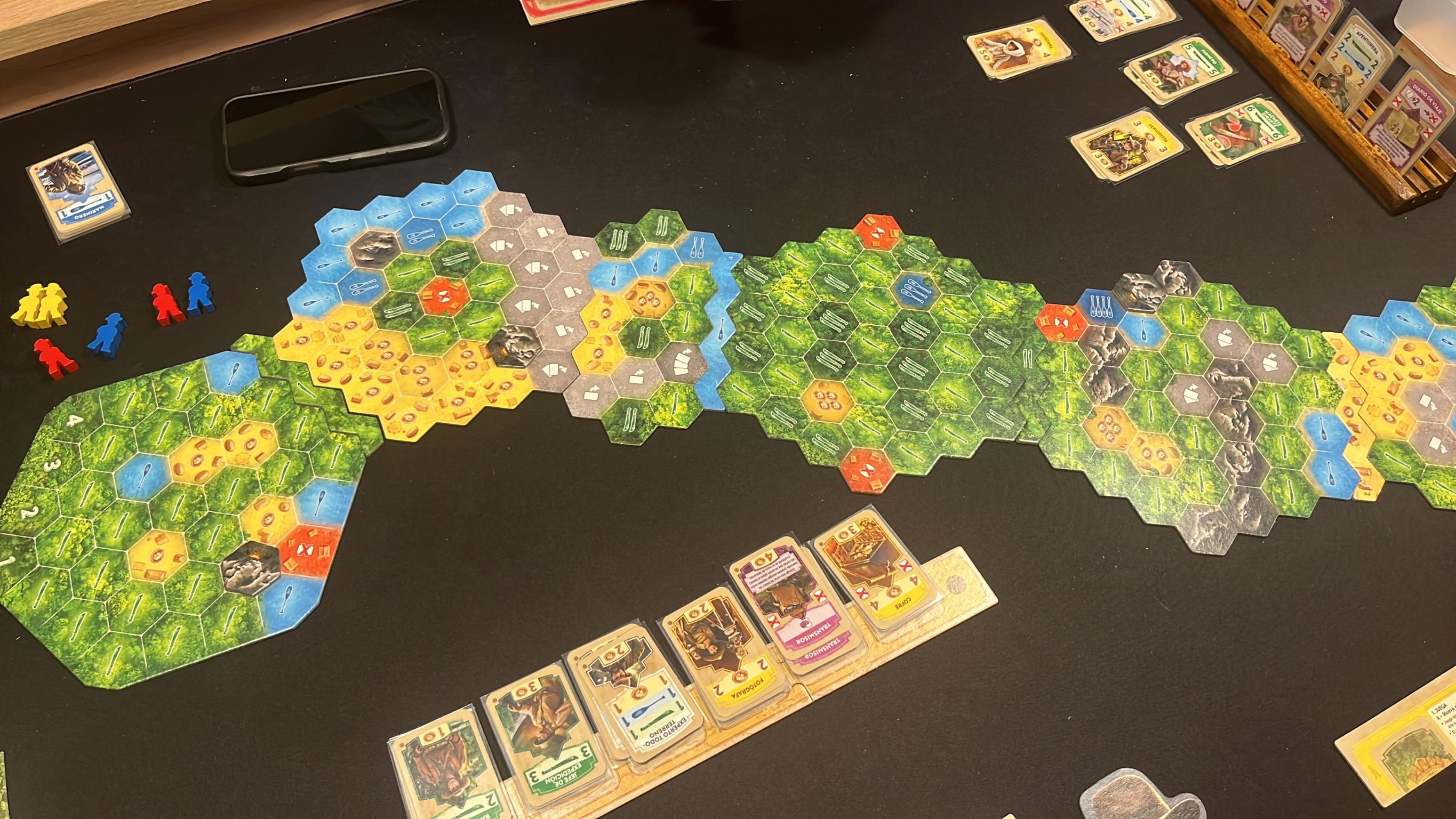
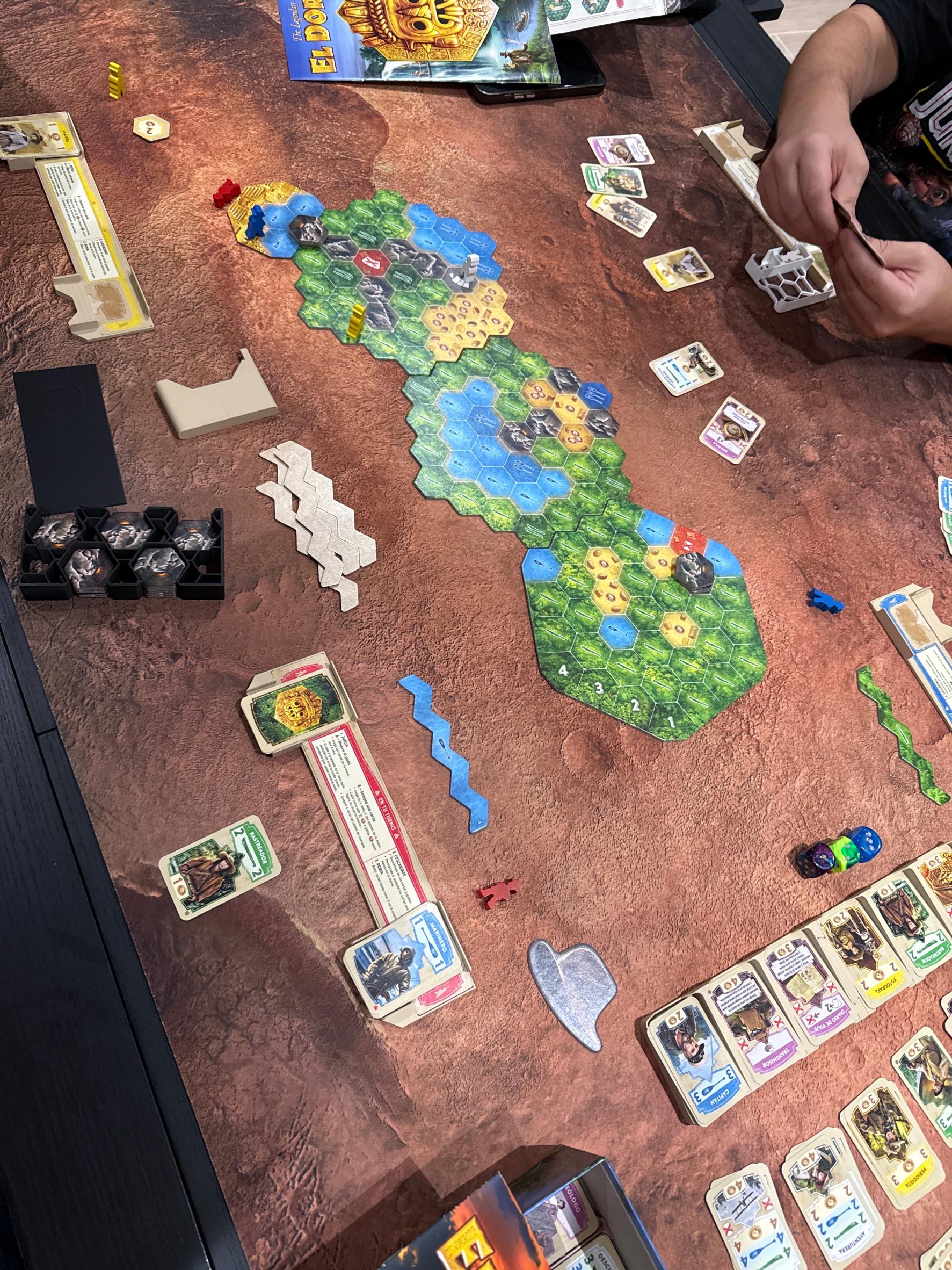
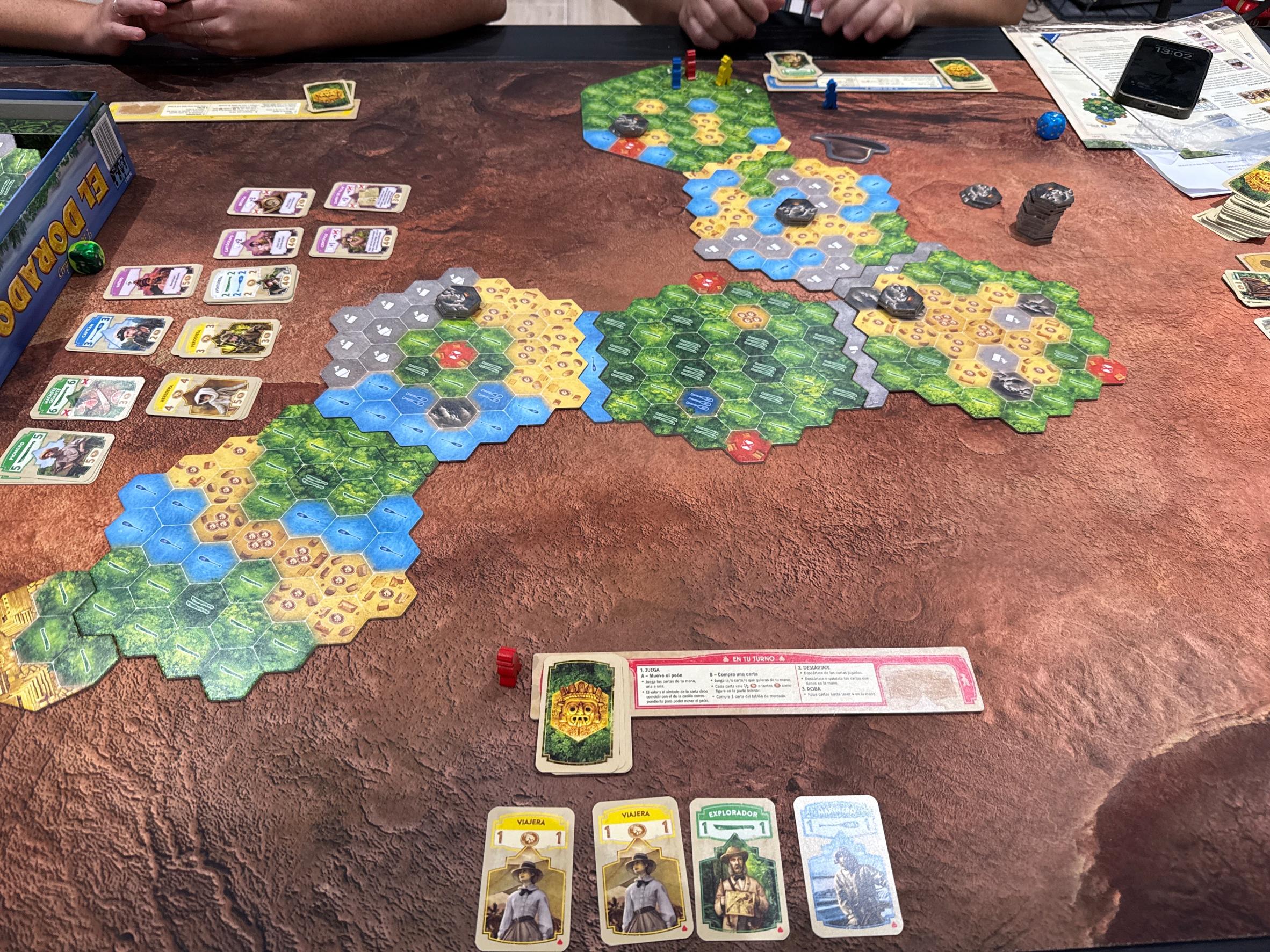
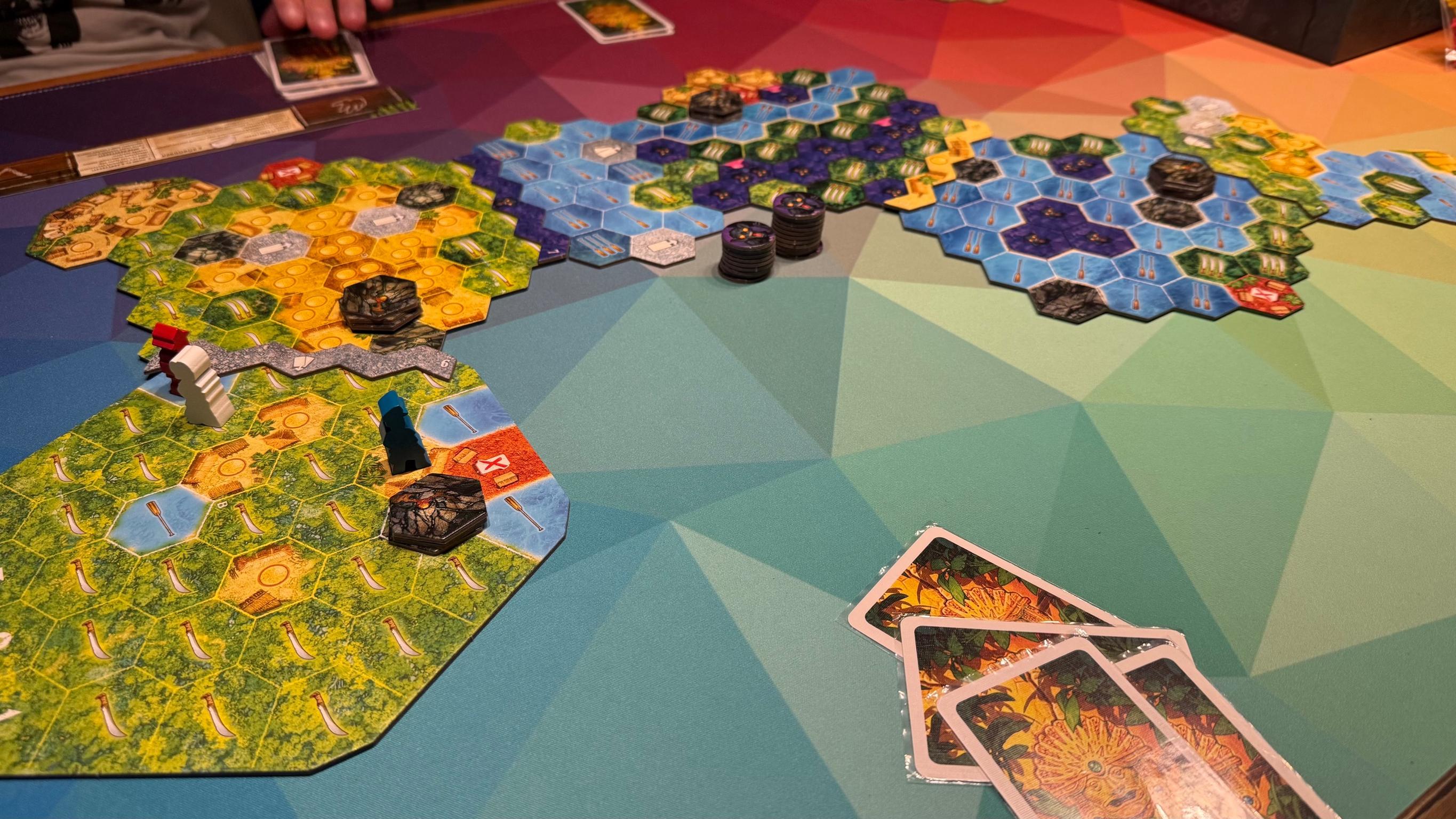
Wo kaufen
Shop-Preise und gebrauchte Exemplare, täglich geprüft.
An Ludoyas Tischen
Alle Statistiken in Ludoya- 1.258
- Erfasste Partien
- 1.062
- Spieler
- 50m 11s
- Durchschnittliche Partie
- 330
- In Sammlungen
- 33
- Auf Wunschlisten
- 2
- Vorbestellt
7,4/10
aus 155 Ludoya-Rezensionen
Mohasz7,9 It's probably the novelty factor, but I really do enjoy this one. I'm currently trimming down my collection, and I'm almost tempted to sell Flamme Rouge or even Clank! (which I love but rarely hits the table) after playing this a few times. The theme is very palatable (one could argue rather boring) and it comes through the mechanisms just enough. The gameplay is much more streamlined than something like Clank, which makes this a great family game. A session takes somewhere between 30-60 mins, which is a nice length for a race game, and the games tend to be pretty close unless someone makes mistakes regularly. While there are not a huge amount of different cards, the game seems to have quite a lot of depth when it comes to building your deck, the layout of the map matters a lot. Works really well with 2 because managing 2 pawns is fun, and you still only do it with one deck. I imagine it would be a bit different with more, maybe less decisions but a bit more important deckbuilding aspect.
Mestremuten6,0 Rating: 3/5 Production value: 3/4 Is the game in my collection/Love to have?: 0/1
Evan4,6 This game is a deckbuilder where more or less each card allows you to either buy a new card from the display, or play the card for movement points to be used on the central board's matching terrain. It's a straight up race to get to the finish line. We played with the advanced rules which added a few minorly interesting elements, such as each hex as one cave space where if you stop next to it, you get a bonus ability tile. It's a little bit of a mean game, because you can't move through other players pieces so you can get some fail turns due to people standing in your way, which is rough when you have a perfect hand of cards to move you ahead. The game is light, pretty quick, and it's got some replayability to it since the cards are often different, and the board can change every session. The overall experience of the game is enjoyable but I wouldn't say there's a lot of magic to it. I would play this again if someone really wanted to, but I don't know that I'd suggest it myself. So much of the strategy of the game is deciding when to spend a card for movement and when to invest in your engine. If that decision choice is enough for you and you are hurting for more simple deck building or more racing games, then this is a good option for you. If not, it's skippable. :star: Art, Iconography and components functional :star: Clever or interesting mechanisms :star: Reasonably low downtime between turns with mildly AP players :star: Multiple plays stay interesting :star: Low or mitigatable luck elements :star::nostar::nostar::nostar::nostar: Raw enjoyment
Regelfragen
Aus der Spielanleitung beantwortet von Ludoyas Regelassistenten.
Can I combine multiple cards to meet the power requirement of a landscape space?
No — you cannot combine multiple cards to move onto a landscape space; a single played card must meet the space’s symbol and power requirement (page 3).
If I play a card and it has leftover power, can I use that leftover to move further?
Yes — leftover power from a played card may be used to continue moving to the next space by subtracting the power already spent; you may stop at any time and any unspent power is lost (page 3).
How many cards can I buy on my turn and how do I pay for them?
You may buy up to one card per turn; play any number of cards to add their coin values (cards with a coin symbol are worth their power, all others are worth 1/2 coin) and place the purchased card on your discard pile — you cannot use it that same turn (page 4).
What happens to cards I play to enter a base camp space?
Cards played to move onto a base camp are removed from the game (not placed on your discard pile), which is a way to permanently thin your deck (page 3).
What do I do when my draw pile runs out while I’m drawing to hand size?
Draw as many cards as you can from the draw pile, then shuffle your discard pile to form a new draw pile and continue drawing until you have four cards (page 5).
What are blockades and how do they affect end‑game tiebreakers?
A blockade is an obstacle that the first player to pass it must overcome by meeting its power requirement; that player keeps the blockade and blockades are used as tiebreakers (most blockades wins, then highest‑power blockade) if players tie reaching El Dorado (page 5).
Ähnliche Spiele
 The Quest for El Dorado: The Golden Temples2019
 Die verlorenen Ruinen von Arnak2020
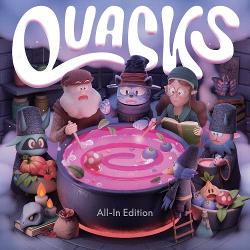 Quacks: All-In Edition2025
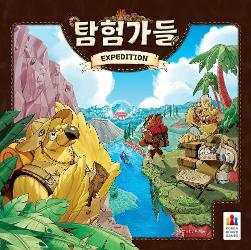 Relic Hunters2022
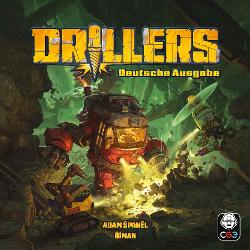 Drillers2026
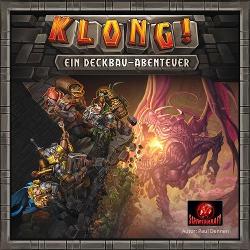 Klong!: Ein Deckbau-Abenteuer2017
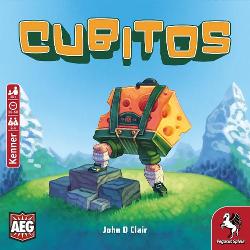 Cubitos2021
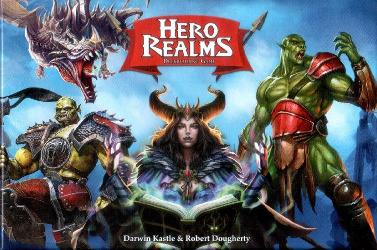 Hero Realms2018
 Tyrannen des Unterreichs: Brettspiel2021
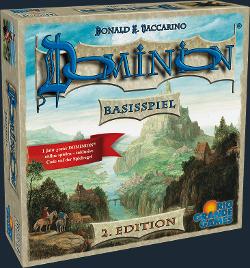 Dominion: Basisspiel 2. Edition2022
 Klong!: Katakomben2023
 Der Herr der Ringe: Duell um Mittelerde2024

Kostenlos, im Web, für Android und iOS
Spiel Wettlauf nach El Dorado mit Ludoya
- Hab es in deiner SammlungVerwalte dein Exemplar und seine Erweiterungen, leih es Freunden oder setz es auf deine Wunschliste und erfahre, wenn der Preis fällt.Zur Sammlung hinzufügen
- Erfasse jede PartiePunkte, Sieger, Timer und Fotos, dann deine Statistiken: Siegquote, liebste Spielerzahl, beste Punktzahl.Partie erfassen
- Regelfragen klärenFrag alles zu den Regeln und erhalte eine Antwort aus der Spielanleitung, mit der Seite zum Nachprüfen.Den Regelassistenten fragen
- Finde Leute, mit denen du es spielstClubs, Spieleabende und Veranstaltungen in deiner Nähe, bei denen dieses Spiel auf den Tisch kommt.Veranstaltungen ansehen
Spieldaten (Spieler, Spielzeit, Alter, Mitwirkende) von BoardGameGeek.