

2018 · Medieval
Arquitectos del Reino del Oeste
Ambientado en los últimos años del Imperio carolingio, los jugadores actúan como arquitectos reales que compiten para construir monumentos y hacer avanzar la catedral para ganar la mayor cantidad de puntos de victoria. En cada turno, los jugadores colocan trabajadores para जुटar materias primas, reclutar aprendices, contratar especialistas y desarrollar proyectos de construcción, mientras gestionan una fuerza laboral limitada y un conjunto de acciones rivales siempre presente. Durante la partida aparecen decisiones morales y oportunidades en el mercado negro; una pista oculta de virtud registra los compromisos, que se revelan y puntúan al final de la partida. El juego termina después de que se complete un número predeterminado de construcciones, y el jugador con la puntuación más alta por edificios, progreso en la catedral y virtud sale victorioso.
- Jugadores
- 1–5 mejor con 4
- Duración
- 60–80 min
- Edad
- 12+
- Complejidad
- 2,8 / 5
Sobre el juego
- Publisher



Expansiones
Verlas en Ludoya Arquitectos del Reino del Oeste: Era de los Artesanos2020
 Arquitectos del Reino del Oeste: Maravillas de la construcción2023
 Los Tomos del Reino del Oeste2020
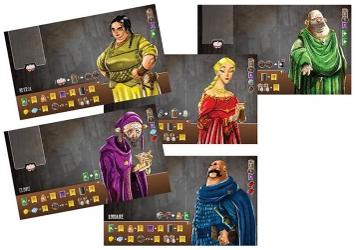 Architects of the West Kingdom: Extra Player Boards2018
 Architects of the West Kingdom: Extra Apprentices2018
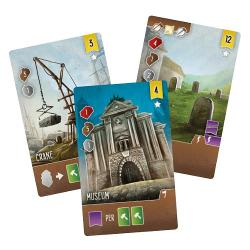 Architects of the West Kingdom: Extra Buildings2018
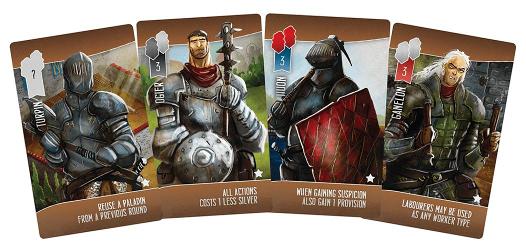 Paladins of the West Kingdom: 2019 Promos2019
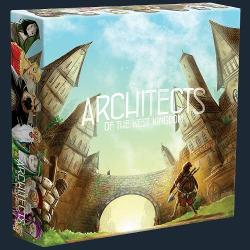 Architects of the West Kingdom: Crossover Promo Pack2022
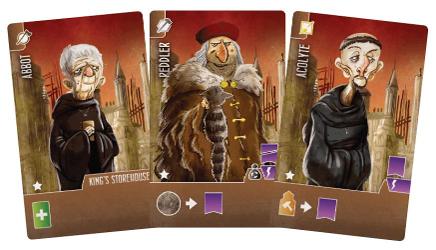 Architects of the West Kingdom: Paladins Apprentices2019
 West Kingdom Mini Card Set2019
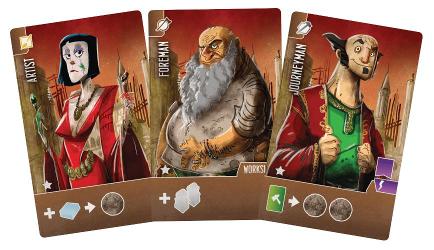 Architects of the West Kingdom: Dice Tower 2020 Pack2020
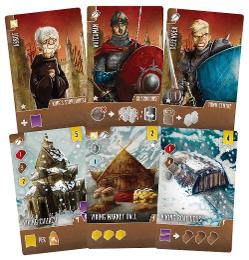 Architects of the West Kingdom: Garphill Games 5-Year Anniversary Promo Cards2019
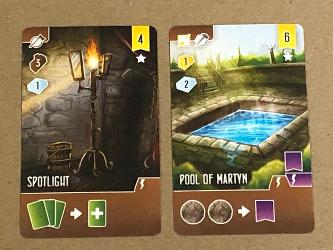 Architects of the West Kingdom: Promo Paradise Card Set2019
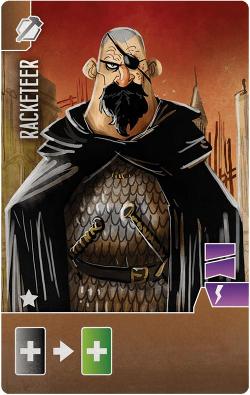 Architects of the West Kingdom: Racketeer2020
 Garphill Games 5-Year Anniversary Promo Pack2019
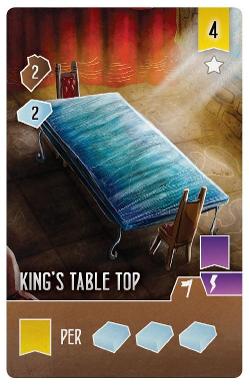 Architects of the West Kingdom: King's Table Top2019
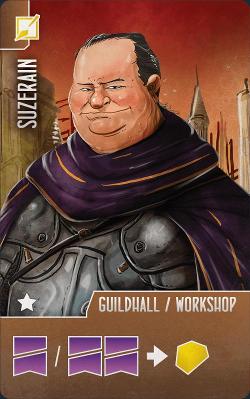 Architects of the West Kingdom: Suzerain2021
 Architects of the West Kingdom: King Dan2020
 Architects of the West Kingdom: Jugador2020
 Level Up Loot 22019
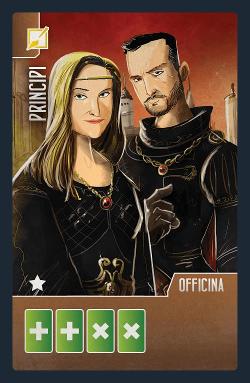 Architects of the West Kingdom: Principi Promo Card2022
 West Kingdom Trilogy: Promo Pack 22025
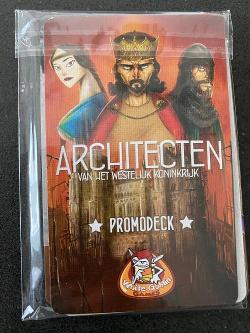 Architecten van het Westelijk Koninkrijk: Promodeck2021
Fotos de mesas de Ludoya
Todas las fotos en Ludoya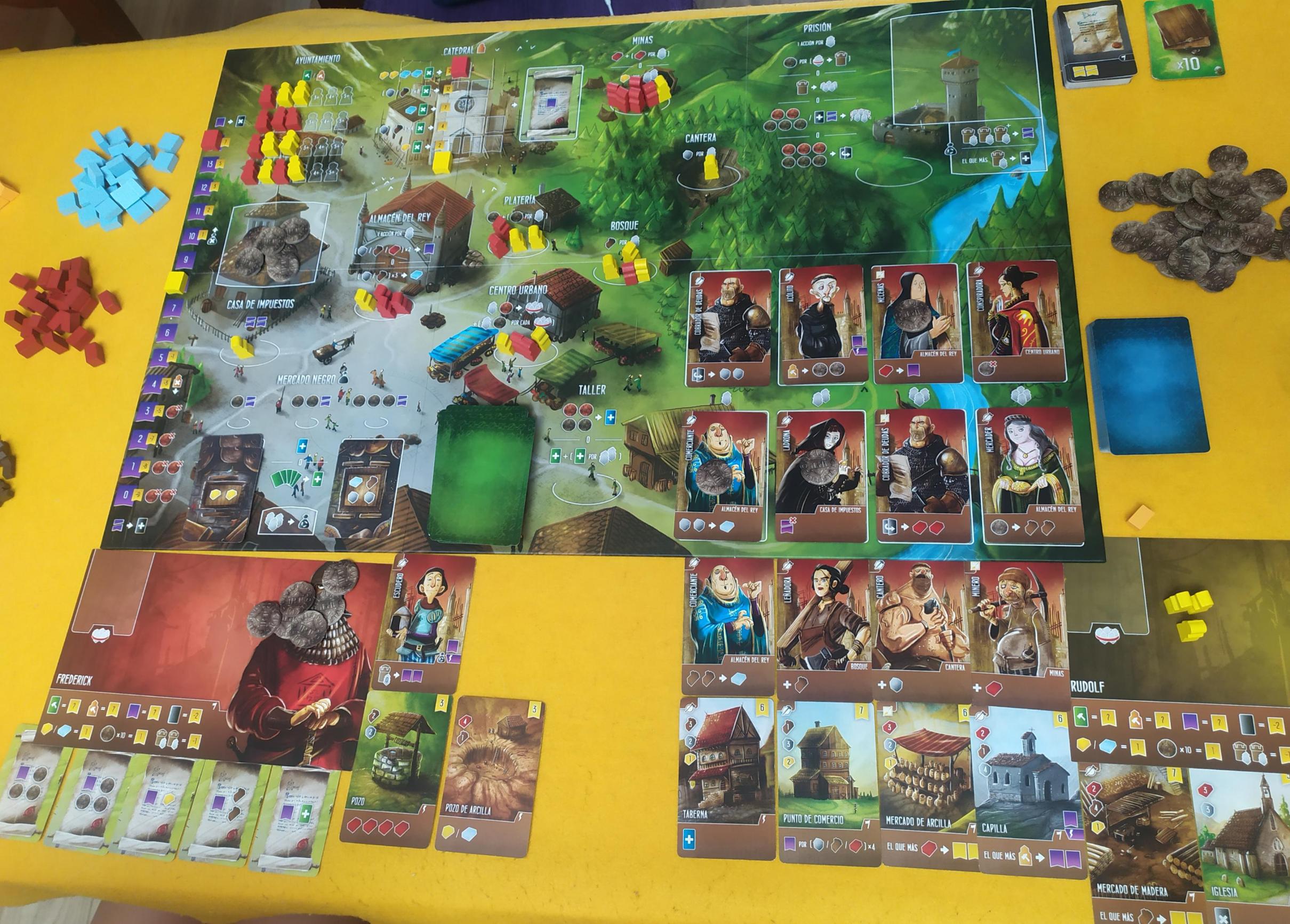
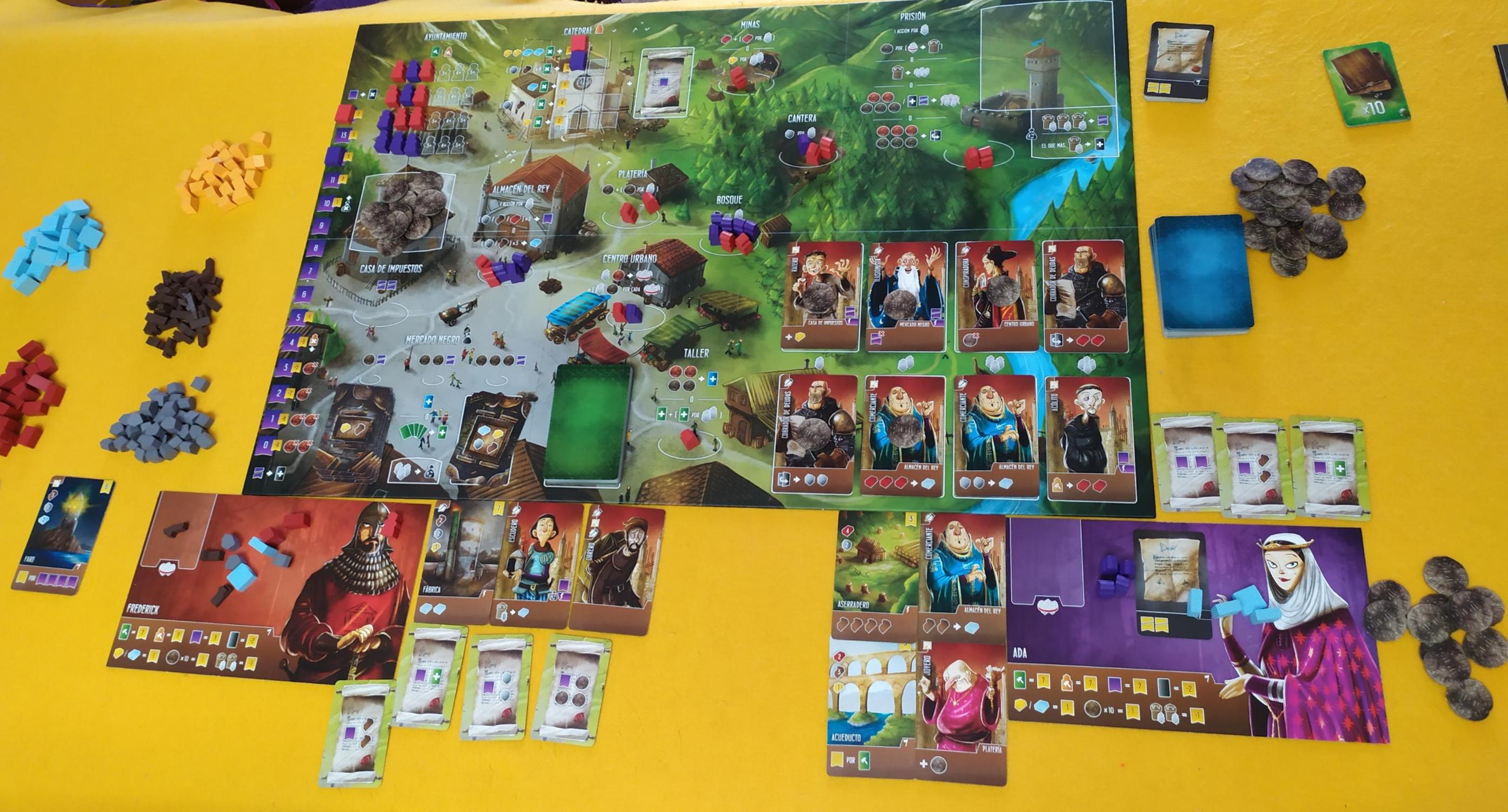
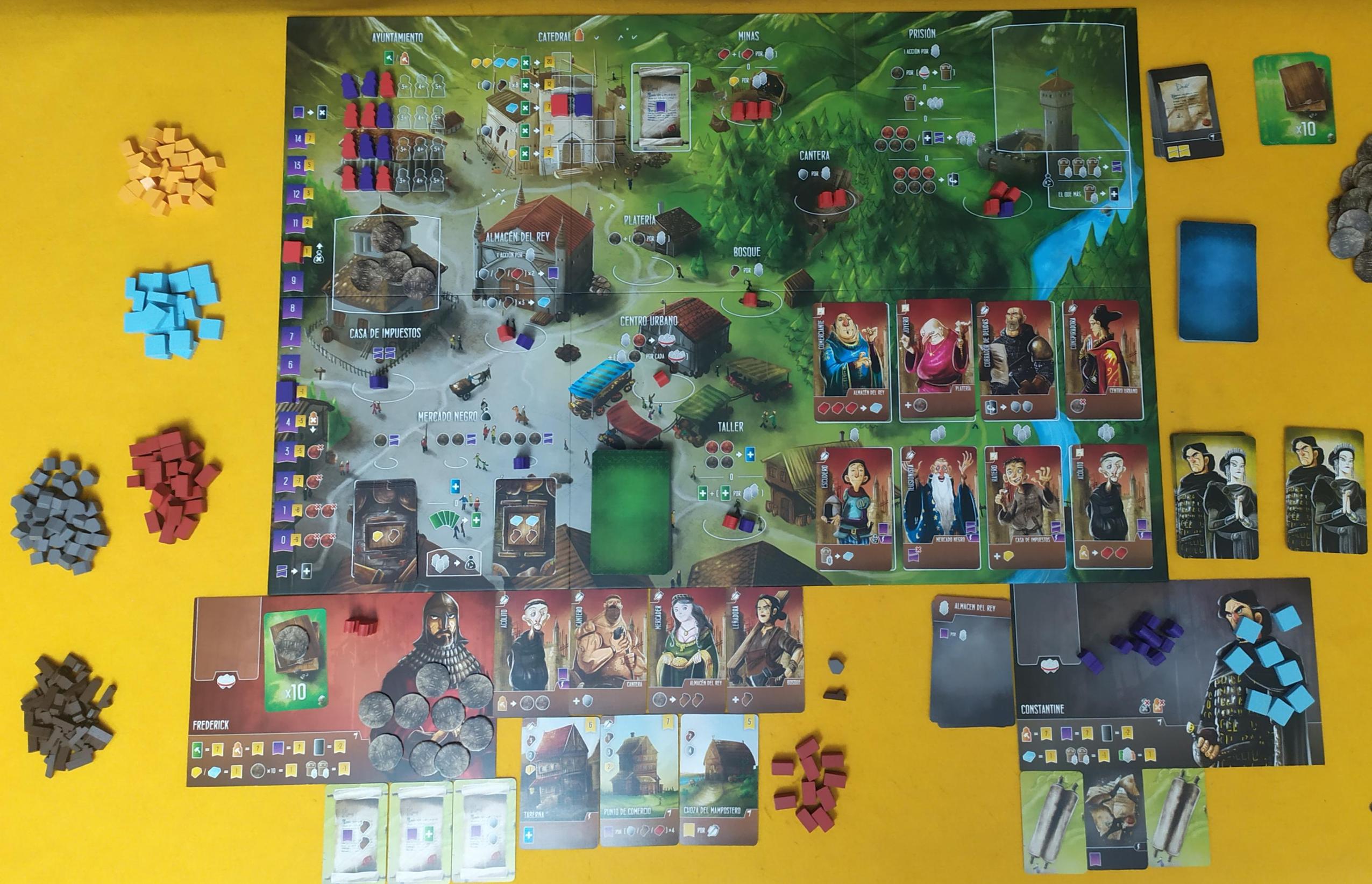
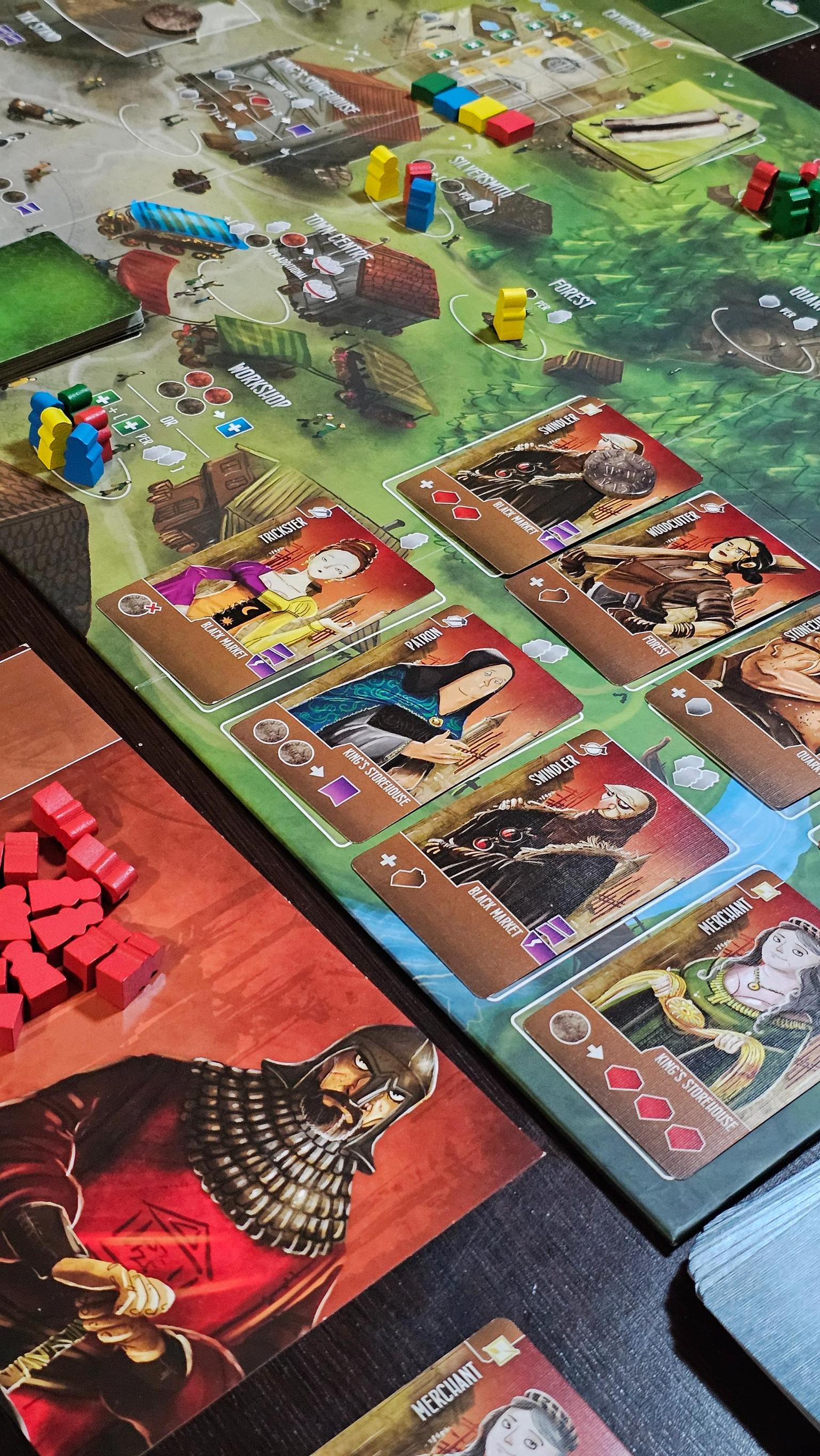
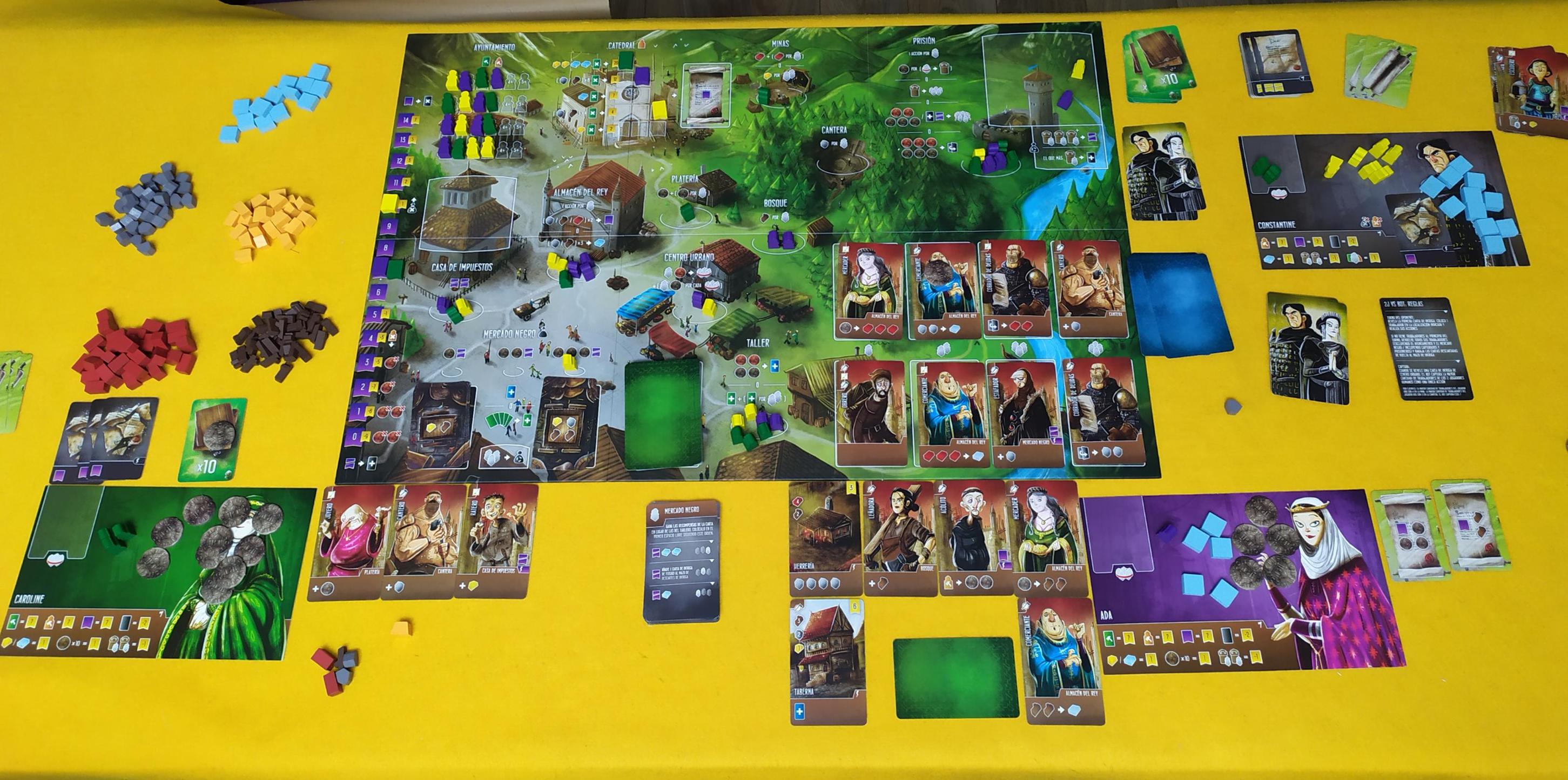
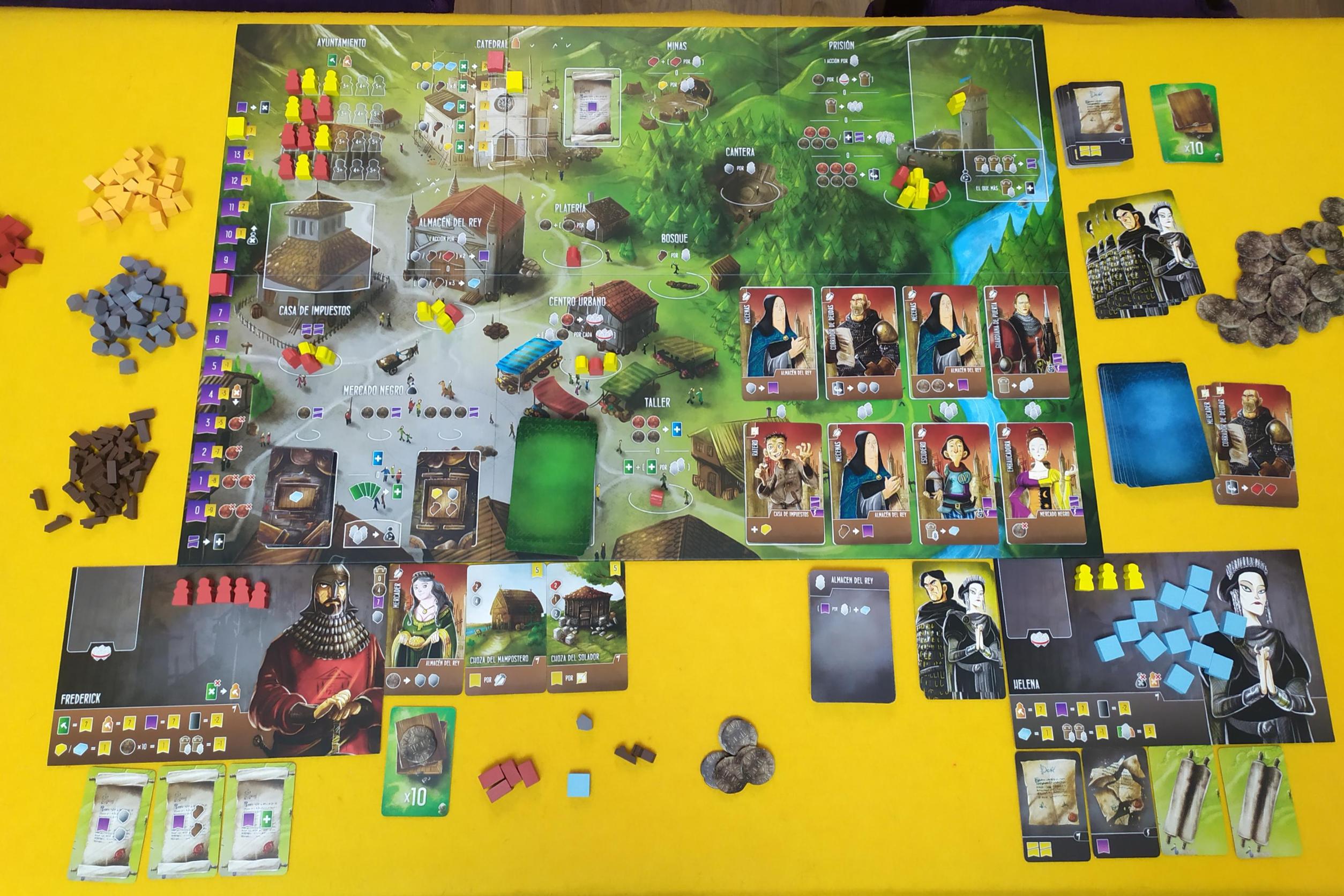
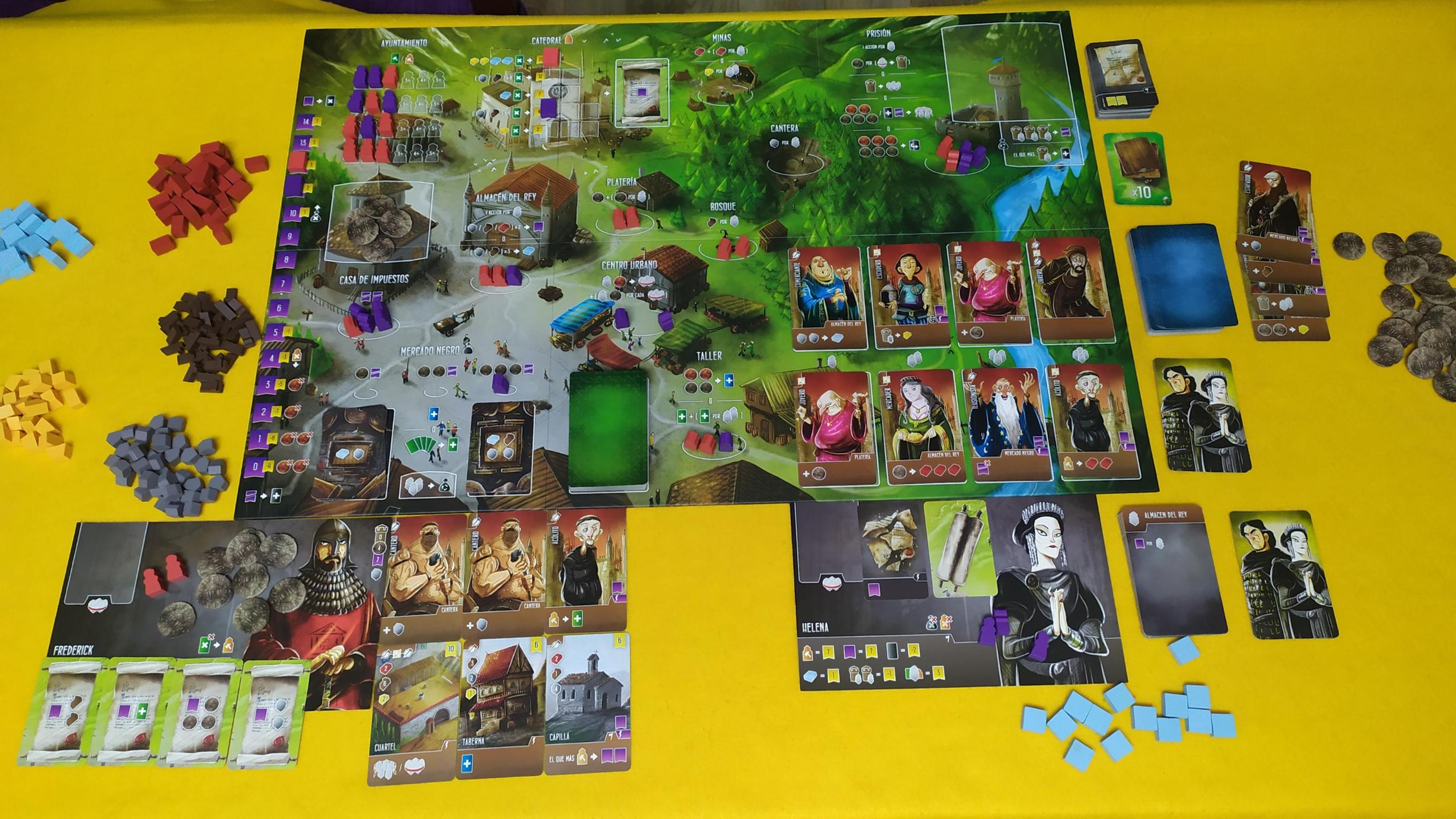
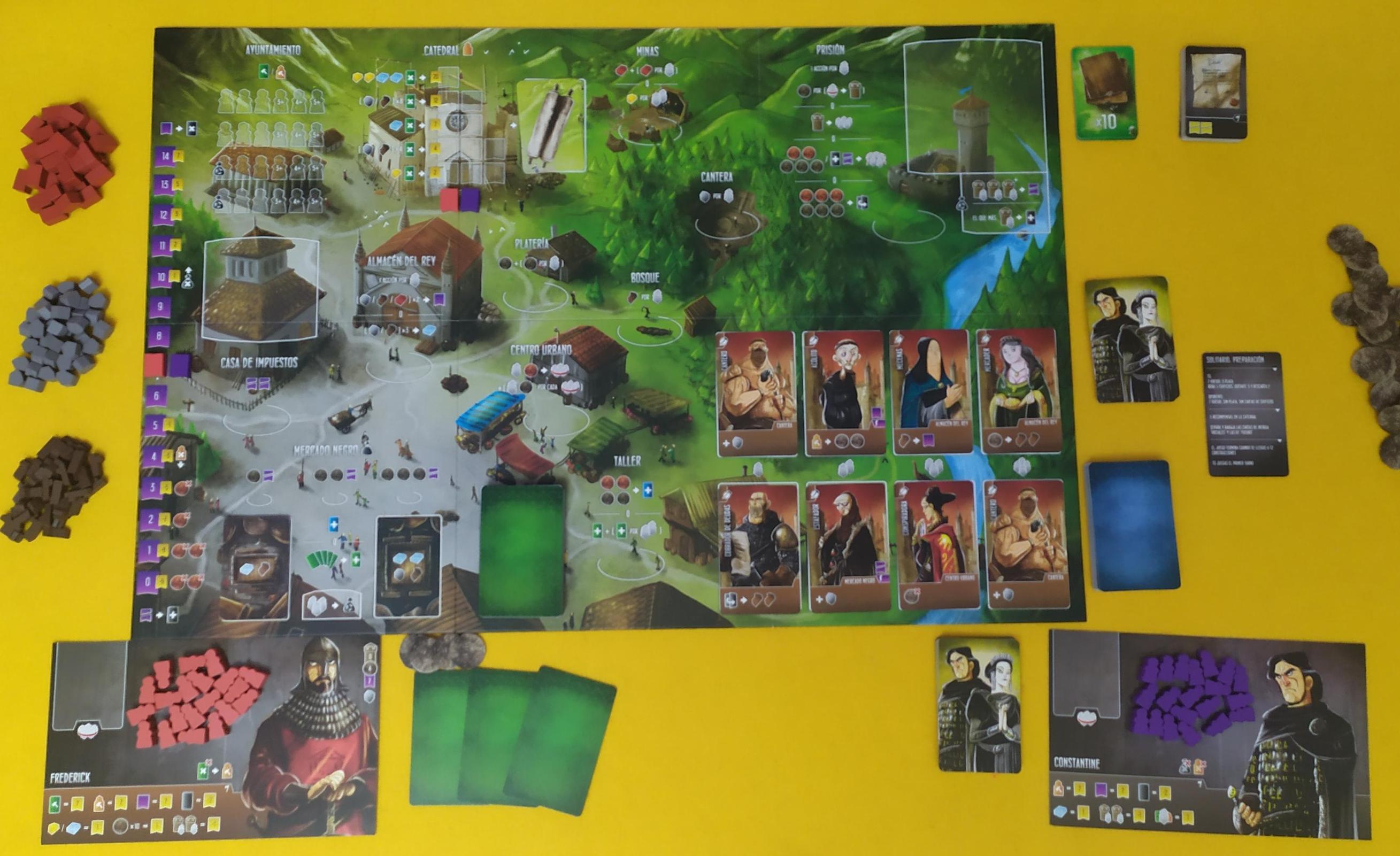
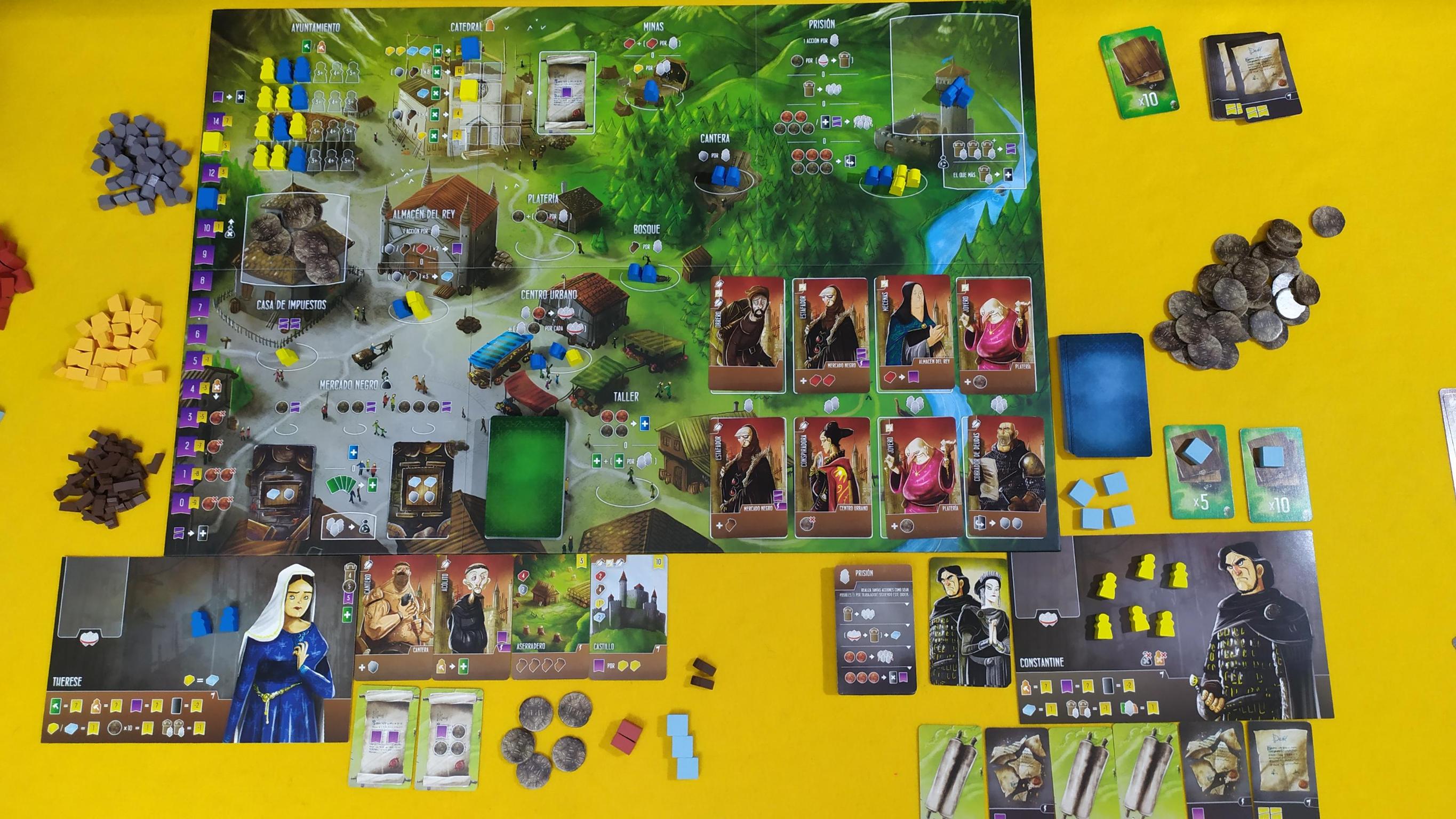
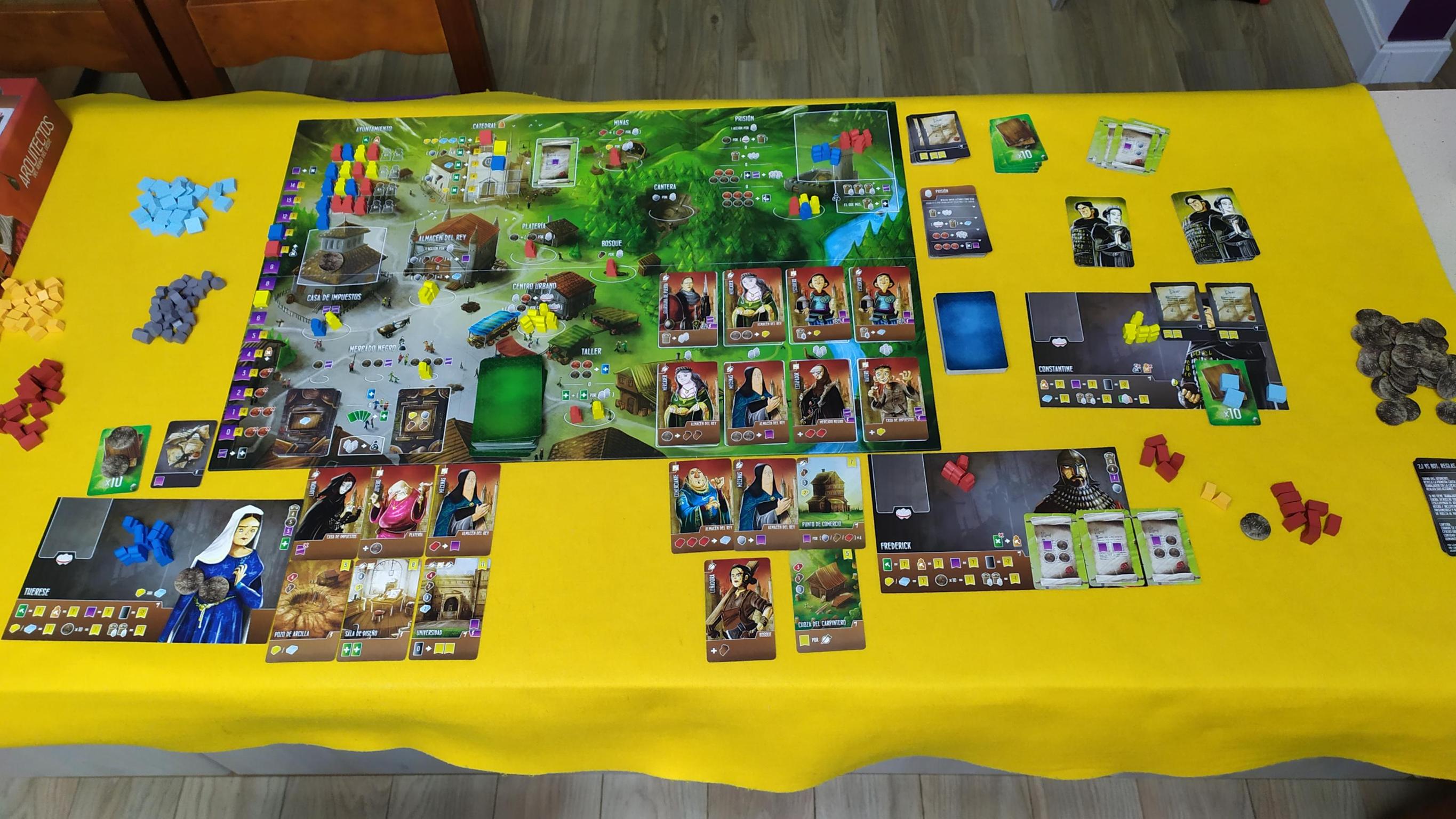
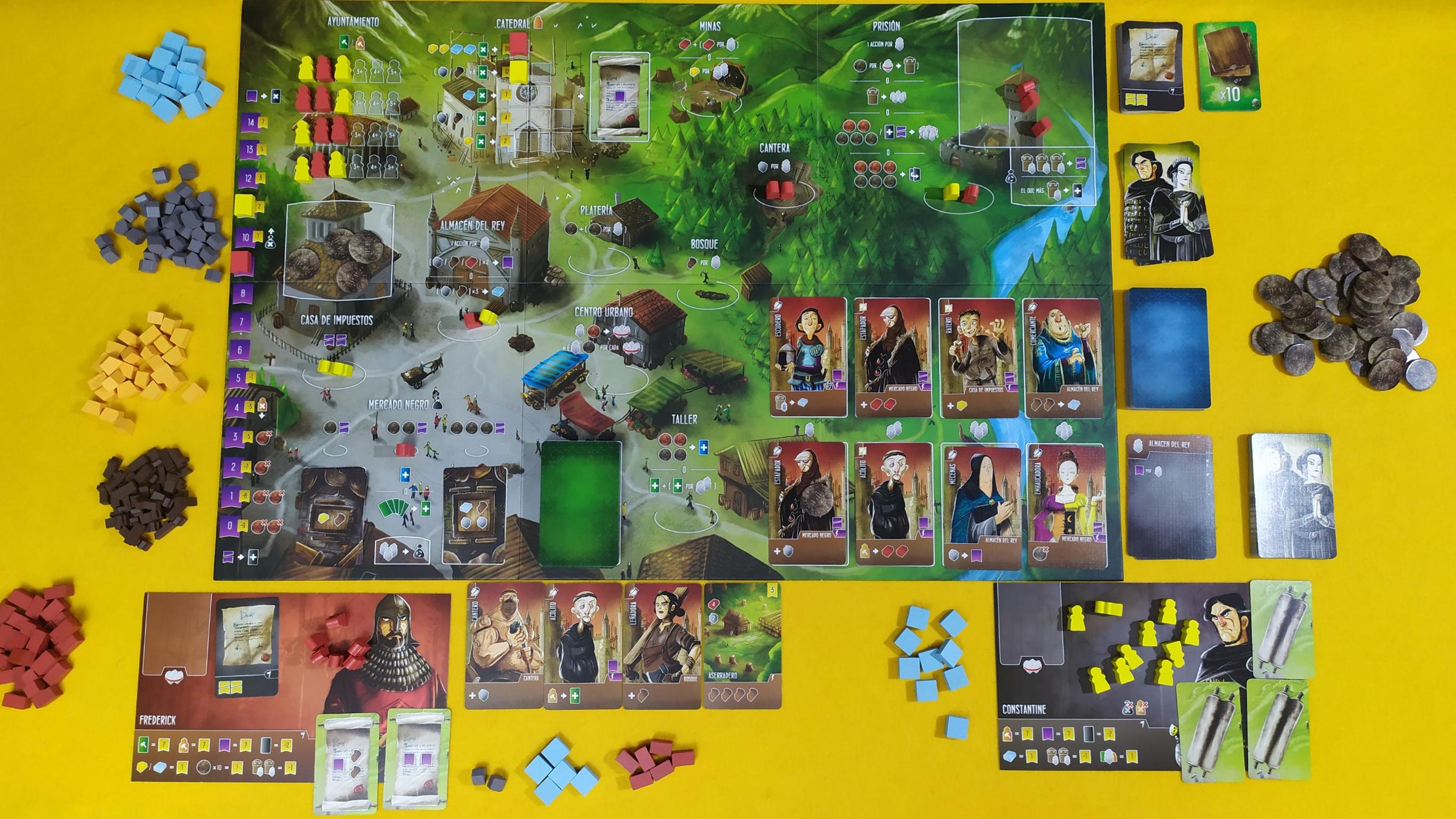
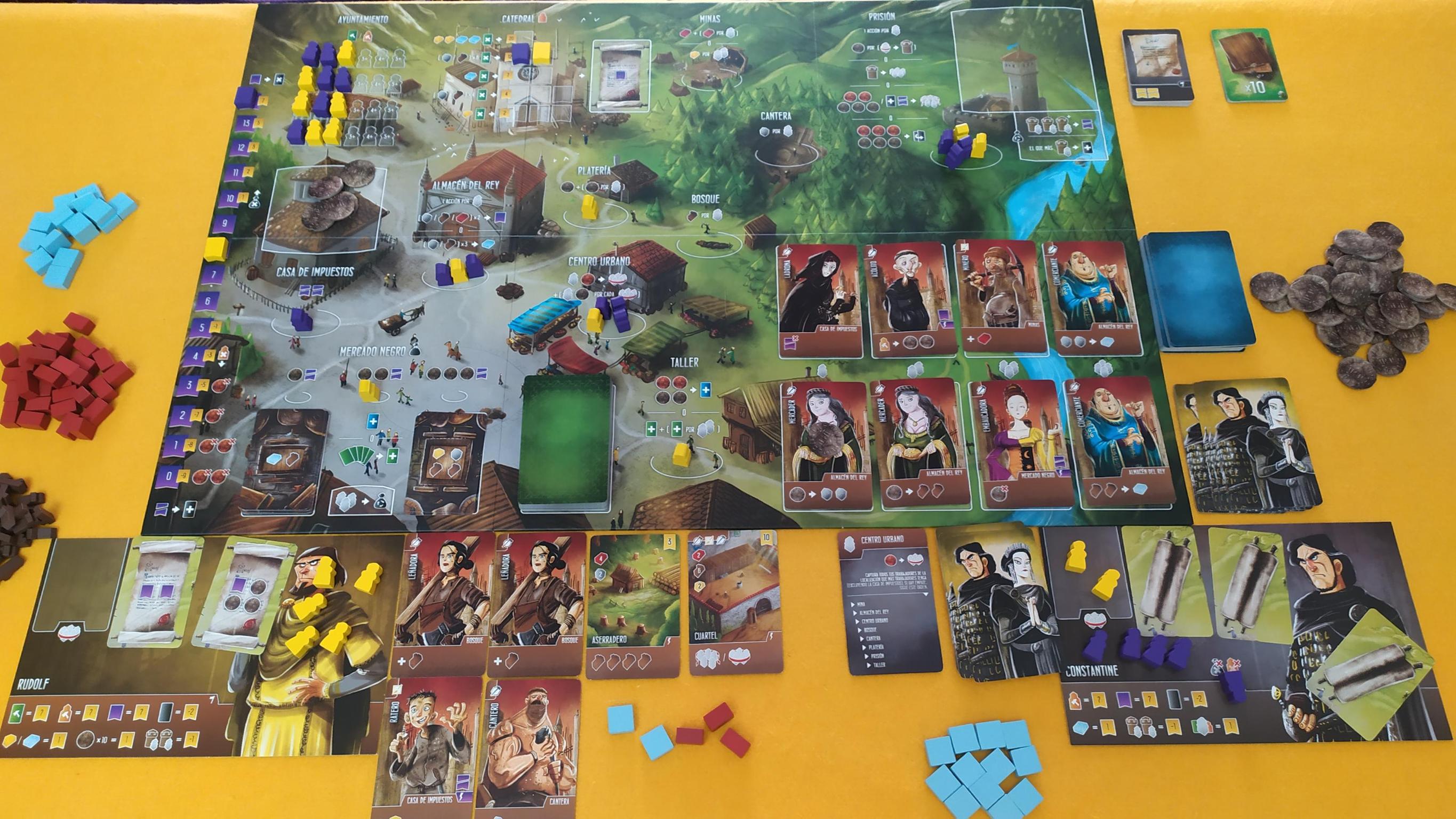
Dónde comprarlo
Precios de tiendas y copias de segunda mano, revisados cada día.
En las mesas de Ludoya
Todas las estadísticas en Ludoya- 1393
- Partidas registradas
- 1296
- Jugadores
- 1h 9m
- Partida media
- 285
- En colecciones
- 40
- En listas de deseos
- 1
- En preventa
7,3/10
de 188 reseñas en Ludoya
Vic Granell8,5 Great worker placement game with some cutthroat strategies that can change the outcome of your strategy by other players' boycotting. Enjoyed the first play a lot, with asymmetrical characters. With Folded Space insert.
Garfield4,0 Too many possibilities for my taste. Buildings are too luck based but very important. Nice mechanism with catching and releasing workers. But it's just gathering ressources to build something. Rinse and repeat. [c] Theme: :star::star::nostar::nostar::nostar: <!-- size 7]Too abstract for my taste --> Gameplay: :star::star::nostar::nostar::nostar: <!-- size 7]Too many possibilities --> Interaction: :star::star::star::nostar::nostar: <!-- size 7]Catch other workers --> Artwork: :star::star::star::star::nostar: <!-- size 7]Very nice illustrations --> Luck: :star::star::nostar::nostar::nostar: <!-- size 7]Building drawing --> Strategy: :star::star::nostar::nostar::nostar: <!-- size 7]Buildings or cathedral? --> Components: :star::star::star::star::nostar: <!-- size 7]Very good --> Play duration: :star::star::star::star::nostar: <!-- size 7]Very good --> Easy to teach: :star::star::star::nostar::nostar: <!-- size 7]Ok --> Setup time: :star::star::star::nostar::nostar: <!-- size 7]Ok --> No downtime: :star::star::star::nostar::nostar: <!-- size 7]Not much downtime --> Replay value: :star::star::nostar::nostar::nostar: <!-- size 7]Not much I can think of --> [/c]
Evan5,9 On it's face it's a fairly run of the mill worker placement game, where you place into areas to get goods, then spend those goods to buy cards either in the form of buildings that score endgame victory points on in personalities who improve your production engine in some form. The things that make this game stand out are the mechanism where you get extra goods the more workers you have in a given spot when you resolve the action, and the way you never get your workers back unless a player takes the action to capture them from the board. Captured workers turn into money for the capturing player, and the capturee, while their production engine takes an efficiency hit, they don't want to run out of workers entirely, so generally you're good with getting your guys back. So here's the question. How much can you trust your group to self-balance? If your group is good at getting a sense of who is in the lead and who needs their engine slowed down, then this is going to be a great experience for you. If not, then it's possible one player picks on another player too much, and then the third or fourth player runs away with it. I play enough dudes on the map games where the game expects you to be able to identify the leader and punch them, so it doesn't bother me here, but it also helps that my group has been so far pretty good at sussing out who is ahead. The worker capture doesn't need to feel punitive, but if one player is overly targeted it CAN feel that way. There's no in-game benefit or reason for over targeting someone so I don't think it's a problem. It's just something I've been thinking over. Overall my concern is drowned out by my enjoyment of a euro mechanism that encourages a natural flow of player interaction. :star: Art, Iconography and components functional :star: Clever or interesting mechanisms :star: Reasonably low downtime between turns with mildly AP players :star: Multiple plays stay interesting :star: Low or mitigatable luck elements :star::star::nostar::nostar::nostar: Raw enjoyment

Dudas de reglas
Respondidas a partir del reglamento por el asistente de reglas de Ludoya.
If I start my turn with no workers on my player board, can I return a worker and place it in the same turn?
No — if you start your turn with no Workers on your Player Board your entire turn is spent returning any one Worker from the Main Board to your Player Board and you may not place it until your next turn; the returned Worker cannot be taken from the Guildhall, Black Market, Prison, or another player's Board (page 6).
Can I capture my own workers at the Town Centre, and where do captured workers go?
Yes — you may capture your own Workers; captured opposing Workers are placed on the top-left of your Player Board (your own captured Workers return to your supply), and later you can send captured Workers to Prison to gain 1 Silver per Worker (page 11).
How does skipping Apprentice cards with Silver work, and who collects that Silver?
You may place Silver on the left-most Apprentice card to skip it (placing always starts on the left-most card and proceeds right if skipping more), and any Silver placed on an Apprentice is collected by the player who later hires that Apprentice; note hiring normally costs a total of 4 Silver (2 of which are Tax) (pages 9–10).
What triggers a Black Market Reset and what happens during it?
A reset is triggered when all three Black Market spaces are filled or when a Worker is placed in certain left-most Guildhall spaces; after resolving the triggering action, move all Black Market Workers to Prison, flip the top Small Market card onto the Large Market, resolve any Black Market-Reset apprentices, players with 3+ Prison Workers lose 1 Virtue, and the player(s) with the most Prison Workers each take an unpaid Debt card (page 17).
If I have 10 or more Virtue, can I still place Workers on the Black Market?
No — once a player has 10 or more Virtue they can no longer place Workers in the Black Market; dropping below 10 removes that restriction (page 16).
When I construct a Building, do my Apprentices get used up and when do immediate vs end-game effects apply?
Apprentices are not discarded when used to meet skill requirements; immediate effects are resolved as soon as the Building is constructed, while end-game effects are scored during final scoring (page 14).





Quien lo tiene también tiene
 Vizcondes del Reino del Oeste2020
 Paladines del Reino del Oeste2019
 Saqueadores del Mar del Norte2016
 Tzolk'in: El Calendario Maya2018
 Las Ruinas Perdidas de Arnak2021
 Viticulture Edición esencial2017
 Viajeros de las tierras del sur2023
 Terraforming Mars2017
 Five Tribes: Los genios de Naqala2019
 Gran Hotel Austria2022
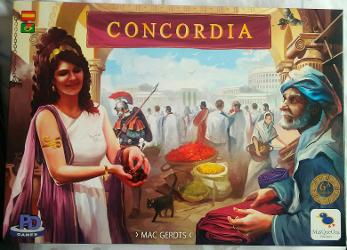 Concordia2020
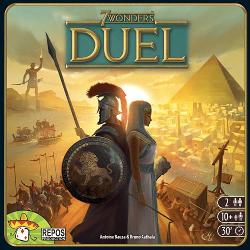 7 Wonders Duel2016
Gratis, en web, Android e iOS
Juega a Arquitectos del Reino del Oeste con Ludoya
- Tenlo en tu colecciónControla tu copia y sus expansiones, préstala a tus amigos o ponla en tu lista de deseos y te avisamos cuando baje de precio.Añadirlo a tu colección
- Registra cada partidaPuntuaciones, ganadores, temporizadores y fotos, y luego tus estadísticas: porcentaje de victorias, número de jugadores favorito, mejor puntuación.Registrar una partida
- Resuelve dudas de reglasPregunta lo que quieras sobre las reglas y obtén una respuesta sacada del reglamento, con la página donde comprobarla.Preguntar al asistente de reglas
- Encuentra gente con quien jugarloClubes, noches de juegos y eventos cerca de ti que sacan este juego a la mesa.Ver eventos
Datos del juego (jugadores, duración, edad, créditos) de BoardGameGeek.